
Best Metal for Gemstone Jewelry: Your Complete Matching Guide
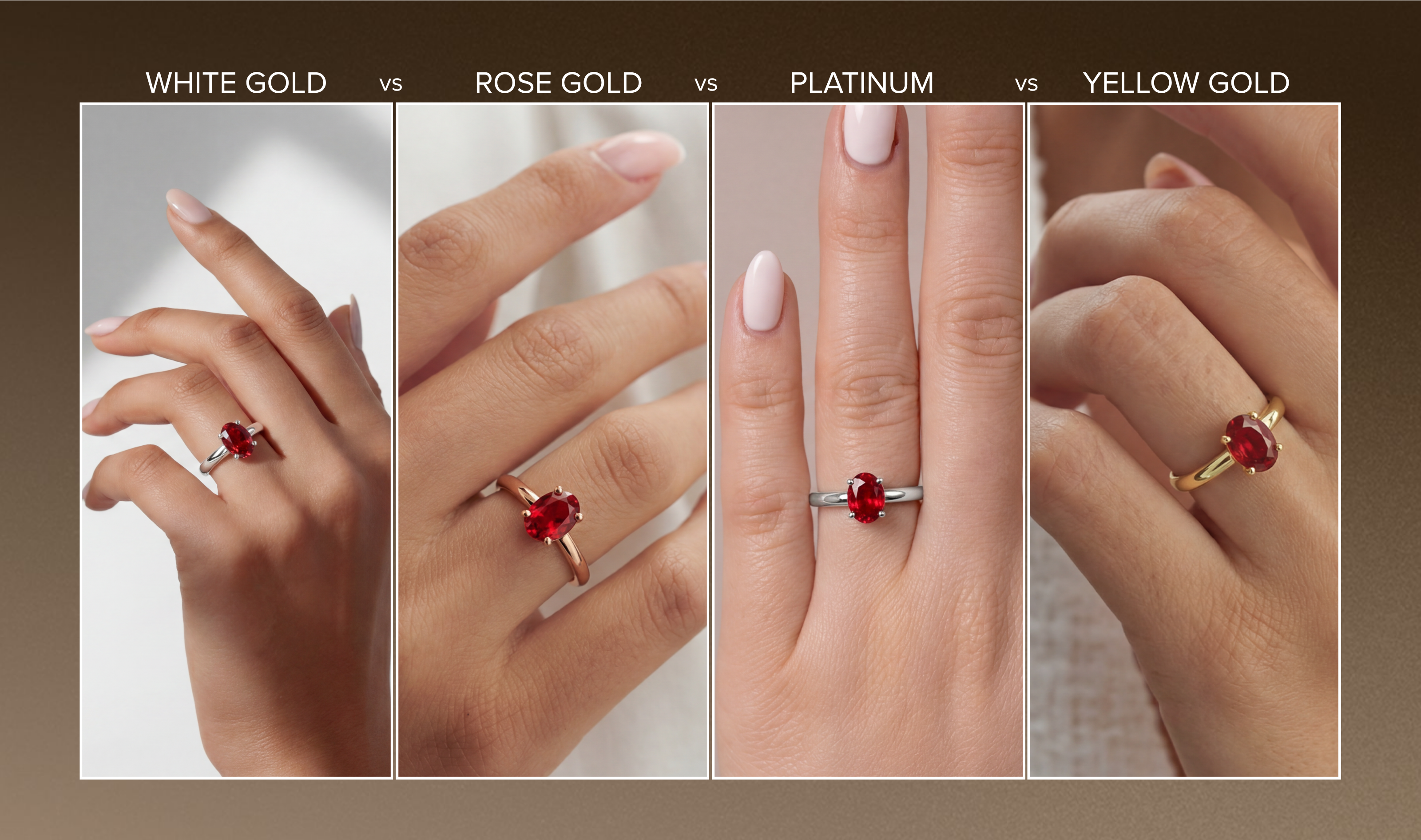
There is something undeniably personal about choosing the right metal for a gemstone. It is one of those decisions that looks simple on the surface but quietly shapes everything about how the finished piece feels on your hand, against your skin and in the light. The metal reflects color back into the stone, amplifying warmth or cooling it down. It sets the tonal temperature of the entire design. And over years of daily wear, it determines how securely the stone is held and how gracefully the piece ages.
Get the pairing right and a beautiful gemstone looks exceptional. A ruby in yellow gold glows with centuries of regal tradition. A tanzanite in platinum shifts between violet and blue with uninterrupted brilliance. A morganite in rose gold blushes so seamlessly that stone and metal feel like a single material. These pairings work because the metal is doing its job quietly, enhancing the gemstone without competing with it.
The challenge is that there is no single best metal for all gemstones. Each stone has its own color temperature, its own optical behavior and its own durability profile. A metal that flatters one gem can wash out another. That is why we built this guide.
Below, you will find detailed insights for every gemstone in one place, making it easy to compare, explore and navigate directly to the guide you need. Use the table to find the gemstone that speaks to your style or story, then click through to the dedicated deep-dive for that specific pairing. For a broader look at how color shapes the gemstone landscape, explore our complete gemstone color guide.
Find the Best Metal for Every Gemstone
Use the table below to compare metal compatibility across 25 popular gemstones. Each row rates yellow gold, white gold, rose gold, platinum, silver and two-tone gold from Good to Ideal, includes a quick styling tip and links to a full dedicated guide for that gemstone.
| Gemstone | Yellow Gold | White Gold | Rose Gold | Platinum | Silver | Two-Tone Gold | Quick Tip | Full Guide |
|---|---|---|---|---|---|---|---|---|
| Blue Sapphire | Good | Ideal | Good | Ideal | Good | Strong | Cool metals let the blue stand out | Best Metal For Blue Sapphire Jewelry |
| Pink Sapphire | Good | Strong | Ideal | Strong | Good | Ideal | Rose gold creates a tonal blush harmony | Best Metal For Pink Sapphire Jewelry |
| Ruby | Ideal | Good | Strong | Strong | Good | Ideal | Yellow gold amplifies ruby’s inner fire | Best Metal For Ruby Jewelry |
| Emerald | Ideal | Strong | Good | Ideal | Good | Strong | Yellow gold is classic; platinum secures softer stones | Best Metal For Emerald Jewelry |
| Amethyst | Good | Ideal | Strong | Strong | Ideal | Strong | Cool metals sharpen the violet; rose gold warms it | Best Meta For Amethyst Jewelry |
| Aquamarine | Good | Ideal | Good | Ideal | Strong | Strong | Cool metals echo the icy blue perfectly | Best Metal For Aquamarine Jewelry |
| Citrine | Ideal | Good | Strong | Good | Good | Strong | Yellow gold creates seamless golden warmth | Best Metal For Citrine Jewelry |
| Garnet | Ideal | Good | Strong | Good | Good | Strong | Yellow gold amplifies the wine-red depth | Best Metal For Garnet Jewelry |
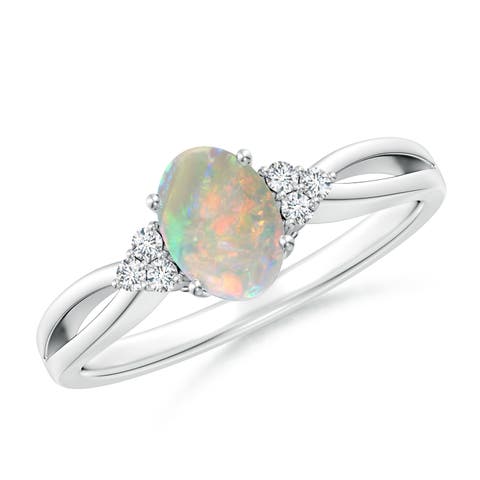
| Opal | Ideal | Good | Ideal | Good | Good | Strong | Warm metals draw out the play-of-color fire tones | Best Metal For Opal Jewelry |
| Tanzanite | Good | Ideal | Good | Ideal | Good | Strong | Cool metals showcase the violet-blue shift | Best Metal For Tanzanite Jewelry |
| Peridot | Ideal | Good | Strong | Good | Strong | Strong | Yellow gold and lime green are a natural pair | Best Metal For Peridot Jewelry |
| Moonstone | Strong | Strong | Strong | Strong | Ideal | Strong | Silver’s cool tone enhances moonstone’s ethereal glow | Best Metal For Moonstone Jewelry |
| Pearl | Ideal | Strong | Strong | Ideal | Ideal | Strong | Silver, platinum and yellow gold are the classic pearl metals | Best Metal For Pearl Jewelry |
| Blue Topaz | Good | Ideal | Good | Strong | Strong | Strong | White gold keeps the blue clean and vivid | Best Metal For Blue Topaz Jewelry |
| London Blue Topaz | Good | Ideal | Good | Strong | Good | Strong | White gold sharpens the deep inky teal | Best Metal For London Blue Topaz Jewelry |
| Swiss Blue Topaz | Good | Ideal | Good | Strong | Strong | Strong | White gold amplifies the bright sky-blue | Best Metal For Swiss Blue Topaz Jewelry |
| Lab-Grown Alexandrite | Strong | Ideal | Strong | Ideal | Good | Ideal | Cool metals let the color-change effect shine | Best Metal For Lab Alexandrite Jewelry |
| Black Onyx | Ideal | Strong | Good | Strong | Ideal | Ideal | Yellow gold and black or silver and black are both iconic combos | Best Metal For Black Onyx Jewelry |
| Rose Quartz | Strong | Good | Ideal | Good | Strong | Strong | Rose gold creates a soft, monochromatic blush | Best Metal For Rose Quartz Jewelry |
| Tsavorite | Ideal | Strong | Good | Ideal | Good | Strong | Yellow gold warms the green; platinum lets it pop | Best Metal For Tsavorite Jewelry |
| Turquoise | Ideal | Good | Good | Good | Ideal | Good | Yellow gold or silver are the classic turquoise metals | Best Metal For Turquoise Jewelry |
| Teal Montana Sapphire | Strong | Ideal | Strong | Ideal | Good | Ideal | Cool metals showcase the unique teal-blue hue | Best Metal For Teal Sapphire Jewelry |
| Yellow Sapphire | Ideal | Strong | Good | Strong | Good | Strong | Yellow gold creates a rich tonal glow | Best Metal For Yellow Sapphire Jewelry |
| Pink Tourmaline | Strong | Good | Ideal | Strong | Good | Strong | Rose gold harmonizes with the pink spectrum | Best Metal For Pink Tourmaline Jewelry |
| Morganite | Good | Good | Ideal | Good | Good | Strong | Rose gold and morganite share the same warm pink family | Best Metal For Morganite Jewelry |
Choosing the Right Metal: It Starts With the Stone
A gemstone and its metal are not separate decisions. They are two halves of the same conversation. The metal you choose will influence how the stone’s color reads to the eye, how the piece feels on the skin, how much maintenance it requires over time and how long the setting holds the stone securely in place.
If there is one principle that simplifies the entire decision, it is temperature matching. Cool-toned gemstones such as blue sapphire, aquamarine, tanzanite and amethyst look best in cool metals: white gold and platinum. Warm-toned gemstones such as ruby, citrine, garnet and peridot glow in warm metals: yellow gold and rose gold. Neutral or multi-toned gems such as diamond, pearl, opal and moonstone work in any metal, so you can choose based on personal style, skin tone or budget. That rule will steer you right about 90% of the time.
The remaining 10% is where intentional contrast creates drama: a ruby in platinum, an emerald in rose gold, a black onyx in yellow gold. Those combinations break the temperature rule on purpose, and they can look stunning when that is the effect you are after. The dedicated guides linked in the table above explore those contrast pairings in detail for each stone.
At Angara, every gemstone is hand-selected for its color and brilliance before being set into finely crafted designs. With over 400 years in the gemstone trade, we offer every stone in the table above across multiple metal options, so you can see these pairings come to life in real pieces. Each piece is backed by a Certificate of Authenticity and a Lifetime Warranty, so your purchase feels as secure as it is beautiful. Use this guide whenever you explore a new gemstone, compare metal options or plan a thoughtful gift. When you are ready, the deep-dive guides are just a click away.
FAQs
1. What is the best metal for gemstone jewelry?
The best metal for gemstone jewelry depends on the gemstone’s color, durability and how you plan to wear it. That’s why Angara gives you the flexibility to choose your metal, so the final piece reflects how you want the gemstone’s color to come through. Cooler stones tend to look sharper in white gold or platinum, while warmer gems stand out in yellow or rose gold.
2. Is platinum better than gold for gemstone rings?
Platinum is better for gemstone rings if durability and long-term wear are your priority. It offers strong security and holds up well over time, especially for everyday pieces. Gold, particularly 14K, is a more accessible option that still performs beautifully. At Angara, both are offered so you can choose what fits your lifestyle best.
3. Does the metal color affect how a gemstone looks?
Yes, metal color directly affects how a gemstone looks by reflecting light into the stone. Yellow gold enhances warmth, while white gold and platinum keep cooler tones crisp and bright. That’s why Angara gives you the flexibility to choose your metal, so the final piece reflects your choices.
4. Is rose gold good for everyday jewelry?
Yes, rose gold is a great choice for everyday jewelry because it is both durable and versatile. Its copper content adds strength, making it suitable for daily wear, while its warm tone complements a wide range of gemstones and skin tones. At Angara, it’s often chosen for pieces meant to be worn often.
5. Does white gold need maintenance?
Yes, white gold needs occasional maintenance to maintain its bright finish. It is coated with rhodium, which can wear over time, but a quick replating restores its original look. At Angara, this is considered a simple way to keep your jewelry looking polished over time.
6. How do I know which metal suits my skin tone?
You can find the best metal for your skin tone by checking the color of your wrist veins. Blue or purple veins suit white gold and platinum, while green veins pair well with yellow or rose gold. If you see both, you can wear any metal. Angara’s customization options make it easy to choose what feels right.
7. Can I mix metals in my jewelry collection?
Yes, mixing metals in jewelry is a modern and widely accepted styling choice. It works best when one metal leads and another complements it, creating a balanced look. At Angara, you can find versatile designs that make it easy to layer and mix without the pieces feeling mismatched.
You may also like
Ring Size Chart: How to Find Your Perfect Fit at Home
20 Mar, 2024
Gems Price Chart Ranked by Value
18 Nov, 2023
How to Test Gold at Home
5 Jan, 2023
Ruby vs Garnet: How to Tell the Difference and Which One to Choose
13 Dec, 2018
Everything You Need to Know About Blue Gemstones
1 Dec, 2023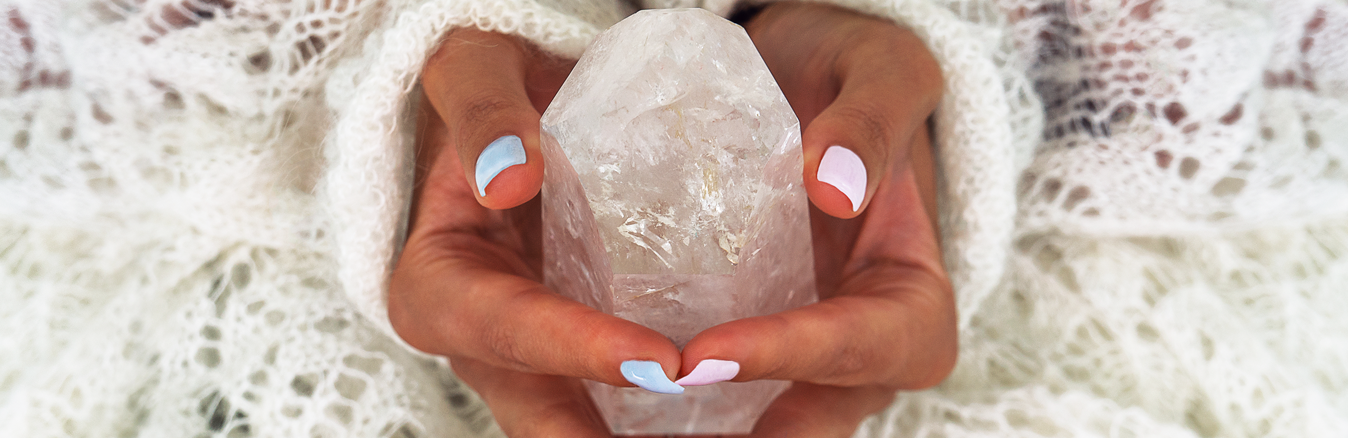
Best Crystals for Protection: Meaning & How to Use
16 Dec, 2022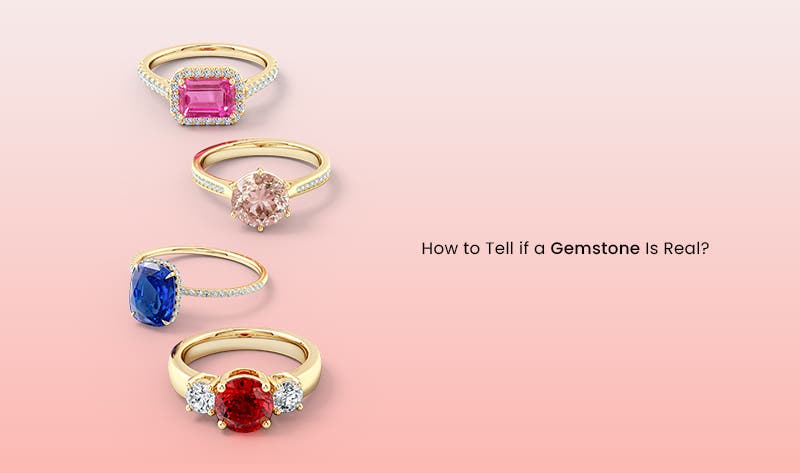
How to Tell if a Gemstone Is Real
20 Dec, 2022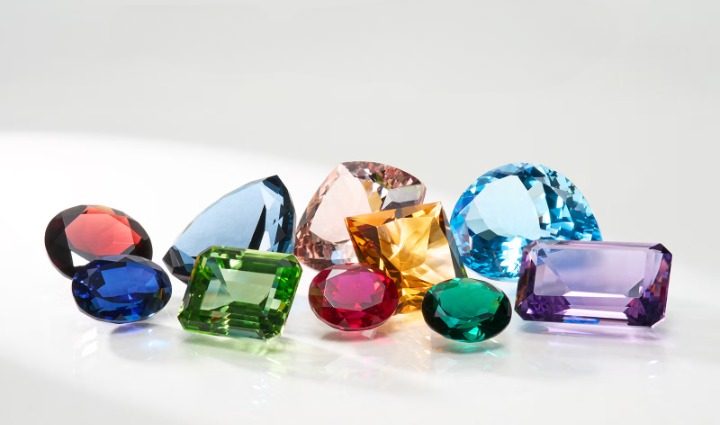
Colored Gemstone Size Chart: MM, Carat & Dimensions
14 Aug, 2024
11 Ways to Keep Your Ring From Spinning
19 Jan, 2024
Shop Our Bestsellers
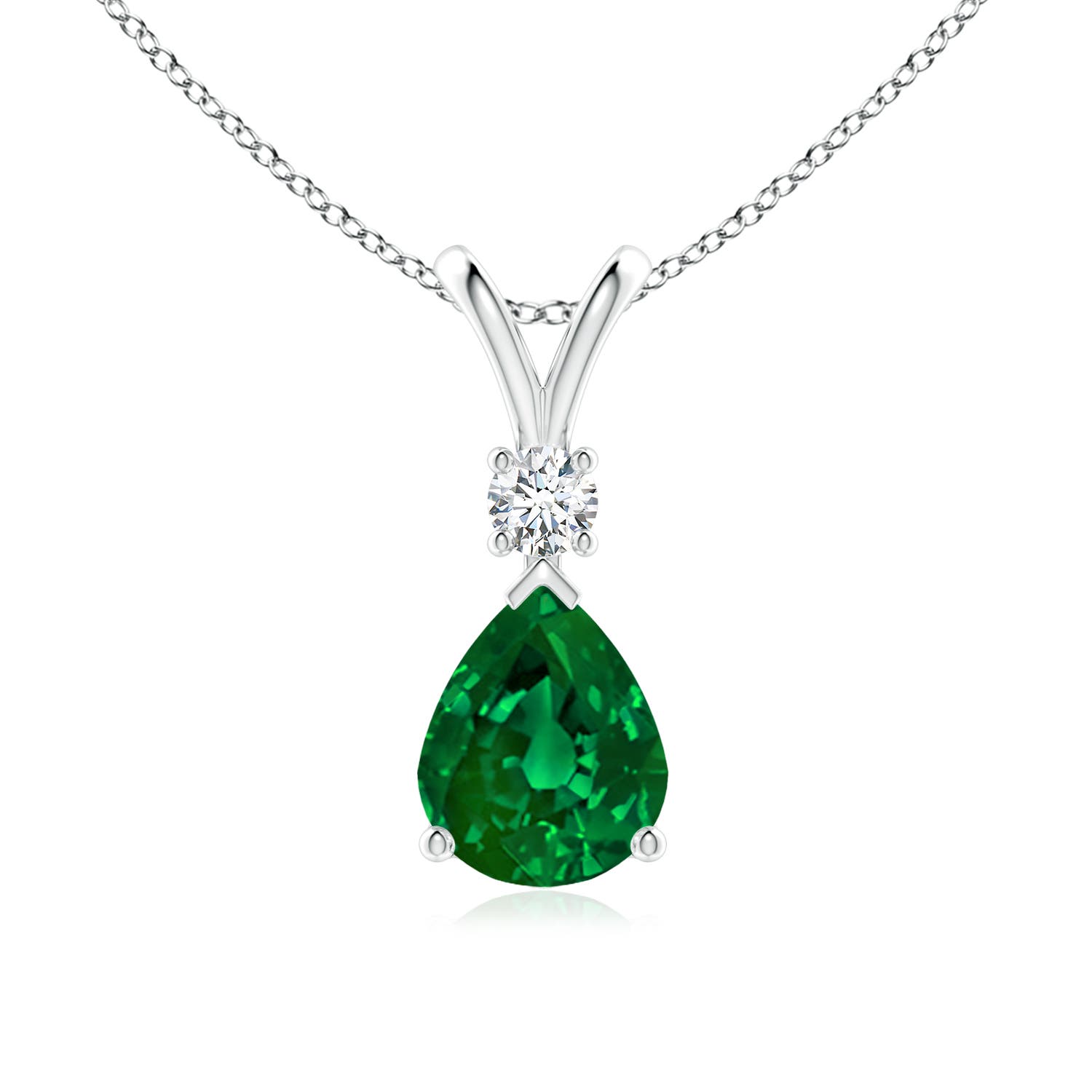
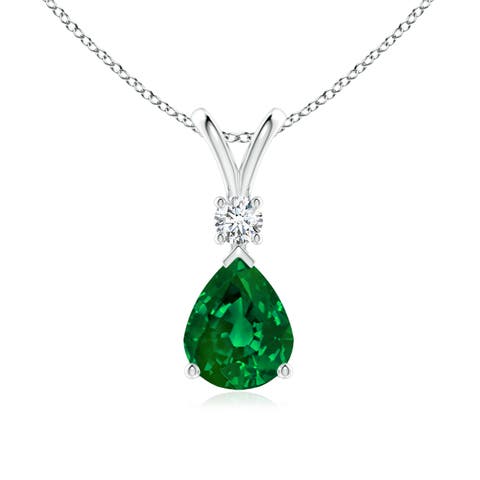
- Prong-Set Lab-Grown Emerald Teardrop V-Bale Pendant with Diamond$2,099
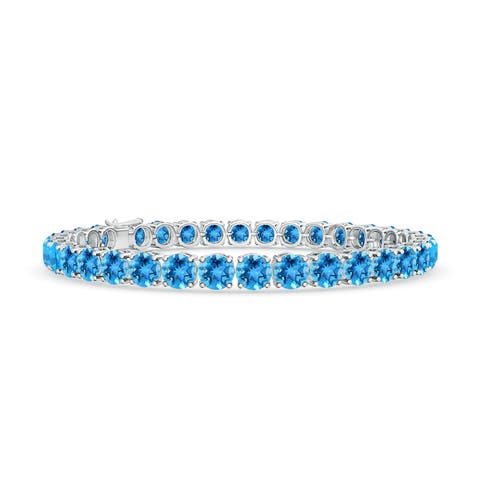
- Classic Swiss Blue Topaz Linear Tennis Bracelet$1,369
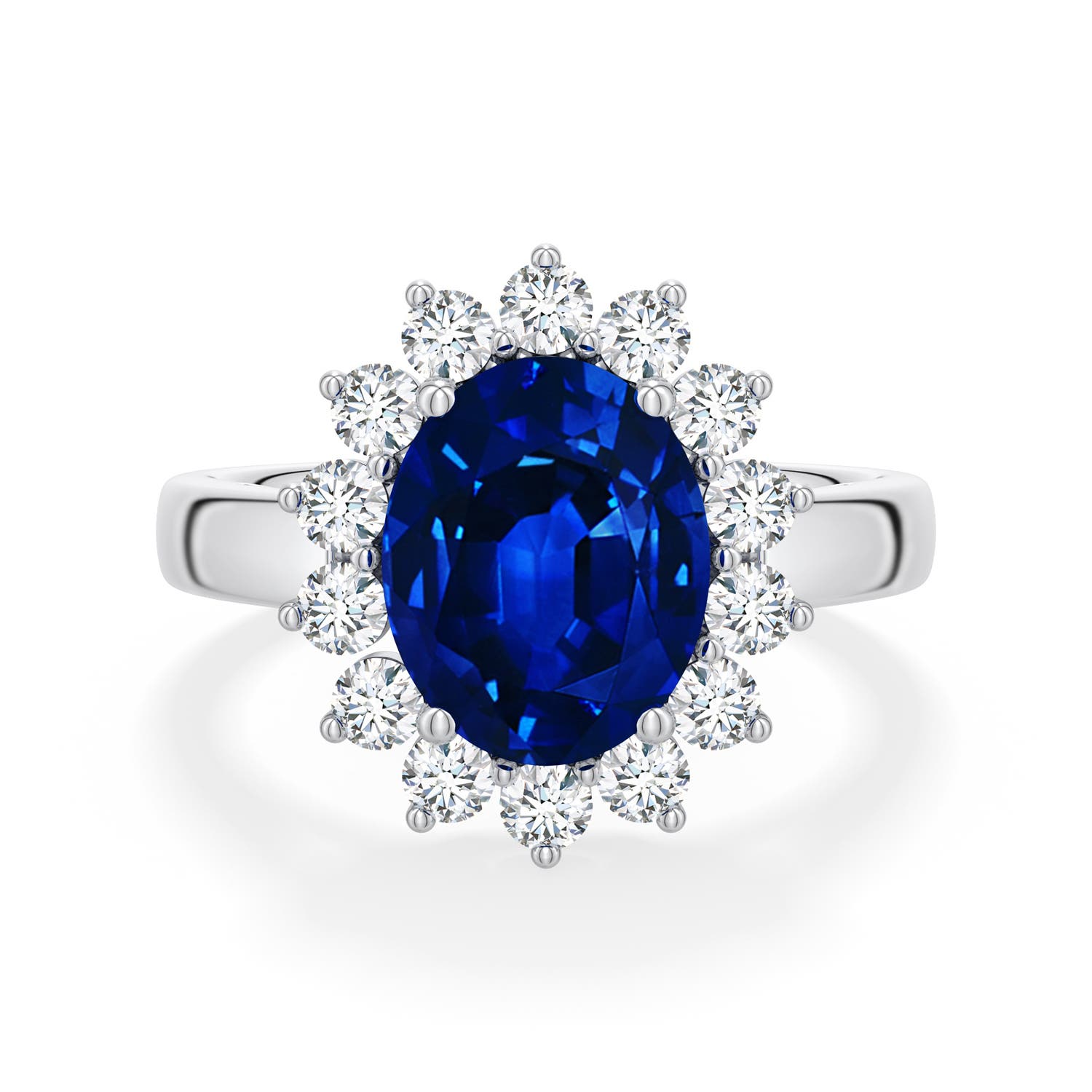
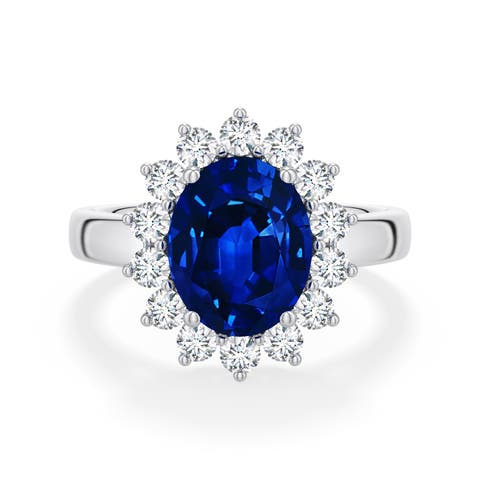
- Lab-Grown Princess Diana Inspired Blue Sapphire Engagement Ring with Lab Diamond Halo$4,869
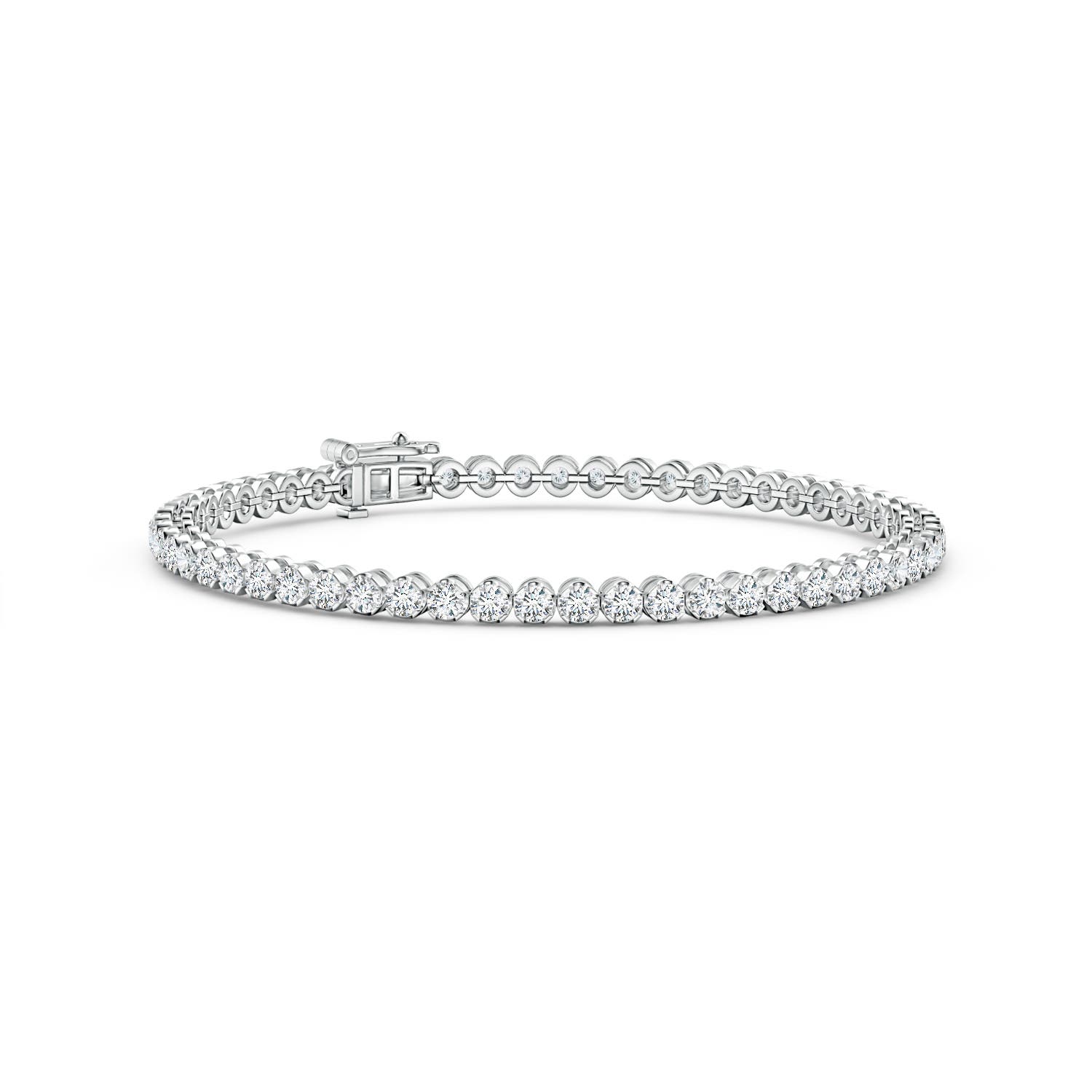
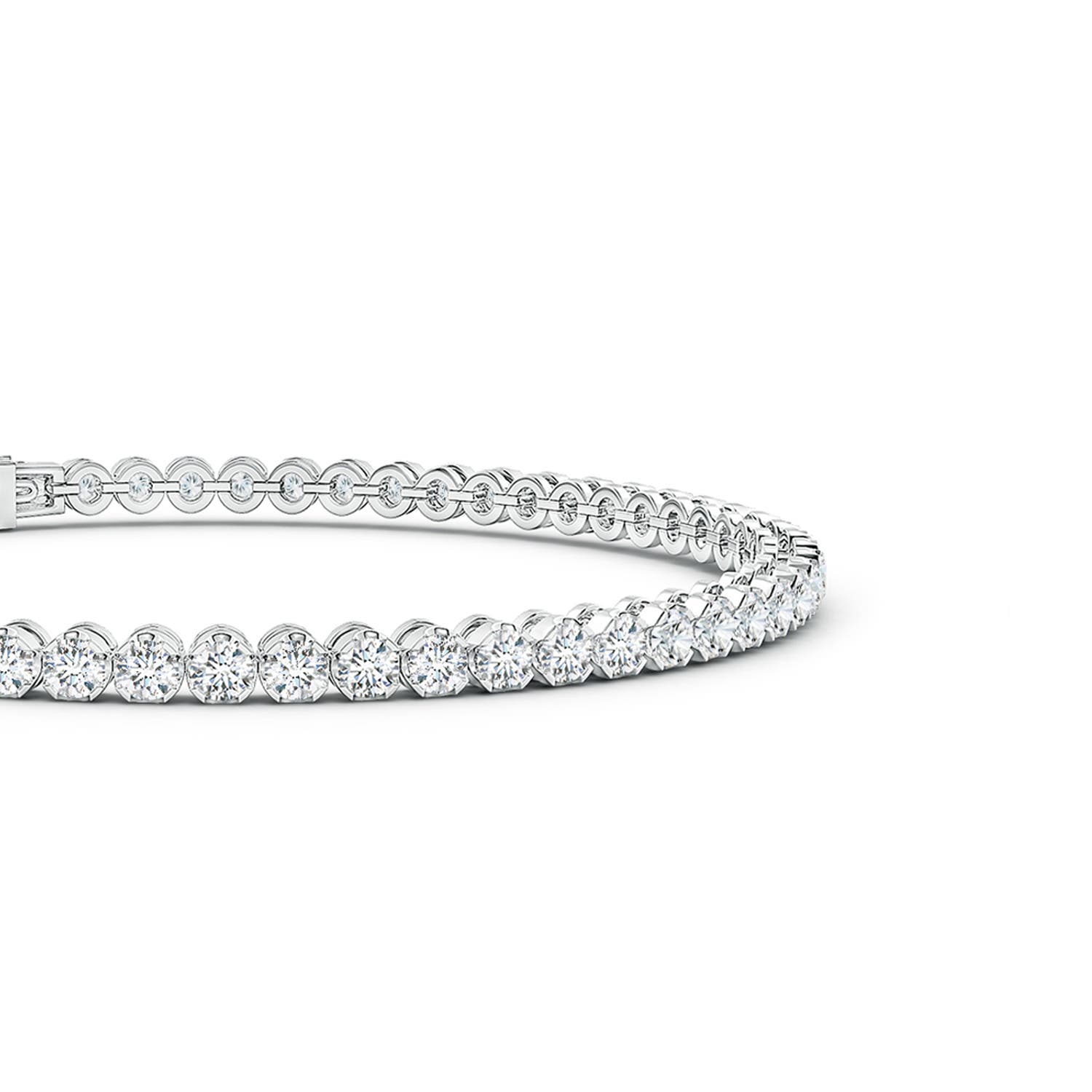
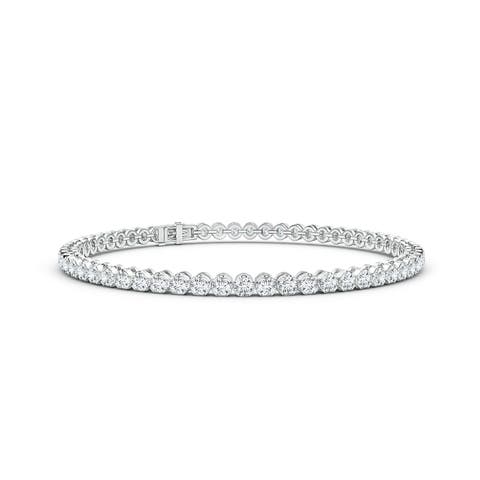
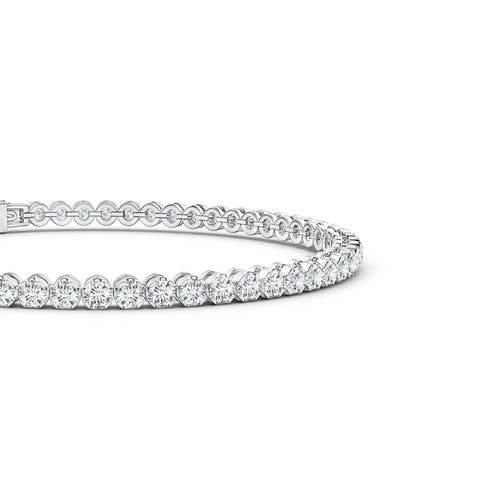
- Lab-Grown Classic Round Diamond Tennis Bracelet$2,739
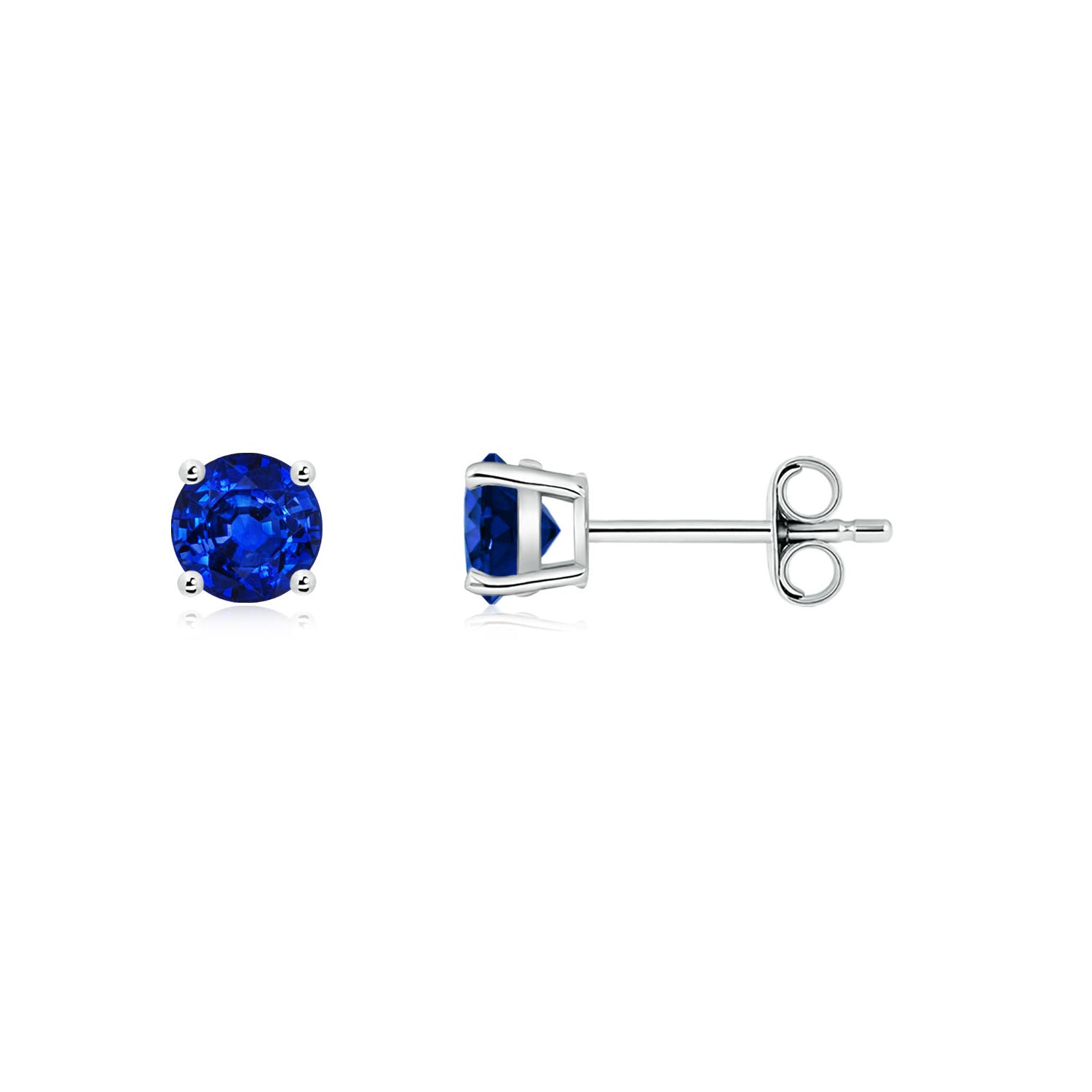
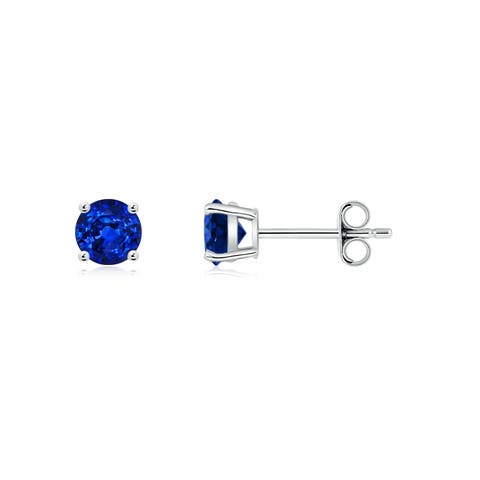
- Round Blue Sapphire Stud Earrings$1,199
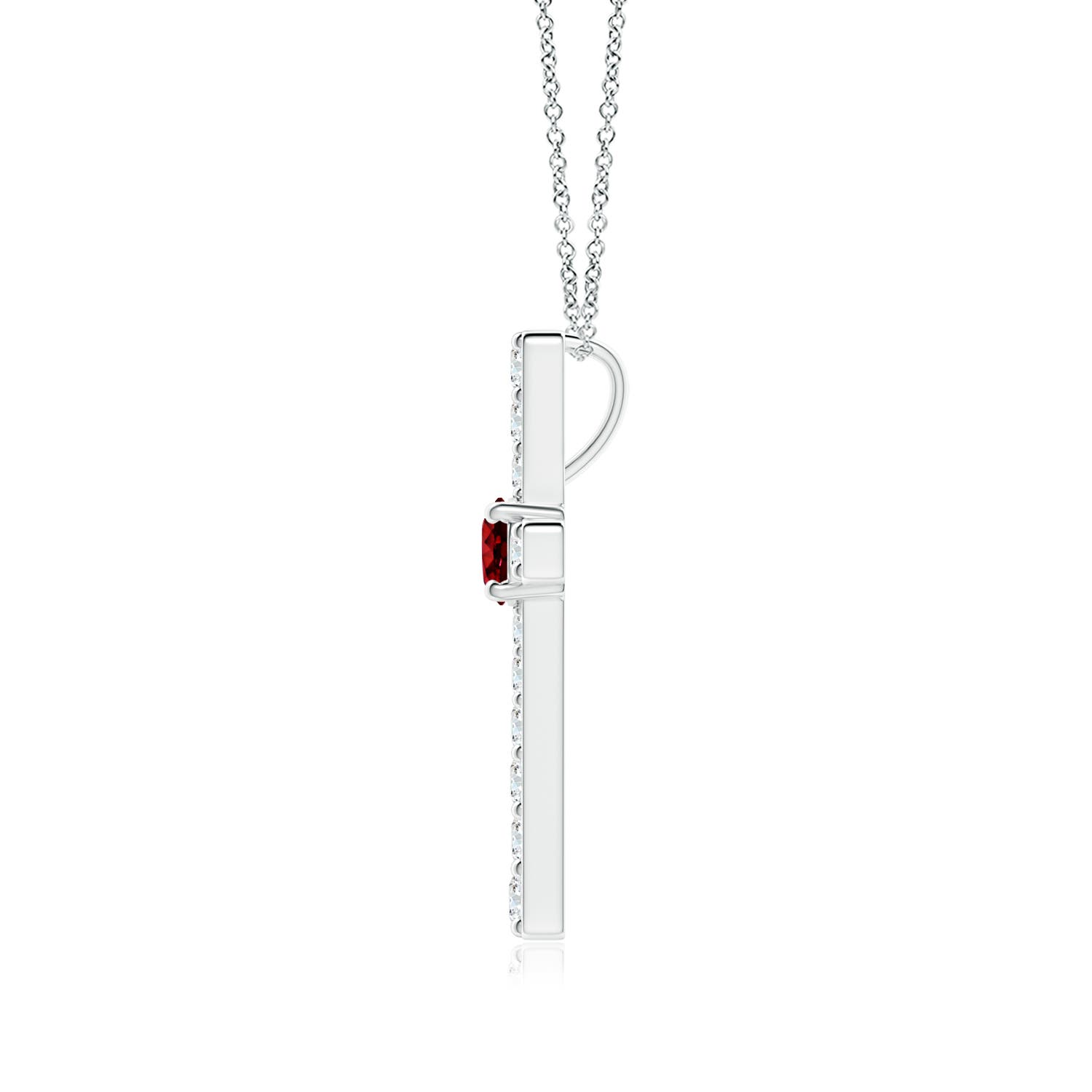
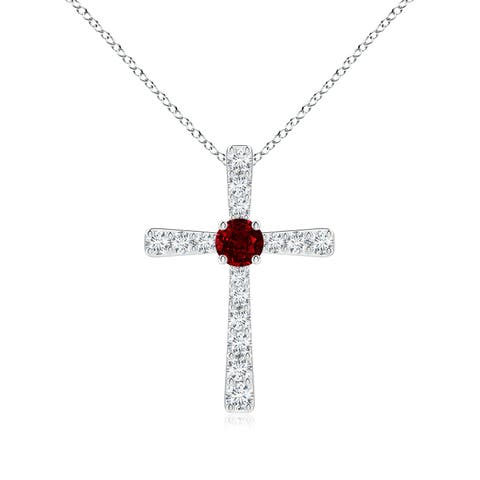
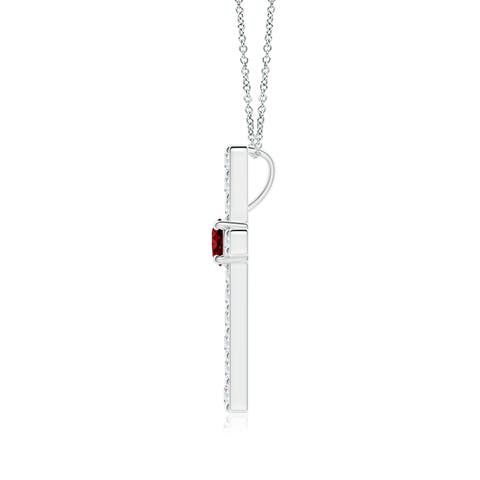
- Ruby and Diamond Cross Pendant$2,249
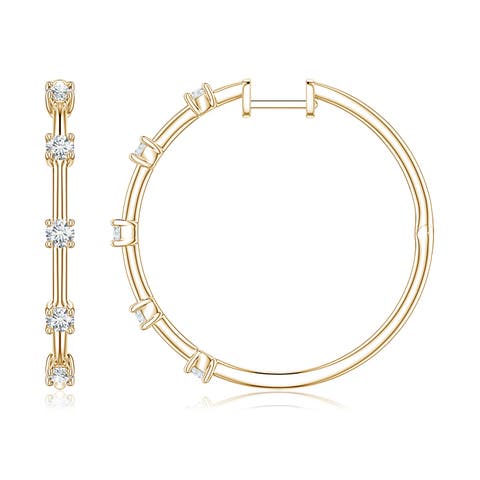
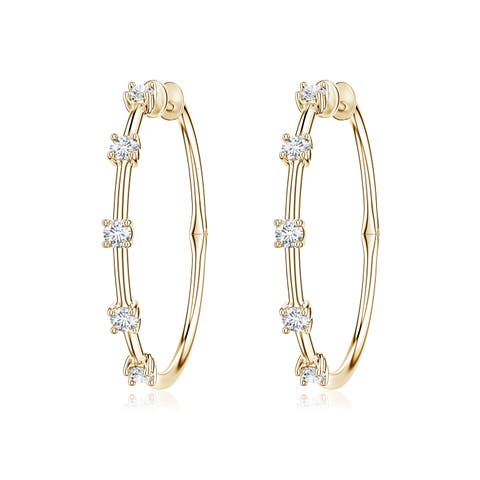
- Round Lab-Grown Diamond Five-Stone Station Hoop Earrings$2,969
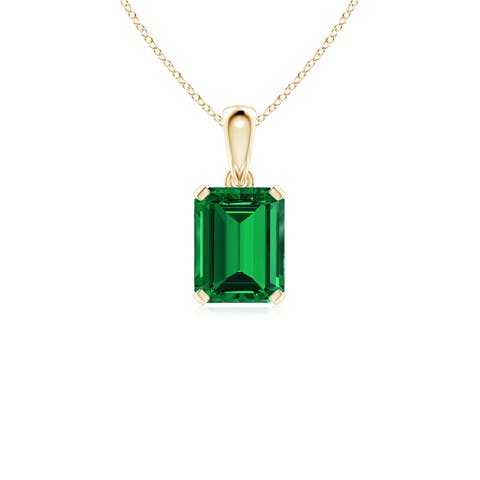
- Prong-Set Emerald-Cut Lab-Grown Emerald Solitaire Pendant$1,639
- Solitaire Oval Opal Split Shank Ring with Trio Diamonds$1,619
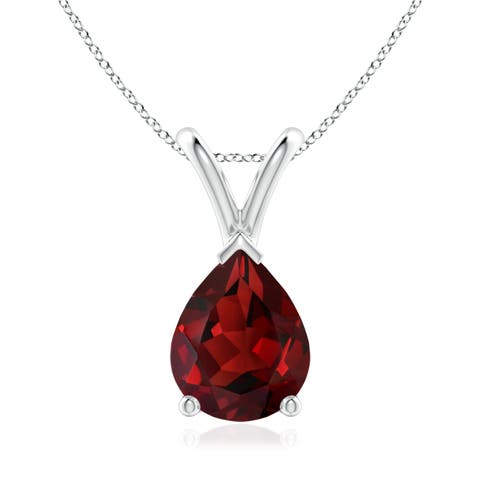
- V-Bale Pear-Shaped Garnet Solitaire Pendant$749