
Cubic Zirconia vs. Moissanite: Which Diamond Alternative Is Better?
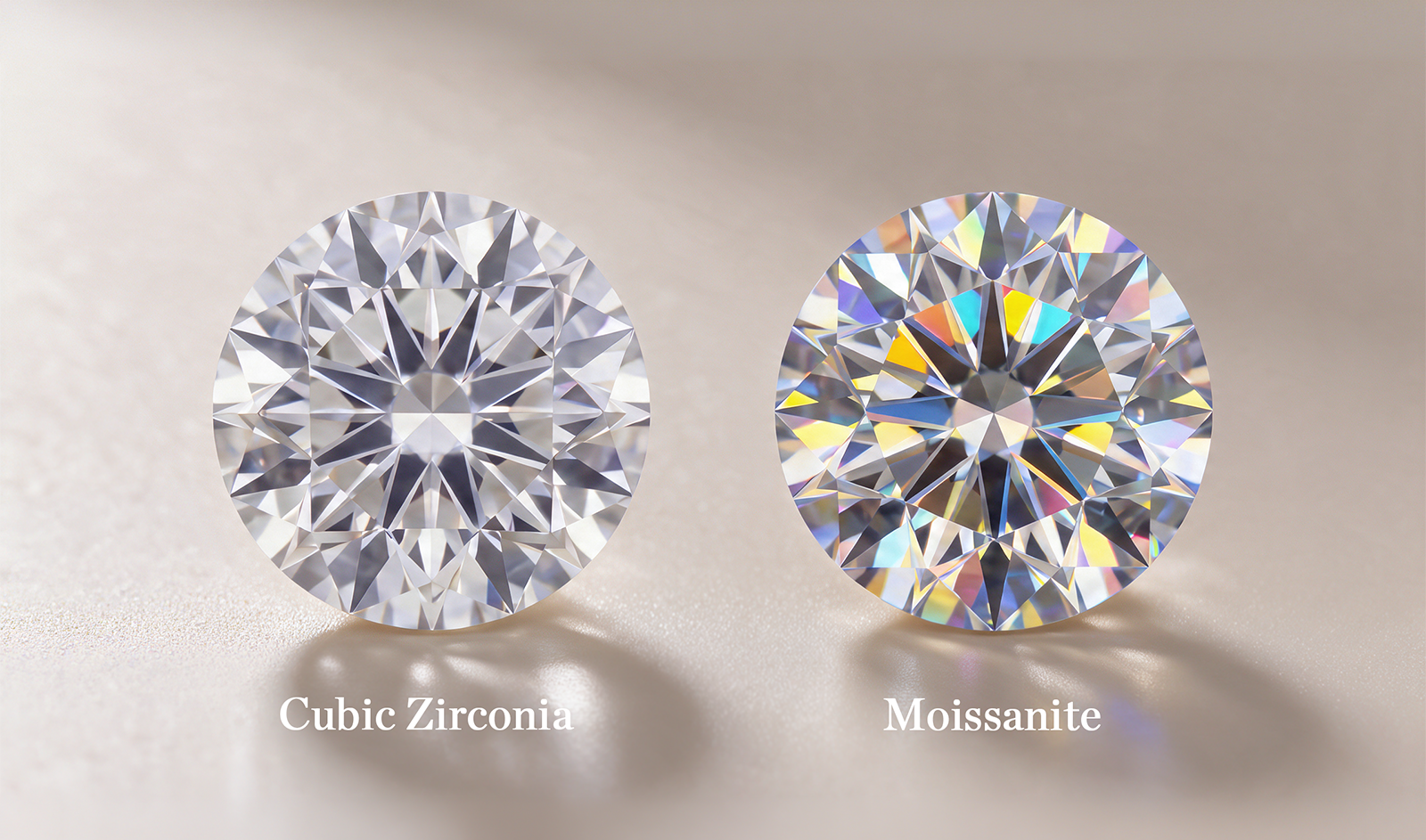
When it comes to diamond alternatives, cubic zirconia (CZ) and moissanite are two popular choices, offering the look of a diamond at a more accessible price. But while they may appear similar at first glance, they differ in durability, brilliance, longevity and overall value.
You could choose moissanite for long-term daily wear due to its superior durability and brilliant rainbow sparkle, or cubic zirconia if you want an ultra-budget stone for occasional fashion jewelry. In this guide, we’ll compare moissanite vs cubic zirconia across the factors that matter most to help you find the right option for your jewelry needs.
MOISSANITE VS CUBIC ZIRCONIA: AT A GLANCE
Two lab-created stones, two very different performances. Here's how they compare across the details that matter most before you decide.
| Factor | Moissanite | Cubic Zirconia |
|---|---|---|
| Material | Silicon carbide (SiC) | Zirconium dioxide (ZrO2) |
| Origin/Creation | Lab-created; engineered for jewelry | Lab-created; diamond simulant |
| Durability & Hardness | 9.25 on Mohs scale; extremely scratch-resistant; ideal for everyday engagement rings | 8-8.5 on Mohs scale; scratches and clouds over time with regular friction; most users agree moissanite holds up significantly better for daily use |
| Appearance/Sparkle | High refractive index (2.65) producing intense rainbow flashes of light ("fire"); distinctive sparkle | Lower index (2.15-2.18) with glassy, subtle sparkle that dulls over years |
| Diamond Resemblance | Visibly different under close inspection due to rainbow fire | Initially similar to diamond; clouds over time |
| Longevity & Maintenance | Lasts indefinitely with occasional polishing | Typically lasts 1-2 years before clouding |
| Cost | $400-$1,500+ per carat | $50-$200 per carat |
WHAT IS MOISSANITE?
Moissanite is a lab-created gemstone with properties similar to diamond. It's durable, beautiful and engineered specifically for jewelry applications.
Here's what makes it distinctive:
- Composition: Silicon carbide (SiC), created in a laboratory rather than mined from the earth.
- Hardness: 9.25 on the Mohs scale, making it nearly as hard as diamond (which rates 10) and durable enough for everyday wear.
- Sparkle: Moissanite has a higher refractive index than diamond, which gives it a more intense, rainbow-like sparkle. Some love this; others find it differs too noticeably from a diamond's brilliance.
- Quality grades: Available in different color grades, ranging from near-colorless to completely colorless, similar to how diamonds are graded.
- Availability: Naturally occurring moissanite is extremely rare. Almost all moissanite in jewelry is lab-created and engineered for consistency and quality.
WHAT IS CUBIC ZIRCONIA?
Cubic zirconia is a lab-created diamond simulant designed to mimic the look of a diamond at a significantly lower price point. It's widely used in fashion jewelry and works well for pieces where longevity isn't the priority.
Here's what makes it distinctive:
- Composition: Zirconium dioxide (ZrO2), synthesized in a laboratory.
- Hardness: 8 to 8.5 on the Mohs scale, noticeably softer than both moissanite and diamond, which affects how it holds up over time.
- Durability: Less suited to everyday wear than moissanite. With regular friction and use, cubic zirconia can cloud, scratch and lose its brilliance over time.
- Cost: Considerably more affordable than moissanite, making it the most accessible option for budget-conscious shoppers.
- Best for: Fashion jewelry, temporary pieces or anyone wanting a lower-commitment option before investing in something more permanent.
MOISSANITE VS CUBIC ZIRCONIA: WHICH LOOKS MORE LIKE A DIAMOND?
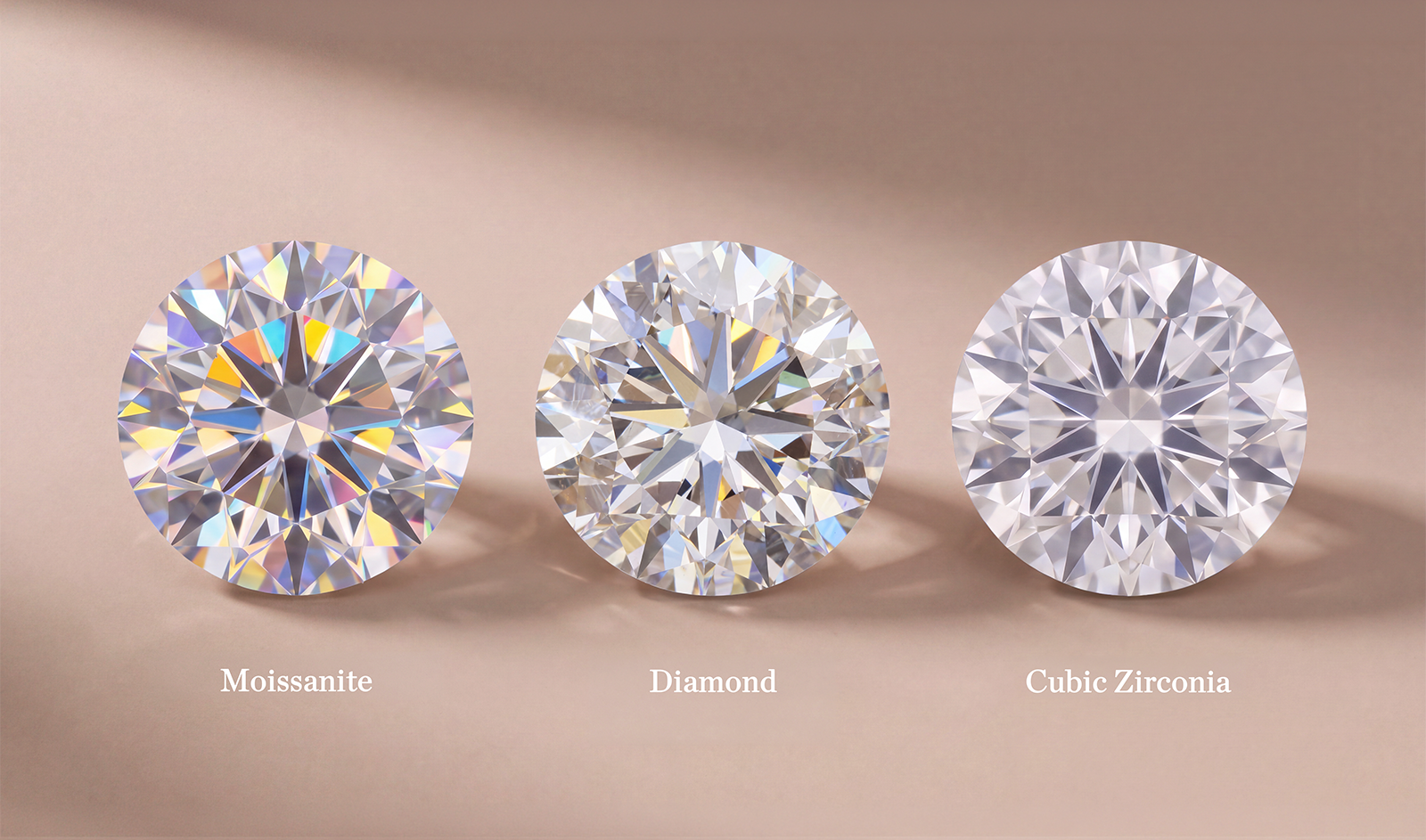
Cubic zirconia looks closer to a diamond. It has a similar refractive quality and lacks moissanite's distinctive rainbow fire. The problem is that similarity fades quickly. Cubic zirconia clouds and dulls with regular wear, eventually looking nothing like a diamond at all.
Moissanite's sparkle differs from diamond's brilliance, particularly under certain lighting, but it holds that appearance indefinitely. Over time, moissanite is the more convincing diamond alternative simply because it stays looking like one.
Expert opinion: Moissanite is better if you want long-term wear and durability. Cubic zirconia is acceptable if you want short-term diamond appearance for occasional fashion pieces. Ultimately, personal preference matters most.
MOISSANITE VS CUBIC ZIRCONIA: WHICH IS MORE AFFORDABLE?
Upfront, cubic zirconia wins. At $50 to $200 per carat versus moissanite's $400 to $1,500+, the difference is significant. But affordability looks different when you factor in longevity.
Cubic zirconia typically needs replacing every one to two years with daily wear. Moissanite lasts indefinitely. Over five years, the cumulative cost of replacing cubic zirconia can exceed the original price of a moissanite stone.
For budget-conscious shoppers who want moissanite's durability, a smaller stone in a halo or complementary setting maximizes sparkle without the premium price of a larger carat weight.
Read Also: Cubic Zirconia Vs. Diamond
CUBIC ZIRCONIA VS MOISSANITE FOR ENGAGEMENT RINGS
For an engagement ring worn daily for decades, the choice is straightforward: moissanite. It holds its appearance, resists scratching and won't need replacing. A ring that marks a significant commitment should be able to keep up with daily life long term, and cubic zirconia simply can't deliver that.
Cubic zirconia clouds and scratches within months of regular wear. For a piece with emotional significance, that deterioration adds frustration to what should be a lasting reminder of an important moment.
Moissanite simulates the look of a diamond. A lab-grown diamond is one. If you’re wondering which to opt for between Moissanite and a lab-grown diamond, watch this:
Lab-grown diamond engagement rings
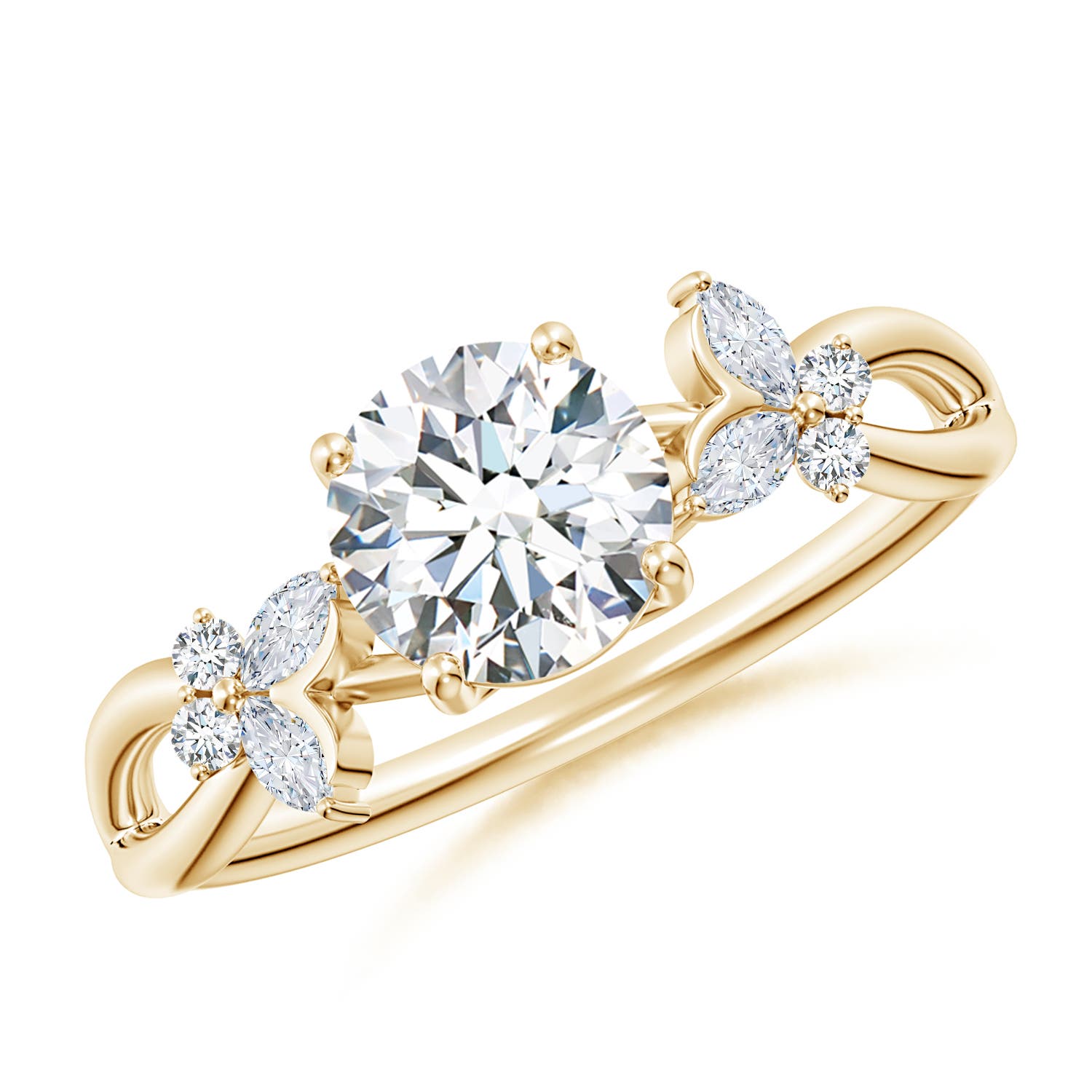
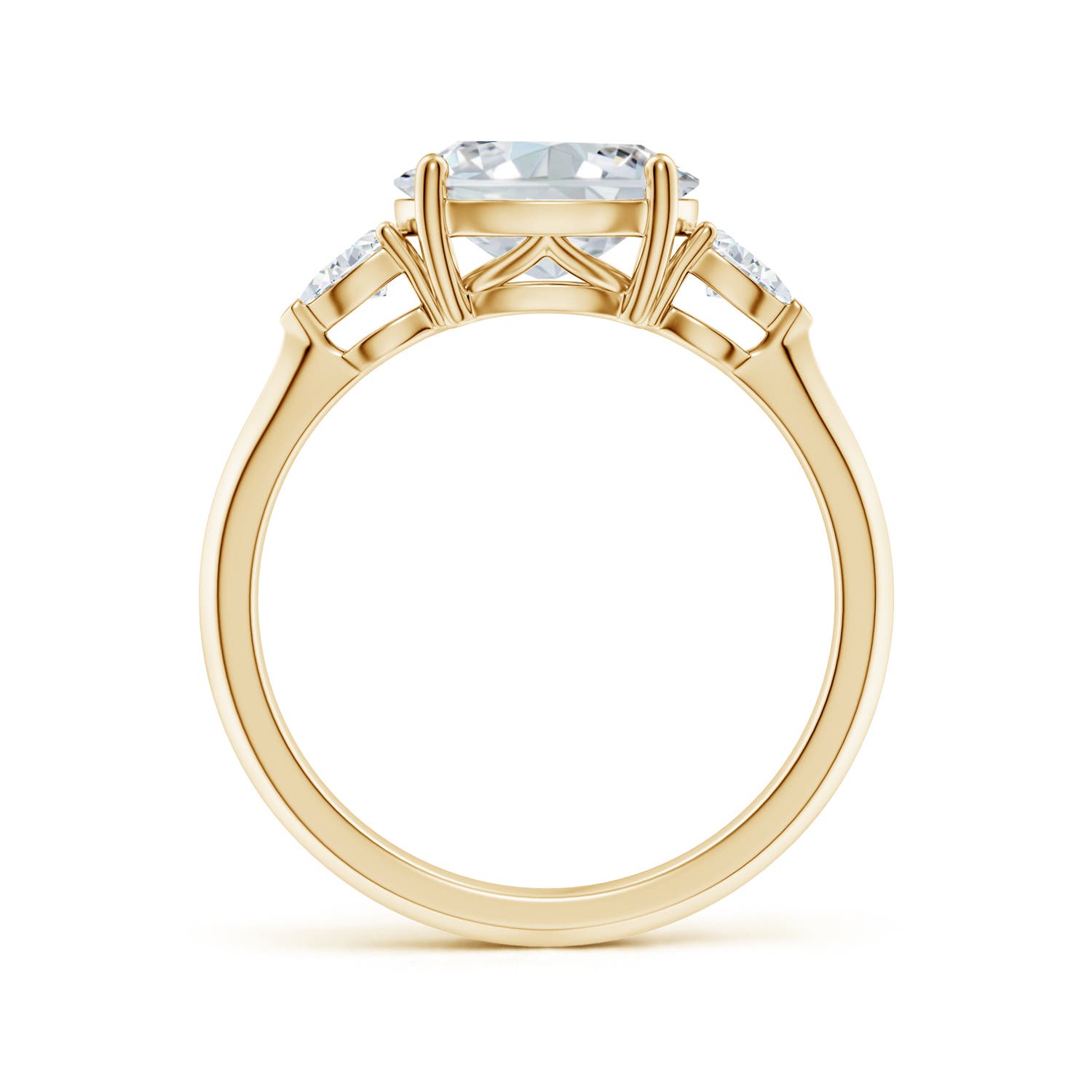
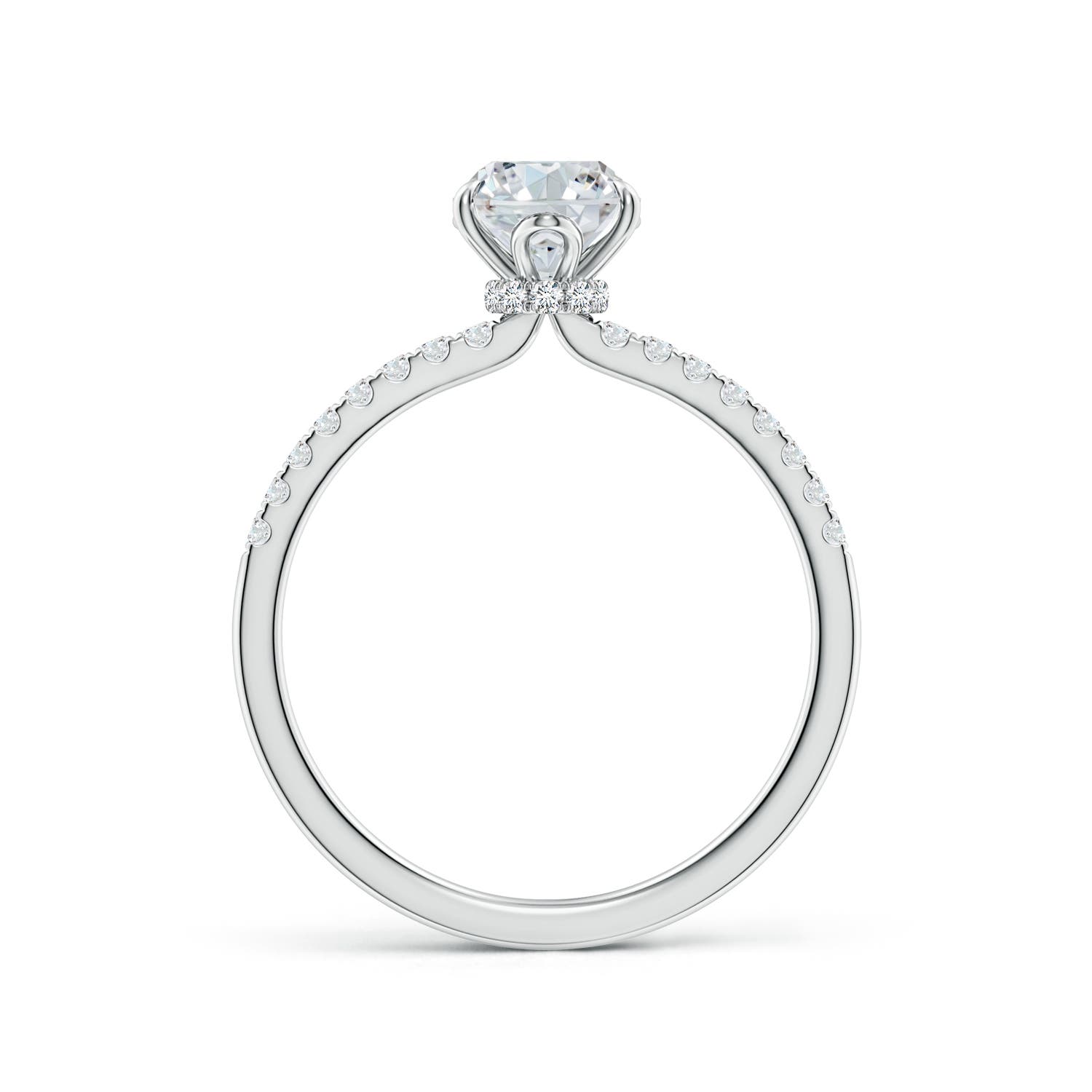
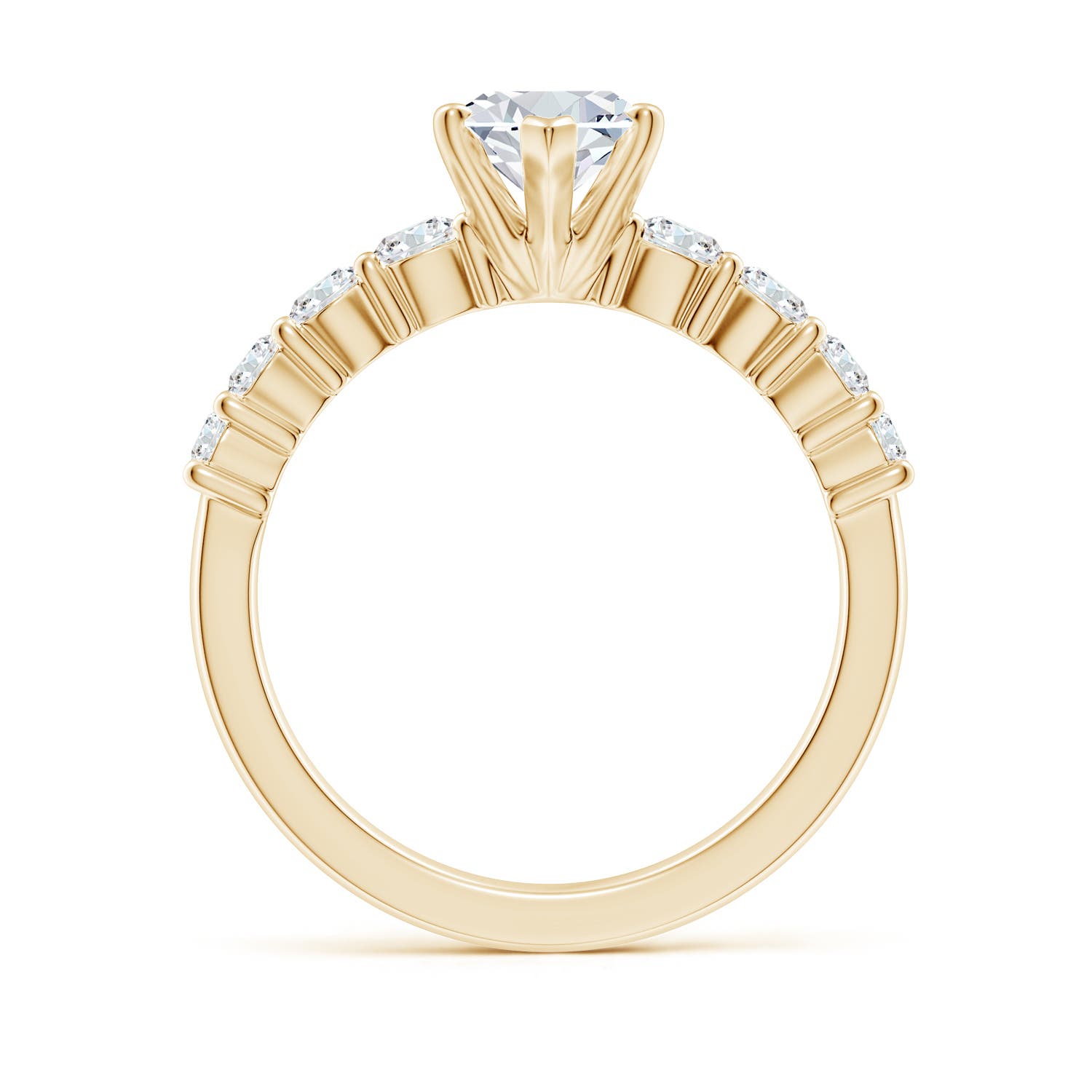
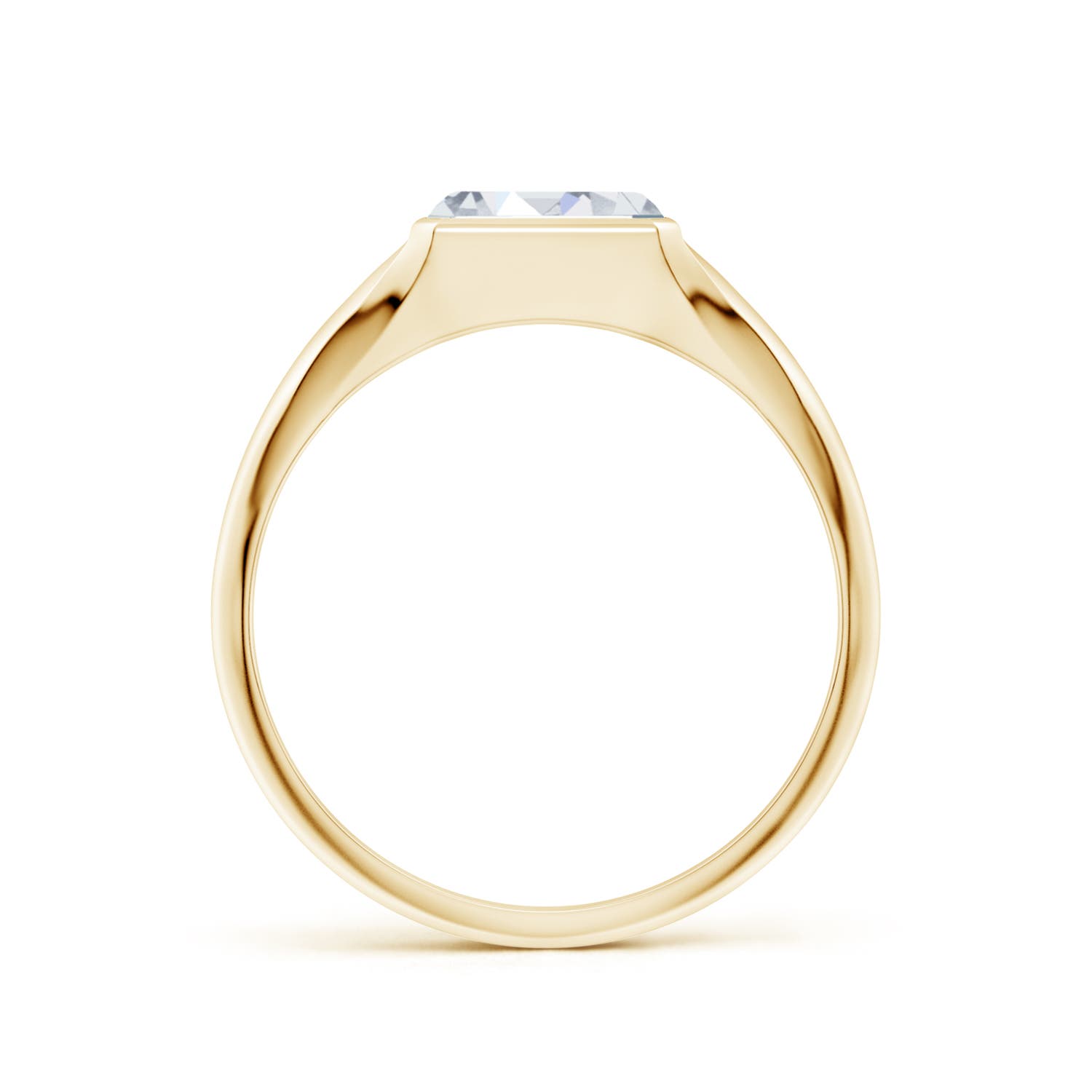
- Lab-Grown Round Diamond Butterfly Engagement Ring$2,780 $3,089


- Lab-Grown Classic East-West Oval Diamond Side Stone Engagement Ring$3,752 $4,169


- Lab-Grown Oval Diamond Hidden Halo Engagement Ring$2,546 $2,829


- Lab-Grown Solitaire Marquise Diamond Graduated Engagement Ring$3,347 $3,719


- Lab-Grown Emerald-Cut Diamond Signet Engagement Ring$2,519 $2,799


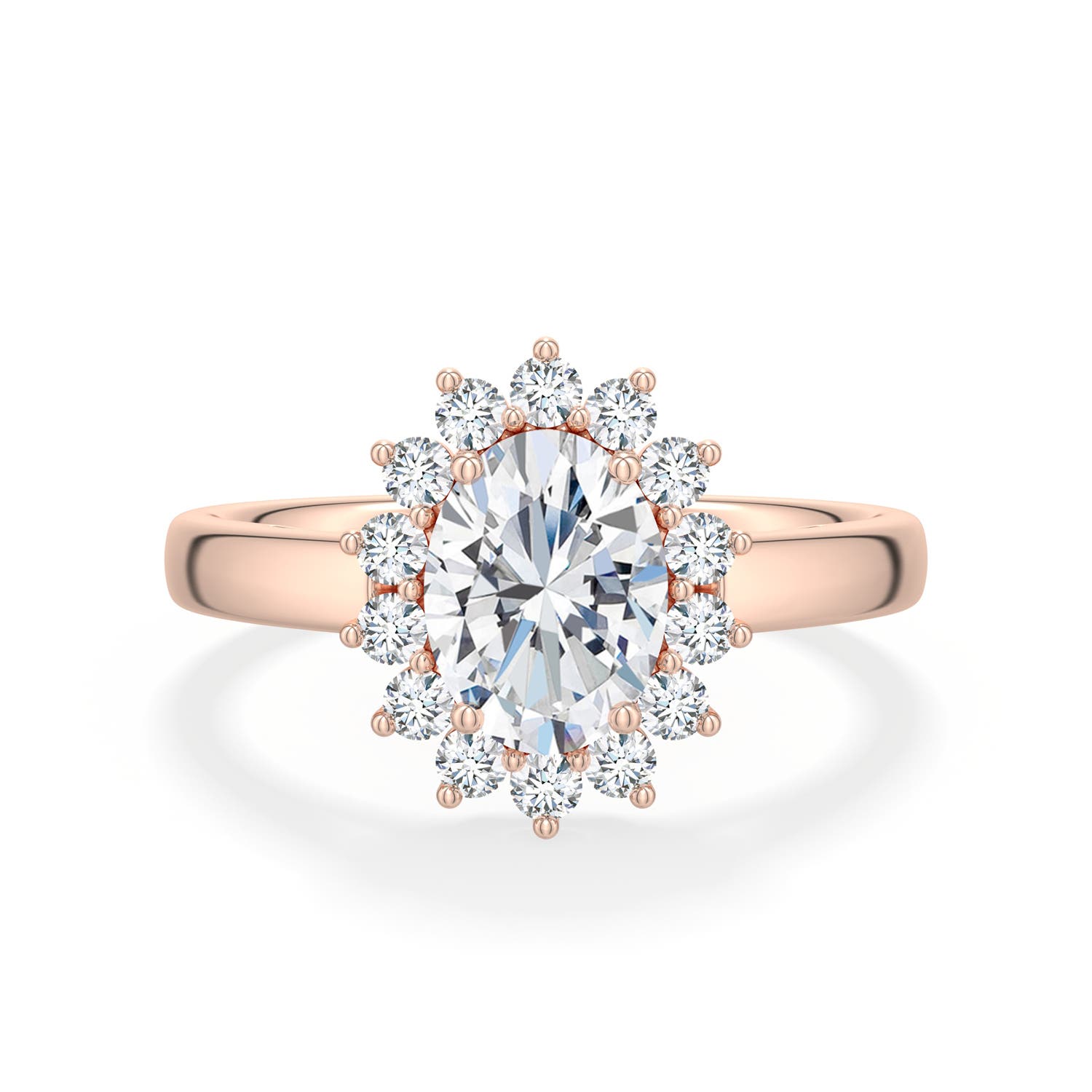
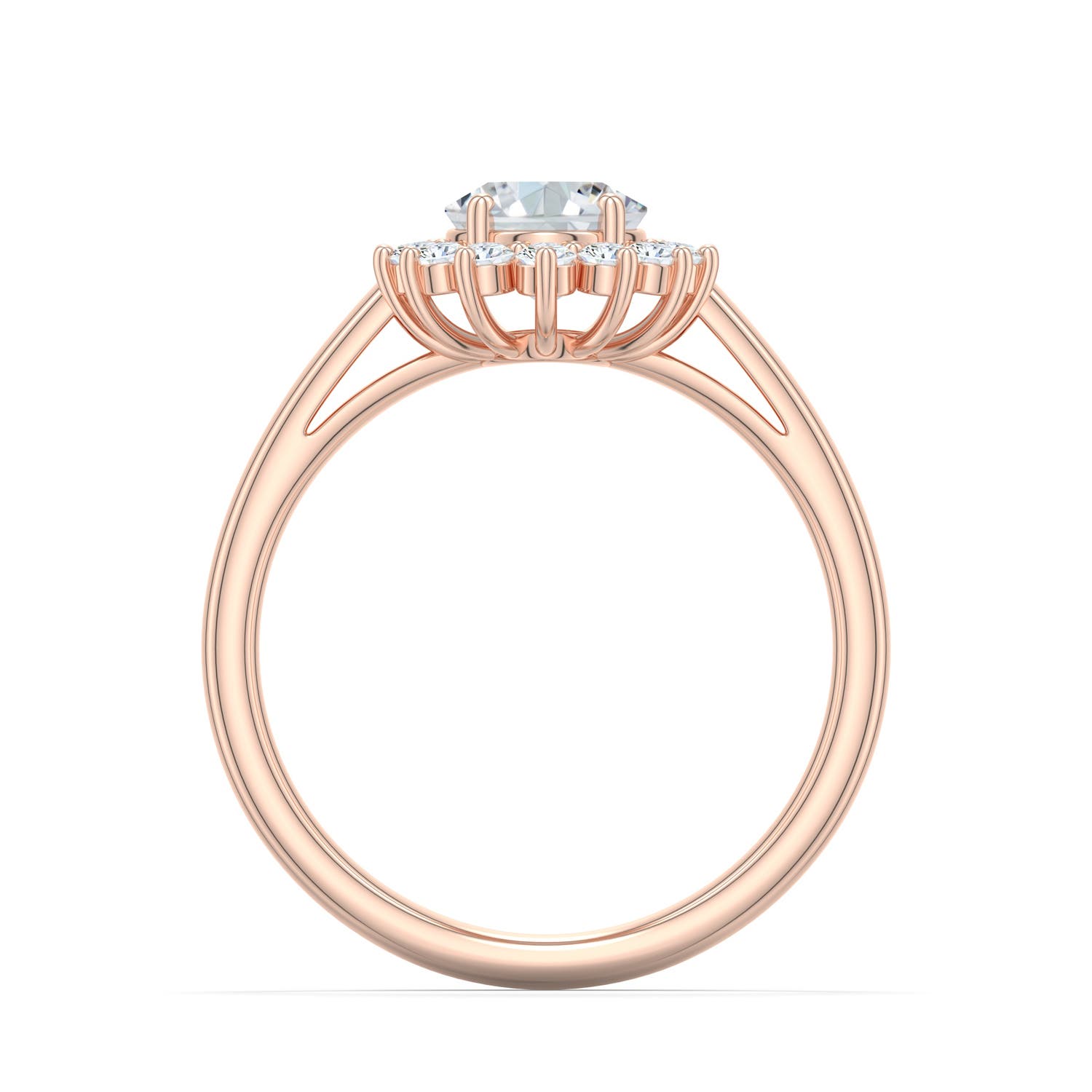
- Princess Diana Inspired Oval Lab-Grown Diamond Engagement Ring$2,690 $2,989


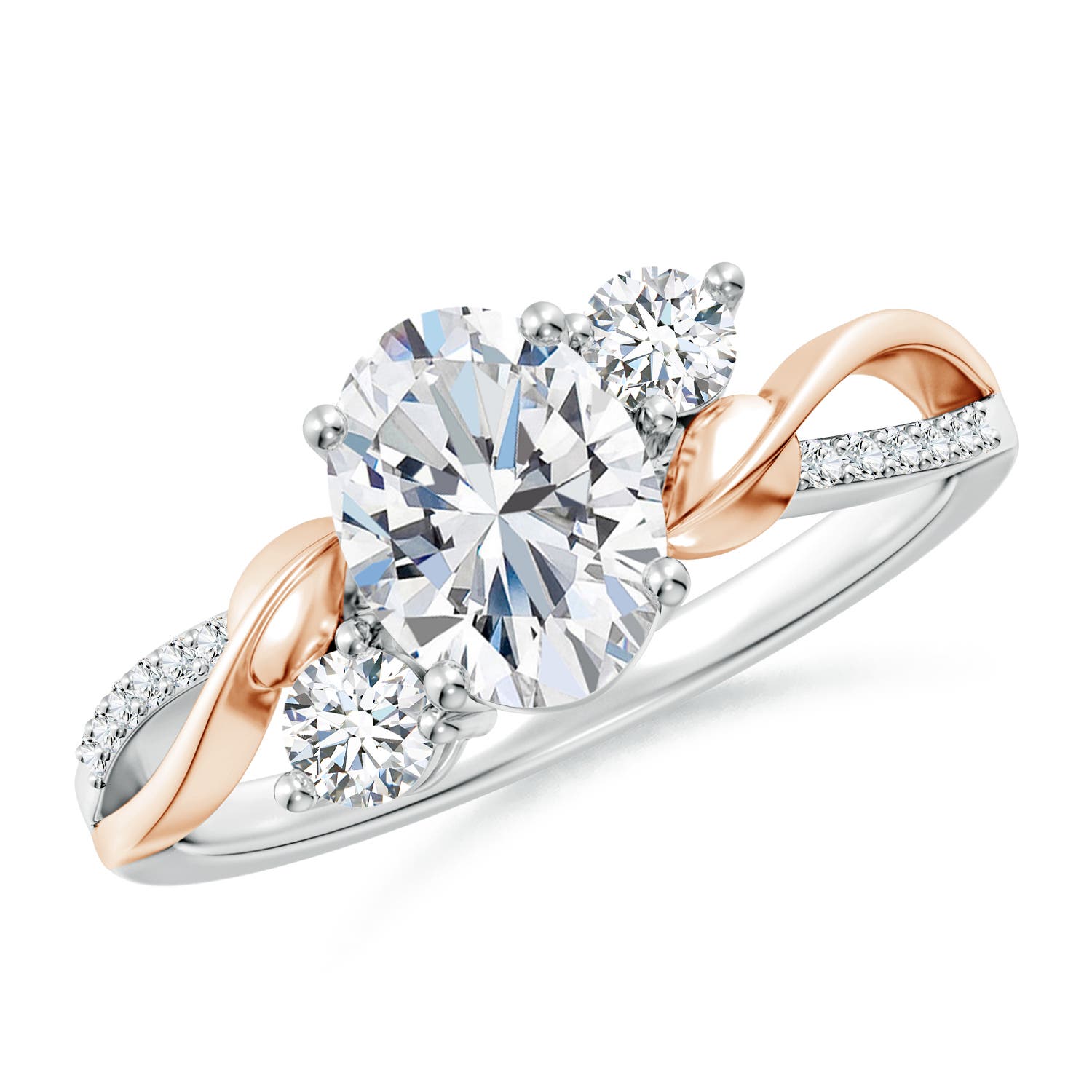
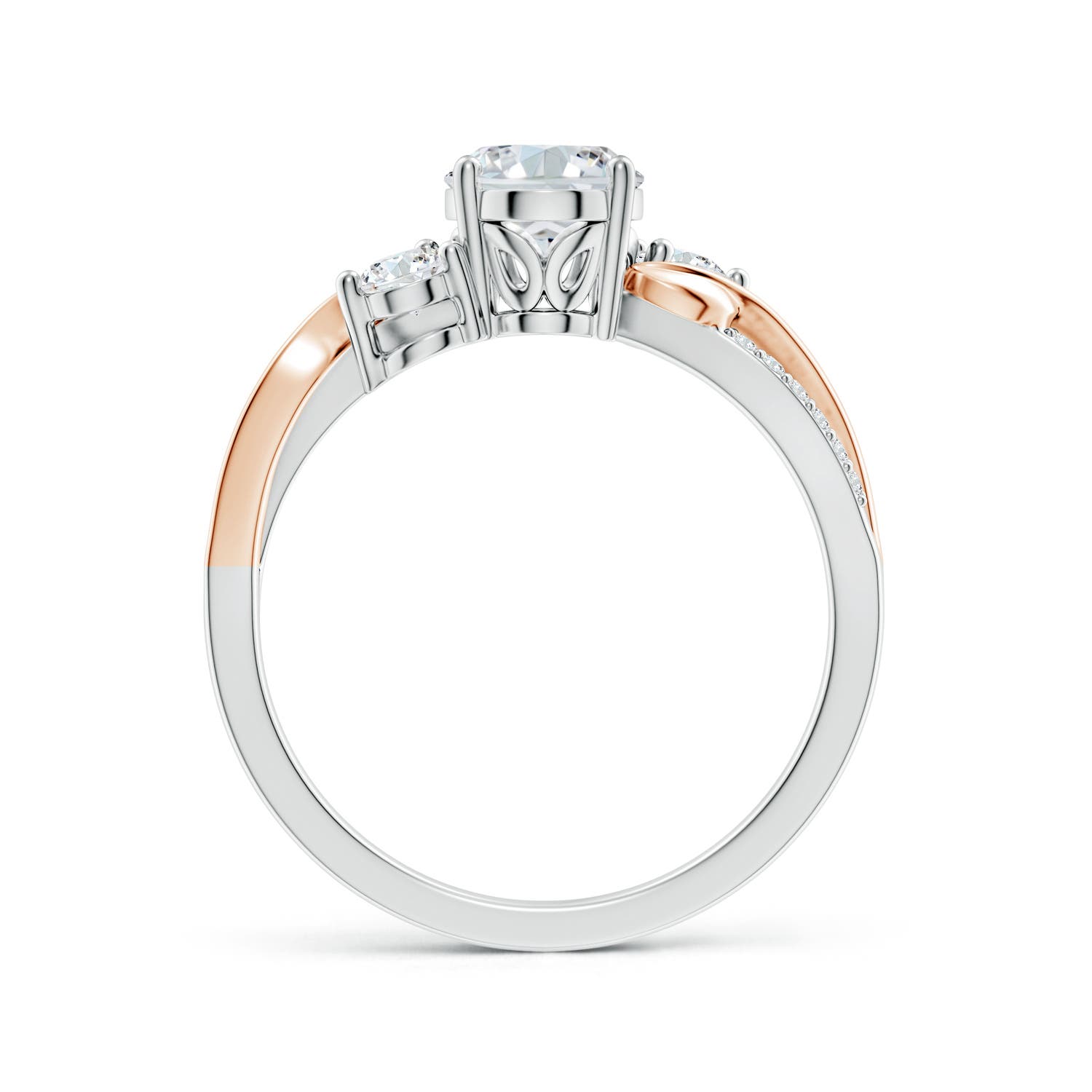
- Nature Inspired Oval Lab-Grown Diamond Twisted Vine Engagement Ring$3,410 $3,789


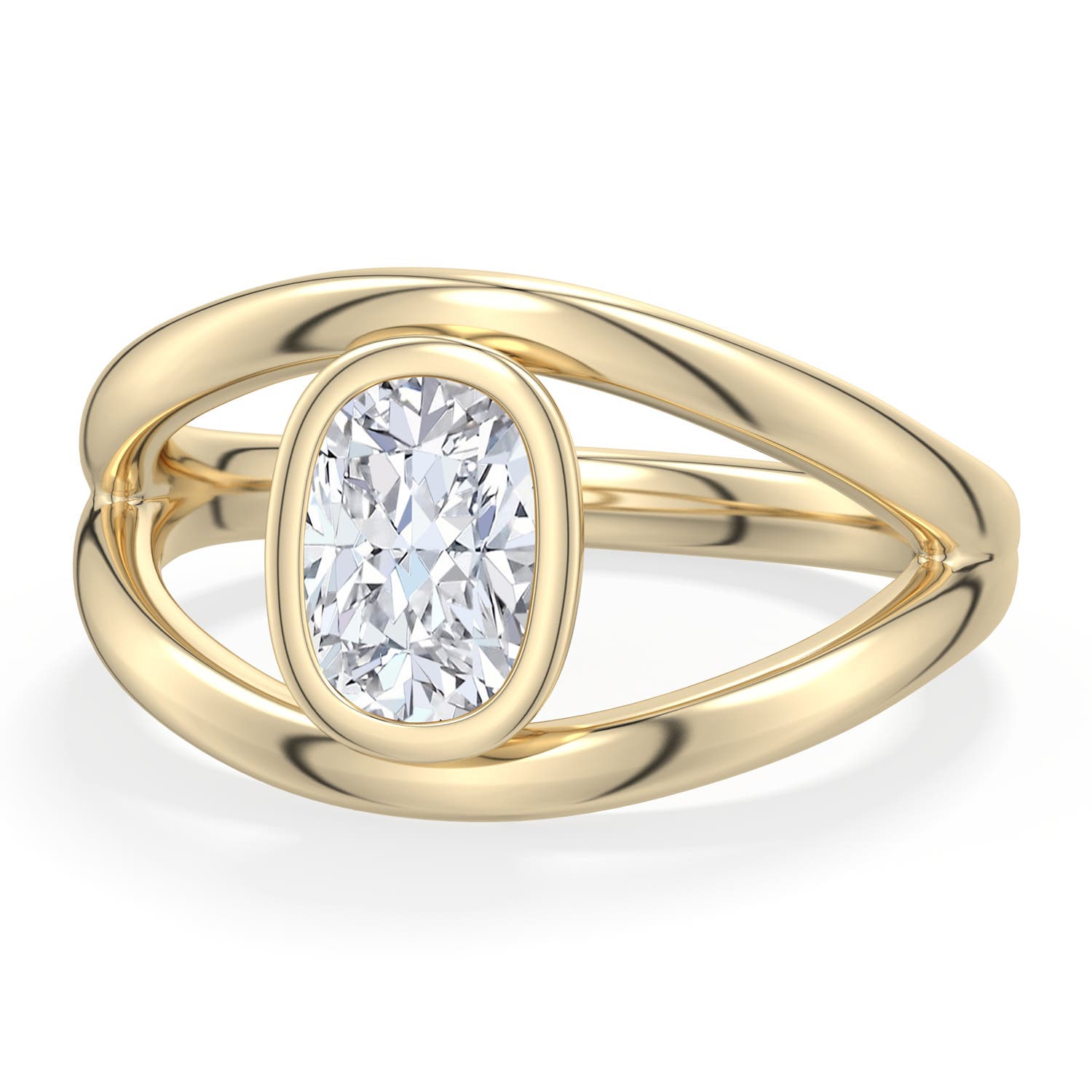
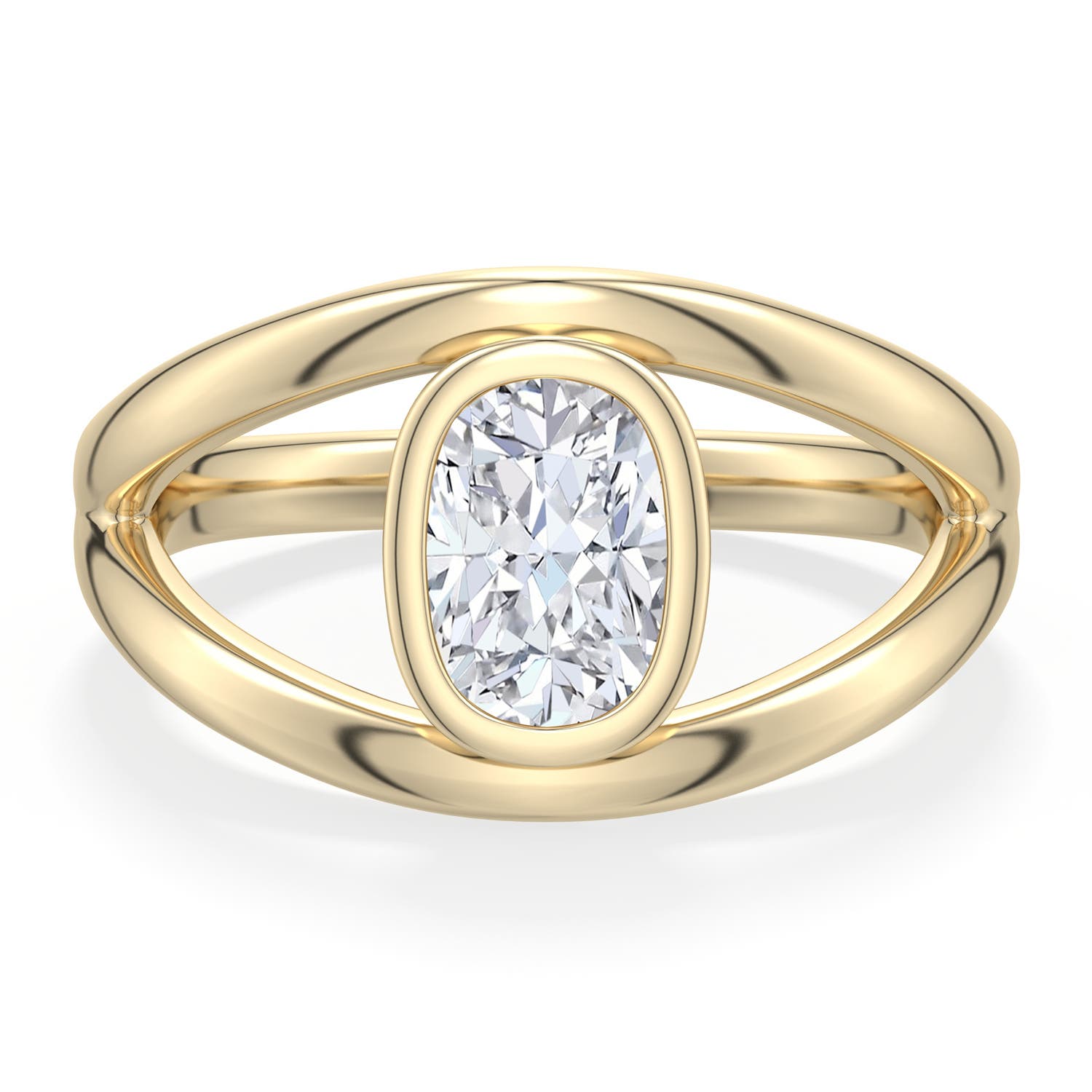
- Cushion Rectangular Lab-Grown Diamond Bypass Split Shank Engagement Ring$4,103 $4,559






MOISSANITE VS CUBIC ZIRCONIA: WHICH SHOULD YOU CHOOSE FOR EVERYDAY JEWELRY?
The right choice comes down to how long you plan to wear the piece and what you're willing to invest. Here's a simple way to decide.
Choose Moissanite If: You want durability comparable to diamond. You like the rainbow sparkle moissanite is known for. You'll wear it daily and want it to last without replacing it. Your budget allows for a higher-quality alternative.
Choose Cubic Zirconia If: You want the most affordable option available. You're wearing it for a short-term occasion or testing a style before committing to something more permanent. You don't mind replacing it as it clouds over time. Fashion and trend-driven pieces are the priority.
PROS AND CONS OF MOISSANITE
Moissanite sits between cubic zirconia and lab-grown diamonds in terms of quality and price. Here's an honest look at both sides.
Pros:
- Extremely durable, nearly matching diamond hardness at 9.25 on the Mohs scale
- Lasts decades without cloudiness or degradation
- Significantly cheaper than mined diamonds
- Lab-created with no mining required
- Available in various colors and sizes
- Suitable for engagement rings and everyday wear
Cons:
- Distinctive rainbow sparkle that differs noticeably from a diamond's brilliance
- More visibly different from diamond under close inspection
- Lower resale value than certified mined diamonds
- Cannot be certified the same way diamonds are, though grading does exist
PROS AND CONS OF CUBIC ZIRCONIA
Cubic zirconia is the most accessible diamond alternative, but accessibility comes with tradeoffs. Here's what to weigh before buying.
Pros:
- Most affordable diamond alternative available
- Looks like a diamond when brand new
- Good for temporary, fashion or occasion pieces
- Low commitment option for testing a style before investing in something permanent
- Available in a wide range of styles and designs
Cons:
- Clouds and scratches easily with regular wear
- Typically degrades visibly within one to two years
- Requires frequent replacement, which adds cumulative cost over time
- Not suitable for everyday wear or engagement rings
- Cannot be certified or documented like diamonds
MOISSANITE VS CUBIC ZIRCONIA: WHICH IS RIGHT FOR YOU?
The right choice depends on three things: how long you plan to wear the piece, how closely you want it to resemble a diamond and what you're willing to spend. Here's a straightforward way to decide.
- For budget-conscious buyers who want durability: Moissanite is the stronger choice. It lasts decades, holds its appearance and costs significantly less than a mined diamond.
- For maximum affordability on a short-term piece: Cubic zirconia works well. It looks the part when new and costs very little upfront.
- For an actual diamond at a better price: Lab-grown diamonds offer the same quality as mined stones at typically 60 to 80% less.
- For an engagement ring: Lab-grown diamonds offer certification, durability and diamond-identical appearance. Moissanite is a solid alternative if the distinctive sparkle appeals to you.
- For fashion or occasional jewelry: Cubic zirconia is perfectly acceptable. For pieces worn daily over years, avoid it.
- For something built to last decades: Moissanite or lab-grown diamonds. Cubic zirconia won't hold up.
- For appearance closest to a diamond: Lab-grown diamonds are indistinguishable from mined stones, even to a trained eye.
- For distinctive, unique sparkle: Moissanite's rainbow fire is unlike any other stone and worn with confidence by those who love it.
Both moissanite and cubic zirconia have their place, but for anything worn daily and meant to last, moissanite is the stronger choice.
FAQs
1. Should I get moissanite or cubic zirconia?
For everyday jewelry, moissanite. It lasts significantly longer and holds its appearance over time. Cubic zirconia suits temporary or fashion pieces only.
2. Do rich people wear moissanite?
Some do, particularly those who prioritize sustainability over traditional diamond status. Moissanite is increasingly accepted across all budgets and lifestyles. The choice comes down to personal preference rather than economic status.
3. Is moissanite the best diamond alternative?
For durability and everyday wear, yes. For appearance closest to a diamond, lab-grown diamonds are the stronger choice. For maximum affordability on a short-term piece, cubic zirconia costs less upfront. Moissanite sits in the middle and performs well across most priorities.
4. What looks more like diamond, cubic zirconia or moissanite?
Cubic zirconia looks closer to diamond when new, but clouds and scratches quickly. Moissanite has a distinctive rainbow sparkle that differs from diamond's brilliance.
You may also like
Ring Size Chart: How to Find Your Perfect Fit at Home
20 Mar, 2024
Gems Price Chart Ranked by Value
18 Nov, 2023
How to Test Gold at Home
5 Jan, 2023
Ruby vs Garnet: How to Tell the Difference and Which One to Choose
13 Dec, 2018
Everything You Need to Know About Blue Gemstones
1 Dec, 2023
Best Crystals for Protection: Meaning & How to Use
16 Dec, 2022
How to Tell if a Gemstone Is Real
20 Dec, 2022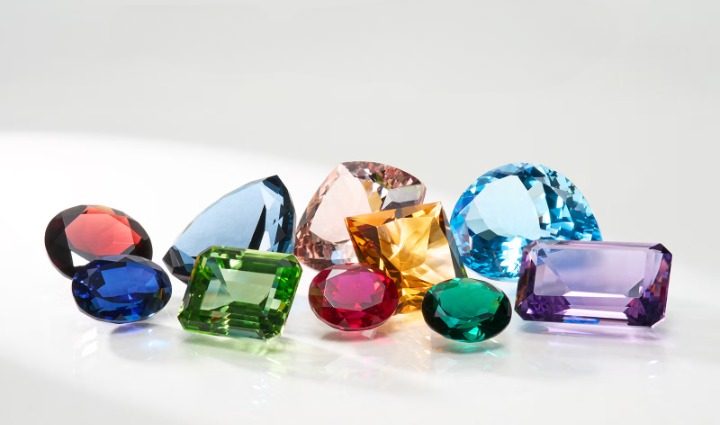
Colored Gemstone Size Chart: MM, Carat & Dimensions
14 Aug, 2024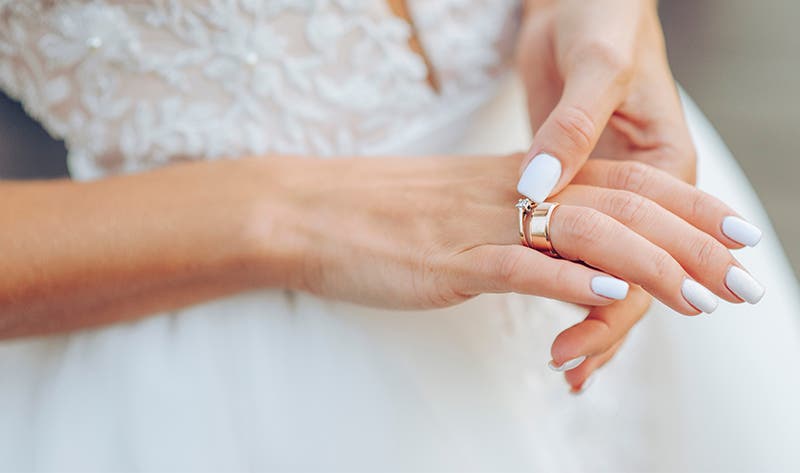
11 Ways to Keep Your Ring From Spinning
19 Jan, 2024
Shop Our Bestsellers
- Prong-Set Lab-Grown Emerald Teardrop V-Bale Pendant with Diamond$2,099
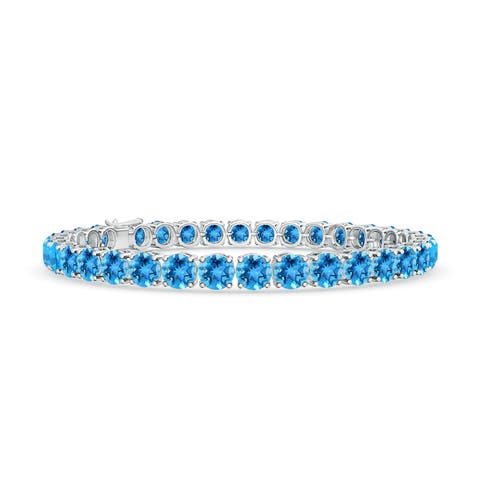
- Classic Swiss Blue Topaz Linear Tennis Bracelet$1,369
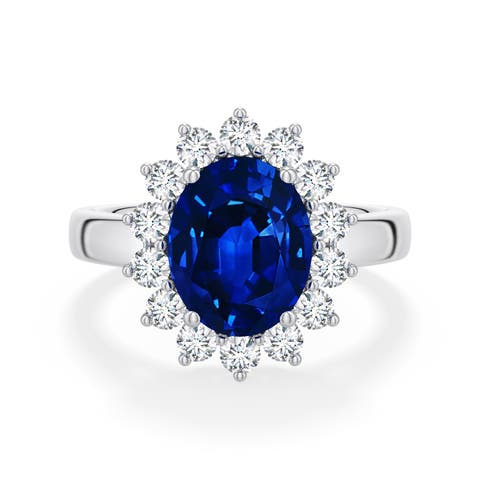
- Lab-Grown Princess Diana Inspired Blue Sapphire Engagement Ring with Lab Diamond Halo$4,869
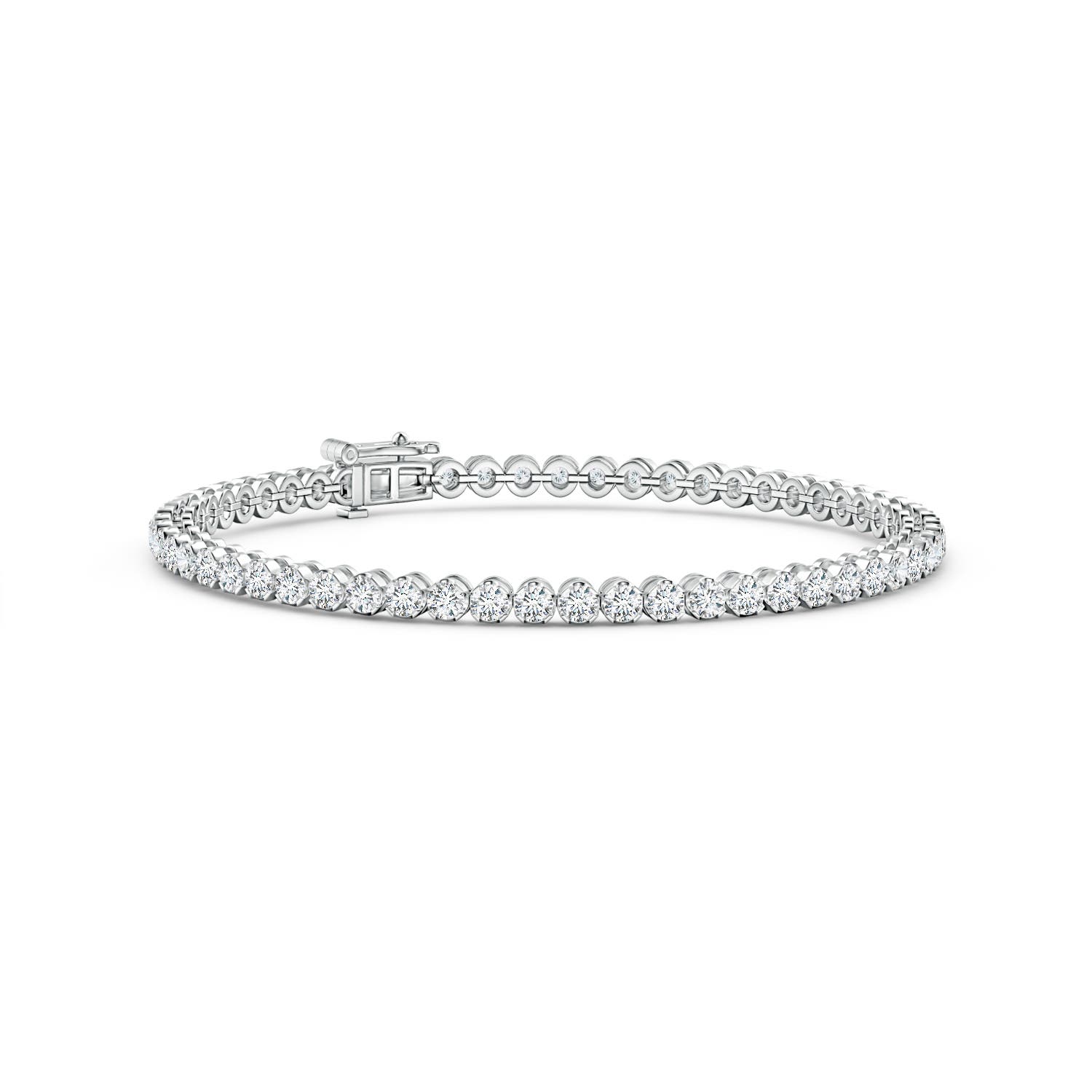
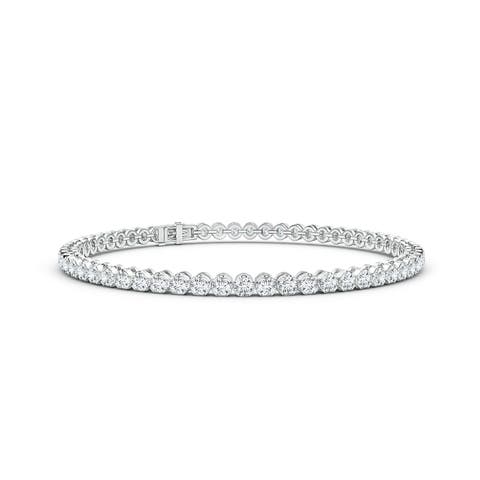
- Lab-Grown Classic Round Diamond Tennis Bracelet$2,739
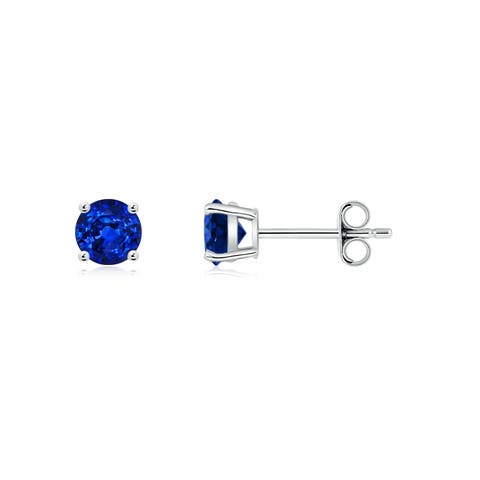
- Round Blue Sapphire Stud Earrings$1,199
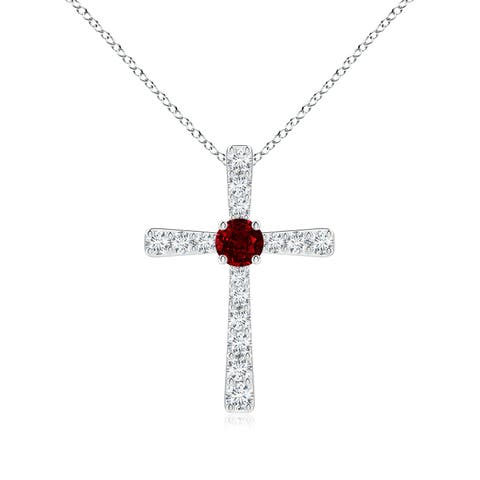
- Ruby and Diamond Cross Pendant$2,249
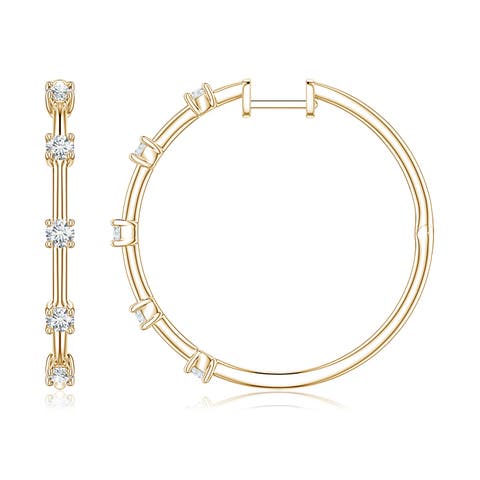
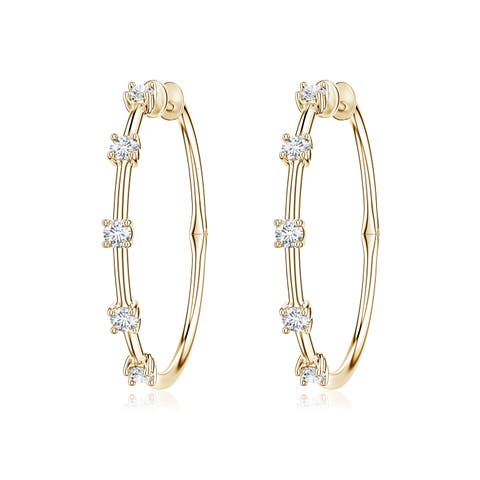
- Round Lab-Grown Diamond Five-Stone Station Hoop Earrings$2,969
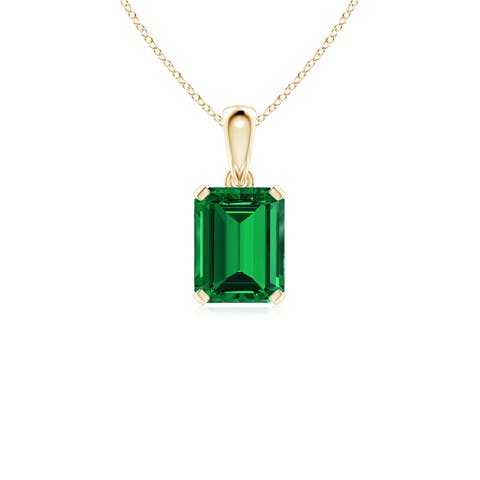
- Prong-Set Emerald-Cut Lab-Grown Emerald Solitaire Pendant$1,639
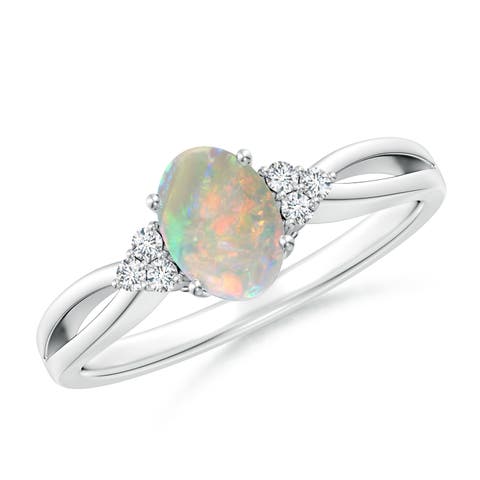
- Solitaire Oval Opal Split Shank Ring with Trio Diamonds$1,619
- V-Bale Pear-Shaped Garnet Solitaire Pendant$749