
Diamond CT, CTW, CTTW & TW: The Complete Guide to Understanding Carats
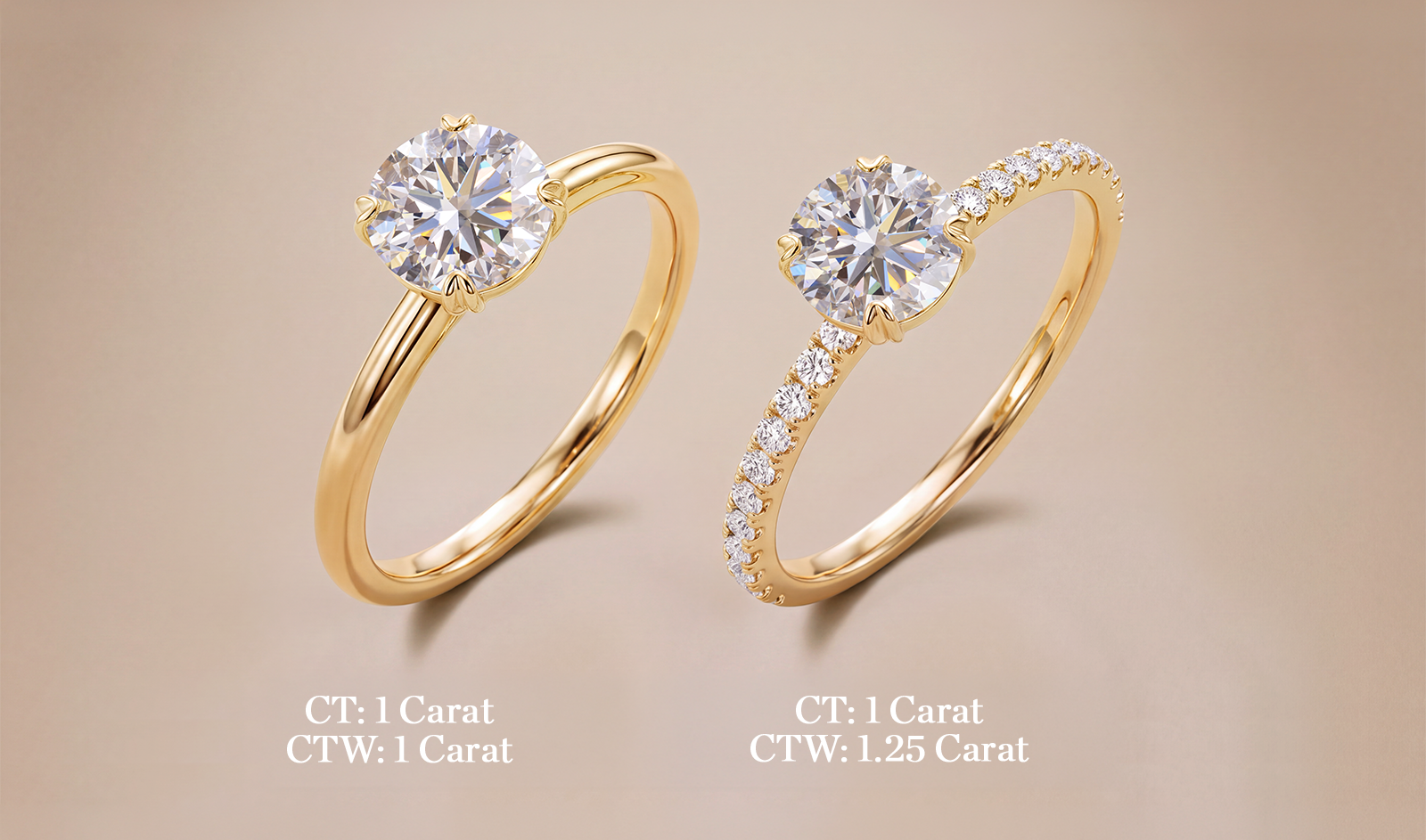
When shopping for diamond jewelry, you'll come across abbreviations like CT, CTW, CTTW and TW listed alongside carat weight. They look almost identical, but they measure completely different things. CT refers to the weight of a single diamond, while CTW, CTTW and TW describe the combined weight of all stones in a piece.
When shopping for diamond jewelry, you’ll often see abbreviations like CT, CTW, CTTW and TW listed alongside carat weight. Although they look almost identical, each term refers to something different. CT refers to the weight of a single diamond, while CTW, CTTW and TW describe the combined weight of all stones in a piece.
This guide breaks down each term clearly so you know exactly what you're paying for, whether you're shopping for a diamond ring, necklace, bracelet or earrings.
CT VS CTW VS CTTW VS TW DIAMOND MEANING: WHAT'S THE DIFFERENCE?
Understanding the distinction of these abbreviations prevent costly shopping mistakes and ensures you know exactly what you're comparing when you see listings side by side.
- CT (Carat): The weight of one single diamond. You usually see this on a solitaire ring or a main center stone.
- CTW (Carat Total Weight): The combined weight of every diamond in a jewelry piece. This adds up the center stone plus all side or accent stones.
- CTTW (Carat Total Weight): This means the exact same thing as CTW. Jewelers use both terms interchangeably, though CTTW is more common in engagement ring listings.
- TW (Total Weight): The total weight of all the diamonds combined. Note that TW can sometimes include non-diamond gemstones in a piece, so you should always ask your jeweler to confirm what stones are included.
Why This Matters: All four terms measure carat weight, but they're not interchangeable. A ring listed as "1 CTTW" is very different from one listed as "1 CT," and the price gap between them can be thousands of dollars. Understanding the difference tells you exactly what you're buying before you spend anything.
Read: 4C’s of Diamond
WHAT DOES CT MEAN IN DIAMONDS?
CT is the simplest and most important term to understand. Define it clearly as the starting point for everything else.
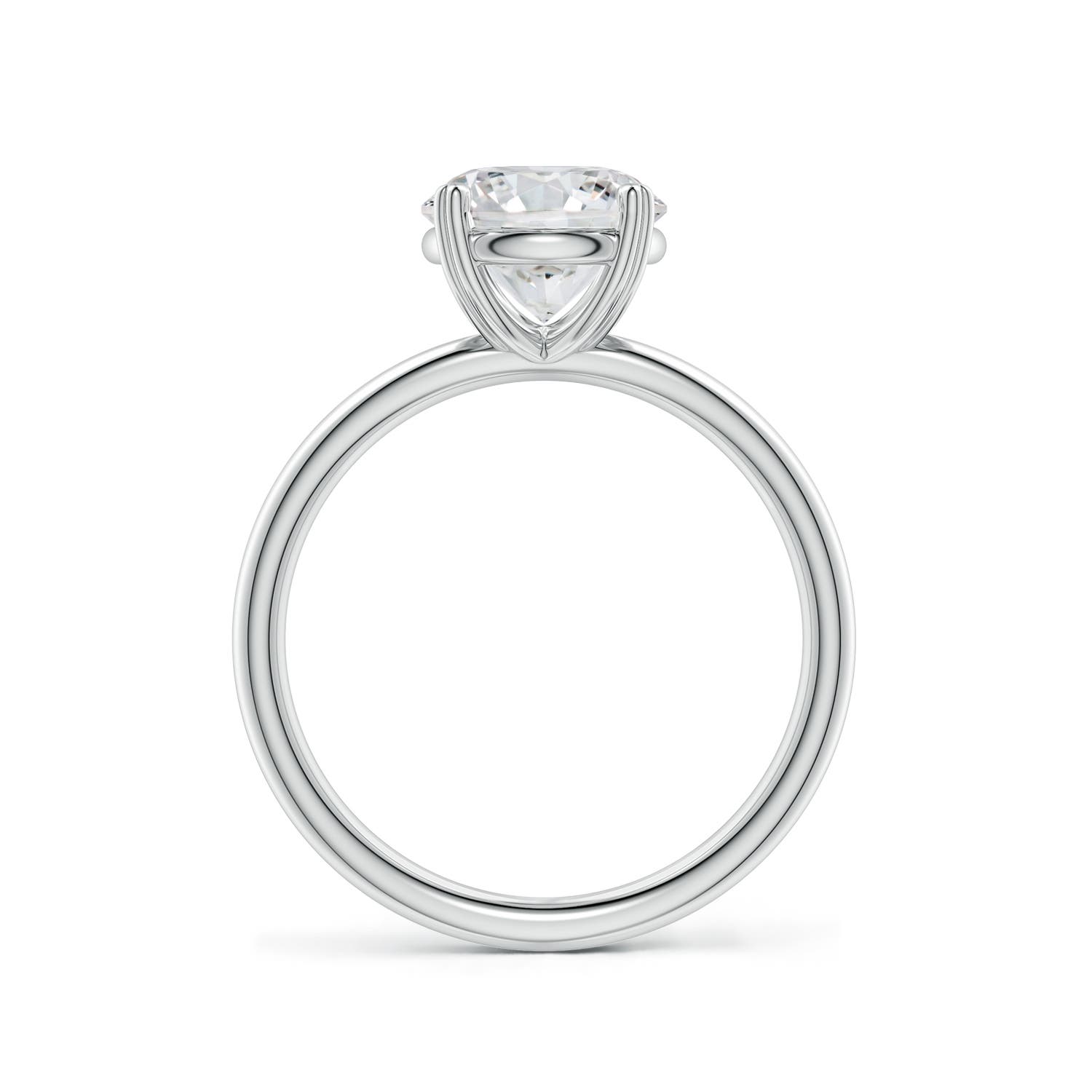
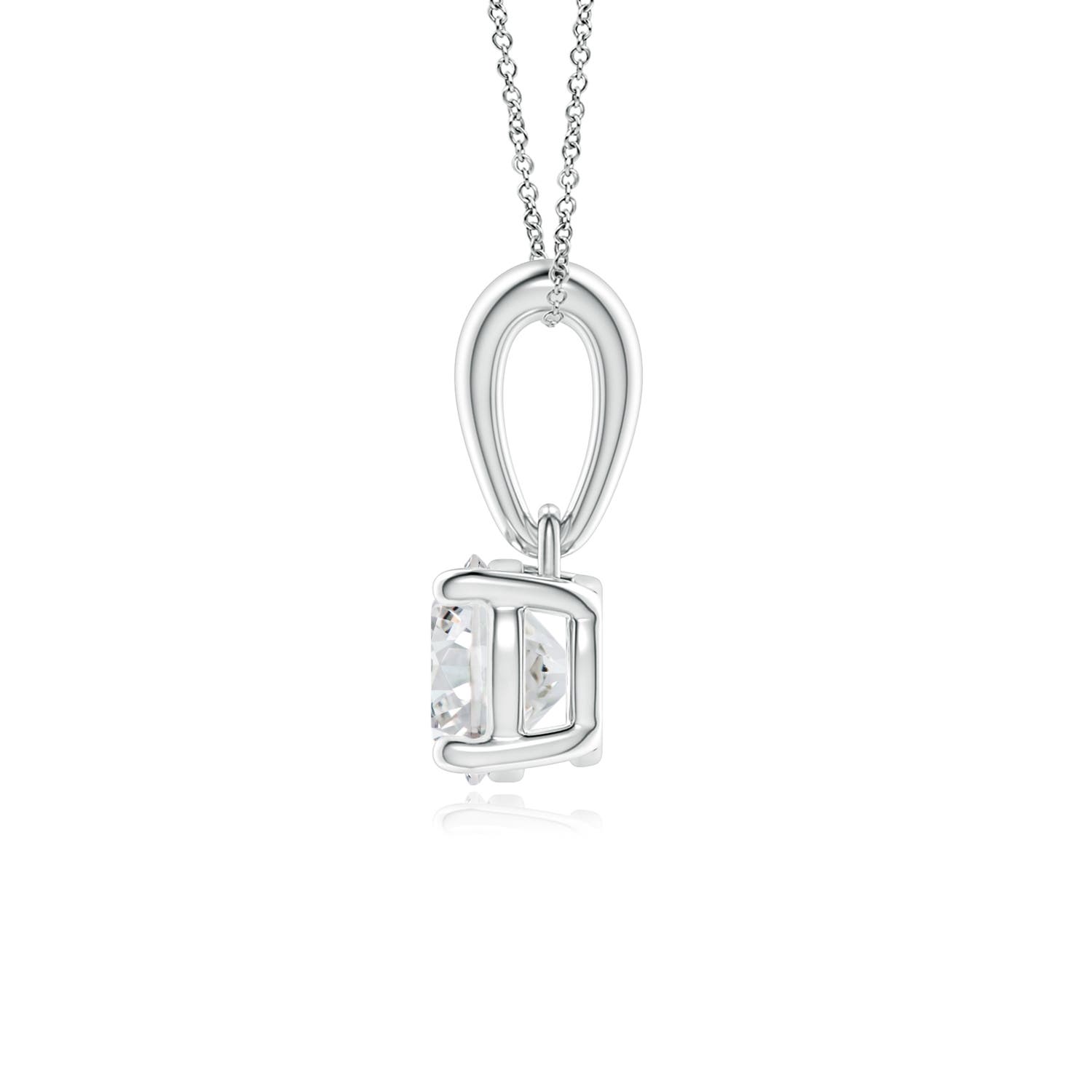
CT = Carat (singular stone weight). It refers only to one diamond or gemstone, making it the most precise measurement. What a GIA certificate reports for the center stone is always listed as CT. When you see "This 1 CT diamond" it means one stone weighs exactly 1 carat.
How to spot CT on jewelry listings: CT appears in listings as "1 CT" or "0.75 CT" without any additional letters and refers to the weight of a single stone. It's the most important measurement to look for when shopping because it tells you exactly what the center stone weighs. Price per carat increases with size, so a 2 CT diamond costs significantly more per carat than a 1 CT diamond of the same quality.


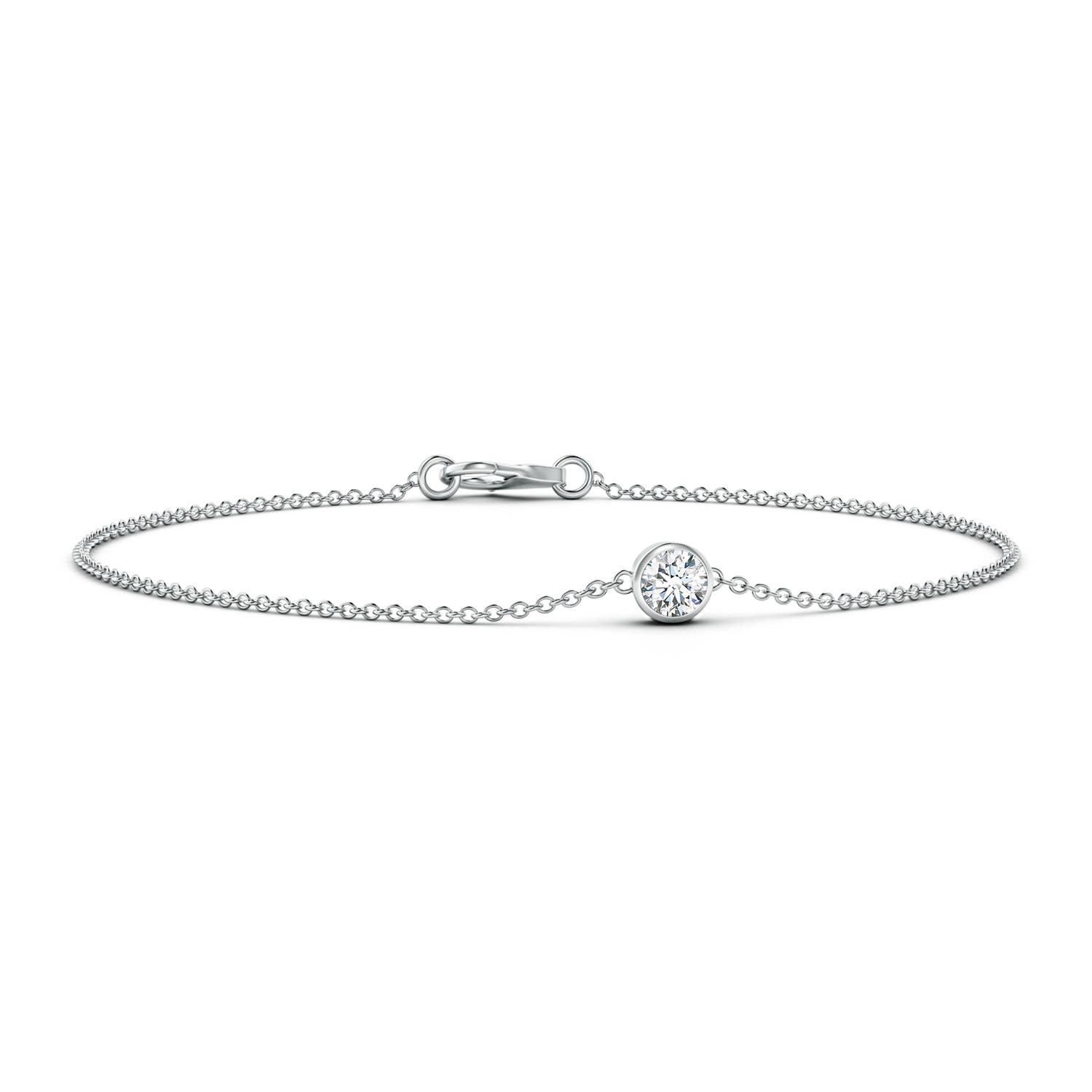
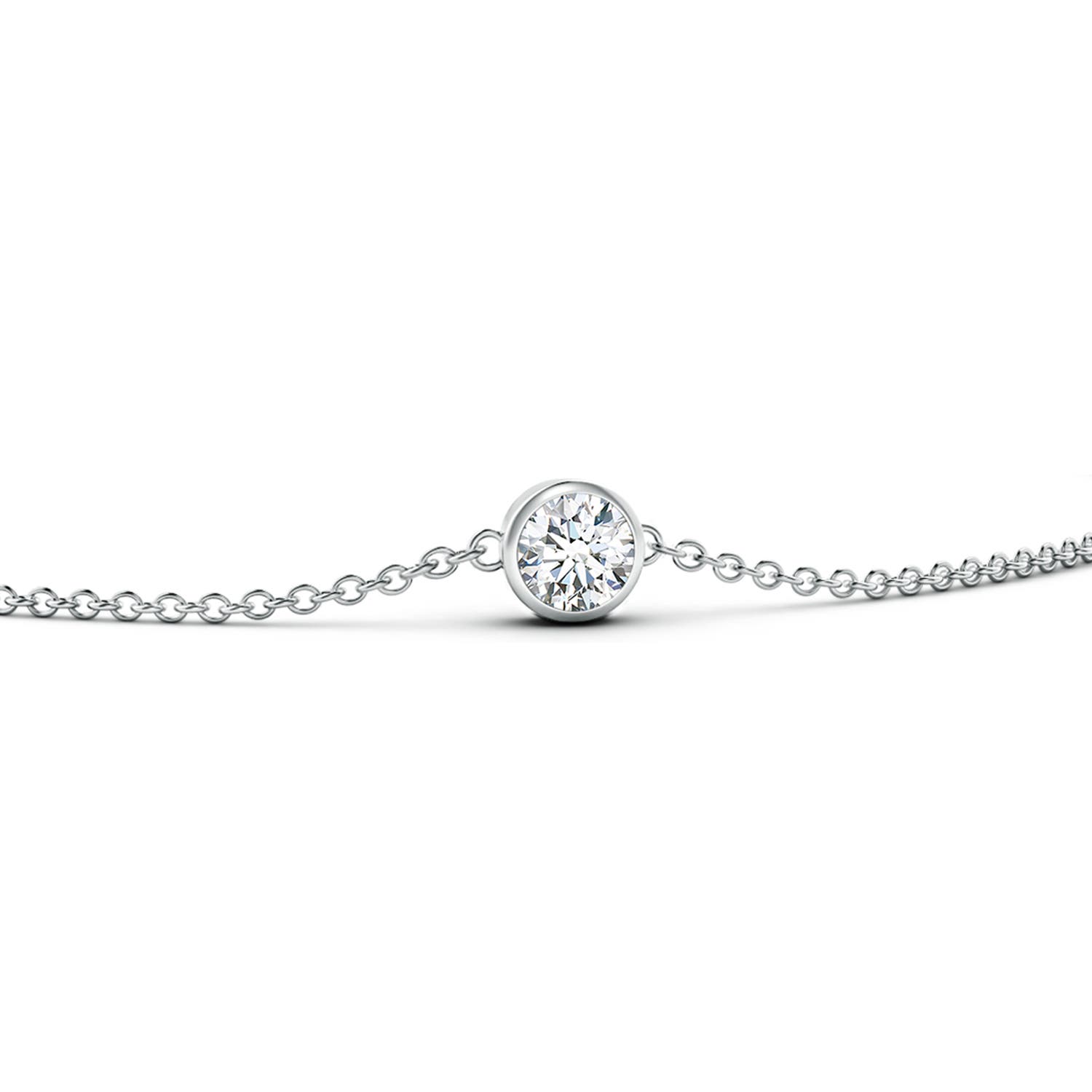
WHAT DOES CTW MEAN IN DIAMOND JEWELRY?
CTW adds complexity because it's a total weight measurement that includes multiple stones.
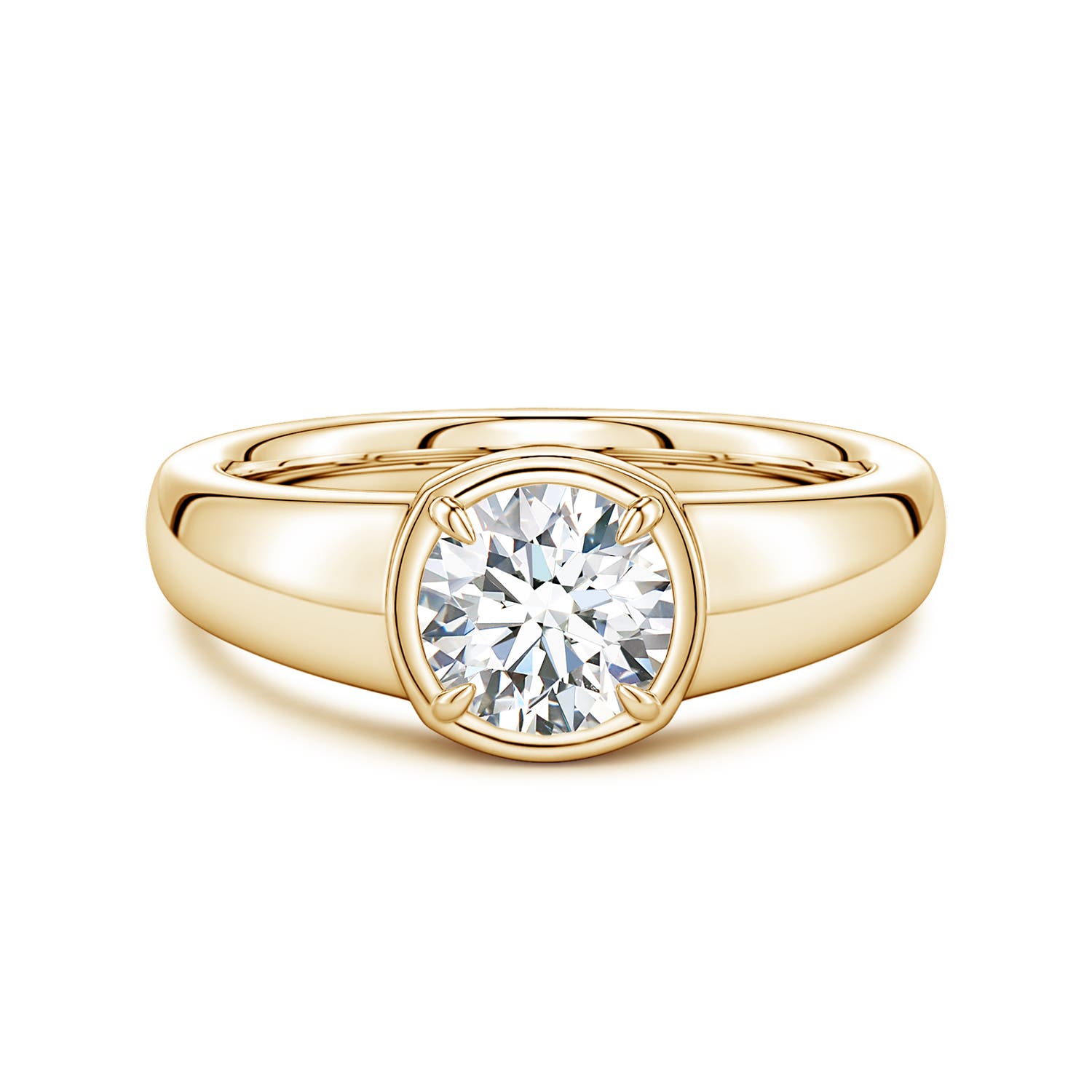
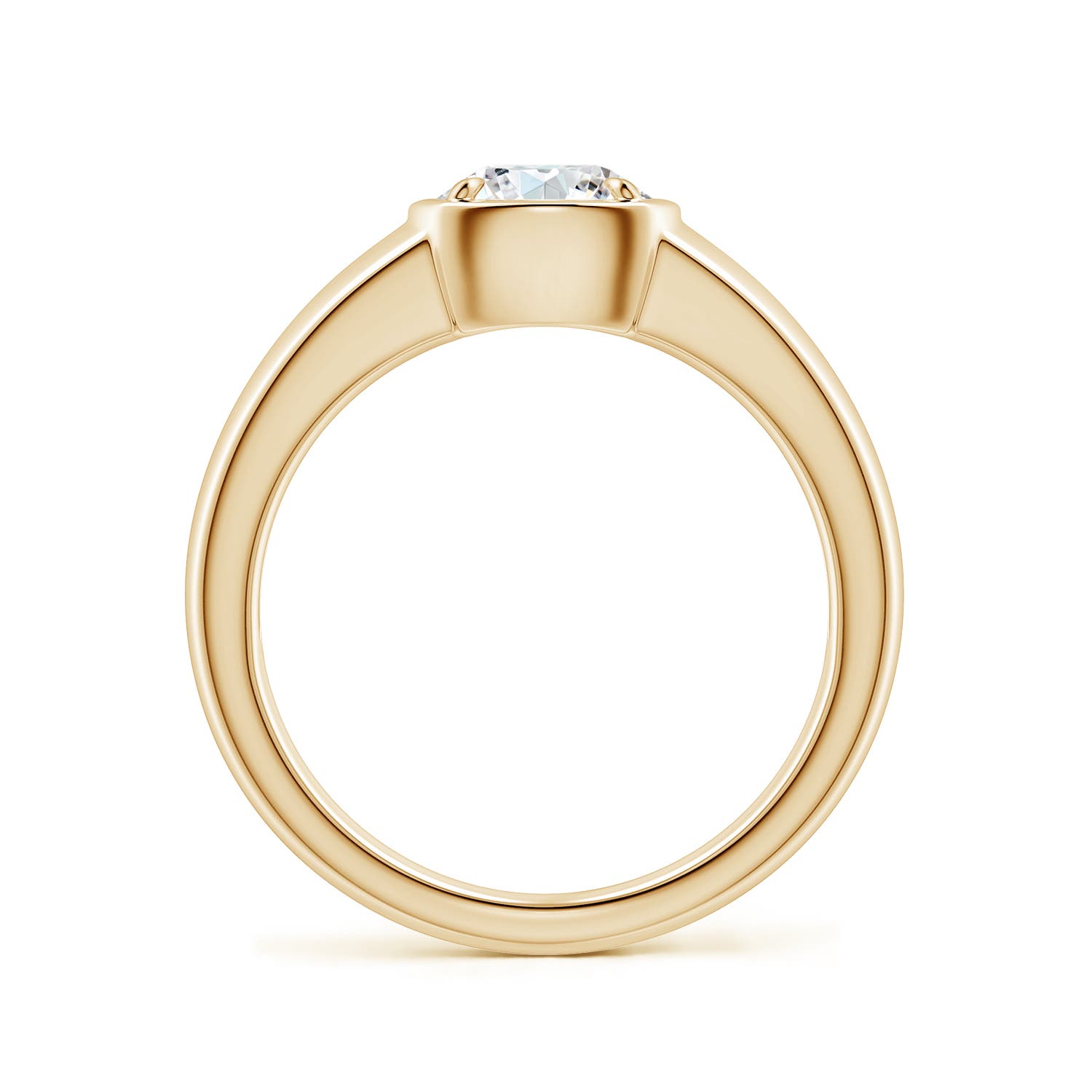
CTW = Carat Total Weight. It refers to the combined weight of multiple diamonds. Used for rings with side stones, accent diamonds, multi-stone designs or a pair of earrings. Example: "2 CTW" might mean center stone is 1.5 carats plus side stones totaling 0.5 carats, equaling 2 CTW.
Often abbreviated in listings without explanation, making it confusing for shoppers. Jewelers use CTW because it's a cleaner way to list complex pieces with multiple stones. However, CTW can be misleading if not paired with center stone carat weight. CTW doesn't tell you which stone is which weight, so a "2 CTW ring" could have a 1.5 CT center or a 0.8 CT center, dramatically different pieces at the same total weight.
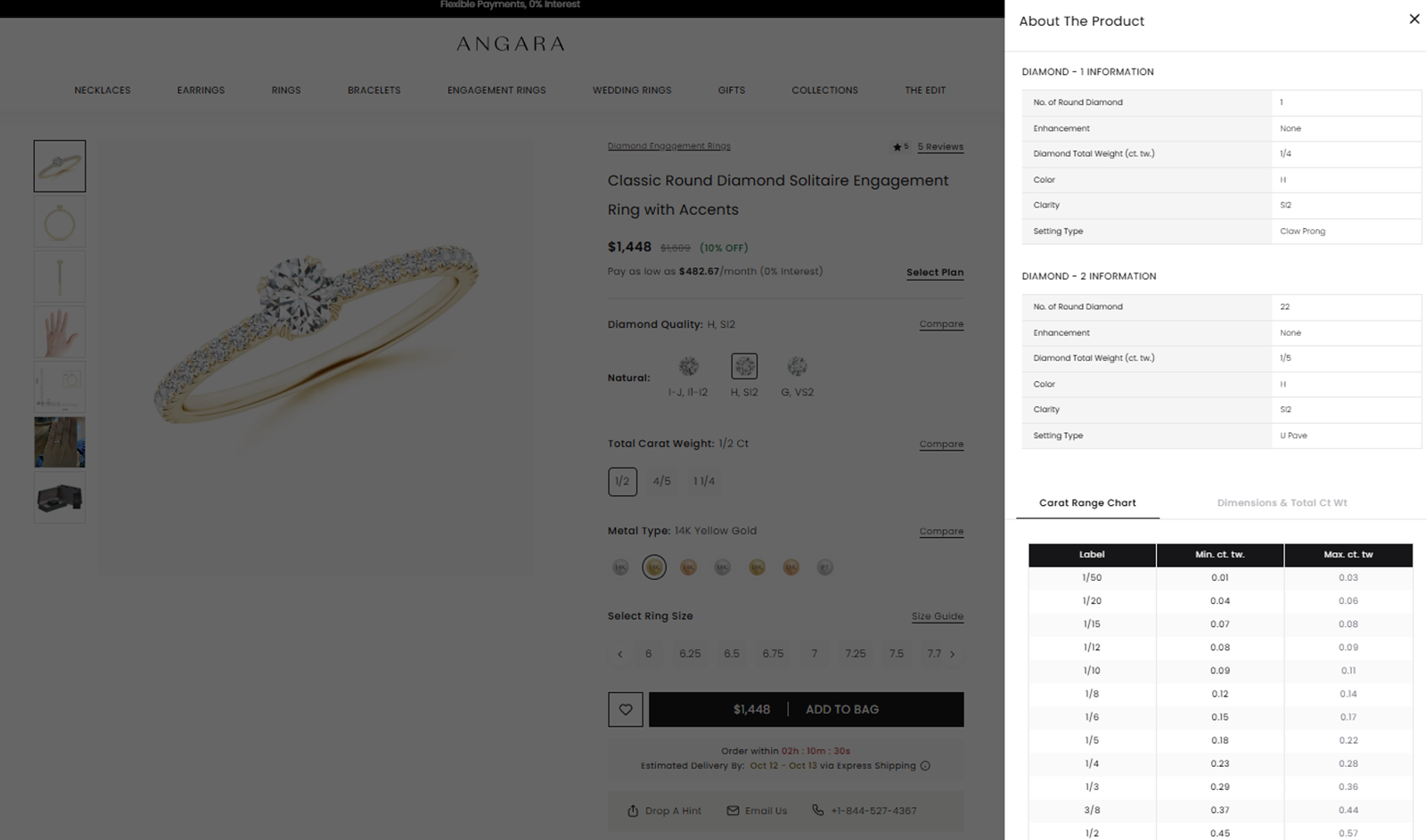
- Classic Round Diamond Solitaire Engagement Ring with Accents$1,448 $1,609


- Emerald-Cut Diamond Halo Bolo Bracelet$2,294 $2,549


- Natori x Angara Orient Express Lab-Grown Emerald-Cut Diamond Solitaire Engagement Ring$6,650 $7,389


- Natori x Angara Orient Express Lab-Grown Emerald-Cut Diamond Solitaire Engagement Ring$6,650 $7,389


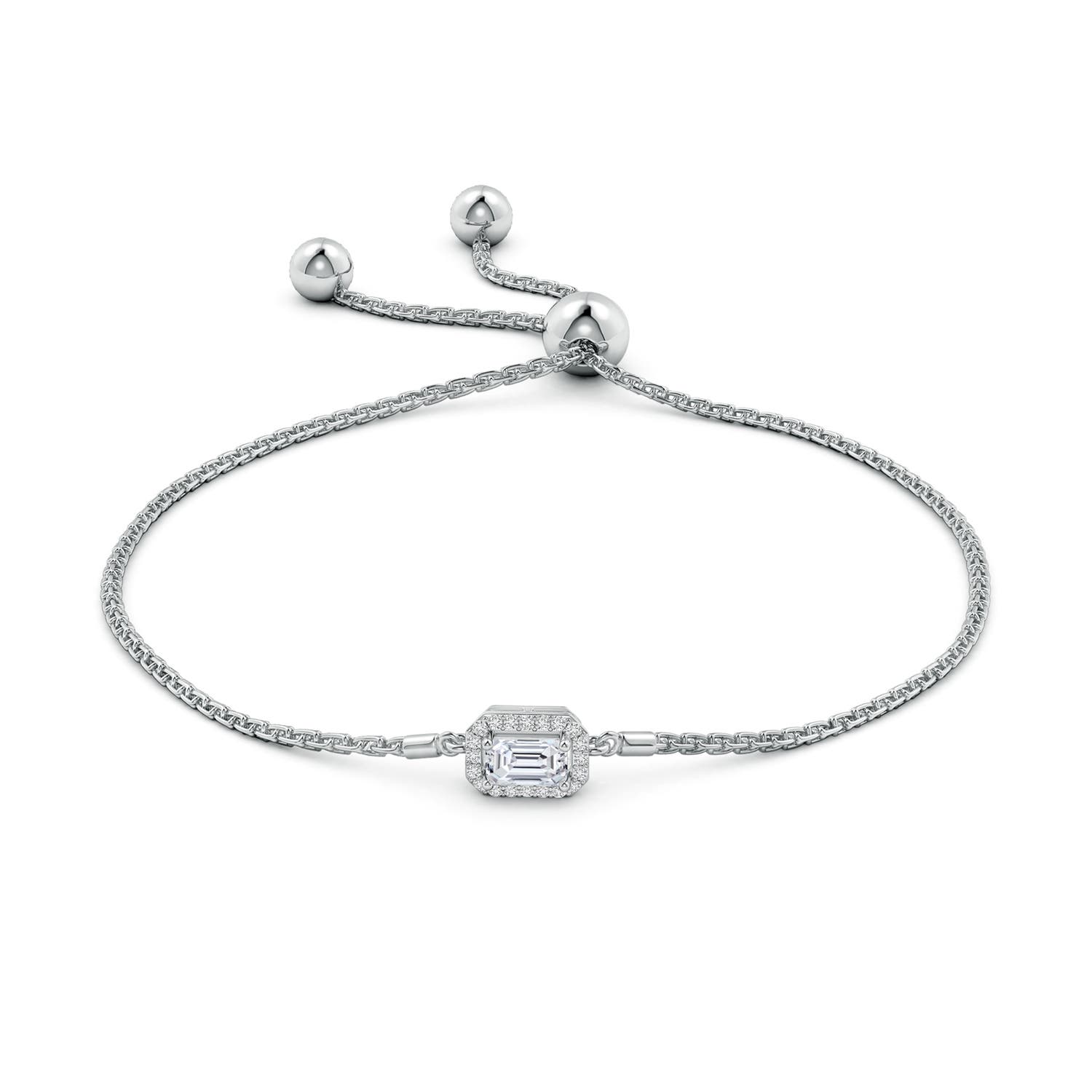

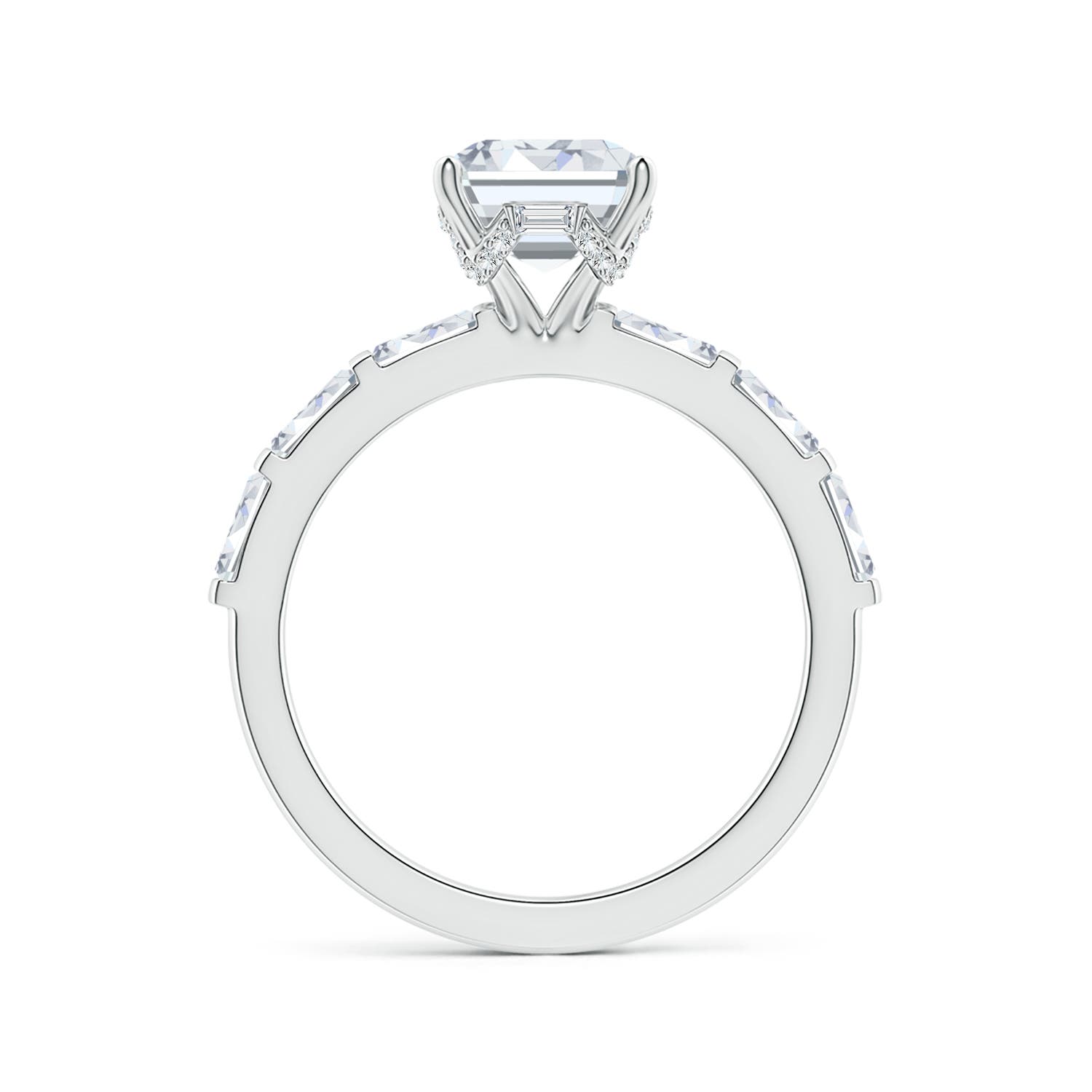
WHAT DOES CTTW MEAN FOR DIAMOND RINGS?
CTTW stands for Carat Total Weight and means the same thing as CTW. It is the combined weight of all diamonds in a piece.
CTTW = Carat Total Weight (same as CTW). Some jewelers use CTTW; others use CTW; they mean the same thing. Total weight of all stones in the ring or piece. Example: "1.5 CTTW engagement ring" might have 1 CT center stone plus 0.5 CT side stones equaling 1.5 CTTW total.
CTTW is the standard way to describe multi-stone engagement ring settings, which is why it appears so frequently in listings. The risk is assuming the center stone carries the full CTTW weight, it often doesn't. A transparent listing shows both the center stone CT and the total CTTW separately. If only CTTW is listed without a breakdown, that's worth questioning before you buy.
WHAT DOES TW MEAN IN DIAMONDS?
TW is the shortest abbreviation and can be the most confusing because context matters significantly.
TW = Total Weight (of all stones). Functionally identical to CTW and CTTW. Most commonly used abbreviation in jewelry listings. Example: "2 TW" means all stones combined weigh 2 carats.
Why it's ambiguous: TW doesn't specify what stones or how much each weighs. How TW differs from CT: CT is single stone; TW is multiple stones combined (similar to CTW or CTTW). TW on a listing without breakdown is a red flag for hidden details. It is appropriate for pairs like diamond earrings, where each earring might be 0.50 CT for 1.00 CTTW total. But it can be misleading when a large center stone weight isn't specified and TW makes the piece sound more impressive than it is.
CT VS CTW VS CTTW VS TW: KEY DIFFERENCES
Here's how each term breaks down and why the distinction matters when comparing prices.
| Factor | CT | CTW/CTTW/TW |
|---|---|---|
| Measurement Scope | One stone only | Multiple stones combined |
| What You're Buying | Center stone weight only | All diamonds in the piece |
| Price Implications | Most expensive per carat for full center stone weight | Spread across multiple stones, lower cost per carat if many small stones |
| Clarity & Transparency | Clear; you know exactly which stone | Vague; requires clarification on which stone weighs what |
| Certification | Center stone typically certified separately by GIA | Side stones rarely certified individually |
DOES CTW OR CTTW MEAN THE SAME AS CARAT WEIGHT?
CTW and CTTW refer to the combined weight of all diamonds in a piece, while CT refers to the weight of a single stone. They all measure carat weight, but what they're measuring is different.
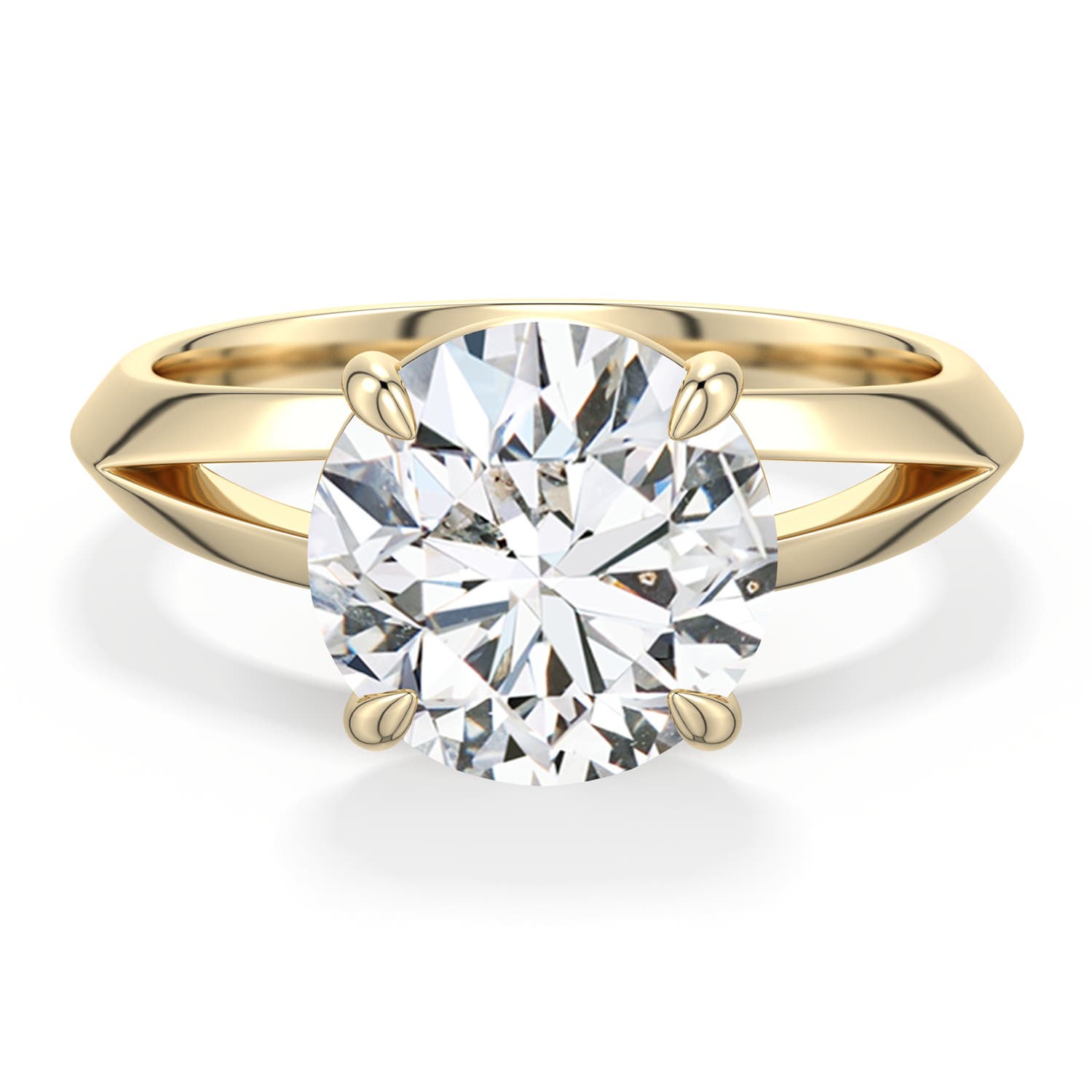
For example, this Oval Diamond Twisted Rope Shank Engagement Ring is listed as "1.5 CTW/CTTW", but the product details show the breakdown of “1.17 CT” center stone and “0.3 CT” side stones. Whereas this Oval Diamond Knife-Edge Split Shank Engagement Ring listed as "1.5 CT" features a single stone that weighs 1.5 carats, with a significantly different price.
HOW DIAMOND WEIGHT AFFECTS PRICE AND APPEARANCE
Understanding these terms shows you the practical implications of carat weight differences, how they directly impact what you pay and what you get.
- Price Per Carat: Price increases exponentially with carat weight. A 1 CT diamond costs significantly more than two 0.5 CT diamonds of similar quality. Understanding CT versus TW helps you understand true value. CTW and CTTW can make a ring seem larger or more valuable than it actually is without specifying center stone size.
- Visual Appearance vs Number: 1 CT center stone looks substantially different than 1 TW spread across multiple stones. Face-up appearance matters more than total weight. A 0.8 CT center stone looks more impressive than 1.2 TW with 0.3 CT center stone and 0.9 CT accent stones. Understanding the breakdown helps you visualize what you're actually getting.
- Value Over Time: Single CT stones hold value better than TW configurations. Resale is easier with certified CT stone. TW pieces lose value faster when stones separate or settings fail, since individual stone values are lower.
Read Also: Diamond Shapes and Cuts
HOW TO READ DIAMOND WEIGHT ON A JEWELRY LISTING
This is your practical guide for interpreting listings accurately and spotting misleading information while shopping.
- Red Flags in Listings: Be cautious when a listing shows only CTTW without specifying the center stone weight separately, uses abbreviations without defining them, features a small center stone against a high CTTW number, or provides no breakdown of which stones account for which weight. Missing certification or documentation is also worth questioning.
- Green Flags in Listings: A trustworthy listing clearly labels both CT and CTTW, states the center stone weight separately, provides a GIA/IGI certificate for the center stone and breaks down the total weight transparently. For example "1 CT center + 0.5 CT sides = 1.5 CTTW." Detailed side stone specifications are a further sign of a reputable seller.
- How to Ask the Right Questions: Before committing to a purchase, check to confirm the center stone carat weight as a CT figure, not the total CTTW. Or ask your jewelry whether the listed weight refers to a single stone or the combined total. Request a GIA certificate for the center stone specifically and ask for a full breakdown of weight by individual stone, including side stone specifications.
- Protective Shopping Tips: If a listing doesn't clearly separate CT from CTTW, ask for clarification before purchasing. Request a detailed weight breakdown and certification for the center stone. Never assume a high CTTW figure means a large center stone; the total can include many small accent diamonds that add up on paper but look very different in person.
At Angara, every product page on the website displays the CT or CTW upfront alongside a full breakdown of each stone's individual weight in the gemstone information details. Certification and all relevant product specifications are included so you know exactly what you're buying before it arrives. No guesswork, no hidden figures.
CT VS CTW VS CTTW VS TW: WHICH TERM SHOULD YOU LOOK FOR?
The term to look for depends on what you're buying. Here's how to know which measurement matters most for your purchase.
For Engagement Rings: Prioritize CT over CTTW. The center stone weight is what drives value and price, so look for it listed separately before checking for CTTW.
For Multi-Stone Designs: Look for both CT and CTTW clearly labeled. A high CTTW with a small center stone can be misleading, the center stone weight is what matters most.
For Comparing Rings: Compare CT to CT, not CTTW to CT. A ring with a 1.2 CTTW and a 0.7 CT center stone is a very different purchase from a ring with a 1.2 CT center stone, even if the numbers look similar at first glance.
For Budget Considerations: CT is what drives price. A higher CTTW doesn't always mean a more valuable piece if the center stone is small. Look at where the carat weight is concentrated to understand where your money is actually going. A 1.2 CTTW with 0.7 CT center costs far less than 1.2 CT center.
For Pairs and Sets: For pieces like earrings, CTTW typically reflects the combined weight of both sides. A listing of "1.00 CTTW" usually means 0.50 carats per earring. Always check the per-piece breakdown before purchasing.
See what diamond studs in different carat sizes look like:
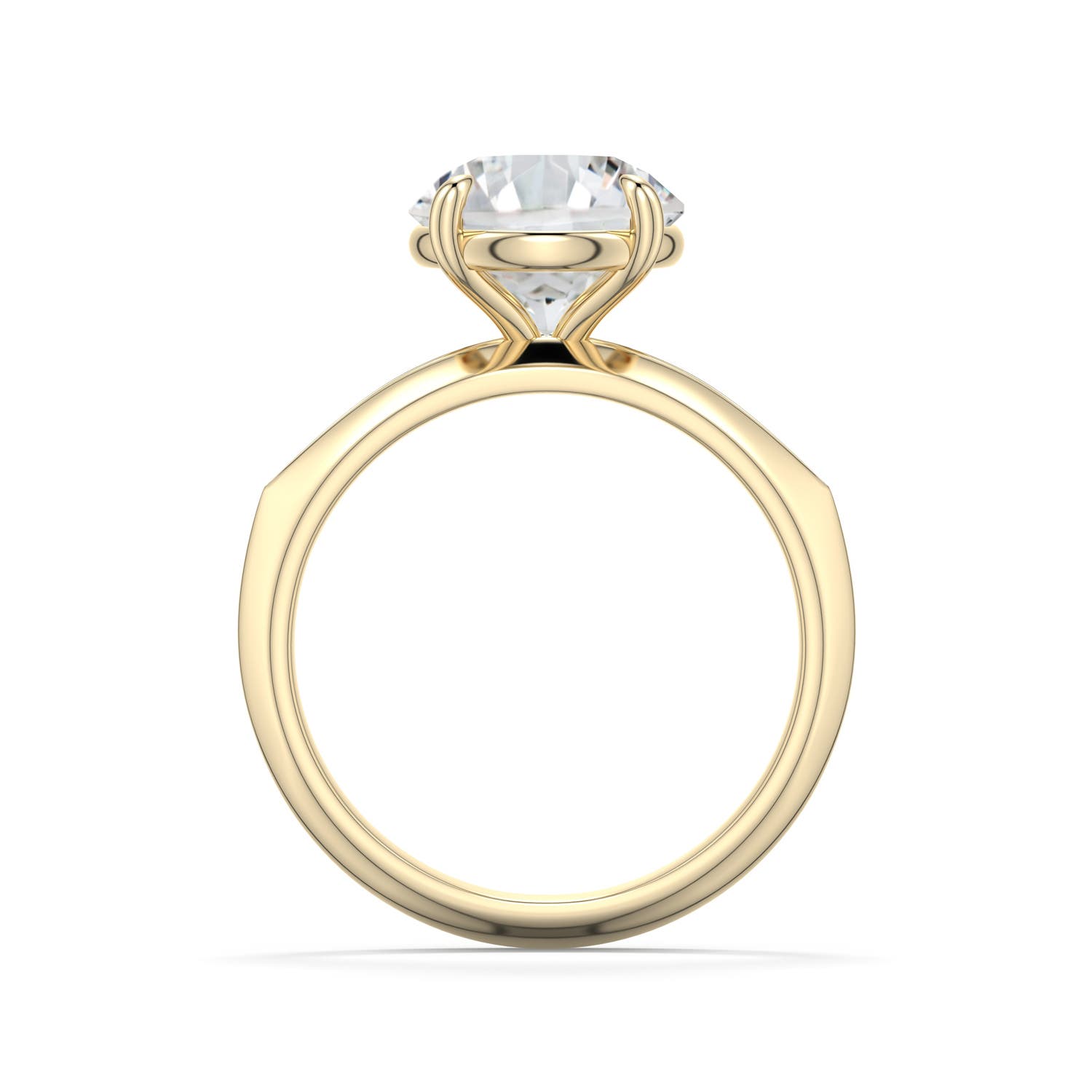
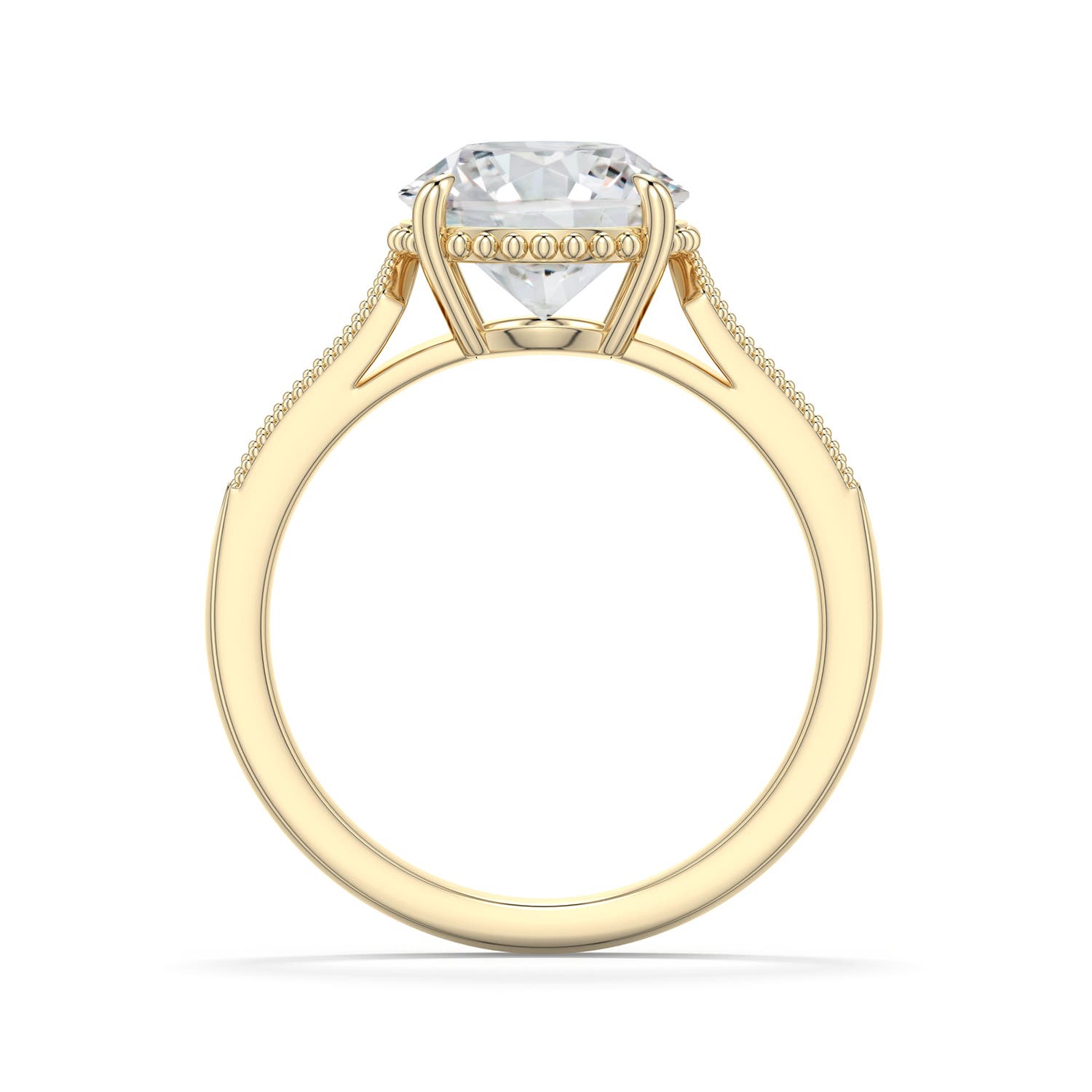
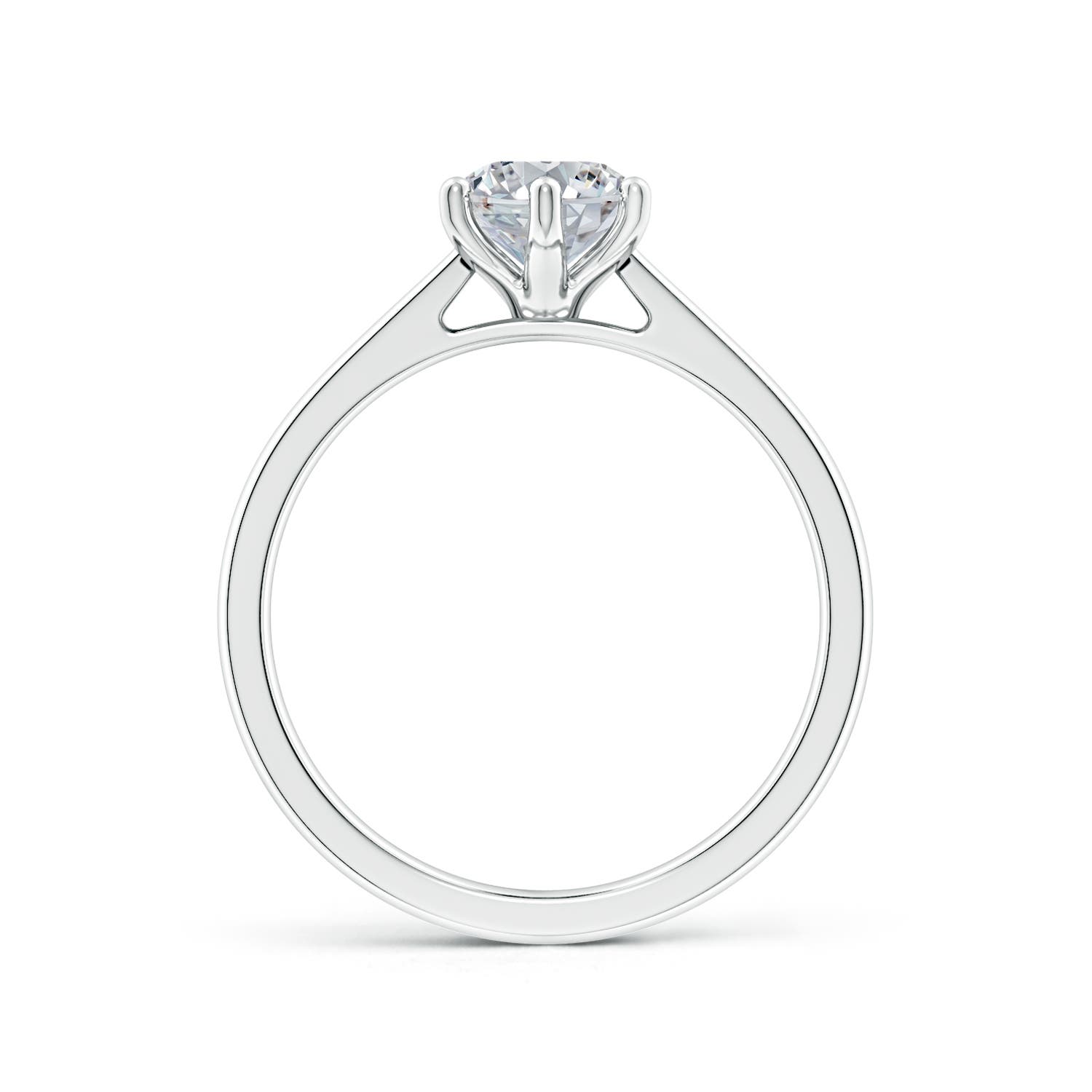
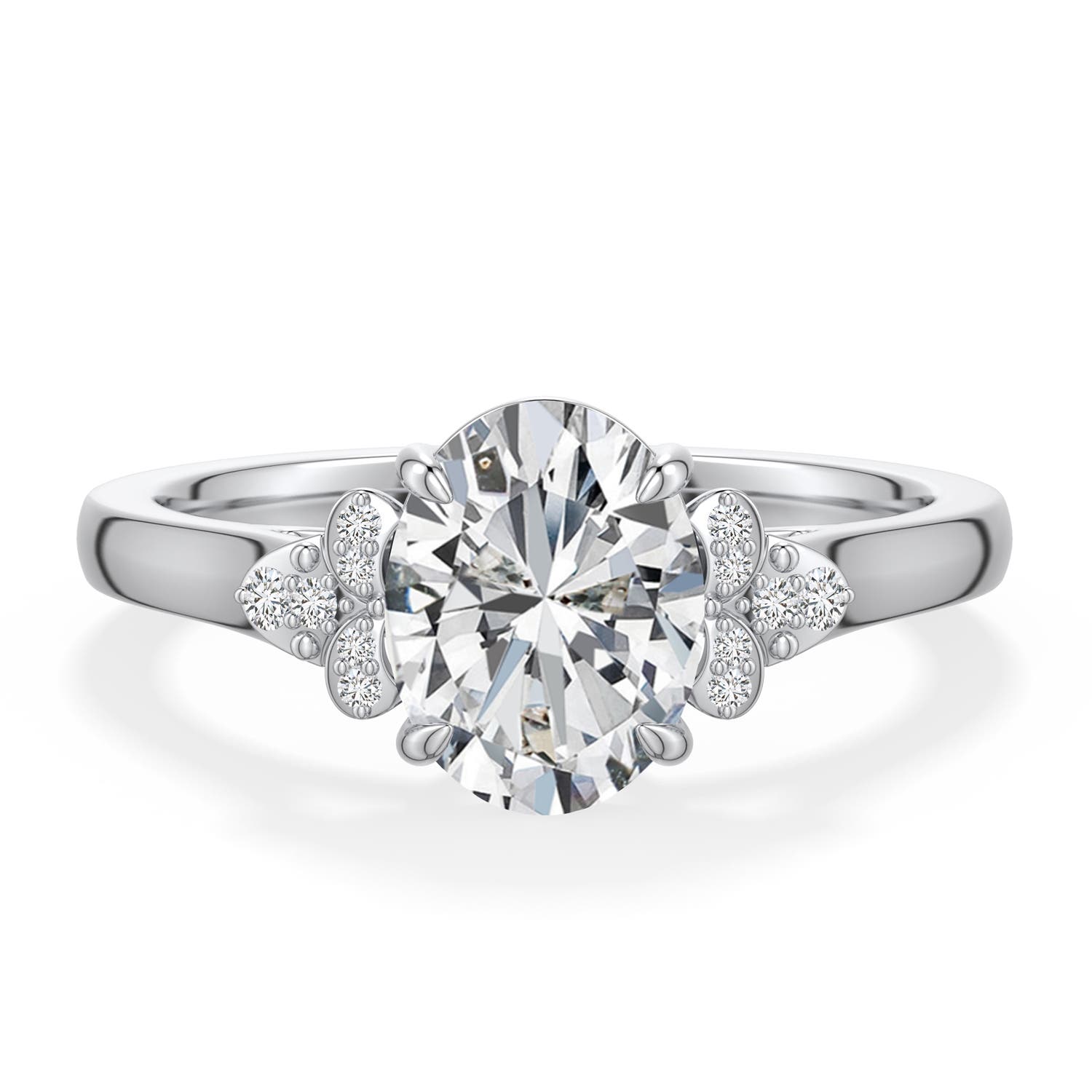
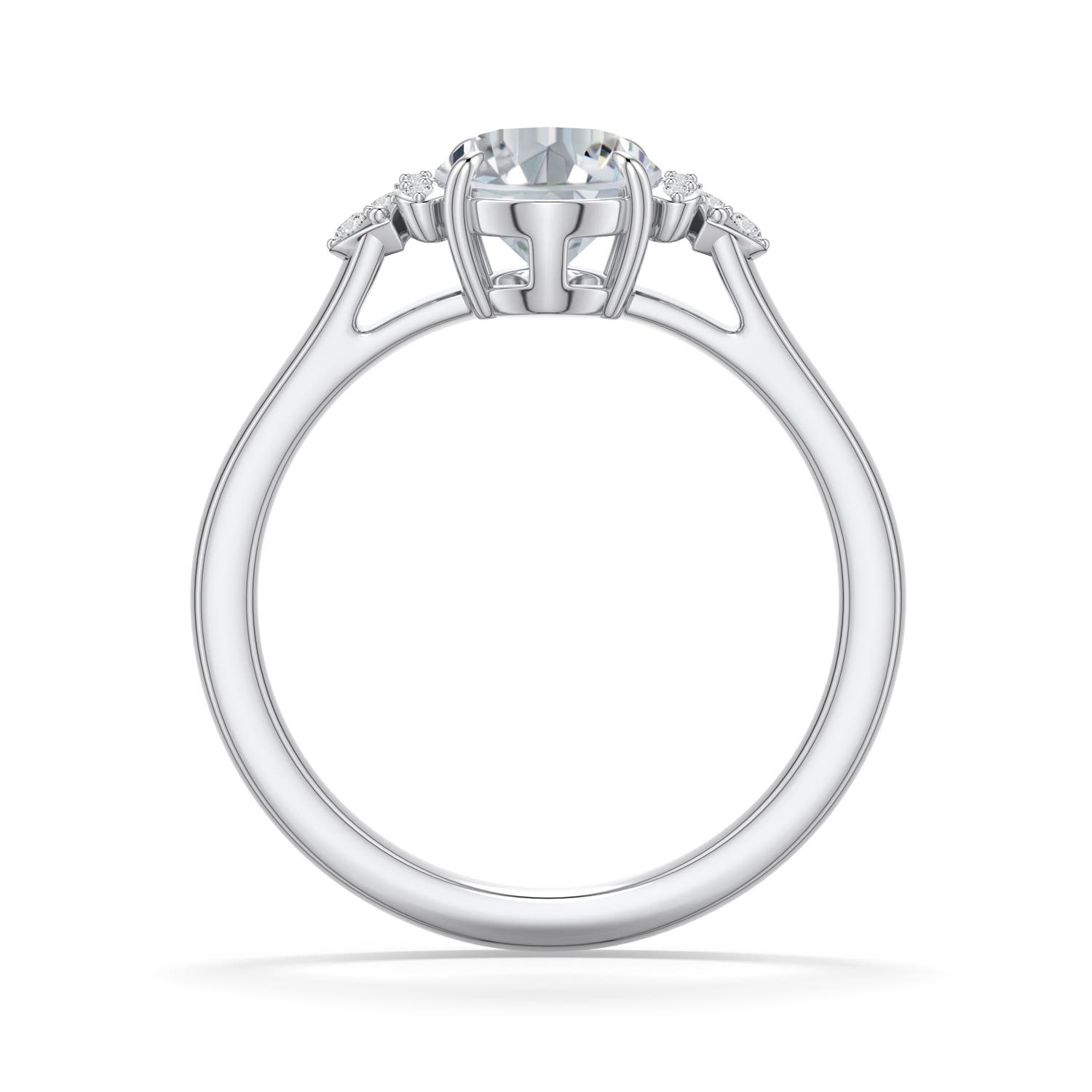
- Round Diamond Knife-Edge Split Shank Engagement Ring$40,400 $44,889


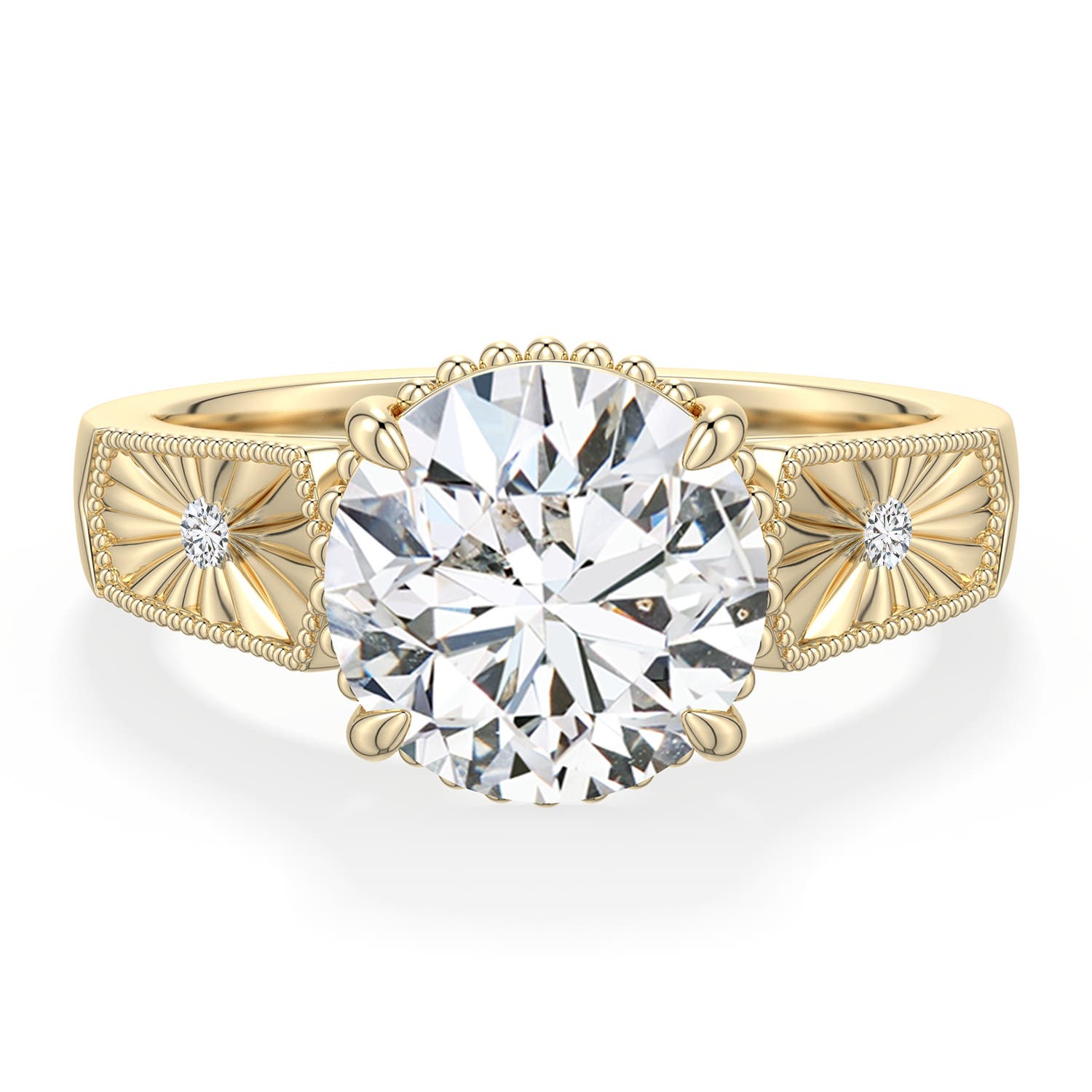
- Round Diamond Quatrefoil Hidden Halo Engagement Ring$40,535 $45,039


- Six Prong-Set Oval Diamond Reverse Tapered Shank Cathedral Engagement Ring$10,358 $11,509


- Oval Diamond Engagement Ring$13,796 $15,329



FAQs
1. Is 1/10 CT TW diamond real?
Yes. 1/10 CT TW means 0.1 total carats spread across multiple real diamonds. The stones will be very small, barely visible to the naked eye, and not suitable as a center stone. Real diamonds have no minimum weight requirement.
2. Can 1 CT TW diamond pass diamond tester?
Yes, real diamonds pass a diamond tester regardless of carat weight. Individual stones in a multi-stone piece may be too small to test practically once set. For authenticity assurance, request GIA certification for the center stone specifically.
3. Is 1/4 carat diamond real if it's the TW?
Yes. 1/4 CT TW means 0.25 total carats of real diamond spread across multiple stones. The center stone may be a fraction of that total. Real diamonds are real regardless of how the weight is distributed.
4. Is CTW worth it?
It depends on the center stone. CTW pricing can be misleading if premium prices are attached to side stones when the center stone is what matters most to you. Always evaluate the center stone weight and quality separately before assessing the total piece's value.
You may also like
Ring Size Chart: How to Find Your Perfect Fit at Home
20 Mar, 2024
Gems Price Chart Ranked by Value
18 Nov, 2023
How to Test Gold at Home
5 Jan, 2023
Ruby vs Garnet: How to Tell the Difference and Which One to Choose
13 Dec, 2018
Everything You Need to Know About Blue Gemstones
1 Dec, 2023
Best Crystals for Protection: Meaning & How to Use
16 Dec, 2022
How to Tell if a Gemstone Is Real
20 Dec, 2022
Colored Gemstone Size Chart: MM, Carat & Dimensions
14 Aug, 2024
11 Ways to Keep Your Ring From Spinning
19 Jan, 2024
Shop Our Bestsellers
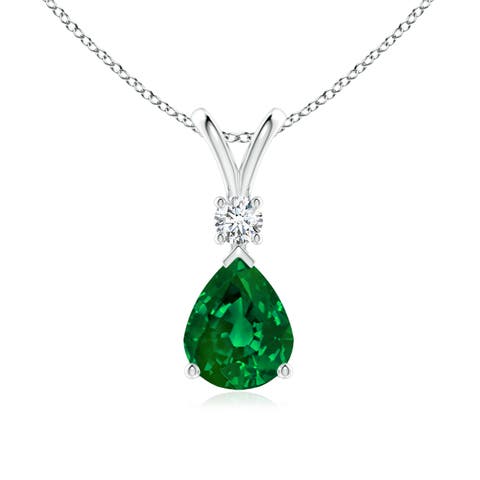
- Prong-Set Lab-Grown Emerald Teardrop V-Bale Pendant with Diamond$2,099
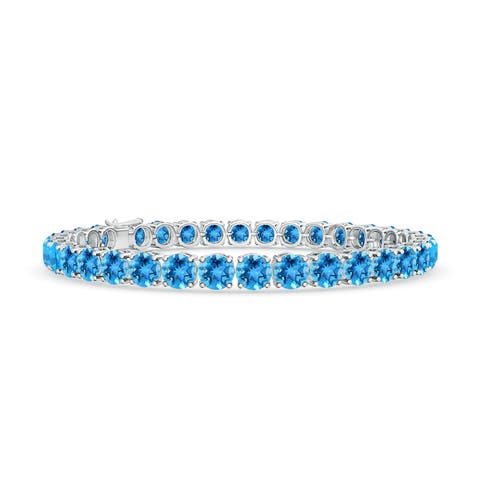
- Classic Swiss Blue Topaz Linear Tennis Bracelet$1,369
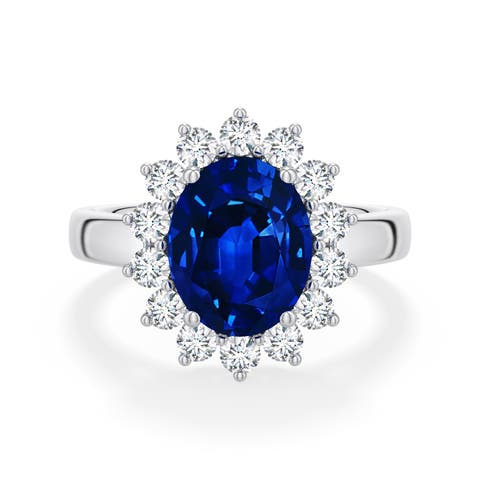
- Lab-Grown Princess Diana Inspired Blue Sapphire Engagement Ring with Lab Diamond Halo$4,869
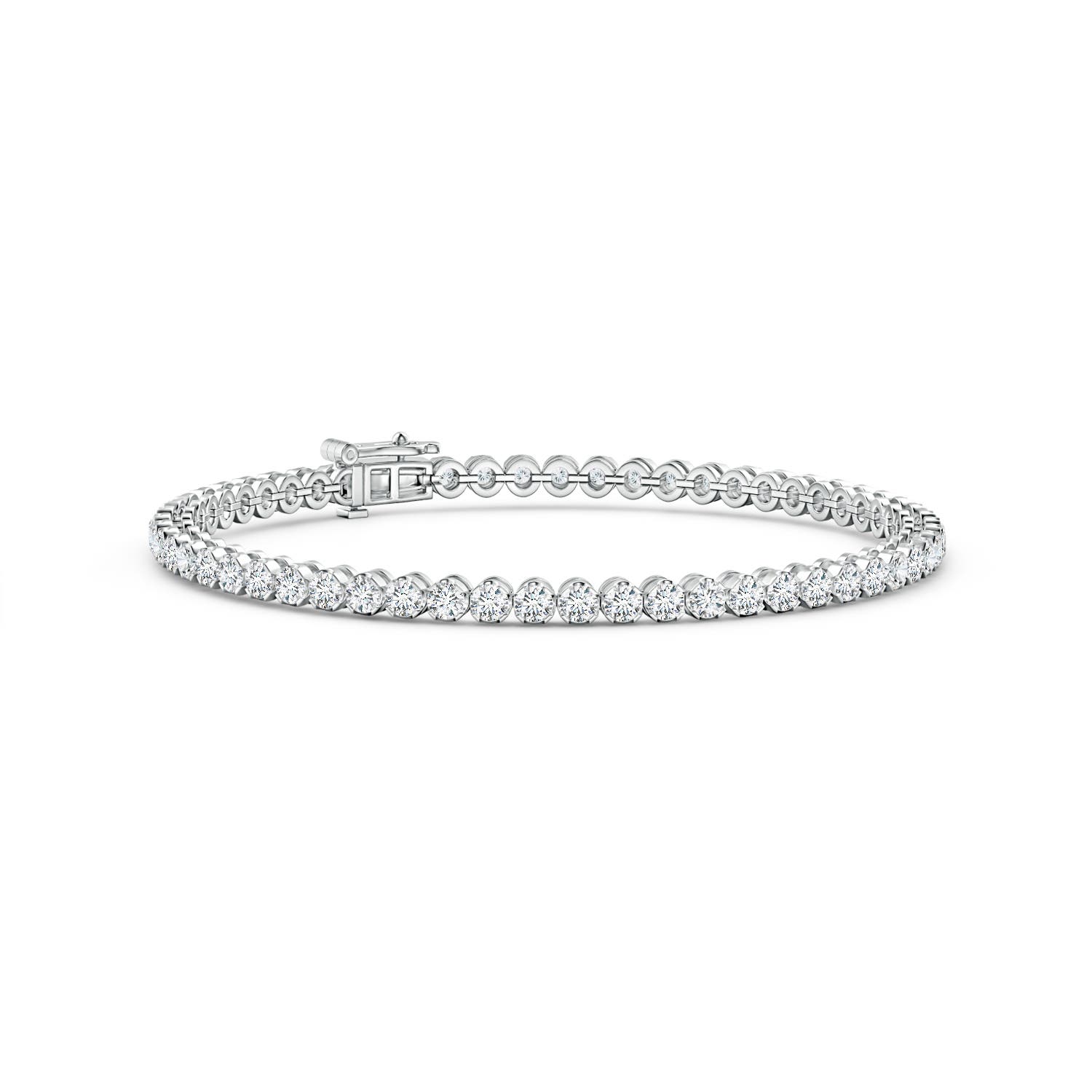
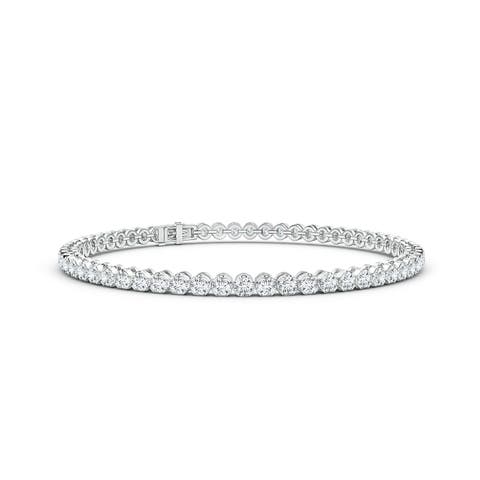
- Lab-Grown Classic Round Diamond Tennis Bracelet$2,739
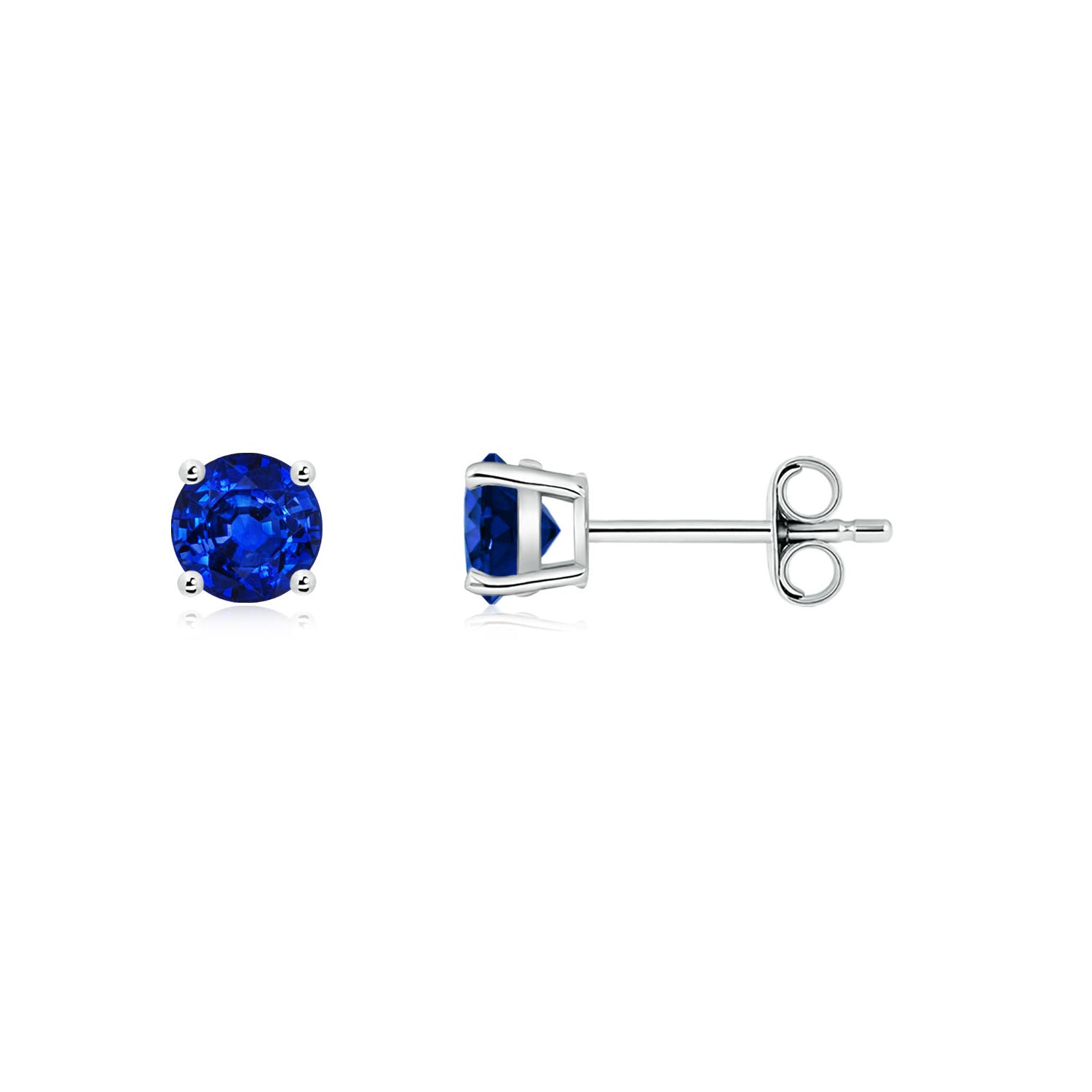
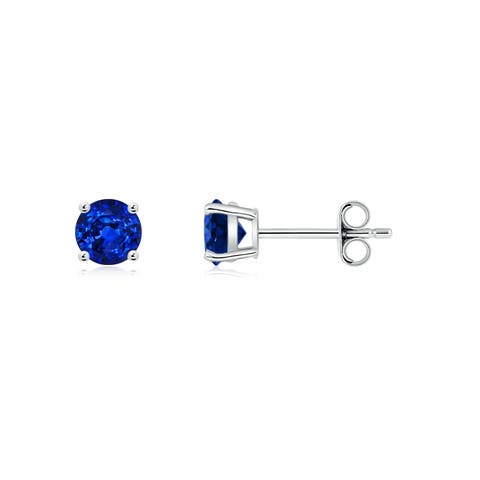
- Round Blue Sapphire Stud Earrings$1,199
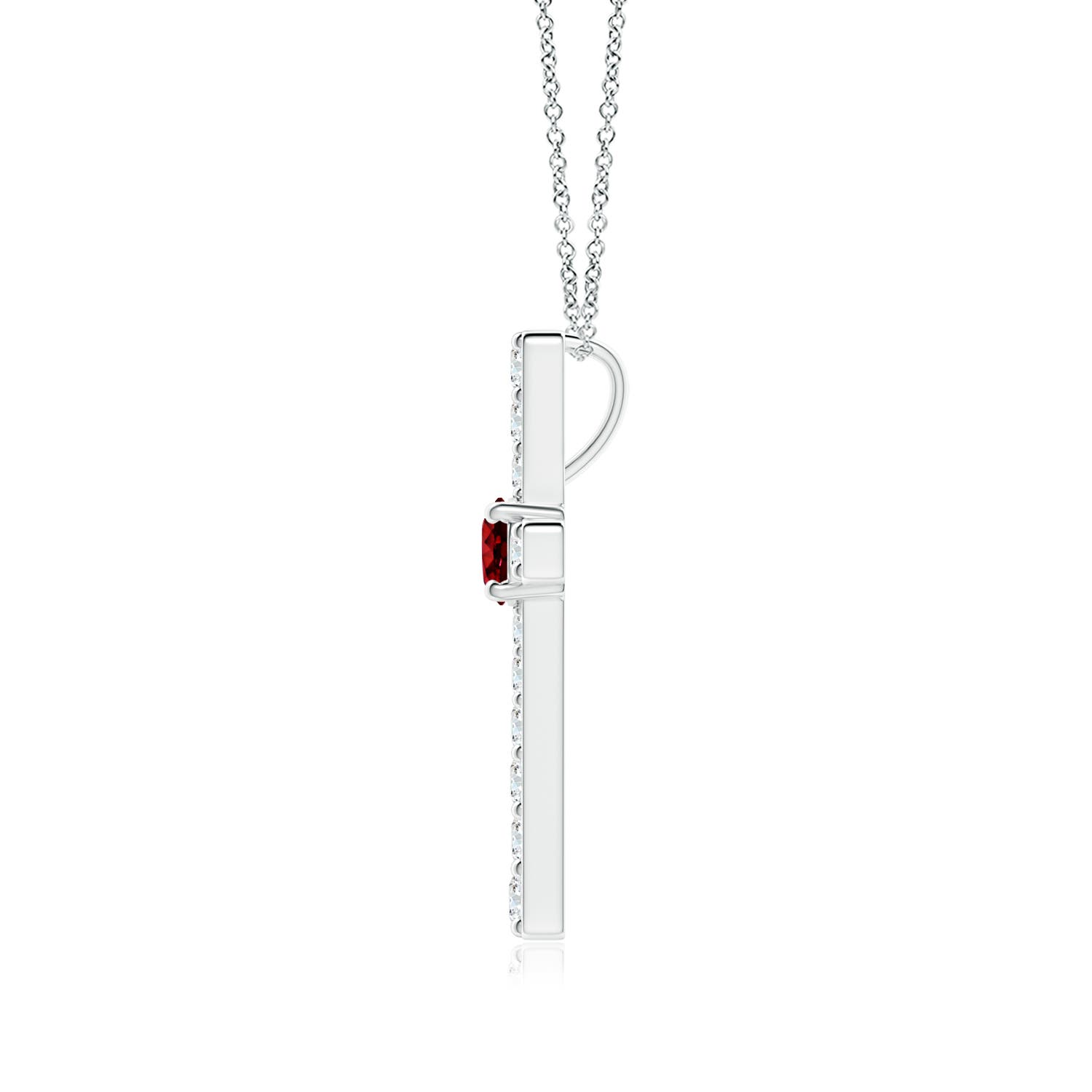
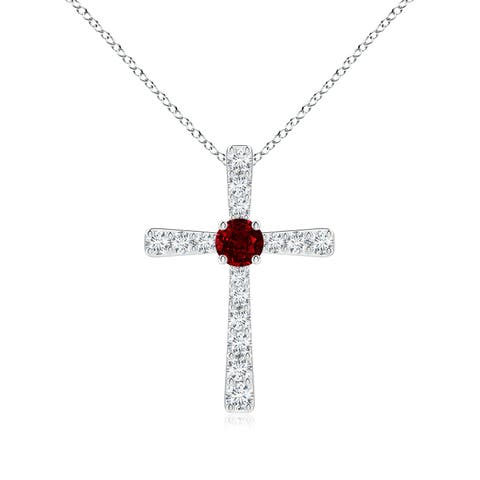
- Ruby and Diamond Cross Pendant$2,249
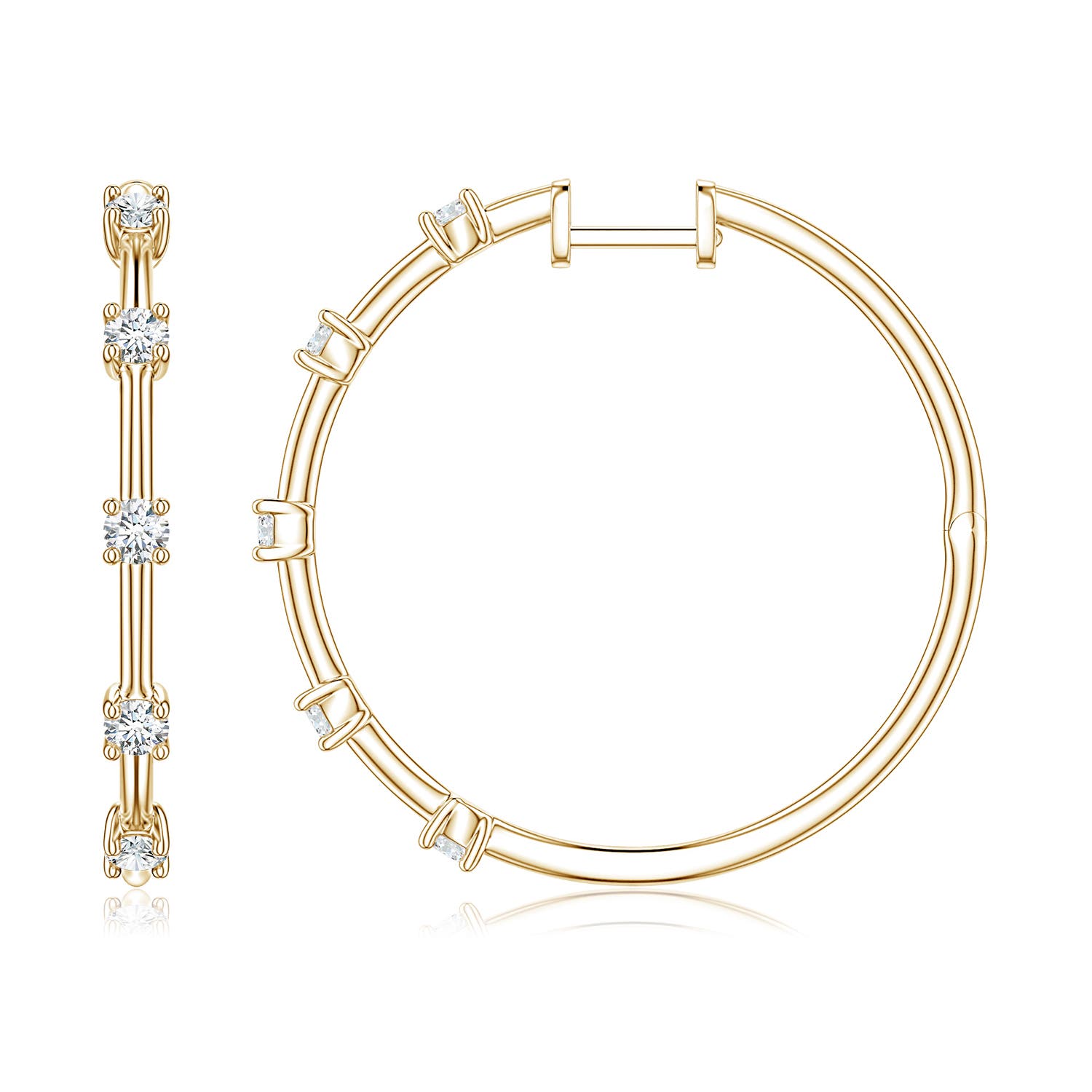
- Round Lab-Grown Diamond Five-Stone Station Hoop Earrings$2,969
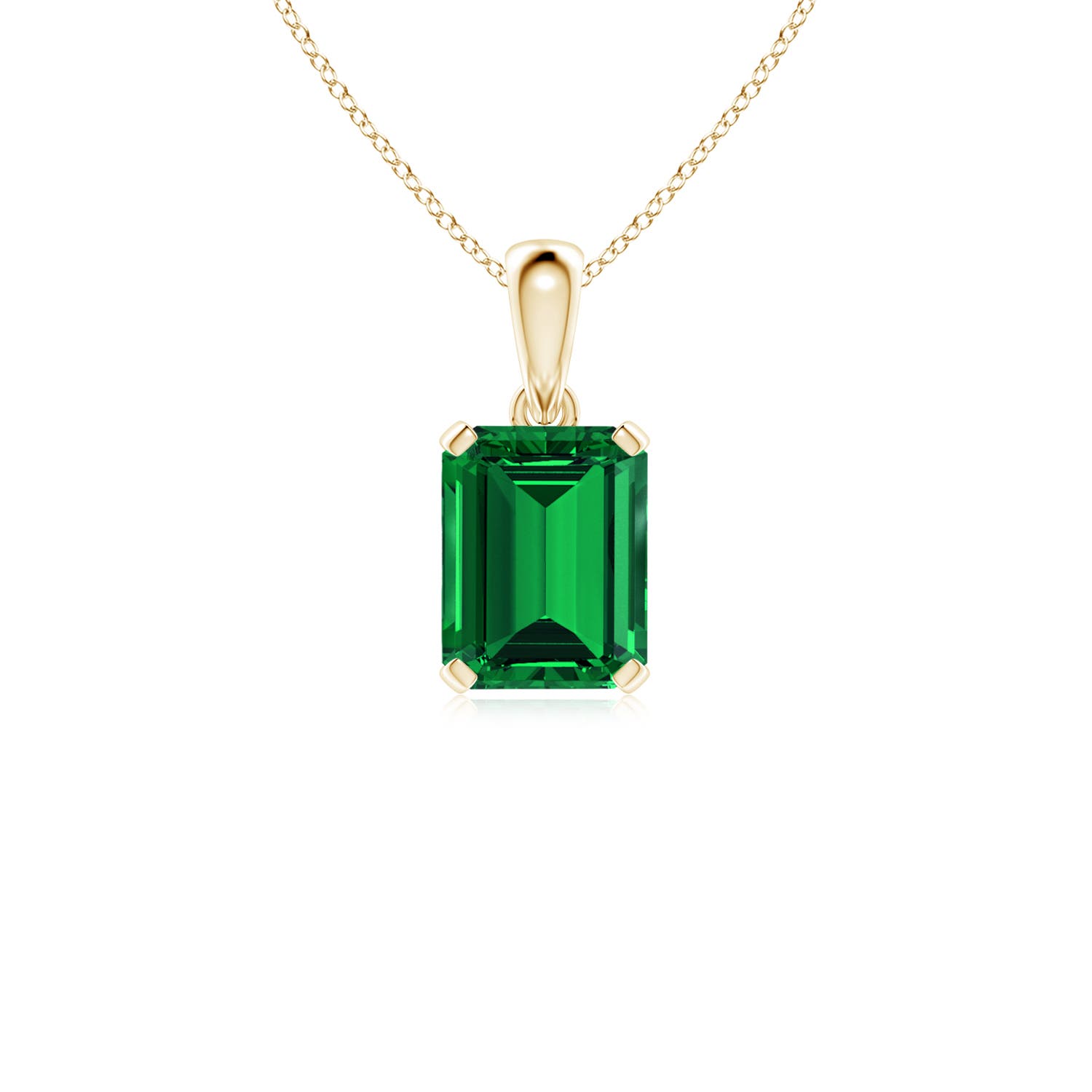
- Prong-Set Emerald-Cut Lab-Grown Emerald Solitaire Pendant$1,639
- Solitaire Oval Opal Split Shank Ring with Trio Diamonds$1,619
- V-Bale Pear-Shaped Garnet Solitaire Pendant$749