
What Is a Figaro Chain? Meaning, Styles and How to Wear It
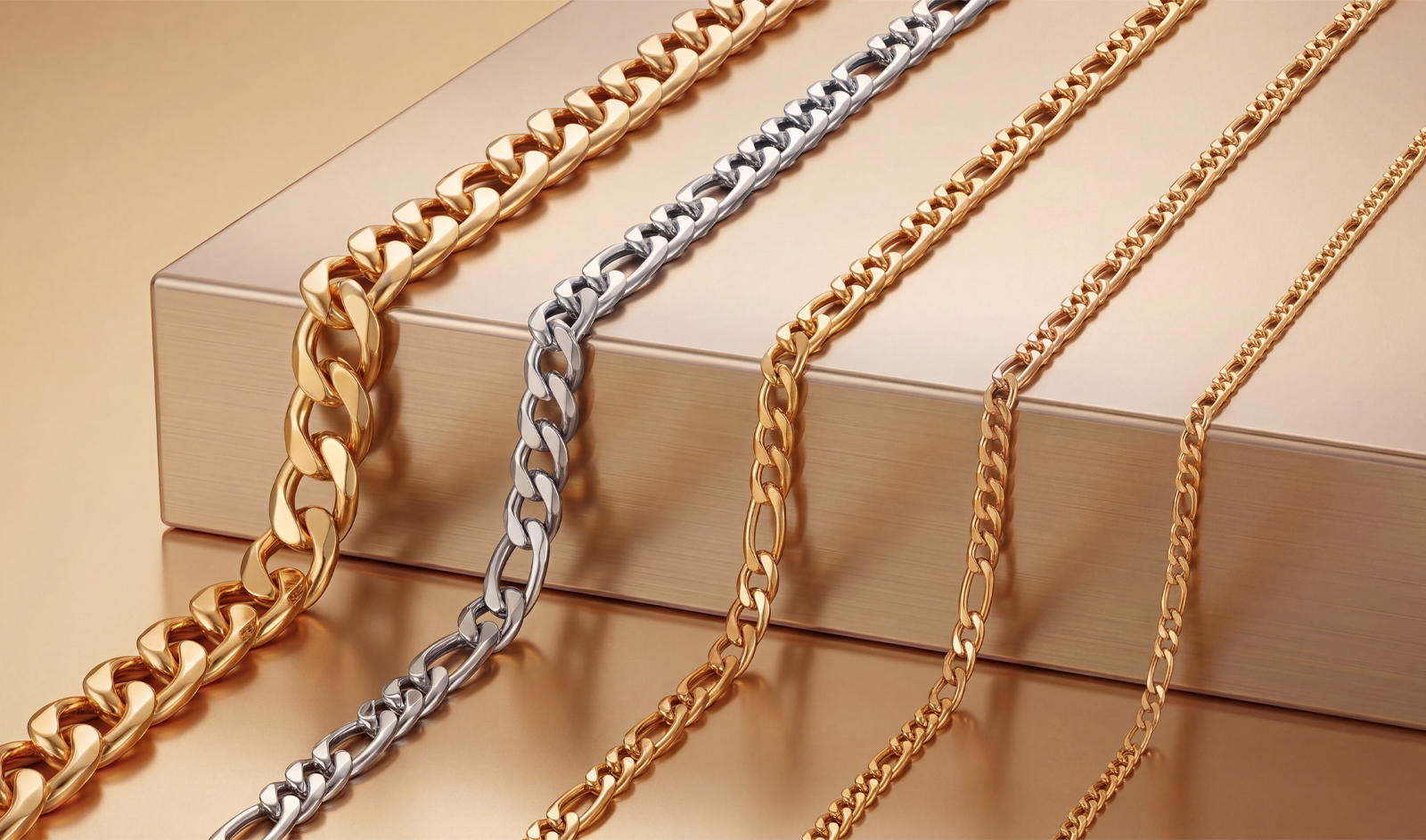
A Figaro chain is a type of link chain defined by a repeating pattern of three small links followed by one longer, elongated link. That simple rhythm is what makes it instantly recognizable and endlessly wearable. Italian in origin and worn by men and women alike, the Figaro has become one of the most popular chain styles in the world. Here's how to recognize it, where it came from, and how to wear it well.
How Do You Recognize a Figaro Chain at a Glance?
You can recognize a Figaro chain by its signature rhythm: a repeating pattern of two or three short links followed by one longer, elongated oval link. That alternation of small and large is the single feature that sets it apart, and once you know to look for it, a Figaro is unmistakable.
Most other chains use links of a single, uniform size. The Figaro breaks that uniformity in a deliberate, patterned way, which gives it visual interest without looking busy. The links are also typically flattened, or diamond-cut, so they catch the light and lie flat against the skin.
If you spot a chain with a steady one-long, three-short beat repeating down its length, you're almost certainly looking at a Figaro.
What Is the Anatomy of a Figaro Chain?
The anatomy of a Figaro chain is its repeating link sequence: several short round or oval links, usually two or three, followed by a single elongated oval link, then the pattern repeats. That ratio is the defining structure of the style.
The links are generally flattened rather than round in cross-section, which helps the chain lie smoothly and reflect more light. The elongated link is both longer and often slightly wider than the short ones, creating the contrast that gives the Figaro its rhythm.
That flat, even structure also makes the chain practical. The links distribute weight evenly and sit flush against the skin, which is part of why the Figaro wears comfortably and holds up well day to day.
Where Did the Figaro Chain Come From?
The Figaro chain originated in Italy, long regarded as a home of fine chain-making, and rose to prominence in the mid-twentieth century. Italian goldsmiths experimenting with link patterns created the alternating design as a more visually interesting alternative to the uniform cable chain.
The name is most commonly traced to the character Figaro from Mozart's 1786 opera The Marriage of Figaro. The character was known for being clever, quick and ever-changing, qualities Italian jewelers saw mirrored in the chain's shifting link sizes. A second theory links the name to the Italian verb figurare, meaning to shape or to figure, a nod to the deliberate shaping of the links.
However it got its name, the style spread from Italy across Europe and then worldwide, carried in part by Italian craftsmanship's global reputation, and "Made in Italy" remains a mark buyers look for on a quality Figaro.
Do All Figaro Chains Look the Same?
No, Figaro chains vary quite a bit despite sharing the same basic pattern. The differences come down to width, metal, finish, and the exact ratio of short to long links, and each changes the look significantly.
Width is the biggest variable. A thin Figaro, around 2 to 3mm, reads delicate and understated, while a wider one, 6mm and up, makes a bold, substantial statement. Metal changes the mood too: yellow gold leans classic and warm, white gold and silver read cool and modern, and rose gold adds contemporary warmth.
The link ratio can differ as well. The classic Figaro runs three short links to one long, but some versions use two-to-one, which shifts the rhythm. Finishes range from high-polish to diamond-cut, which adds extra sparkle. So two chains can both be Figaros and still look quite different on.
Read: Necklace Length Guide
How Does a Figaro Chain Compare to Curb, Cuban and Rope Chains?
A Figaro chain differs from curb, Cuban and rope chains mainly in its link pattern: it alternates link sizes, while the others use uniform links. Here's how the four popular styles compare.
| Chain style | Link pattern | Look | Best for |
|---|---|---|---|
| Figaro | Alternating: 3 short links, 1 long, repeating | Rhythmic, patterned, versatile | Everyday wear, pendants, layering |
| Curb | Uniform interlocking links that lie flat | Clean, classic, uniform | Everyday wear, pendants |
| Cuban | Uniform, thicker interlocking links, tightly woven | Bold, heavy, substantial | Statement wear |
| Rope | Links twisted together in a spiral | Textured, rope-like, sparkly | Dressy wear, pendants |
The takeaway: Figaro sits in a versatile middle ground, more visually interesting than a plain curb, less heavy than a Cuban, and smoother than a rope. If you want to explore how these and other styles differ in more depth, a full guide to the different types of chains is a useful next read.
Can You Wear a Figaro Chain With a Pendant?
Yes, a Figaro chain works very well with a pendant, and it's one of the most popular ways to wear one. The chain's flat, evenly weighted links let a pendant hang straight and sit comfortably, and the elongated links give it a natural point to rest on.
The chain's balanced structure also means it can carry a range of pendant sizes, from a small charm to a more substantial medallion or cross, without twisting or straining. Matching the chain width to the pendant helps: a delicate pendant suits a thinner Figaro, while a larger pendant needs a wider chain to look proportional.
If you're looking to pair one with a pendant, it's worth browsing a dedicated selection of pendants to find a piece that suits your chain and style.
How Do You Choose Your Figaro Chain Look?
Choosing your Figaro chain look comes down to three things: width, metal, and length. Together they decide whether the chain reads delicate or bold, classic or modern, subtle or statement.
Start with width. Thinner chains, 2 to 3mm, suit understated everyday wear and layering; wider chains, 5mm and up, make a stronger statement and stand well on their own. Next, choose the metal to match your other jewelry and skin tone, warm yellow or rose gold, or cool white gold or silver.
Length matters too. A shorter chain, around 16 to 18 inches, sits high at the collarbone; 20 to 24 inches sits lower on the chest, which suits pendants and a more relaxed look. Think about how you'll wear it, alone or layered, with or without a pendant, and let that guide the combination.
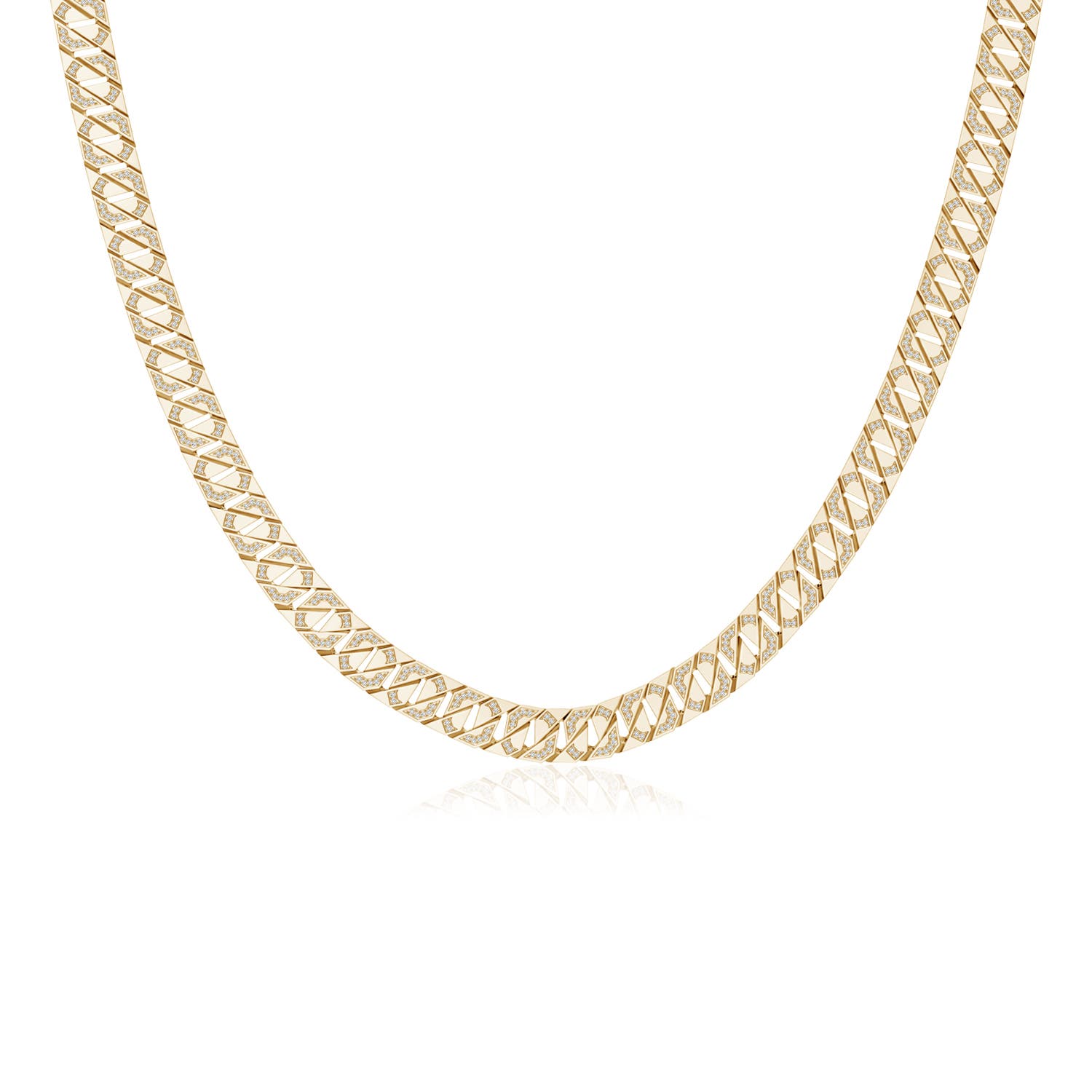
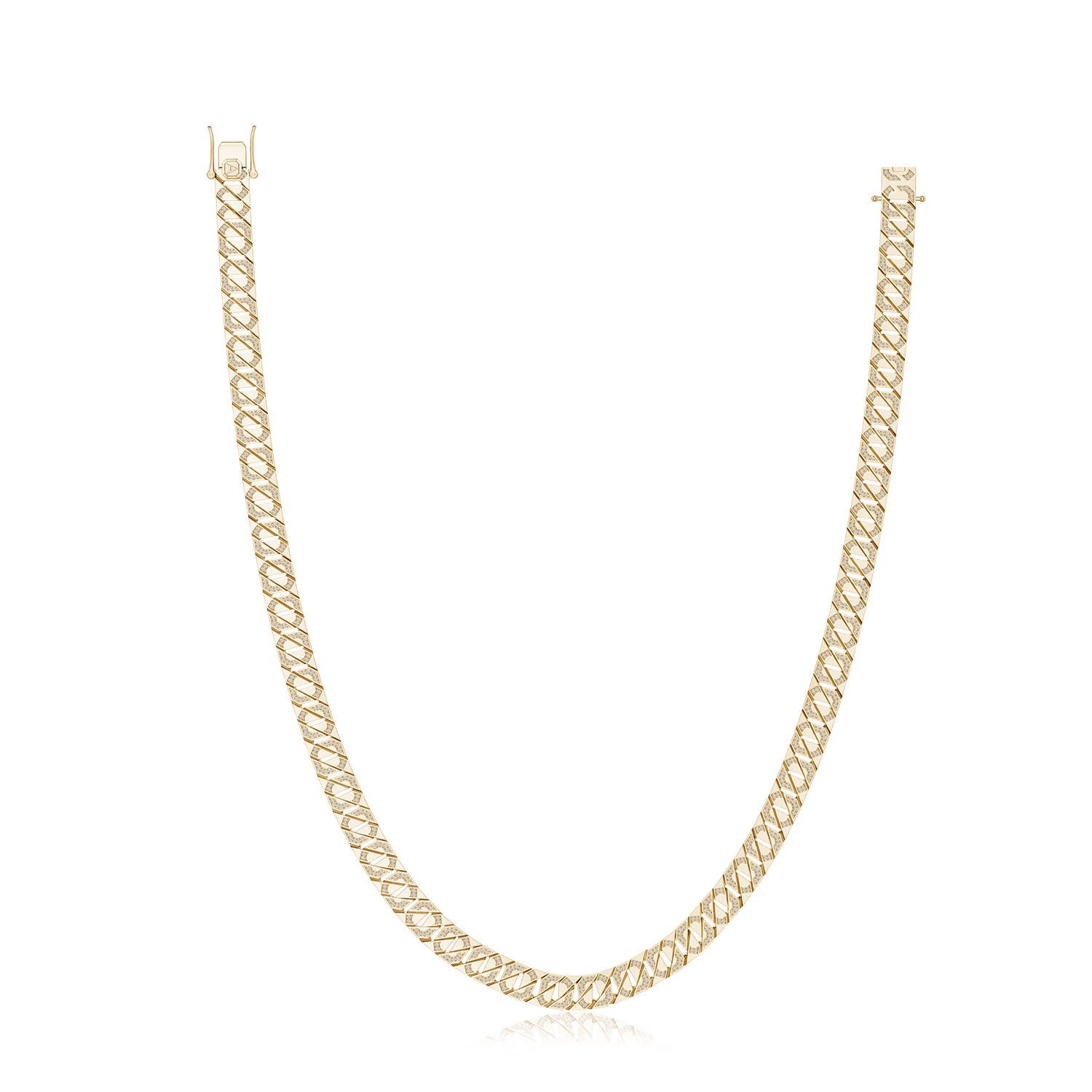
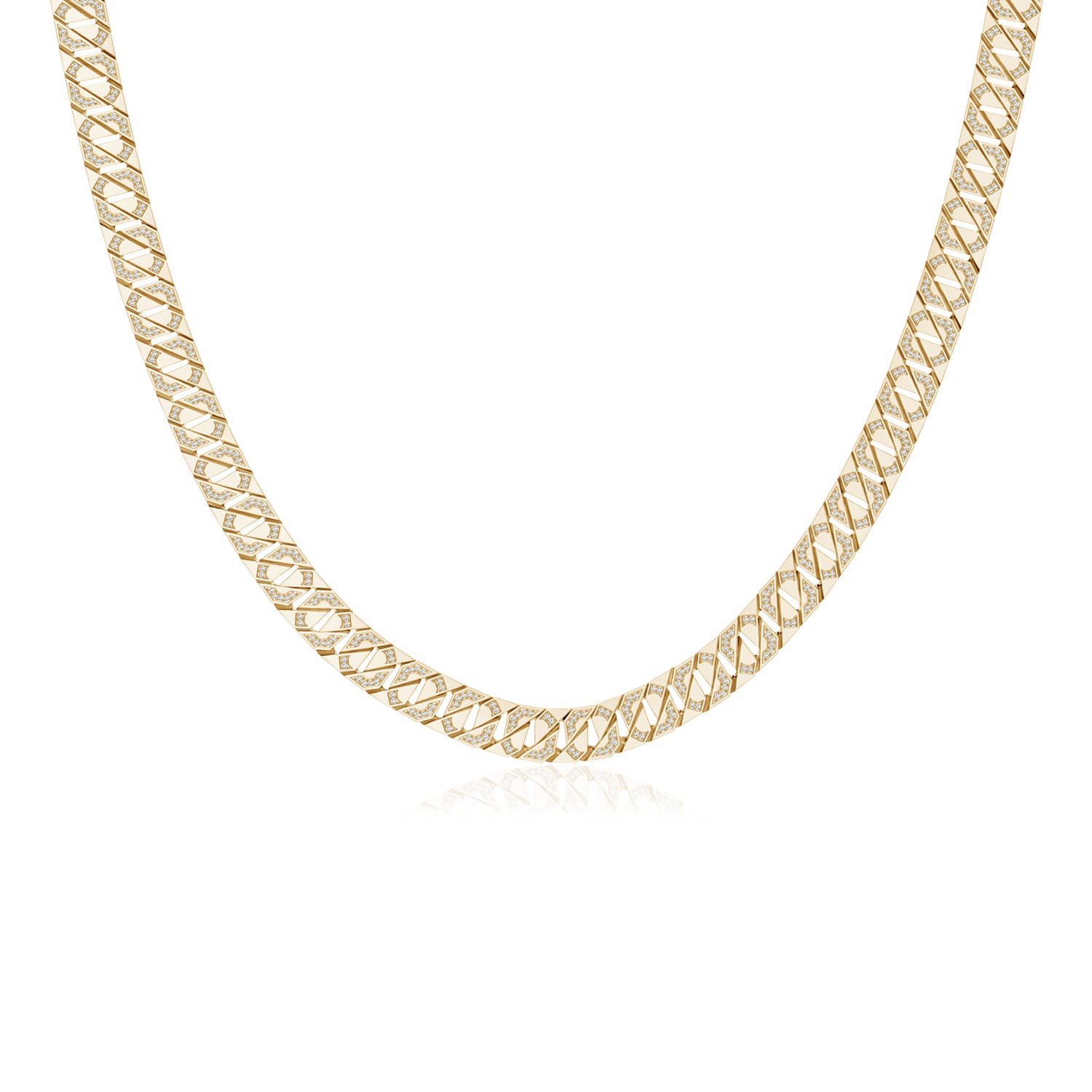
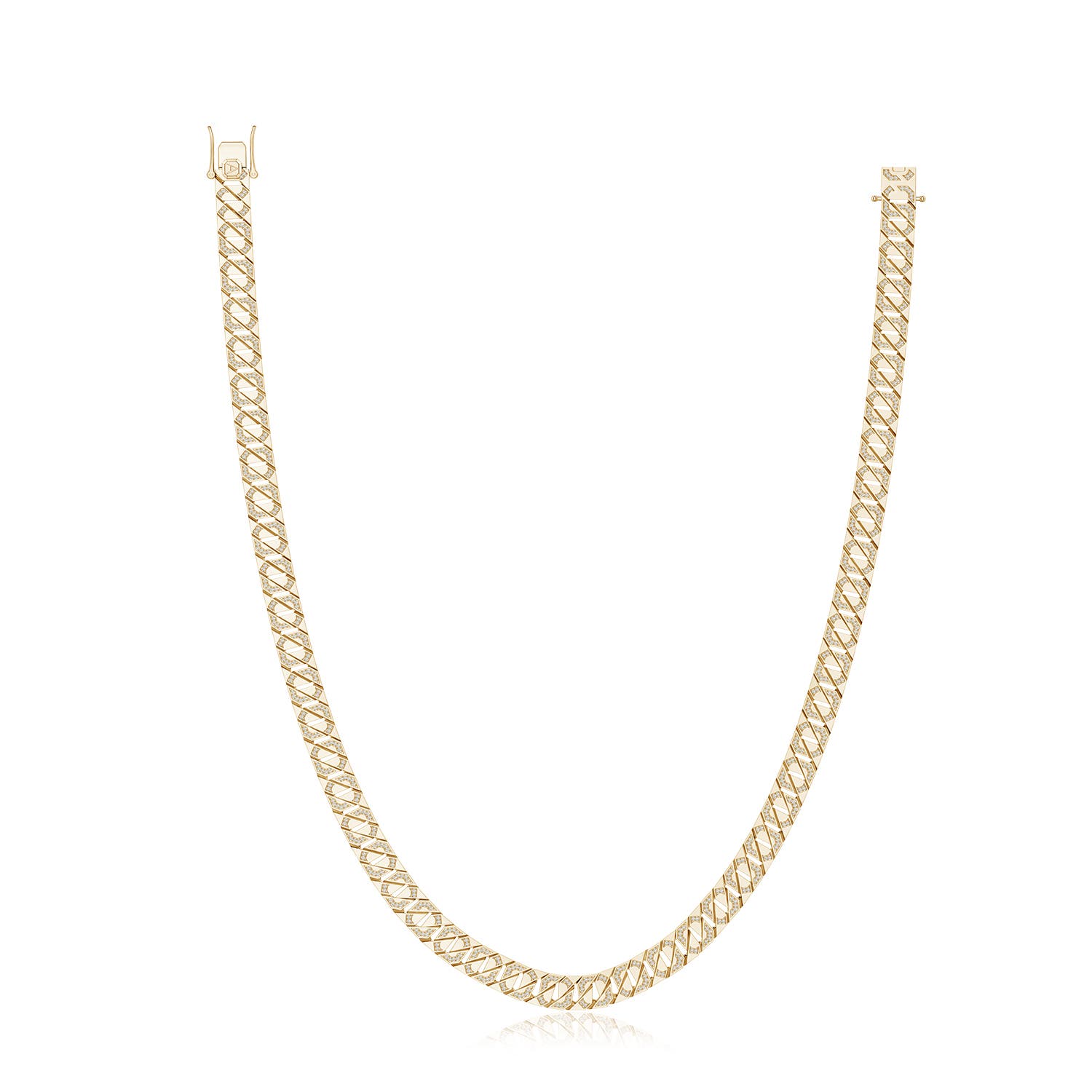
- Pavé-Set Diamond Men's Octagon Link Chain Necklace$35,063 $38,959


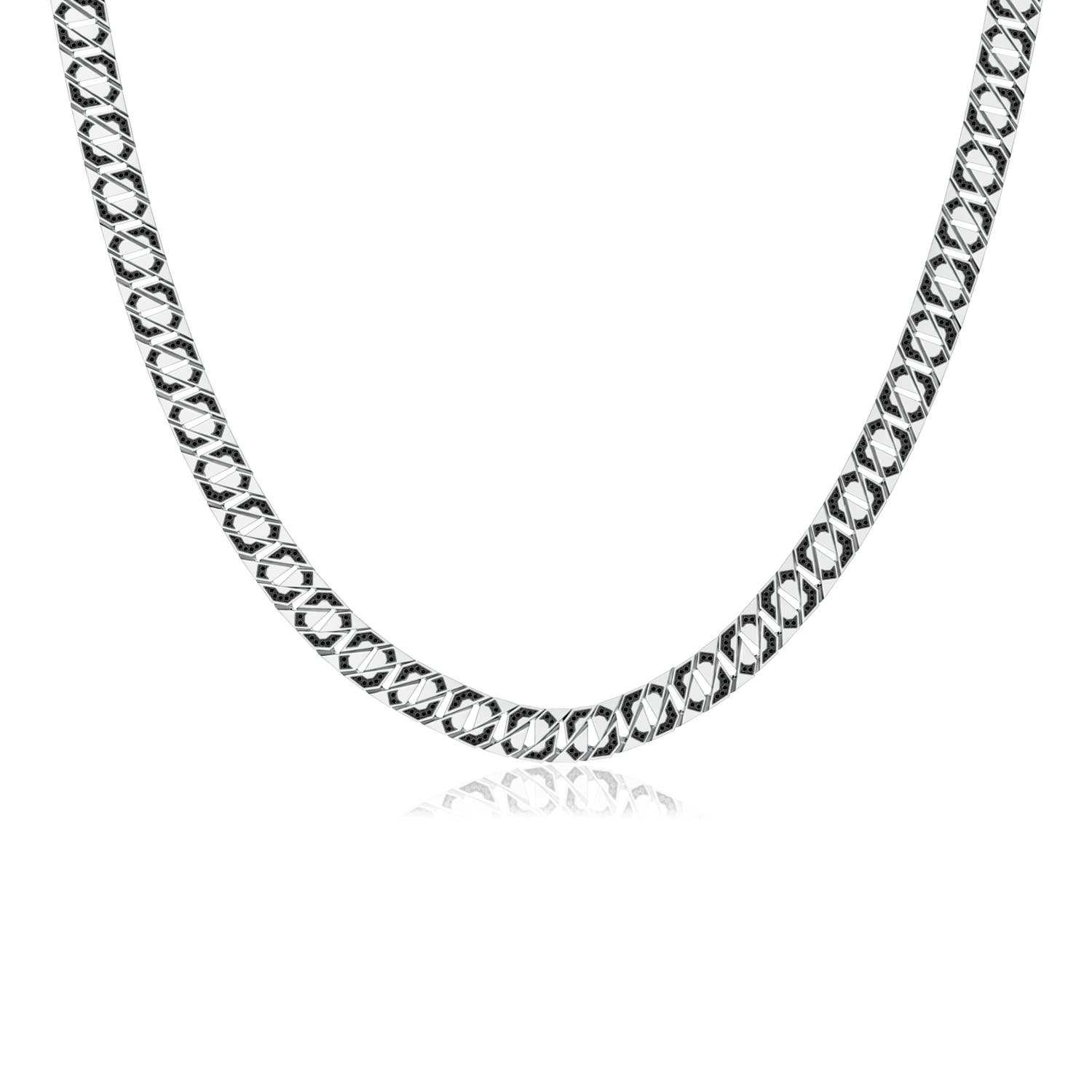
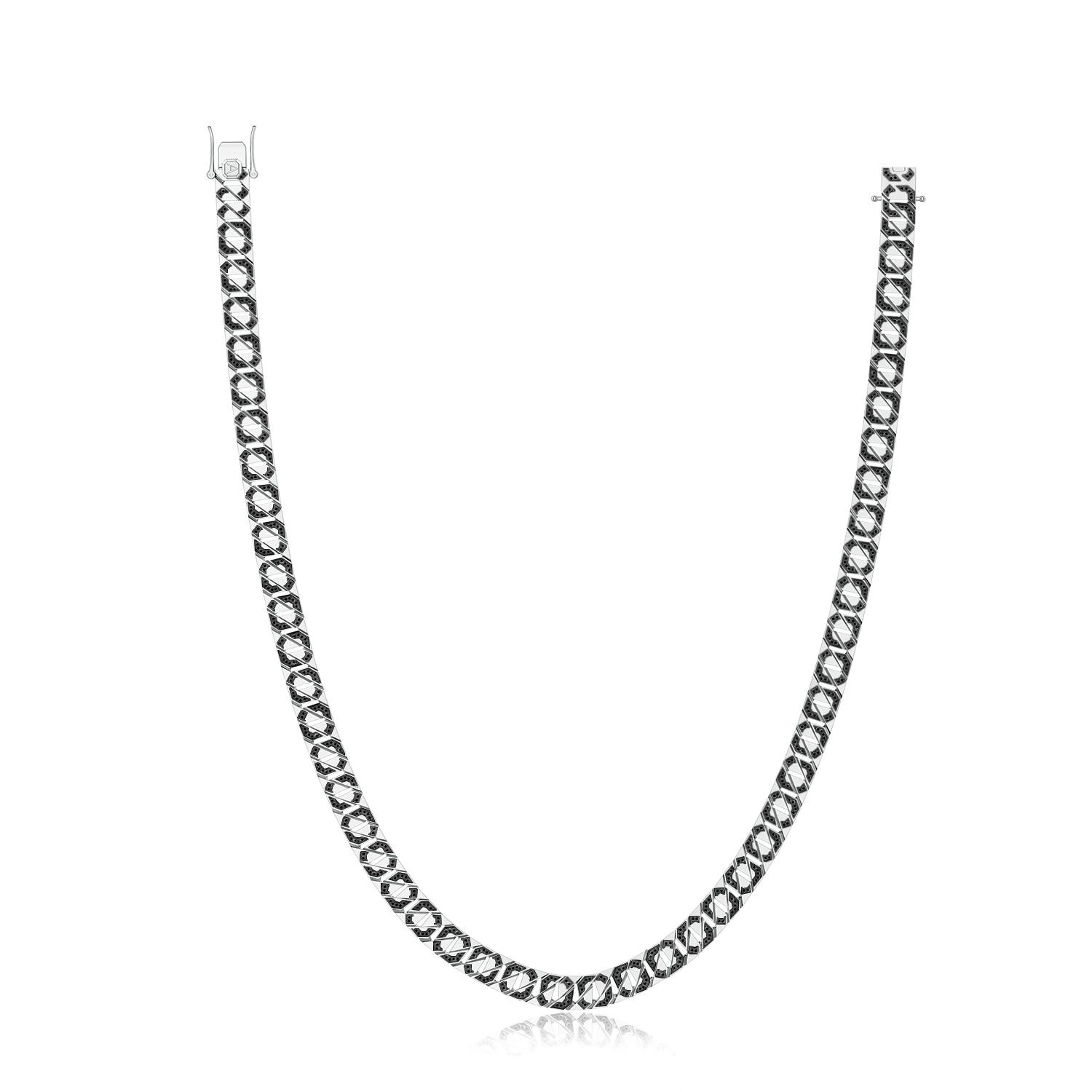
- Pavé-Set Enhanced Black Diamond Men's Octagon Link Chain Necklace$32,894 $36,549


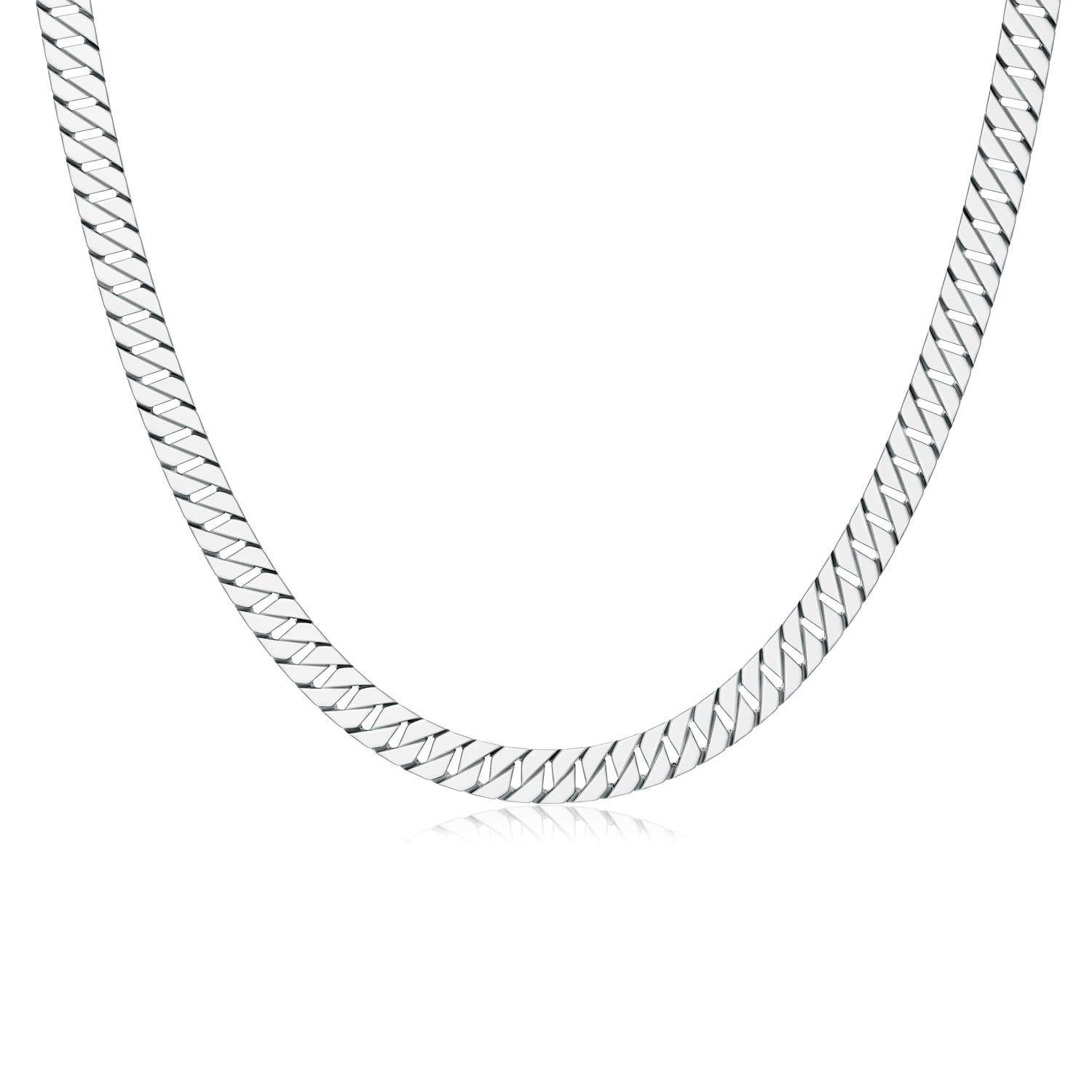
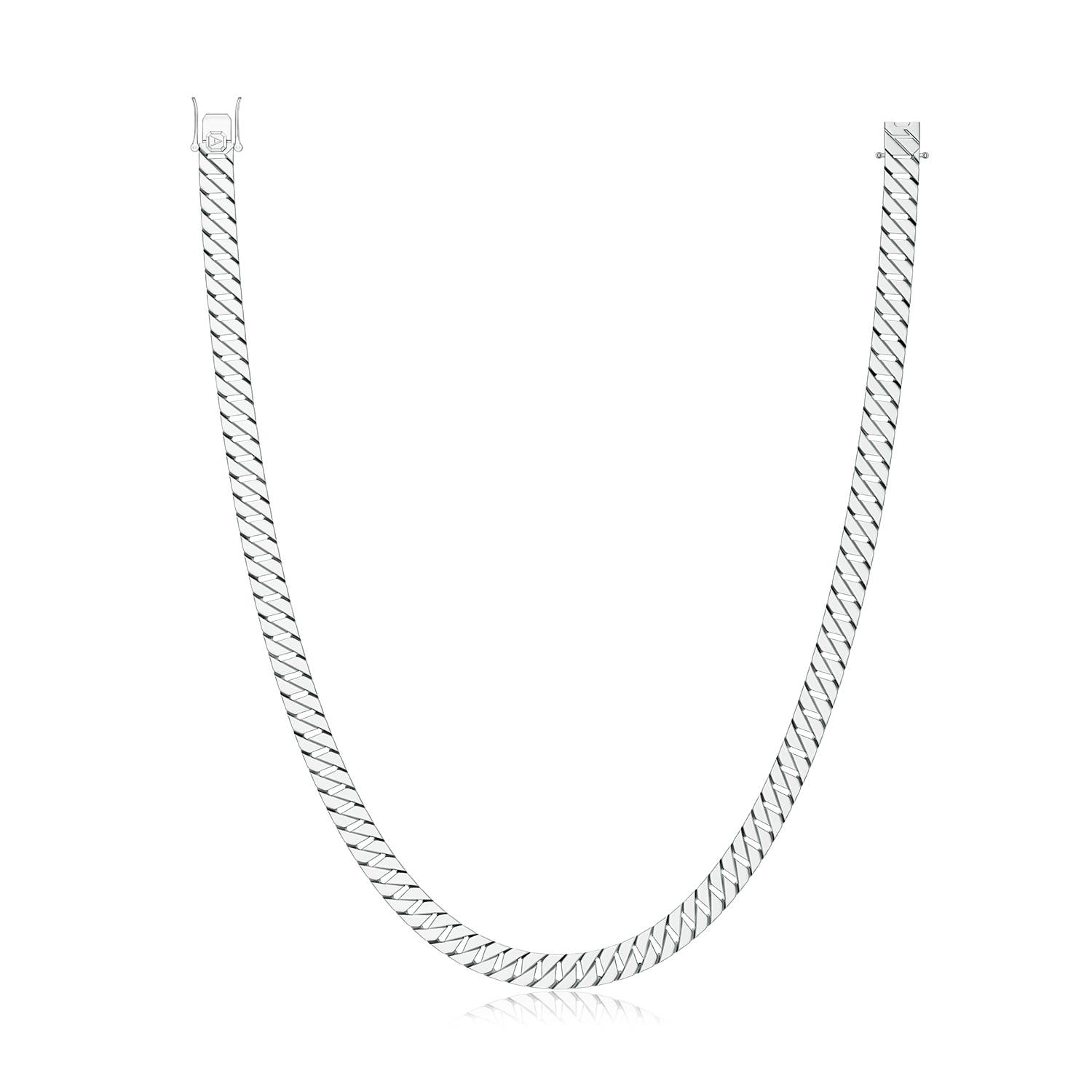
- Men's Octagon-Shaped Link Chain Necklace$1,286 $1,429


- Pavé-Set Lab-Grown Diamond Men's Octagon Link Chain Necklace$34,811 $38,679


How Do You Style a Figaro Chain for Different Looks?
A Figaro chain is easy to style because its balanced pattern works from casual to dressy. The trick is matching the chain's weight and length to the occasion and the rest of your outfit.
For a casual everyday look, a thin to medium Figaro worn alone sits well with a t-shirt or open collar, adding a subtle detail. For a layered look, pair a Figaro with other chains of different lengths and styles, a thinner cable or a rope, for texture and depth. For a dressier occasion, a polished gold Figaro with a simple pendant reads elegant under a shirt or with eveningwear.
The chain also plays well with necklines. Shorter Figaros frame an open collar or crew neck, while longer ones work with a V-neck or layered over a sweater. Keep the rest of your jewelry simple and let the chain's rhythm do the work.
Are Figaro Chains for Men or Women?
Figaro chains are worn by both men and women, which is a big part of their enduring popularity. The style is fundamentally unisex; width and length are what shift it toward one look or another.
On men, a wider Figaro, often 4mm and up, reads strong and classic, worn alone or with a pendant, and it's long been a staple of men's jewelry. On women, a thinner Figaro, 2 to 3mm, looks delicate and elegant, ideal for layering or holding a dainty pendant. The same chain style simply scales to the wearer.
That flexibility is why the Figaro turns up across so many jewelry boxes. It isn't tied to one gender or one style, which makes it a safe, versatile choice, and a popular gift.
What Makes a Figaro Chain Timeless?
A Figaro chain is timeless because it strikes a rare balance: distinctive enough to be interesting, simple enough never to date. The alternating pattern gives it personality, while the clean, flat links keep it from ever looking trendy or overdone.
Its versatility adds to that staying power. The Figaro works alone or with a pendant, dressed up or down, on men or women, in gold or silver, so it adapts to changing tastes rather than fighting them. Styles that do one thing go out of fashion; styles that do many quietly endure.
There's also the quality factor. Made in solid gold or sterling silver, a well-constructed Figaro lasts for decades and can be passed down, which is the truest test of a timeless piece. Its Italian heritage and generations of continuous popularity speak for themselves.
FAQs
1. What is a Figaro chain?
A Figaro chain is a link chain with a distinctive repeating pattern: two or three short links followed by one longer, elongated oval link. Originating in Italy, it's known for its rhythmic look, comfortable flat links, and versatility, and it's worn by both men and women, alone or with a pendant.
2. Why is it called a Figaro chain?
The name is most commonly traced to the character Figaro from Mozart's opera The Marriage of Figaro, whose clever, ever-changing nature reflects the chain's alternating link sizes. A second theory links it to the Italian verb figurare, meaning to shape, referring to the deliberate shaping of the links.
3. Is a Figaro chain good for a pendant?
Yes. A Figaro chain's flat, evenly weighted links let a pendant hang straight and sit comfortably, and it can carry a range of pendant sizes. Matching the chain width to the pendant, thinner for delicate pieces, wider for larger ones, keeps the look balanced.
4. Is a Figaro chain for men or women?
Both. The Figaro is a unisex style; width and length shift the look. Wider chains read classic and strong on men, while thinner versions look delicate and elegant on women. The same pattern simply scales to suit the wearer, which is part of its wide appeal.
5. What's the difference between a Figaro and a curb chain?
The key difference is the link pattern. A Figaro alternates short and long links in a repeating rhythm, while a curb chain uses uniform links of a single size that lie flat. Both suit everyday wear and pendants, but the Figaro has more visual variation.
6. Is a Figaro chain durable enough for everyday wear?
Yes. The Figaro's flat, evenly weighted links distribute strain well, making it strong for daily wear when made from solid gold or sterling silver. As with any chain, buying solid rather than hollow construction and having the clasp and links checked periodically helps it last.
You may also like
Ring Size Chart: How to Find Your Perfect Fit at Home
20 Mar, 2024
Gems Price Chart Ranked by Value
18 Nov, 2023
How to Test Gold at Home
5 Jan, 2023
Ruby vs Garnet: How to Tell the Difference and Which One to Choose
13 Dec, 2018
Everything You Need to Know About Blue Gemstones
1 Dec, 2023
Best Crystals for Protection: Meaning & How to Use
16 Dec, 2022
How to Tell if a Gemstone Is Real
20 Dec, 2022
Colored Gemstone Size Chart: MM, Carat & Dimensions
14 Aug, 2024
11 Ways to Keep Your Ring From Spinning
19 Jan, 2024
Shop Our Bestsellers
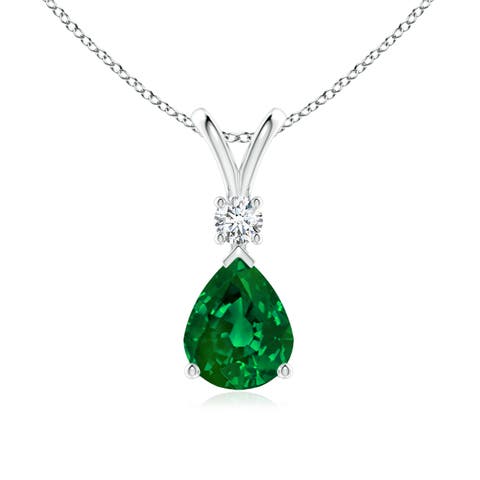
- Prong-Set Lab-Grown Emerald Teardrop V-Bale Pendant with Diamond$2,099
- Classic Swiss Blue Topaz Linear Tennis Bracelet$1,369
- Lab-Grown Princess Diana Inspired Blue Sapphire Engagement Ring with Lab Diamond Halo$4,869
- Lab-Grown Classic Round Diamond Tennis Bracelet$2,739
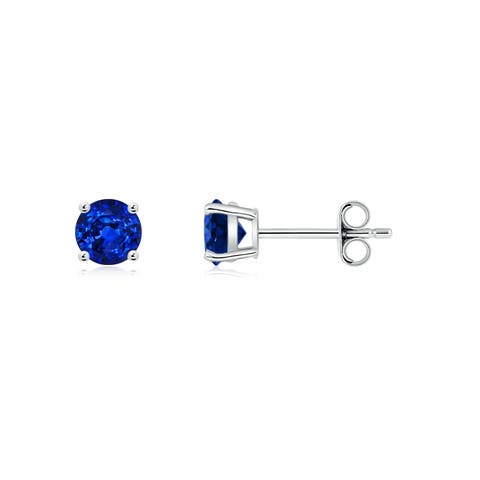
- Round Blue Sapphire Stud Earrings$1,199
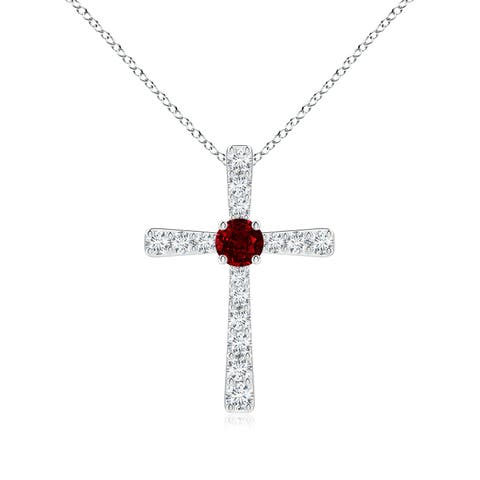
- Ruby and Diamond Cross Pendant$2,249
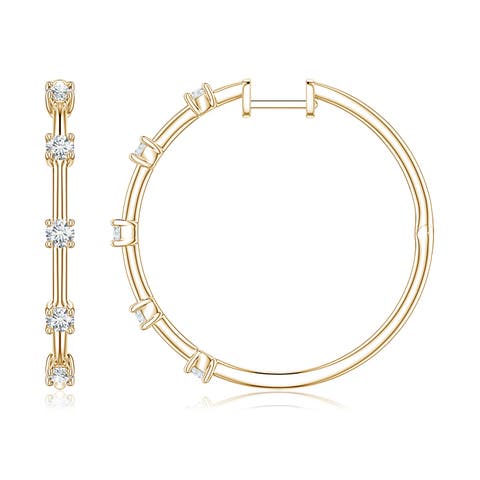
- Round Lab-Grown Diamond Five-Stone Station Hoop Earrings$2,969
- Prong-Set Emerald-Cut Lab-Grown Emerald Solitaire Pendant$1,639
- Solitaire Oval Opal Split Shank Ring with Trio Diamonds$1,619
- V-Bale Pear-Shaped Garnet Solitaire Pendant$749