Gold-Plated vs. Gold-Filled Jewelry: What's the Difference and Which Is Better?
Gold-plated and gold-filled jewelry both give you the look of gold at a fraction of the price of solid gold, but they're built very differently, and that difference decides how long they last. If you've ever stood in front of two similar-looking pieces wondering why one costs three times more, this is the guide that clears it up.
Gold-Plated vs. Gold-Filled: What's the Difference?
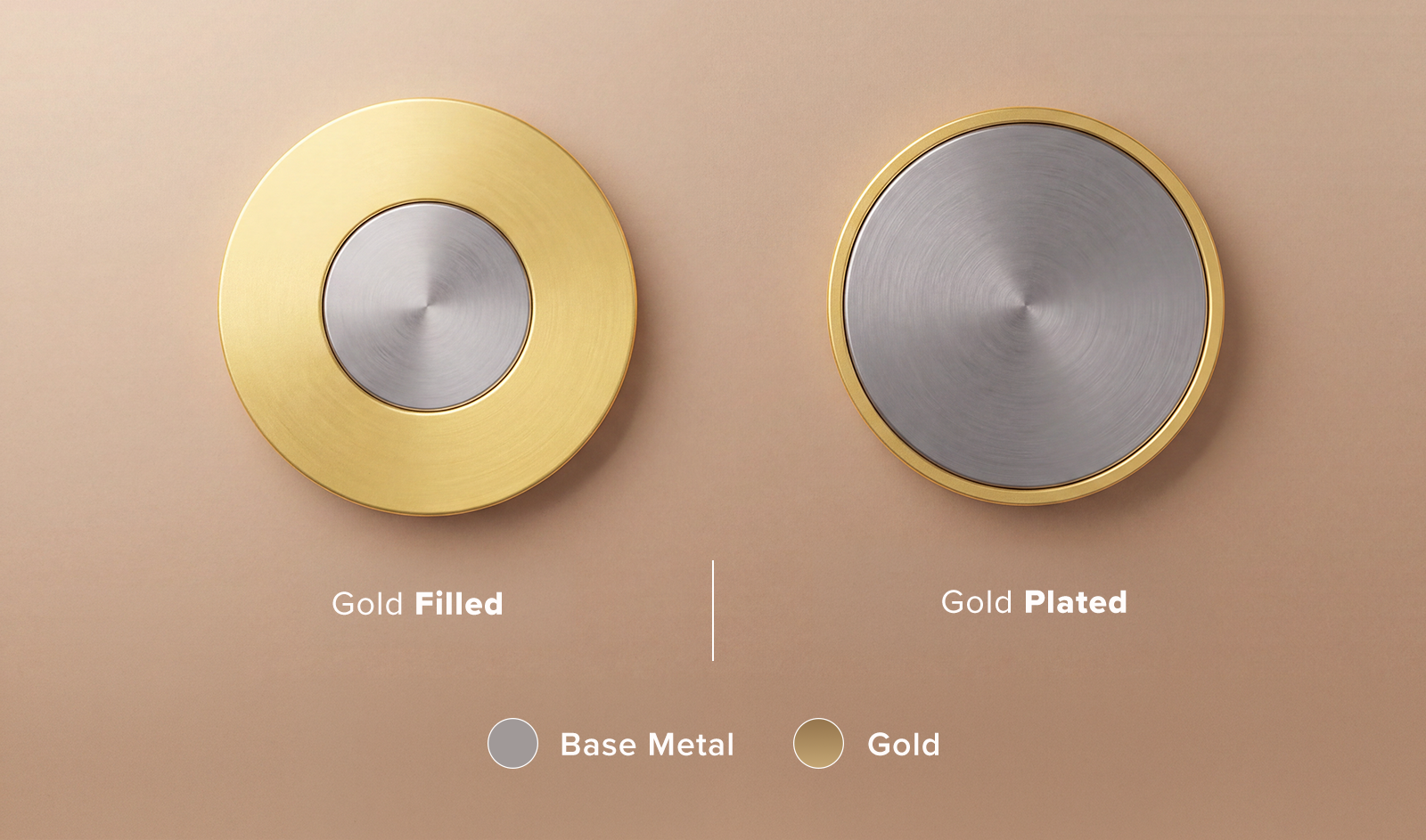
The difference between gold plated and gold filled comes down to how much gold is on the piece and how it's attached. Gold-filled jewelry has a thick layer of real gold mechanically bonded to a base metal under heat and pressure, and by US law that gold must be at least 5% of the item's total weight. Gold plated has a thin electroplated coating, often a fraction of a micron thick.
That gap is bigger than it sounds. The gold layer on a gold-filled piece is roughly 100 times thicker than standard plating, which is why the two wear so differently over time. Gold-filled keeps its color for years; gold-plated eventually wears through to the metal underneath.
Everything else in this guide follows from that one distinction.
What Is Gold-Plated Jewelry?
Gold-plated jewelry is a base metal, usually brass, copper or silver, coated with a very thin layer of gold using an electric current, a process called electroplating. This creates a gold layer that can range from less than a quarter micron to a few microns thick, though most fashion pieces sit at the thin end.
The appeal is straightforward: it looks like gold and costs very little. That thinness keeps the price low and lets makers create intricate, on-trend designs without a big outlay, so plated jewelry is everywhere in fashion and costume pieces.
The trade-off is longevity. Because the gold layer is so fine, it gradually wears away with friction, moisture and daily handling, revealing the base metal beneath. You'll sometimes see related terms like "gold flashed" or "gold washed," which signal an even thinner coating, and "vermeil," which is a higher-quality plating: sterling silver coated with a thicker gold layer, at least 2.5 microns under US rules.
What Is Gold-Filled Jewelry?
Gold-filled jewelry has a thick sheet of real gold bonded to a base metal core, usually brass, using heat and pressure rather than an electric current. Under US Federal Trade Commission rules, that gold must make up at least 5% of the piece's total weight, which is what separates it from plating.
The name is a little misleading, the piece isn't filled with gold; the gold is a substantial outer layer. You'll spot it by its stamp, usually something like "1/20 14K GF," where the fraction shows the proportion of gold by weight and the karat shows its purity.
Because that layer is so much thicker than plating, gold-filled jewelry behaves almost like solid gold in daily wear. With proper care it can last 10 to 30 years without the gold fading, which is why it's often called lifetime jewelry. It's the middle path: far more gold than plated, far less cost than solid.
Gold-Plated vs. Gold-Filled: Key Differences
Here's the gold-filled vs. gold-plated comparison at a glance, so you can see how they stack up side by side.
| Feature | Gold-Plated | Gold-Filled |
|---|---|---|
| Gold content | Less than 0.05% of weight, typically | At least 5% of weight by law |
| How the gold attaches | Electroplated (thin coating) | Bonded with heat and pressure (thick layer) |
| Gold layer thickness | Fraction of a micron to a few microns | Roughly 100 times thicker than plating |
| Typical lifespan | Months to about 2 years | 10 to 30 years with care |
| Price | Lowest | Mid-range |
| Skin sensitivity | Base metal can show through and irritate | Thicker gold reduces contact with base metal |
| Best for | Trend and fashion pieces | Everyday pieces meant to last |
The pattern is clear: plated wins on price, filled wins on longevity, and the two suit different jobs rather than competing head to head.
Which Lasts Longer: Gold-Filled or Gold-Plated?
Gold-filled lasts far longer than gold-plated, and it isn't close. A gold-filled piece can hold its color and finish for a decade or more, while gold-plated jewelry often starts to show wear within months to a couple of years, depending on how thick the plating was and how hard it's worn.
The reason is simply the amount of gold. A plated layer measured in fractions of a micron can't survive constant friction from skin, clothing and handling, so it thins and eventually wears through. A gold-filled layer, being roughly a hundred times thicker, has far more to give before the base metal ever shows.
Wear habits matter too. Rings and bracelets take the most abuse, so plating wears fastest there, while earrings or pendants that see less friction last longer in either construction. If longevity is your priority, is gold filled better than gold plated? For lasting power, yes, comfortably.
Also Read: Types of Gold
Gold-Filled vs. Gold-Plated vs. Solid Gold
Adding solid gold to the picture completes it, because these three are really a spectrum of how much gold you're getting.
| Gold-Plated | Gold-Filled | Solid Gold | |
|---|---|---|---|
| Gold content | Thin surface coating | At least 5% by weight | Gold throughout (10K to 24K) |
| Lifespan | Months to 2 years | 10 to 30 years | Generations |
| Tarnish/wear | Wears through over time | Very slow to wear | Doesn't wear away |
| Price | Lowest | Middle | Highest |
| Resale value | Minimal | Modest scrap value | Holds real value |
Solid gold is gold all the way through, so it never wears down to another metal and holds its value over a lifetime. If you'd rather invest in solid gold than plated or filled, it's worth browsing a fine jeweler's range and Angara's white gold jewelry collection gives you options you’ll love.
Gold-filled gives you much of that durability for a lower price. Gold-plated gives you the look for the least money. None is simply "best", each answers a different need and budget.
- Lab-Grown Princess Diana Inspired Blue Sapphire Engagement Ring with Lab Diamond Halo$3,293 $3,659


- Lab-Grown Emerald-Cut Emerald and Lab Diamond Three Stone Engagement Ring$2,105 $2,339


- Princess Diana Inspired Ruby Engagement Ring with Diamond Halo$13,274 $14,749


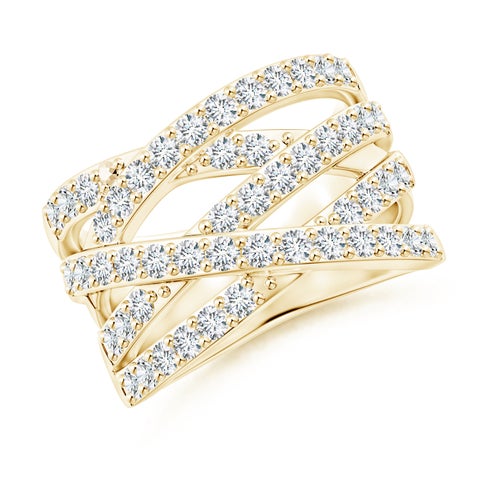
- Diamond Infinity Twist Three Stone Bypass Ring$1,259 $1,399


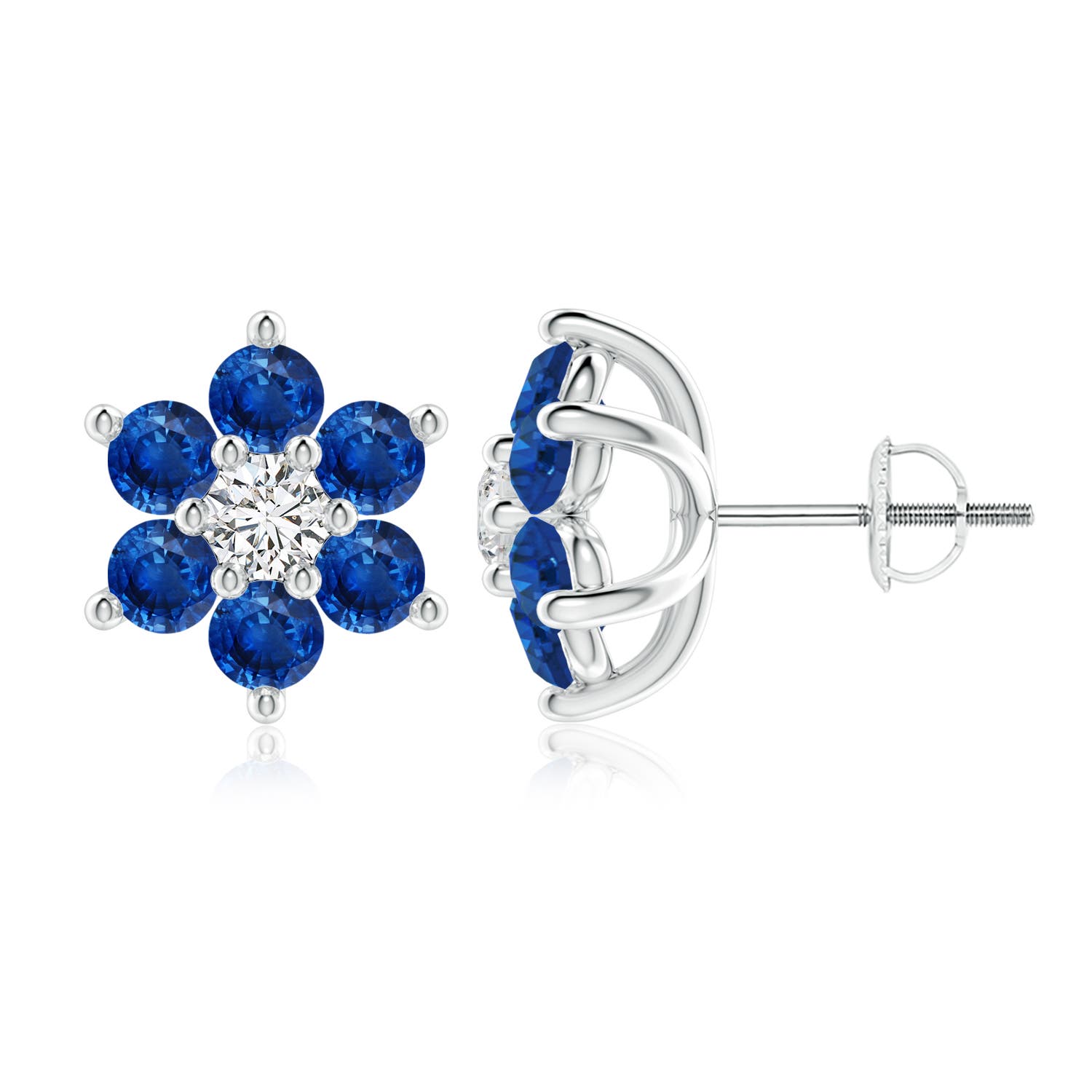
- Six Petal Diamond and Sapphire Flower Stud Earrings$3,491 $3,879

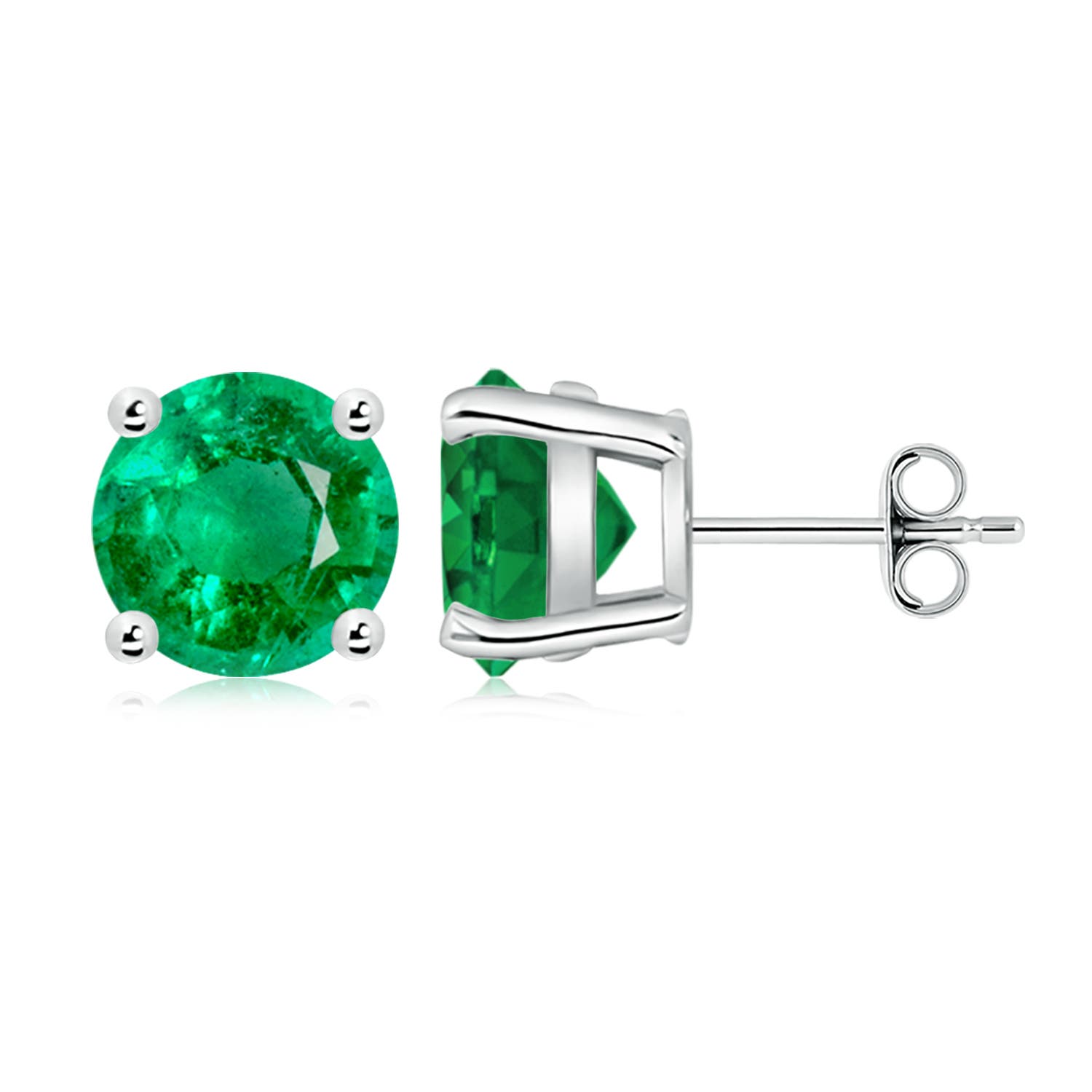
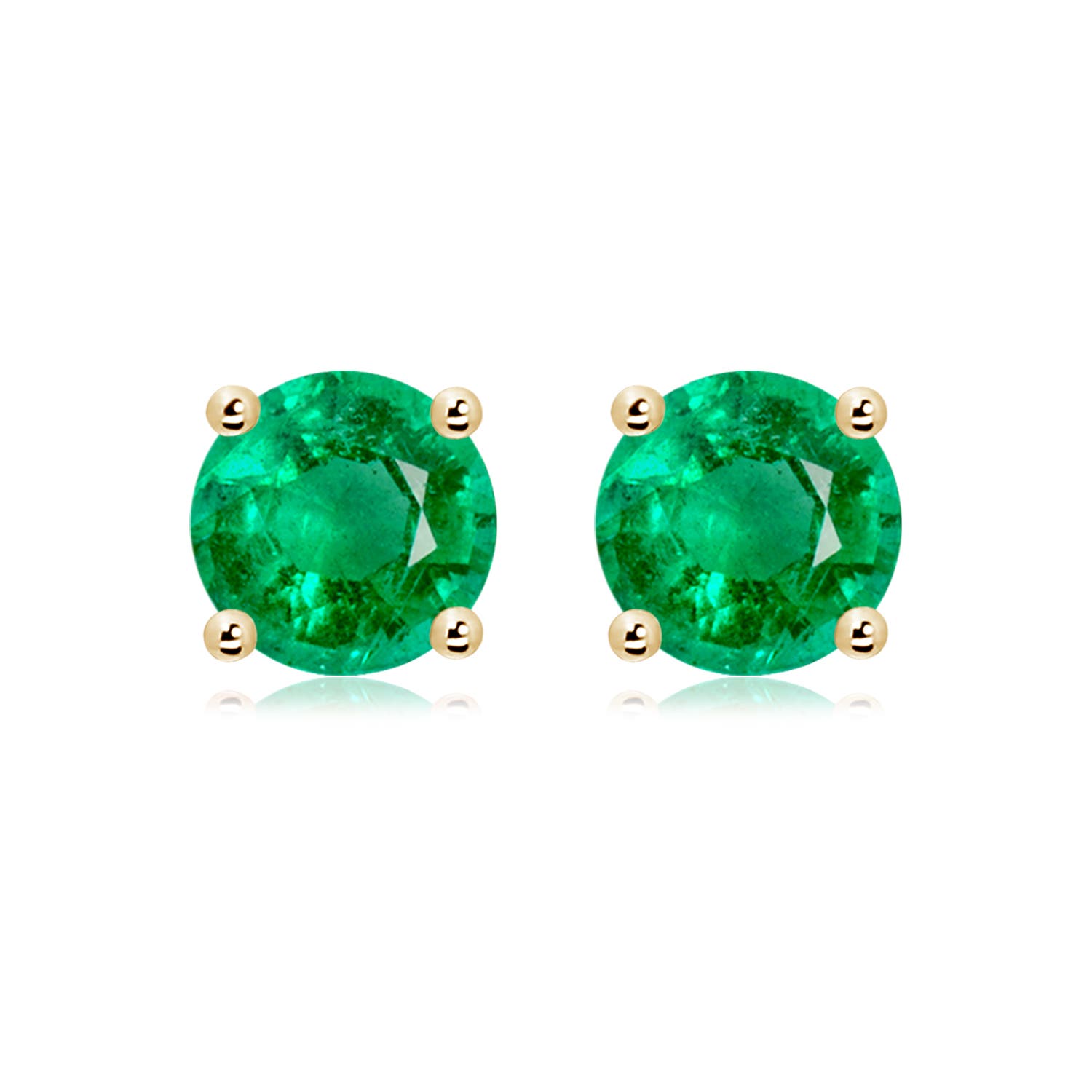
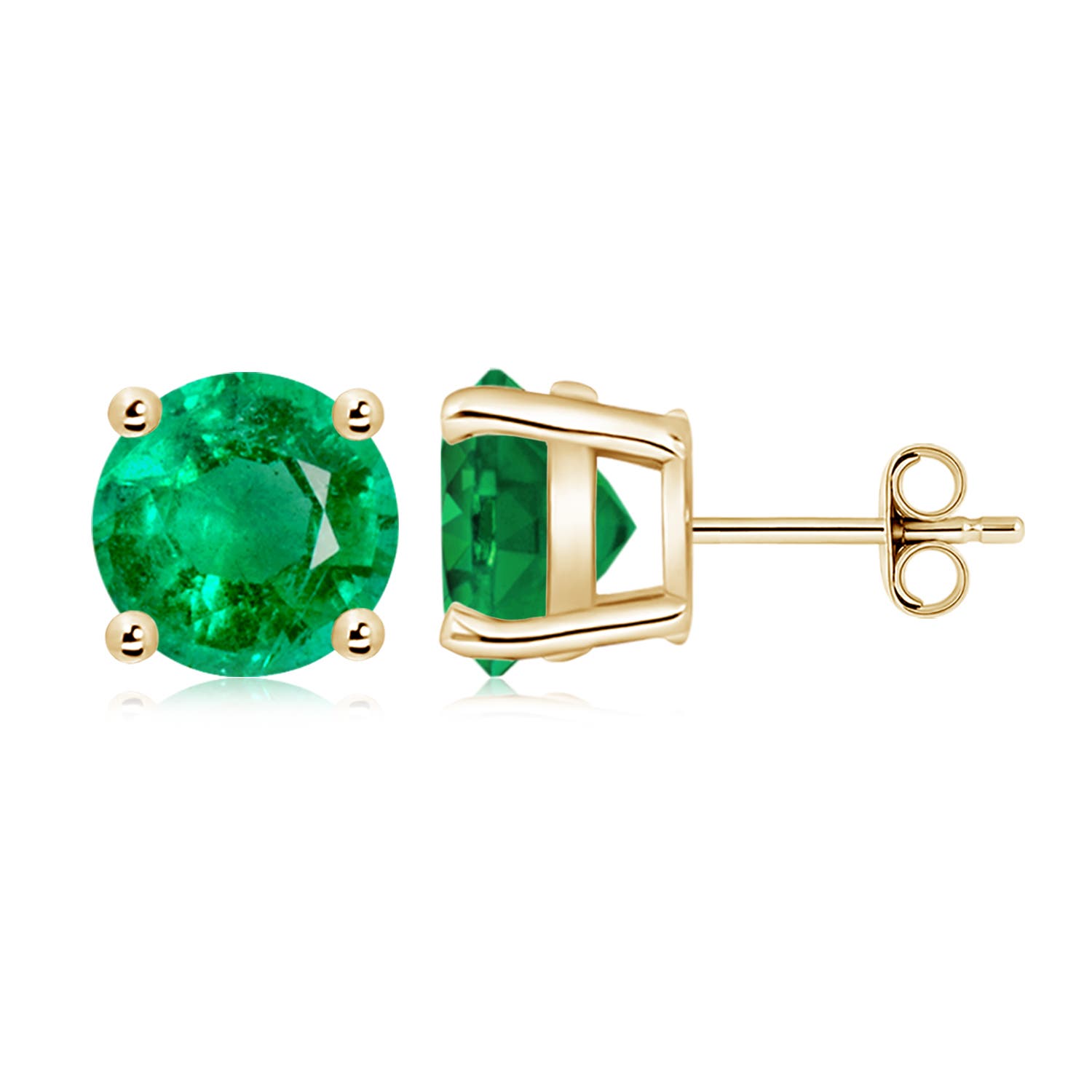
- Round Emerald Stud Earrings$66,410 $73,789


- Lab-Grown Solitaire Pear-Shaped Ruby Leverback Earrings$1,763 $1,959

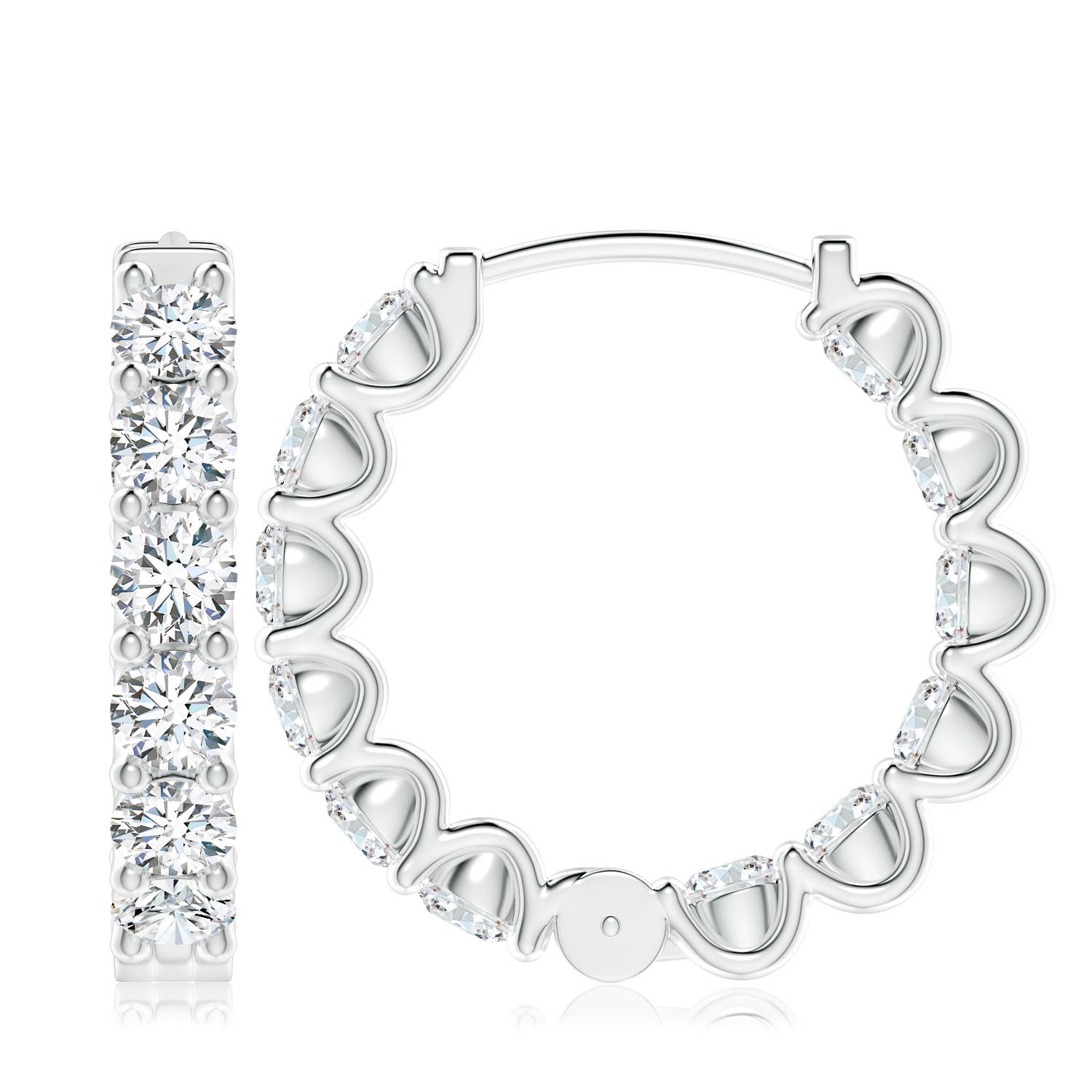
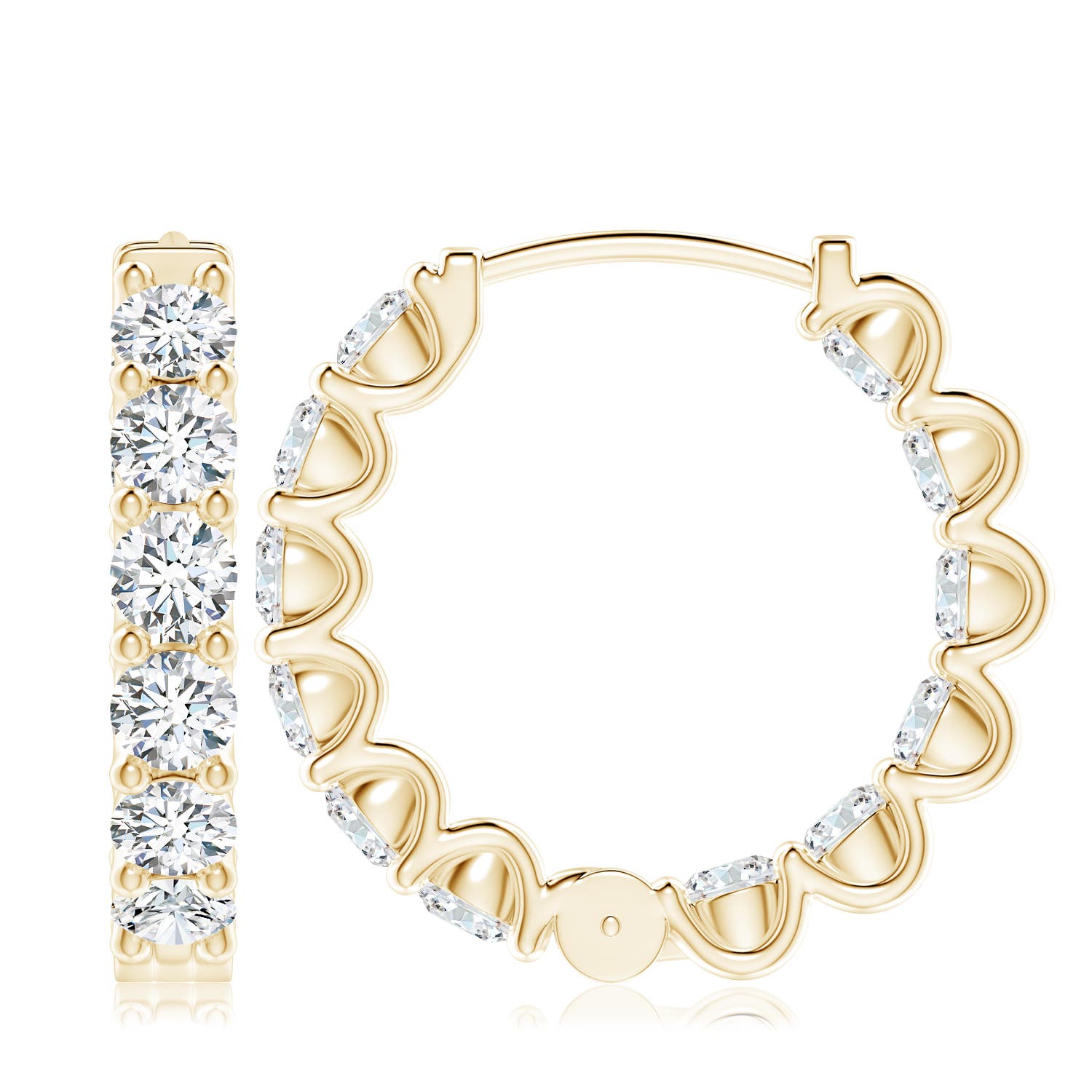
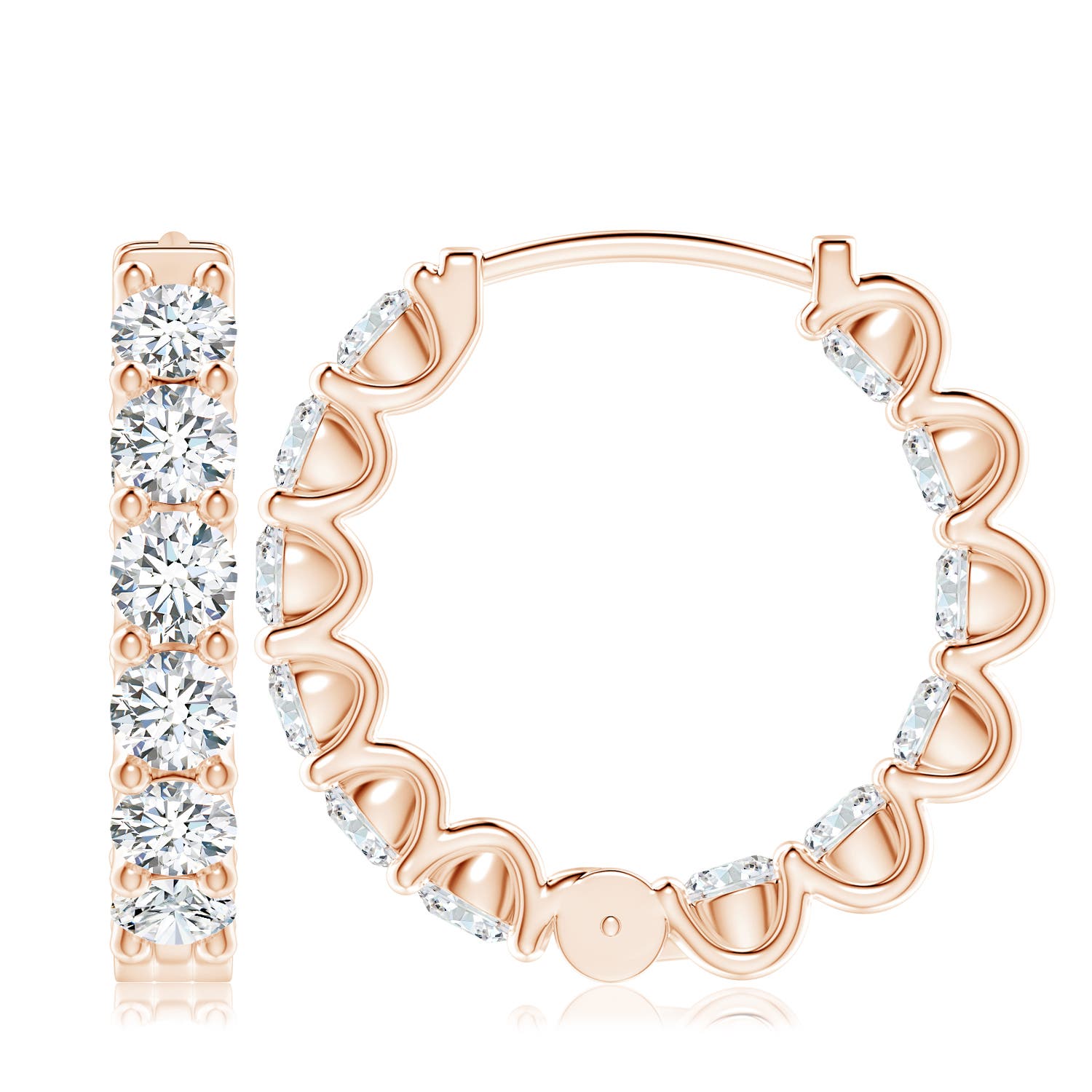
- Lab-Grown Prong-Set Round Diamond Inside Out Hinged Clip Hoop Earrings$5,903 $6,559


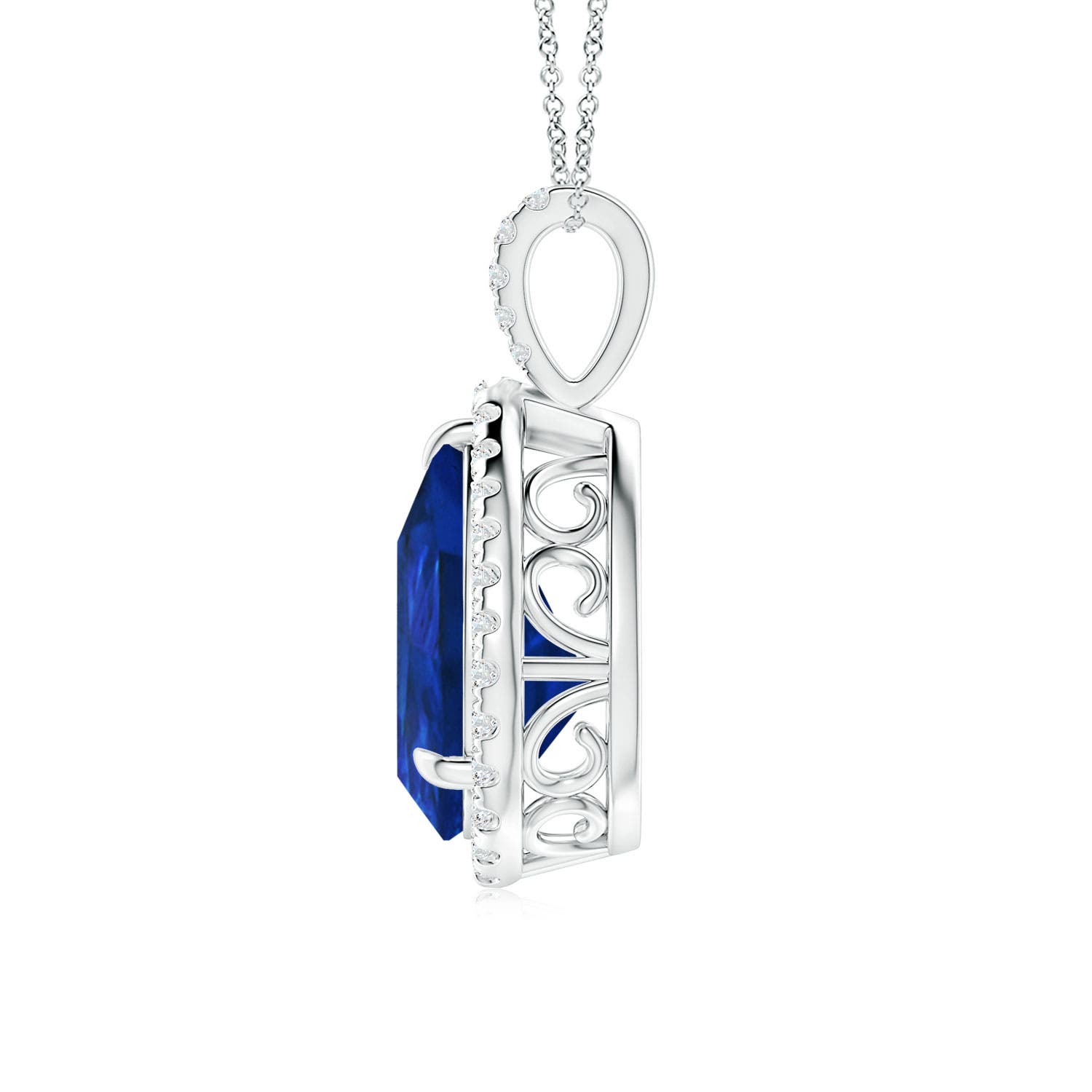
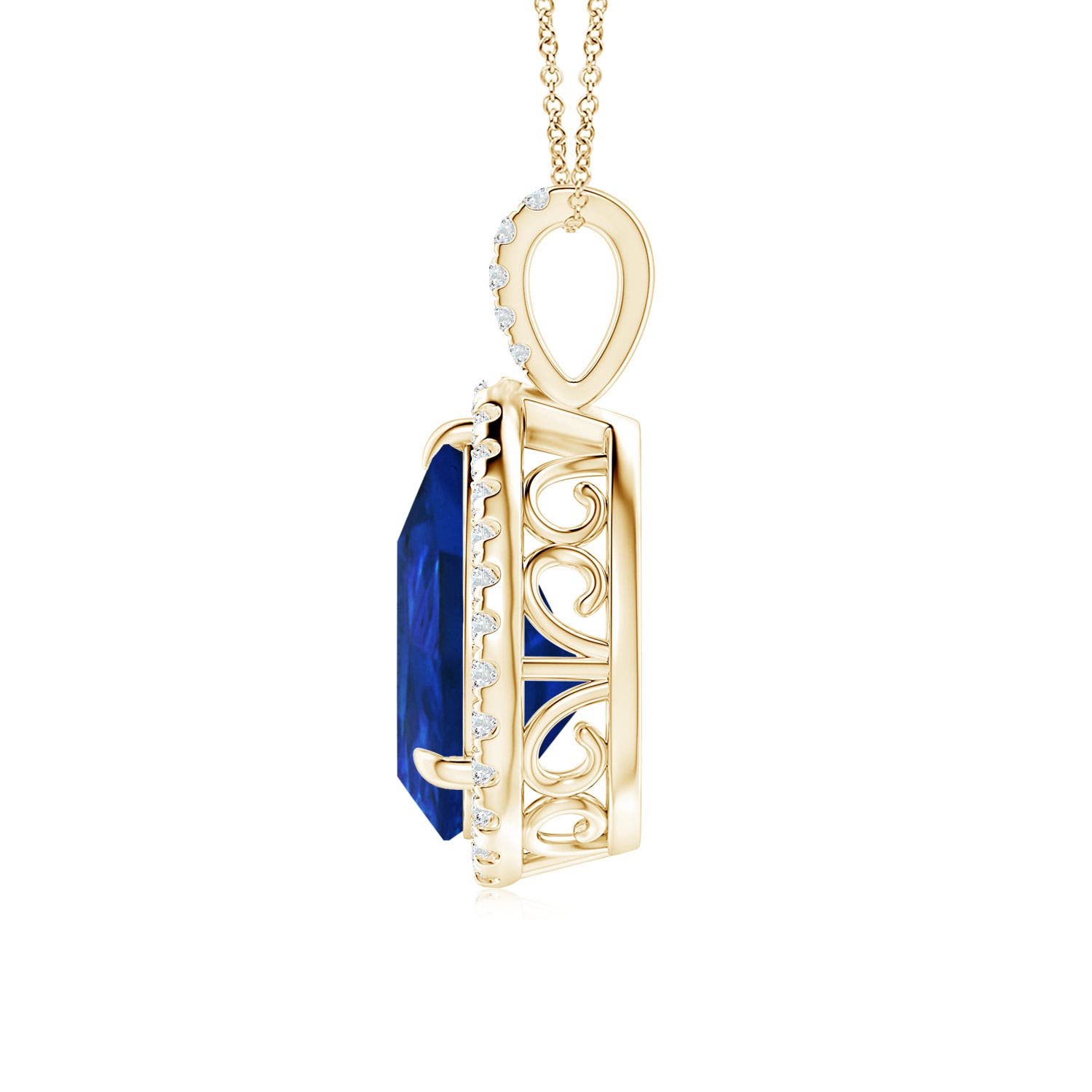
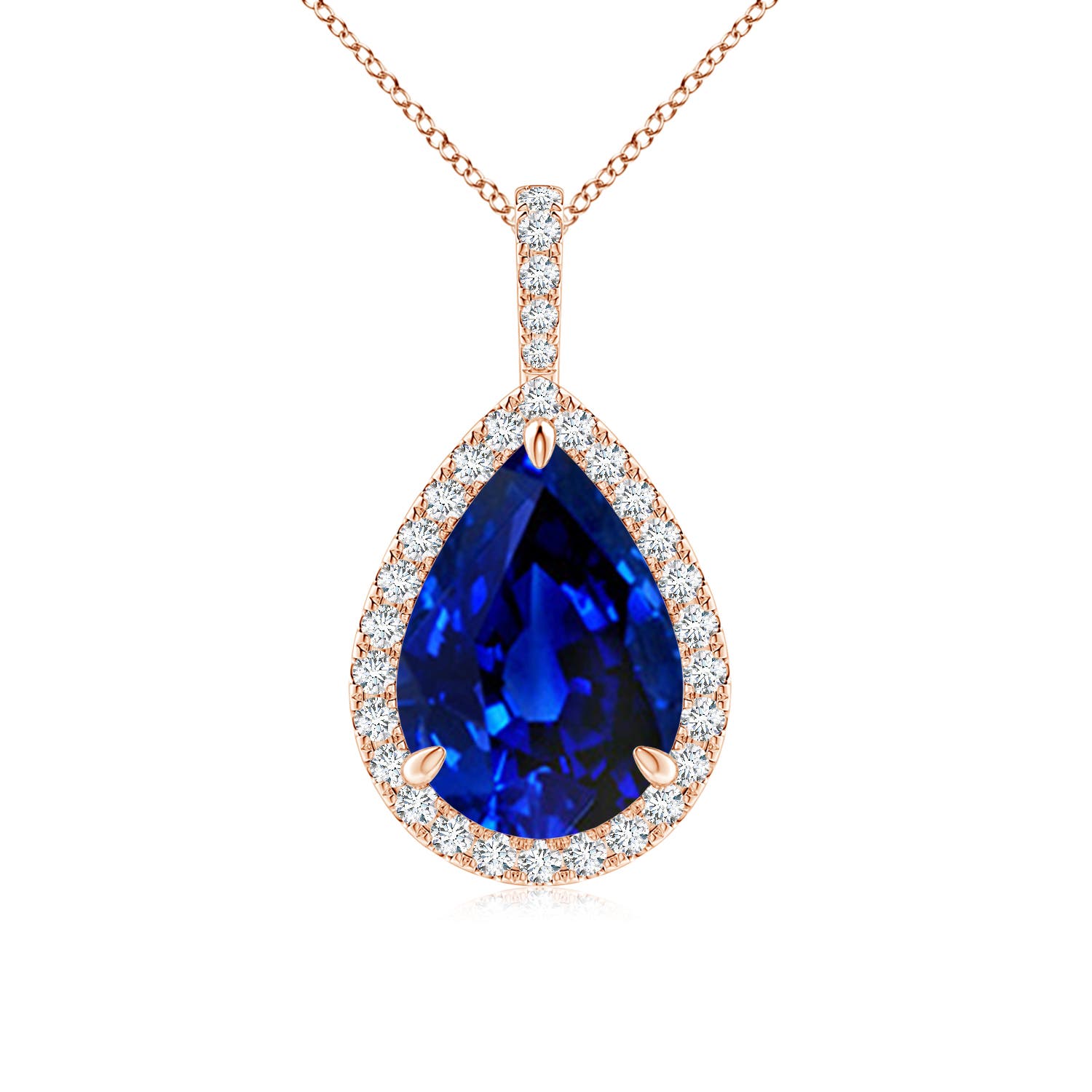
- Lab-Grown Blue Sapphire Teardrop Pendant with Lab Diamond Halo$3,077 $3,419


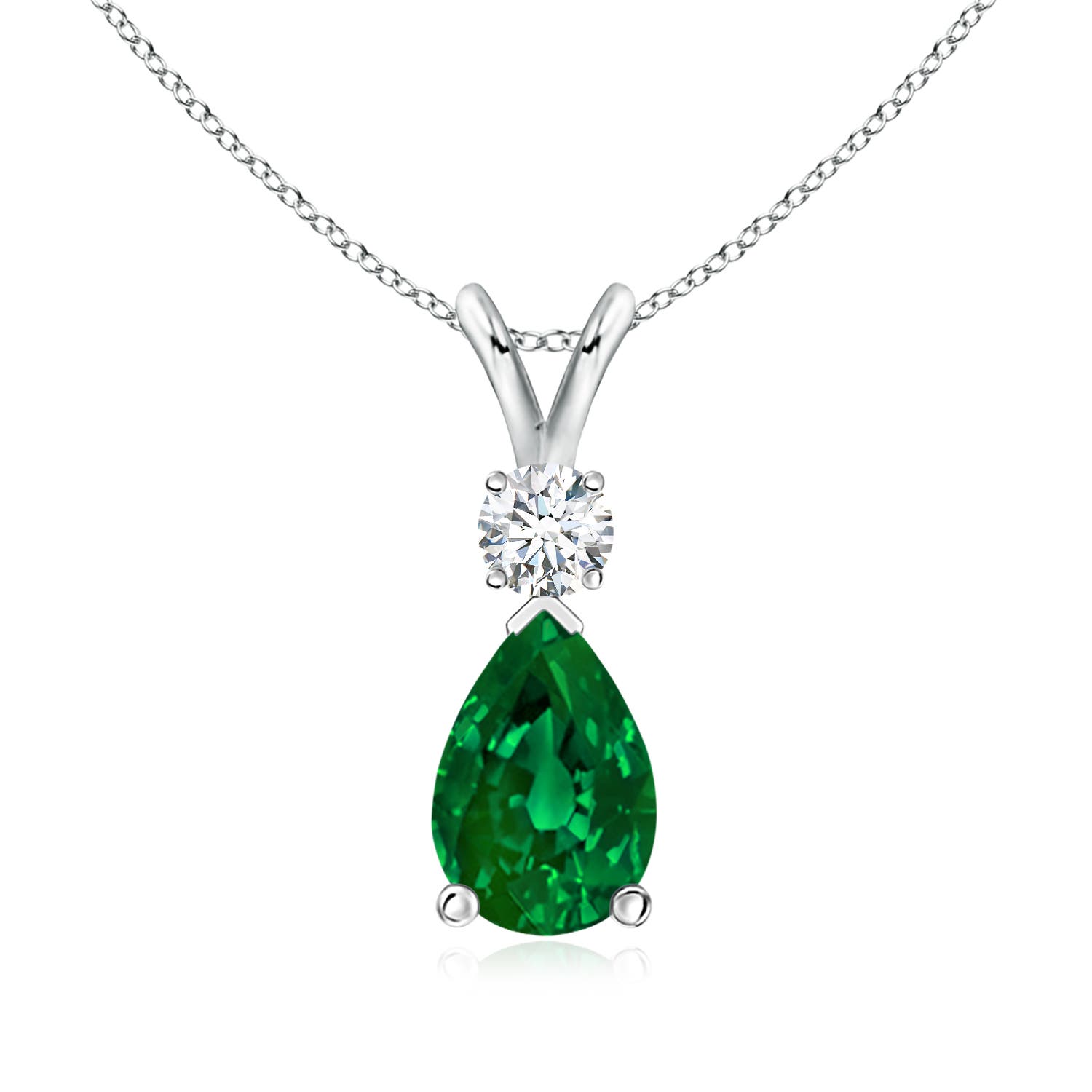
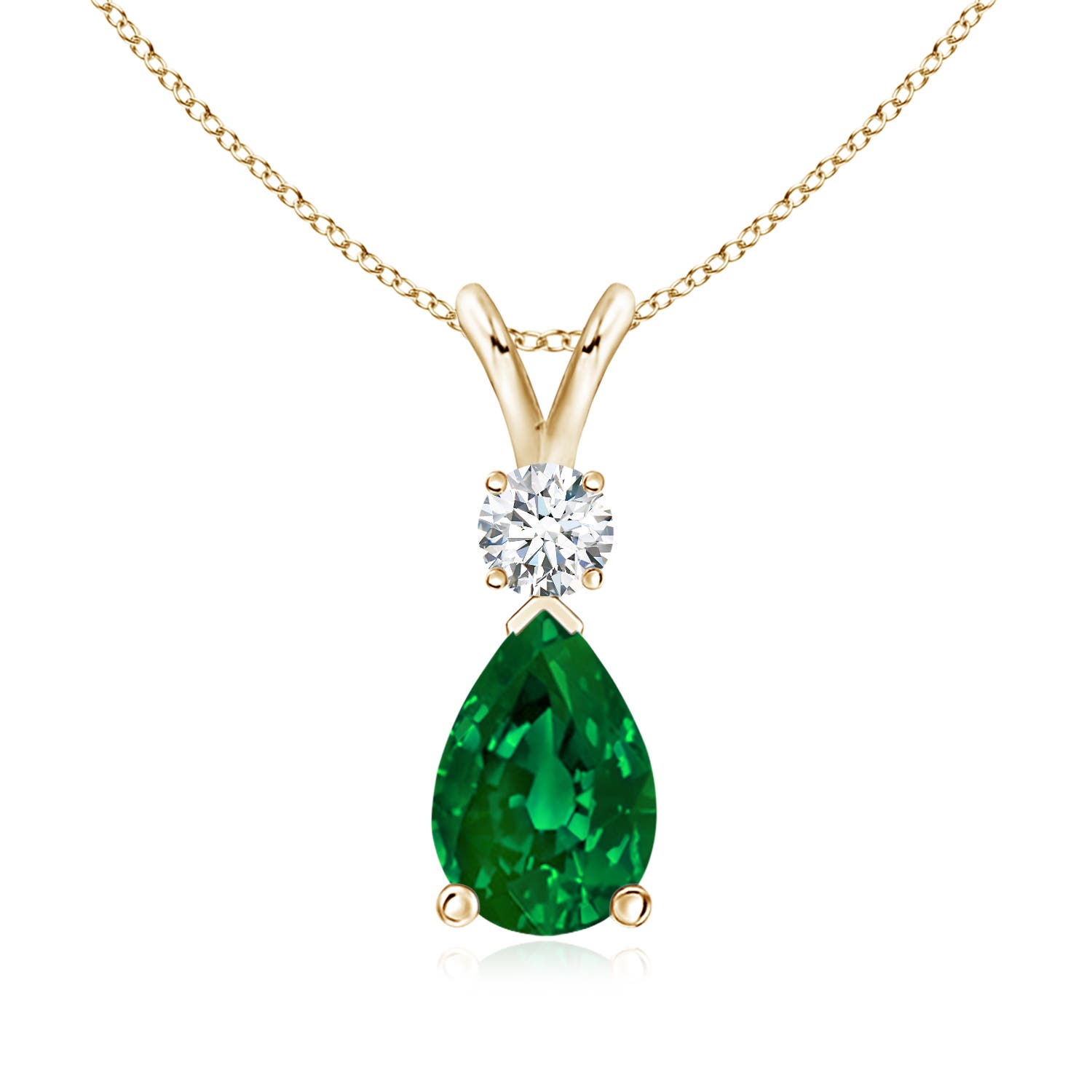
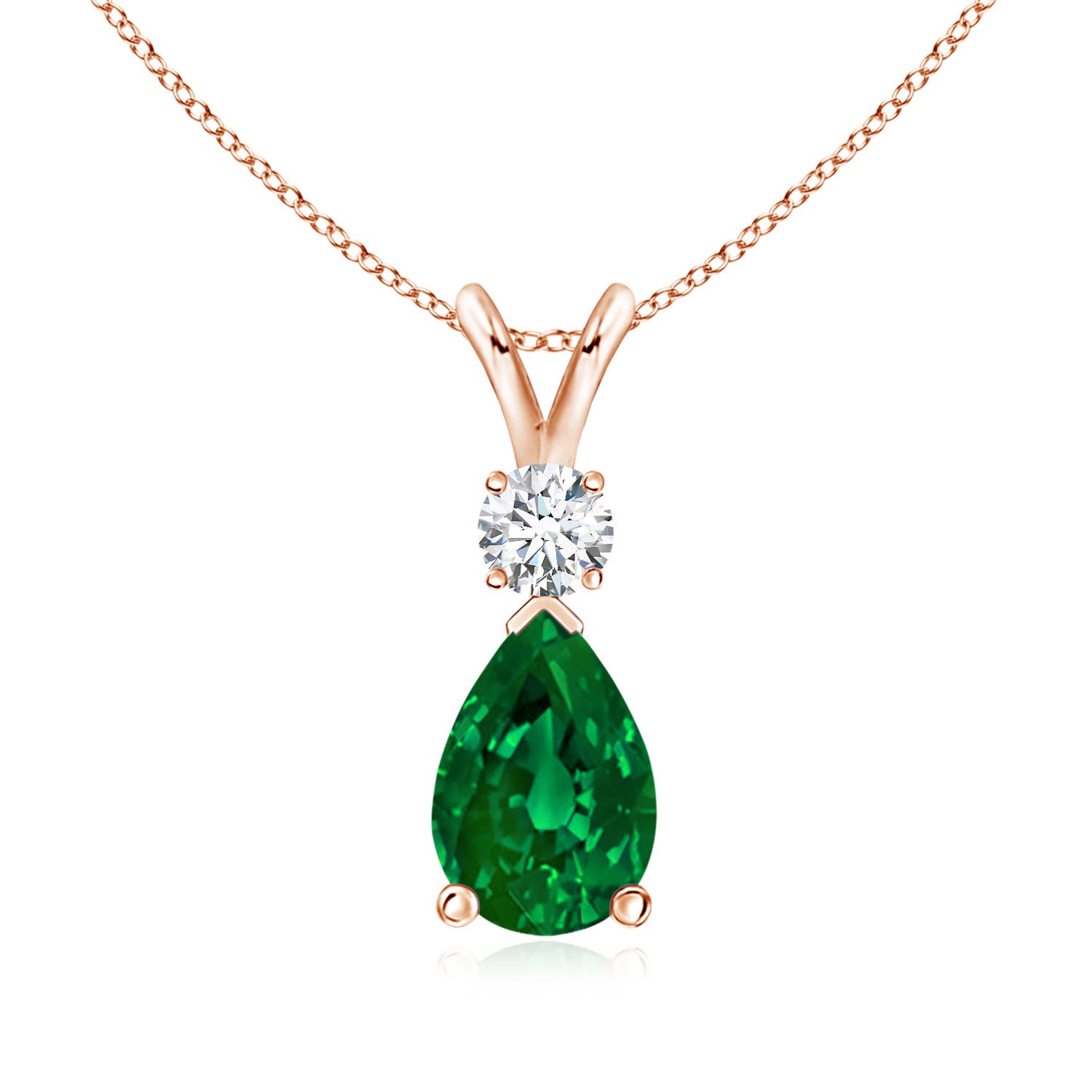
- Prong-Set Lab-Grown Emerald Teardrop V-Bale Pendant with Diamond$1,871 $2,079


- V-Bale Pear-Shaped Garnet Solitaire Pendant$593 $659


- Prong-Set Round Lab-Grown Diamond Solitaire V-Bale Pendant$5,003 $5,559


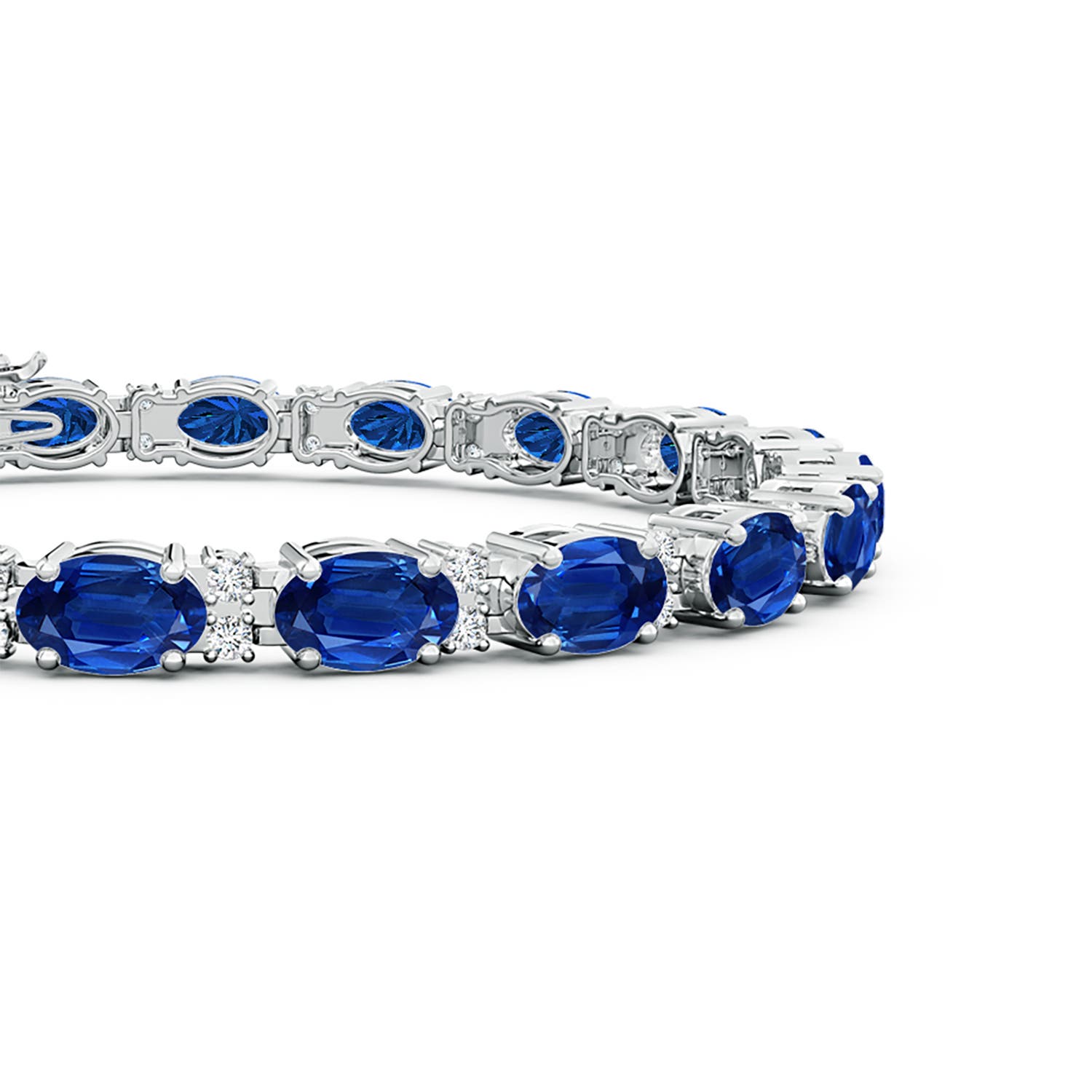
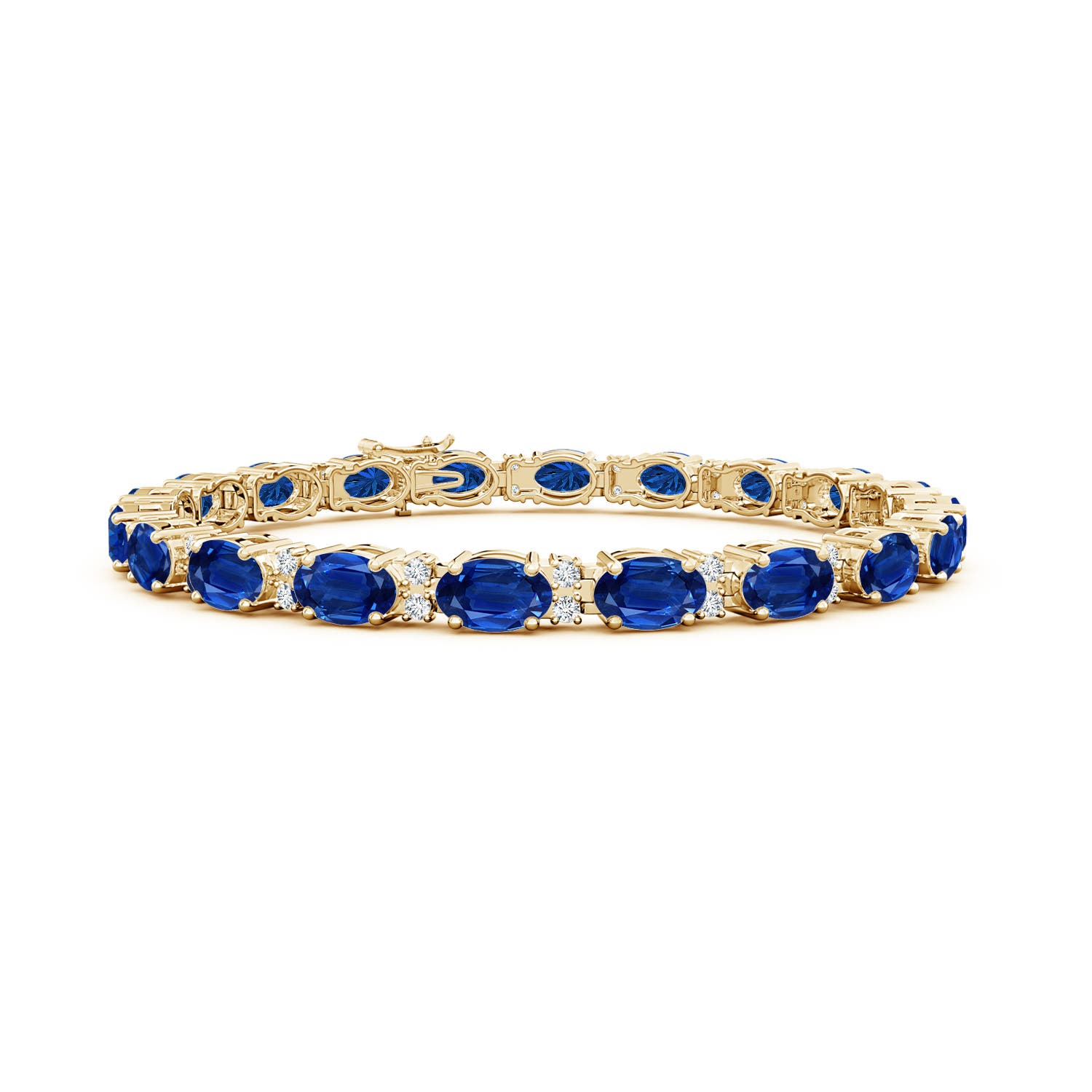
- Classic Oval Blue Sapphire and Diamond Tennis Bracelet$14,318 $15,909


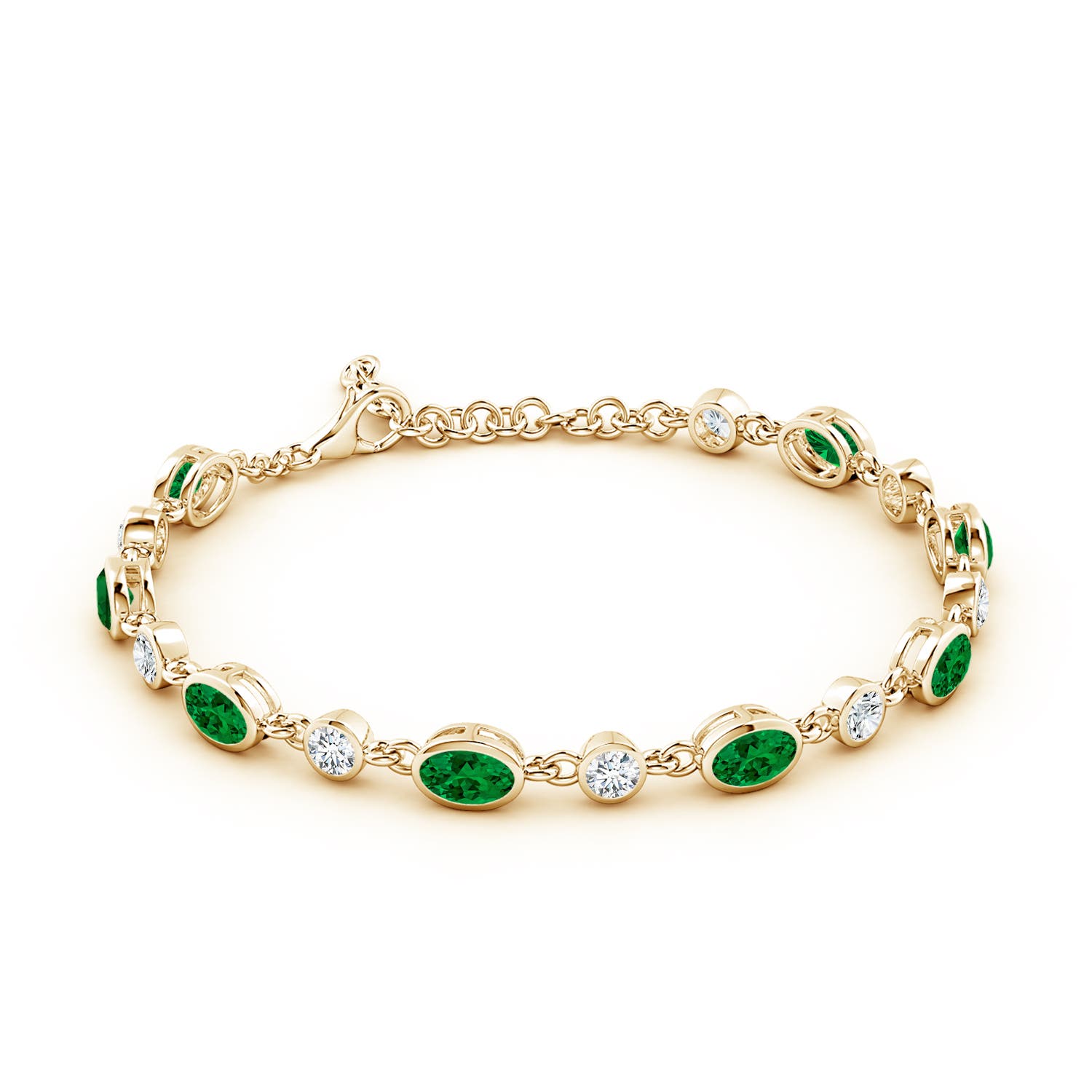
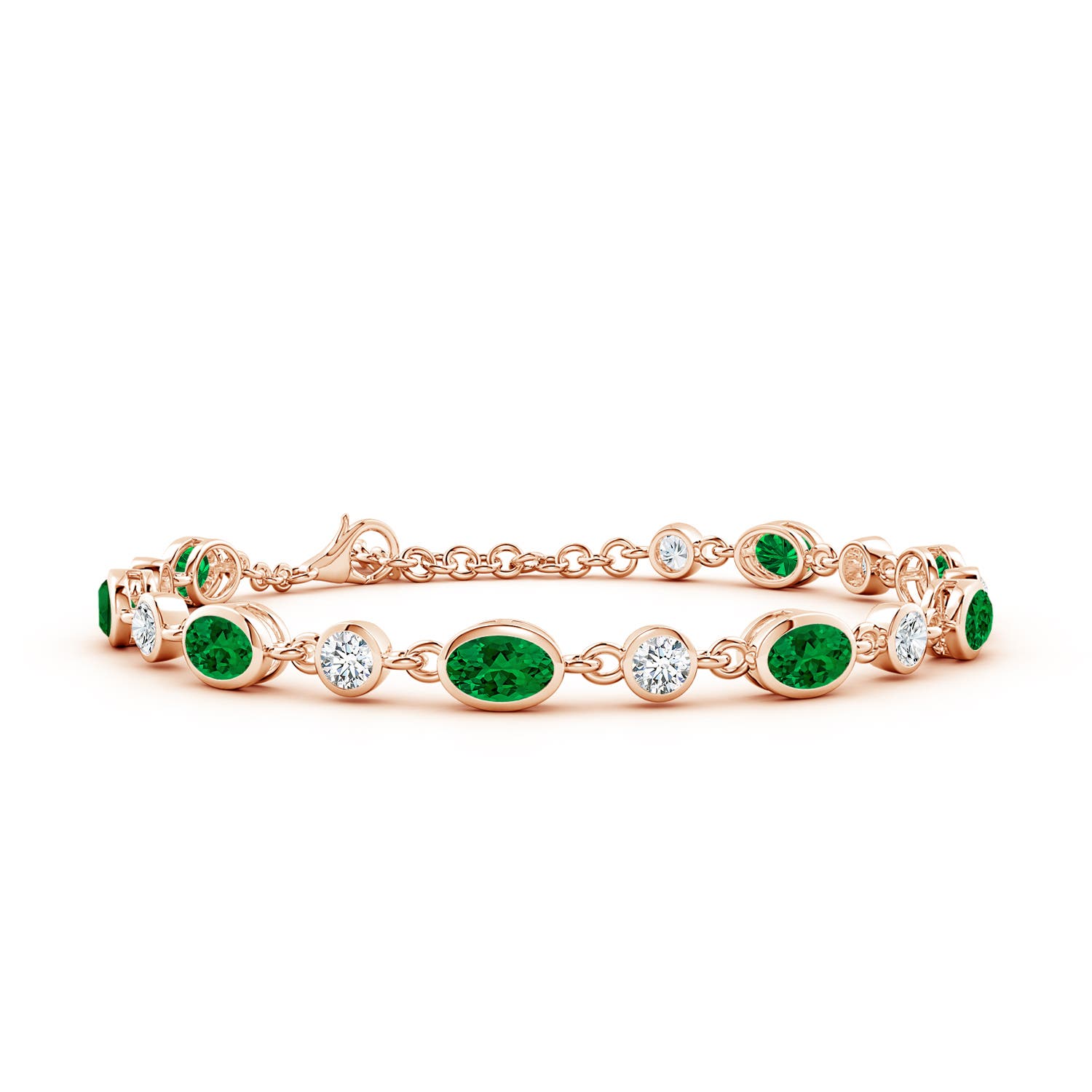
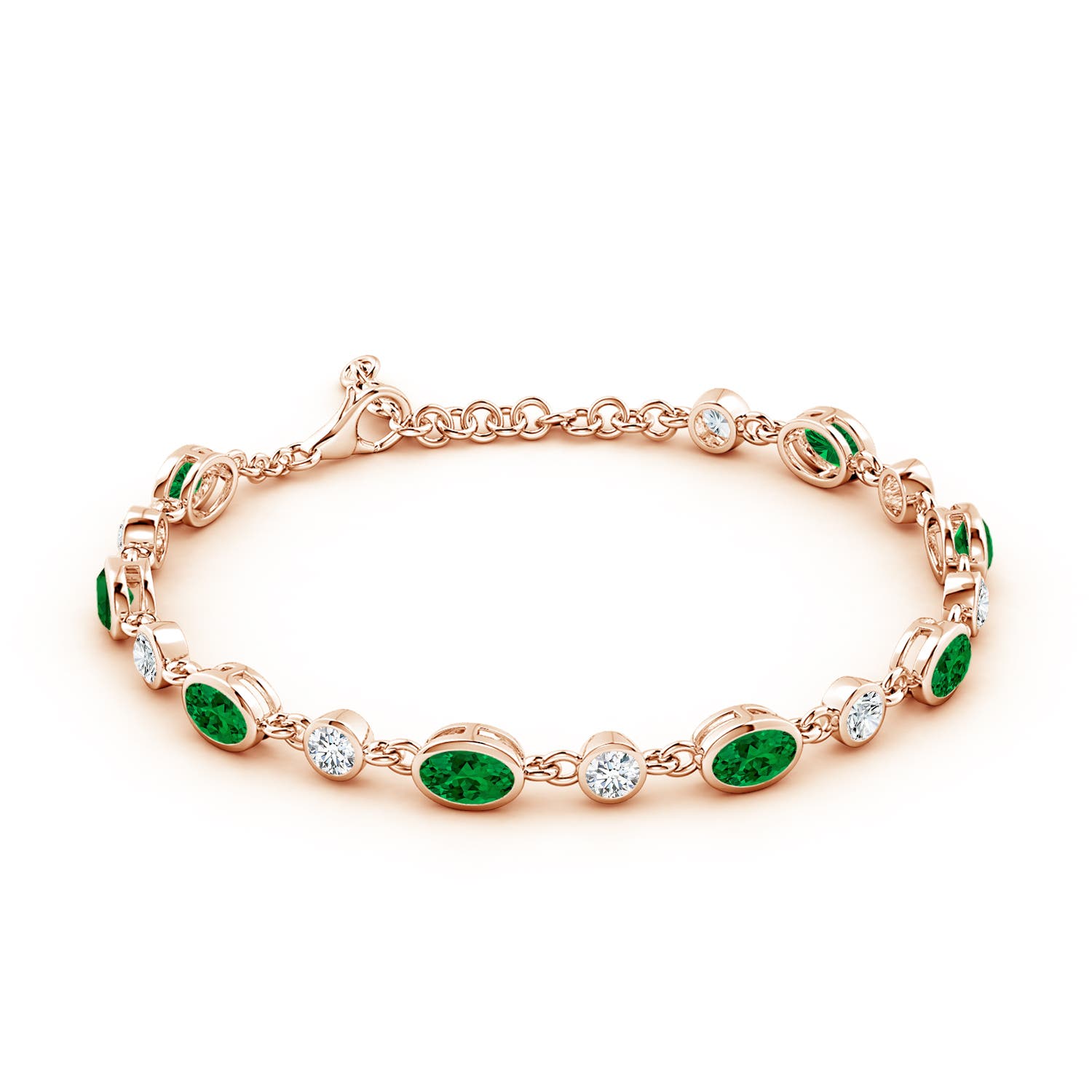
- Alternating Oval Lab-Grown Emerald and Round Diamond Tennis Bracelet$2,987 $3,319


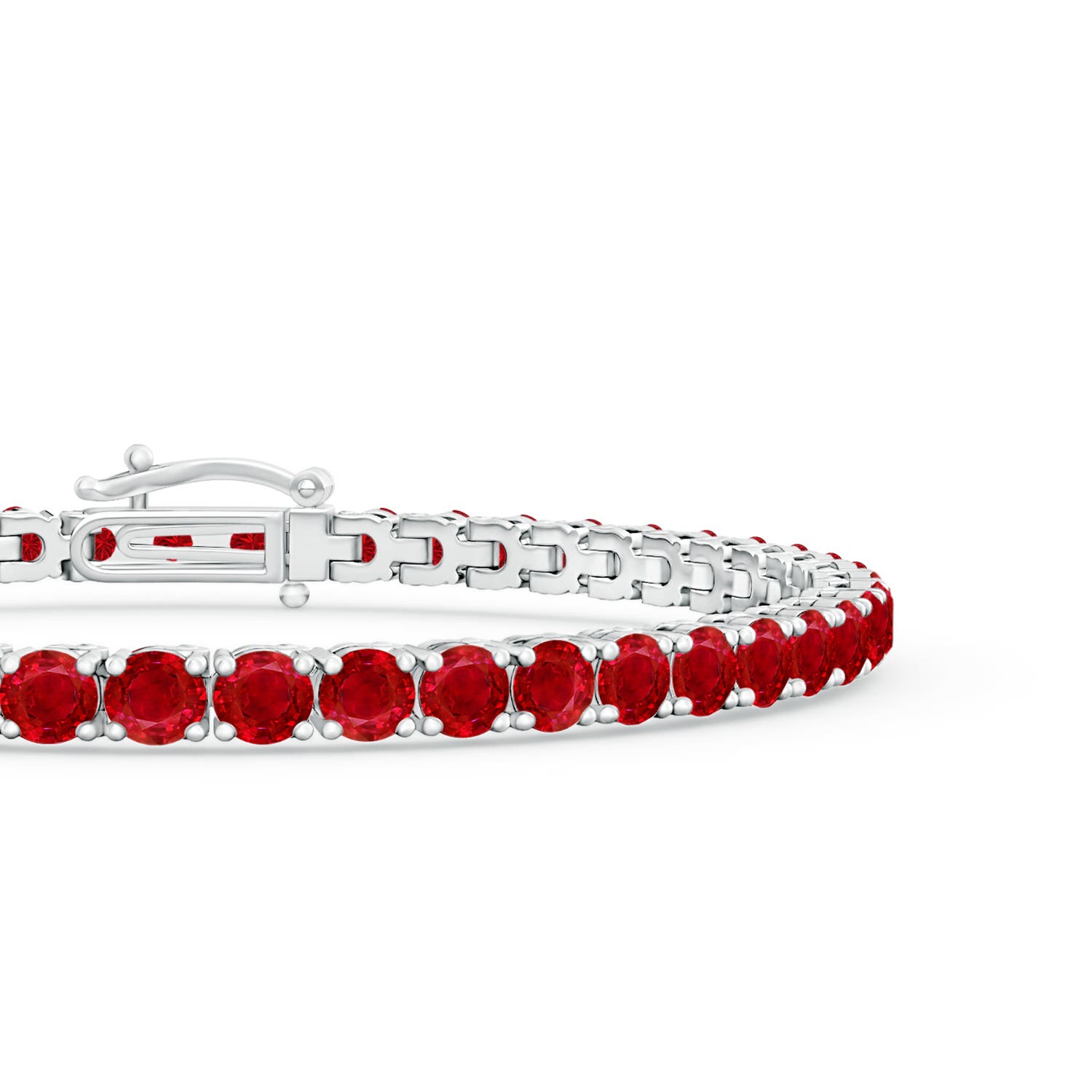
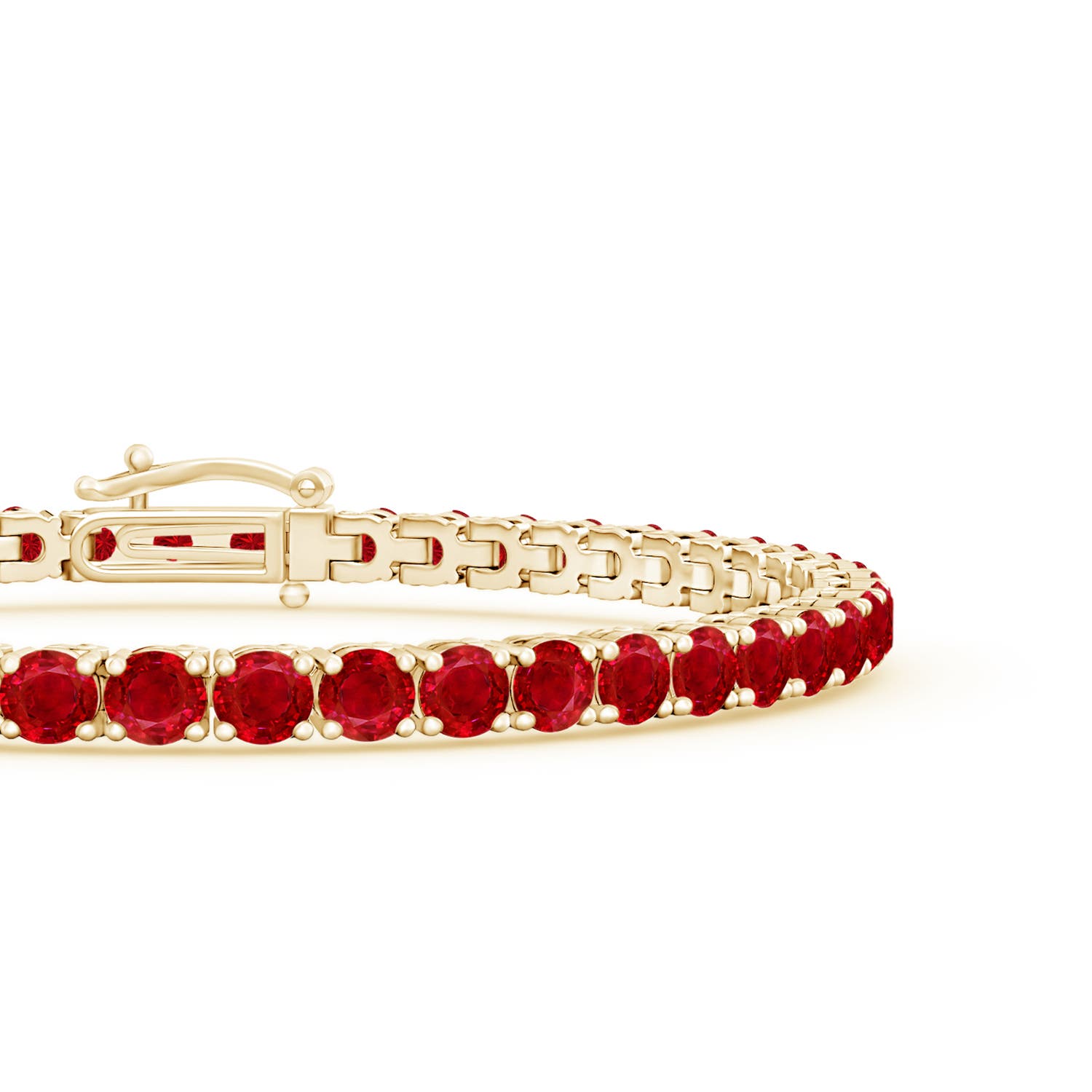
- Prong-Set Round Ruby Eternity Tennis Bracelet$10,511 $11,679


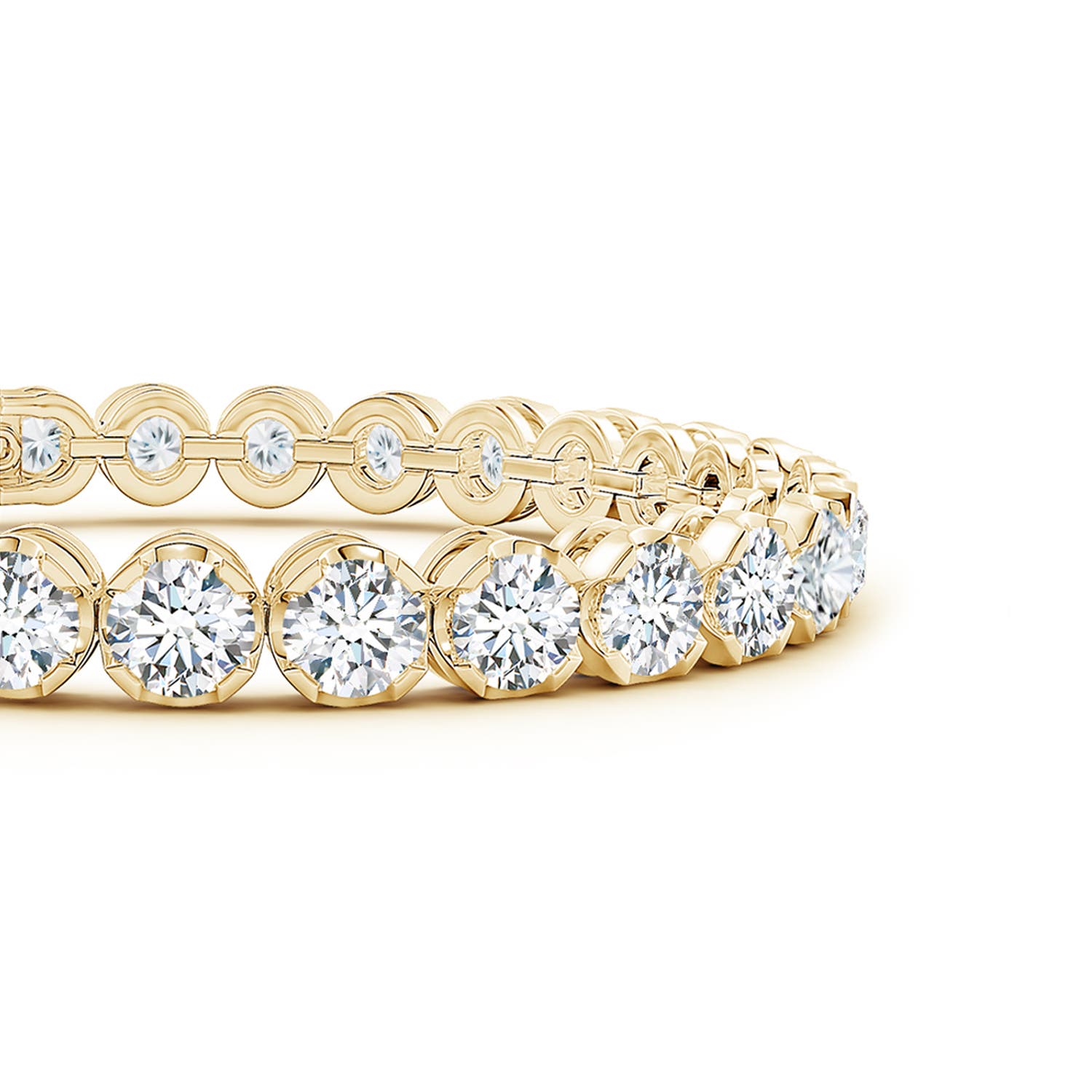
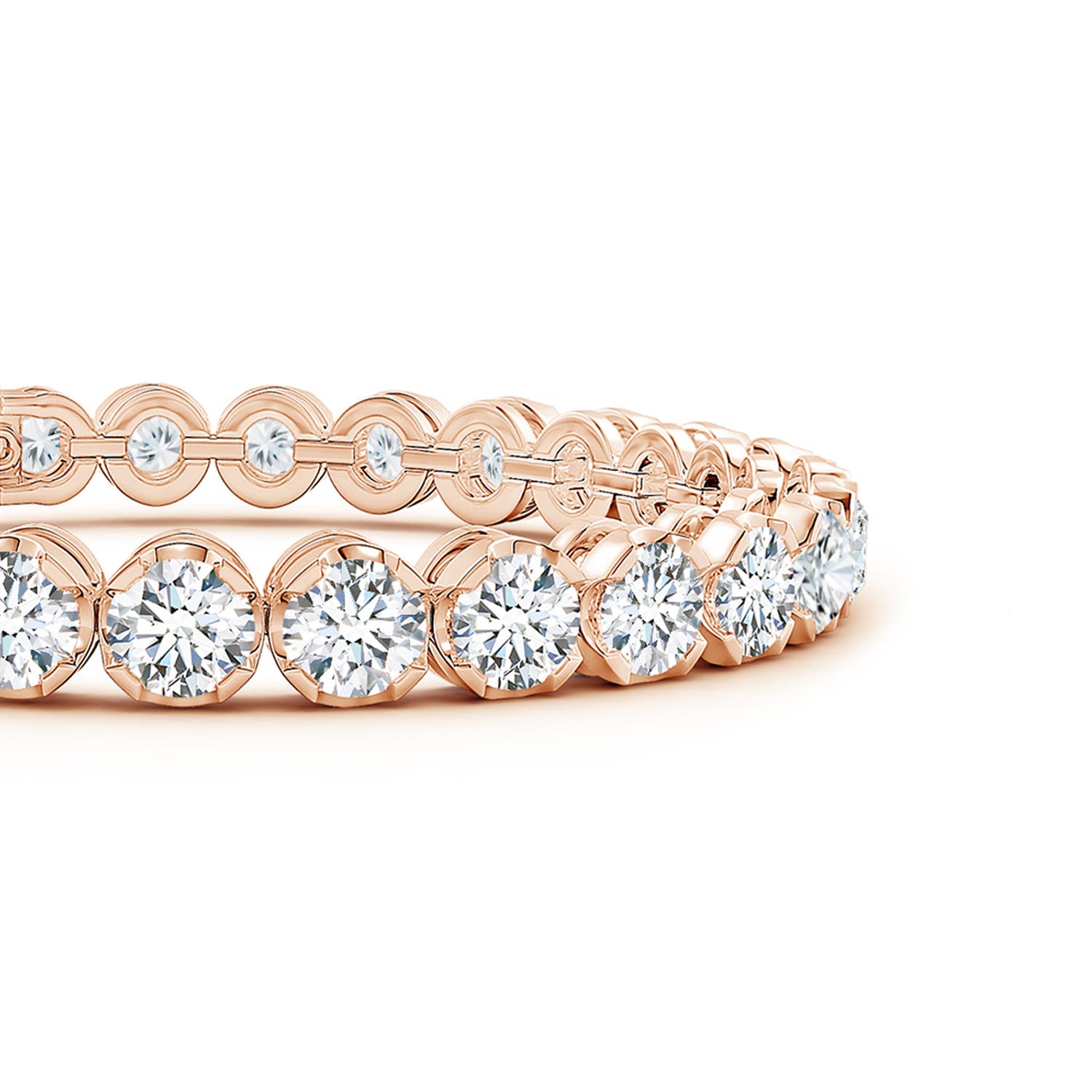
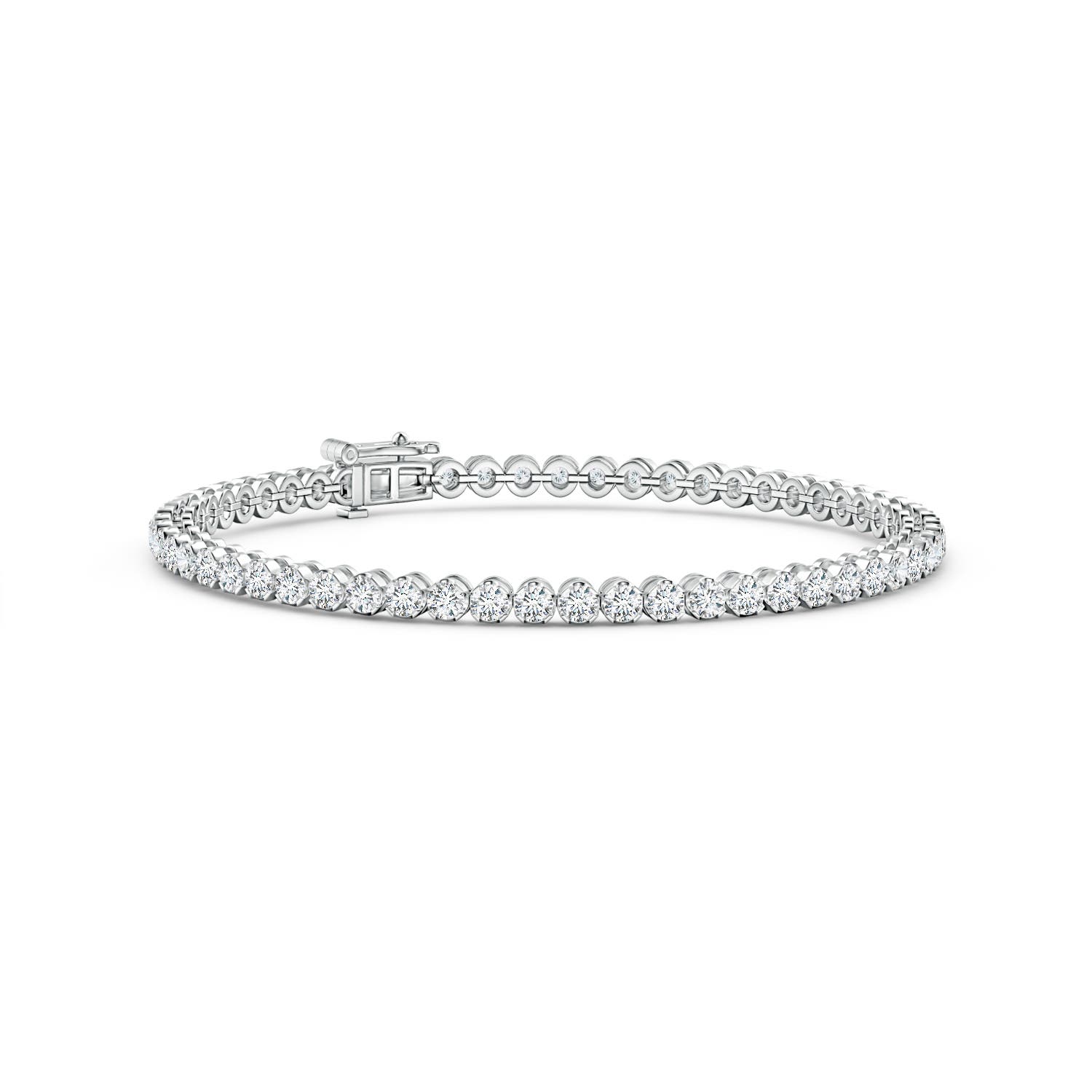
- Lab-Grown Classic Round Diamond Tennis Bracelet$8,972 $9,969















Is Gold-Filled Jewelry Worth It?
Gold-filled jewelry is worth it if you want pieces that last for years without paying solid-gold prices. For everyday items you'll wear constantly, a chain you never take off, hoops that live in your ears, the thicker gold layer earns its slightly higher cost by holding up to daily life.
It's also a good choice for sensitive skin. Because the gold layer is substantial, there's far less contact with the base metal that tends to cause irritation, so gold-filled is generally kinder to wear than thin plating.
Where it makes less sense is for pieces you'll only wear occasionally or expect to swap out with trends. If a piece won't see heavy wear, you may not need the extra durability you're paying for. But if you want a piece to truly last a lifetime, it's worth choosing solid gold, such as Angara’s yellow gold jewelry.
- Lab-Grown Princess Diana Inspired Blue Sapphire Engagement Ring with Lab Diamond Halo$3,293 $3,659


- Lab-Grown Emerald-Cut Emerald and Lab Diamond Three Stone Engagement Ring$2,105 $2,339


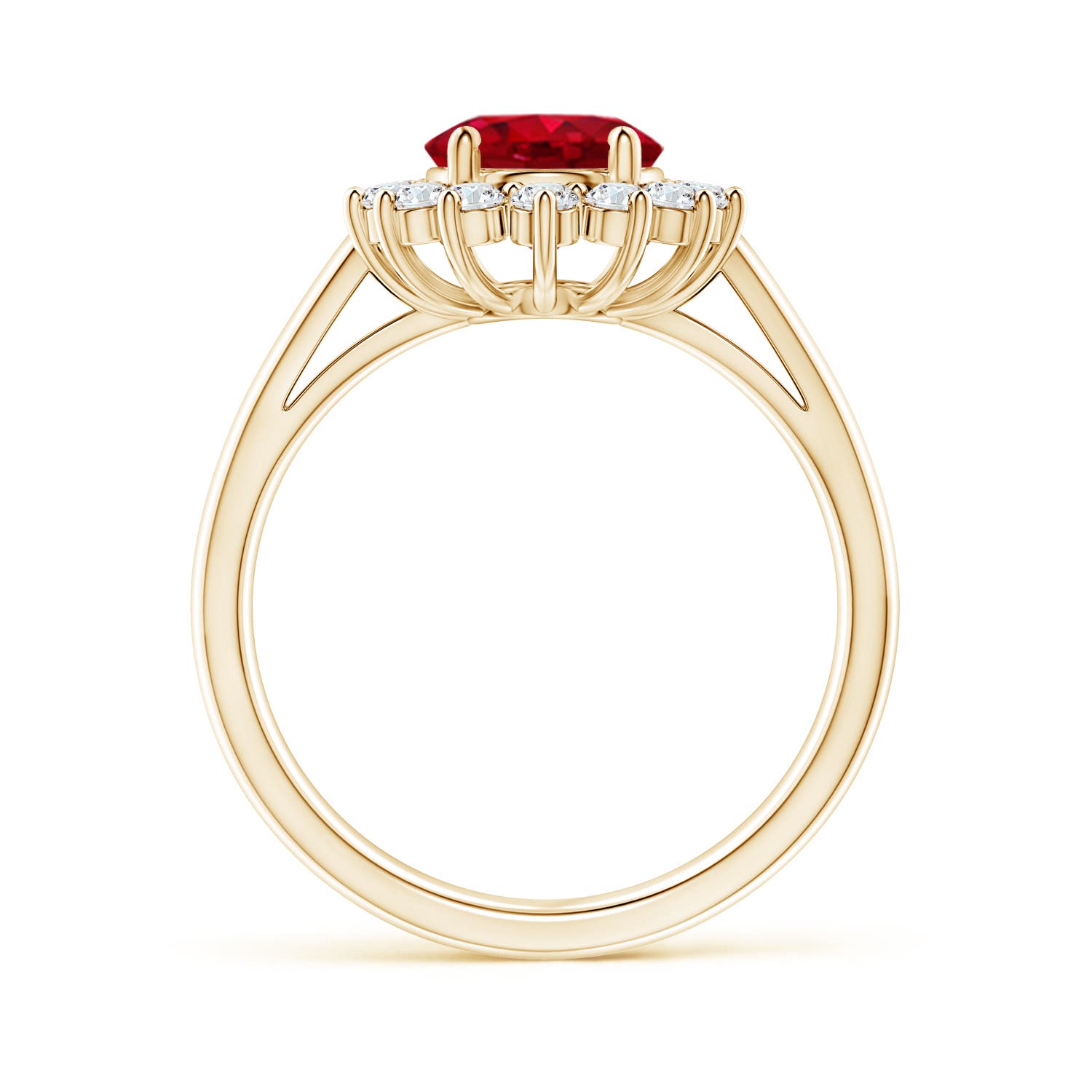
- Princess Diana Inspired Ruby Engagement Ring with Diamond Halo$13,274 $14,749


- Diamond Infinity Twist Three Stone Bypass Ring$1,259 $1,399


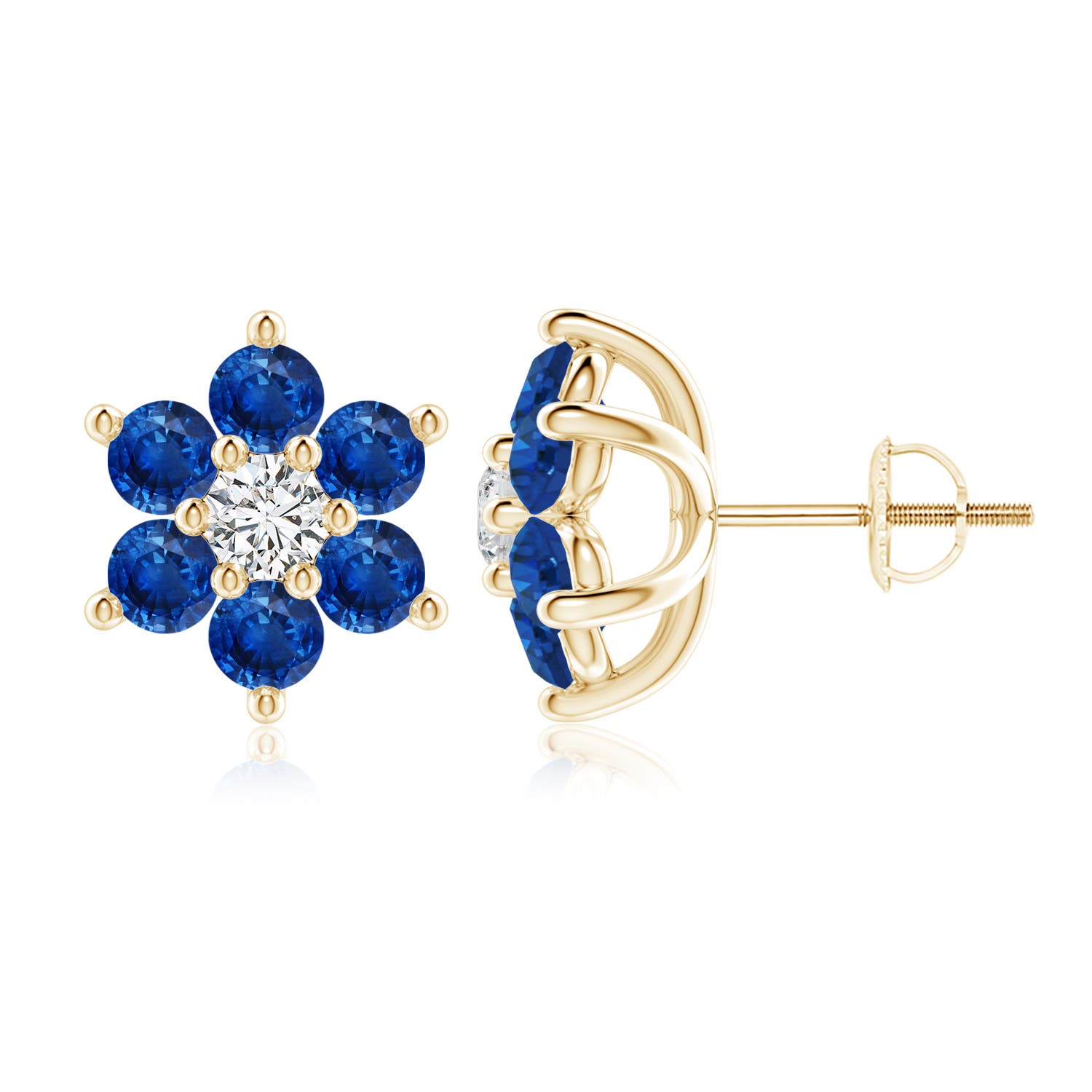
- Six Petal Diamond and Sapphire Flower Stud Earrings$3,491 $3,879

- Round Emerald Stud Earrings$66,410 $73,789


- Lab-Grown Solitaire Pear-Shaped Ruby Leverback Earrings$1,763 $1,959

- Lab-Grown Prong-Set Round Diamond Inside Out Hinged Clip Hoop Earrings$5,903 $6,559


- Lab-Grown Blue Sapphire Teardrop Pendant with Lab Diamond Halo$3,077 $3,419


- Prong-Set Lab-Grown Emerald Teardrop V-Bale Pendant with Diamond$1,871 $2,079


- V-Bale Pear-Shaped Garnet Solitaire Pendant$593 $659


- Prong-Set Round Lab-Grown Diamond Solitaire V-Bale Pendant$5,003 $5,559


- Classic Oval Blue Sapphire and Diamond Tennis Bracelet$14,318 $15,909


- Alternating Oval Lab-Grown Emerald and Round Diamond Tennis Bracelet$2,987 $3,319


- Prong-Set Round Ruby Eternity Tennis Bracelet$10,511 $11,679


- Lab-Grown Classic Round Diamond Tennis Bracelet$8,972 $9,969












Is Gold-Plated Jewelry Worth It?
Gold-plated jewelry is worth it when you want the gold look for very little money, especially for fashion and trend pieces. If you like to change up your jewelry often, follow trends, or want a statement piece for a season rather than a lifetime, plated lets you do that affordably.
It's also a sensible way to try a style before committing. Not sure a bold cuff or a particular chain length suits you? A plated version lets you test it without a big spend.
The honest limitation is lifespan. Plated pieces wear over time and aren't built to last for years of daily use, so they're best treated as affordable, changeable jewelry rather than heirlooms. Knowing that up front helps you buy with the right expectations, and care for them well to stretch their life.
How Do You Care for Gold-Plated and Gold-Filled Jewelry?
Careful handling extends the life of both, and it matters most for plated pieces, where the gold layer is thinnest. A few habits go a long way.
For both types: take jewelry off before showering, swimming, exercising or cleaning, since water, chlorine, sweat and chemicals all speed up wear. Put jewelry on last, after perfume, lotion and hairspray. Wipe pieces gently with a soft, dry cloth after wearing to remove oils and moisture. Store them separately in a dry spot, ideally a pouch or lined box, so they don't rub against harder pieces.
For gold-plated specifically: avoid rubbing or polishing hard, since scrubbing can thin the delicate gold layer faster. For gold-filled: it tolerates gentle soap-and-water cleaning better, thanks to its thicker gold, but the same take-it-off-for-water rule keeps it looking its best. Neither type should be cleaned with harsh chemical dips meant for solid gold.
Read: How to Test Gold at Home
Which Should You Choose?
Choose gold-filled if you want lasting everyday jewelry and don't mind paying a bit more; choose gold-plated if you want an affordable, on-trend look and are happy to replace pieces over time. The right answer depends entirely on how you plan to wear it.
Think about three things: how often you'll wear the piece, how long you want it to last, and your budget. A daily-wear chain or a gift meant to be kept leans gold-filled. A trend earring, a festival piece, or something you want in this season's color leans gold-plated. And if you want jewelry that lasts a lifetime and holds its value, solid gold is the step beyond both. Do check out Angara’s rose gold jewelry to find pieces you’ll love.
There's no wrong choice here, only the right match for the piece and the purpose. Knowing the difference between gold plated and gold filled is what lets you buy with clear eyes and spend where it counts.
- Lab-Grown Princess Diana Inspired Blue Sapphire Engagement Ring with Lab Diamond Halo$3,293 $3,659


- Lab-Grown Emerald-Cut Emerald and Lab Diamond Three Stone Engagement Ring$2,105 $2,339


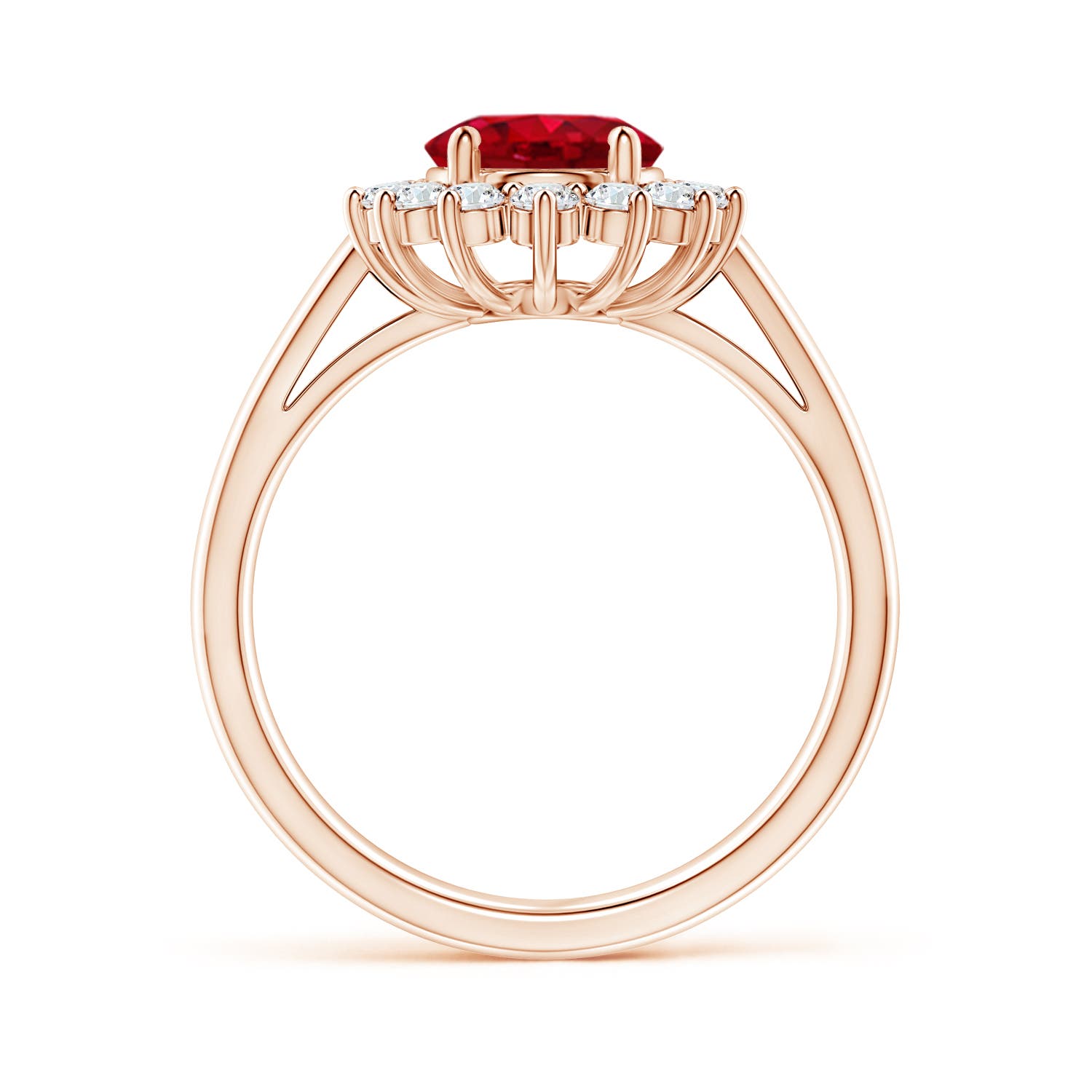
- Princess Diana Inspired Ruby Engagement Ring with Diamond Halo$13,274 $14,749


- Diamond Infinity Twist Three Stone Bypass Ring$1,259 $1,399


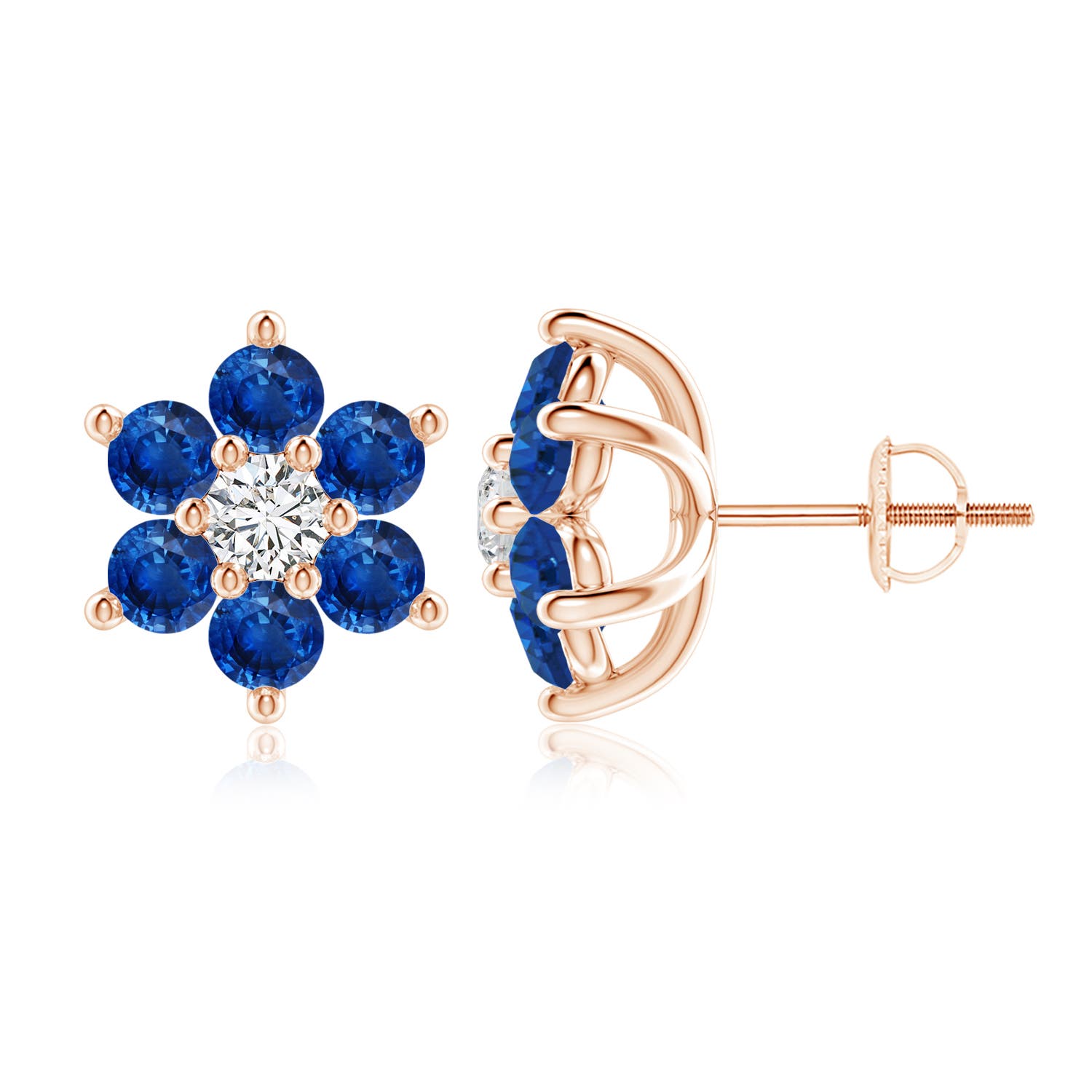
- Six Petal Diamond and Sapphire Flower Stud Earrings$3,491 $3,879

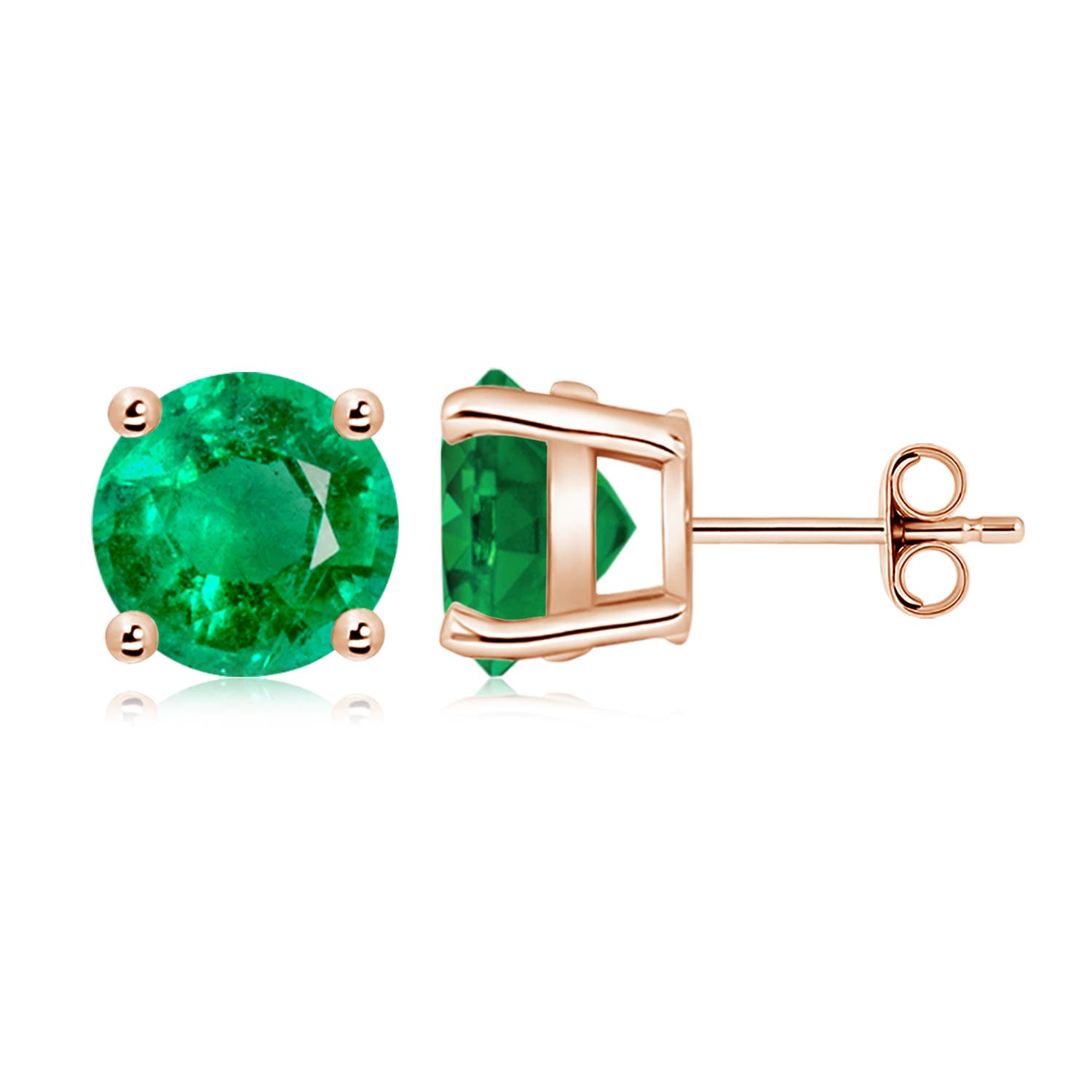
- Round Emerald Stud Earrings$66,410 $73,789


- Lab-Grown Solitaire Pear-Shaped Ruby Leverback Earrings$1,763 $1,959

- Lab-Grown Prong-Set Round Diamond Inside Out Hinged Clip Hoop Earrings$5,903 $6,559


- Lab-Grown Blue Sapphire Teardrop Pendant with Lab Diamond Halo$3,077 $3,419


- Prong-Set Lab-Grown Emerald Teardrop V-Bale Pendant with Diamond$1,871 $2,079


- V-Bale Pear-Shaped Garnet Solitaire Pendant$593 $659


- Prong-Set Round Lab-Grown Diamond Solitaire V-Bale Pendant$5,003 $5,559


- Classic Oval Blue Sapphire and Diamond Tennis Bracelet$14,318 $15,909


- Alternating Oval Lab-Grown Emerald and Round Diamond Tennis Bracelet$2,987 $3,319


- Prong-Set Round Ruby Eternity Tennis Bracelet$10,511 $11,679


- Lab-Grown Classic Round Diamond Tennis Bracelet$8,972 $9,969












FAQs
1. Is gold-filled real gold?
Yes. Gold-filled jewelry contains a substantial layer of real gold, legally required in the US to be at least 5% of the piece's total weight, bonded to a base metal. It's not solid gold, but the gold is genuine and thick enough to last for years.
2. Does gold-plated jewelry turn your skin green?
It can over time. As the thin gold layer wears down, skin may contact the base metal underneath, which can cause discoloration or irritation, especially with copper or nickel bases. Gold-filled is less likely to do this because its gold layer is much thicker.
3. Can gold-filled jewelry get wet?
Occasional contact with water won't ruin gold-filled jewelry, thanks to its thick gold layer, but it's still best to avoid prolonged exposure. Take it off before swimming or showering, since chlorine, salt and soap buildup will shorten its life over time.
4. How can I tell if jewelry is gold-filled or gold-plated?
Check the stamp. Gold-filled pieces are usually marked with a fraction and karat, like "1/20 14K GF." Gold-plated pieces may read "GP," "GEP" or "HGE," or show a micron thickness. The markings are the most reliable way to tell them apart.
5. Is gold-filled better than gold-plated?
For durability and value, yes. Gold-filled has far more real gold and lasts many times longer. But gold-plated has its place for affordable, trend-driven pieces. "Better" depends on whether you're prioritizing longevity or a low price for a piece you'll wear briefly.
6. How long does gold-plated jewelry last?
Most gold-plated jewelry lasts from a few months to about two years, depending on the plating thickness and how hard it's worn. Rings and bracelets wear fastest because of friction, while earrings and pendants tend to last longer. Careful storage and keeping it dry extend its life.
You may also like

Ring Size Chart: How to Find Your Perfect Fit at Home
20 Mar, 2024
Gems Price Chart Ranked by Value
18 Nov, 2023
How to Test Gold at Home
5 Jan, 2023
Ruby vs Garnet: What’s the Difference?
13 Dec, 2018
Everything You Need to Know About Blue Gemstones
1 Dec, 2023
Best Crystals for Protection: Meaning & How to Use
16 Dec, 2022
How to Tell if a Gemstone Is Real
20 Dec, 2022
Colored Gemstone Size Chart: MM, Carat & Dimensions
14 Aug, 2024
11 Ways to Keep Your Ring From Spinning
19 Jan, 2024



Shop Our Bestsellers
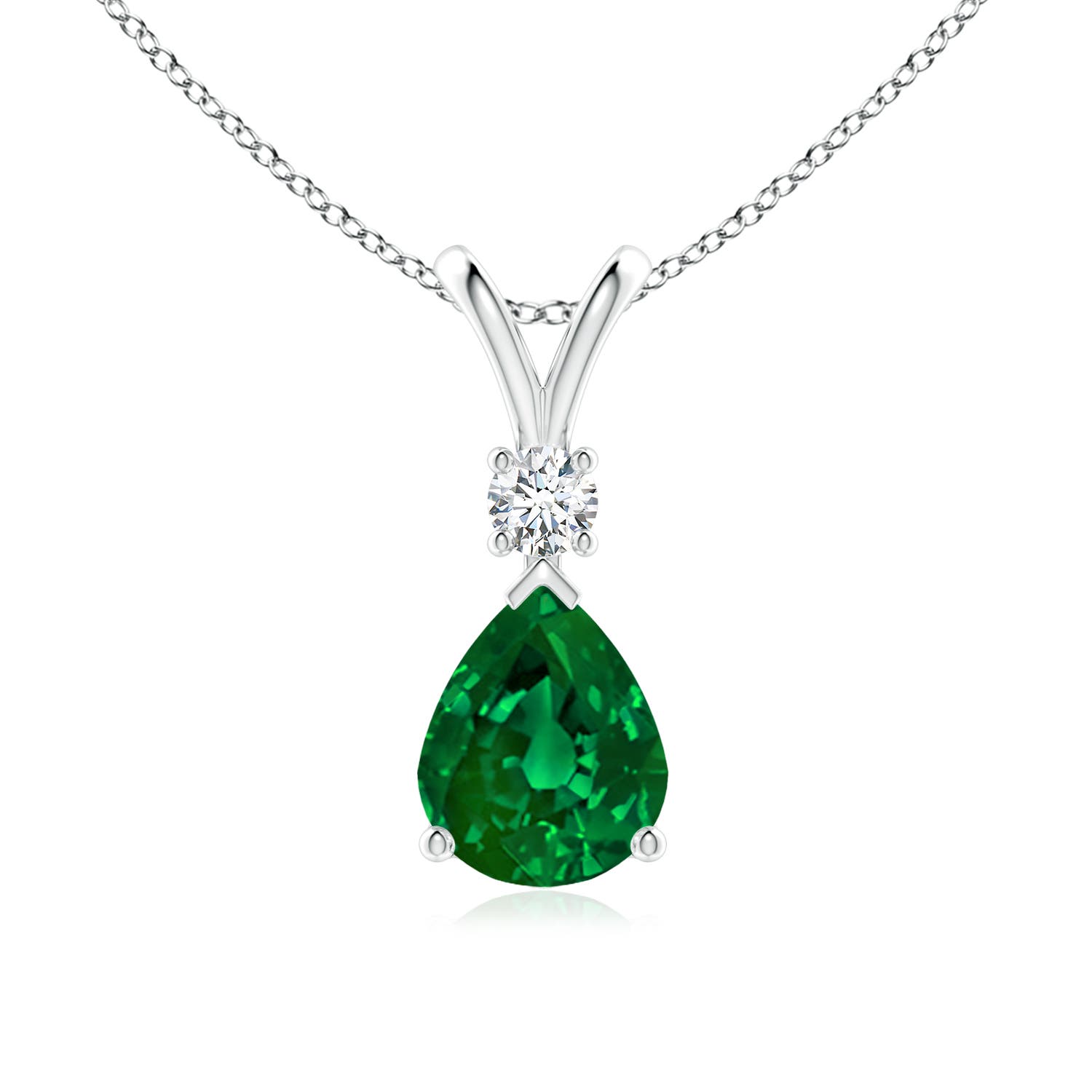
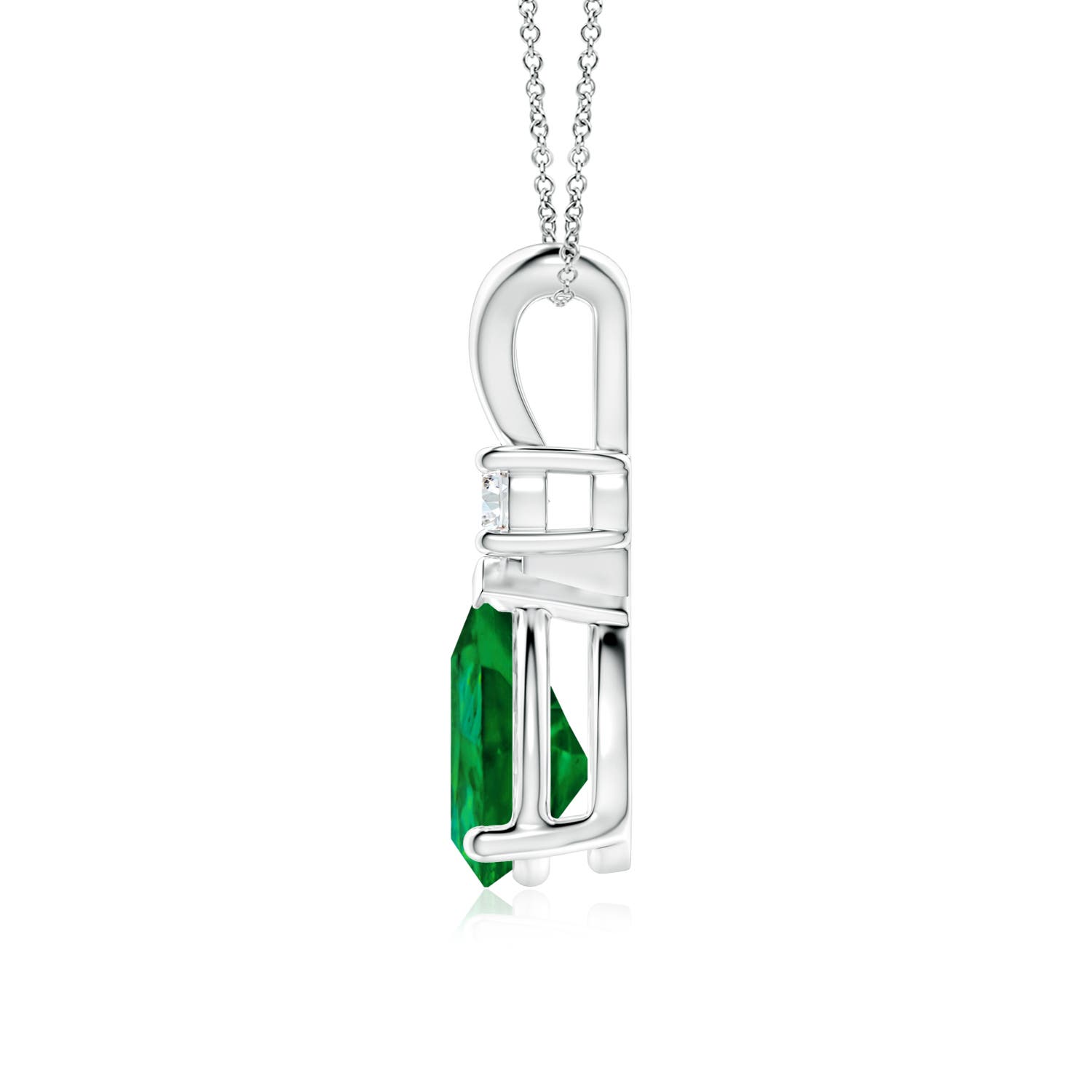
- Prong-Set Lab-Grown Emerald Teardrop V-Bale Pendant with Diamond$2,099


- Solitaire Oval Opal Split Shank Ring with Trio Diamonds$1,619

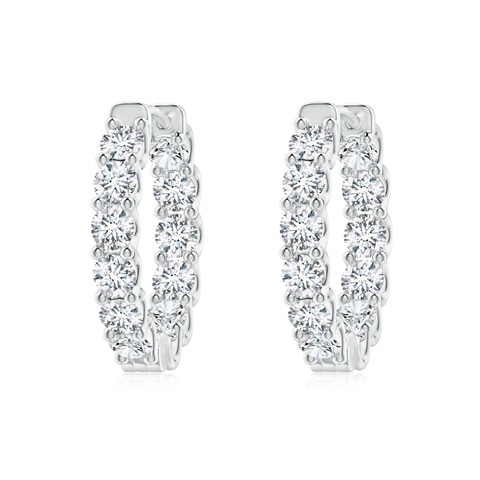
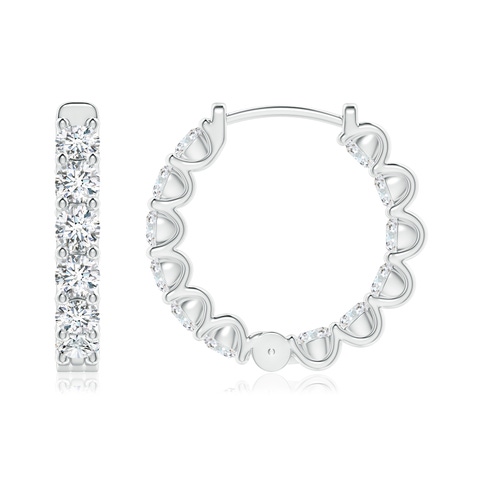
- Lab-Grown Prong-Set Round Diamond Inside Out Hinged Clip Hoop Earrings$1,429
- V-Bale Pear-Shaped Garnet Solitaire Pendant$749

- Lab-Grown Princess Diana Inspired Blue Sapphire Engagement Ring with Lab Diamond Halo$4,869


- Lab-Grown Classic Round Diamond Tennis Bracelet$2,789


- Heart Lab-Grown Diamond Solitaire Pendant$1,459


- Prong-Set Emerald-Cut Lab-Grown Emerald Solitaire Pendant$1,639

- Lab-Grown Basket-Set Solitaire Diamond Stud Earrings$1,989


- Heart-Shaped Aquamarine Infinity Pendant with Diamond Accents$1,969





Featured In
What Customers Are Saying
Verified Reviews
The sparkle!!
Oct 08, 2026I love my ring so much! It is just like the picture and has so much sparkle and shine! I had to return the first ring because I didn't get my size right. The customer service was so helpful and made it easy to exchange. I'm so happy with it! Would definitely order again.
Kristan S.
Fabulous ring
Oct 08, 2026Elegant and stylish - the cut and color are beautiful. I love wearing it and get so many compliments.
Emily H.
So beautiful!!
Oct 08, 2026Super fast shipping. It’s so helpful to have the stone grades side by side. Love!!!!
Mary N.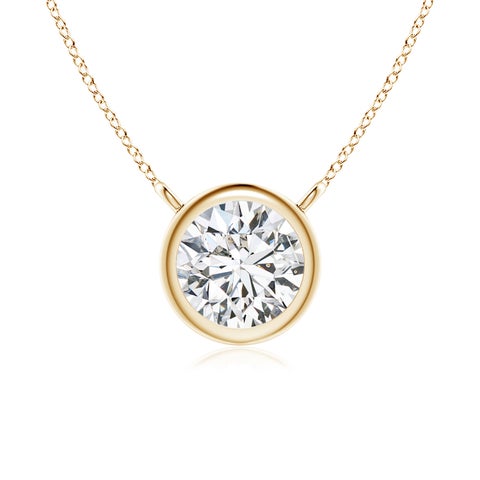
Trustworthy Shop, Nice Art
Oct 08, 2026Ordered two necklaces. Delivery was promt. Pieces of good craftsmanship. Unfortunately not exactly what I was looking for. Pictures online (AI) differ slightly but noticeably from product.
Kilian R.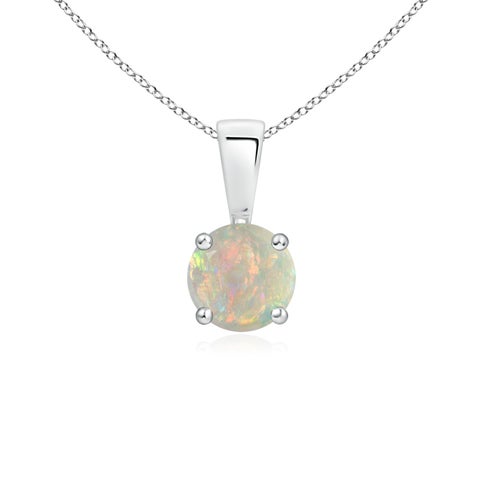
S/O loved it!
Oct 07, 2026She hasn’t taken this off since I gave it to her She says its easily her newest favorite piece of jewelry
Seth T.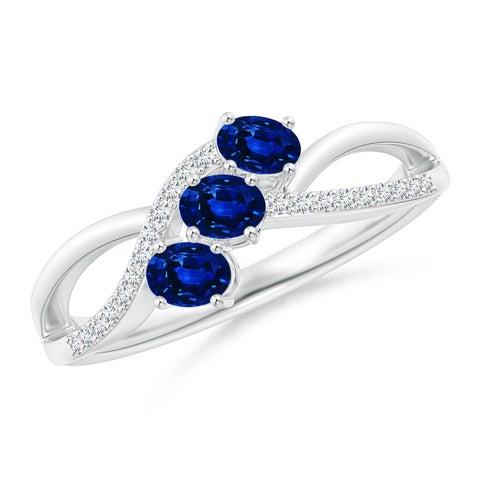
One very satisfied customer
Oct 07, 2026I bought a Sapphire Three Stone Bypass Ring for my wife to mark her 80th birthday.. She could not have been happier with her gift. he wears it on the middle finger of her left hand. It is eye-catching with understated elegance!. AJ
ALAN J.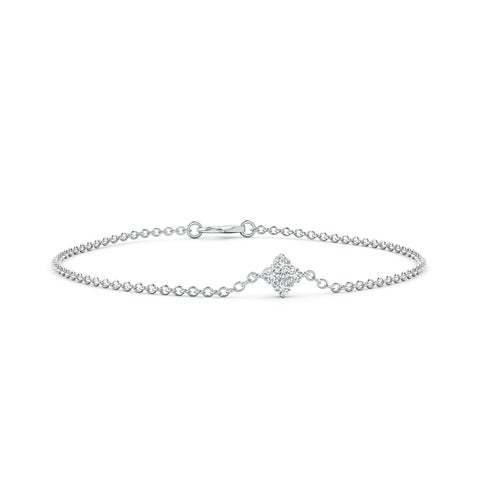
Yes i love it
Oct 07, 2026It’s beautiful
Xander V.
51 year anniversary
Oct 07, 2026Great quality materials, design and workmanship.
Jolynn K.
Beautiful ring, excellent customer service
Oct 06, 2026The ring arrived far earlier than expected, a beautiful piece very well presented. Unfortunately I decided it was not the right ring for my partner but the customer service team went above and beyond to make everything right. I cannot recommend Angara highly enough and will definitely use them again!
Jonathan L.