What Does It Mean When a Gemstone Is Heat Treated?
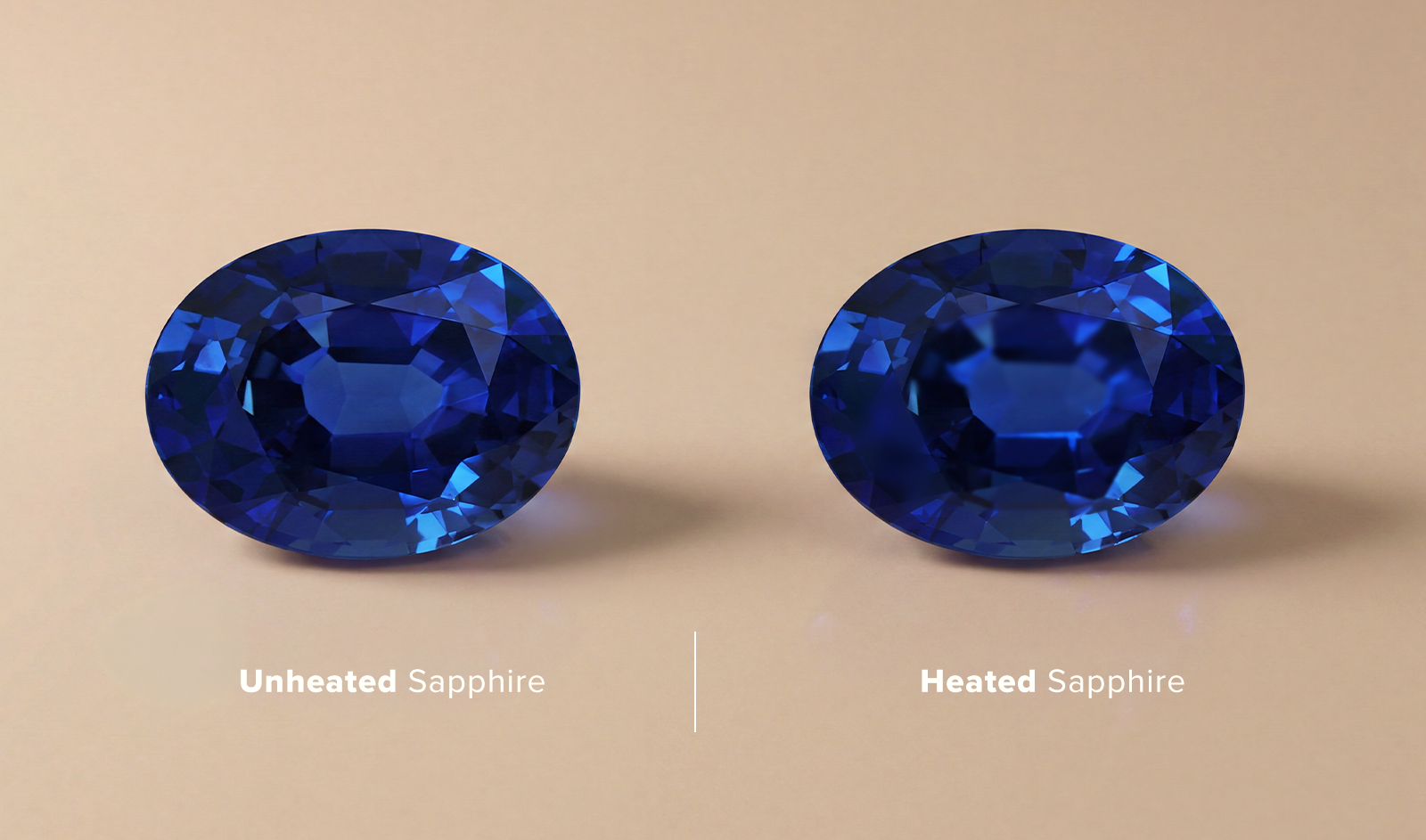
When a gemstone is heat treated, it means the stone has been exposed to controlled high temperatures to improve or alter its color, clarity or both. The process can change internal features within the gem, but a natural heat-treated gemstone remains natural. Heat treatment is commonly used for sapphire, ruby, tanzanite, aquamarine and citrine.
That word treated can sound more dramatic than the process actually is. Gem cutters and dealers have used heat for centuries, particularly with ruby and sapphire, and modern gemological laboratories can identify many of its effects. GIA describes heating as an accepted treatment for sapphire and notes detectable treatments on its colored stone reports.
For buyers, the key questions are simple: what treatment did the gemstone receive, is it permanent and can it affect the stone’s value or care?
How Does Gemstone Heat Treatment Work?
Gemstone heat treatment works by exposing a stone to controlled temperatures for a set amount of time to change its color, clarity or both. There is no single temperature or method. The gemstone, its chemistry, its inclusions and the desired result all determine how it is heated.
Ruby and sapphire show just how much conditions can vary. GIA research documents corundum heating from below 700°C (1,292°F) to around 1,500°C to 1,800°C (2,732°F to 3,272°F). During one GIA field visit in Sri Lanka, blue sapphire was heated at approximately 1,600°C to 1,700°C for four hours. In another GIA study, pink sapphire was heated at 800°C for 160 minutes.
Other gemstones require lower temperatures. GIA research describes yellowish and greenish beryl being heated at around 400°C to 500°C to produce a bluer aquamarine color, while tanzanite commonly responds to heat at approximately 500°C. These are examples of treatment conditions rather than fixed formulas for every stone.
- Lab-Grown Princess Diana Inspired Blue Sapphire Engagement Ring with Lab Diamond Halo$3,293 $3,659


- Lab-Grown Emerald-Cut Emerald and Lab Diamond Three Stone Engagement Ring$2,105 $2,339


- Princess Diana Inspired Ruby Engagement Ring with Diamond Halo$13,778 $15,309


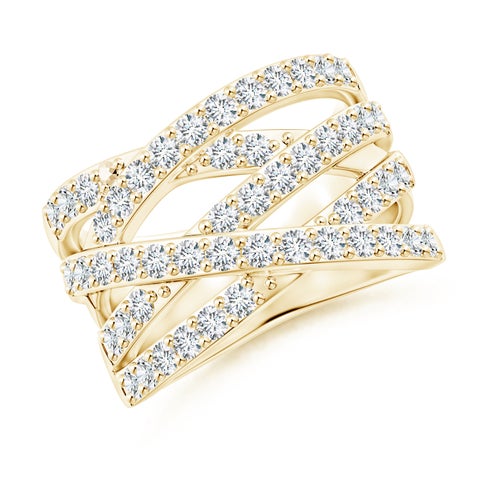
- Diamond Infinity Twist Three Stone Bypass Ring$1,259 $1,399


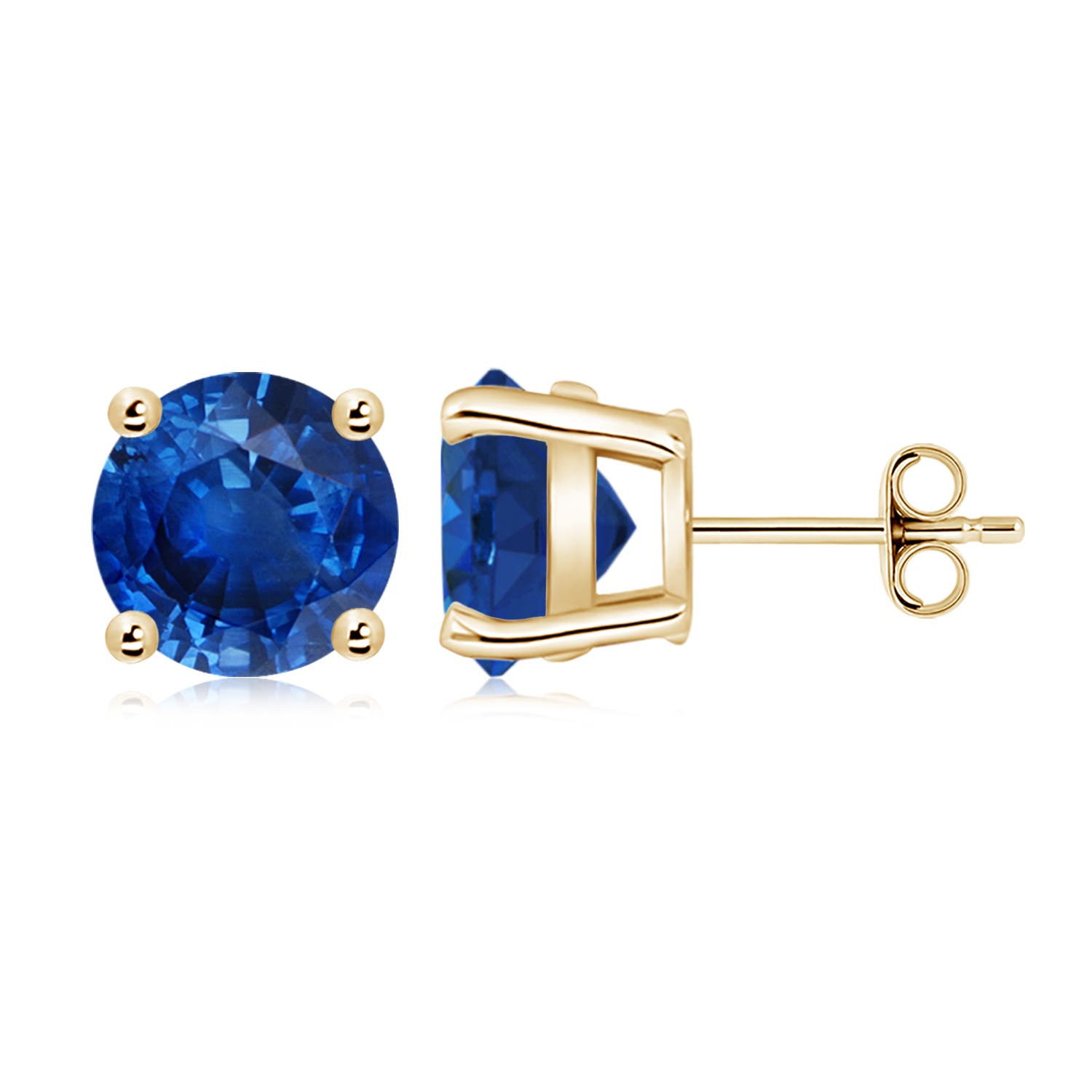
- Round Blue Sapphire Stud Earrings$34,424 $38,249


- Lab-Grown Pear-Shaped Emerald Leverback Drop Earrings with Lab Diamond$2,123 $2,359

- Lab-Grown Solitaire Pear-Shaped Ruby Leverback Earrings$1,763 $1,959

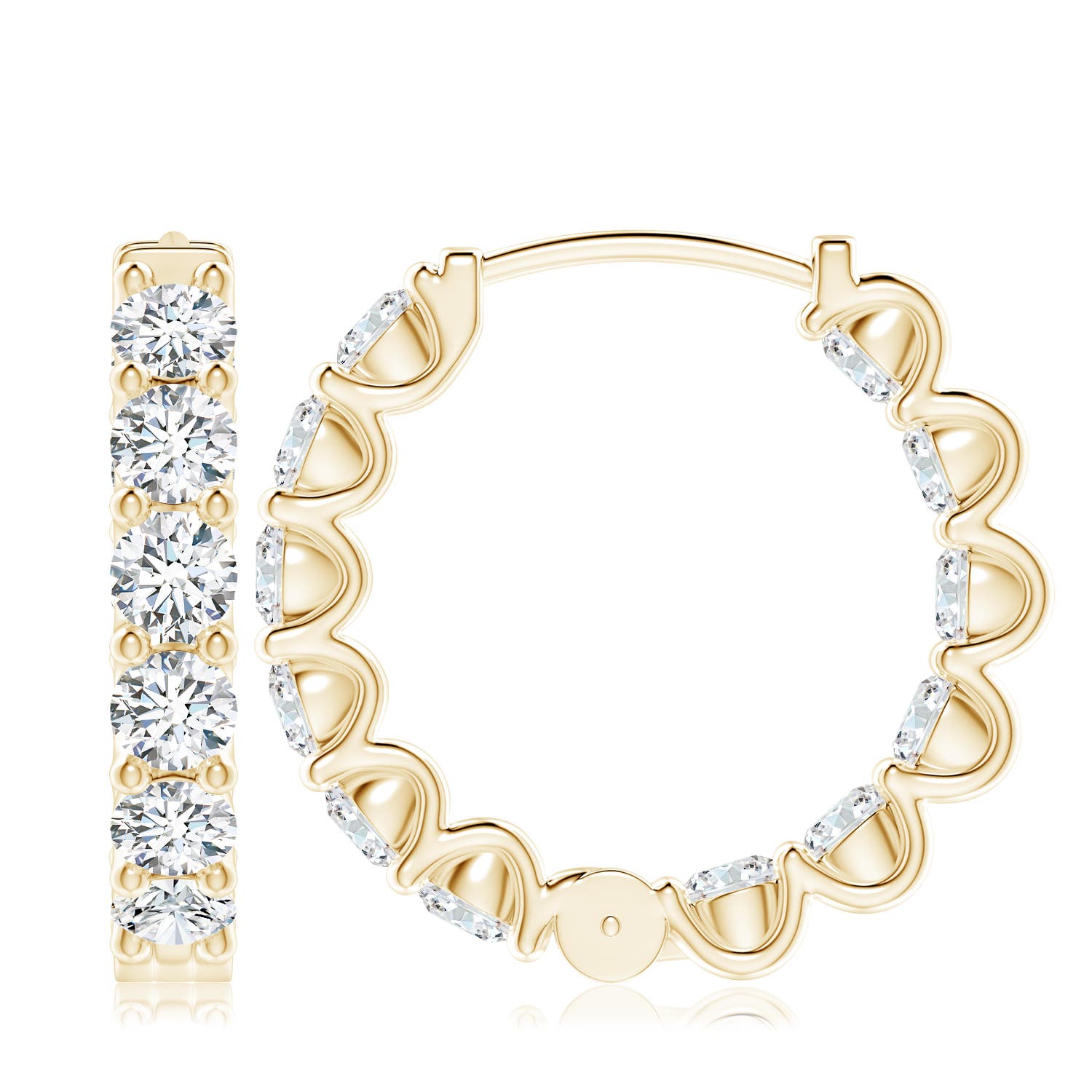
- Lab-Grown Prong-Set Round Diamond Inside Out Hinged Clip Hoop Earrings$5,903 $6,559


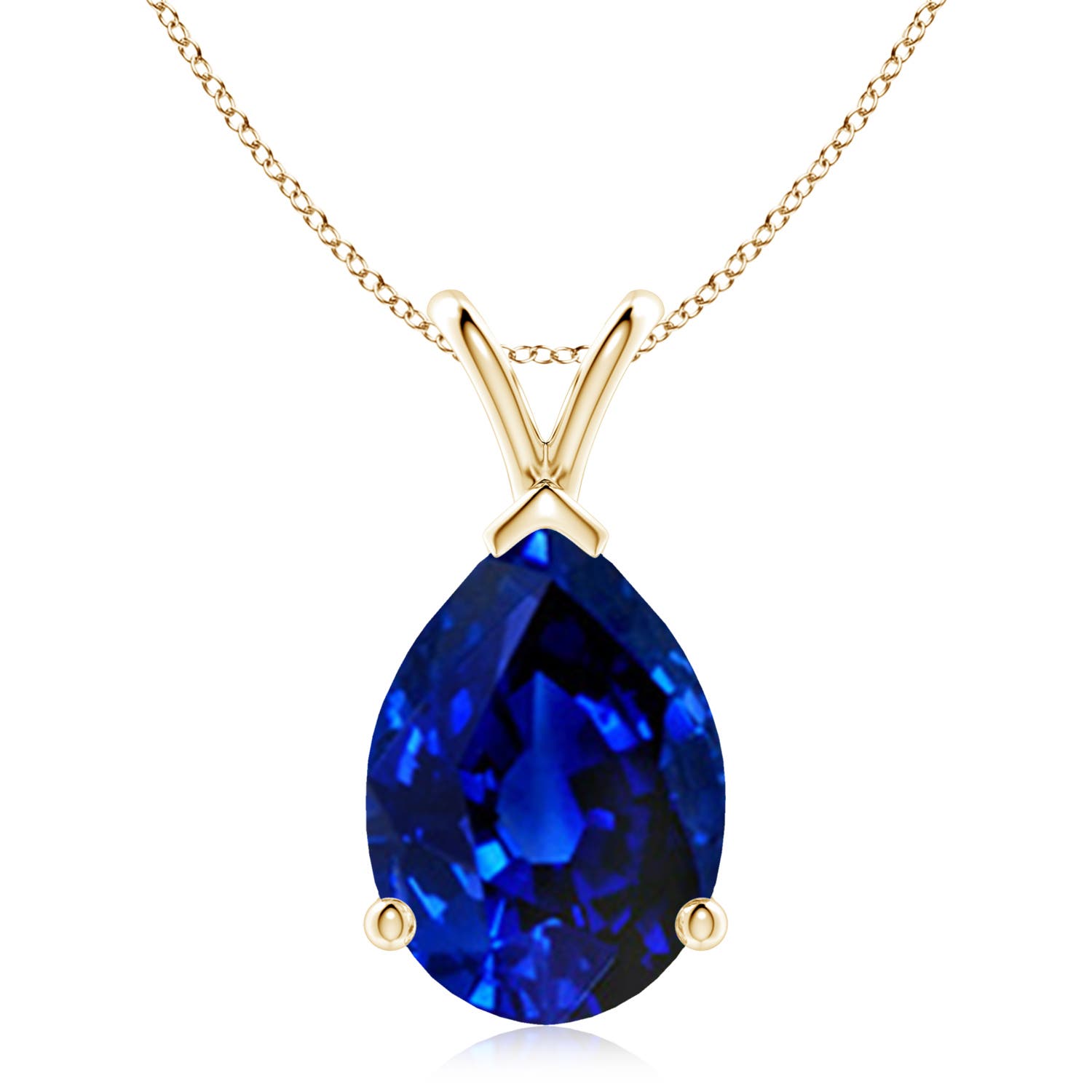
- Lab-Grown V-Bale Pear-Shaped Blue Sapphire Solitaire Pendant$2,681 $2,979


- Prong-Set Emerald-Cut Lab-Grown Emerald Solitaire Pendant$1,574 $1,749


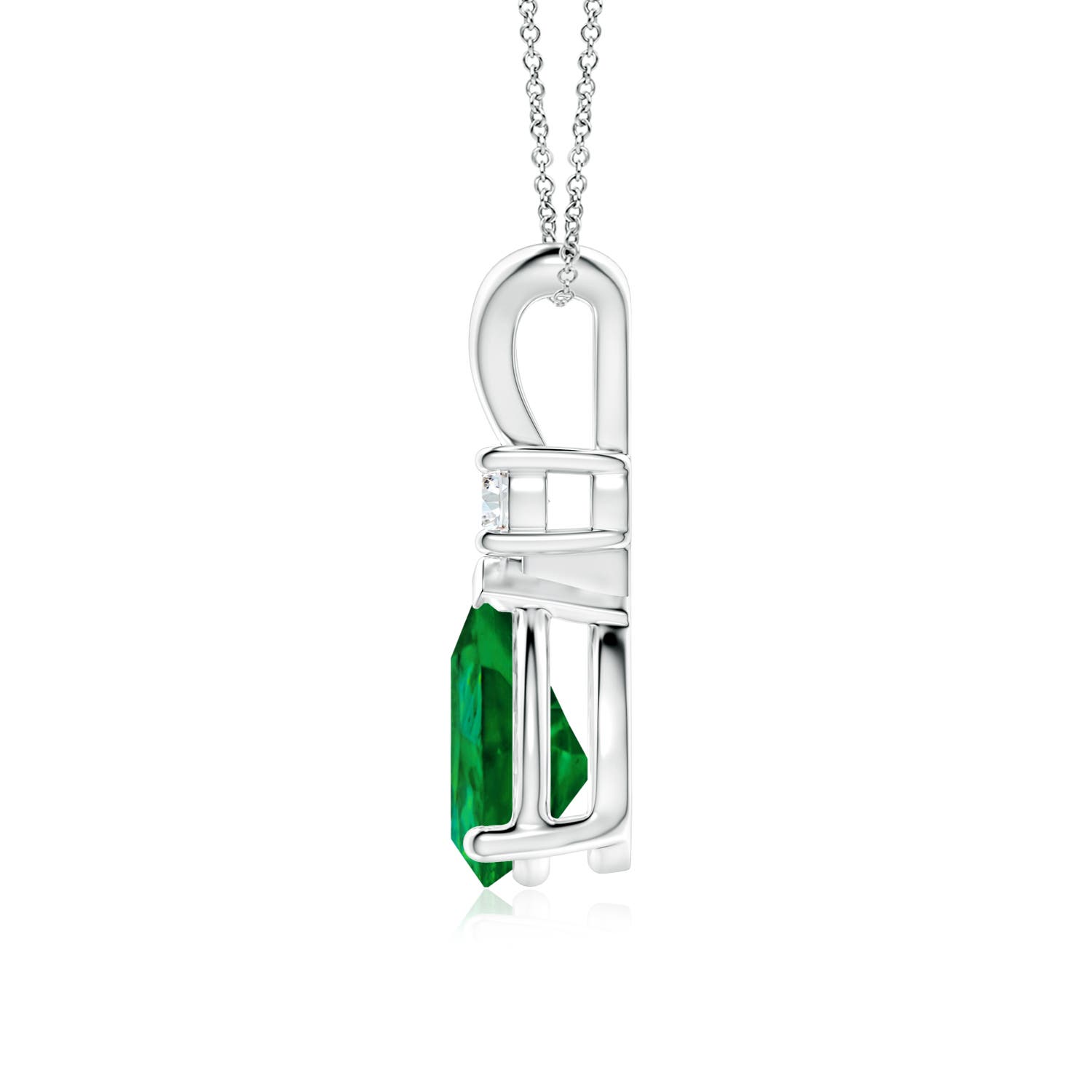
- Prong-Set Lab-Grown Ruby Teardrop V-Bale Pendant with Diamond$1,808 $2,009


- Prong-Set Round Lab-Grown Diamond Solitaire V-Bale Pendant$5,003 $5,559


- Alternating Oval Blue Sapphire and Round Diamond Tennis Bracelet$8,576 $9,529


- Pear and Marquise Emerald Olive Branch Bracelet$1,844 $2,049


- Prong-Set Round Ruby Link Tennis Bracelet$9,899 $10,999


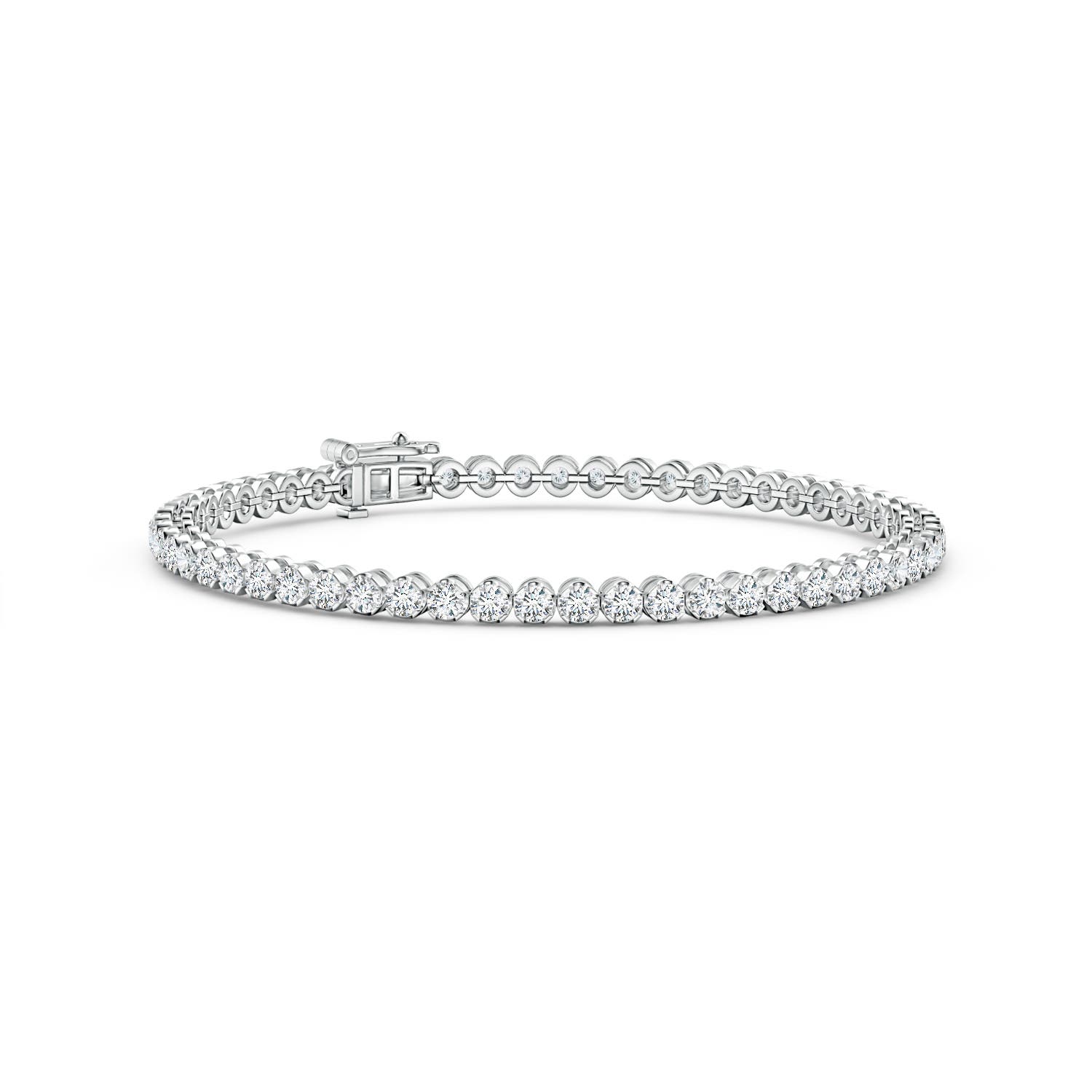
- Classic Round Diamond Tennis Bracelet$24,848 $27,609











So, what actually changes inside the gemstone?
In sapphire, heat can alter or dissolve microscopic rutile inclusions known as silk and change how trace elements within the crystal interact with light. Depending on the stone, this can strengthen color and improve apparent transparency.
Aquamarine responds differently. Heating can reduce its green or yellow components, leaving a clearer blue appearance. In tanzanite, heat reduces the brown, yellow-green tones often present in the rough, bringing its blue and violet colors forward.
In simple terms, heat treatment does not add color to the surface of a gemstone. It changes conditions within the stone that affect the color and clarity you see.
Which Gemstones Are Commonly Heat Treated?
Heat treatment appears across several well-known colored gemstones, but it does a different job in each one.
| Gemstone | What Heat Can Change | How Common Is It? | Mohs Hardness |
|---|---|---|---|
| Sapphire | Can deepen or alter color, reduce silk and improve transparency | Very common. GIA says a large amount of sapphire on the market receives heat or diffusion treatment | 9 |
| Ruby | Can reduce purplish or bluish tones and alter inclusions to improve apparent color and clarity | Very common. GIA advises buyers to assume ruby is heated unless reliable documentation says otherwise | 9 |
| Tanzanite | Reduces brown or yellow-green components to emphasize blue and violet | Routine. GIA says most tanzanite receives heat treatment | 6–7 |
| Aquamarine | Removes part of the green component for a bluer appearance | Commonly encountered and widely accepted | 7.5–8 |
| Citrine | Heating certain amethyst can produce yellow to orange citrine | Very common. GIA says most citrine on the market results from heating | 7 |
| Topaz | Heat can intensify some pink colors. Blue topaz generally receives irradiation followed by heat | Combination treatment is widespread for blue topaz | 8 |
One distinction matters here: heat-only treatment is not the same thing as diffusion, fracture filling, coating or irradiation. With blue topaz, for instance, irradiation commonly creates the color center and subsequent heating helps produce the final blue. Sapphire lattice diffusion also uses heat, but it introduces color-causing elements into the stone, so gemological reports distinguish it from conventional heat-only treatment.
You can read more in our gemstone jewelry buying guide.
Does Heat Treatment Affect a Gemstone's Value?
Yes, heat treatment can affect a gemstone’s value, especially for ruby and sapphire, but it does not automatically make a gemstone less valuable. Color, clarity, cut, carat weight, origin, rarity and the type of treatment all influence what a gemstone is worth.
For fine-quality ruby and sapphire, an unheated gemstone of comparable quality can command a premium because naturally strong color and clarity without heat treatment are rarer. An independent laboratory report confirming no evidence of heat can therefore add to its rarity and value.
A heat-treated gemstone can still be highly valuable. In fact, GIA recognizes heating as an accepted treatment for sapphire. A richly colored, well-cut heated sapphire may be more desirable than an unheated stone with weaker color, poorer clarity or an inferior cut.
The type of treatment matters too. Conventional heat treatment is different from treatments such as lattice diffusion or glass filling, which can have a greater effect on value.
| Value Factor | Heat-Treated Gemstone | Unheated Gemstone |
|---|---|---|
| Treatment status | Shows evidence of conventional heating | Shows no evidence of heat treatment |
| Rarity | More commonly available, particularly in ruby and sapphire | Fine-quality unheated ruby and sapphire are rarer |
| Value | Can still command significant value based on overall quality | Comparable fine-quality stones may command a premium |
| Lab report | May identify evidence of heating | Can confirm no evidence of heat |
| What matters most | Color, clarity, cut, carat weight, origin and treatment type | Color, clarity, cut, carat weight, origin and rarity |
So, unheated does not automatically mean better and heat-treated does not mean low quality. Treatment status is one factor in gemstone value, and it makes the most sense when considered alongside the quality of the stone itself.
Is a Heat-Treated Gemstone Still Real?
Yes, a natural heat-treated gemstone is still a real, natural gemstone. Heat treatment may change its color or clarity, but it does not change where the gemstone came from or turn it into a lab-grown stone.
The distinction is simple. Natural describes a gemstone’s origin, while heat-treated describes a process applied after it formed. A lab-grown gemstone, by comparison, grows in a controlled laboratory environment rather than in the earth. GIA reports these separately, identifying whether a gemstone is natural or laboratory-grown and noting any detectable treatments.
So, a natural sapphire that has been heated is still a natural sapphire. It is simply a treated natural gemstone, rather than an untreated one.
At Angara, we make treatment details clear so you can understand exactly what you are buying. Traditional treatments such as heat do not make a natural gemstone fake, but knowing whether a stone has been treated gives you important context about its rarity, value and care.
Is Gemstone Heat Treatment Permanent?
Yes, conventional gemstone heat treatment is permanent under normal wear and care. The changes heat creates in a gemstone’s color or clarity are stable, so they do not simply fade, wash away or wear off over time.
This is one reason heat-treated gemstones such as sapphire and tanzanite are widely accepted in fine jewelry. Unlike a surface coating, conventional heat treatment changes the gemstone internally rather than adding a temporary layer to its surface.
Permanent, however, does not mean damage-proof. Extreme heat and sudden temperature changes can still harm certain gemstones, so their individual care requirements still matter.
How Can You Tell If a Gemstone Has Been Heat Treated?
You usually cannot tell if a gemstone has been heat treated just by looking at it. For a reliable answer, gemologists examine the stone under magnification and use laboratory testing to look for evidence of heating.
In sapphire and ruby, heat can alter internal features such as rutile silk, mineral inclusions and fractures. These microscopic changes may give a trained gemologist important clues.
When more testing is needed, laboratories such as GIA use spectroscopy, ultraviolet examination and high-magnification microscopy to identify heat-related features that are invisible to the naked eye.
A GIA Colored Stone Identification Report can state whether detectable treatment is present. At Angara, we also make treatment information clear so you know what you are buying, while a Certificate of Authenticity provides details about your gemstone and jewelry.
If treatment status is important to rarity or value, an independent gemological report is the most reliable way to confirm it.
Read: GIA-Certified Gemstones
Do Sellers Have to Disclose Gemstone Heat Treatment?
In the United States, sellers must disclose gemstone heat treatment when it is not permanent, requires special care or significantly affects the stone’s value. A treatment can therefore require disclosure even when its effects are permanent.
For jewelry sold online, relevant treatment information should appear in the product description before purchase. The goal is simple: you should know about any treatment that could affect the gemstone’s value or care before you buy it.
How Should You Care for a Heat-Treated Gemstone?
The safest way to care for a heat-treated gemstone depends on the gem itself, not heat treatment alone. Some stones tolerate steam or ultrasonic cleaning, while others can crack from heat or sudden temperature changes.
For example, conventionally heat-treated sapphire can usually handle steam and ultrasonic cleaning. Tanzanite and topaz need gentler care.
- Start with warm, soapy water. It is a safe cleaning option for commonly heat-treated gemstones including sapphire, ruby, tanzanite, aquamarine, citrine and topaz.
- Avoid sudden temperature changes. Tanzanite, citrine and topaz can fracture from thermal shock.
- Mention the gemstone before any jewelry repair. A jeweler's torch can expose the stone to intense heat, so the jeweler needs to know what gem and treatments they are working with.
- Check for other treatments too. Fracture filling, coatings or dyes may require different cleaning and repair precautions.
When in doubt, use warm water, mild soap and a soft cloth rather than steam or ultrasonic cleaning. For more information, you can also explore our Jewelry Care and Cleaning Guide.
FAQs
1. Are heat-treated gemstones real?
Yes, heat-treated gemstones are real natural gemstones. Heat can change qualities such as color or clarity, but it does not turn a mined gemstone into a synthetic or lab-grown stone.
2. Are heat-treated gemstones less valuable?
Heat-treated gemstones can be less valuable than comparable unheated stones, especially fine ruby and sapphire. Unheated gems may command a premium because high-quality material with no evidence of heat is rarer.
3. Is heat treatment permanent in gemstones?
Yes, gemstone heat treatment is permanent under normal wear and care. The color or clarity changes created by conventional heating do not simply fade, wash away or wear off.
4. Can you tell if a gemstone has been heat treated?
No, you usually cannot identify a heat-treated gemstone by eye alone. Gemological laboratories examine inclusions and use specialized testing to look for evidence of heating.
5. Why are gemstones heat treated?
Gemstones are heat-treated mainly to improve or alter their color and clarity. For example, heat can strengthen blue in sapphire, reduce green tones in aquamarine and bring out the blue-violet color associated with tanzanite.
6. Are heat-treated gemstones good to buy?
Yes, heat-treated gemstones can be a good choice when the treatment is properly disclosed. Heat treatment is widely accepted for gemstones such as sapphire, ruby and tanzanite, so focus on overall quality, treatment disclosure and reliable certification where relevant.
You may also like

Ring Size Chart: How to Find Your Perfect Fit at Home
20 Mar, 2024
Gems Price Chart Ranked by Value
18 Nov, 2023
How to Test Gold at Home
5 Jan, 2023
Ruby vs Garnet: What’s the Difference?
13 Dec, 2018
Everything You Need to Know About Blue Gemstones
1 Dec, 2023
Best Crystals for Protection: Meaning & How to Use
16 Dec, 2022
How to Tell if a Gemstone Is Real
20 Dec, 2022
Colored Gemstone Size Chart: MM, Carat & Dimensions
14 Aug, 2024
11 Ways to Keep Your Ring From Spinning
19 Jan, 2024



Shop Our Bestsellers
- Prong-Set Lab-Grown Emerald Teardrop V-Bale Pendant with Diamond$2,099


- Solitaire Oval Opal Split Shank Ring with Trio Diamonds$1,619

- Lab-Grown Prong-Set Round Diamond Inside Out Hinged Clip Hoop Earrings$1,429
- V-Bale Pear-Shaped Garnet Solitaire Pendant$749

- Lab-Grown Princess Diana Inspired Blue Sapphire Engagement Ring with Lab Diamond Halo$4,869


- Lab-Grown Classic Round Diamond Tennis Bracelet$2,739


- Heart Lab-Grown Diamond Solitaire Pendant$1,459


- Prong-Set Emerald-Cut Lab-Grown Emerald Solitaire Pendant$1,639
- Lab-Grown Basket-Set Solitaire Diamond Stud Earrings$2,129


- Heart-Shaped Aquamarine Infinity Pendant with Diamond Accents$1,969





Featured In
What Customers Are Saying
Verified Reviews
The sparkle!!
Oct 08, 2026I love my ring so much! It is just like the picture and has so much sparkle and shine! I had to return the first ring because I didn't get my size right. The customer service was so helpful and made it easy to exchange. I'm so happy with it! Would definitely order again.
Kristan S.
Fabulous ring
Oct 08, 2026Elegant and stylish - the cut and color are beautiful. I love wearing it and get so many compliments.
Emily H.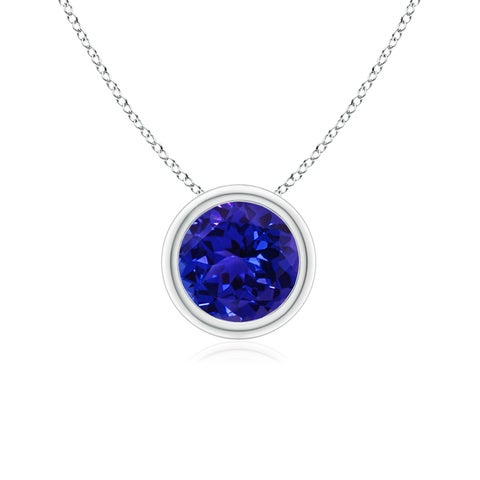
So beautiful!!
Oct 08, 2026Super fast shipping. It’s so helpful to have the stone grades side by side. Love!!!!
Mary N.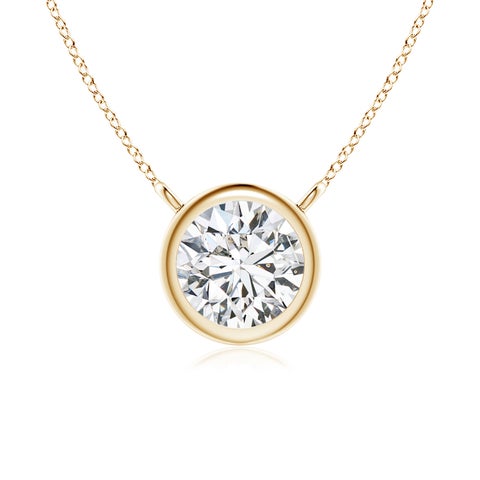
Trustworthy Shop, Nice Art
Oct 08, 2026Ordered two necklaces. Delivery was promt. Pieces of good craftsmanship. Unfortunately not exactly what I was looking for. Pictures online (AI) differ slightly but noticeably from product.
Kilian R.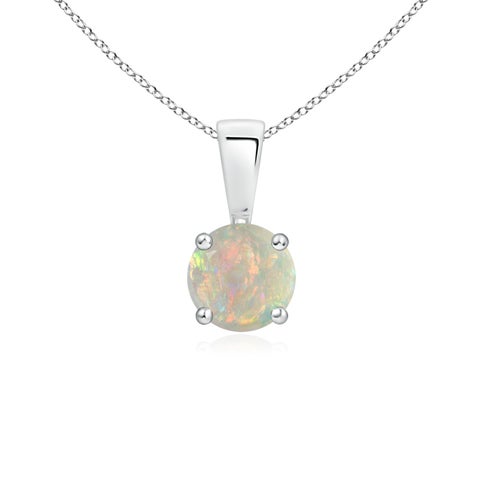
S/O loved it!
Oct 07, 2026She hasn’t taken this off since I gave it to her She says its easily her newest favorite piece of jewelry
Seth T.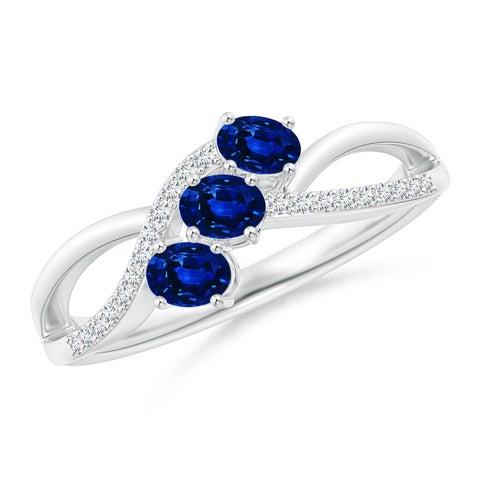
One very satisfied customer
Oct 07, 2026I bought a Sapphire Three Stone Bypass Ring for my wife to mark her 80th birthday.. She could not have been happier with her gift. he wears it on the middle finger of her left hand. It is eye-catching with understated elegance!. AJ
ALAN J.
Yes i love it
Oct 07, 2026It’s beautiful
Xander V.
51 year anniversary
Oct 07, 2026Great quality materials, design and workmanship.
Jolynn K.
Beautiful ring, excellent customer service
Oct 06, 2026The ring arrived far earlier than expected, a beautiful piece very well presented. Unfortunately I decided it was not the right ring for my partner but the customer service team went above and beyond to make everything right. I cannot recommend Angara highly enough and will definitely use them again!
Jonathan L.