Vintage vs. Antique Engagement Rings: How to Choose the Right Style
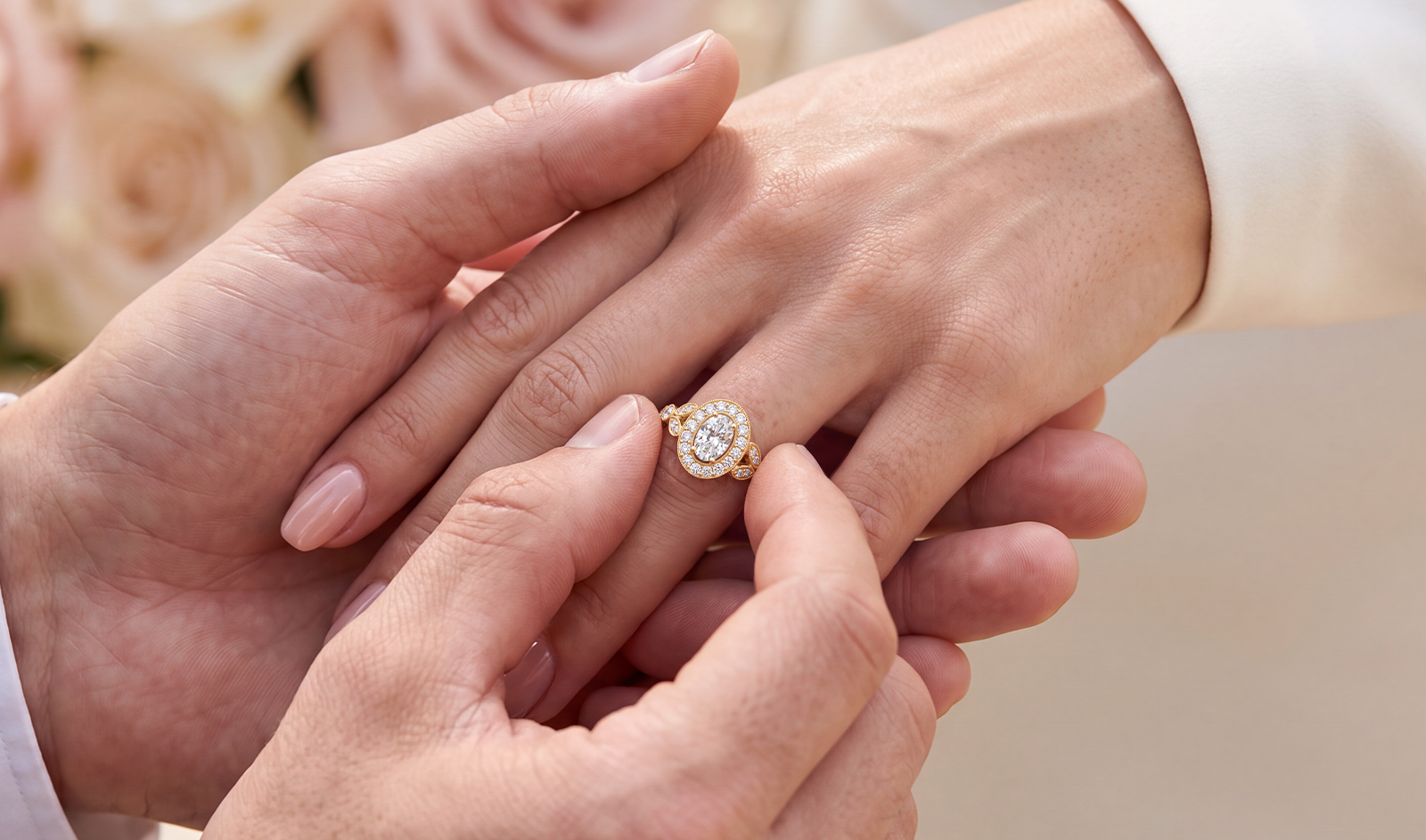
Vintage vs. antique engagement rings are having a major moment, especially as celebrities embrace old-world designs with a story. From Taylor Swift’s antique-inspired ring to Zendaya’s vintage-style east-west design, distinctive, heirloom-like jewelry is proving that timeless can be anything but ordinary.
The key difference comes down to age: an antique engagement ring is 100 years or older, while a vintage ring is generally 20–99 years old. Both offer unique craftsmanship, history and character that set them apart from modern, cookie-cutter jewelry. So, which style is right for you? Let’s find out.
What Is a Vintage Engagement Ring?
Vintage rings sit between antiques and modern jewelry—old enough to carry genuine character and craftsmanship, distinct enough that no two pieces tell quite the same story.
- Age: Vintage rings generally date from the 1920s through the early 2000s, though most jewelry experts define true vintage as pieces from 1975 or earlier. This spans everything from Jazz Age glamour to Mid-Century minimalism.
- Craftsmanship: Made using semi-manual and early industrial techniques, vintage rings sit between fully handcrafted and modern mass production—artisanal enough in detail to feel considered, consistent enough in construction to wear confidently.
- Gemstone Cuts: Vintage rings feature cuts that evolved with production technology. Old European cuts—the predecessor to the modern round brilliant—appear most in pieces from the 1890s through the early 1920s. Art Deco rings (1920–1935) leaned toward geometric cuts like emerald and baguette shapes. Mid-century pieces (1950–1970) largely popularized the modern round brilliant. Older cuts produce a softer, broader light pattern compared to the sharp flash of contemporary cutting.
- Availability: More plentiful than antique rings, with a wider range of styles and price points to choose from. For those who want the look without the limitations of an original, vintage-inspired and vintage-style designs offer the same aesthetic with greater accessibility.
- Wearability: Most vintage rings handle daily wear well, with construction sturdy enough for everyday life without requiring specialist care.
- Design Variety: Encompasses multiple distinct eras—Art Deco's geometric boldness, Retro's romantic curves, Mid-Century's clean lines—each with unmistakable visual language.
Shop Vintage-Inspired Engagement Rings
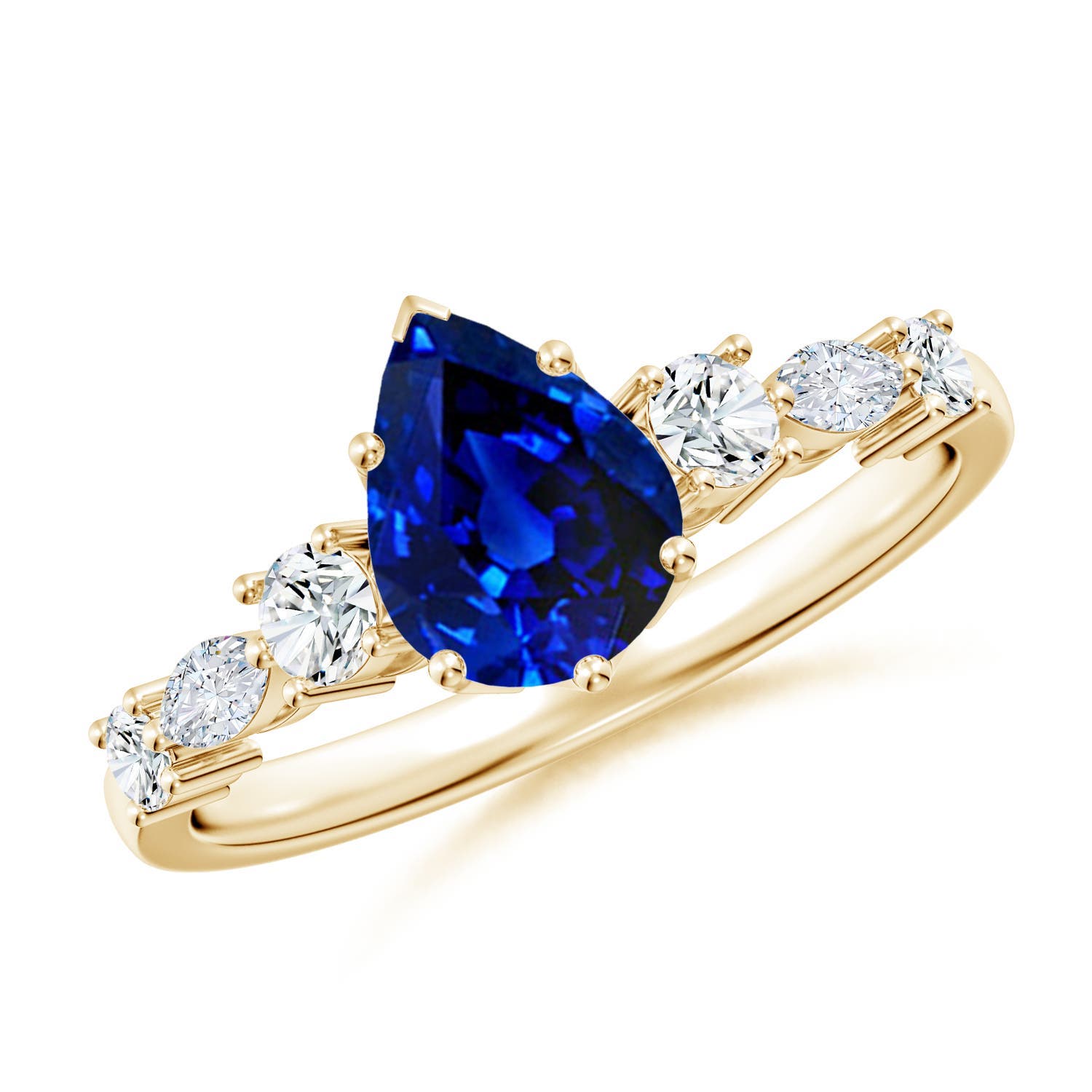
- Vintage Inspired Princess-Cut Diamond Engagement Ring with Scrollwork$2,249 $2,499


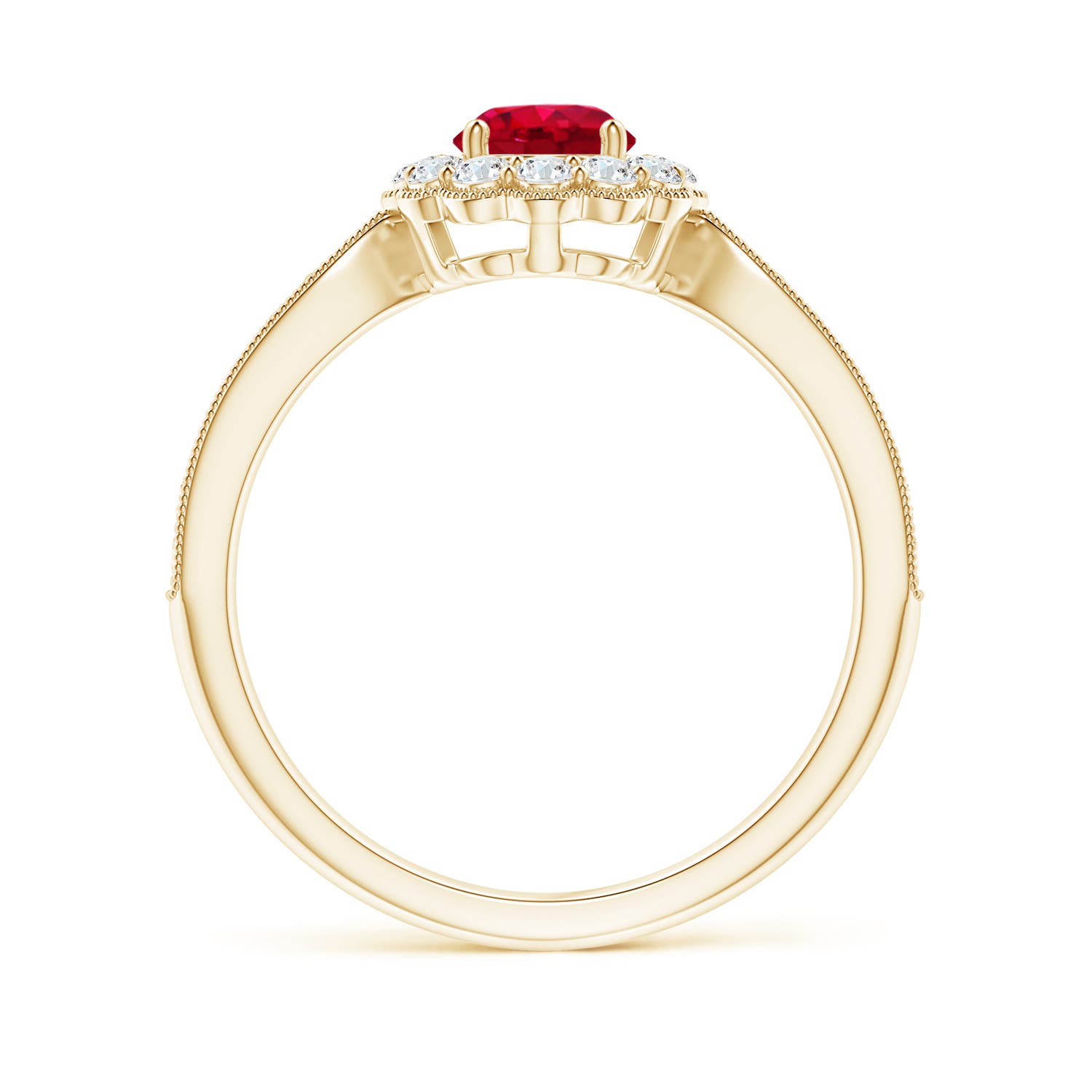
- Vintage Inspired Ruby Milgrain Engagement Ring with Diamond Halo$2,663 $2,959


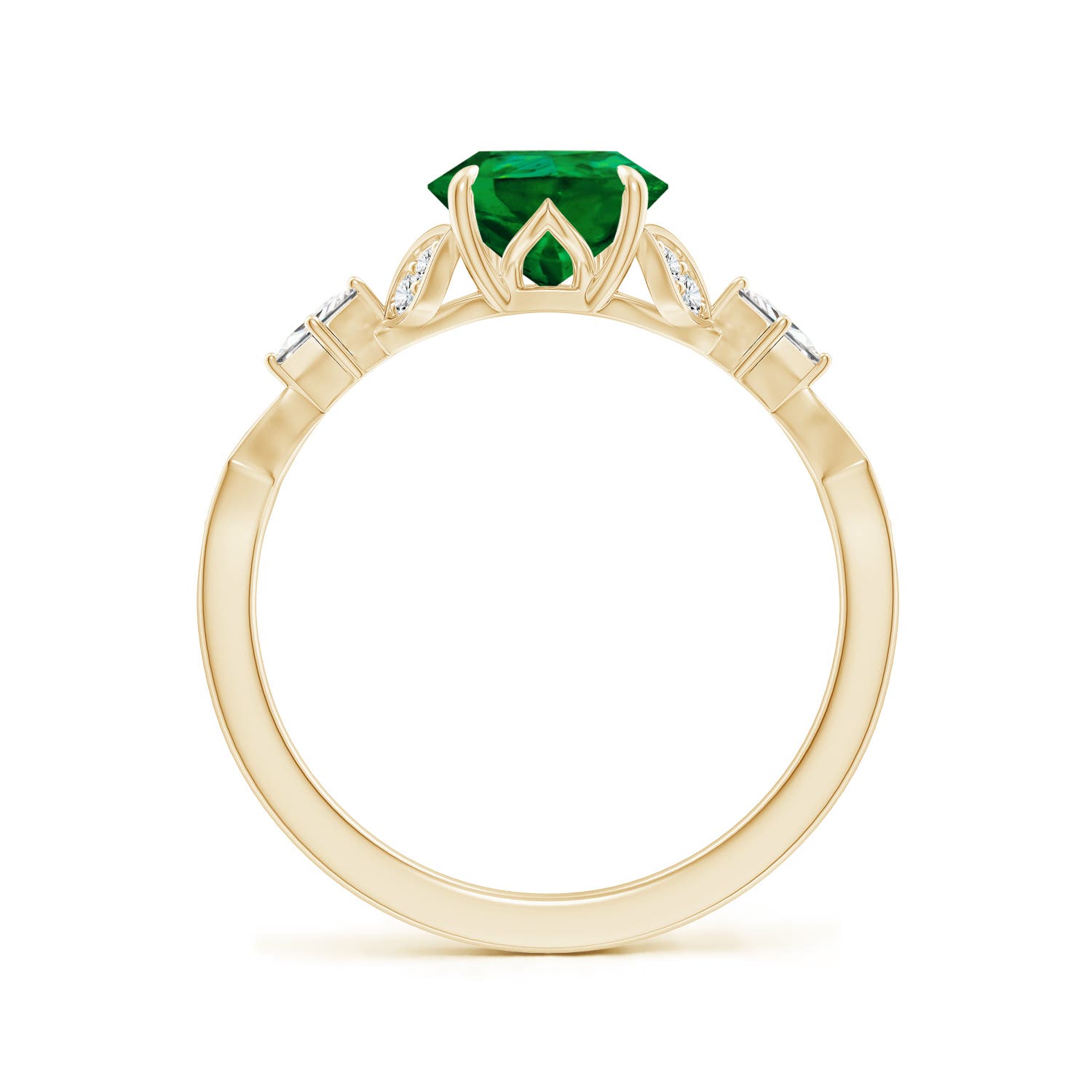
- Lab-Grown Vintage Style Pear Emerald Engagement Ring with Leaf Motifs$1,583 $1,759


- Aeon Vintage Style Sapphire Halo Leaf & Vine Engagement Ring with Milgrain$3,419 $3,799


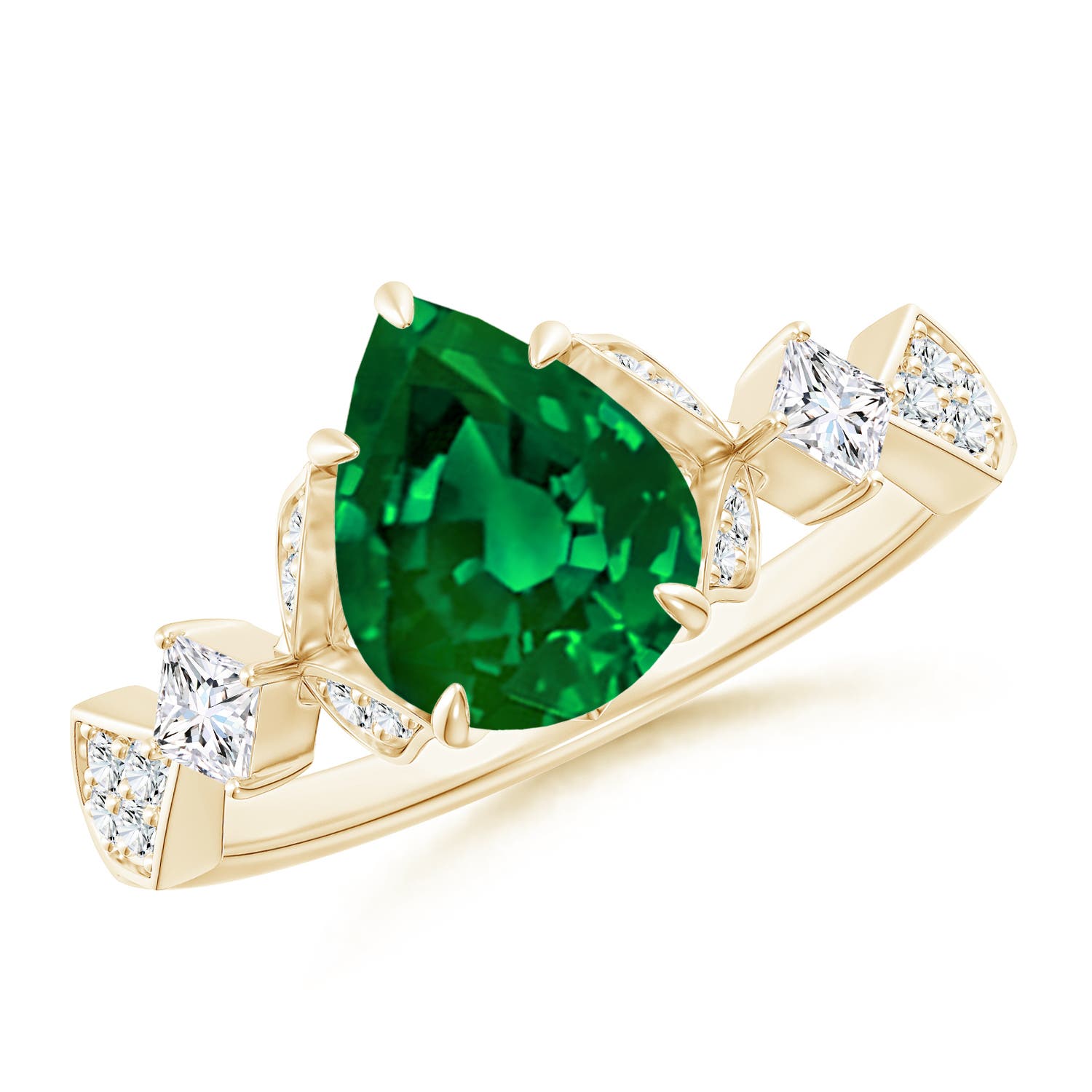


What Is an Antique Engagement Ring?
True antique rings are rarer, older and require a different set of expectations than vintage pieces. These are pieces with genuine historical significance and provenance spanning generations.
- Age Definition: Antique rings are 100 years old or older by definition, spanning the Georgian (1714–1837), Victorian (1837–1901) and Edwardian (1901–1910) eras—each with its own distinct aesthetic and approach to design.
- Craftsmanship: Made entirely by hand before modern manufacturing existed, every detail was created individually by an artisan. Slight irregularities in the metalwork or stone setting are signs of authenticity rather than flaws—they're what makes each piece genuinely one of a kind.
- Gemstone Cuts: Antique rings feature historic cuts—old mine, old European and rose cuts—that produce a softer, broader light return than modern brilliant cuts. The effect is less geometric flash and more of a subtle, luminous glow that's distinctive to the era.
- Rarity & Uniqueness: Fewer pieces survived, making genuine antique rings increasingly scarce. Each is irreplaceable—and with diminishing supply, well-preserved examples tend to hold their value strongly over time.
- Delicacy Consideration: Many are more delicate and require protective settings or limited everyday wear. This isn't a flaw—it's a characteristic you accept when choosing an antique.
- Historical Significance: Each antique ring is a product of its time—Georgian restraint, Victorian romanticism, Edwardian delicacy. Wearing one is wearing a piece of history.
Shop Antique Style Engagement Ring


Vintage vs. Antique Engagement Rings: The Difference At a Glance
Beyond age, the practical differences affect how you'll wear and care for your ring. Understanding these distinctions helps you make an informed choice.
| Factor | Antique | Vintage |
|---|---|---|
| Age & Time Period | Pre-1920s; Georgian, Victorian, Edwardian | 1920s-early 2000s; Art Deco, Retro, Mid-Century |
| Construction | Entirely hand-made with potential irregularities | Semi-manual techniques, more uniform results |
| Gemstone Cuts | Old mine, old European, rose cuts—soft glow | Mix of old and modern cuts; varied light patterns |
| Durability for Daily Wear | Varies by piece; some wear well daily, others benefit from occasional use | Generally sturdy; suitable for everyday wear |
| Pricing | Premium due to rarity | Accessible to mid-range |
| Availability | Scarce; limited selection | More plentiful; wider variety of styles |
| Care Requirements | Specialized care; professional restoration may be needed | Standard jewelry maintenance sufficient |
| Investment Value | Appreciate over time due to scarcity | Appreciation depends on rarity and condition |
KEY CLARIFICATION: Estate jewelry is a broad term meaning any pre-owned ring (antique, vintage or modern). "Period" pieces showcase distinct era characteristics—these overlap with both vintage and antique categories.
Popular Eras of Vintage vs Antique Engagement Rings and Their Signature Styles
Each era has an unmistakable design language. Knowing these helps you identify what appeals to you and verify authenticity.
| Category | Era | Time Period | Signature Characteristics |
|---|---|---|---|
| Antique | Georgian | 1714–1830 | Closed-back settings, rose cuts, intricate metalwork, often heavily gemstone-focused |
| Antique | Victorian | 1837–1901 | Romantic, ornate, nature-inspired motifs, mixed metals, gemstone layering |
| Antique | Edwardian | 1901–1910 | Refined, lacy, lightweight despite intricate details, platinum rise, delicate filigree |
| Antique / Vintage | Art Deco | 1920–1935 | Geometric, angular, bold, symmetrical patterns, architectural precision, mixed stones |
| Vintage | Retro | 1935–1950 | Glamorous, romantic, sculptural, yellow and rose gold dominance, chunky designs |
| Vintage | Mid-Century Modern | 1945–1969 | Clean, minimalist, architectural, focus on the diamond itself, simple solitaires |
How to Choose the Right Vintage Design Ring for Your Style
Vintage and antique rings reward a little extra care — the older the piece, the more specific its needs.
- Examine Durability: Antique pieces can have worn prongs or fragile thin bands requiring reinforcement. Have a qualified jeweler inspect structural integrity before committing. Some rings benefit from minor restoration; others are fine as-is.
- Inspect the Stones: Older cuts (like old mine cuts) glow with softer, warmer candlelit sparkle rather than intense geometric flash. This is a feature, not a flaw. Under natural and artificial lighting, examine how the stone performs. Some find this character more romantic than modern cuts.
- Consider Sizing Limits: Highly intricate hand-engraved shanks or specific antique metals can sometimes be difficult or impossible to resize safely. Always confirm resizing is possible before purchasing, especially if uncertain about current size.
- Match the Era to Personality: Choose bold, geometric Art Deco for a glamorous look, or romantic Victorian yellow gold for a sentimental, nature-inspired feel. Your vintage and antique engagement rings should align with how you actually style yourself.
- Assess Daily Practicality: Inspect prongs and stone stability with a trusted jeweler. Softer stones or delicate filigree may need gentle treatment or protective settings for everyday wear.
- Check Resizing Limits: Confirm the band can be safely resized without harming original side metalwork, engravings or setting integrity.
Antique rings sometimes have thinner prongs or more delicate settings that need reinforcing before everyday wear, while vintage and vintage-inspired pieces tend to offer sturdier construction straight away.
- Aeon Vintage Style Solitaire Sapphire Filigree Engagement Ring$3,014 $3,349


- Vintage Style Cushion Rectangular Diamond Engagement Ring with Leaf Motifs$17,405 $19,339


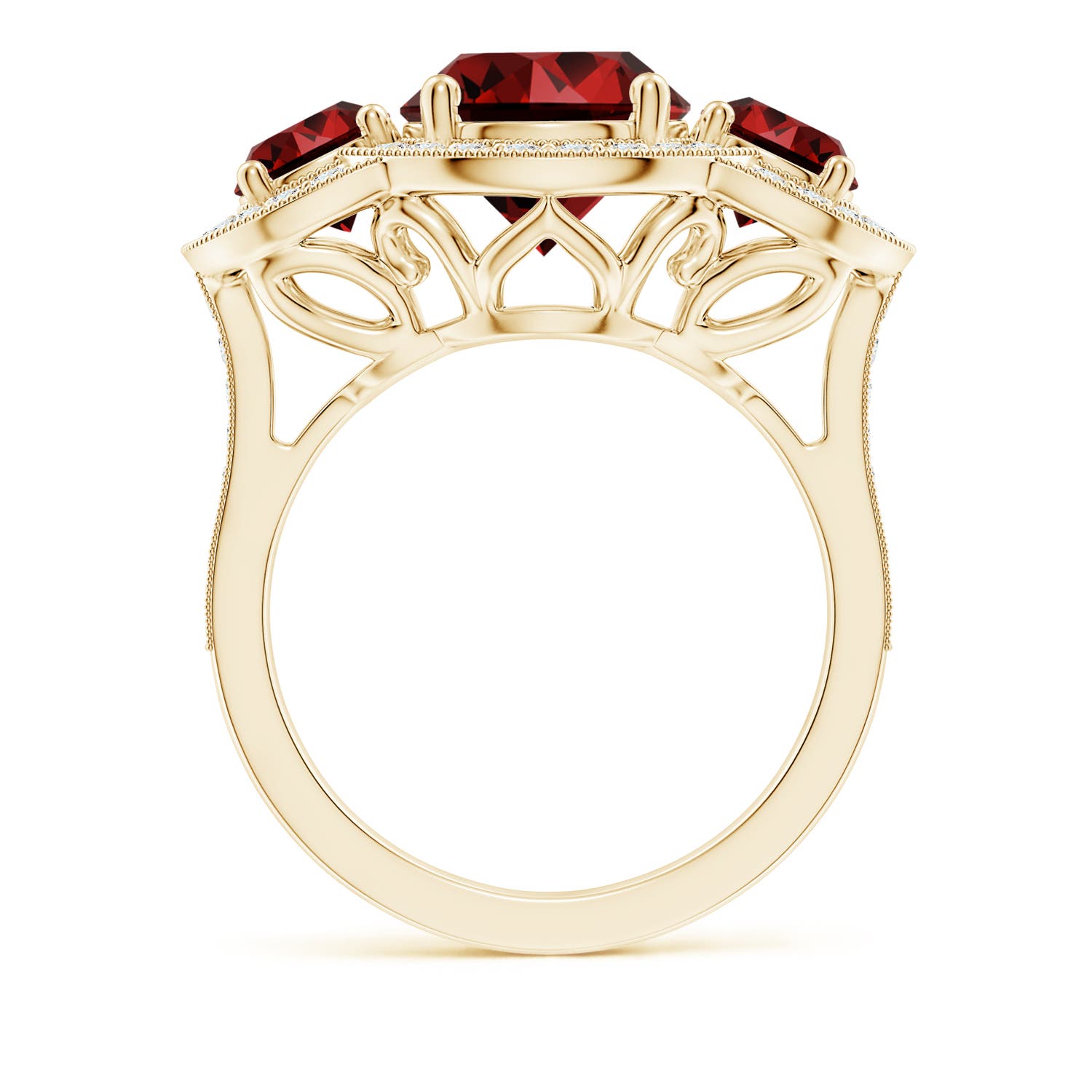
- Lab-Grown Aeon Vintage Inspired Ruby Halo Three Stone Engagement Ring with Milgrain$4,472 $4,969


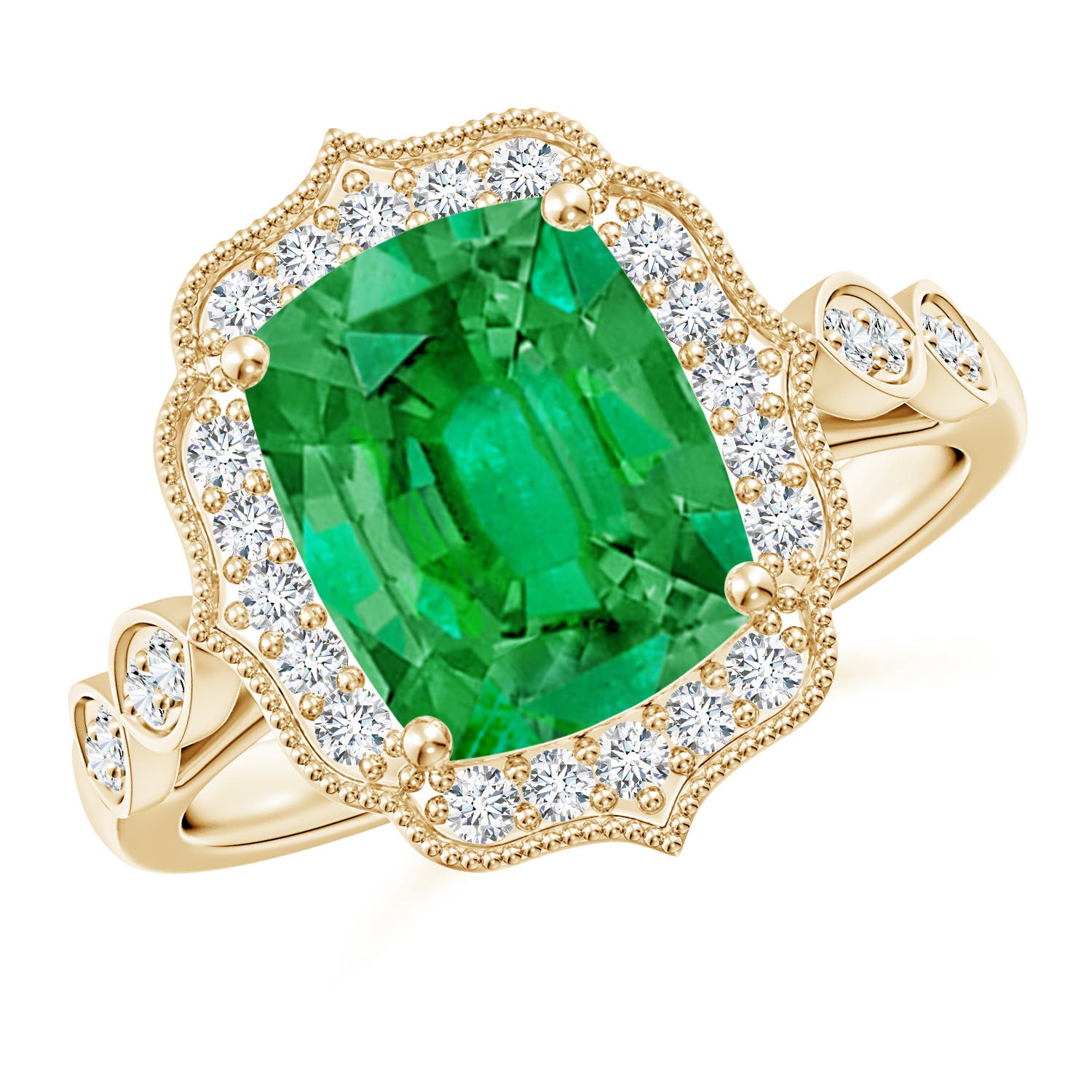
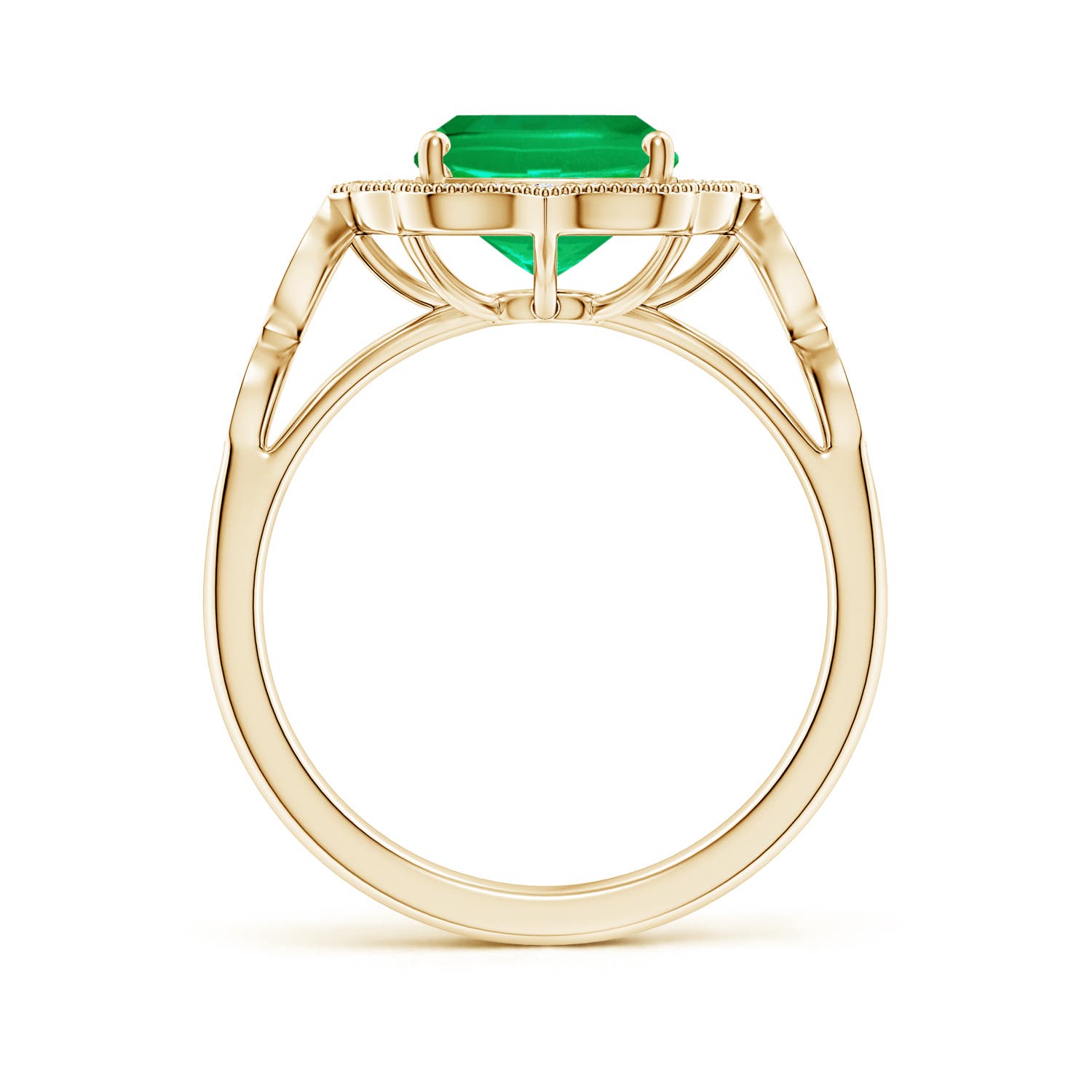
- Vintage Inspired Cushion Rectangular Emerald Ornate Halo Engagement Ring$19,655 $21,839


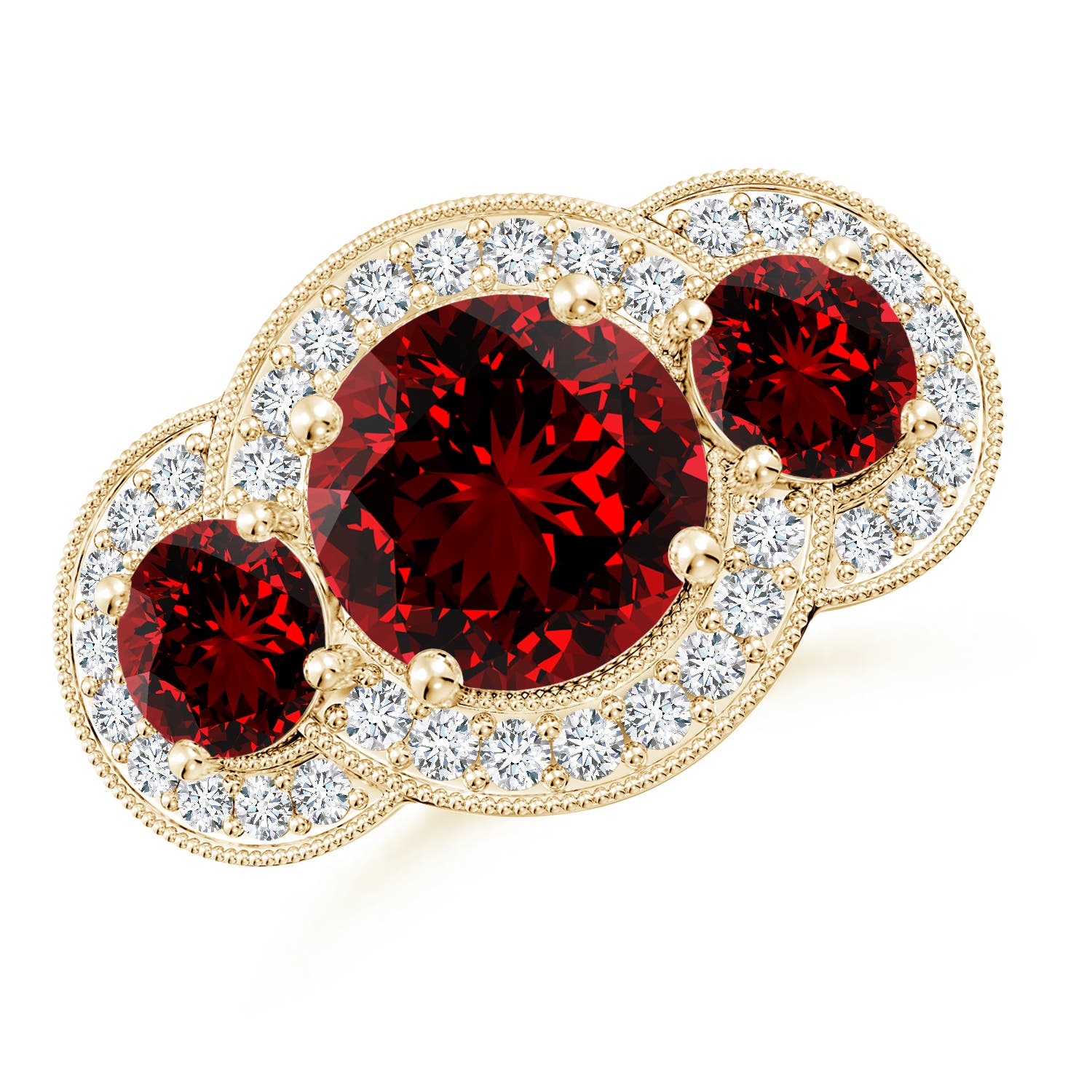
Caring for Vintage and Antique Rings
Vintage and antique rings reward a little extra care—the older the piece, the more specific its needs.
- Gentle Cleaning: Warm soapy water and a soft cloth work for most pieces. Avoid ultrasonic cleaners—they can damage delicate settings or loosen stones.
- Professional Inspection: Have settings checked annually. Worn or weakened prongs are the most common cause of stone loss in older rings.
- Storage: Keep in individual soft pouches, away from harder gemstones that could scratch delicate metalwork or filigree.
- Wear Considerations: Remove during activities involving impact or harsh chemicals. Delicate antique settings benefit from occasional rest.
- Restoration vs. Authenticity: Not every imperfection needs fixing—patina and wear can add value. Consult a specialist before any restoration work.
- Prong & Setting Security: Antique settings can weaken over time. Regular checks catch issues early, before a stone is at risk.
Choosing vintage and antique engagement rings means investing in pieces with genuine history, exceptional craftsmanship and individual character. Understanding the practical benefits—from durability to investment value—helps you commit to this choice confidently.
At Angara, we celebrate authenticity and exceptional craftsmanship in every piece. Whatever era you're drawn, our vintage-inspired and Art Deco-inspired engagement rings capture the character and craftsmanship of the past, made to be worn and loved today. If you've been drawn to this style, our collection is a place to start finding the one that feels like yours.
FAQs
1. Are vintage engagement rings in style?
Absolutely—and the interest is growing. More couples are choosing vintage and antique rings for their craftsmanship, character and the sense of history they carry. It's less about trend and more about wanting something meaningful over a mass-produced design.
2. Can I wear an antique engagement ring every day?
It depends on the ring's condition and construction. Some antique rings handle daily wear well; others are better suited to occasional use. Have a jeweler assess it first—in many cases, reinforcing the prongs or adding a protective band makes everyday wear perfectly feasible.
3. What should I look for when buying an antique engagement ring?
It varies widely based on era, rarity, condition and materials. Vintage rings can often be found at or below the cost of a comparable new ring, while true antiques command higher prices due to scarcity. If budget is a consideration, vintage-inspired designs offer the same aesthetic at a more accessible price point—without the uncertainty that can come with buying an original.
4. How much more does a vintage or antique engagement ring cost?
Pricing varies widely based on era, rarity, condition, and materials. Generally, vintage rings sit at a similar price point to comparable new rings, while antiques carry a premium for their scarcity and historical significance. For those who love the look but want more predictable pricing, vintage-inspired designs are worth considering.
5. Can vintage and antique rings be resized?
Usually yes, but it's more complex than resizing a modern ring. Some resize easily; more delicate antiques may need a specialist. Always confirm resizing is possible before purchasing if you're unsure about the fit.
6. Where should I buy a vintage or antique engagement ring?
Reputable specialist dealers, established estate jewelers and major auction houses are the safest options. Look for sellers who provide documentation on era, materials and condition — and avoid private sales without professional verification.
You may also like

10 Creative Ways to Give Her a Promise Ring
2 Jul, 2023
What Is the Meaning of a Black Wedding Ring?
21 Dec, 2023
What Is the Ideal Diamond Size for an Engagement Ring?
16 Oct, 2023
Which Hand and Finger Does a Wedding Ring Go On?
24 Nov, 2023
How to Wear Your Wedding Ring Set: A Guide to Stacking
10 Oct, 2024
Proposing Without a Ring: 7 Romantic Alternatives
20 Aug, 2024
10 Fascinating Egyptian Wedding Traditions
17 May, 2024
Which Hand and Finger Does An Engagement Ring Go On?
13 Oct, 2023
7 Wedding Band Engraving Ideas That Are Super Cute!
26 Aug, 2022


Shop Our Bestsellers
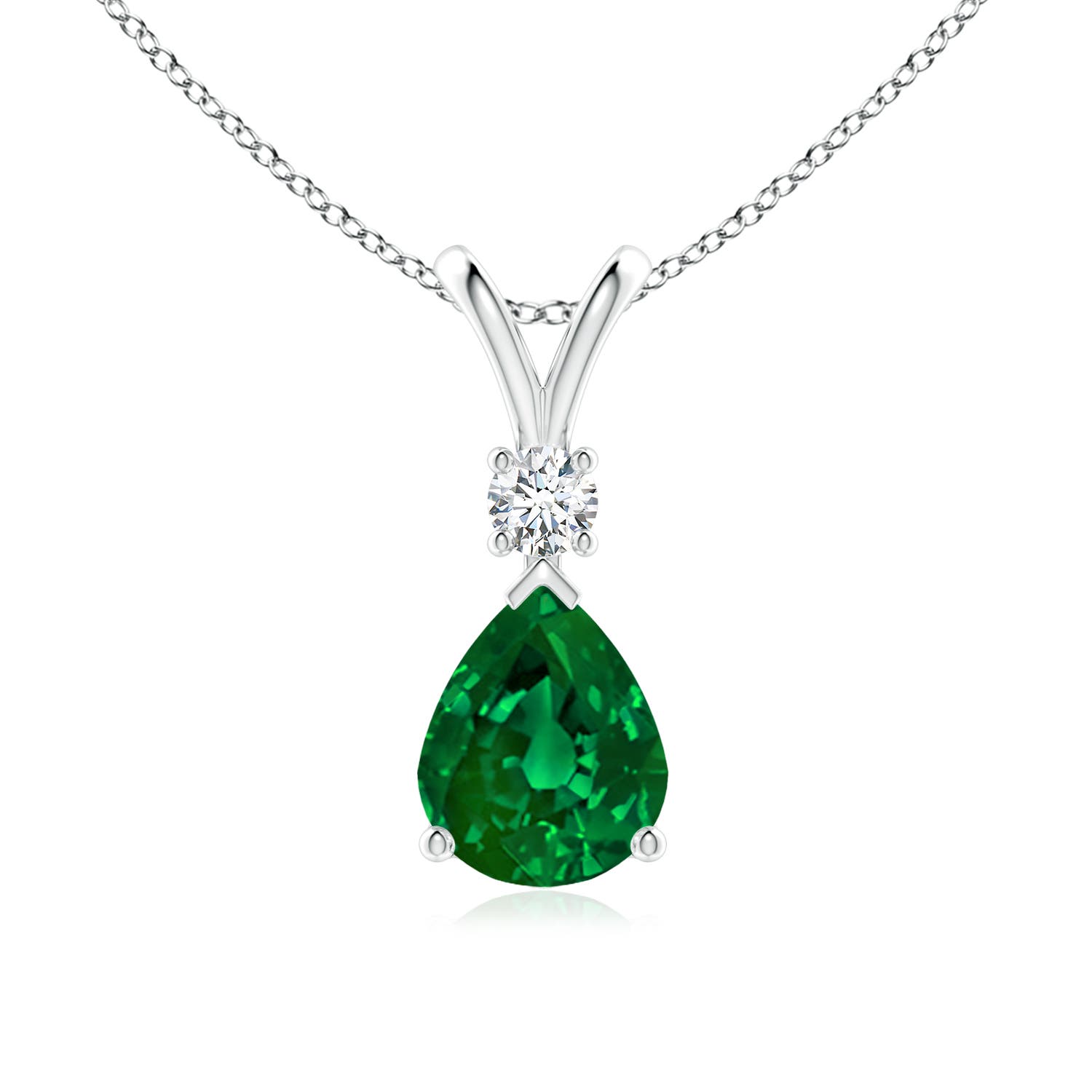
- Prong-Set Lab-Grown Emerald Teardrop V-Bale Pendant with Diamond$2,099


- Solitaire Oval Opal Split Shank Ring with Trio Diamonds$1,619

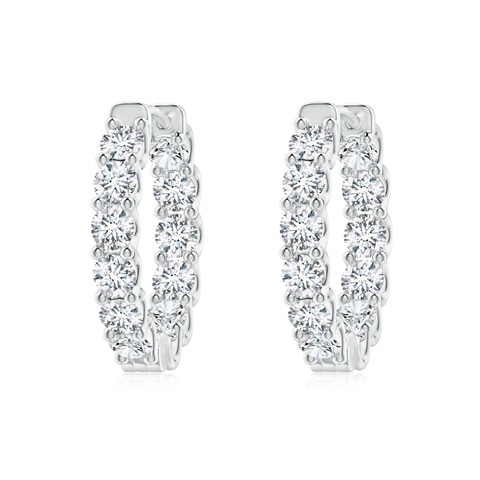
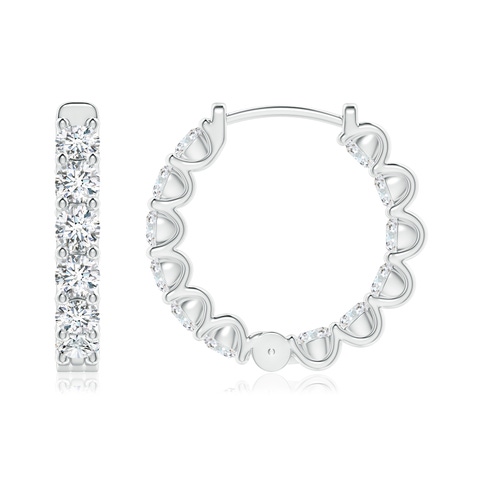
- Lab-Grown Prong-Set Round Diamond Inside Out Hinged Clip Hoop Earrings$1,429
- V-Bale Pear-Shaped Garnet Solitaire Pendant$749

- Lab-Grown Princess Diana Inspired Blue Sapphire Engagement Ring with Lab Diamond Halo$4,869


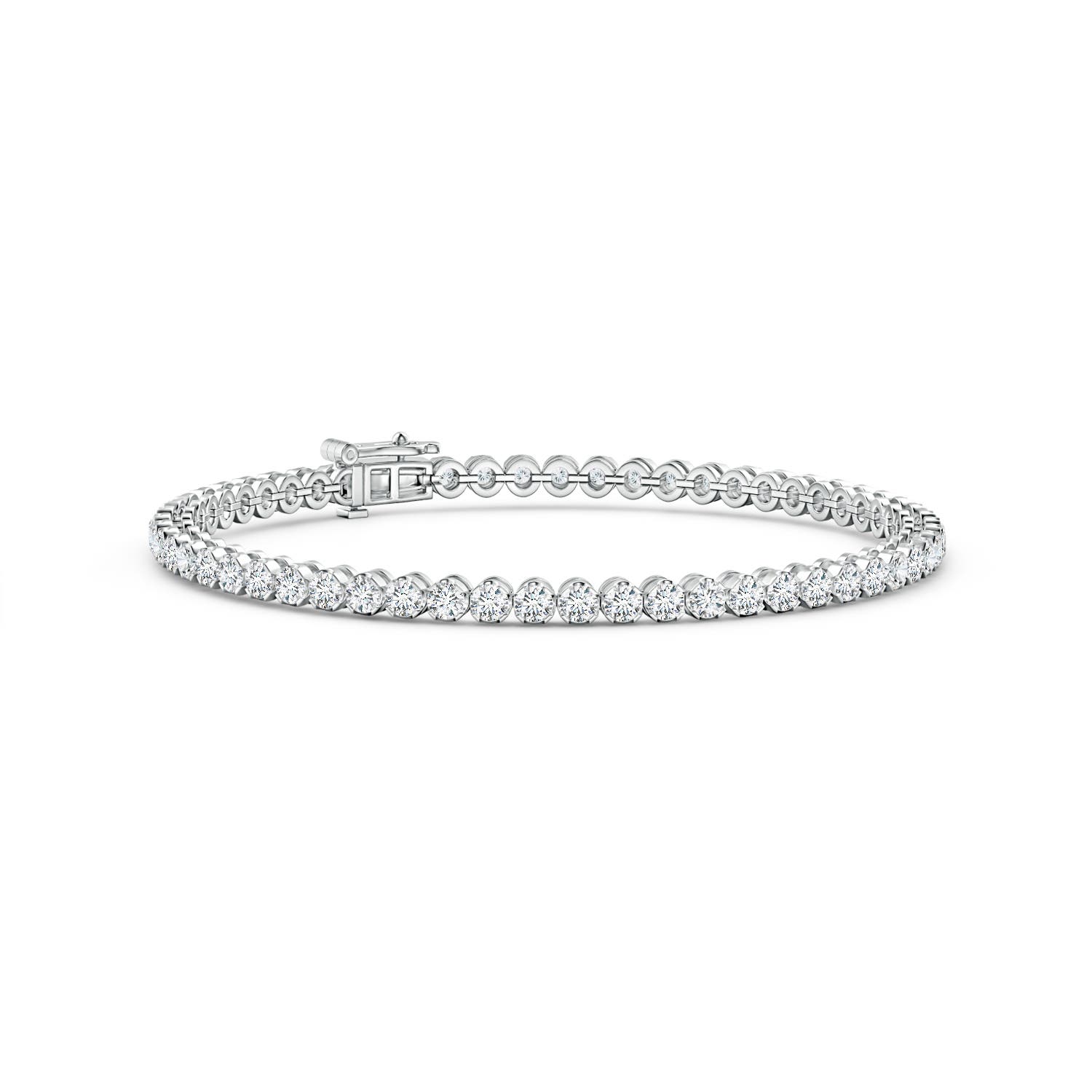
- Lab-Grown Classic Round Diamond Tennis Bracelet$2,739


- Heart Lab-Grown Diamond Solitaire Pendant$1,459


- Prong-Set Emerald-Cut Lab-Grown Emerald Solitaire Pendant$1,639

- Lab-Grown Basket-Set Solitaire Diamond Stud Earrings$2,129


- Heart-Shaped Aquamarine Infinity Pendant with Diamond Accents$1,969





Featured In
What Customers Are Saying
Verified Reviews
The sparkle!!
Oct 08, 2026I love my ring so much! It is just like the picture and has so much sparkle and shine! I had to return the first ring because I didn't get my size right. The customer service was so helpful and made it easy to exchange. I'm so happy with it! Would definitely order again.
Kristan S.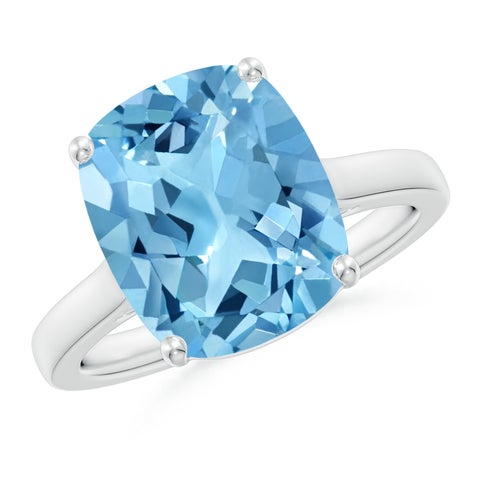
Fabulous ring
Oct 08, 2026Elegant and stylish - the cut and color are beautiful. I love wearing it and get so many compliments.
Emily H.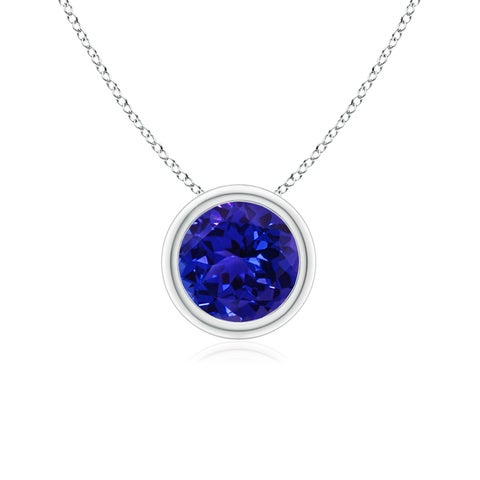
So beautiful!!
Oct 08, 2026Super fast shipping. It’s so helpful to have the stone grades side by side. Love!!!!
Mary N.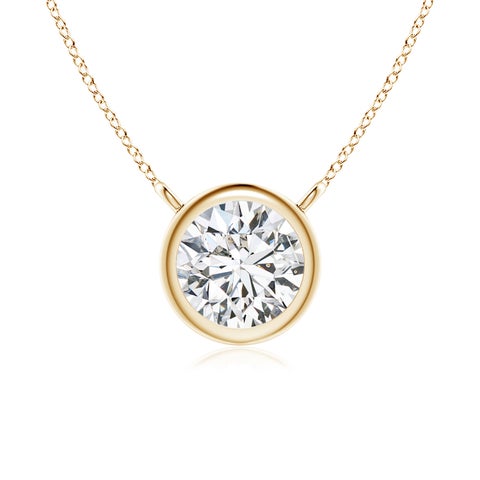
Trustworthy Shop, Nice Art
Oct 08, 2026Ordered two necklaces. Delivery was promt. Pieces of good craftsmanship. Unfortunately not exactly what I was looking for. Pictures online (AI) differ slightly but noticeably from product.
Kilian R.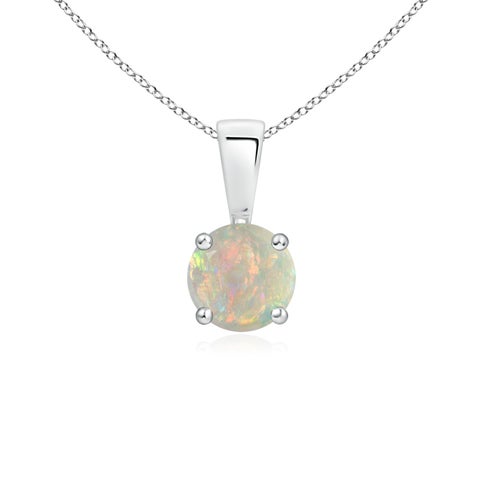
S/O loved it!
Oct 07, 2026She hasn’t taken this off since I gave it to her She says its easily her newest favorite piece of jewelry
Seth T.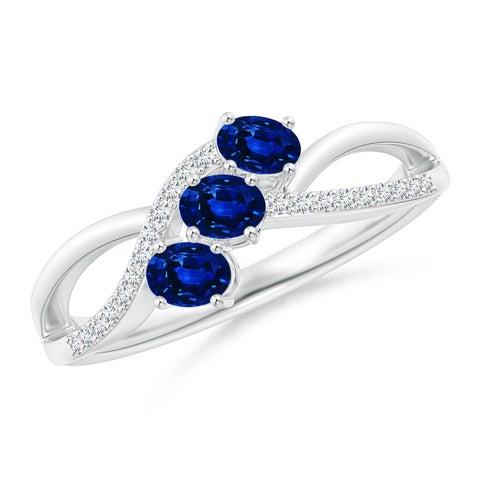
One very satisfied customer
Oct 07, 2026I bought a Sapphire Three Stone Bypass Ring for my wife to mark her 80th birthday.. She could not have been happier with her gift. he wears it on the middle finger of her left hand. It is eye-catching with understated elegance!. AJ
ALAN J.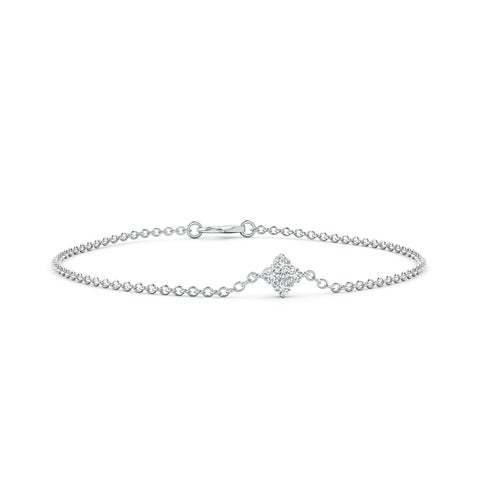
Yes i love it
Oct 07, 2026It’s beautiful
Xander V.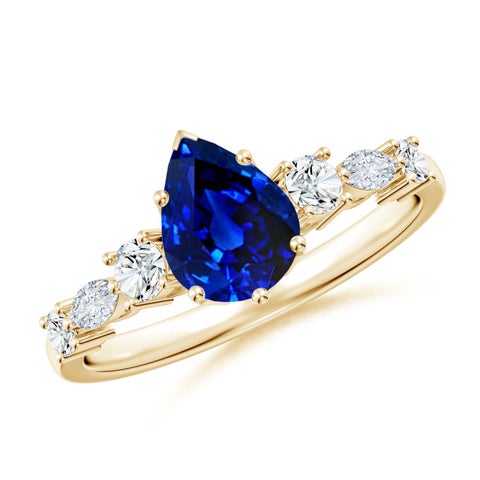
51 year anniversary
Oct 07, 2026Great quality materials, design and workmanship.
Jolynn K.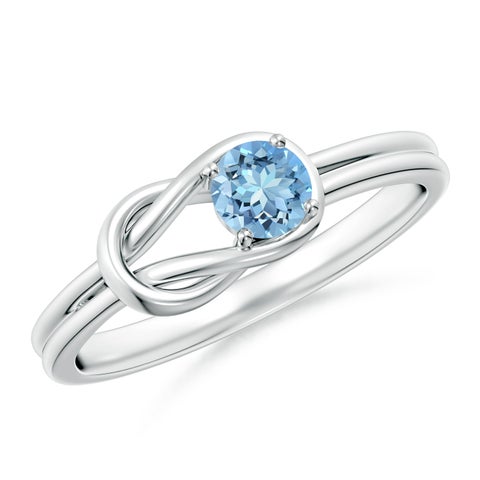
Beautiful ring, excellent customer service
Oct 06, 2026The ring arrived far earlier than expected, a beautiful piece very well presented. Unfortunately I decided it was not the right ring for my partner but the customer service team went above and beyond to make everything right. I cannot recommend Angara highly enough and will definitely use them again!
Jonathan L.