Platinum Wedding and Engagement Rings: How to Choose the Perfect Ring
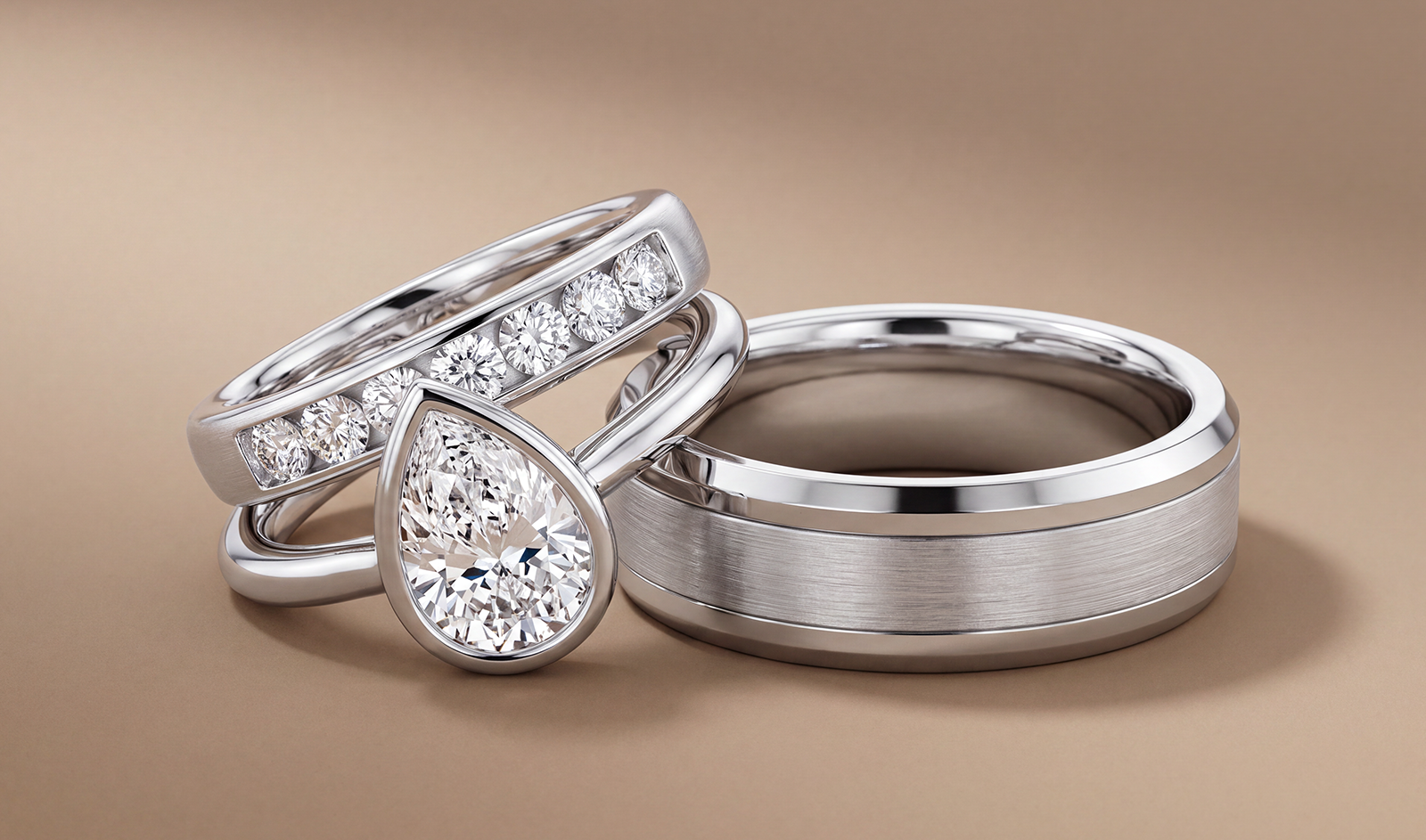
A wedding or engagement ring is more than jewelry—it's something you'll wear through everyday moments and cherish for a lifetime. Platinum makes a timeless choice with its naturally white color, 95% purity, durability and hypoallergenic properties. But here's what makes platinum rings truly special: they're built to last in a way other metals simply can't match.
But how do you choose the right platinum ring? From design and diamond quality to fit, budget, and long-term care, here's what to consider before making your forever choice.
Key Benefits of Choosing a Platinum Wedding and Engagement Ring
Platinum wedding and engagement rings offer practical advantages that go far beyond aesthetics. Understanding these benefits helps you confidently decide on this significant investment.
- Pure & Skin-Friendly: Platinum wedding rings are typically marked as PT950, meaning they contain 95% pure platinum and 5% robust alloys. This exceptional purity makes platinum ideal for sensitive skin.
- Scratches vs. Wear: When platinum scratches, the metal shifts rather than wears away. This means the surrounding material compacts, actually strengthening the setting. Prongs hold diamonds more securely for a lifetime, and your platinum engagement ring maintains structural integrity through decades of daily life.
- Color Integrity: Platinum's brilliant white luster is permanent and never fades or changes color. It highlights the clarity and sparkle of your center diamond without any discoloration, keeping your platinum bridal rings looking exactly as you intended.
Platinum vs White Gold vs Sterling Silver: Which Metal Is Better?
Understanding how platinum compares to other white metals helps you make an informed choice about which metal suits your lifestyle, budget, and aesthetic preferences.
| Factor | Platinum | White Gold | Sterling Silver |
|---|---|---|---|
| Color | Naturally white, permanent | White but yellows over time | Bright white initially |
| Purity | 95% platinum (PT950) | 75% gold (18K) | 92.5% silver |
| Durability | Extremely durable | Durable but softer | Soft, prone to damage |
| Scratching | Scratches displace metal | Scratches remove material | Scratches easily visible |
| Maintenance | Minimal | Regular re-plating needed | Frequent polishing required |
| Rhodium Plating | Not needed | Required every 3-5 years | Not applicable |
| Weight & Feel | Substantial, luxurious | Lighter than platinum | Very light |
| Long-Term Value | Holds value excellently | Good but depreciates | Minimal resale value |
| Price | Highest | Mid-range | Most affordable |
Popular Platinum Engagement Ring Styles
Platinum's durability makes it ideal for intricate designs that might be risky in softer metals. From classic solitaires to elaborate halo settings, platinum handles every aesthetic beautifully. At Angara, you can customize any engagement ring design with platinum as your metal of choice, ensuring your platinum engagement rings match your exact vision without compromise.
-
Solitaire Settings
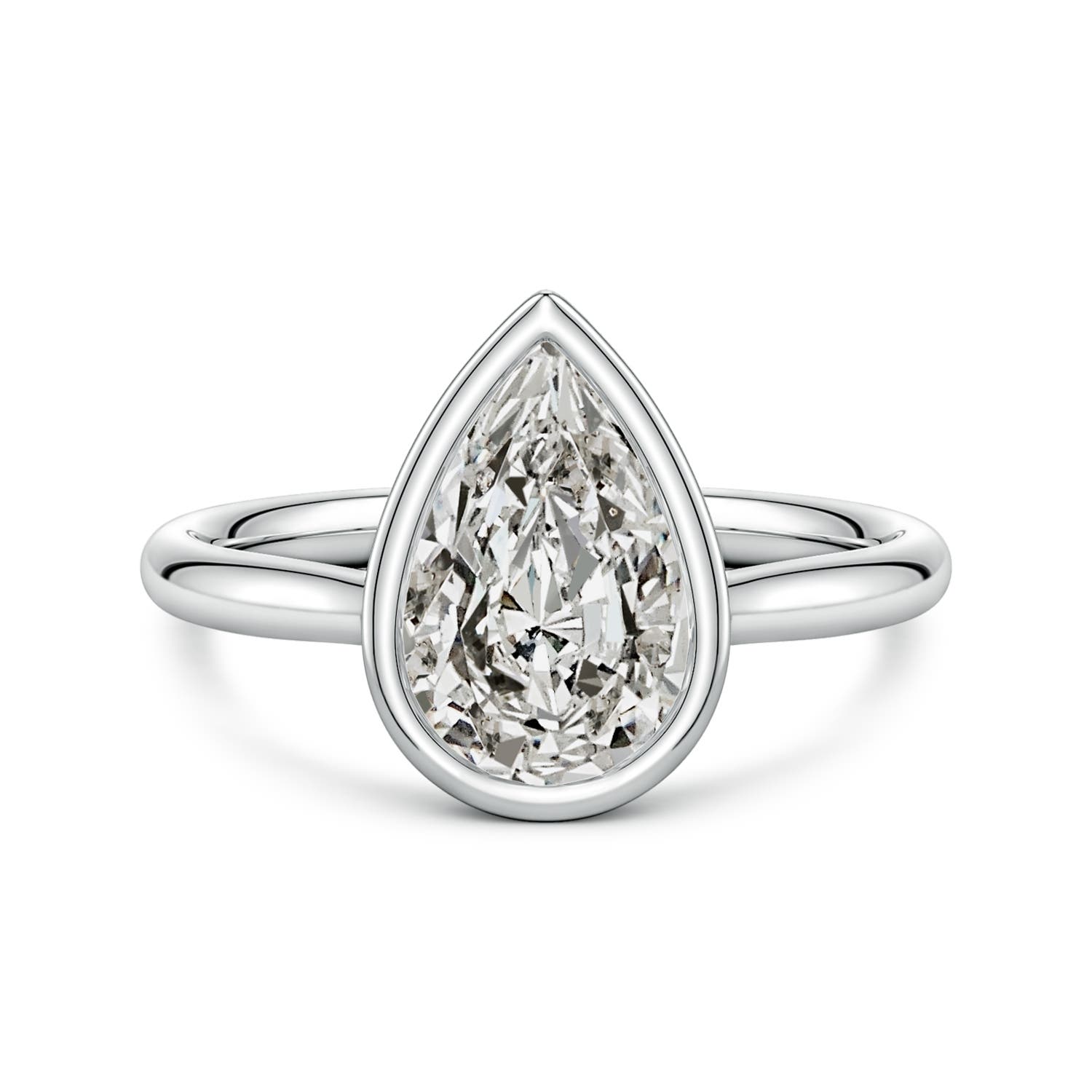
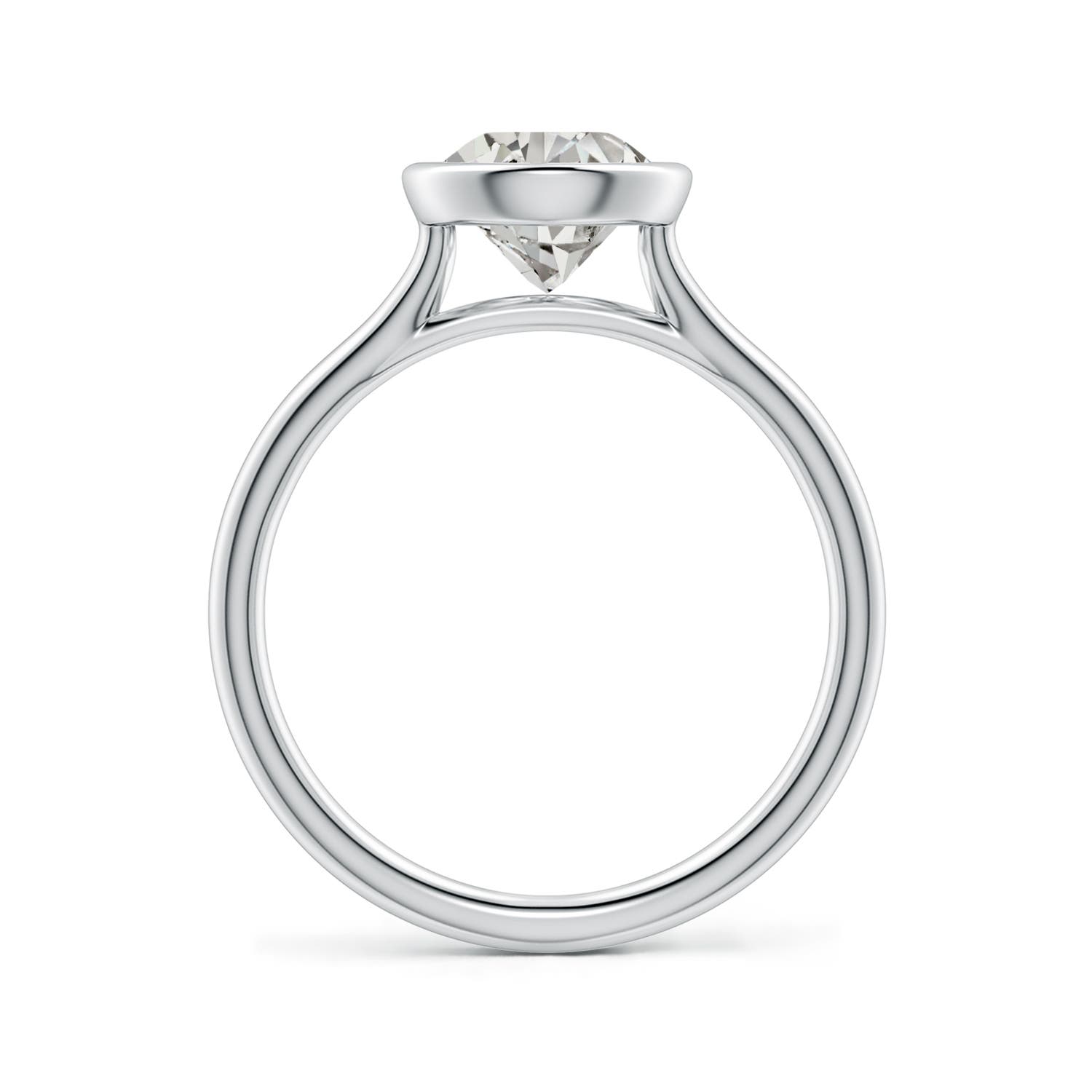
- Bezel-Set Pear Diamond Solitaire Engagement Ring$15,857 $17,619


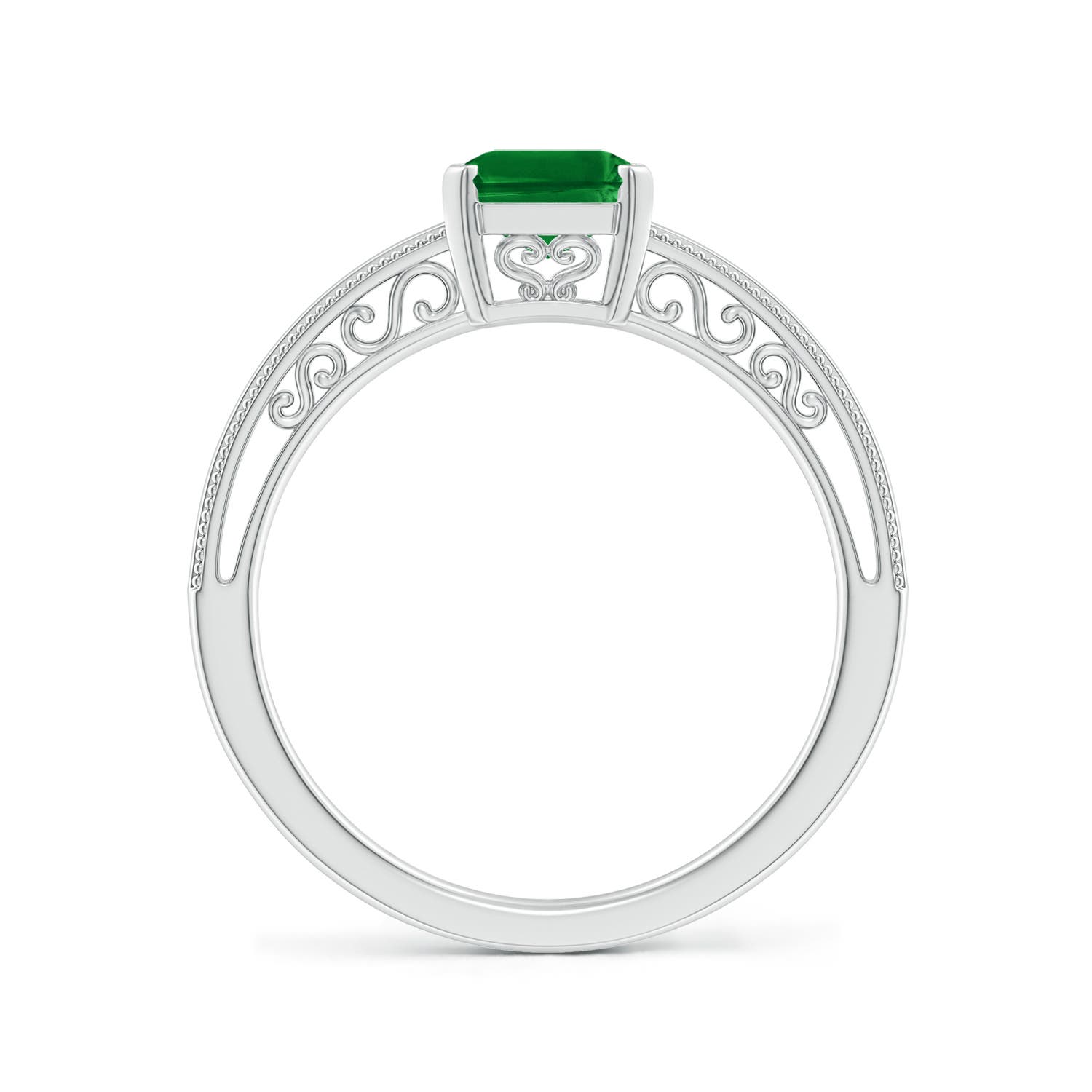
- Emerald Cut Emerald Solitaire Engagement Ring with Milgrain$17,585 $19,539


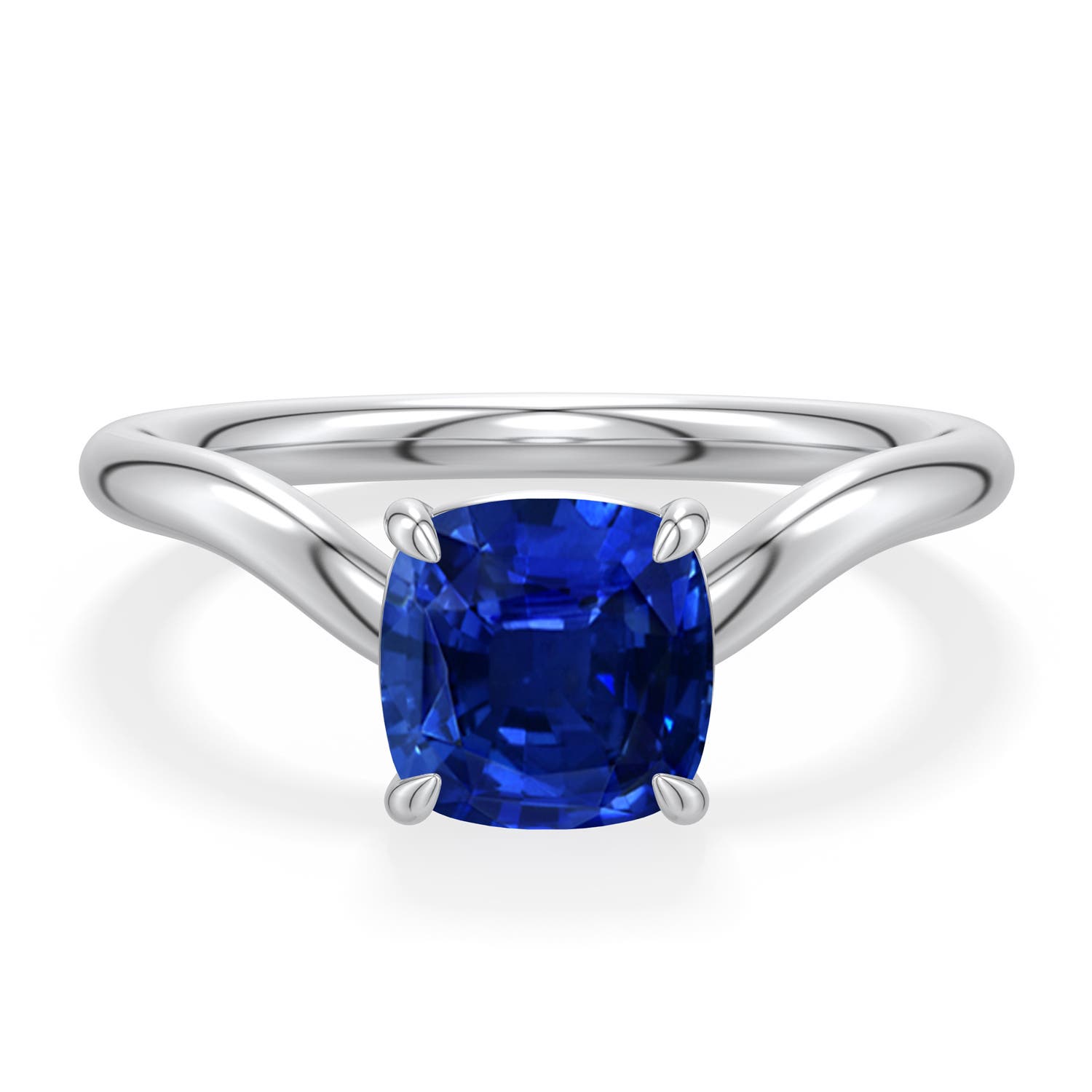
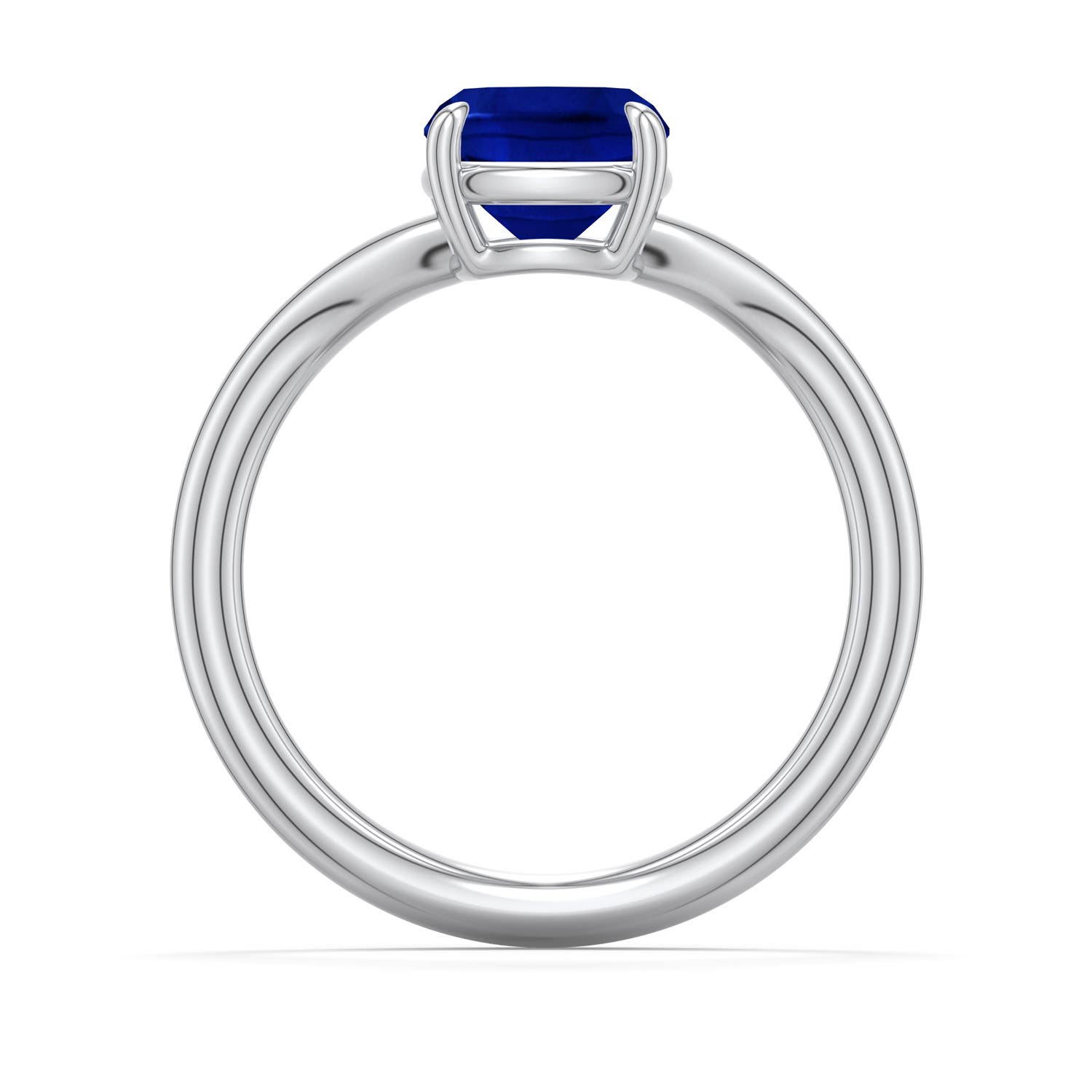
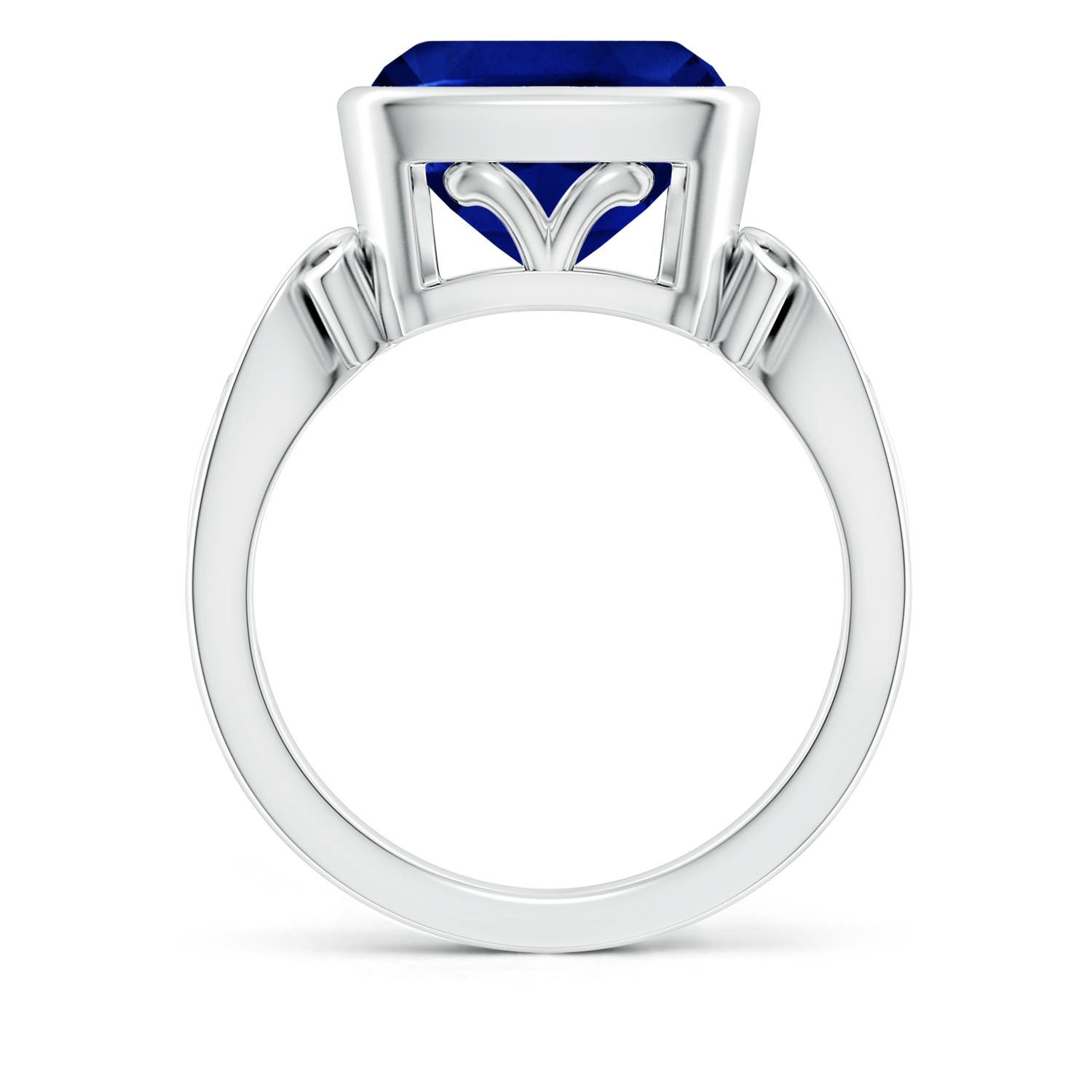
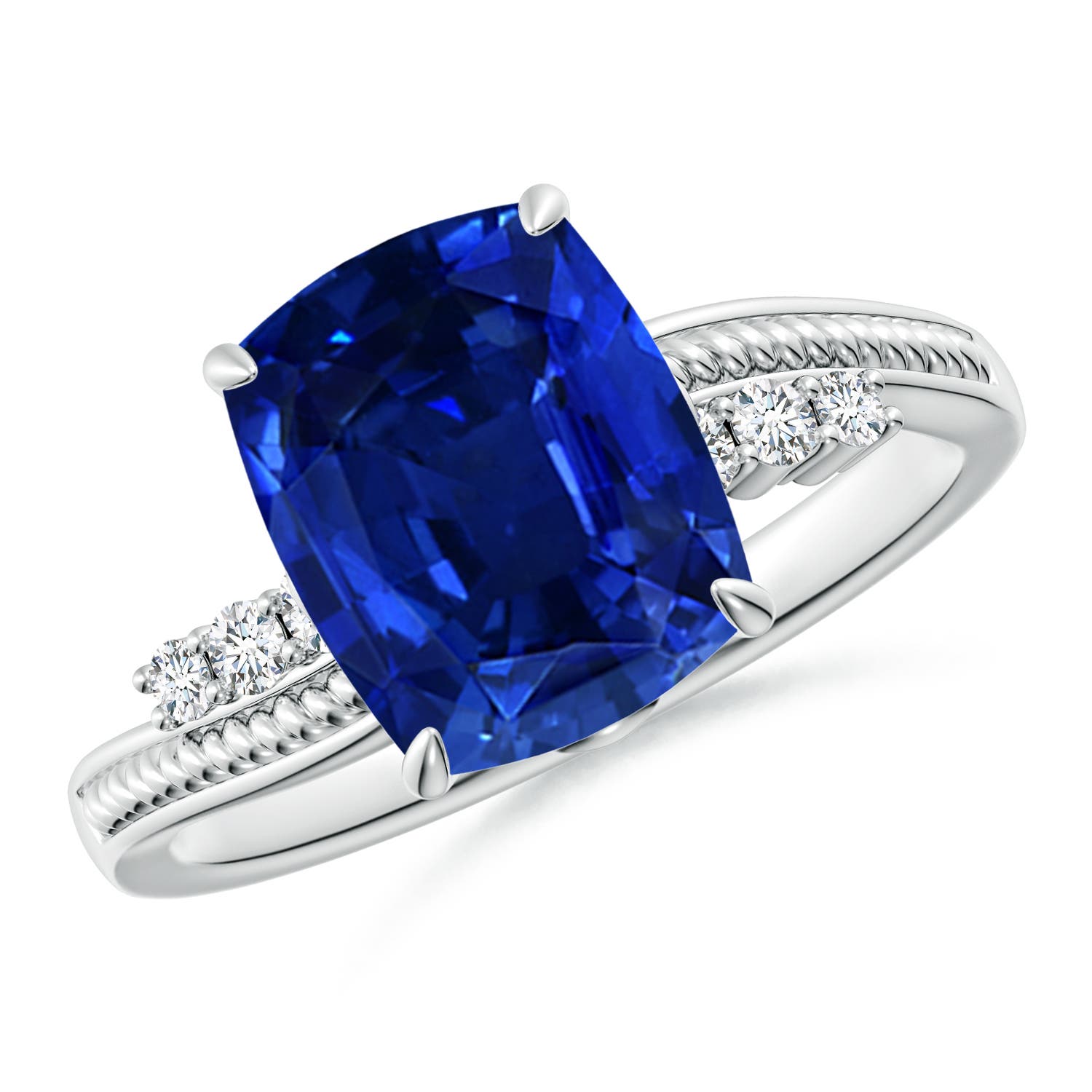
- Cushion Blue Sapphire Curved Shank Engagement Ring$9,962 $11,069


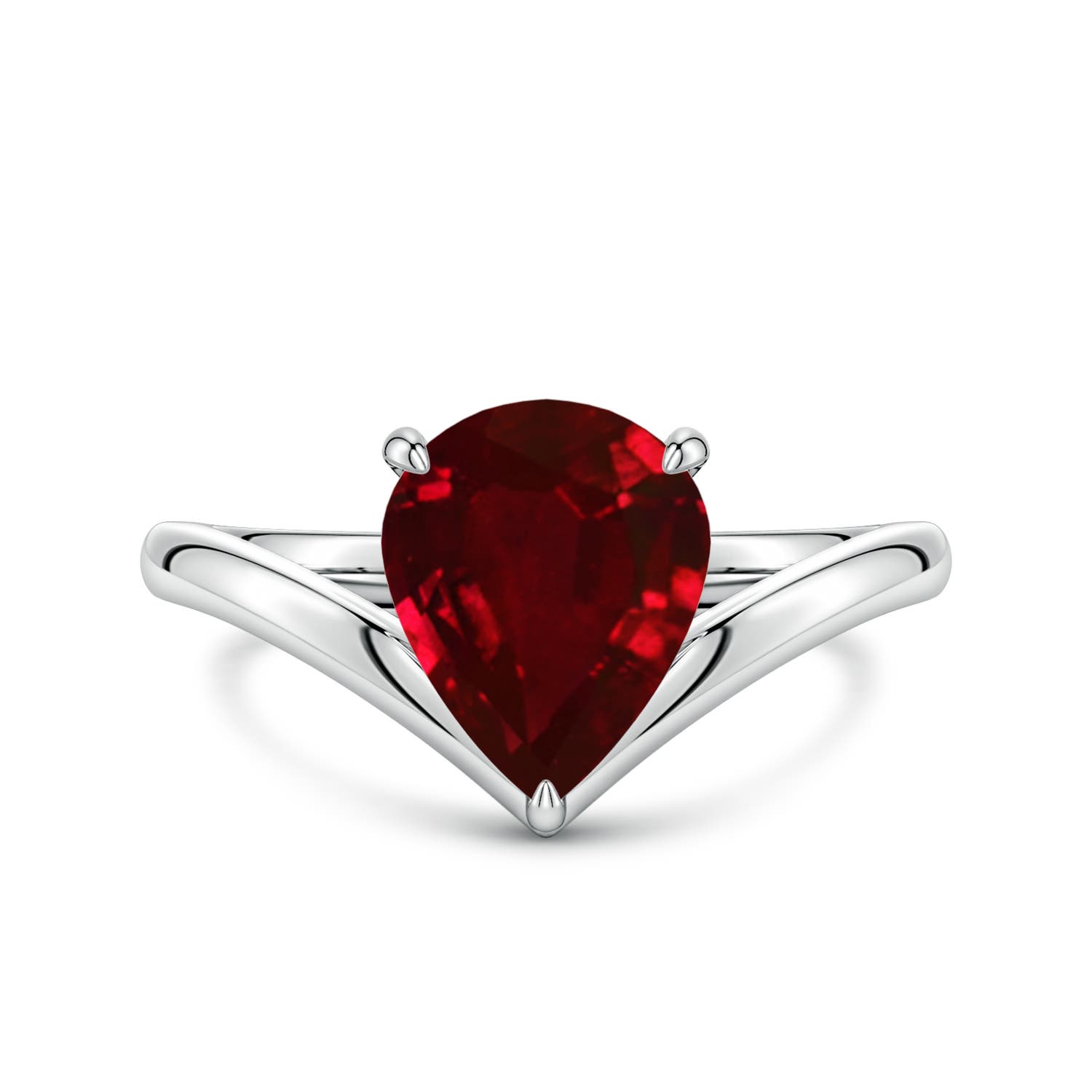
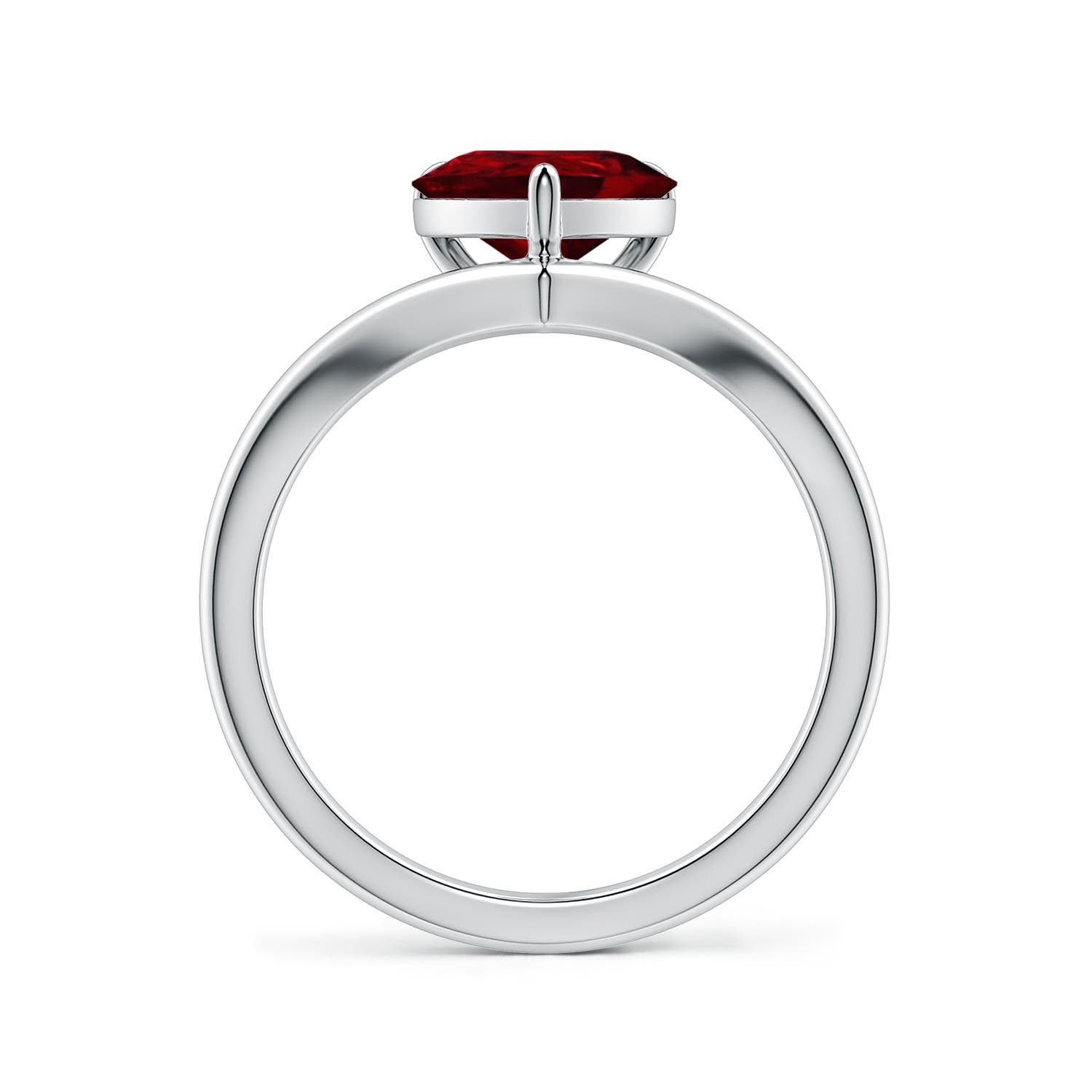
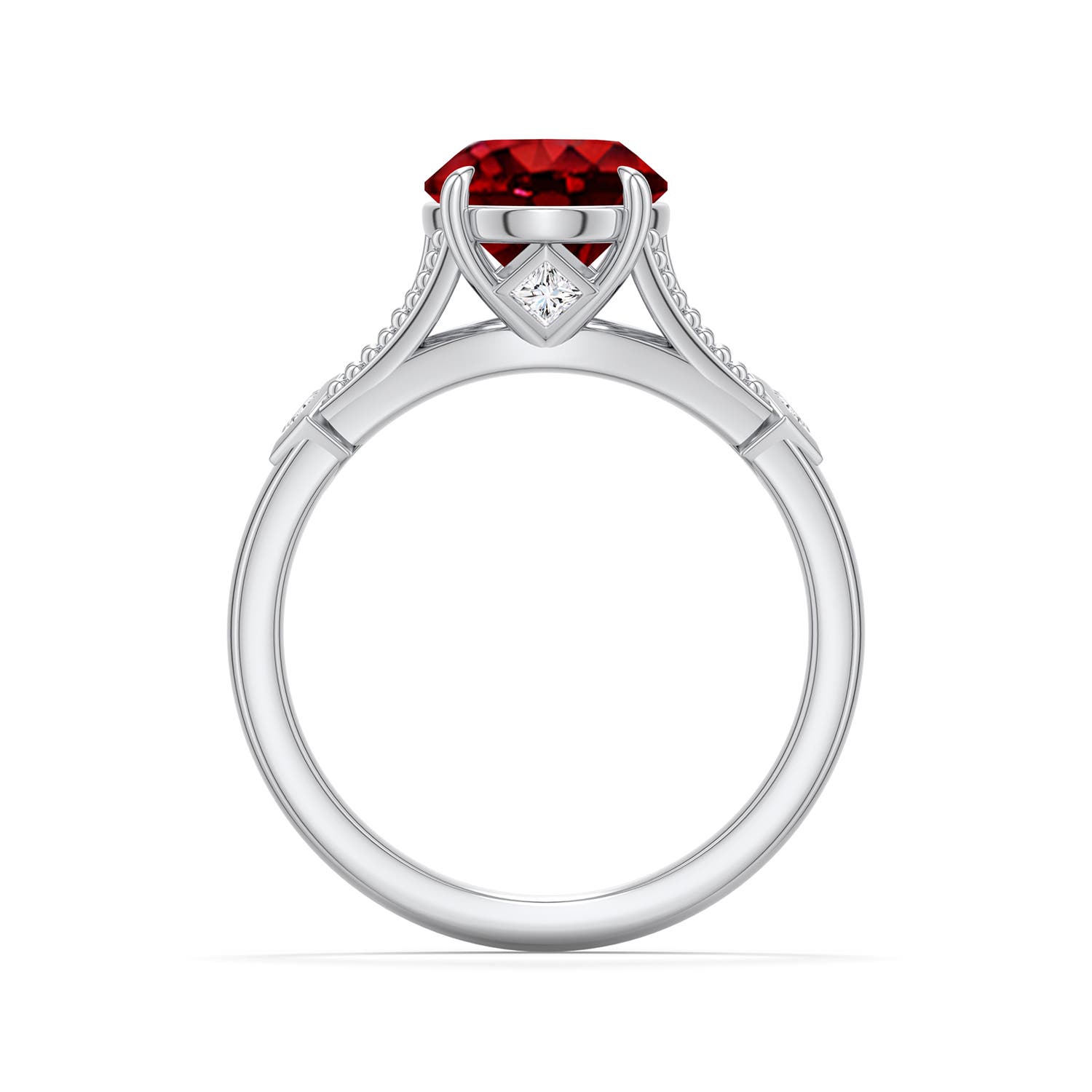
- Solitaire Pear Ruby V-Shaped Engagement Ring$63,926 $71,029


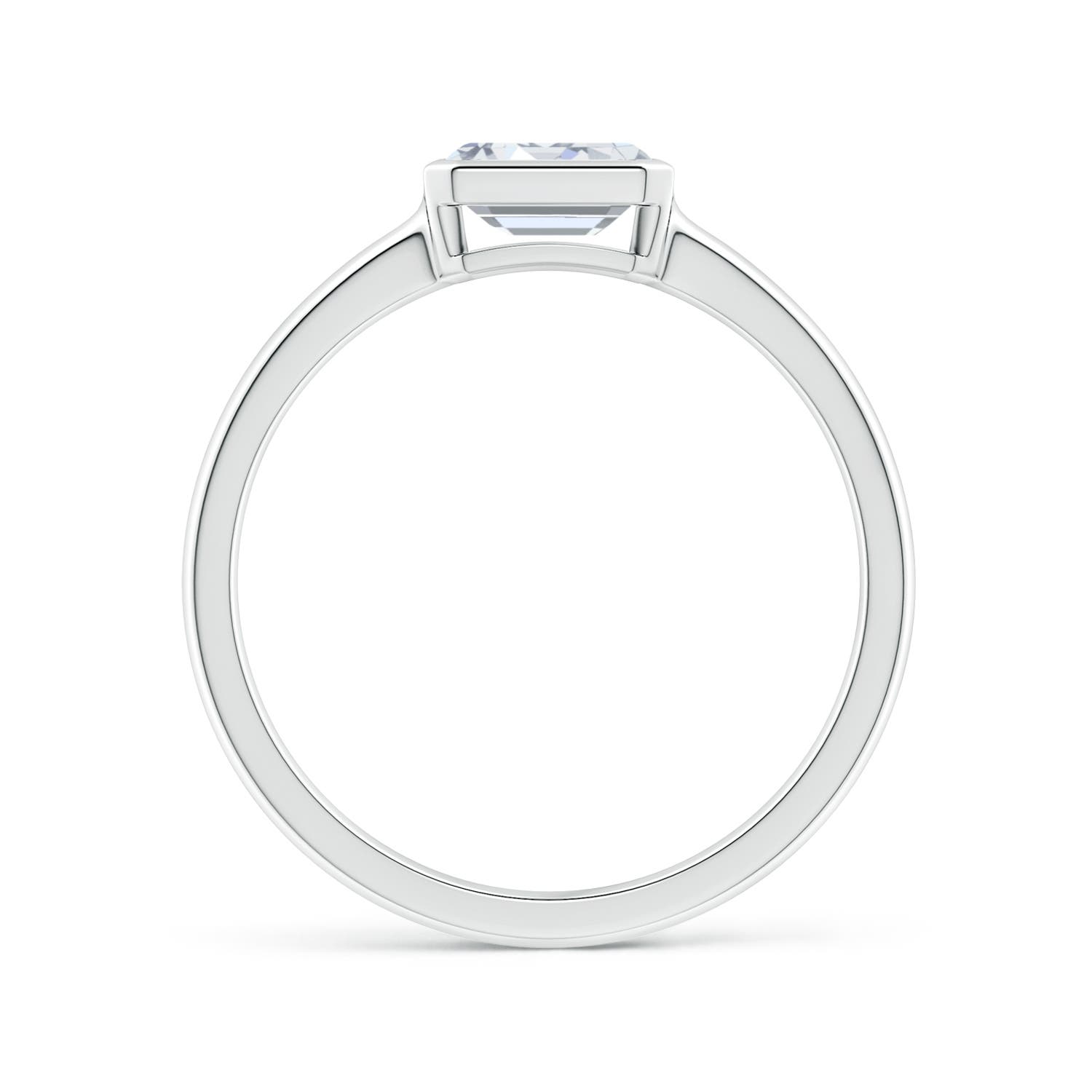
- Lab-Grown East-West Emerald-Cut Diamond Solitaire Engagement Ring$1,574 $1,749


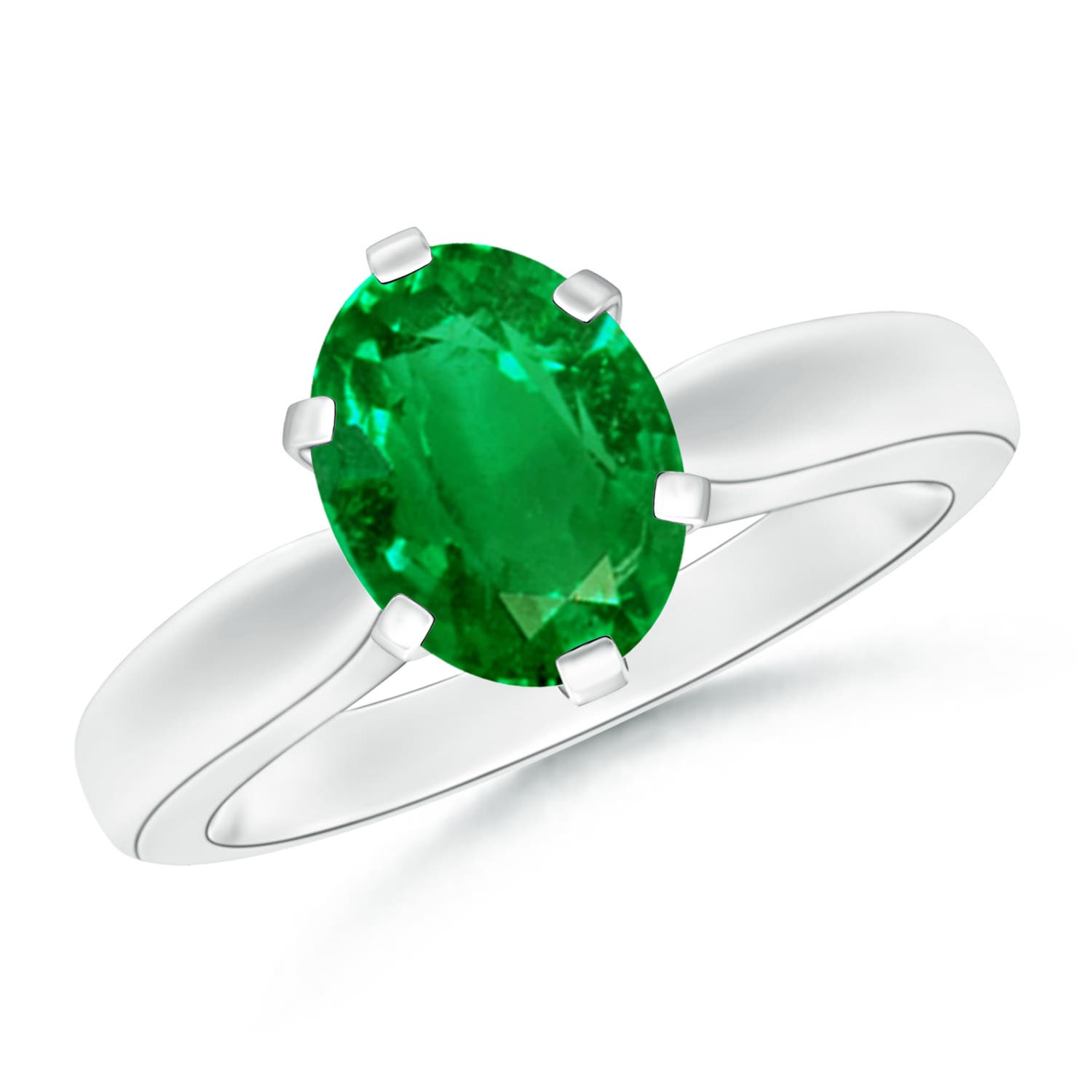
- Tapered Shank Oval Solitaire Emerald Engagement Ring$14,273 $15,859


- Solitaire Emerald-Cut Blue Sapphire Engagement Ring with Hidden Halo$31,688 $35,209


- Bezel and Prong Round Ruby Solitaire Engagement Ring$8,738 $9,709




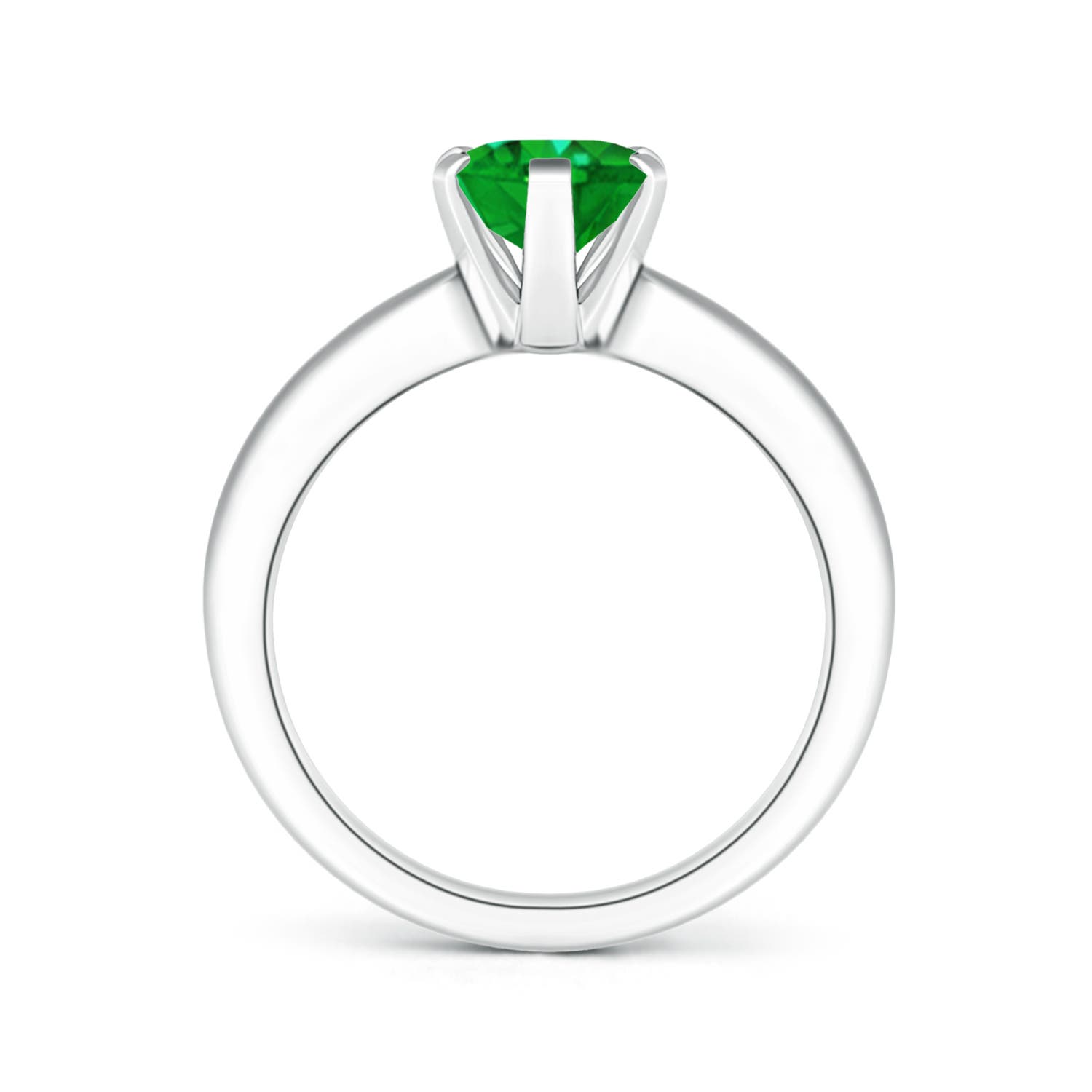
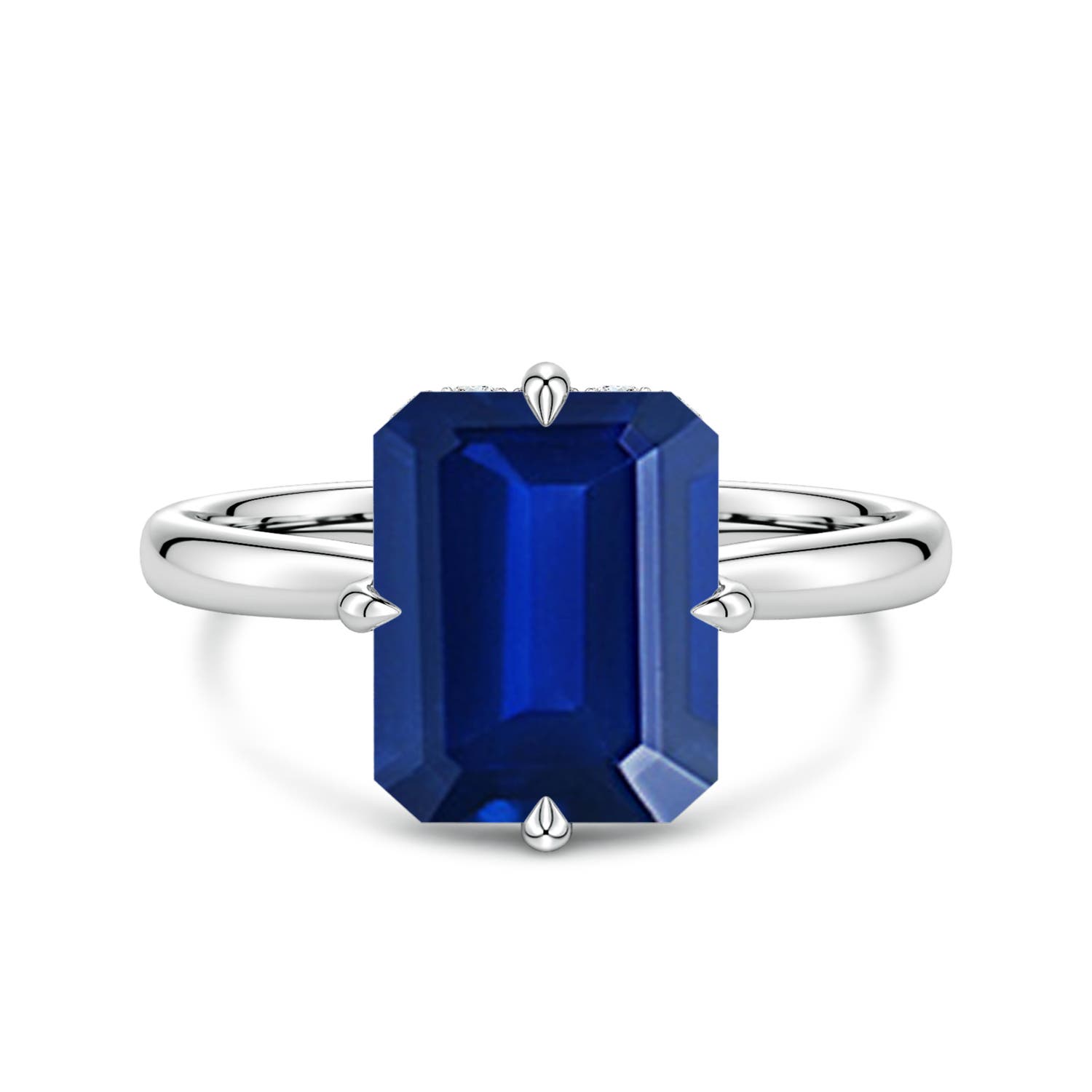
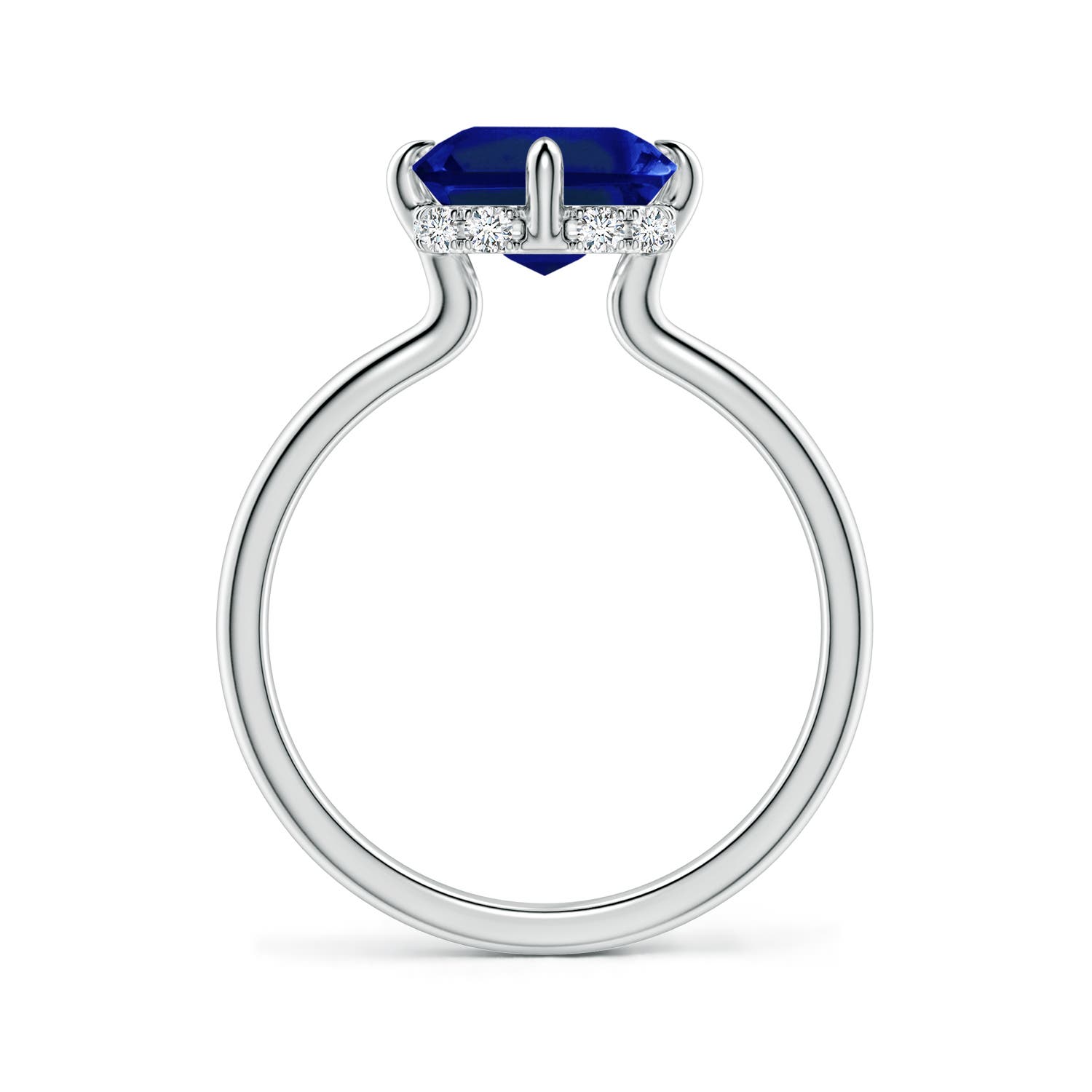

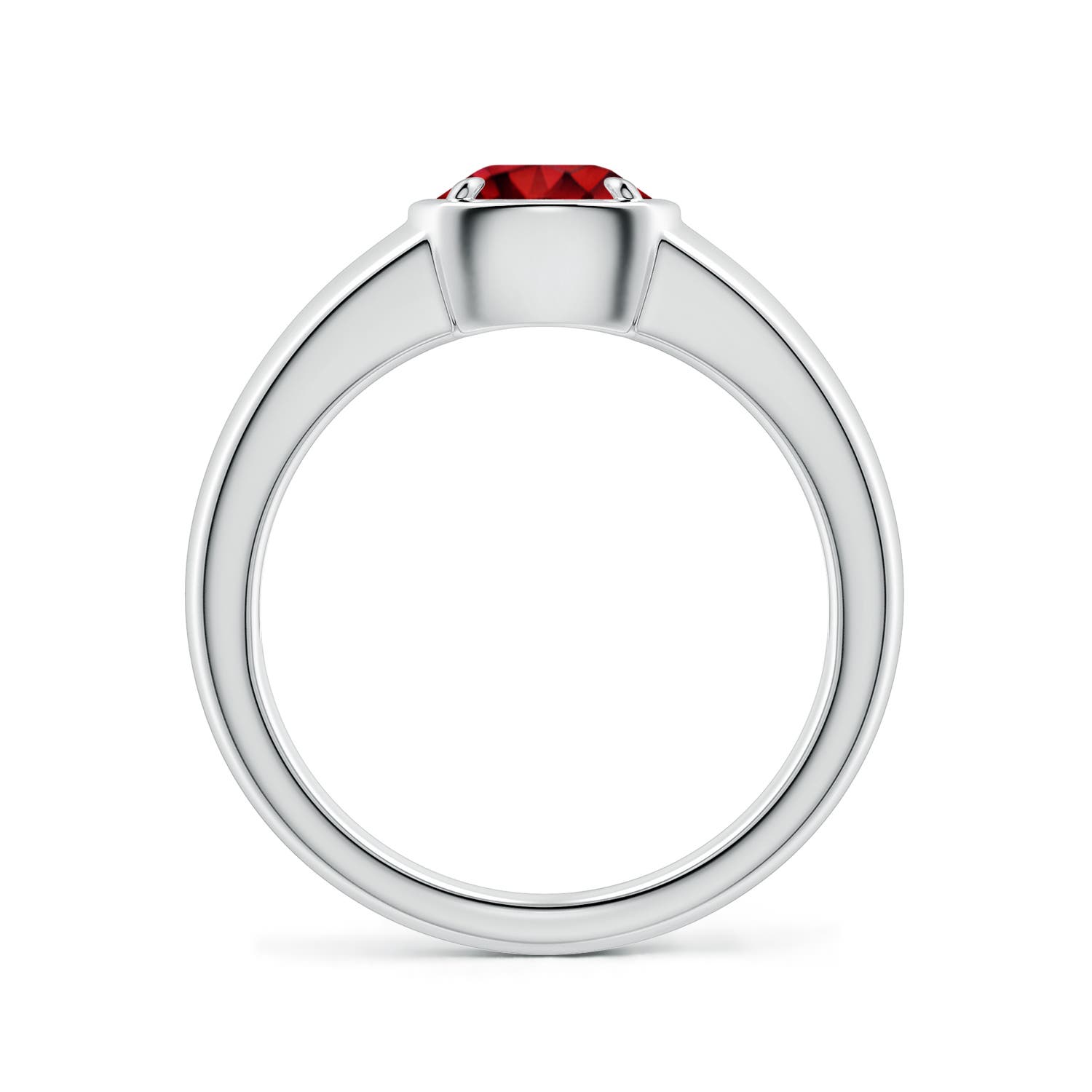
-
Halo Designs
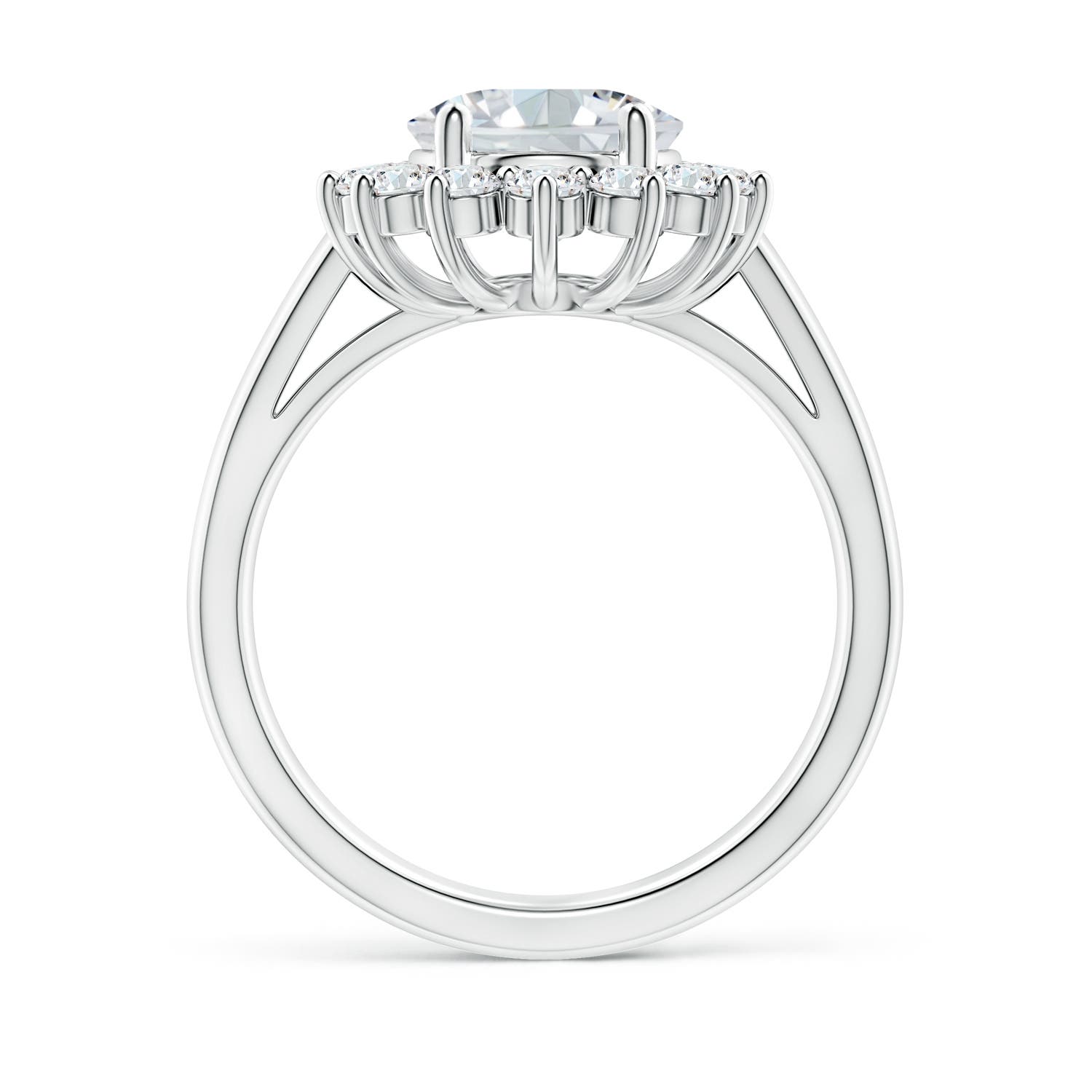
- Princess Diana Inspired Oval Lab-Grown Diamond Engagement Ring$8,216 $9,129


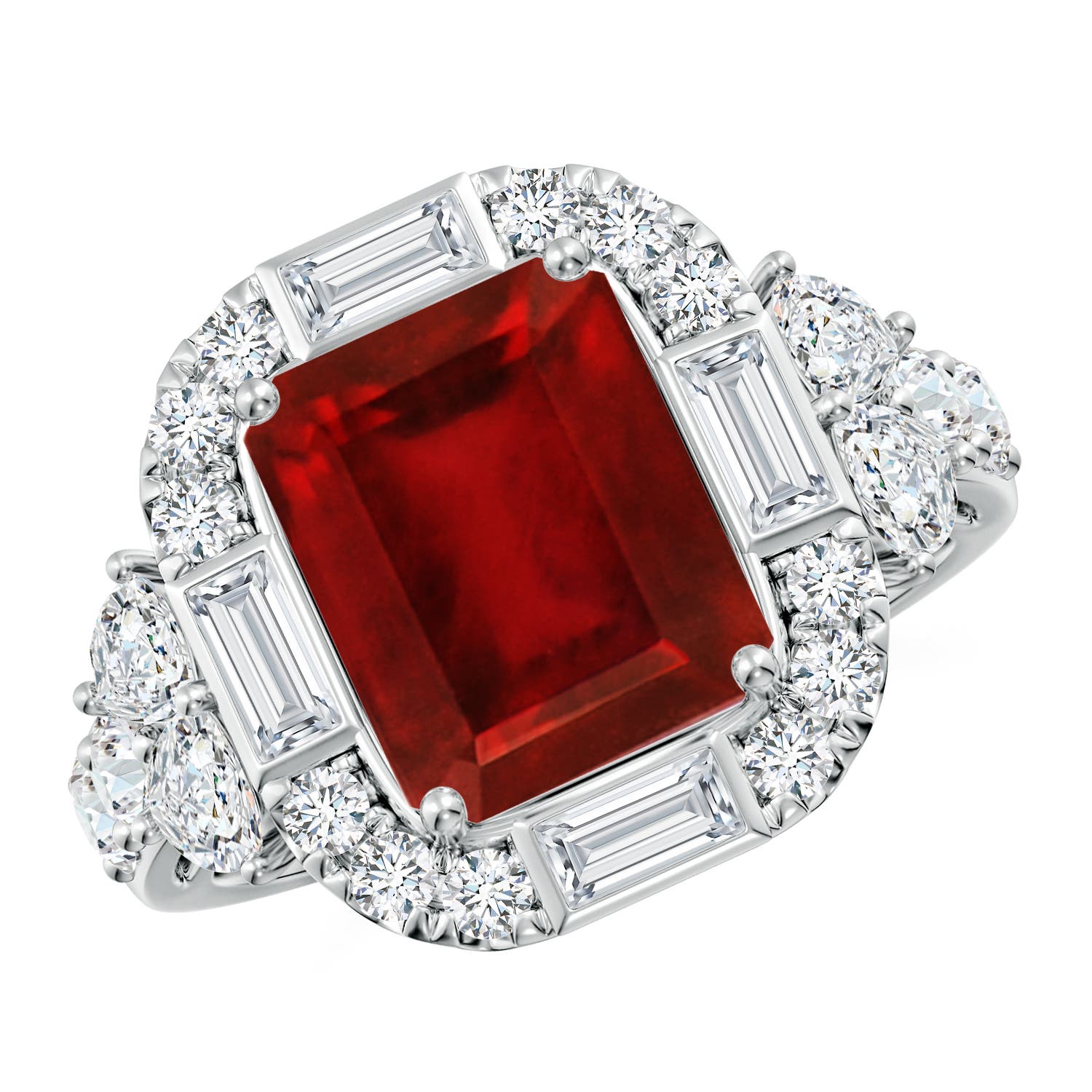
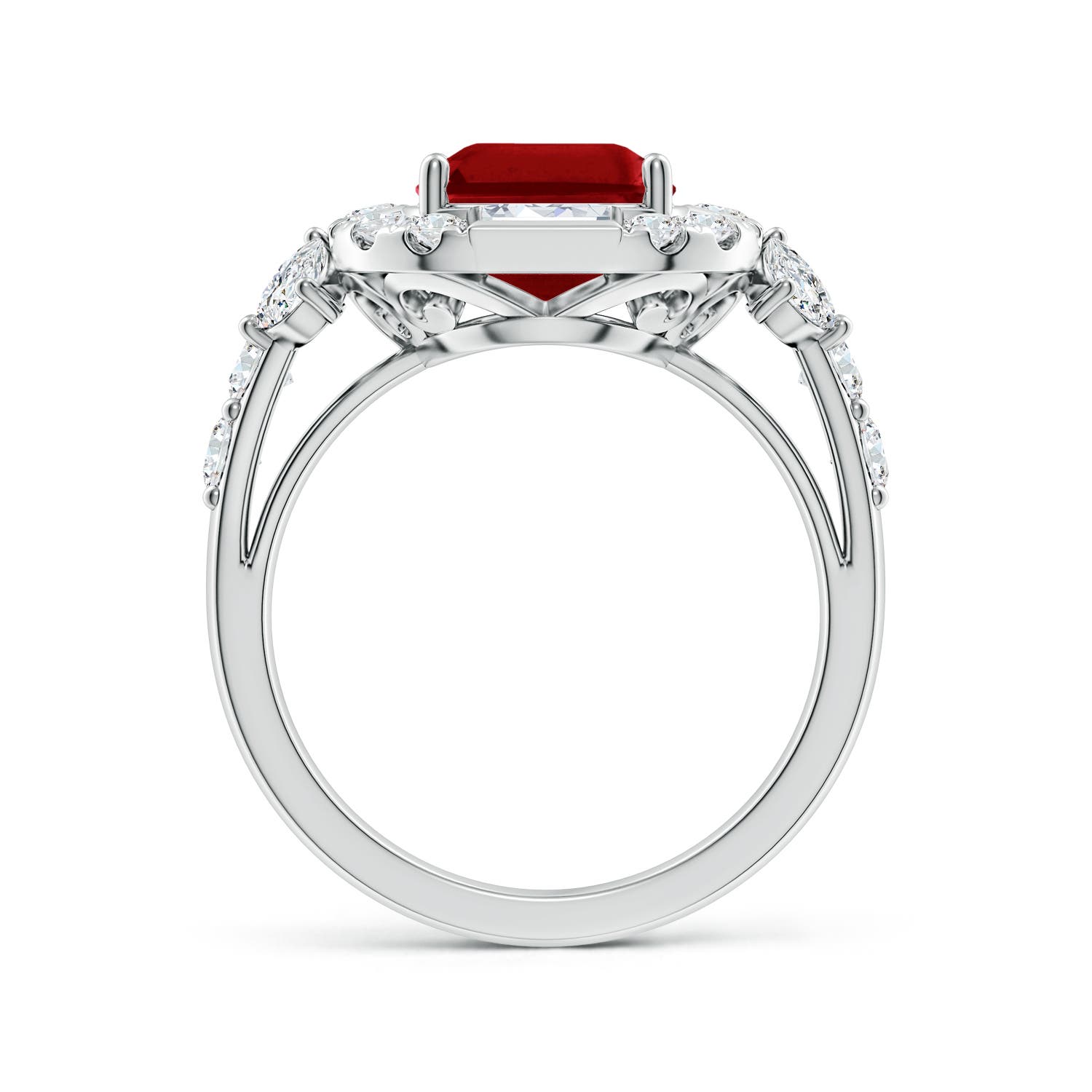
- Emerald-Cut Ruby Unique Halo Engagement Ring with Accents$127,304 $141,449


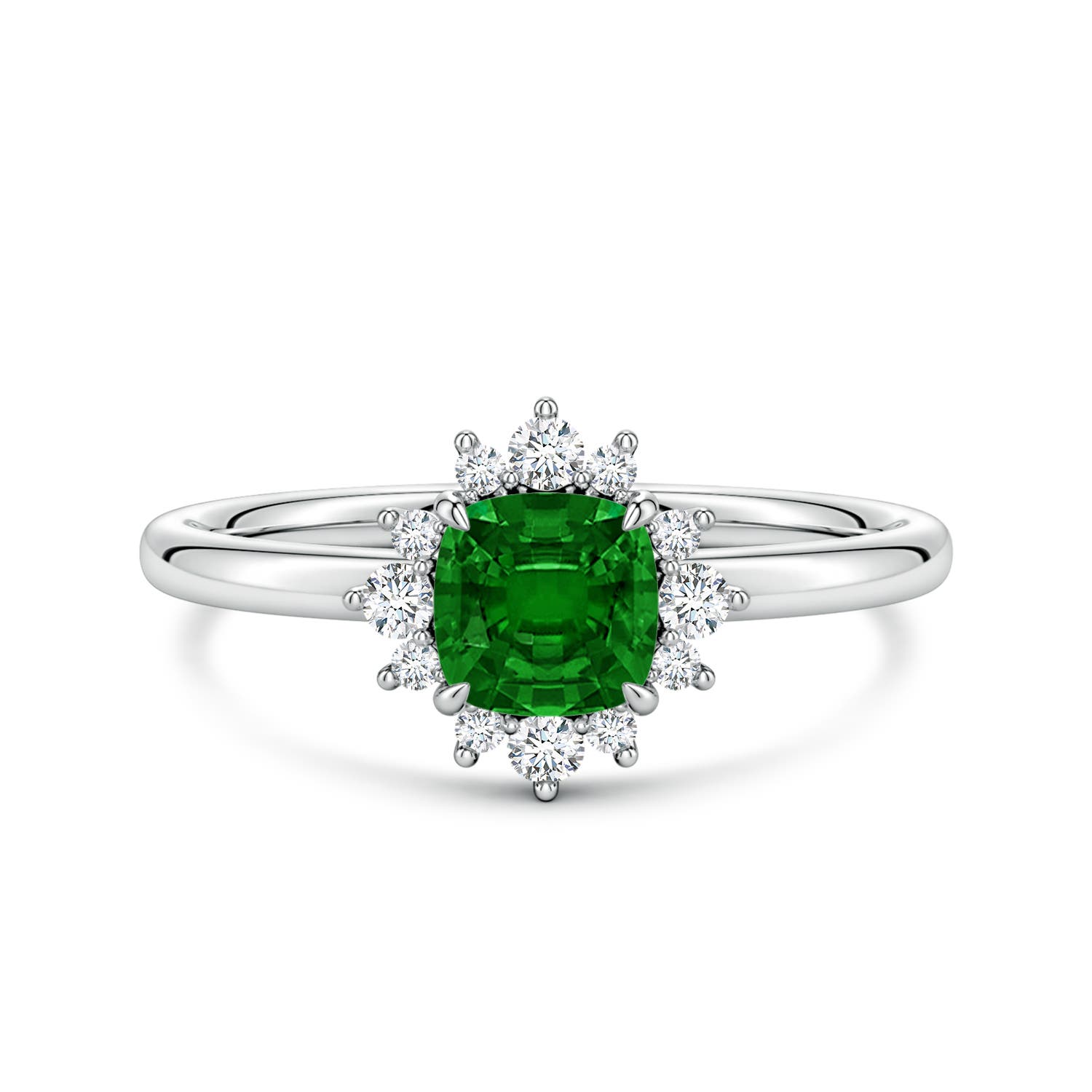
- Cushion Lab-Grown Emerald Ornate Halo Engagement Ring$1,790 $1,989


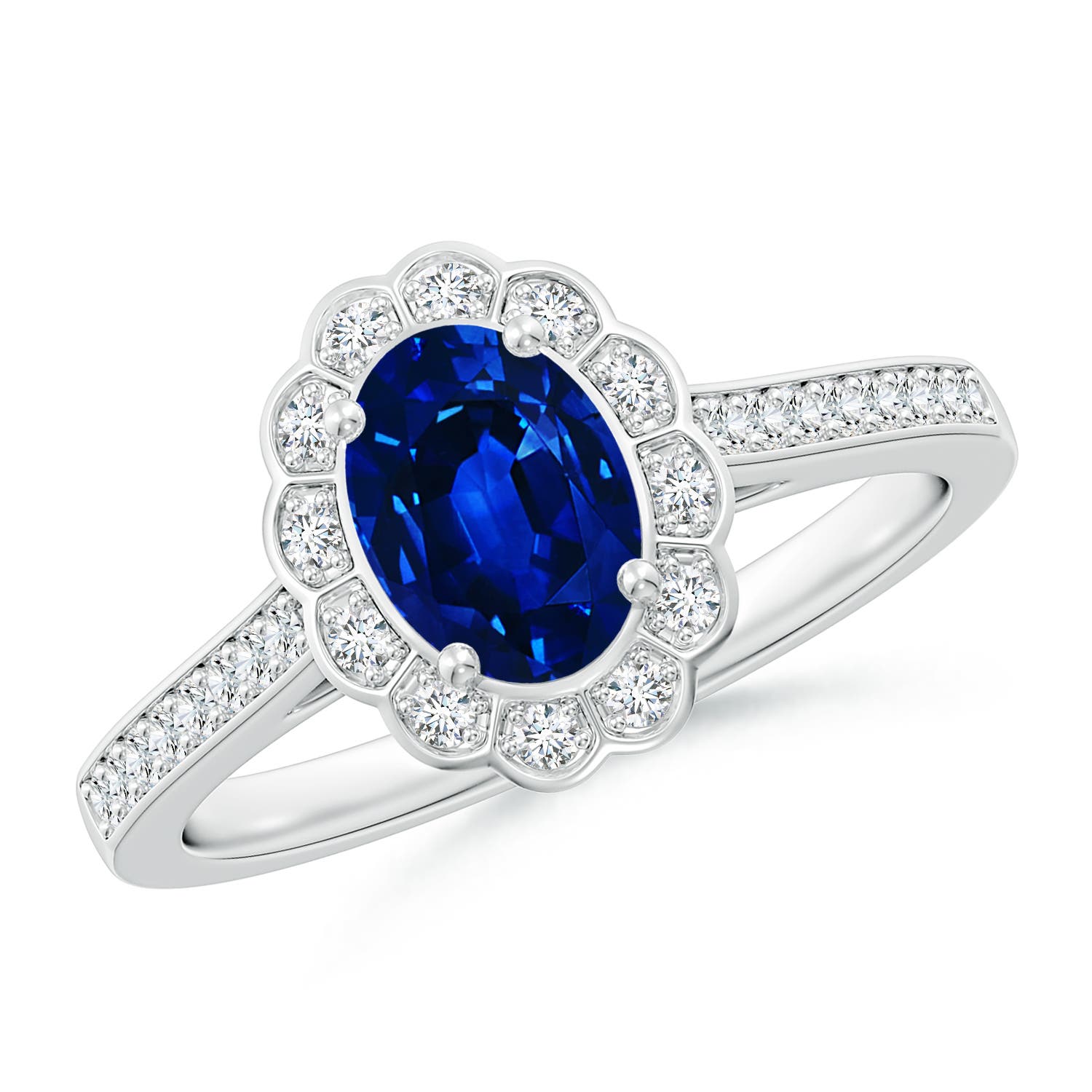
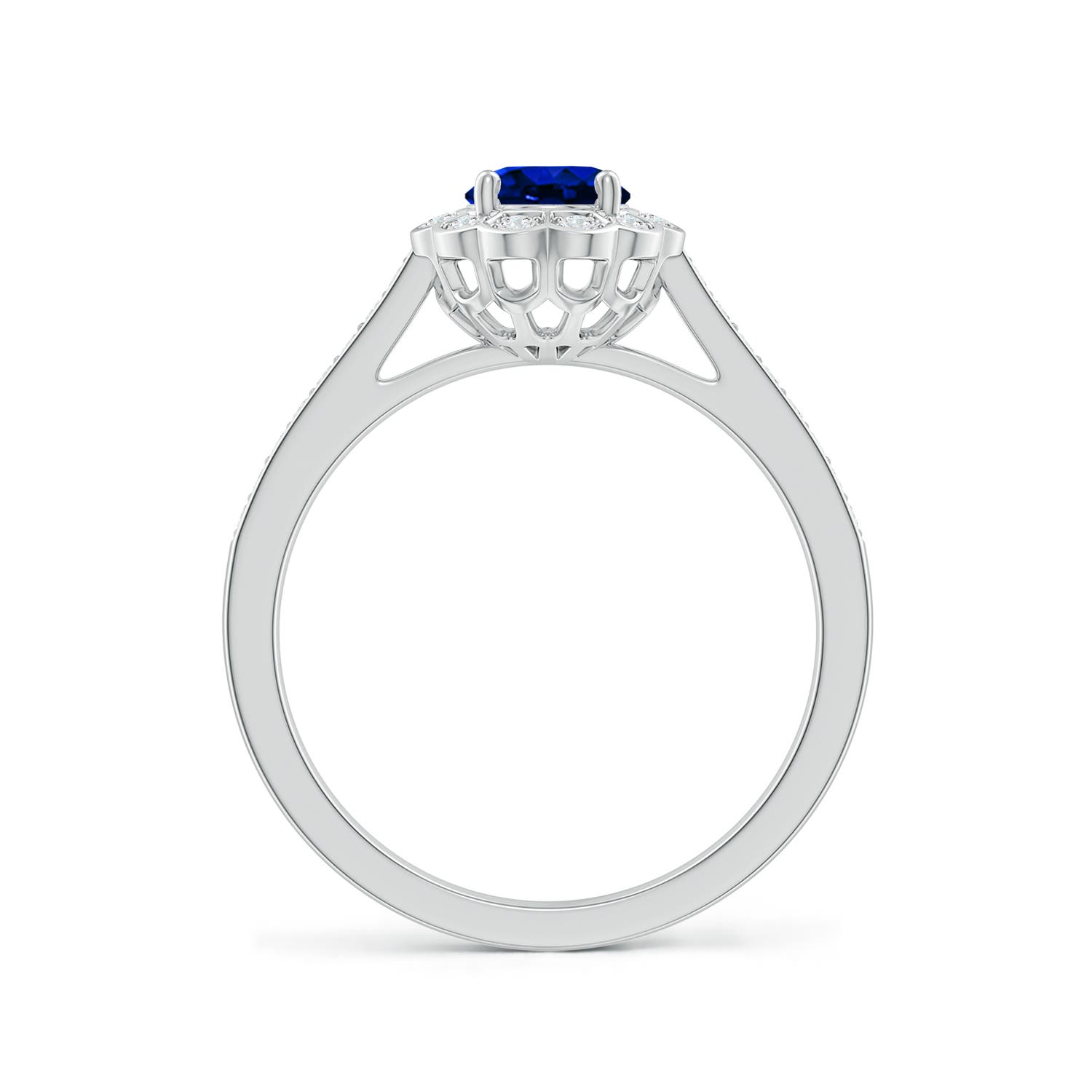
- Vintage Style Sapphire & Diamond Scalloped Halo Engagement Ring$5,003 $5,559


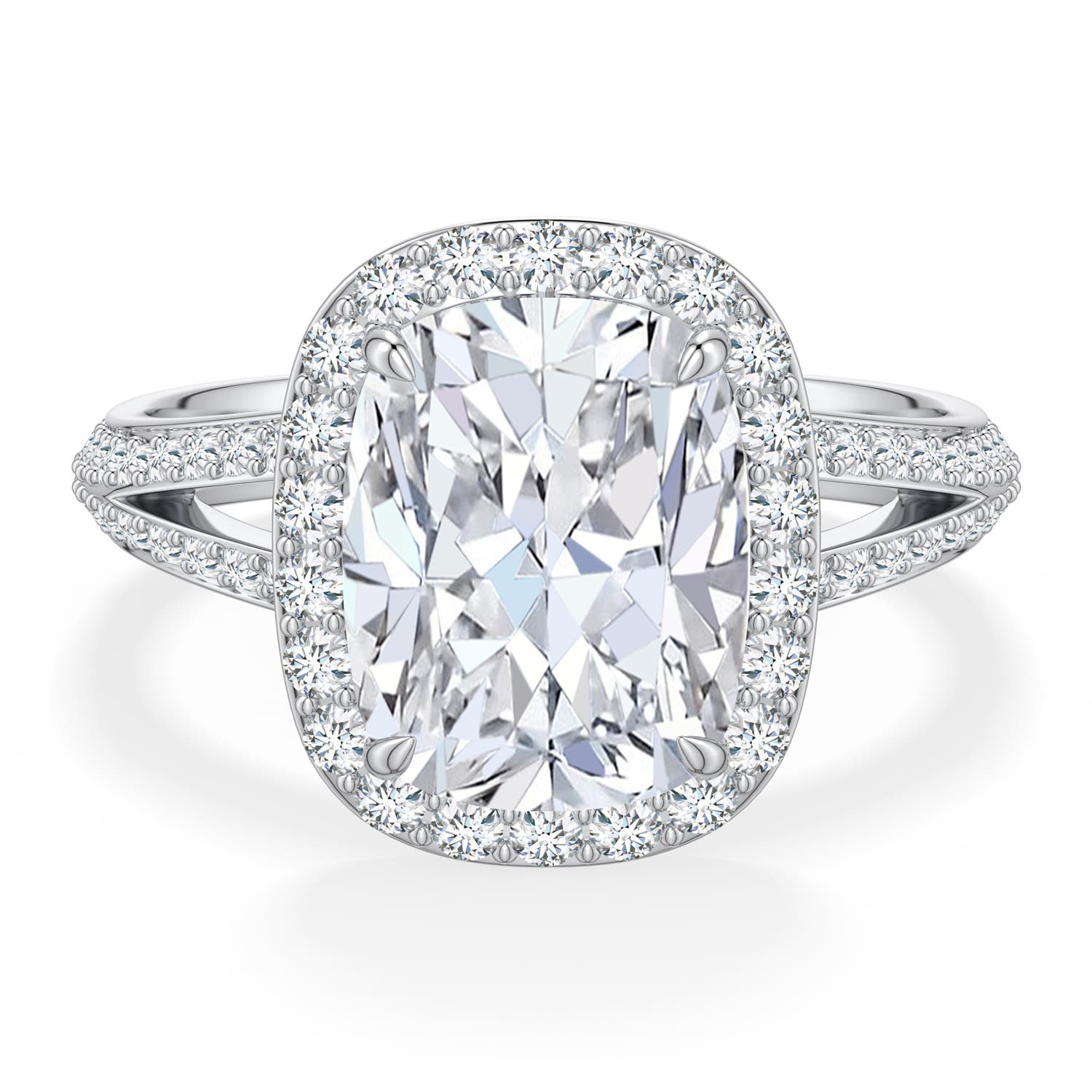
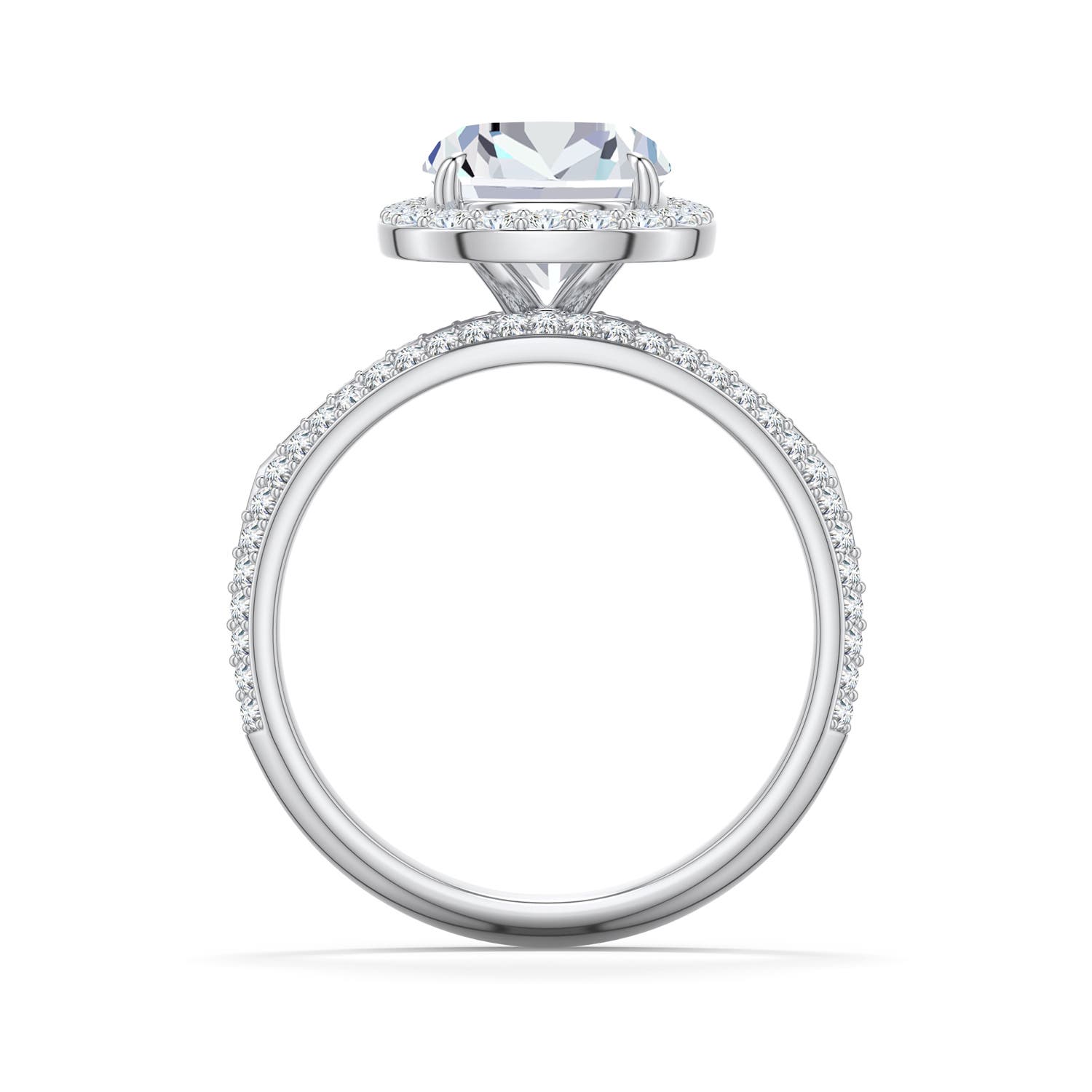
- Cushion Rectangular Diamond Halo Engagement Ring with Accents$82,169 $91,299


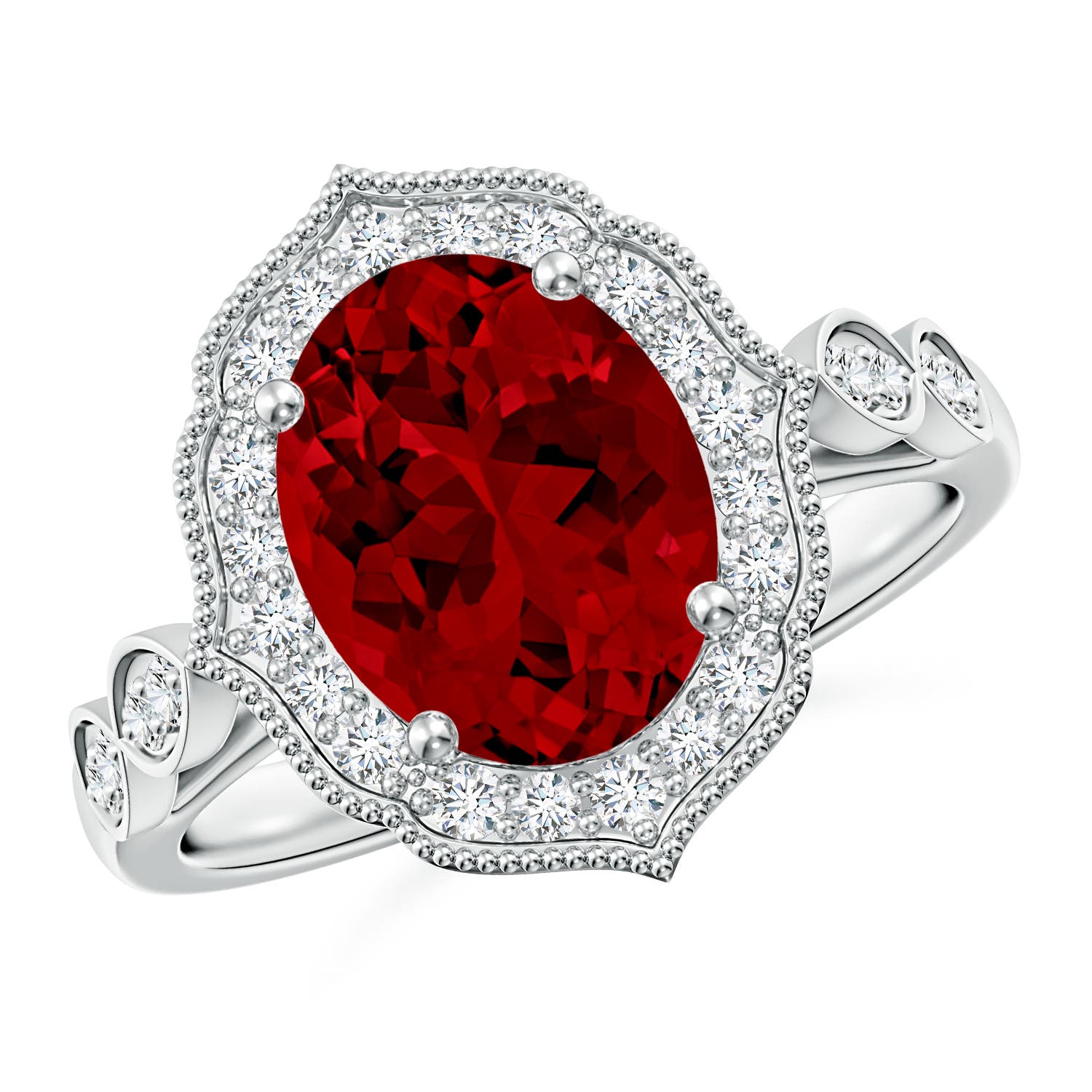
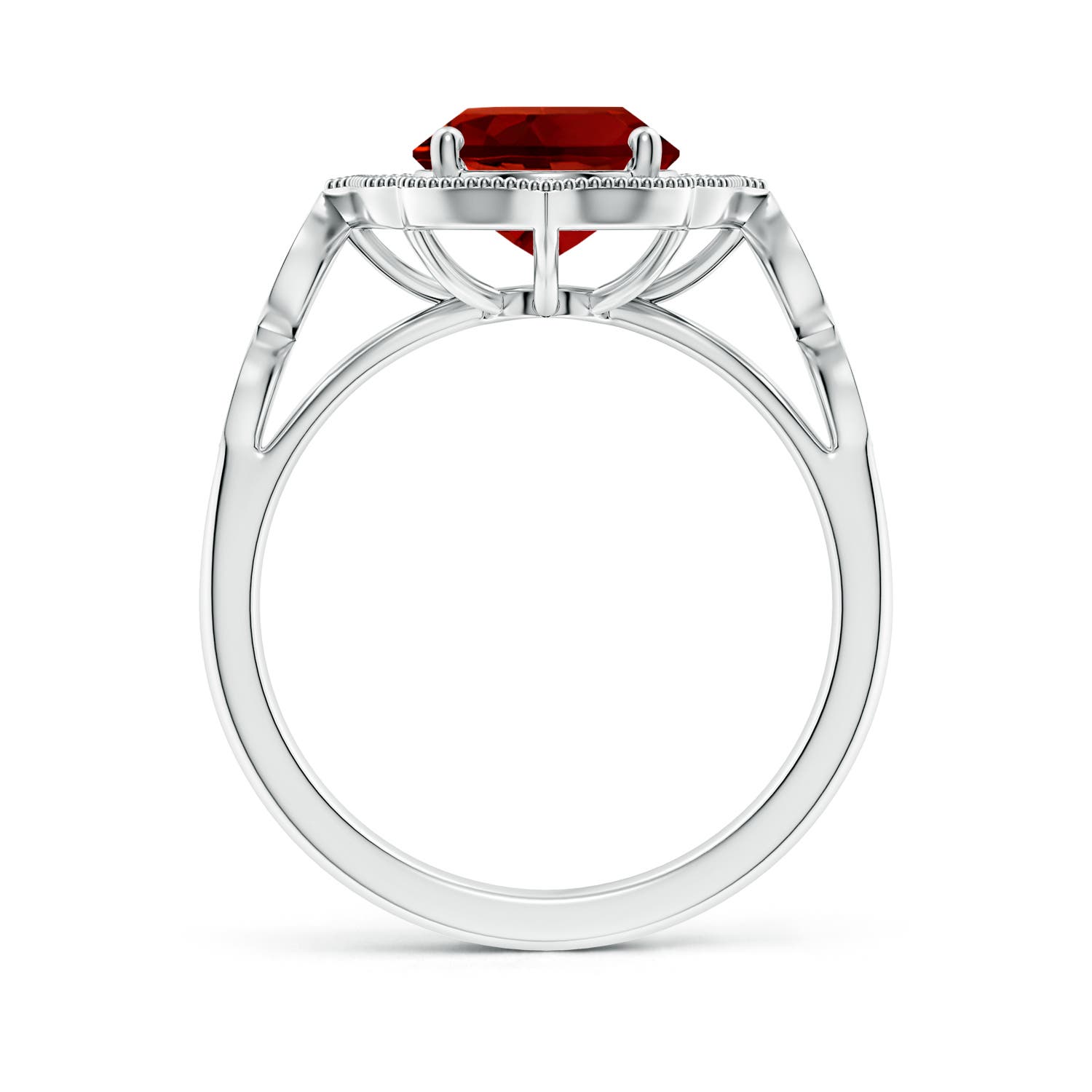
- Lab-Grown Vintage Inspired Oval Ruby Ornate Halo Engagement Ring$3,122 $3,469


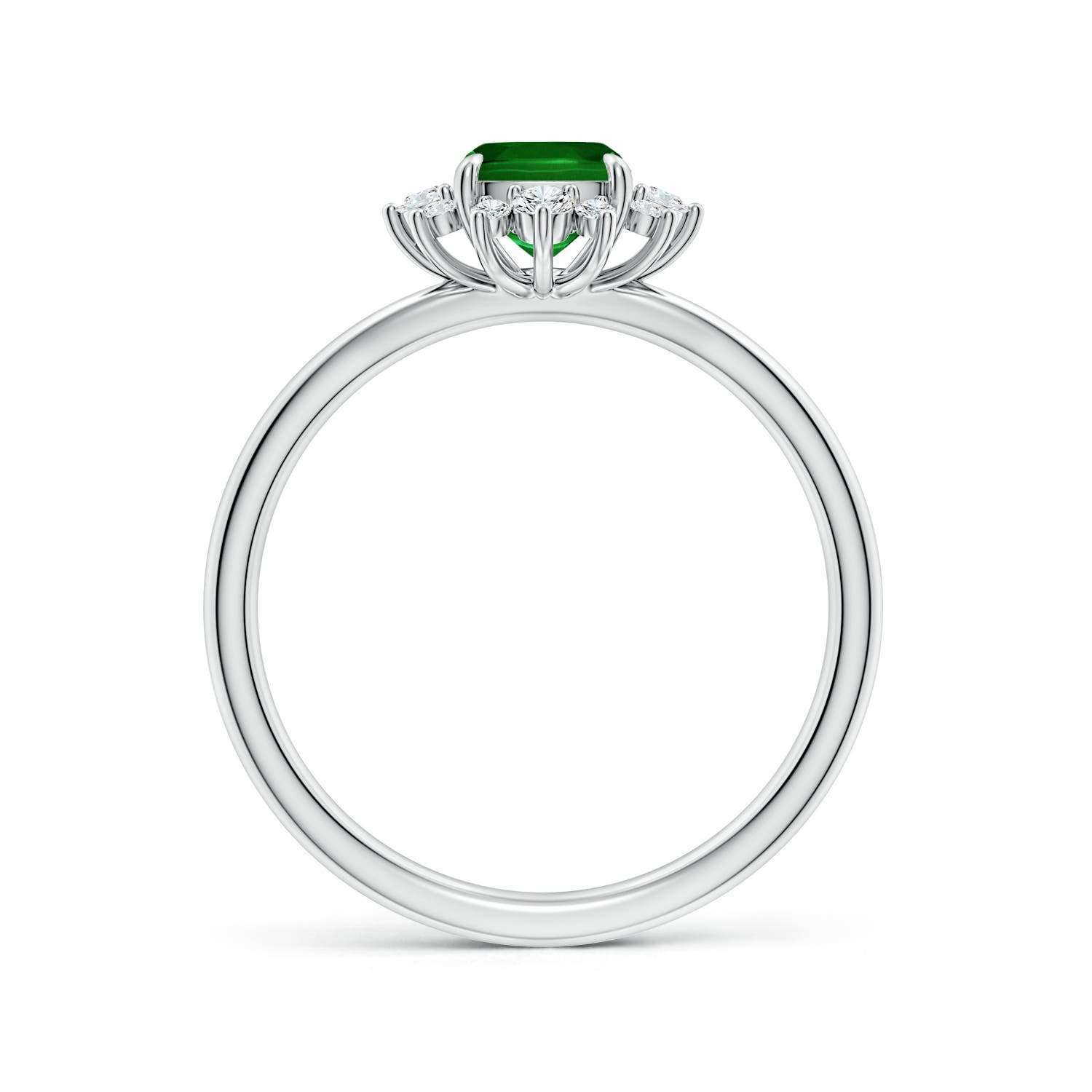
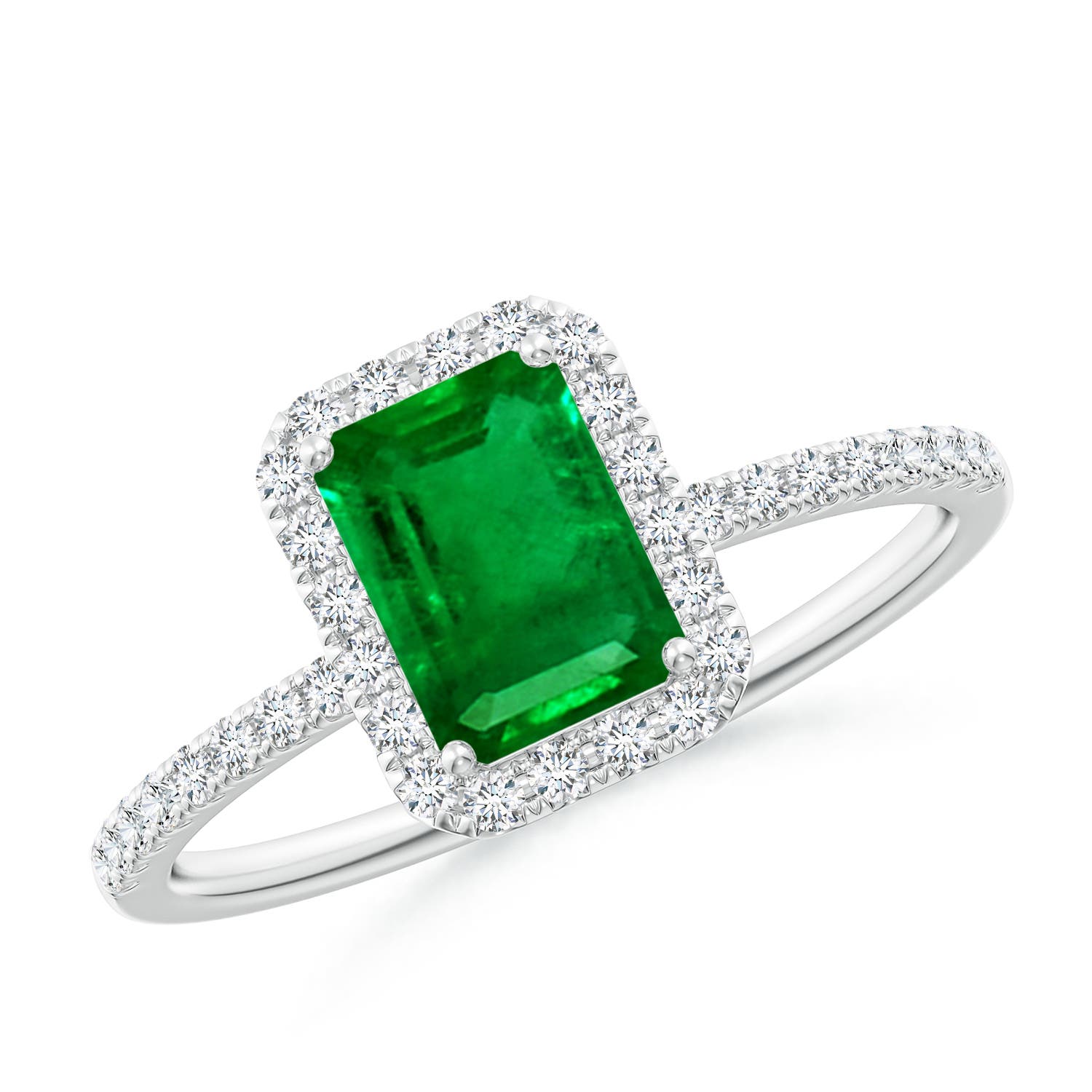
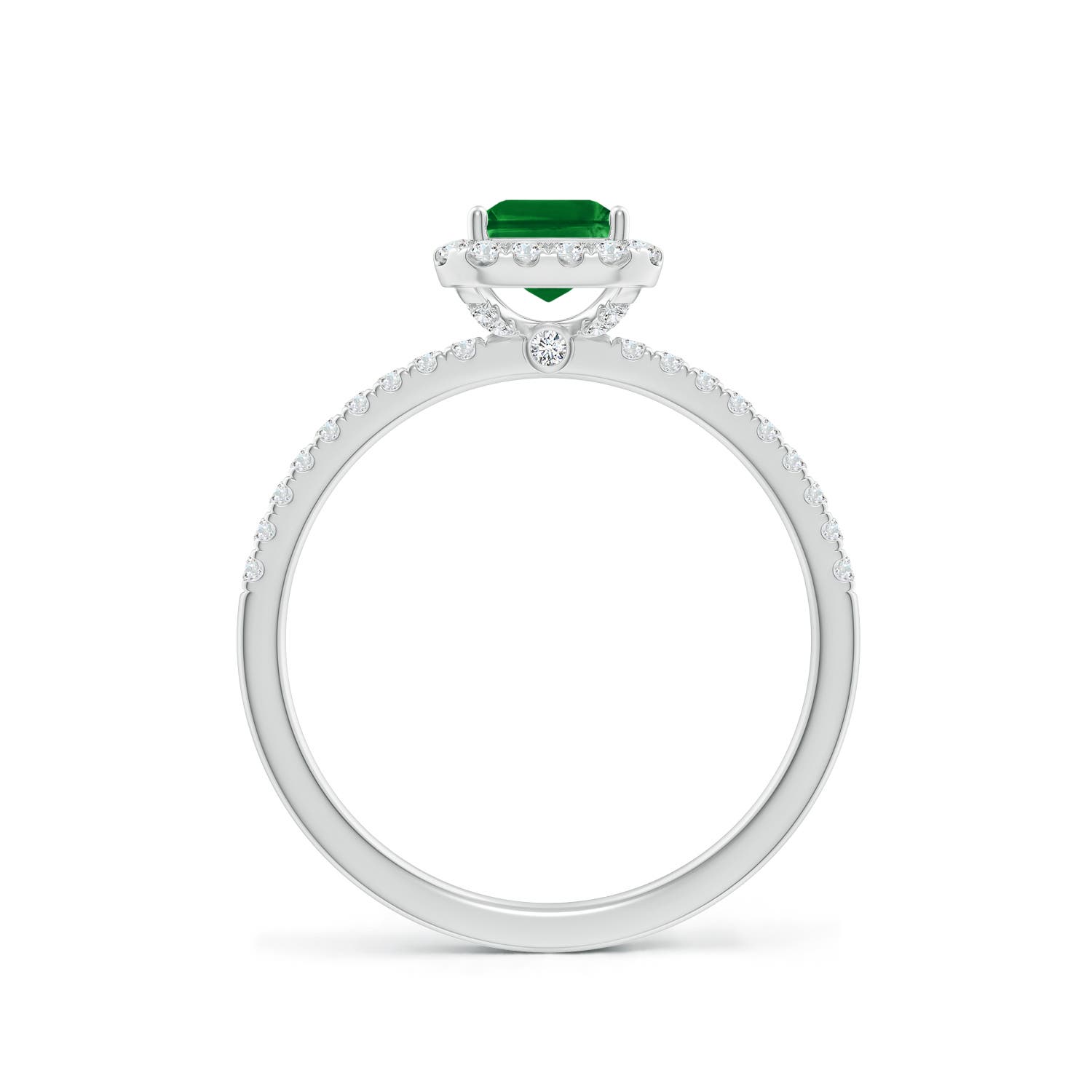
- Emerald-Cut Emerald Classic Halo Engagement Ring$8,261 $9,179


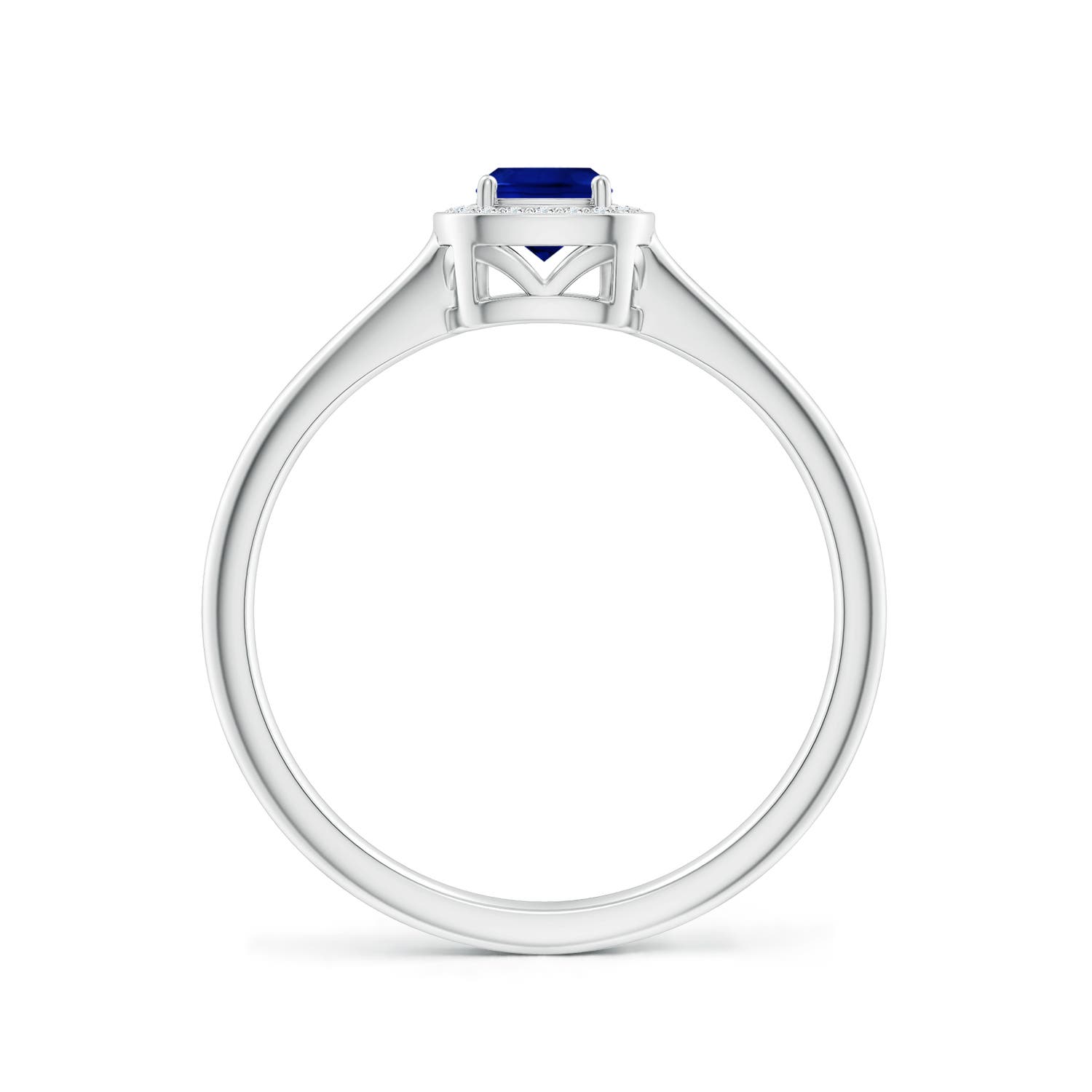
- Cushion Blue Sapphire Engagement Ring with Diamond Halo$1,826 $2,029



-
Three-Stone Rings
- Oval Diamond and Pear Diamond Three Stone Engagement Ring$103,022 $114,469


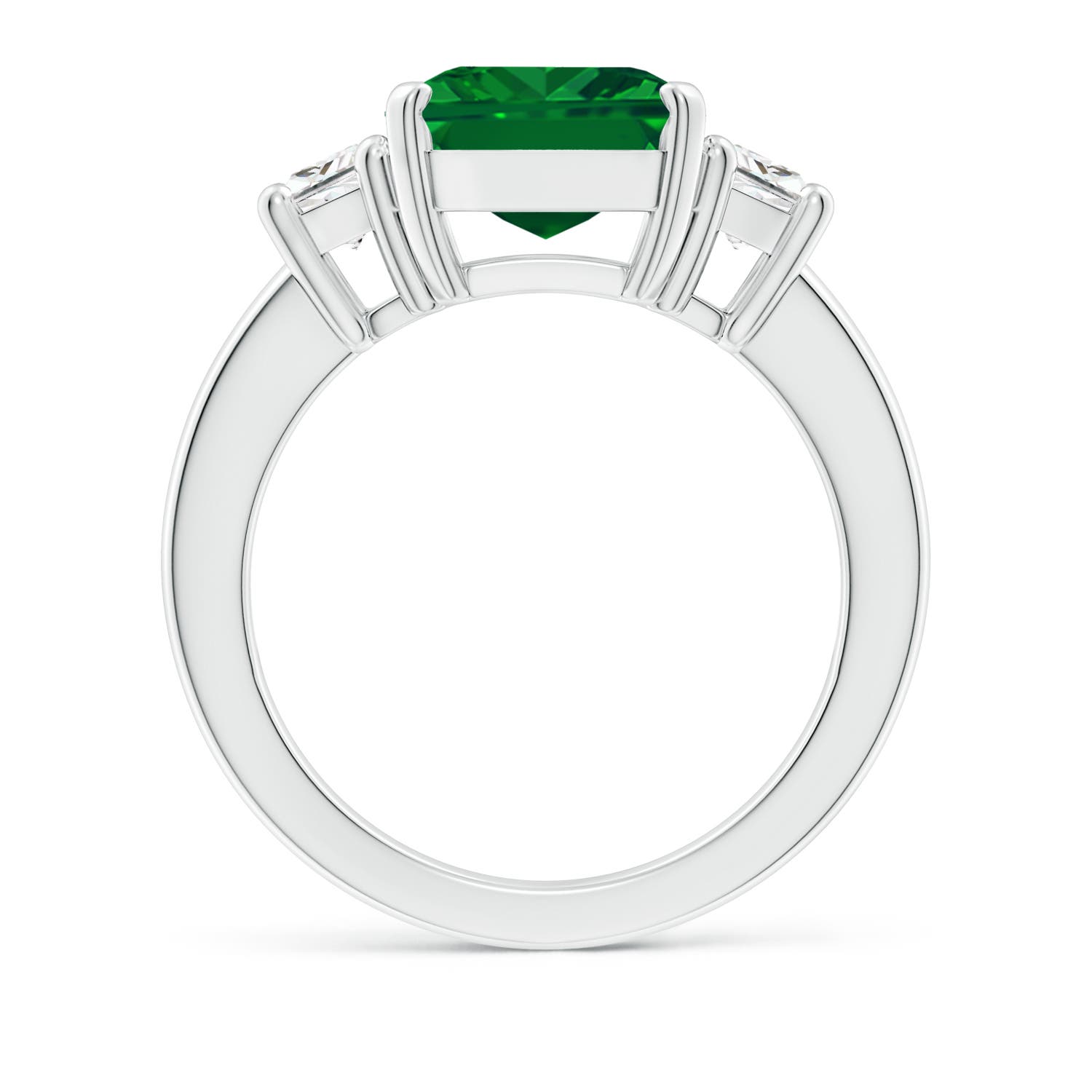
- Emerald-Cut Emerald and Trapezoid Diamond Three Stone Engagement Ring$177,983 $197,759


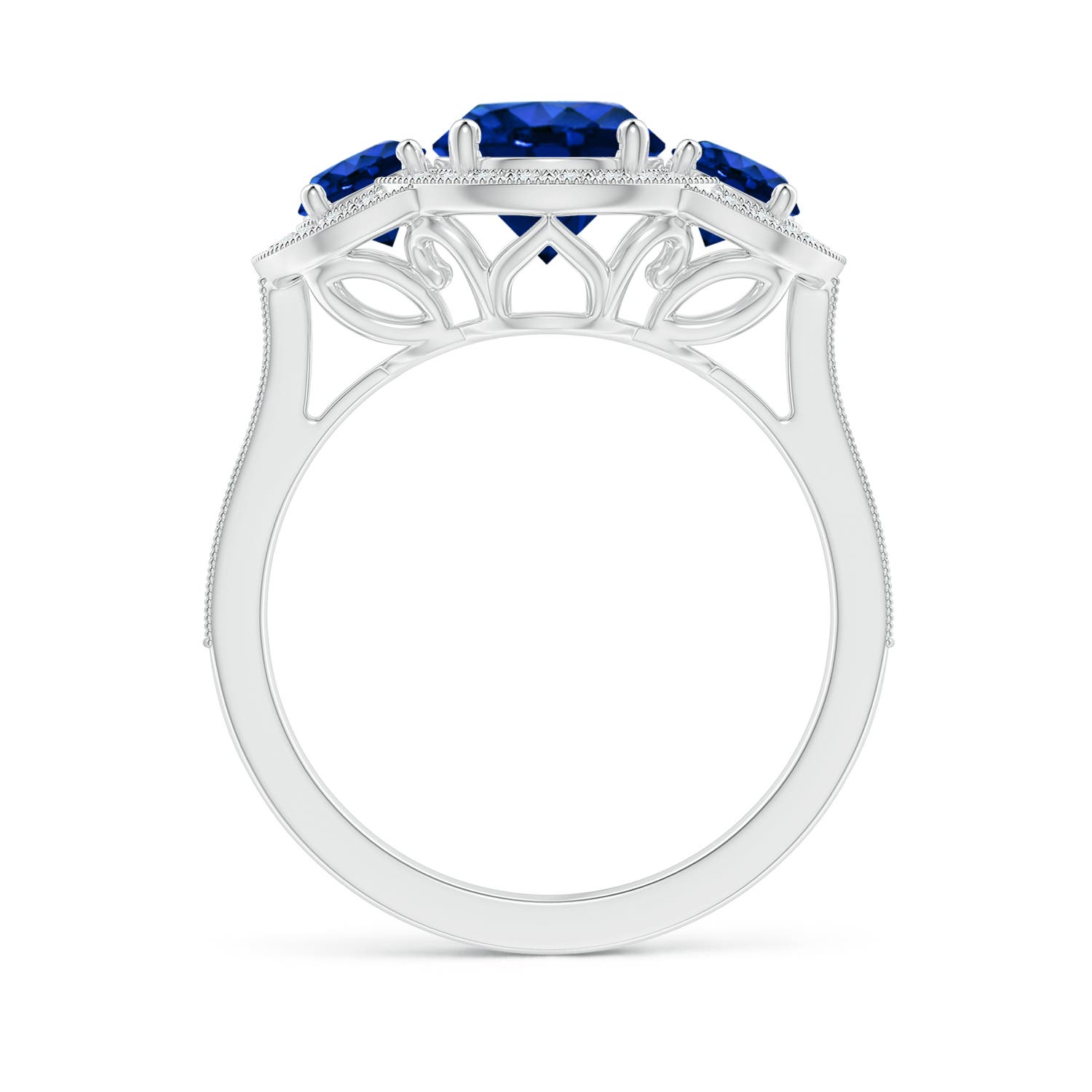
- Lab-Grown Aeon Vintage Inspired Blue Sapphire Halo Three Stone Engagement Ring with Milgrain$4,238 $4,709


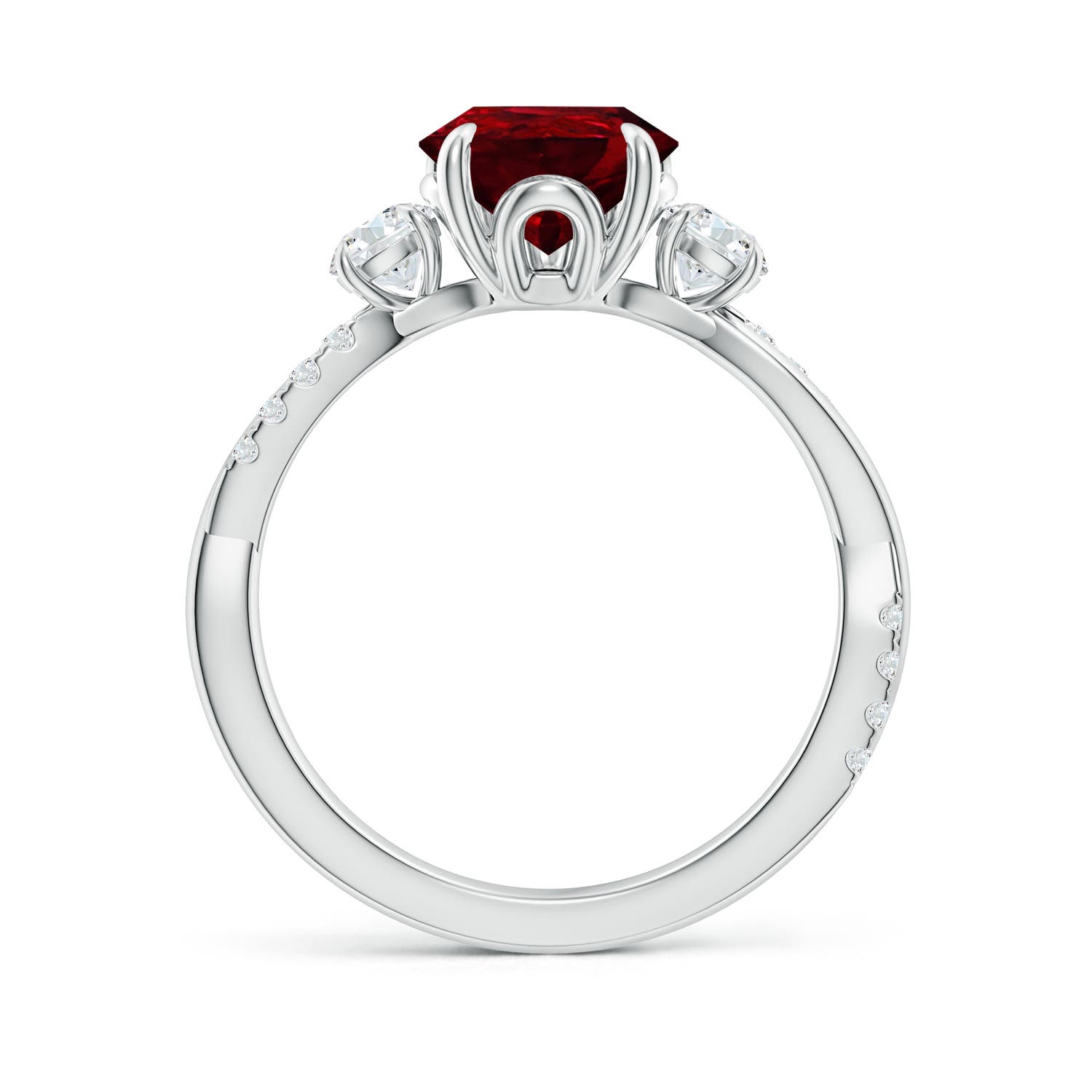
- Three Stone Pear Ruby & Diamond Engagement Ring$66,239 $73,599


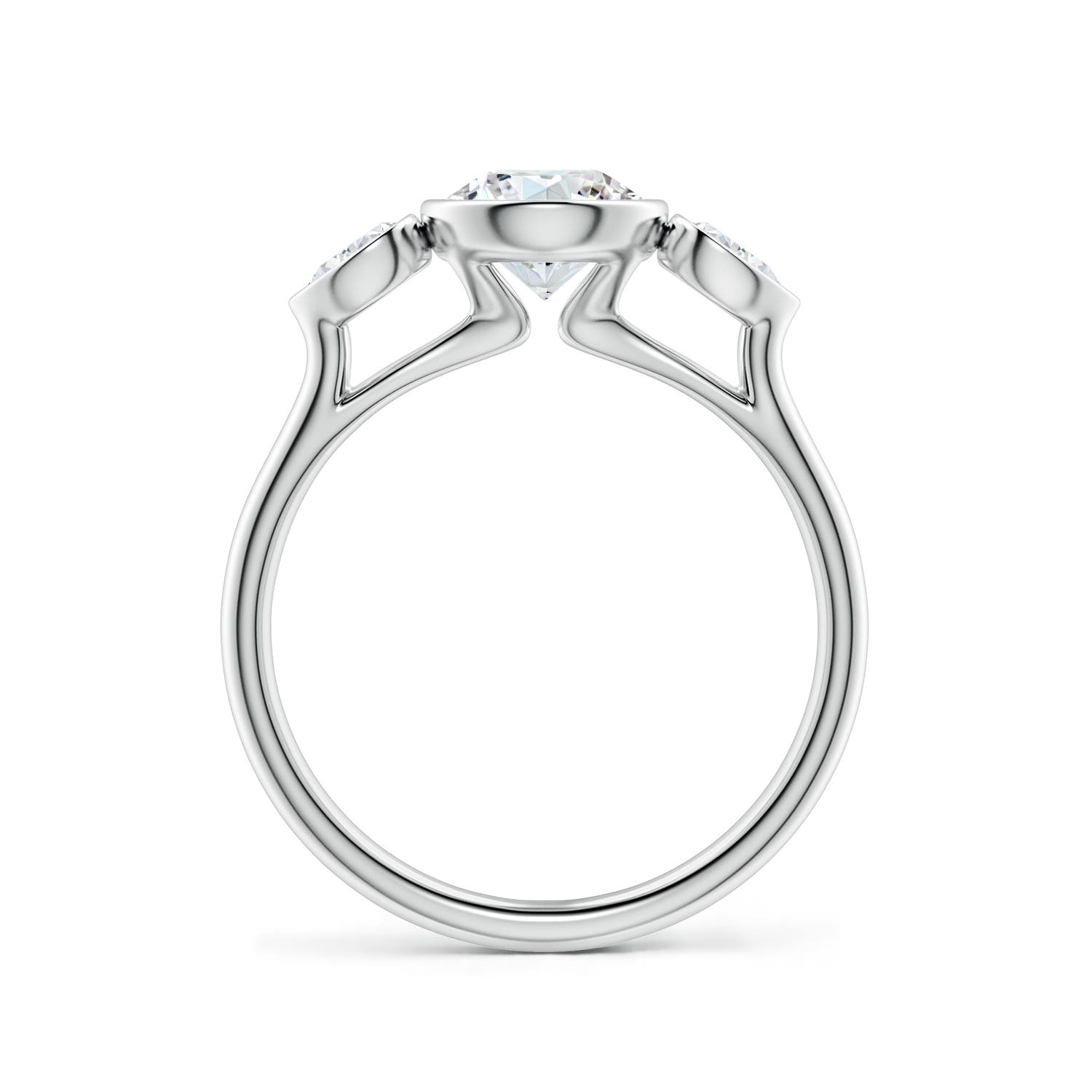
- Bezel-Set Round and Pear Diamond Three-Stone Engagement Ring$7,343 $8,159


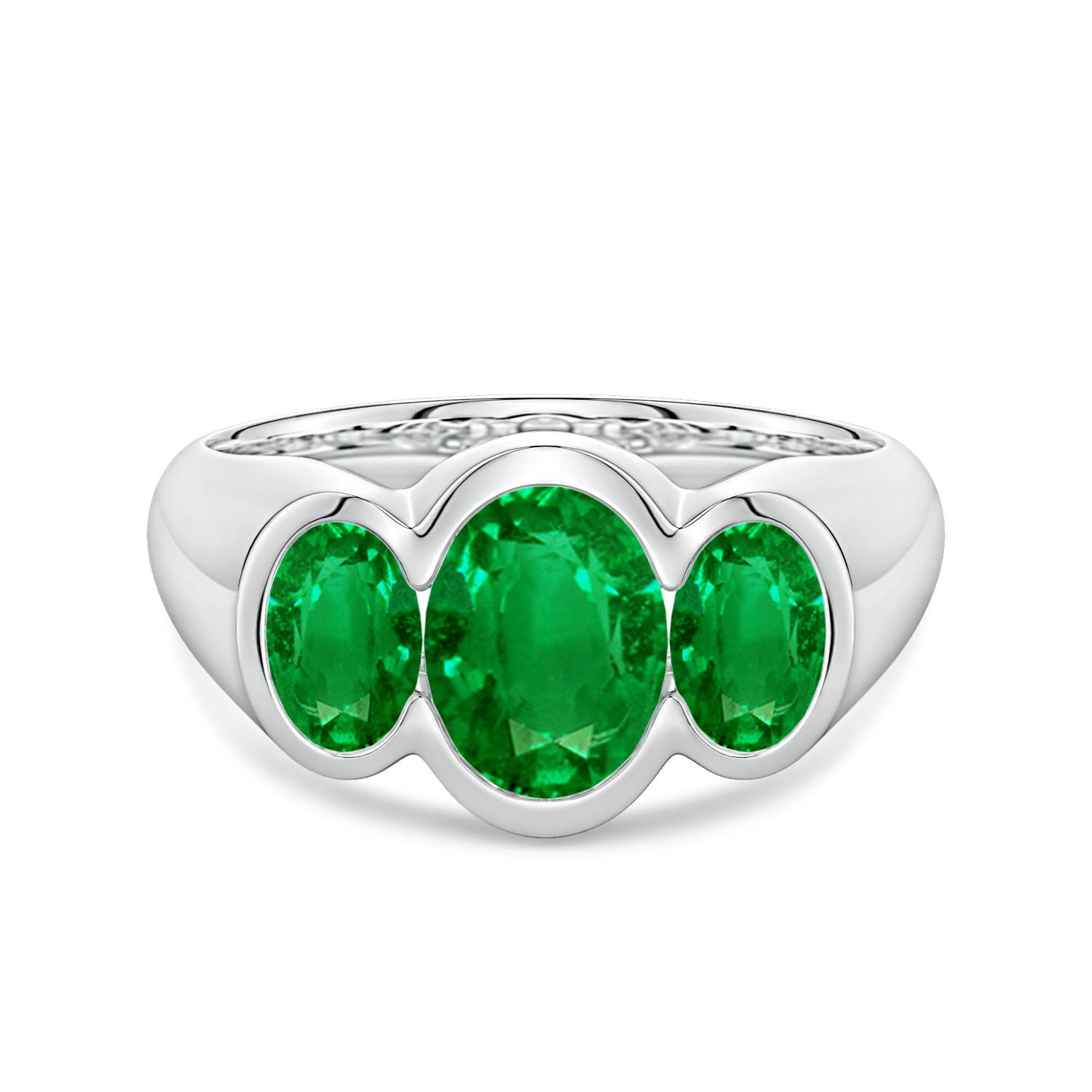
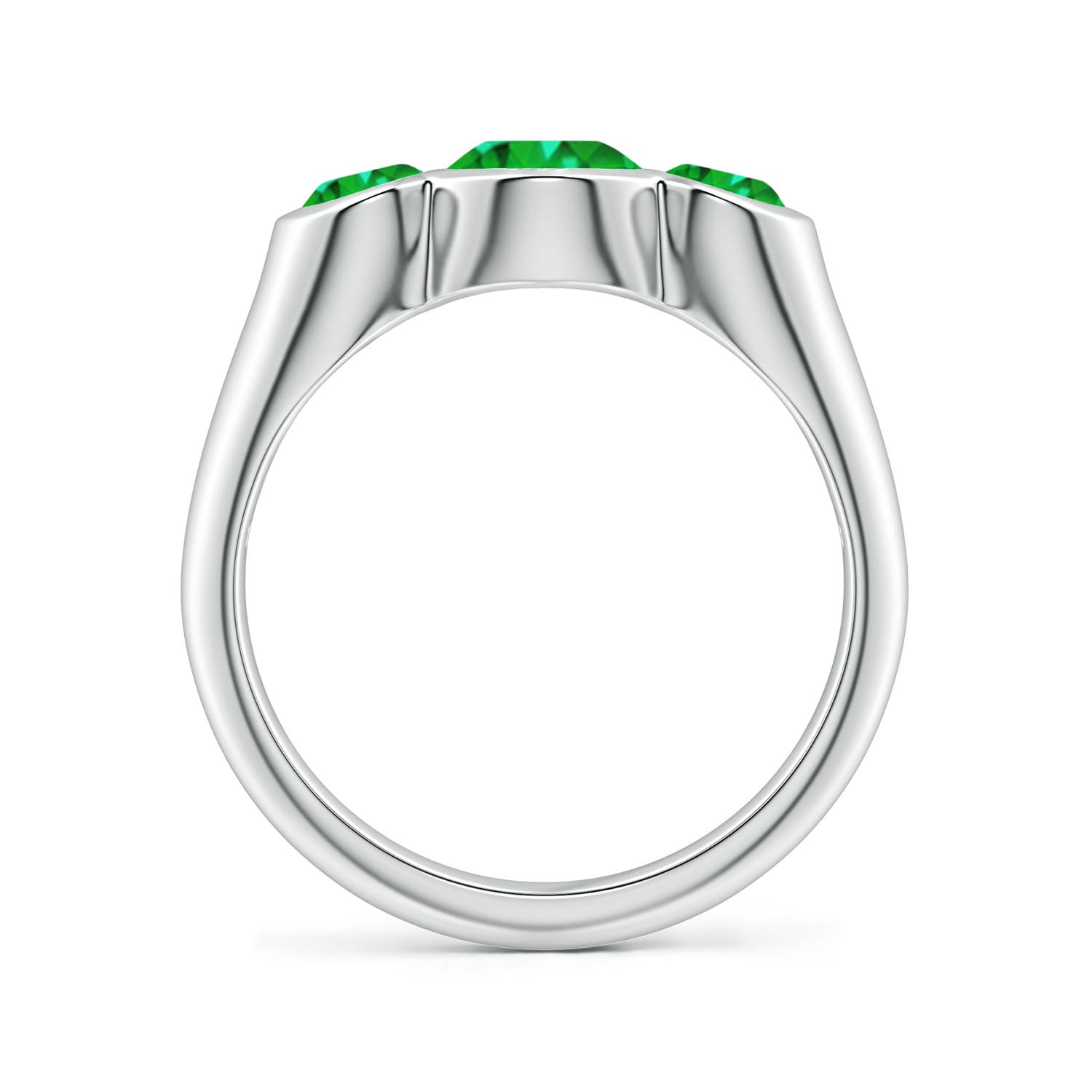
- Flush-Set Oval Emerald Three-Stone Engagement Ring$12,266 $13,629


- East-West Oval Blue Sapphire and Pear Diamond Three-Stone Engagement Ring$8,738 $9,709


- Classic Round Lab-Grown Ruby and Trapezoid Diamond Three Stone Engagement Ring$2,528 $2,809





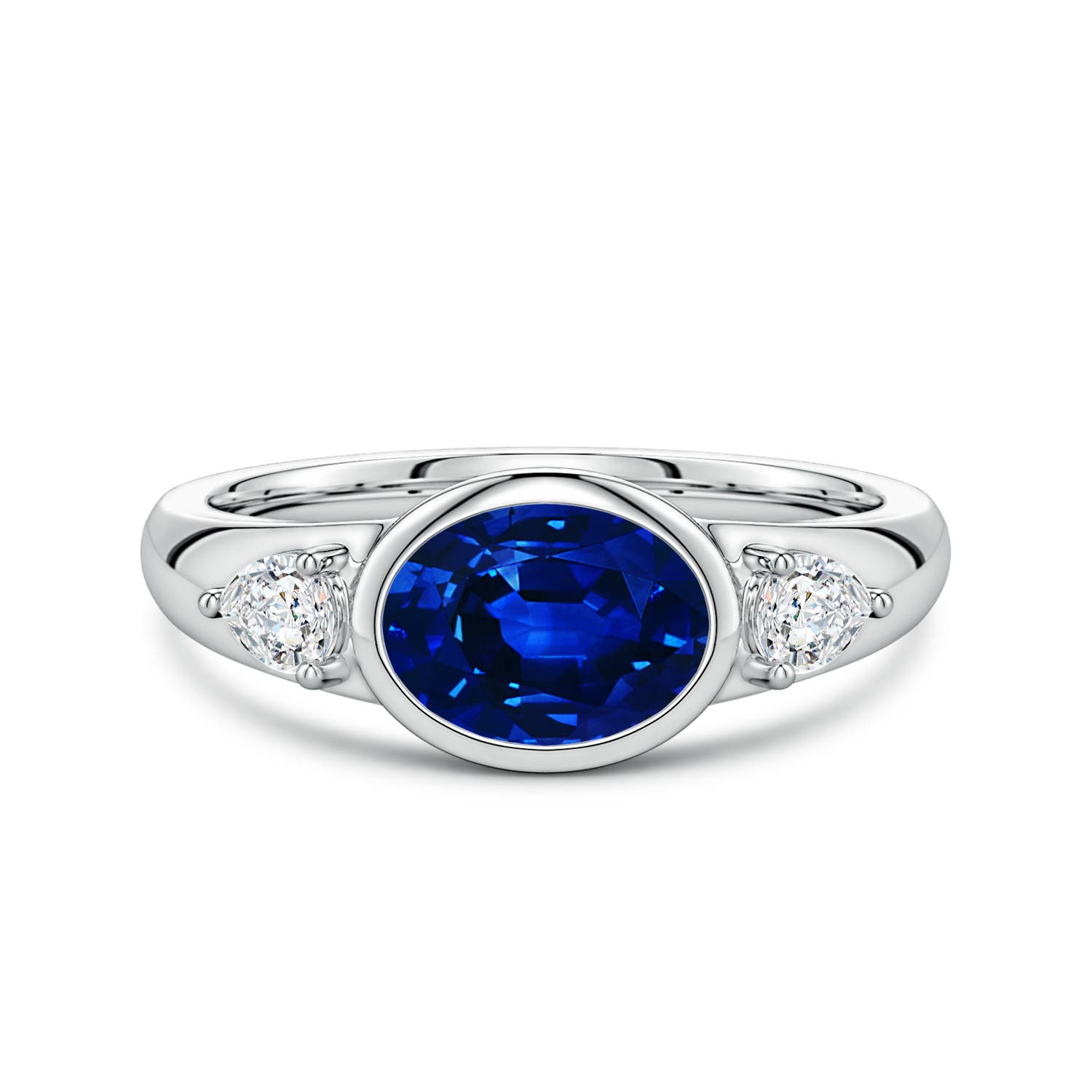
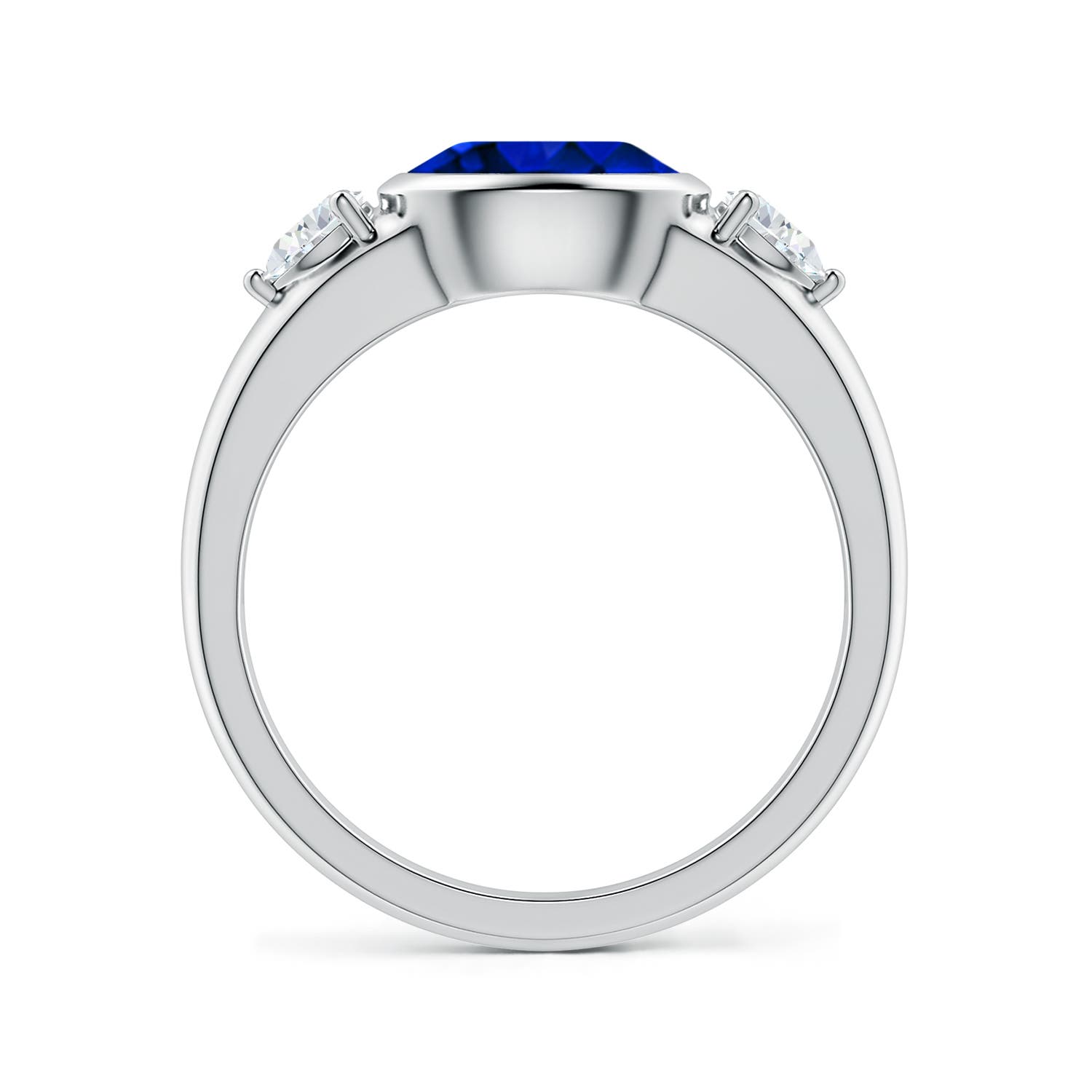
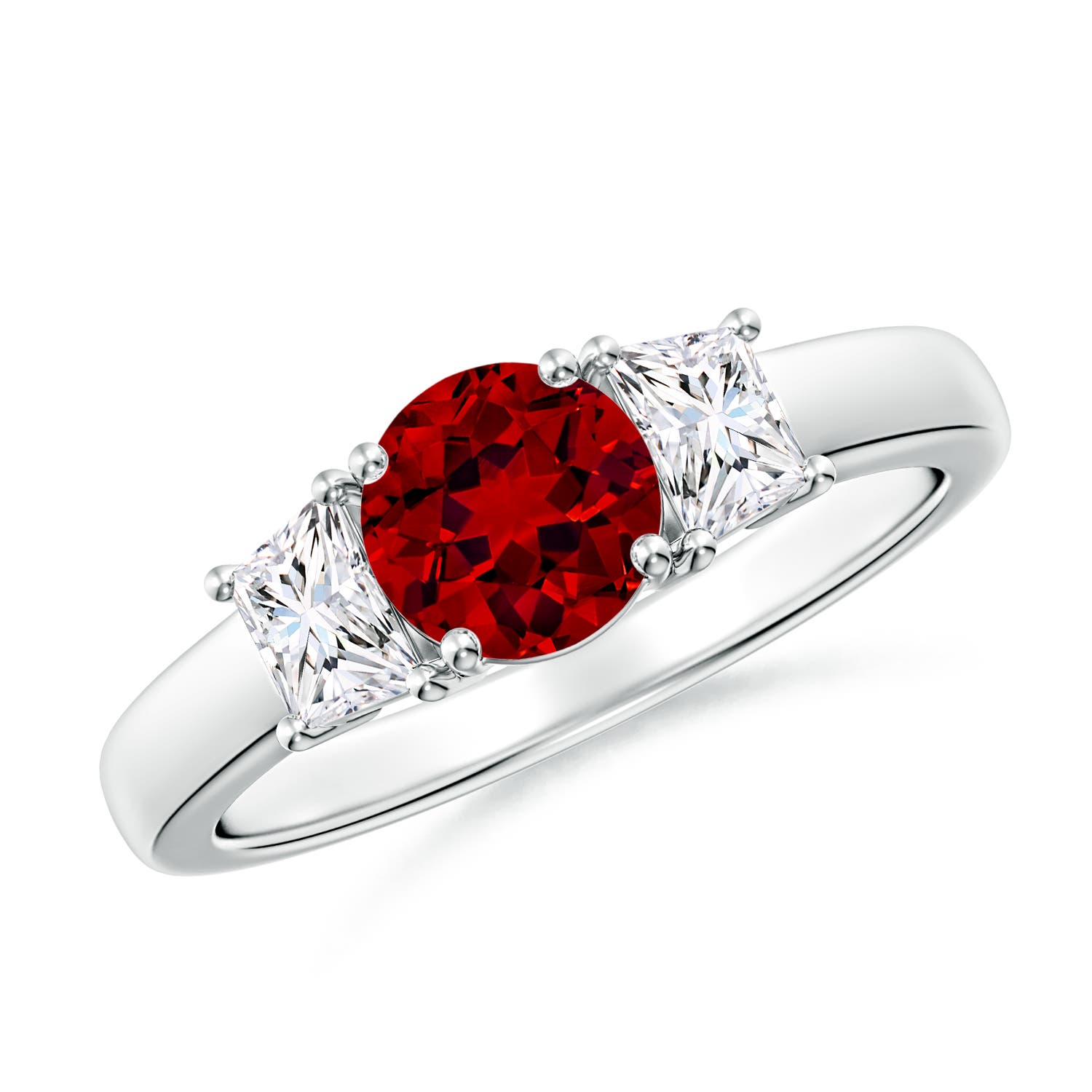
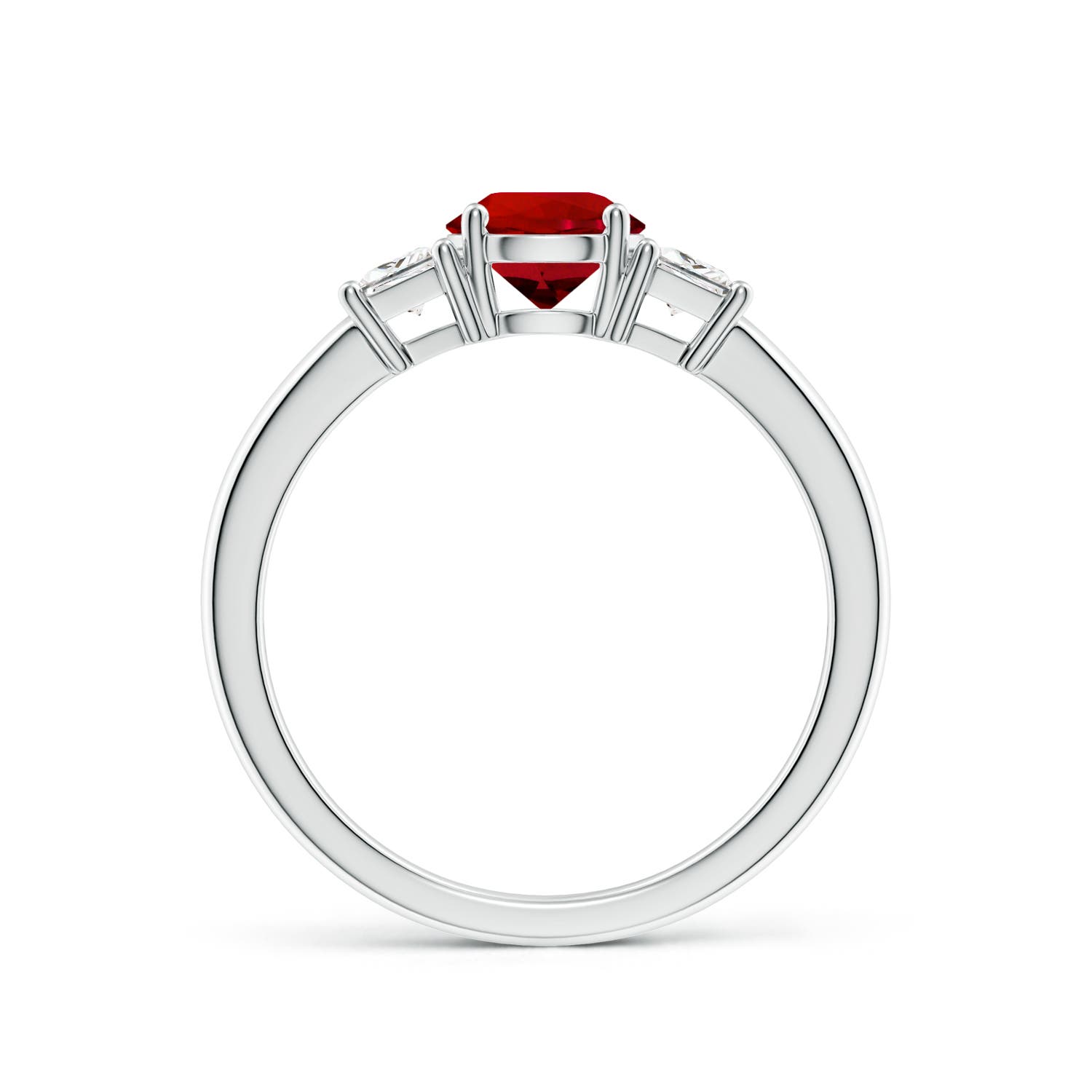
-
Vintage-Inspired Settings
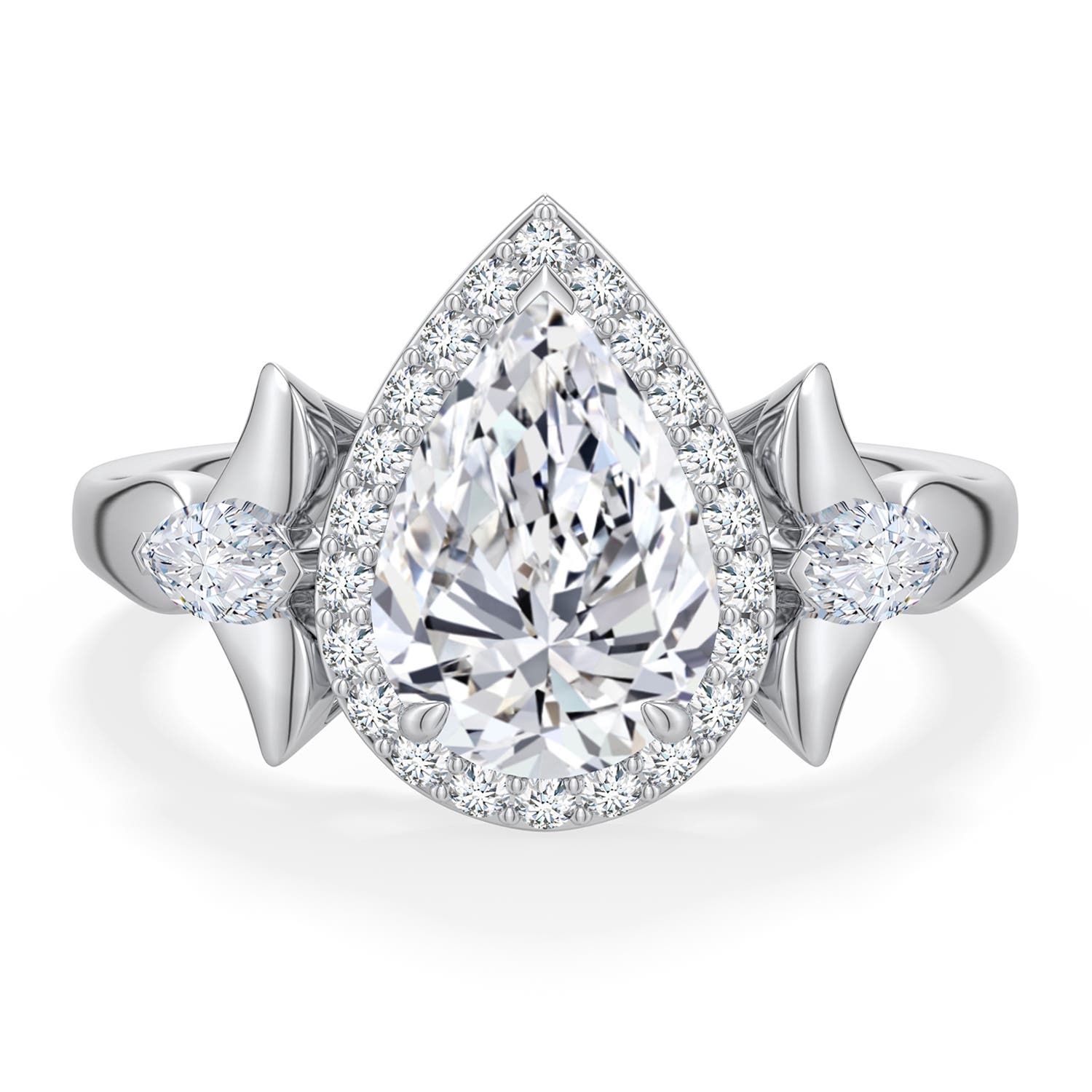
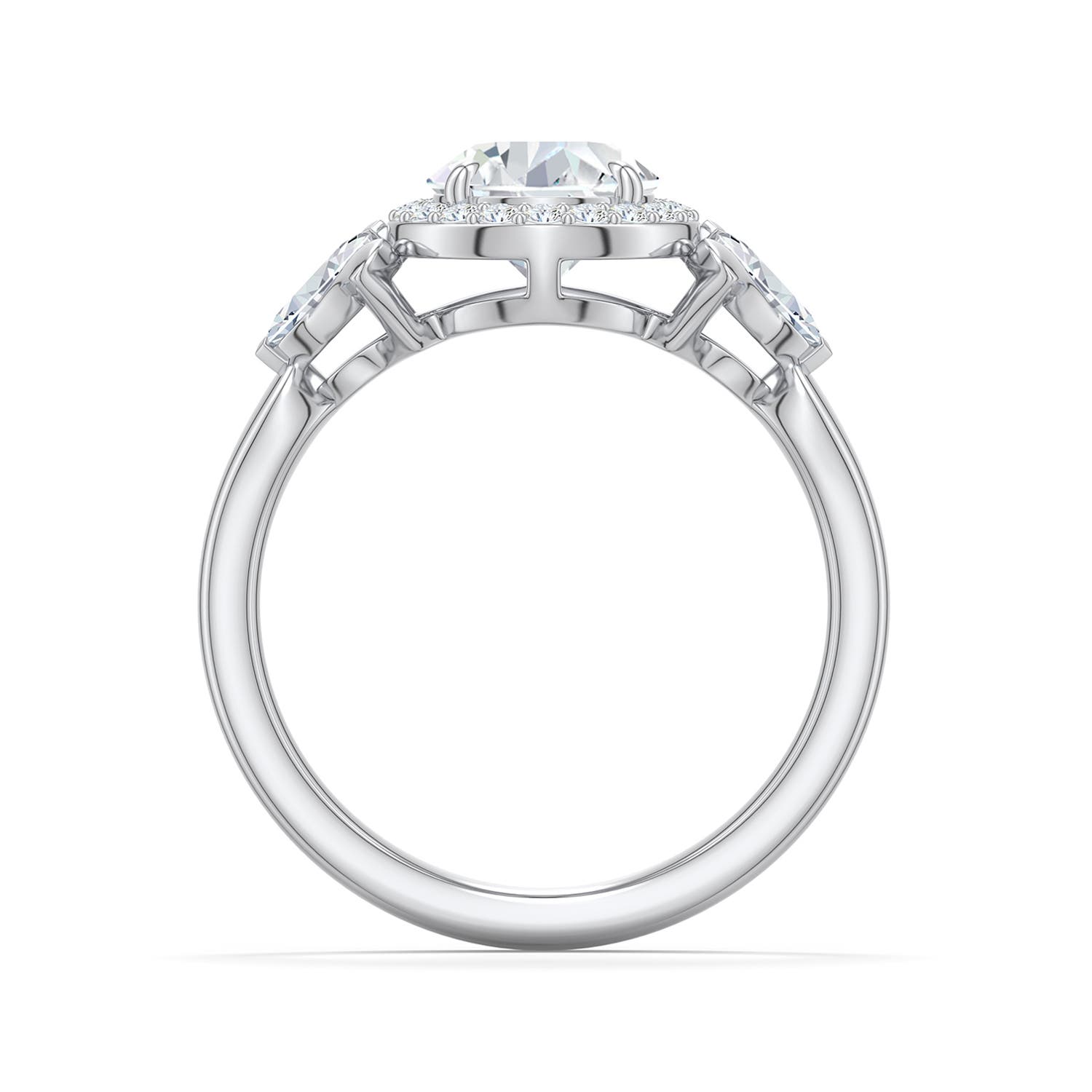
- Pear Diamond Halo Engagement Ring with Marquise Accents$25,109 $27,899


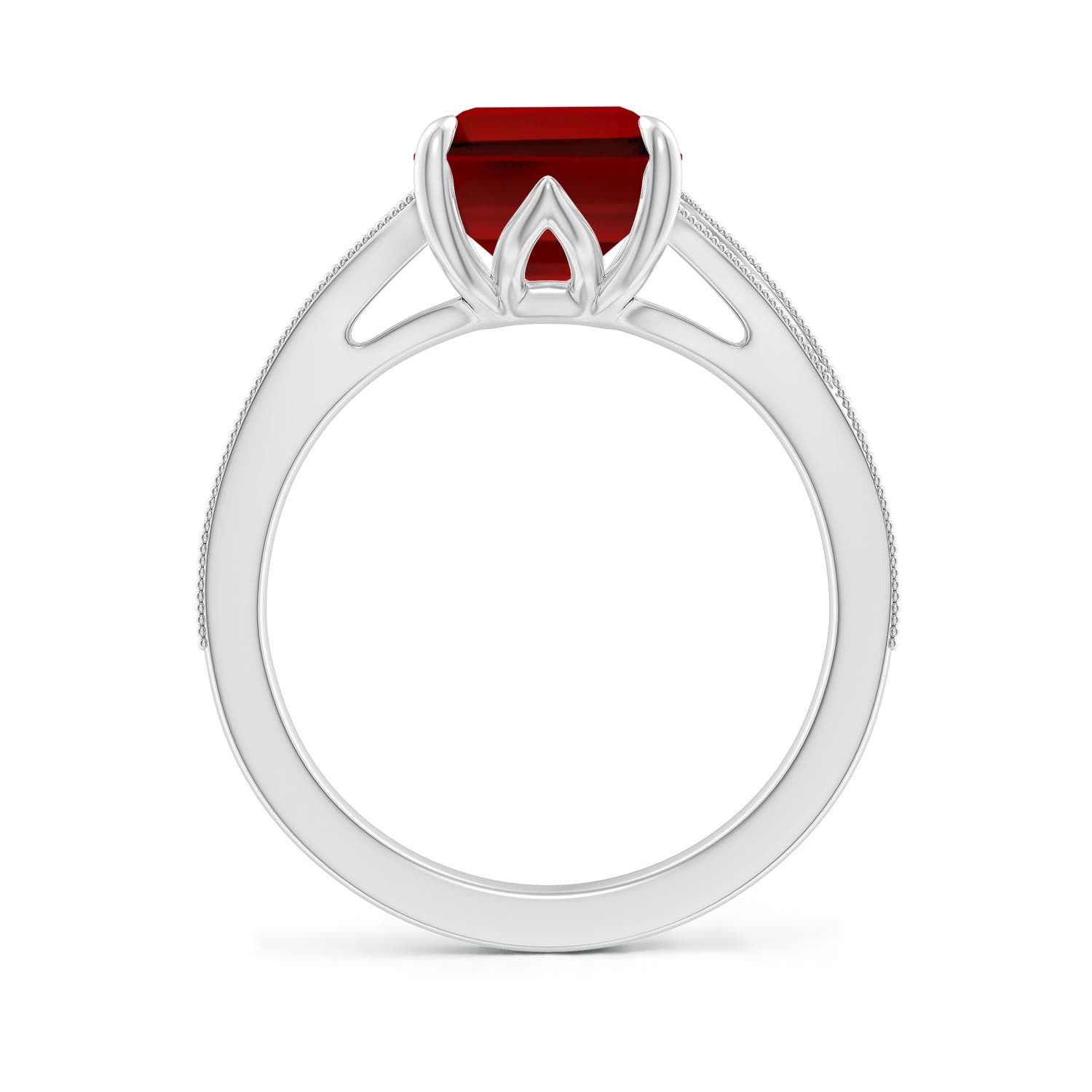
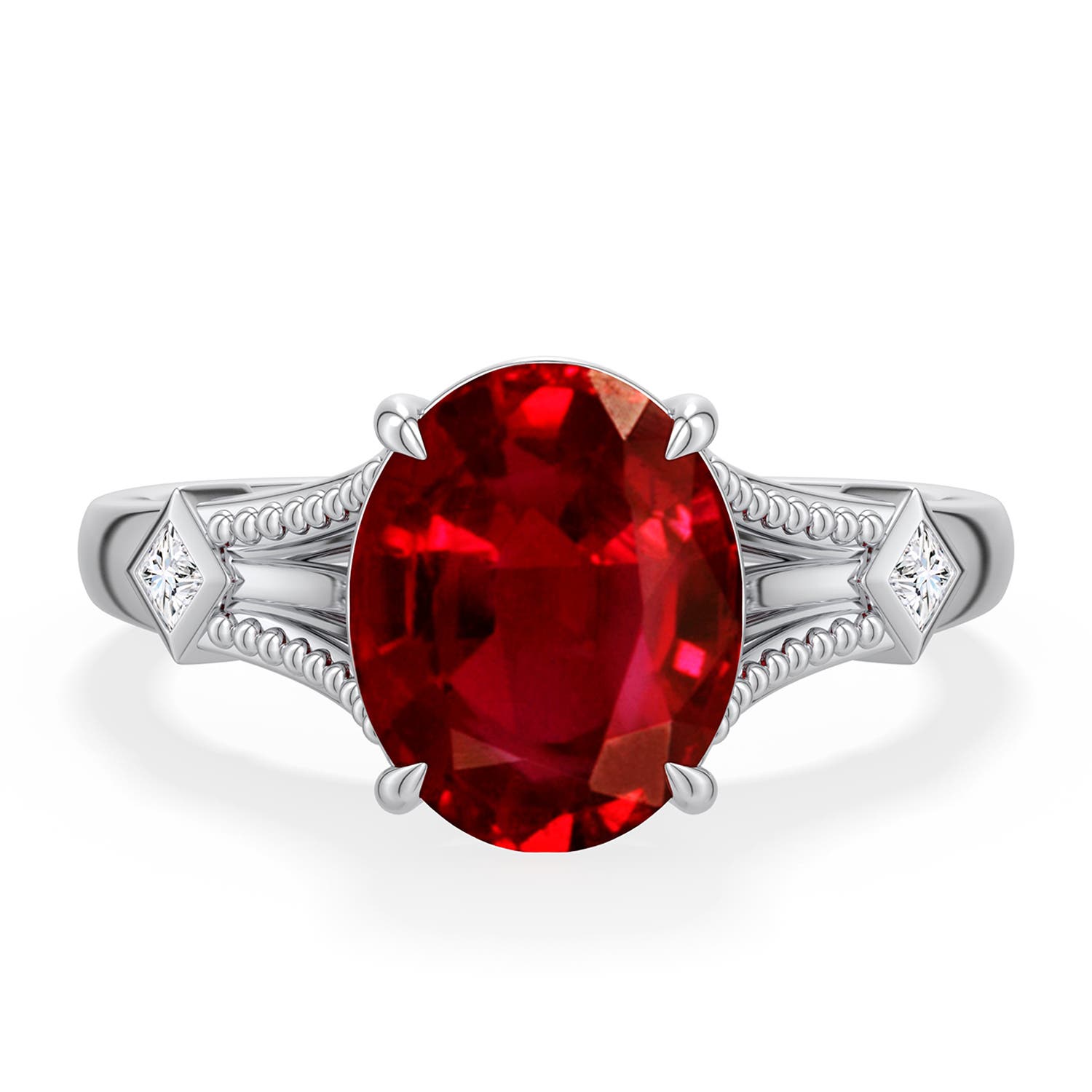
- Lab-Grown Vintage Inspired Emerald-Cut Ruby Split Shank Engagement Ring$3,851 $4,279


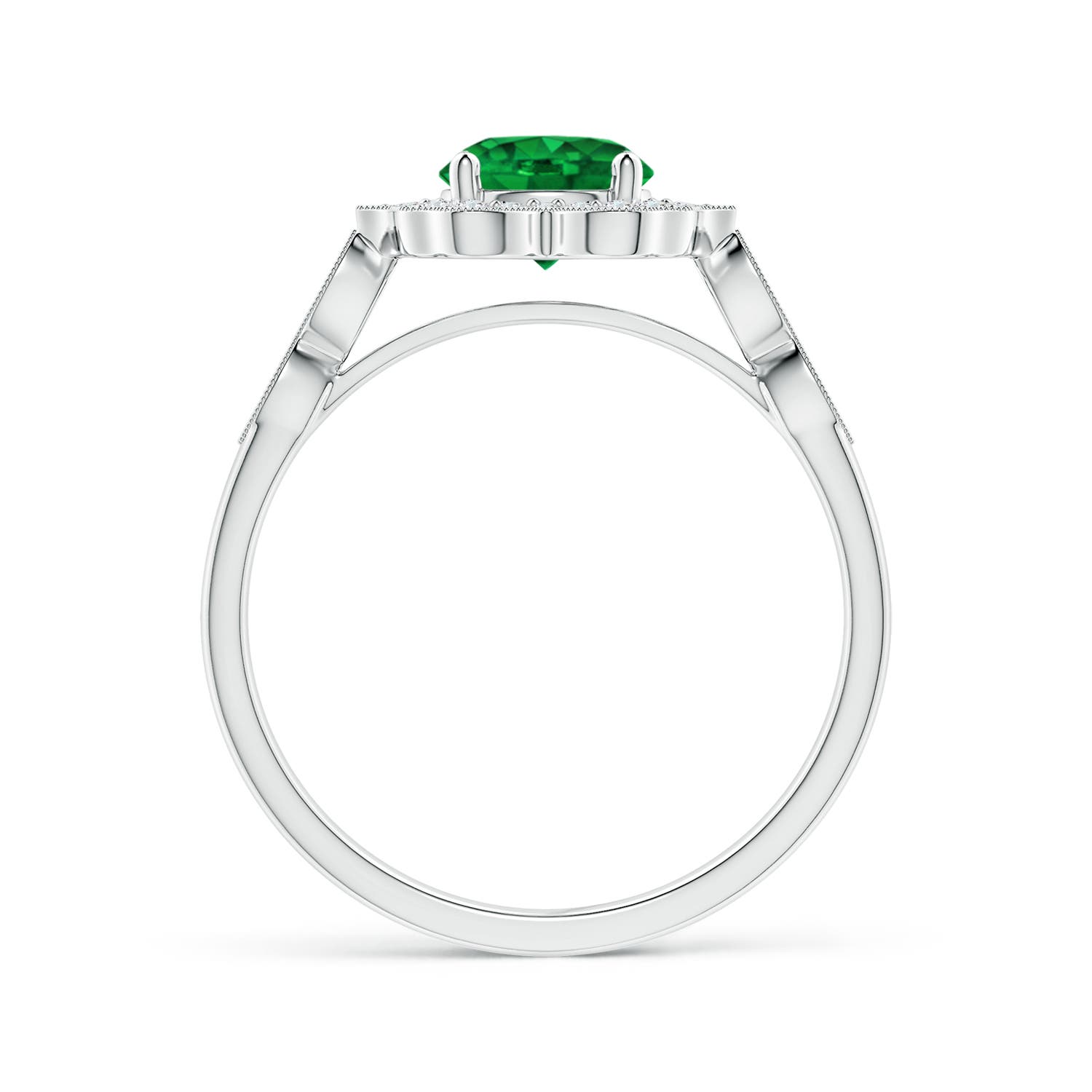
- Vintage Inspired Round Emerald Engagement Ring with Ornate Halo$7,361 $8,179


- Vintage Style Cushion Sapphire Solitaire Engagement Ring$66,374 $73,749


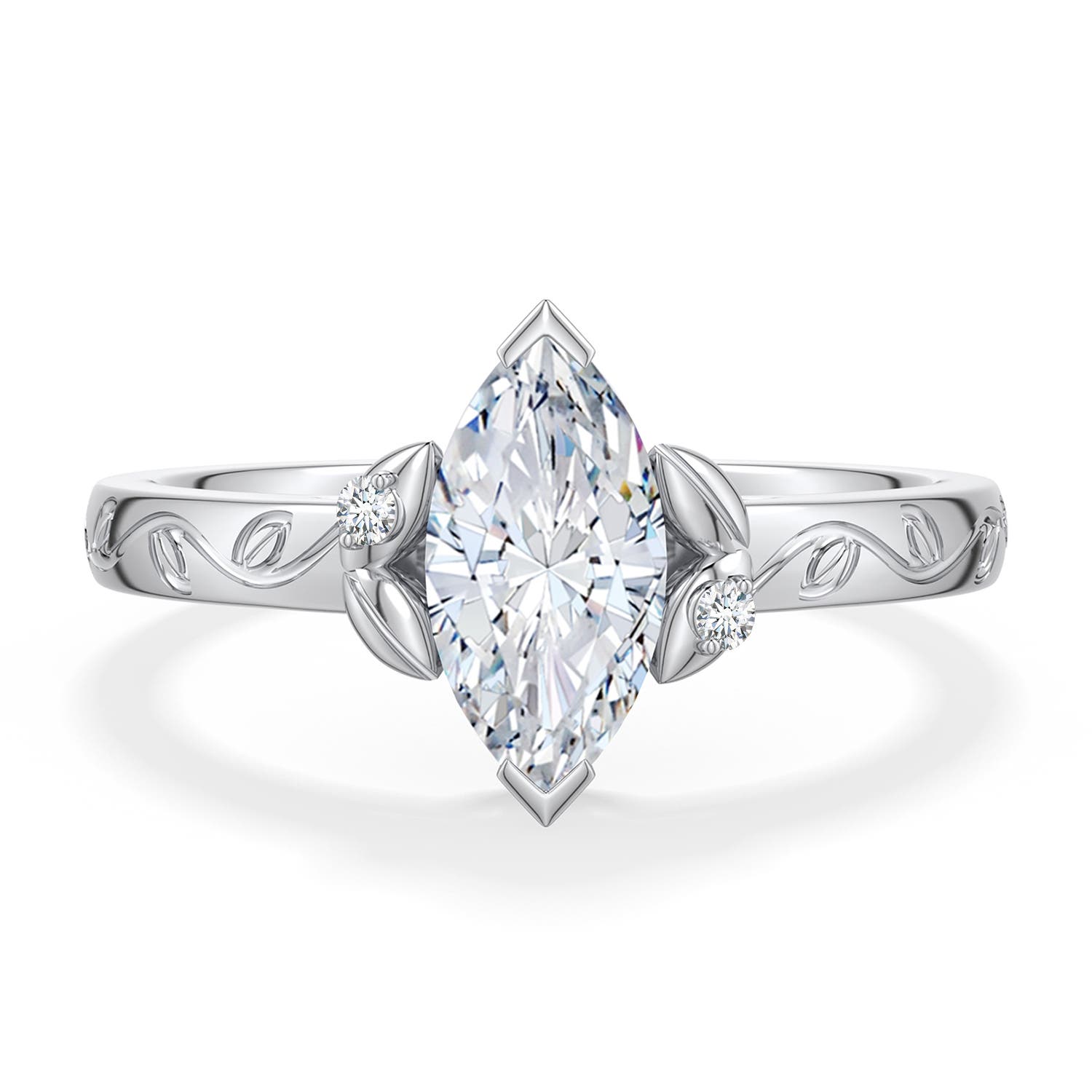
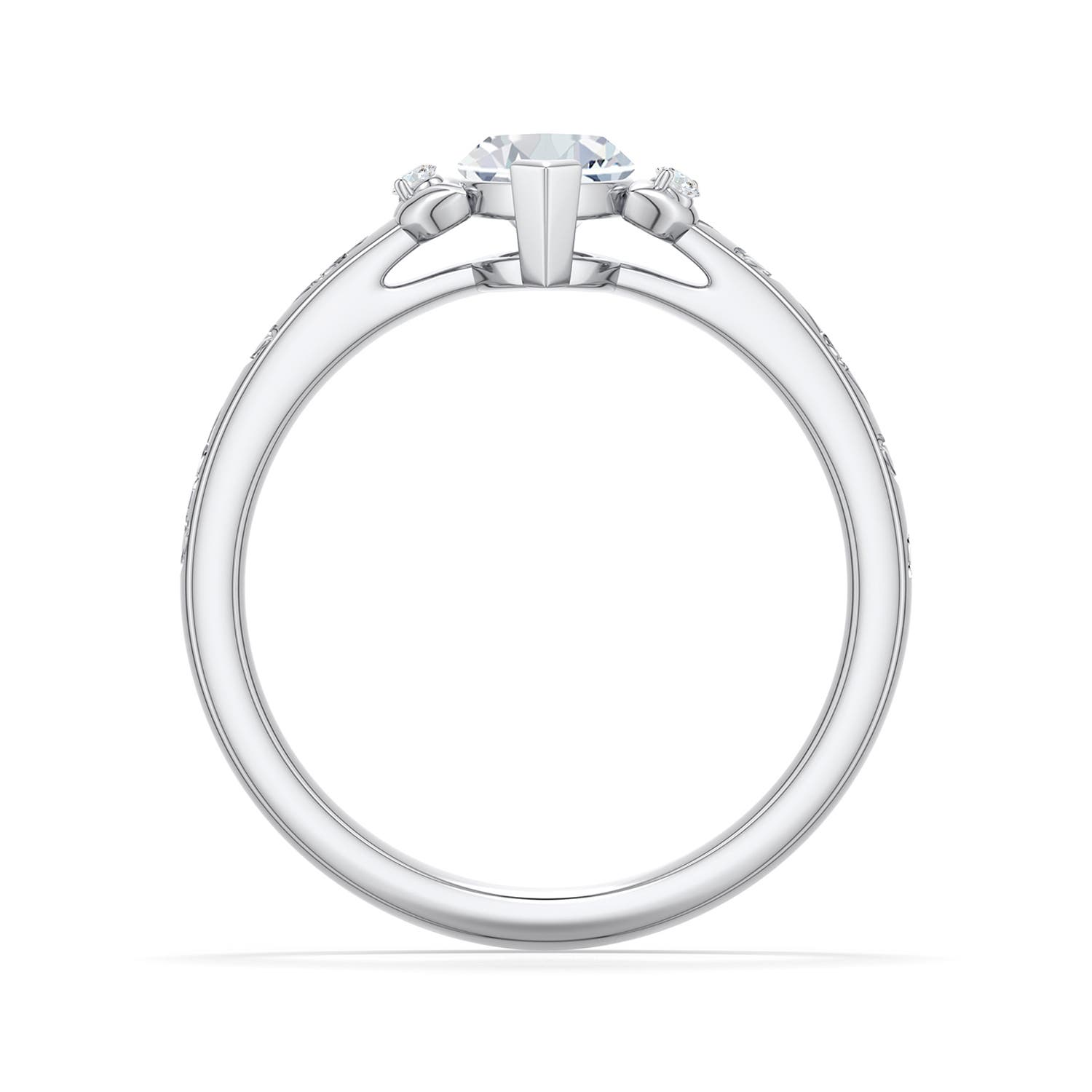
- Marquise Diamond Leaf Vine Engagement Ring$9,890 $10,989


- Oval Lab-Grown Ruby Cathedral Engagement Ring with Accents$5,750 $6,389


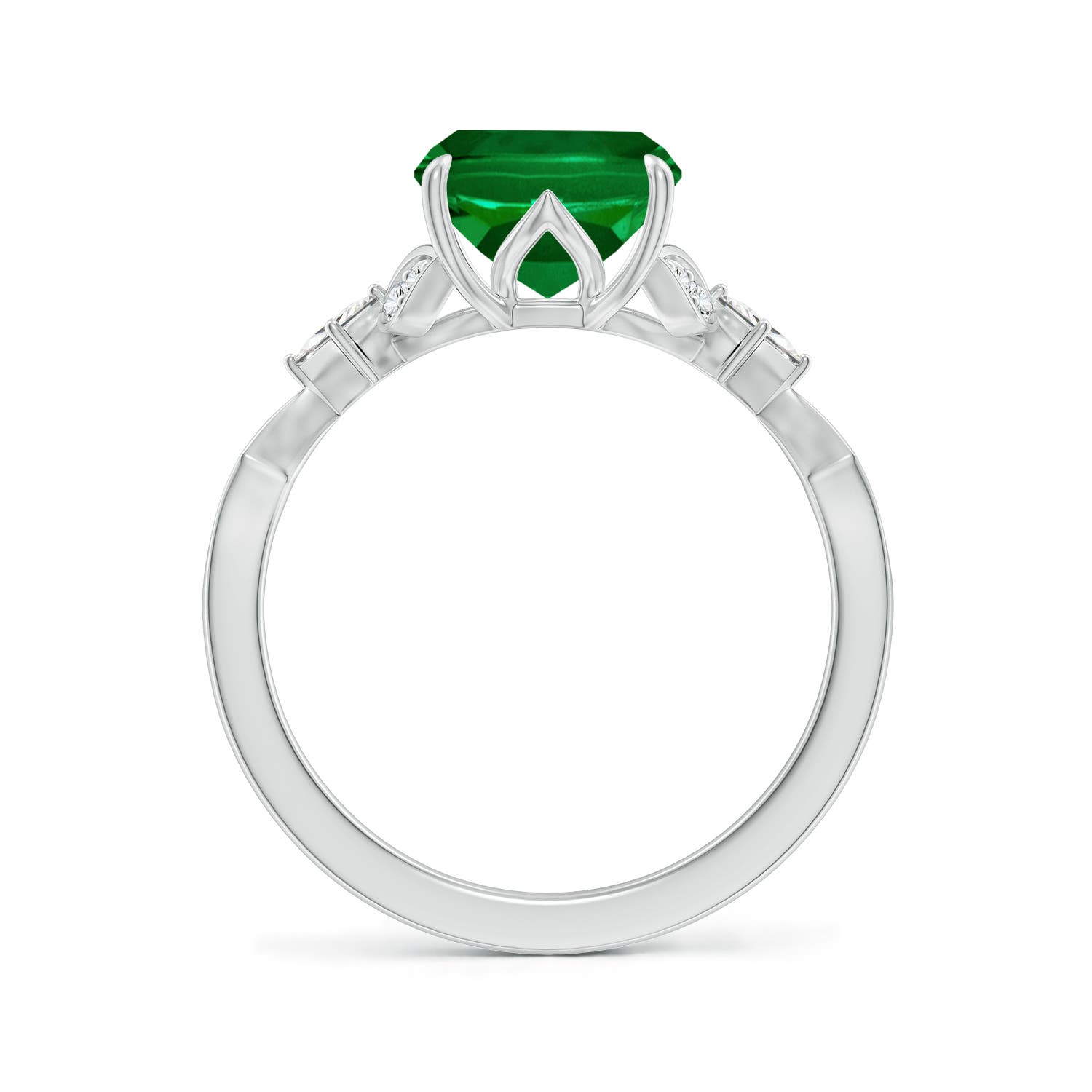
- Lab-Grown Vintage Style Cushion Rectangular Emerald Engagement Ring with Leaf Motifs$2,564 $2,849


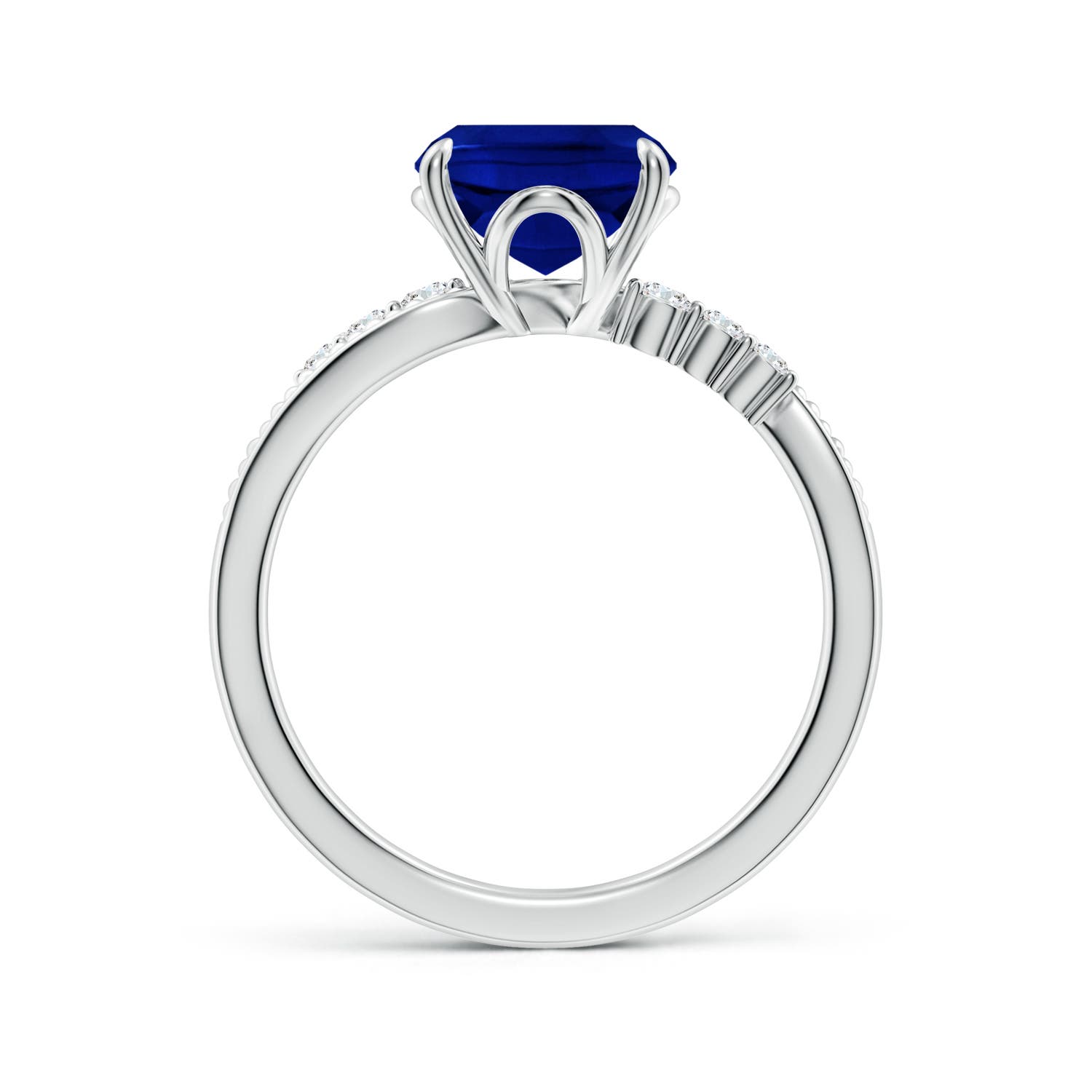
- Lab-Grown Vintage Style Cushion Rectangular Blue Sapphire Bypass Shank Engagement Ring$2,267 $2,519






Platinum Wedding Bands for Women and Men
Wedding bands face daily demands—hand-washing, gym sessions, work stress. Platinum's durability makes it the ideal metal for wedding bands and rings worn constantly. Whether you're choosing for yourself or as a matching set with an engagement ring, platinum delivers uncompromising performance.
-
Women's Platinum Wedding Bands
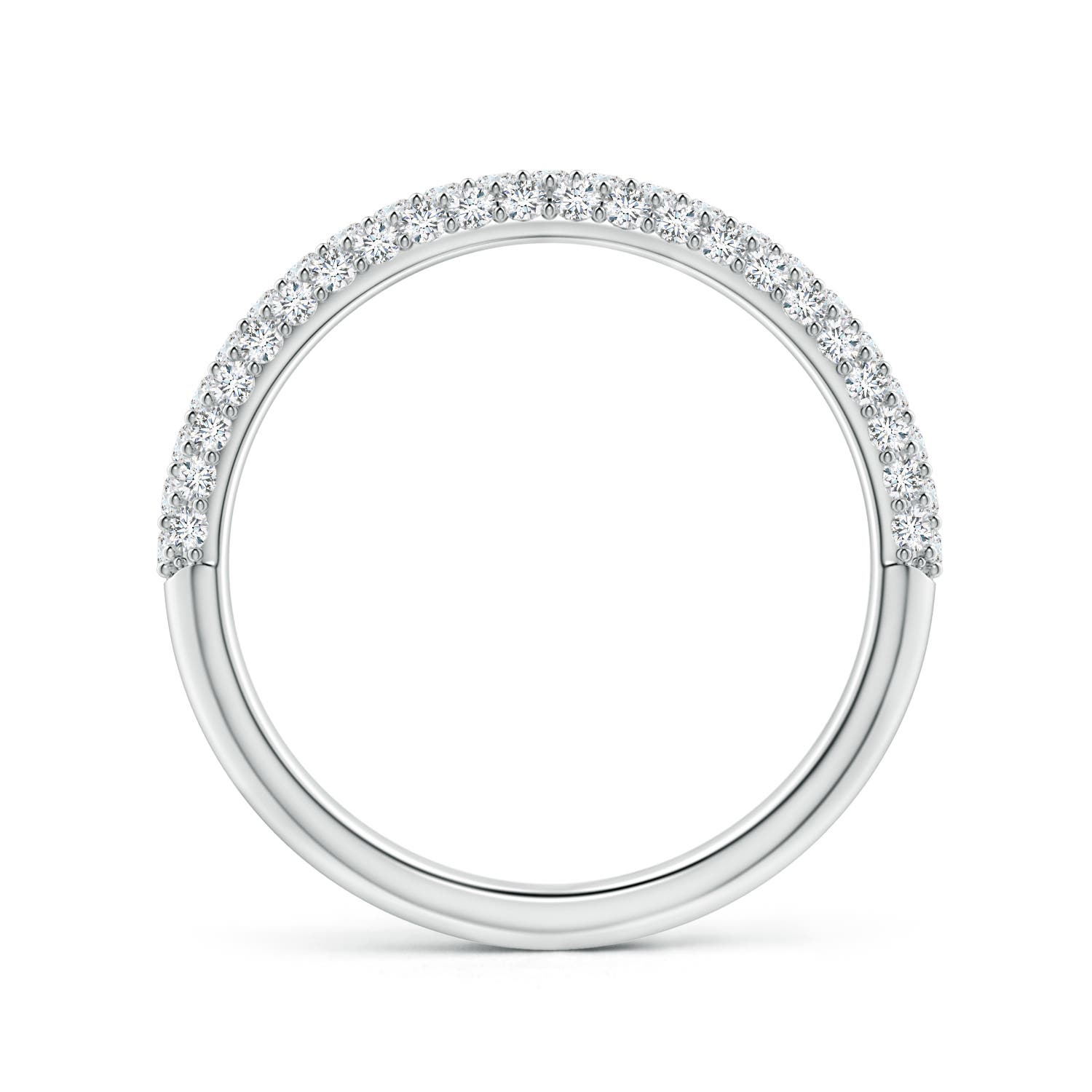
- Prong-Set Diamond Stackable Wedding Ring$1,241 $1,379


- Triple Row Diamond Wedding Ring for Women$2,465 $2,739


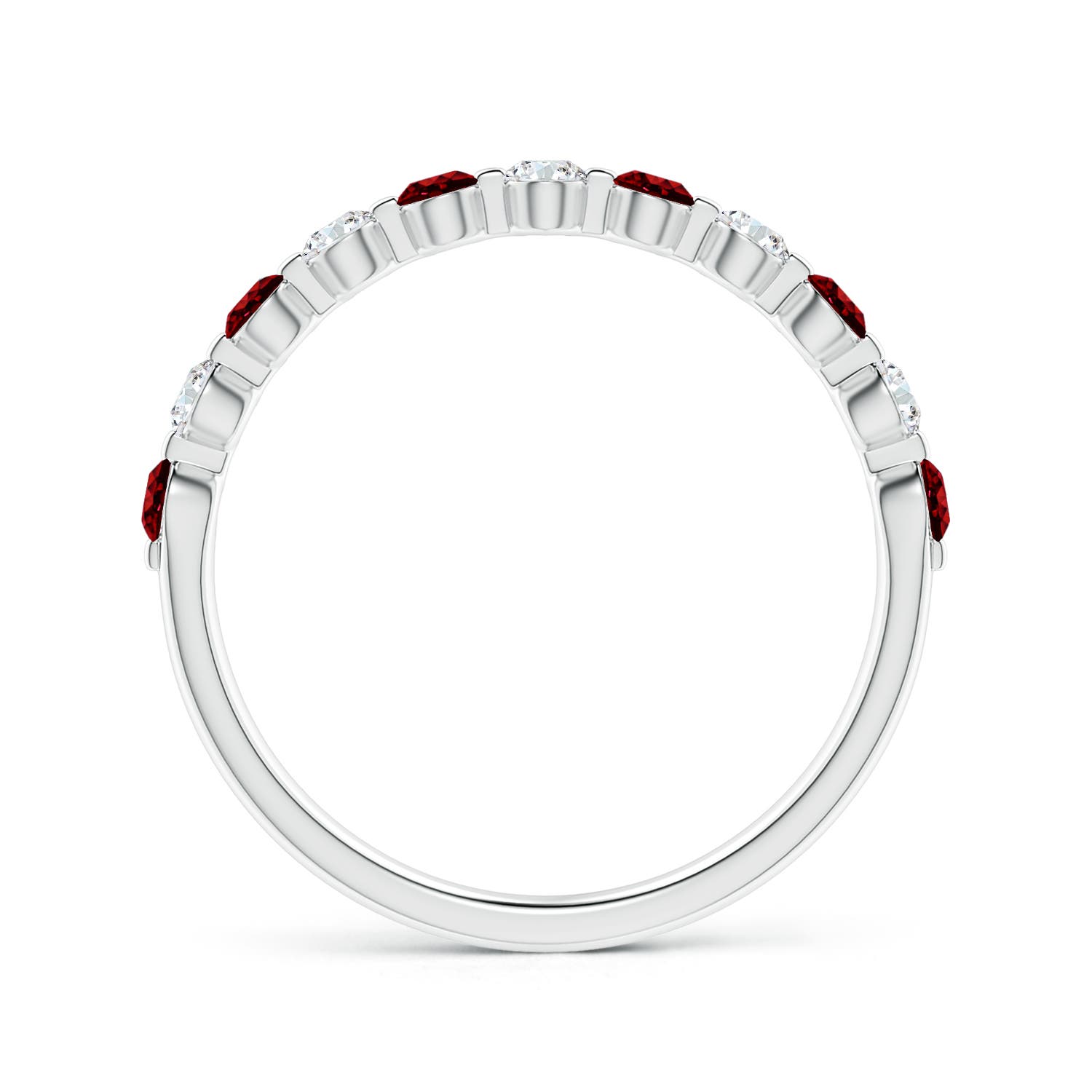
- Floating Ruby and Diamond Semi Eternity Wedding Ring for Her$1,790 $1,989


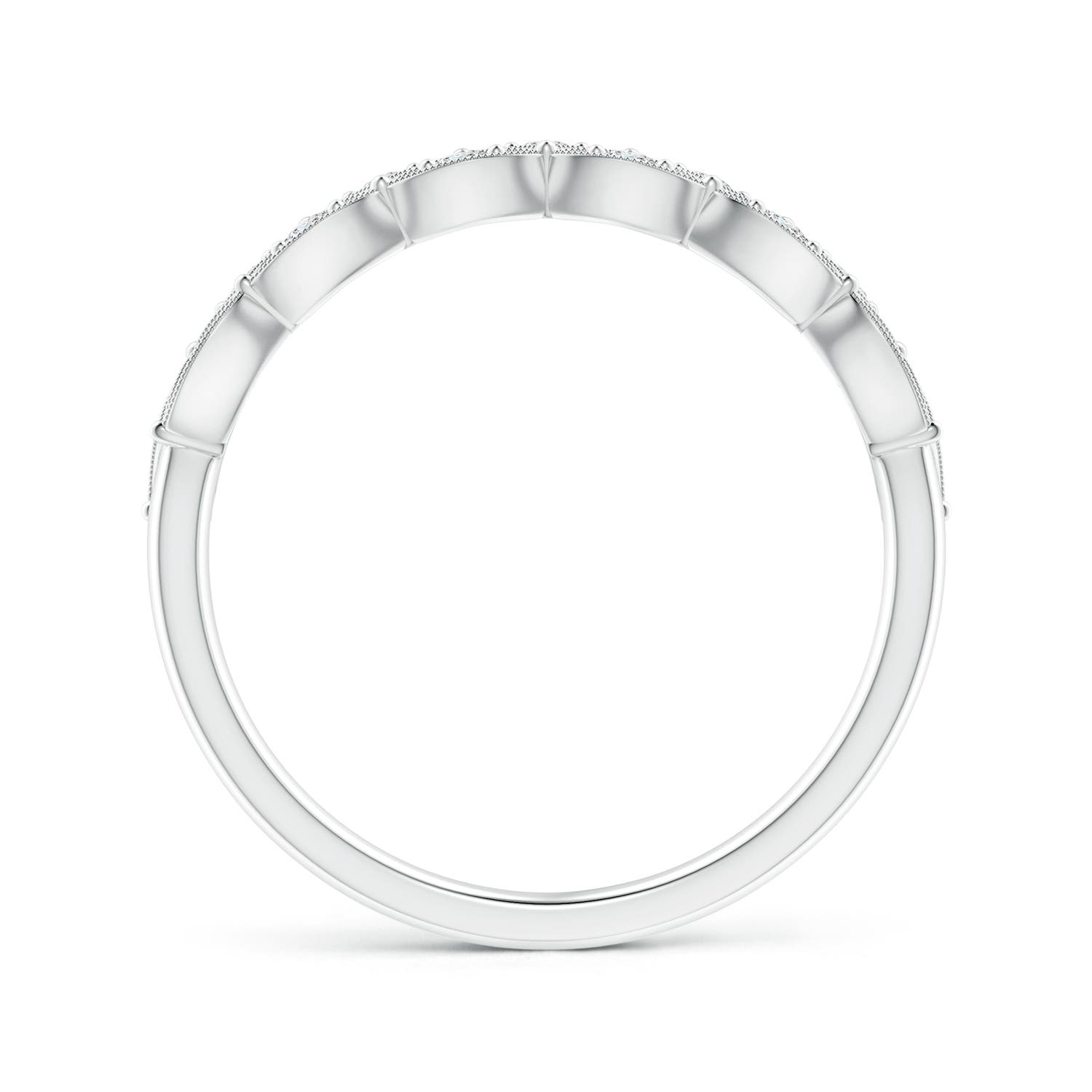
- Lab-Grown Vintage Inspired Pave-Set Diamond Leaf Cutout Wedding Band$1,322 $1,469


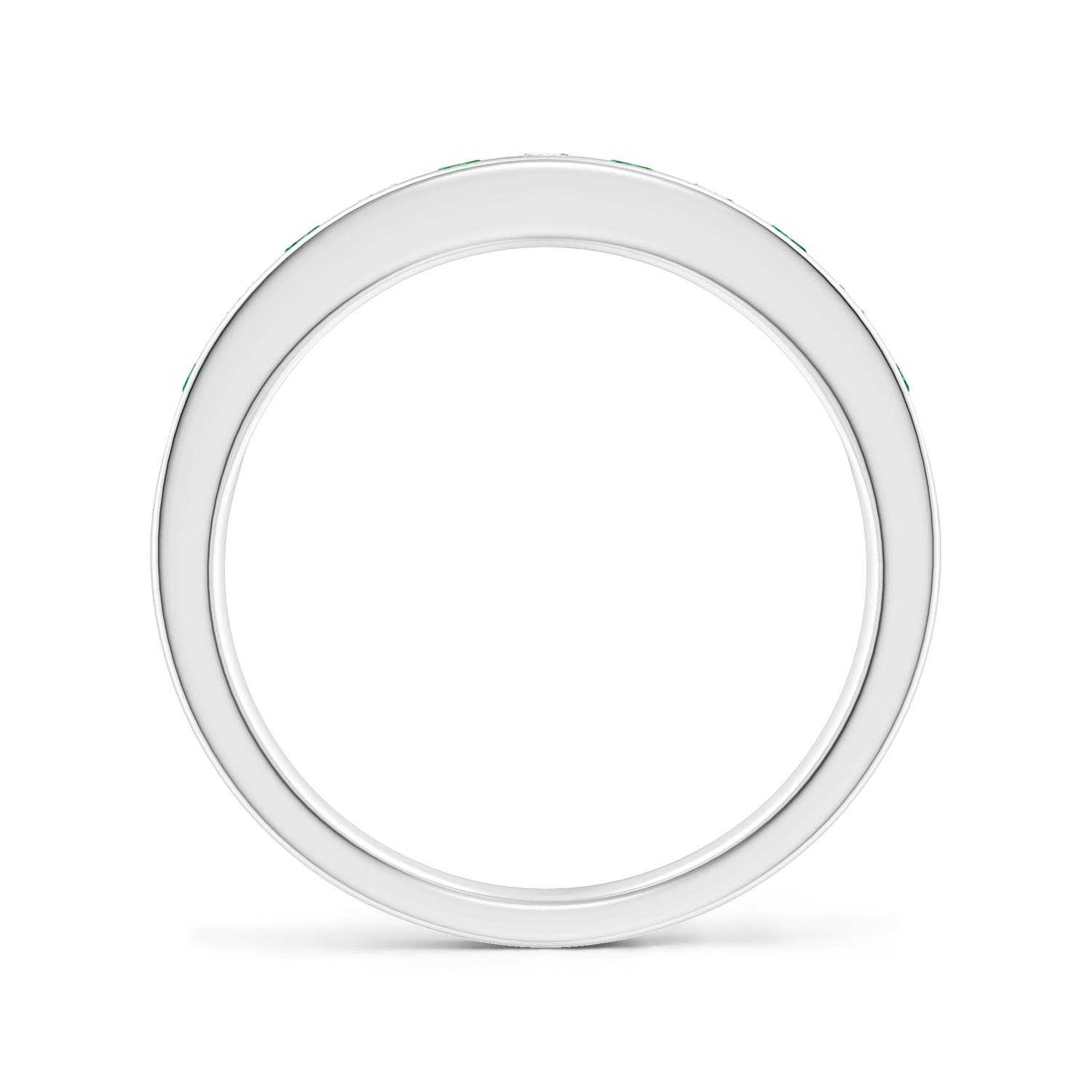
- Channel Set Emerald and Diamond Semi Eternity Ring$2,690 $2,989


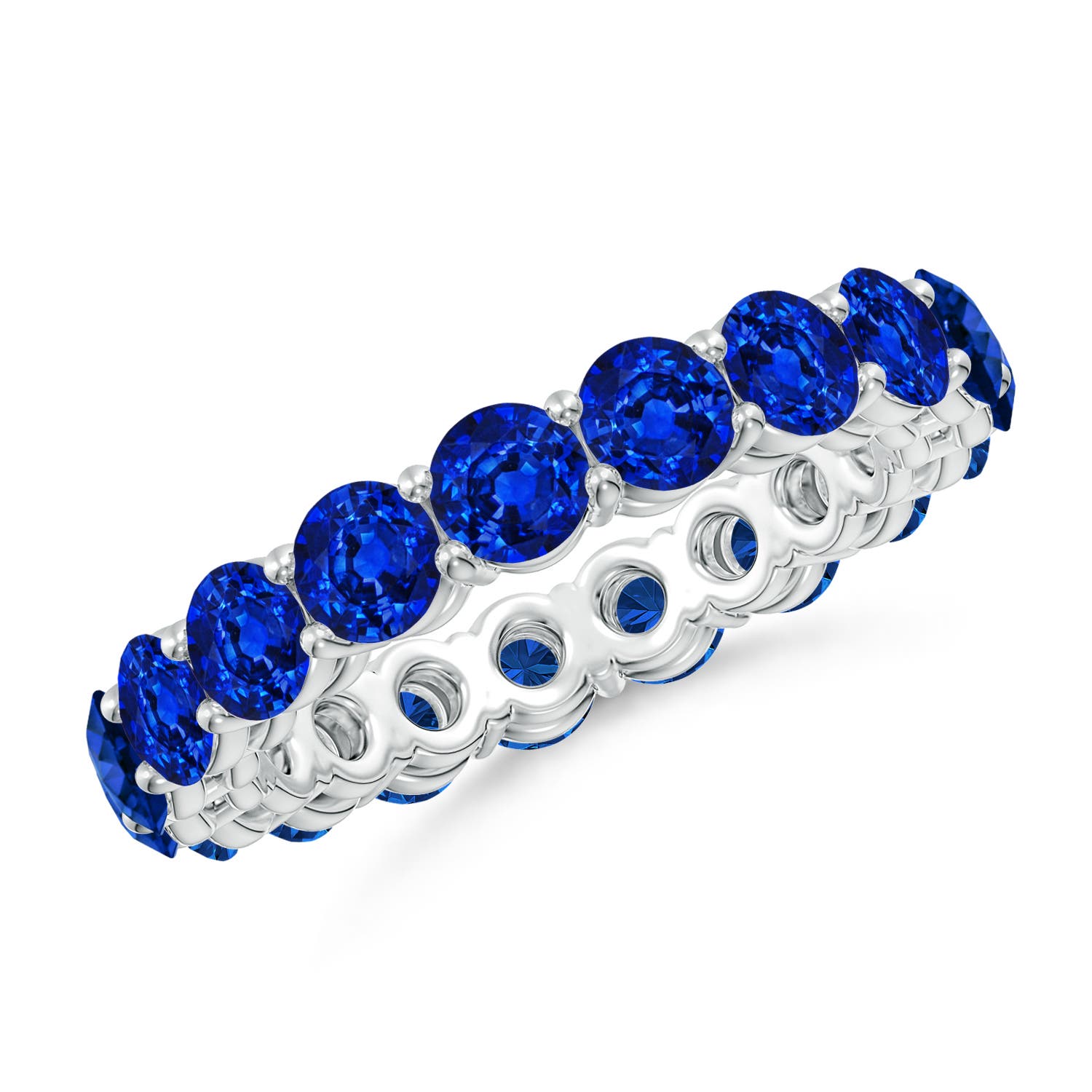
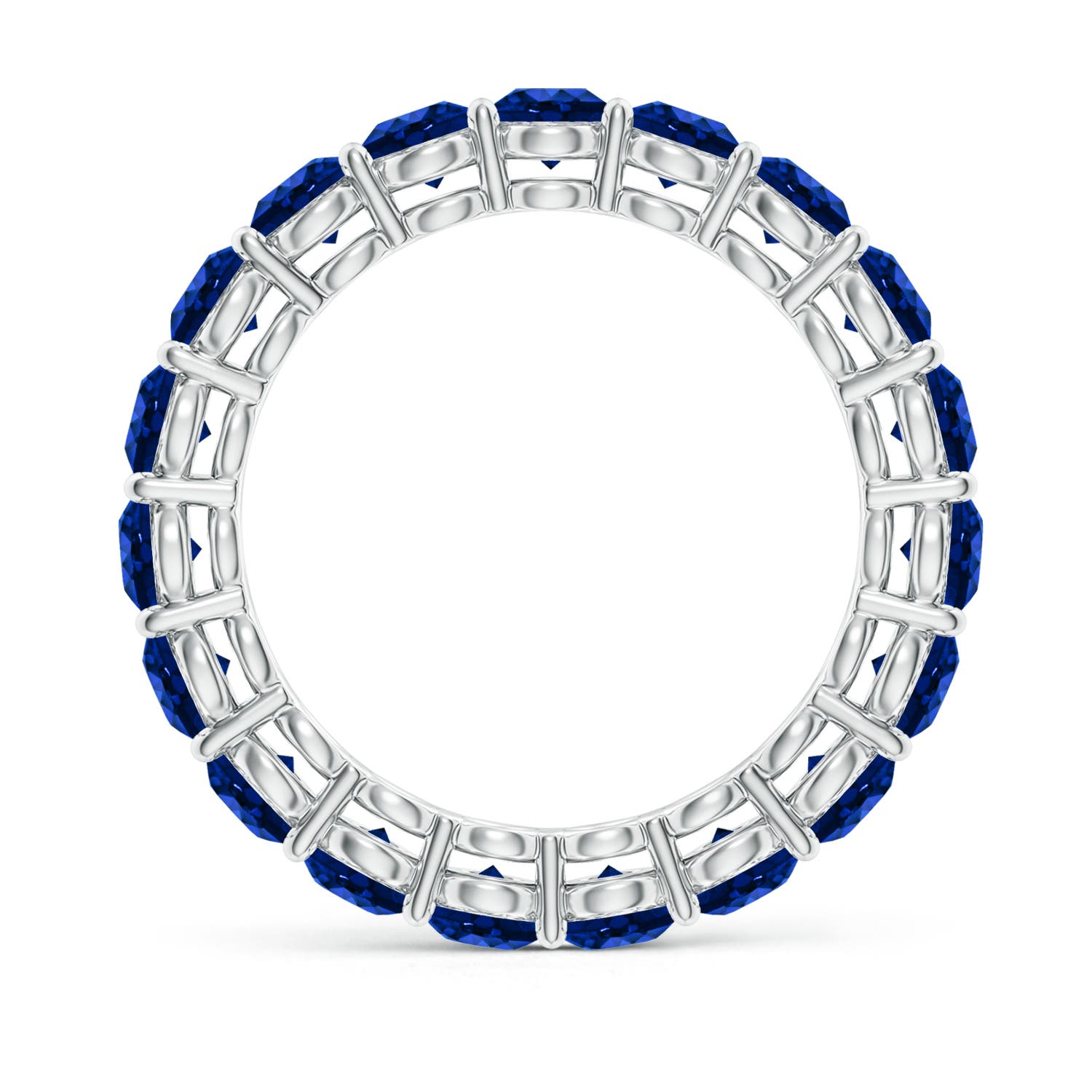
- Prong-Set Round Blue Sapphire Eternity Wedding Band$6,569 $7,299


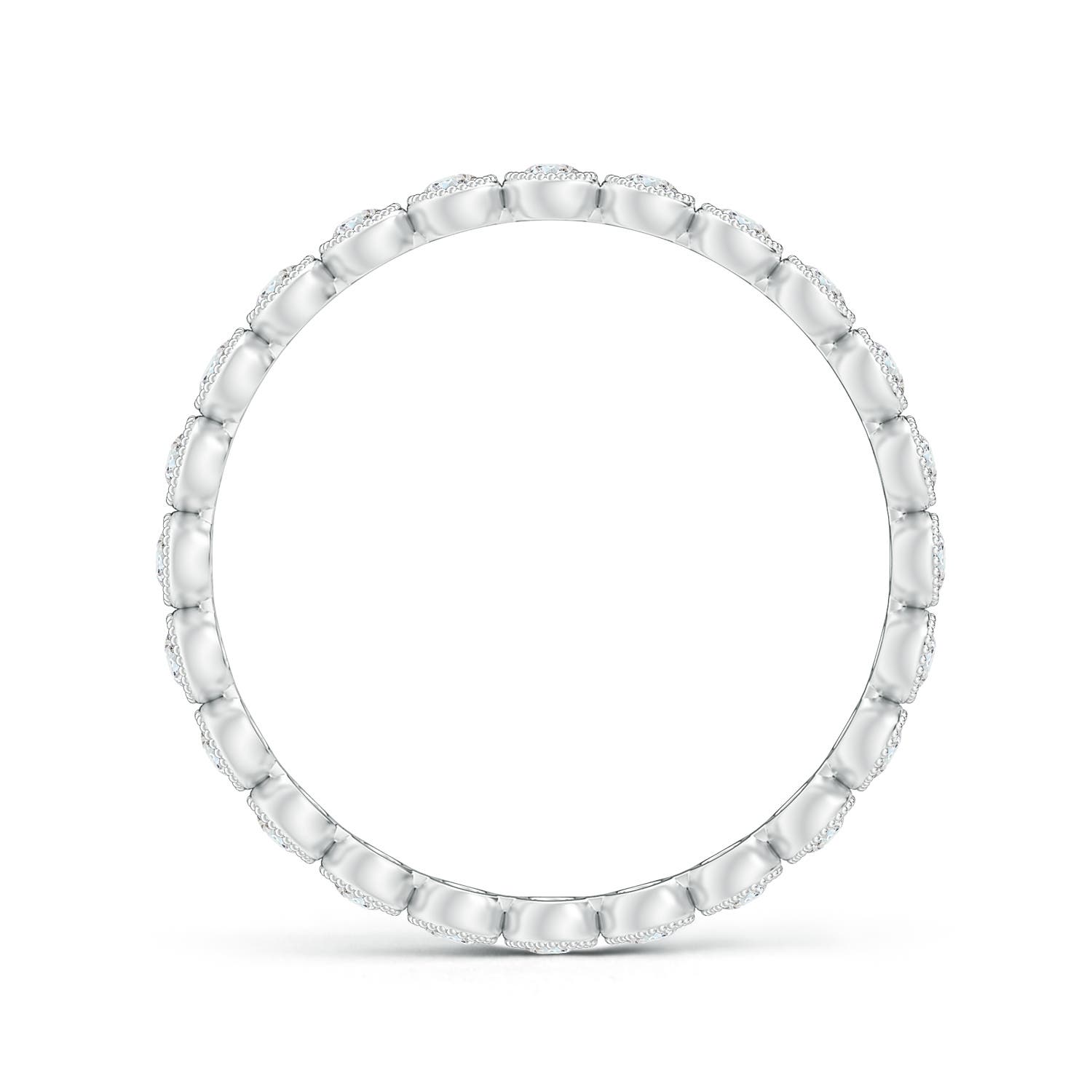
- Milgrain Bezel-Set Diamond Eternity Wedding Ring$1,673 $1,859


- Prong-Set Round Blue Sapphire Eternity Wedding Band$6,569 $7,299
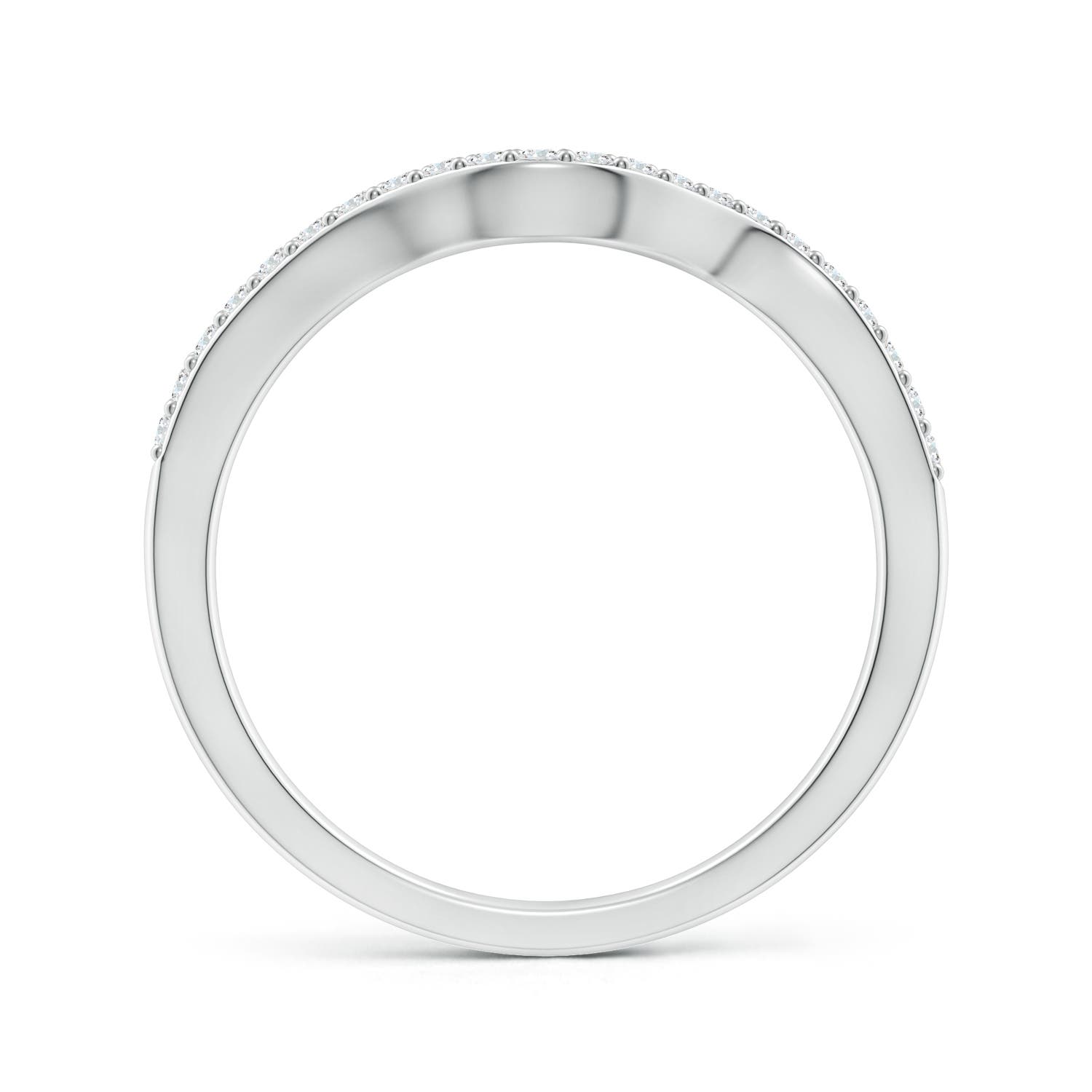
- Contoured Half Eternity Diamond Comfort Fit Wedding Ring$1,682 $1,869







-
Men's Platinum Wedding Bands
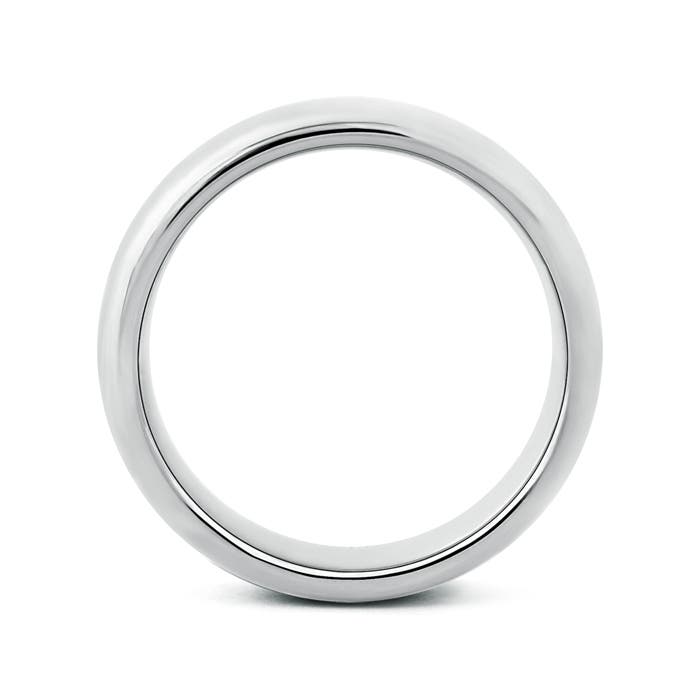
- High Polished Comfort Fit Domed Wedding Band for Men$2,393 $2,659


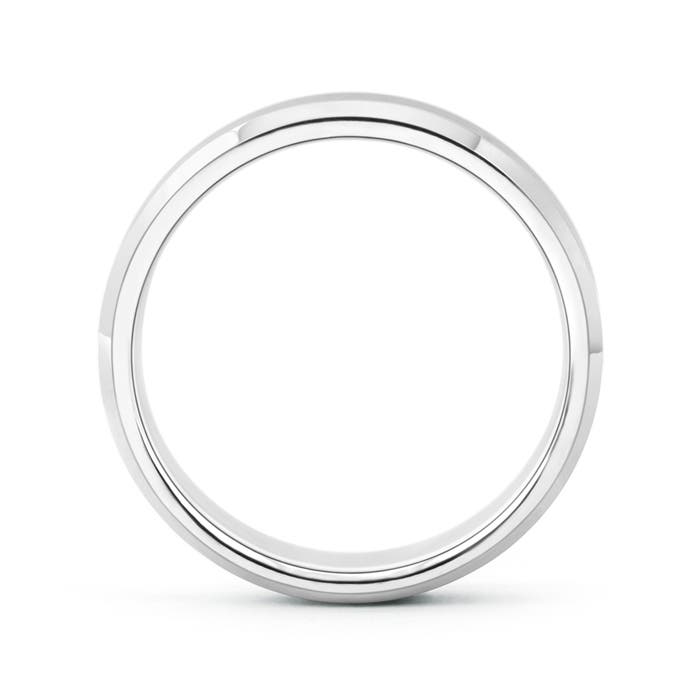
- Brushed Finish Men's Plain Wedding Band with Beveled Edges$7,343 $8,159


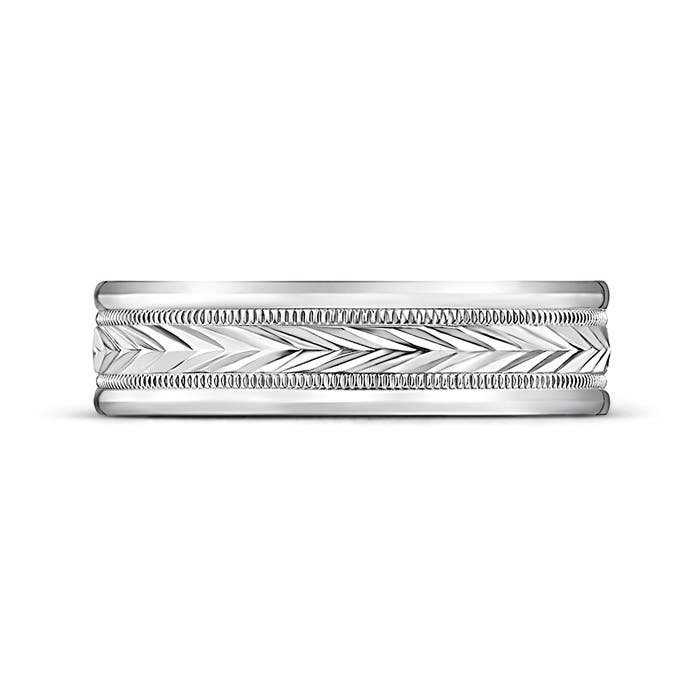
- Comfort Fit Arrow Pattern Men's Milgrain Wedding Band$2,537 $2,819


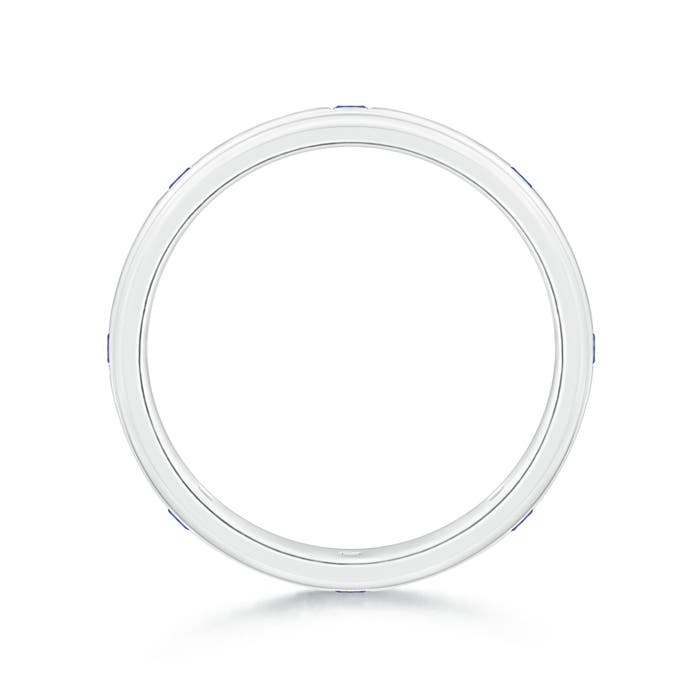
- Square Sapphire Low Dome Comfort Fit Wedding Ring for Him$3,257 $3,619


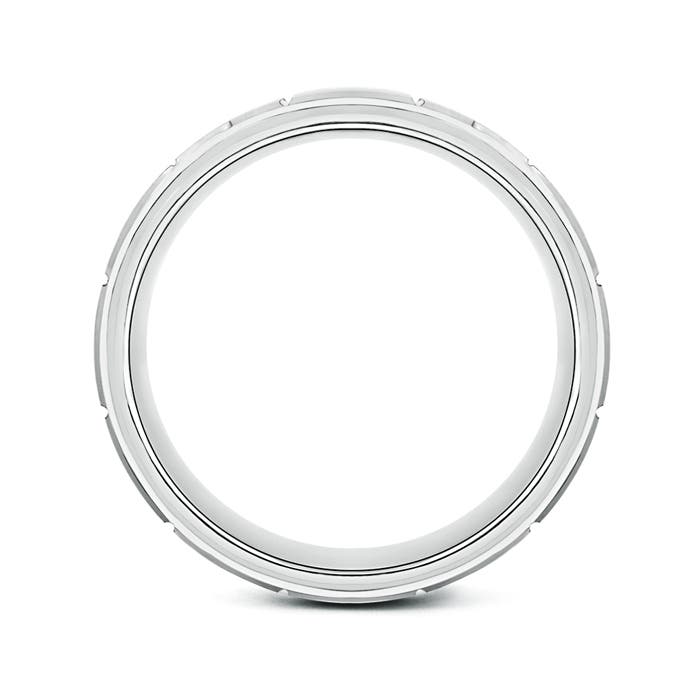
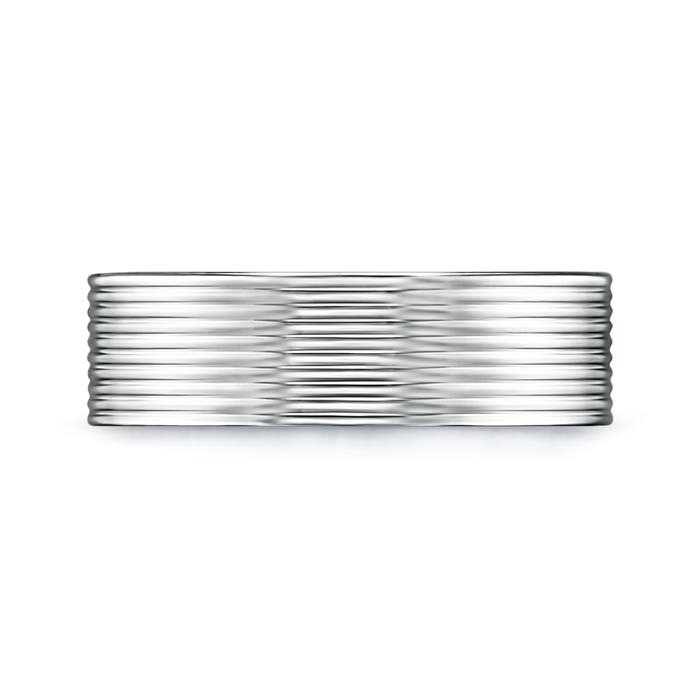
- Column Grooves Brick Brushed Finish Wedding Band for Men$9,107 $10,119


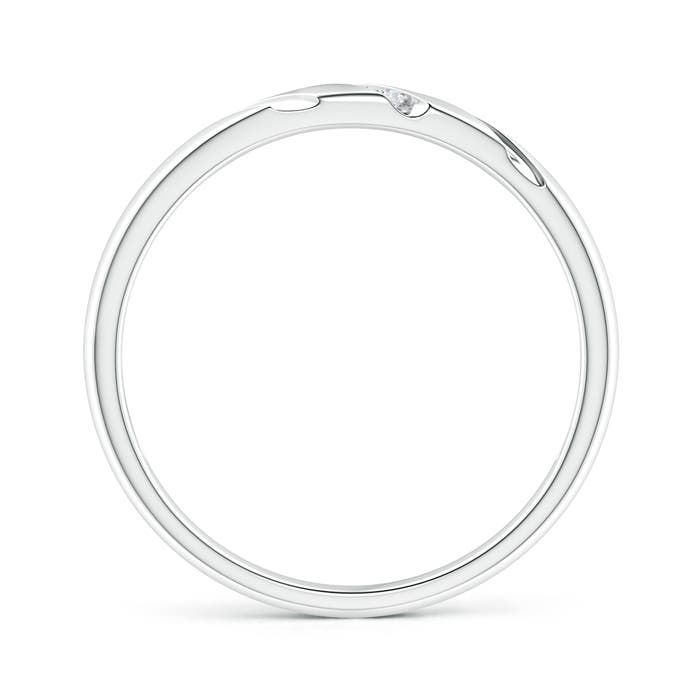
- Channel Grooved Classic Diamond Men's Wedding Band$2,276 $2,529


- Threaded Pattern Satin Finish Comfort Fit Wedding Band$8,486 $9,429


- Lab-Grown Triple-Ribbed Channel Set Diamond Men's Wedding Ring$1,169 $1,299









How to Choose the Right Platinum Engagement and Wedding Ring
Selecting a platinum ring involves considering style, fit, budget and how the ring will integrate into your life.
- Personal Style: Do you prefer minimalist or ornate? Classic or contemporary? Your platinum engagement rings should reflect your authentic aesthetic and lifestyle, not a fleeting trend.
- Wrist Size & Proportion: Platinum is heavy; consider how weight feels on your hand. Thinner bands feel lighter; wider bands feel more substantial. Try on different widths to find your comfort zone.
- Budget Reality: Platinum costs more upfront (typically 40-50% more than white gold), but requires far less maintenance over decades. Calculate cost-per-year over 50 years, and platinum becomes economically sensible long-term.
- Center Stone: Platinum's neutral white color means it won't affect how your diamond appears, so focus on what matters most to you: carat weight, color and clarity. Choose the diamond specs that fit your budget and preferences, knowing platinum will showcase it beautifully regardless.
- Setting Security: Ask jewelers about setting styles that maximize security. Platinum allows for lower settings that maximize the stone's visibility while ensuring exceptional prong grip.
- Lifestyle Fit: Active lifestyles benefit most from platinum's durability. If you work with your hands frequently, look for "comfort-fit" inner curves and robust prong settings.
Caring for Your Platinum Ring
While platinum requires less maintenance than many metals, proper care keeps it looking pristine for decades. Understanding platinum's unique characteristics helps you maintain your investment.
- Gentle Cleaning: Warm soapy water and a soft cloth are all you need. Platinum's durability means harsh chemicals aren't necessary—simple, gentle cleaning is sufficient. Clean monthly, or more frequently if worn daily.
- Professional Inspection: Have gemstone settings checked annually. Platinum holds stones securely, but annual peace-of-mind inspections are worthwhile to catch any potential issues early.
- Avoid Harsh Chemicals: Chlorine, bleach and abrasive cleaners can dull platinum's finish. Remove your ring before swimming, showering or using harsh cleaning products. Simple prevention keeps your piece safe.
- Storage: Keep your platinum ring in a soft pouch away from harder gemstones. Platinum is durable, but contact with other pieces can leave surface marks that dull the finish over time.
- Occasional Polishing: Unlike white gold, platinum doesn't require regular re-plating. Occasional professional polishing every few years maintains shine and restores luster.
- Embrace the Patina: Surface micro-scratches form a satin finish called a patina over years of wear. You can buff it out professionally to restore shine, or keep it as a beautiful sign of enduring wear—the choice is yours.
Platinum isn't just a choice for how a ring looks on day one — it's a choice for how it holds up over a lifetime. For anyone who lives fully in their hands, whether that's through work, sport or the everyday, that distinction matters more than most metals can deliver. When you choose platinum rings, you're choosing a metal that will look as stunning on year fifty as it does on day one.
FAQs
1. Is platinum a good choice for an engagement ring?
Yes—its durability, hypoallergenic properties and naturally white finish make it one of the most practical choices for a ring worn every day. It costs more upfront, but the minimal maintenance over decades makes it worth it.
2. Will platinum lose its color over time?
No. Platinum naturally develops a soft patina (a matte finish) over years of wear, but it never fades, tarnishes, or changes color. Some find this patina beautiful; others prefer re-polishing to restore shine.
3. Can platinum rings be resized?
Yes, but it's more expensive than resizing white gold or silver because platinum requires specialized equipment and expertise. Plan for sizing during purchase or have it done by a reputable jeweler familiar with platinum.
4. Is platinum safe for sensitive skin?
Absolutely. Platinum is hypoallergenic and rarely causes irritation, making it ideal for people with metal sensitivities or allergies.
5. How long does a platinum ring typically last?
Indefinitely, with basic care. Platinum is dense enough to hold its structure over generations — many heirloom pieces over a century old still wear beautifully. It's one of the few metals you can genuinely pass down.
6. Will my platinum ring hold gemstones more securely than white gold?
Yes. Platinum's density and strength mean stones sit more securely. The metal grips gemstones more firmly, reducing the risk of loss from daily wear and impact.
You may also like

10 Creative Ways to Give Her a Promise Ring
2 Jul, 2023
What Is the Meaning of a Black Wedding Ring?
21 Dec, 2023
What Is the Ideal Diamond Size for an Engagement Ring?
16 Oct, 2023
Which Hand and Finger Does a Wedding Ring Go On?
24 Nov, 2023
How to Wear Your Wedding Ring Set: A Guide to Stacking
10 Oct, 2024
Proposing Without a Ring: 7 Romantic Alternatives
20 Aug, 2024
10 Fascinating Egyptian Wedding Traditions
17 May, 2024
Which Hand and Finger Does An Engagement Ring Go On?
13 Oct, 2023
7 Wedding Band Engraving Ideas That Are Super Cute!
26 Aug, 2022


Shop Our Bestsellers
- Prong-Set Lab-Grown Emerald Teardrop V-Bale Pendant with Diamond$2,099


- Solitaire Oval Opal Split Shank Ring with Trio Diamonds$1,619

- Lab-Grown Prong-Set Round Diamond Inside Out Hinged Clip Hoop Earrings$1,429
- V-Bale Pear-Shaped Garnet Solitaire Pendant$749

- Lab-Grown Princess Diana Inspired Blue Sapphire Engagement Ring with Lab Diamond Halo$4,869


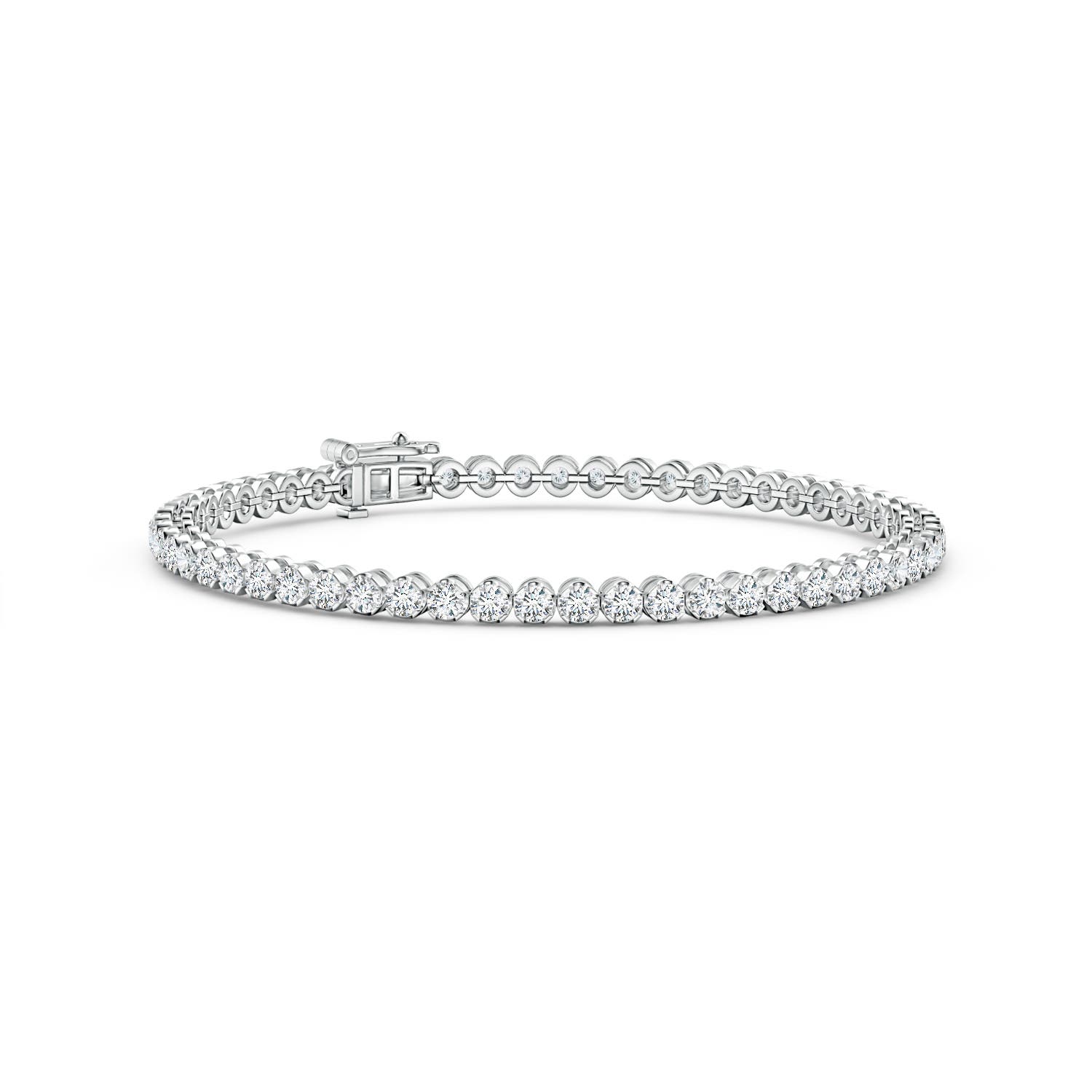
- Lab-Grown Classic Round Diamond Tennis Bracelet$2,739


- Heart Lab-Grown Diamond Solitaire Pendant$1,459


- Prong-Set Emerald-Cut Lab-Grown Emerald Solitaire Pendant$1,639

- Lab-Grown Basket-Set Solitaire Diamond Stud Earrings$2,129


- Heart-Shaped Aquamarine Infinity Pendant with Diamond Accents$1,969





Featured In
What Customers Are Saying
Verified Reviews
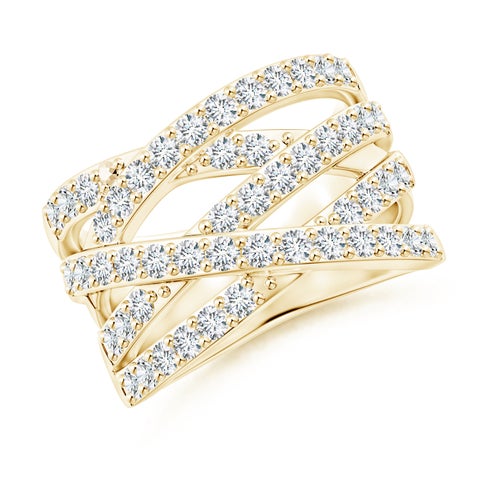
The sparkle!!
Oct 08, 2026I love my ring so much! It is just like the picture and has so much sparkle and shine! I had to return the first ring because I didn't get my size right. The customer service was so helpful and made it easy to exchange. I'm so happy with it! Would definitely order again.
Kristan S.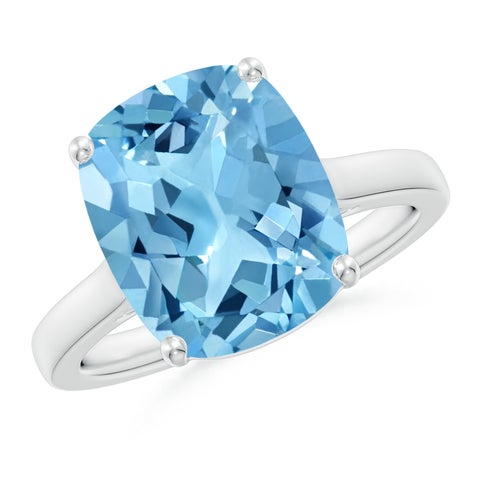
Fabulous ring
Oct 08, 2026Elegant and stylish - the cut and color are beautiful. I love wearing it and get so many compliments.
Emily H.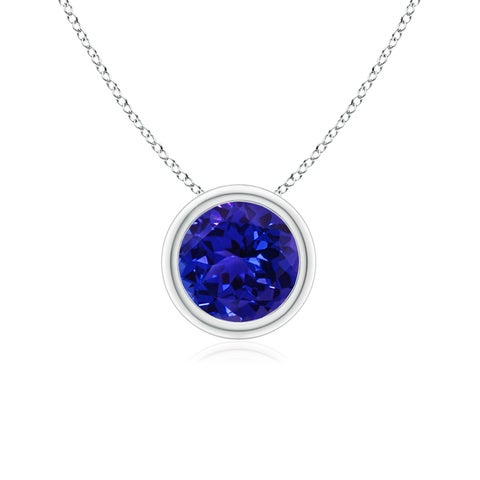
So beautiful!!
Oct 08, 2026Super fast shipping. It’s so helpful to have the stone grades side by side. Love!!!!
Mary N.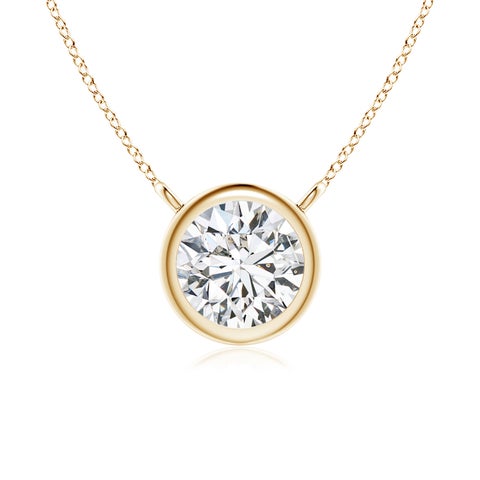
Trustworthy Shop, Nice Art
Oct 08, 2026Ordered two necklaces. Delivery was promt. Pieces of good craftsmanship. Unfortunately not exactly what I was looking for. Pictures online (AI) differ slightly but noticeably from product.
Kilian R.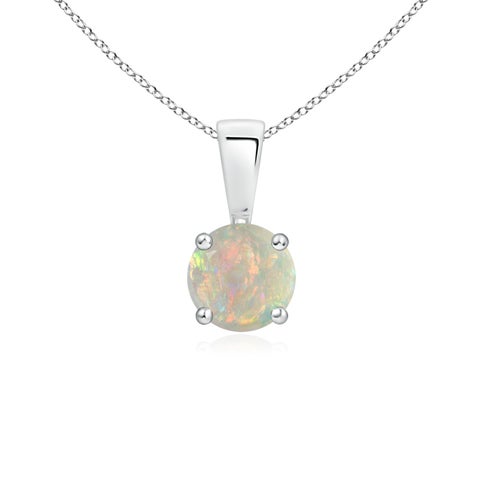
S/O loved it!
Oct 07, 2026She hasn’t taken this off since I gave it to her She says its easily her newest favorite piece of jewelry
Seth T.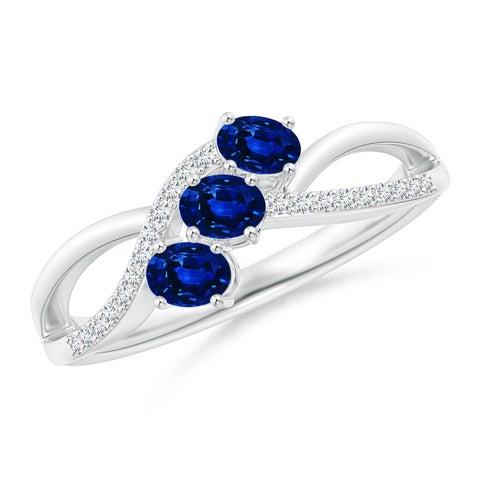
One very satisfied customer
Oct 07, 2026I bought a Sapphire Three Stone Bypass Ring for my wife to mark her 80th birthday.. She could not have been happier with her gift. he wears it on the middle finger of her left hand. It is eye-catching with understated elegance!. AJ
ALAN J.
Yes i love it
Oct 07, 2026It’s beautiful
Xander V.
51 year anniversary
Oct 07, 2026Great quality materials, design and workmanship.
Jolynn K.
Beautiful ring, excellent customer service
Oct 06, 2026The ring arrived far earlier than expected, a beautiful piece very well presented. Unfortunately I decided it was not the right ring for my partner but the customer service team went above and beyond to make everything right. I cannot recommend Angara highly enough and will definitely use them again!
Jonathan L.