
Platinum vs Gold: Which Is Better for Jewelry?
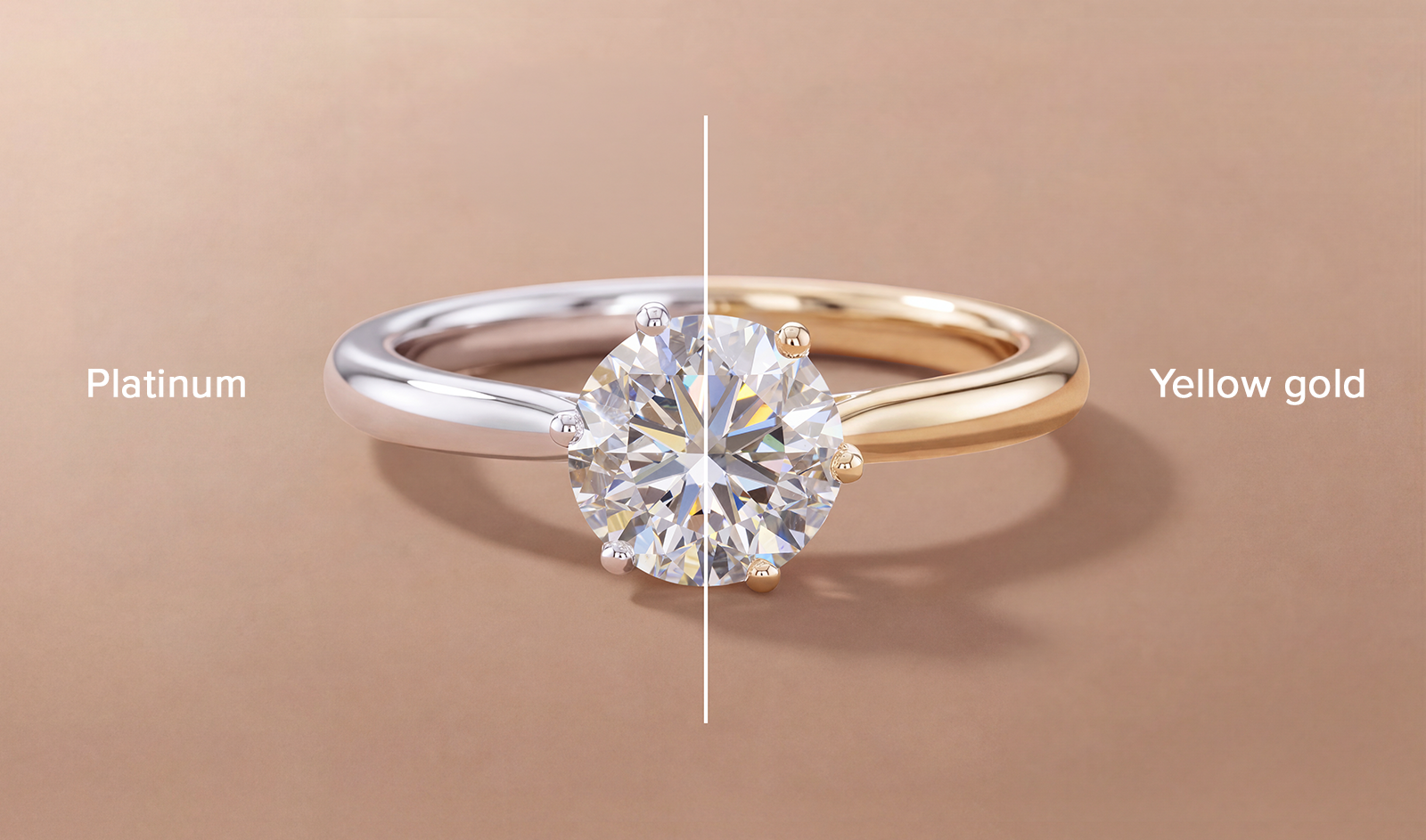
Platinum and gold both are precious metals and luxury choices. Both can last a lifetime. So why does the decision feel so heavy when buying fine jewelry? Because neither platinum nor gold is objectively better; they excel in different ways. Platinum offers superior durability, requires minimal maintenance and maintains its white color indefinitely. Gold provides aesthetic versatility (yellow, white, rose), lower upfront cost and timeless appeal that improves with age.
This guide breaks down how platinum vs gold compare across durability, maintenance, cost and appearance so you can choose based on your lifestyle and preferences.
PLATINUM VS GOLD: AT A GLANCE
Both platinum and gold are built to last, but they're not interchangeable. The differences in composition, durability and appearance are worth understanding before you choose the metal your jewelry will be made from.
| Factor | Platinum | Gold |
|---|---|---|
| Purity/Composition | PT950 (95% platinum) | 10K-24K (41.7%-99.9% gold) |
| Color | Naturally white, permanent | Yellow, white (plated) or rose |
| Weight/Density | Significantly heavier | Lighter weight |
| Durability | Extremely durable, scratch-resistant | Durable, softer than platinum |
| Maintenance Required | Minimal; occasional polishing | Varies by color; re-plating for white gold |
| Cost Range | $1,800 to $1,900+ per ounce | $3,000 to $4,500+ per ounce |
| Best For | Maximum durability, low maintenance | Aesthetic variety, budget-conscious |
| Longevity | Indefinite with care | Indefinite with care |
Customize Jewelry With Platinum or Gold
- Princess-Cut Diamond Celtic Knot Pendant$2,195 $2,439

- Classic Diamond Leaf and Vine Pendant$854 $949


- Prong-Set Round Diamond Flower Pendant$962 $1,069


- 16" Freshwater Pearl Station Necklace$962 $1,069


WHAT IS GOLD?
Gold is a precious metal used in jewelry for centuries. Pure gold (24K) is too soft for everyday wear, so it's alloyed with other metals for durability.
10K, 14K, 18K, 22K and 24K Gold:
The karat system measures gold purity on a scale of 24:
- 24K is 99.9% pure gold but too soft for everyday jewelry wear.
- 22K contains 91.7% gold and is occasionally used in fine jewelry, though its softness makes it better suited to occasional wear than daily use.
- 18K contains 75% gold and is the luxury standard, balancing purity with durability.
- 14K, the most popular choice, contains 58.3% gold and offers excellent durability for everyday wear.
- 10K, containing 41.7% gold, is the most affordable and most durable option for active lifestyles.
All karat levels are hallmarked for verification. At Angara, all gold used across our collection is 100% recycled, carrying the same purity and quality as newly mined gold with a lower environmental footprint.
View this post on Instagram
Yellow, White and Rose Gold:
- Yellow gold offers a classic, warm tone and timeless appeal.
- White gold provides a silvery-white appearance (often rhodium-plated for extra brightness) and a modern aesthetic.
- Rose gold delivers contemporary, romantic blush tone. Color choice is purely aesthetic and doesn't affect durability.
Shop Gold Jewelry
- Three Stone Graduated Bezel-Set Diamond Lariat Necklace$1,340 $1,489


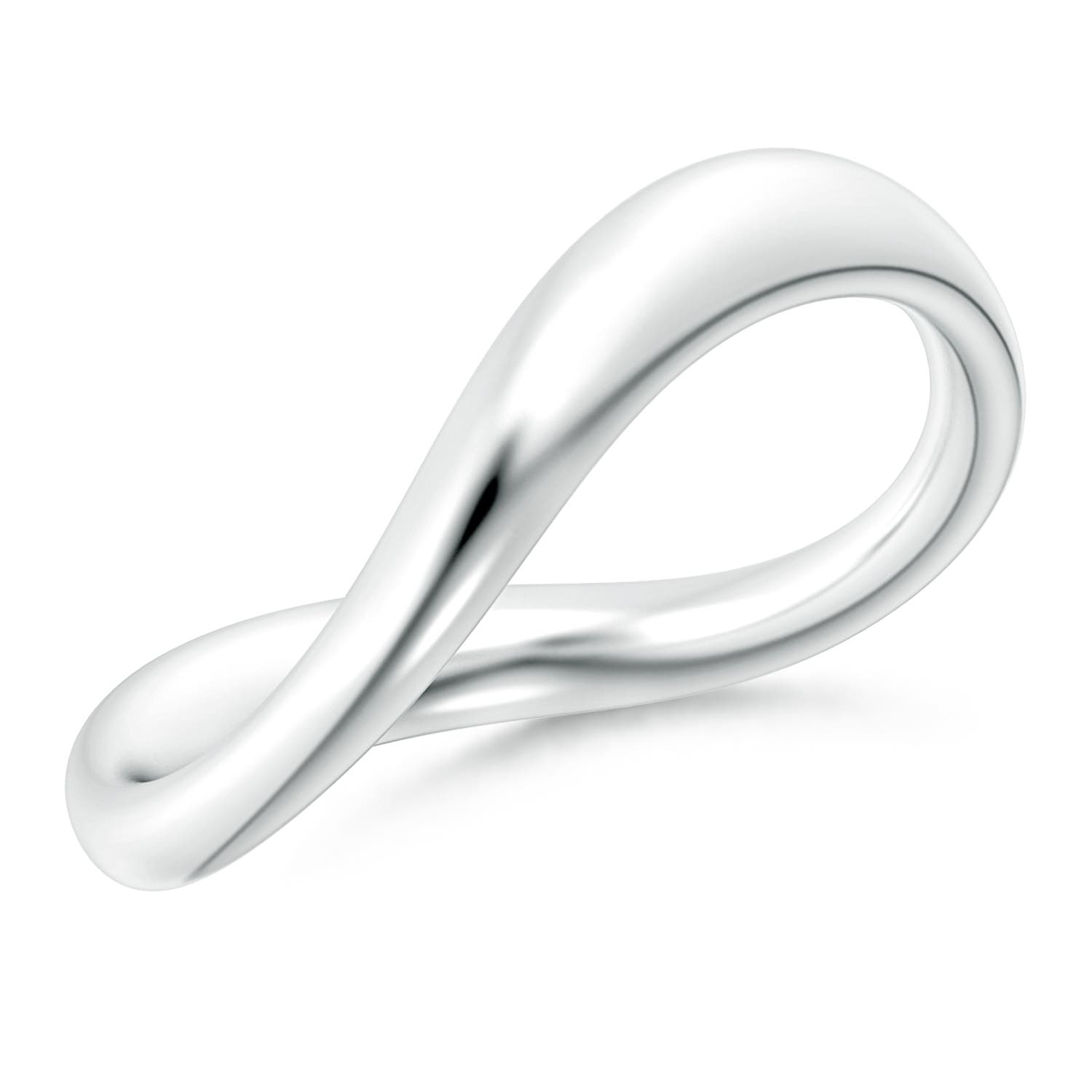
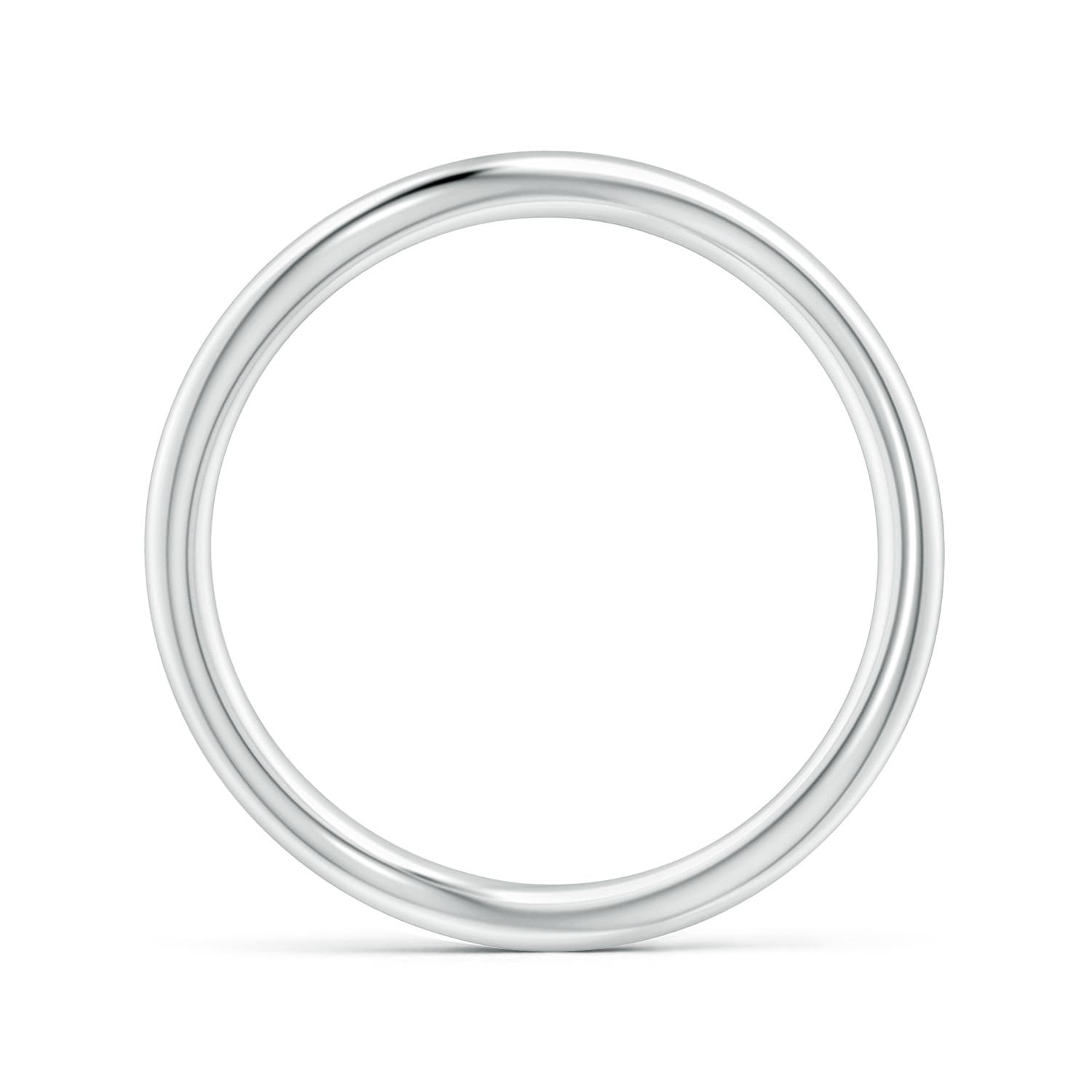
- Natori x Angara Shangri-la - Brush Stroke Shangri-La Stackable Ring$1,133 $1,259


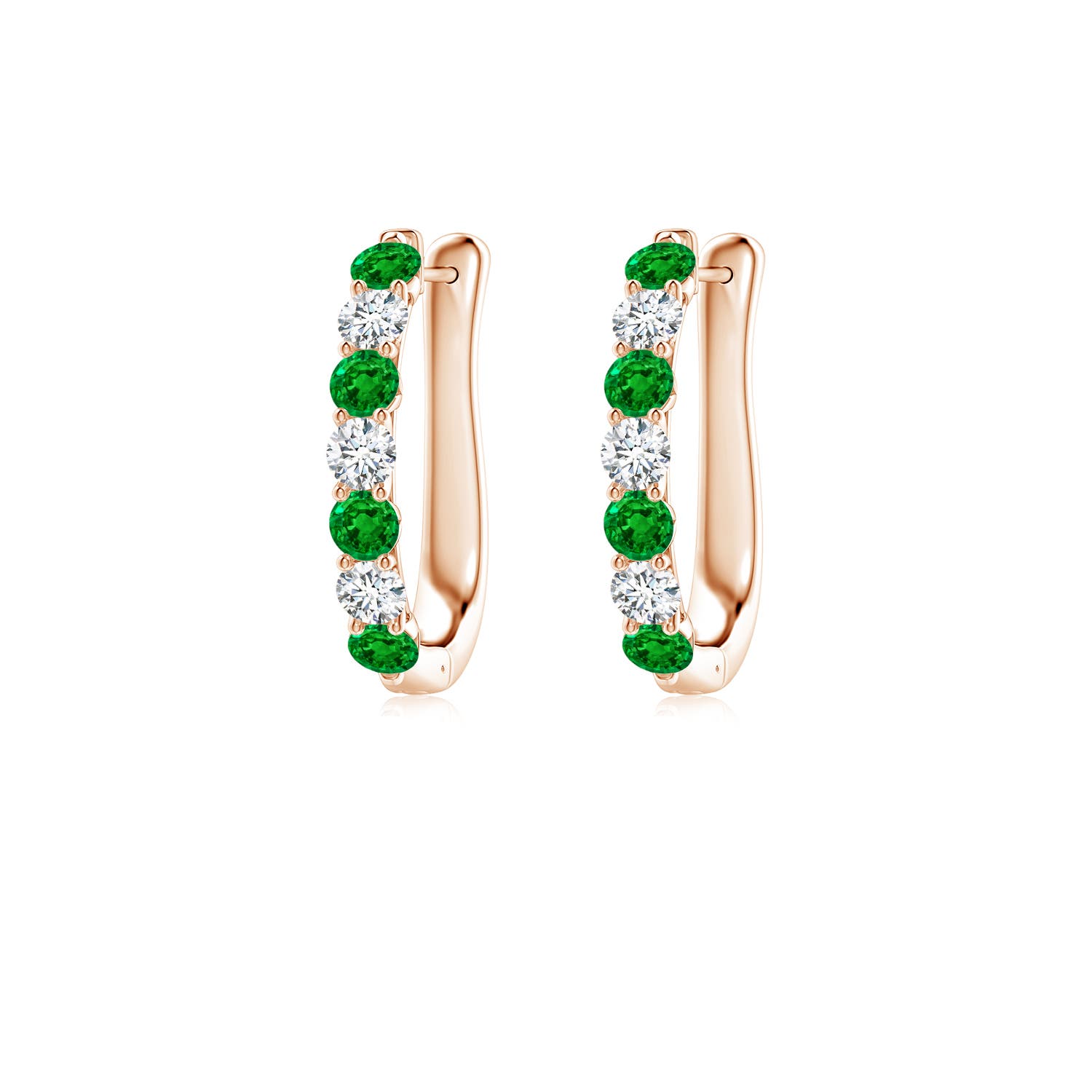
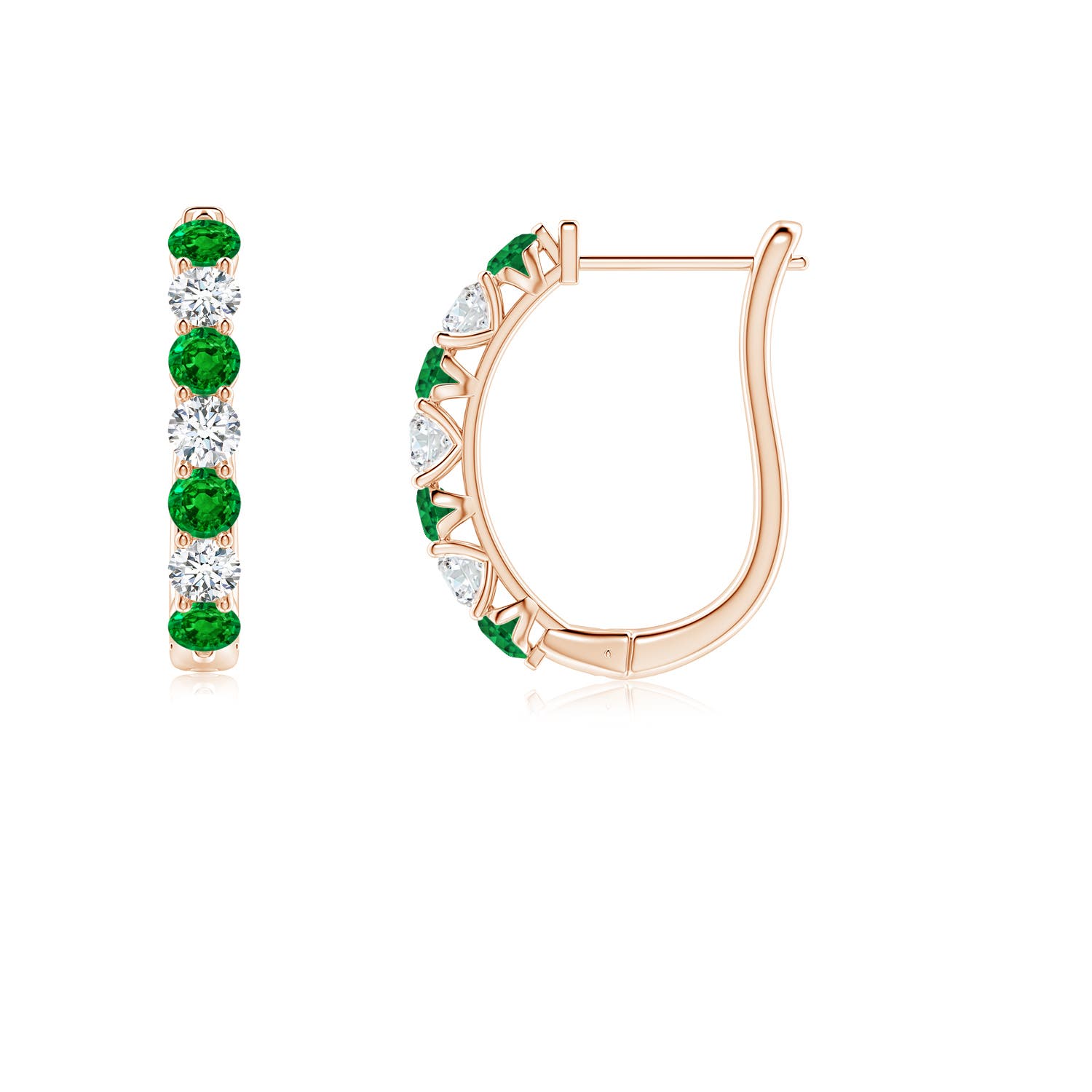
- Prong-Set Emerald and Diamond Huggie Hoop Earrings$2,591 $2,879


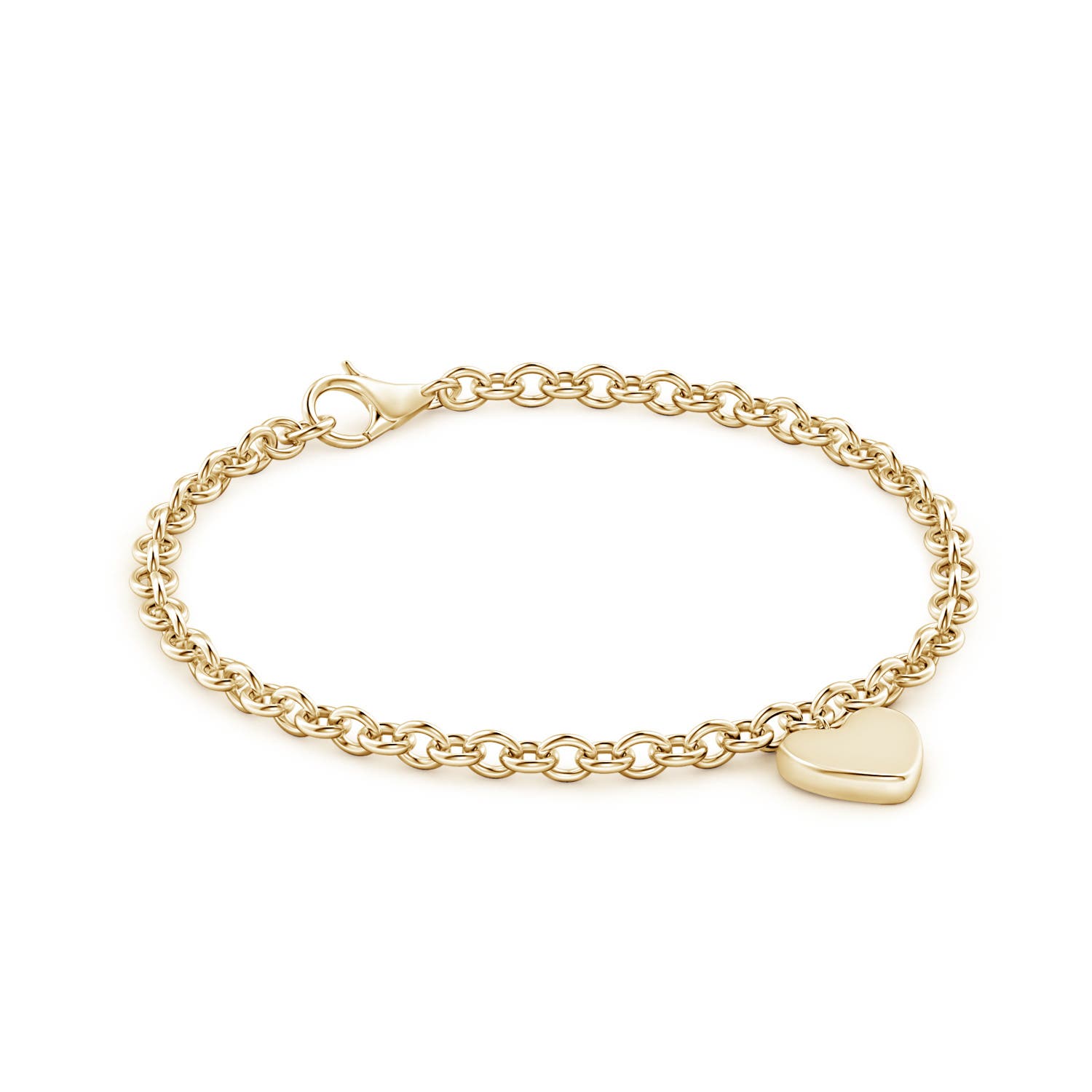
- Heart Charm Stackable Bracelet$2,042 $2,269



Read Also: Types of Gold
WHAT IS PLATINUM?
Platinum is a naturally white precious metal that's rarer and denser than gold. It requires no plating to maintain its color.
Platinum's natural white color never fades or yellows. It's typically marked as PT950, indicating 95% platinum purity. Its exceptional density makes it significantly heavier than gold, which contributes to its luxurious feel and perceived value. Platinum is rarer than gold, sourced from limited deposits worldwide. Its rarity, density and superior durability justify its higher price point. Platinum maintains its beauty indefinitely without re-plating or replating, making it a true lifetime metal.
Shop Platinum Jewelry
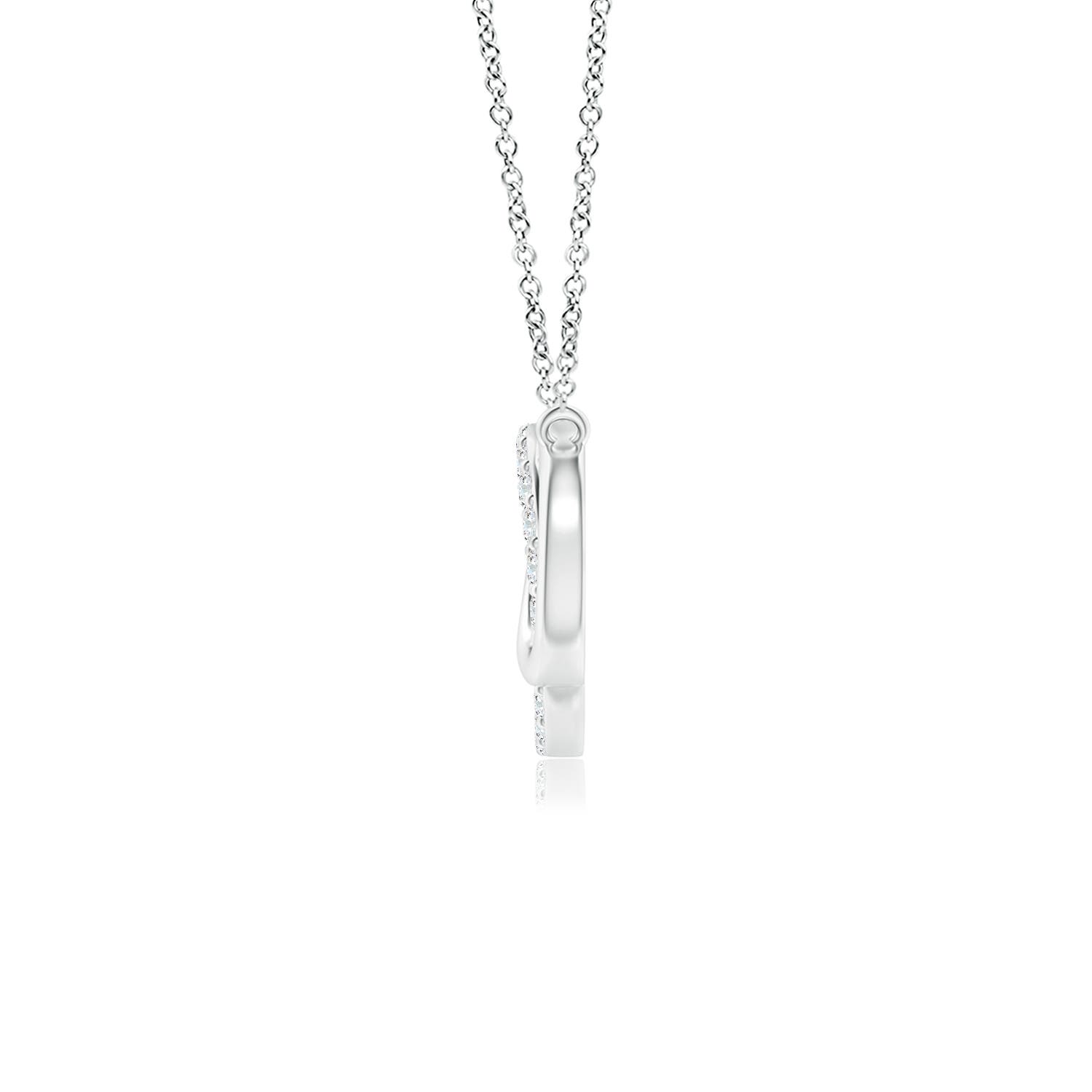
- Interlocking Diamond Circle Necklace$1,601 $1,779


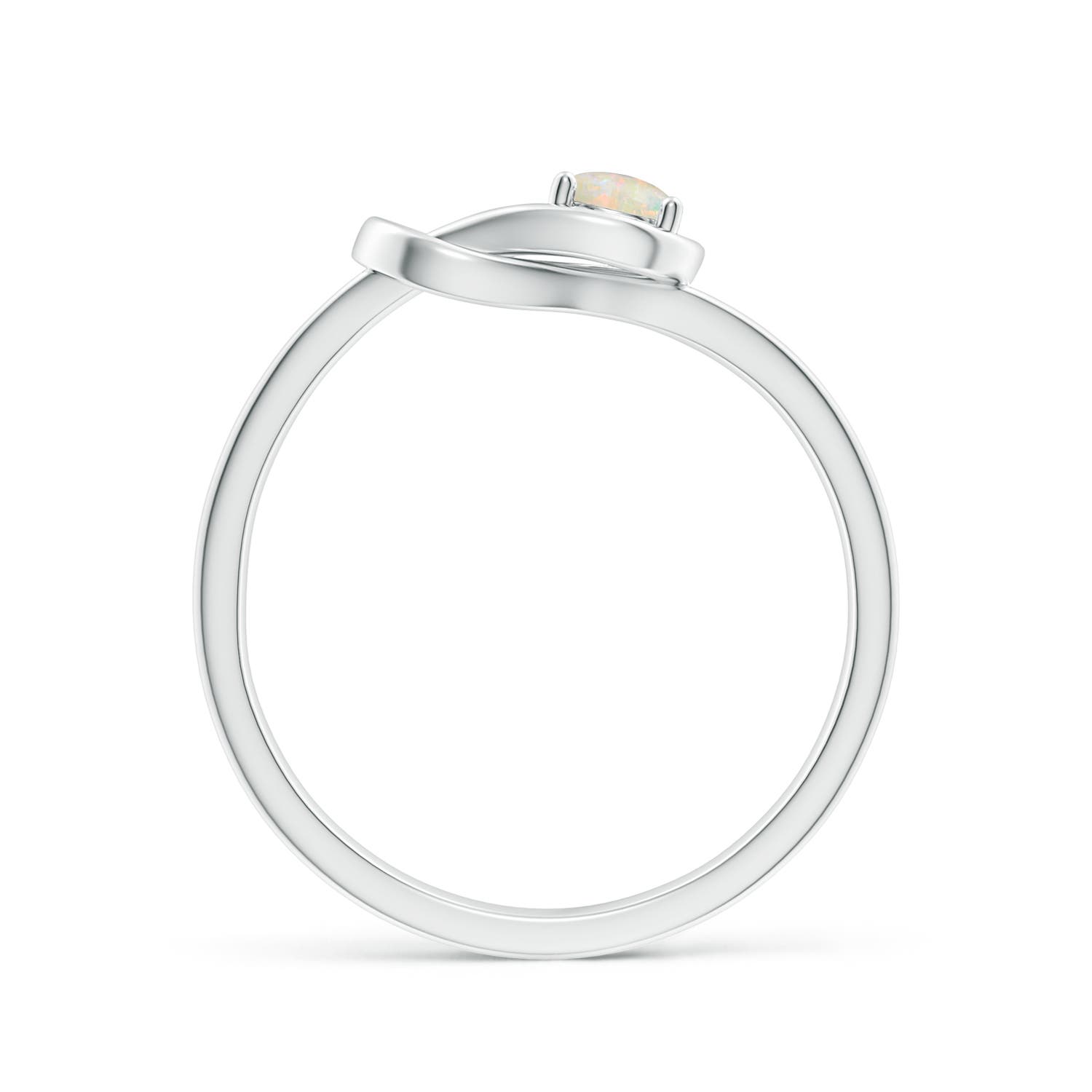
- Solitaire Opal Infinity Knot Ring$1,313 $1,459


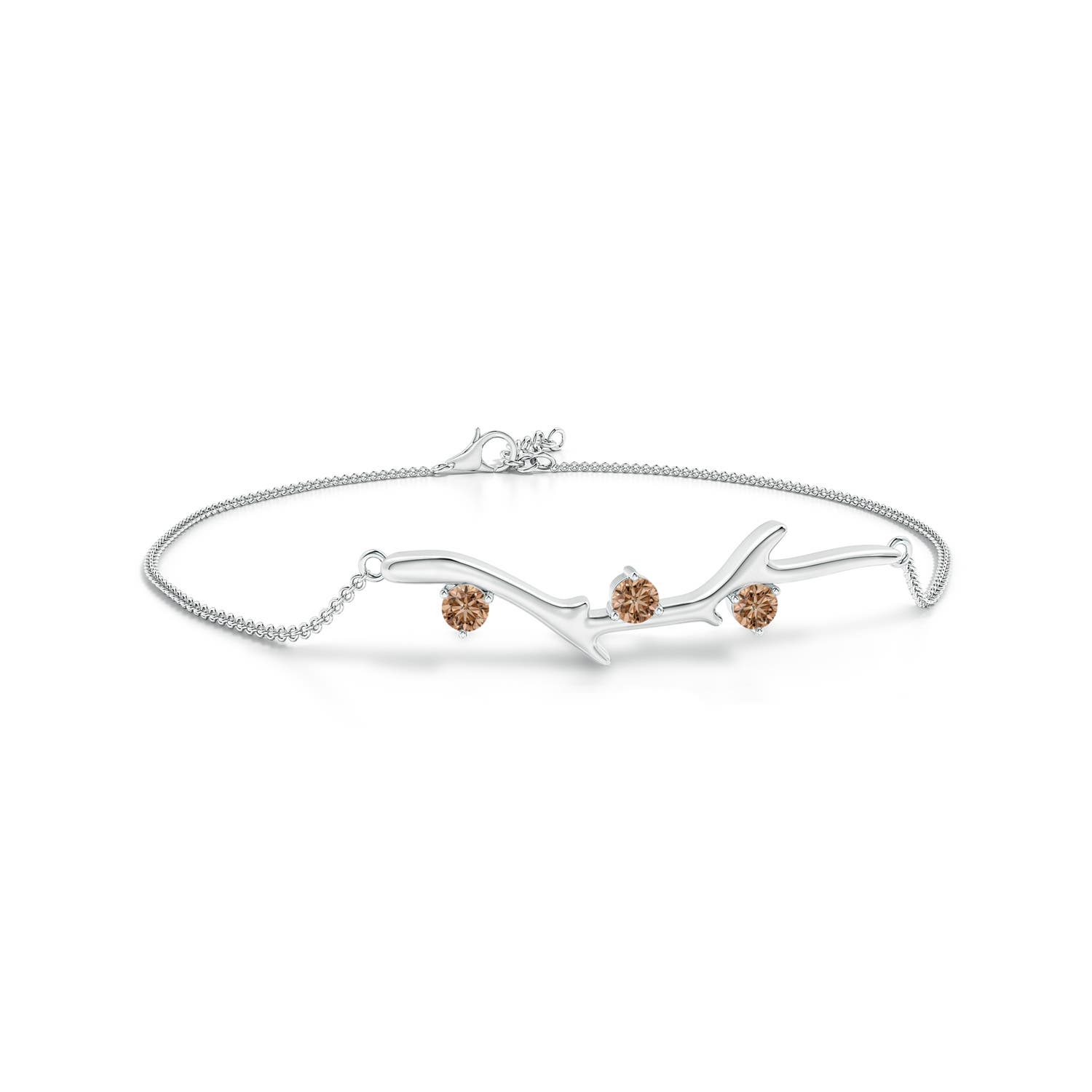
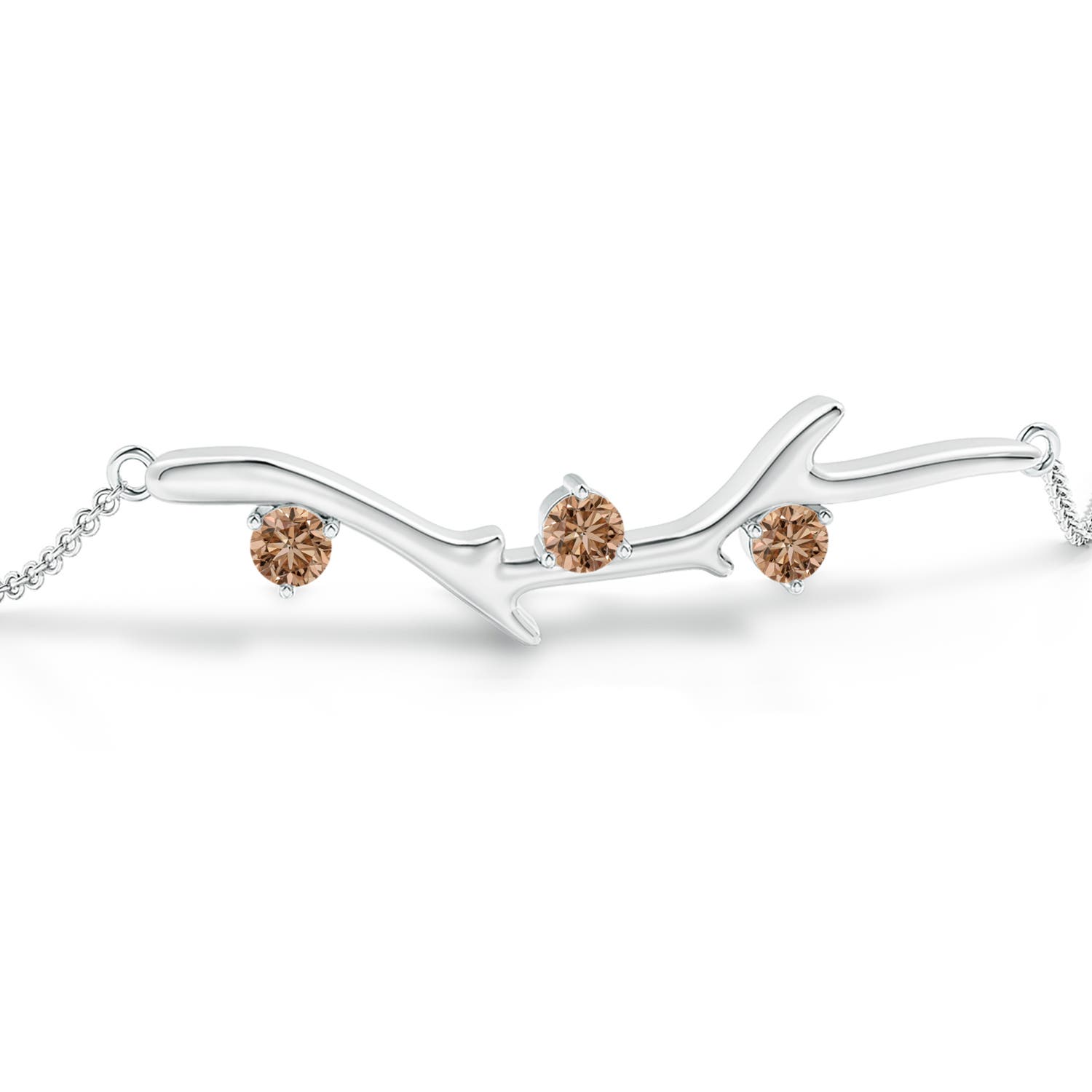
- Nature Inspired Round Coffee Diamond Tree Branch Bracelet$1,043 $1,159


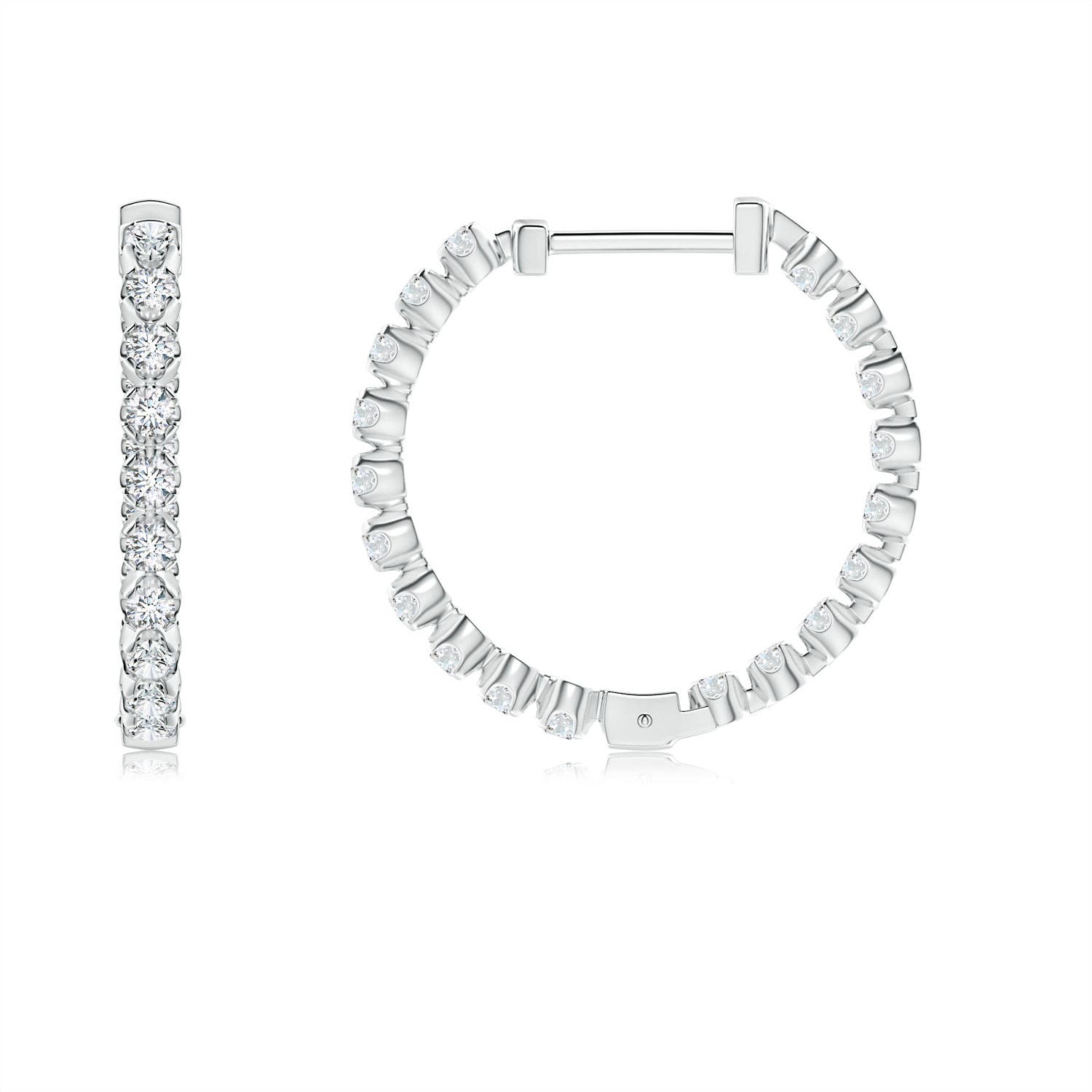
- Floating Diamond Inside-Out Hoop Earrings$1,934 $2,149




PLATINUM VS WHITE GOLD
These metals are most often compared since both appear silvery-white.
- Platinum appears brighter and whiter due to its density; white gold becomes slightly yellow as rhodium plating wears.
- Platinum is far more durable, while white gold requires re-plating maintenance.
- Platinum generally costs more than white gold, though the exact difference depends on current market prices.
Shop White Gold Jewelry




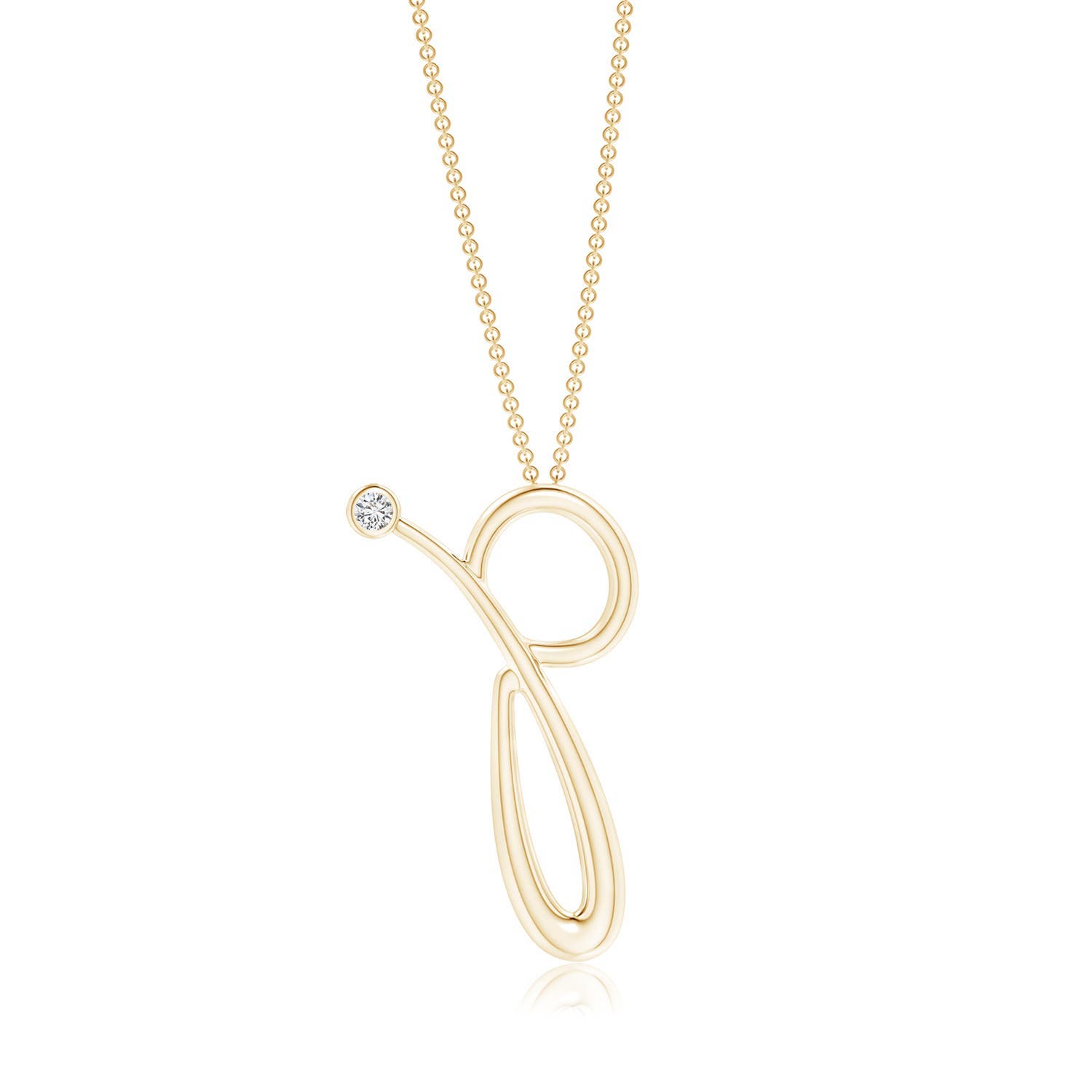
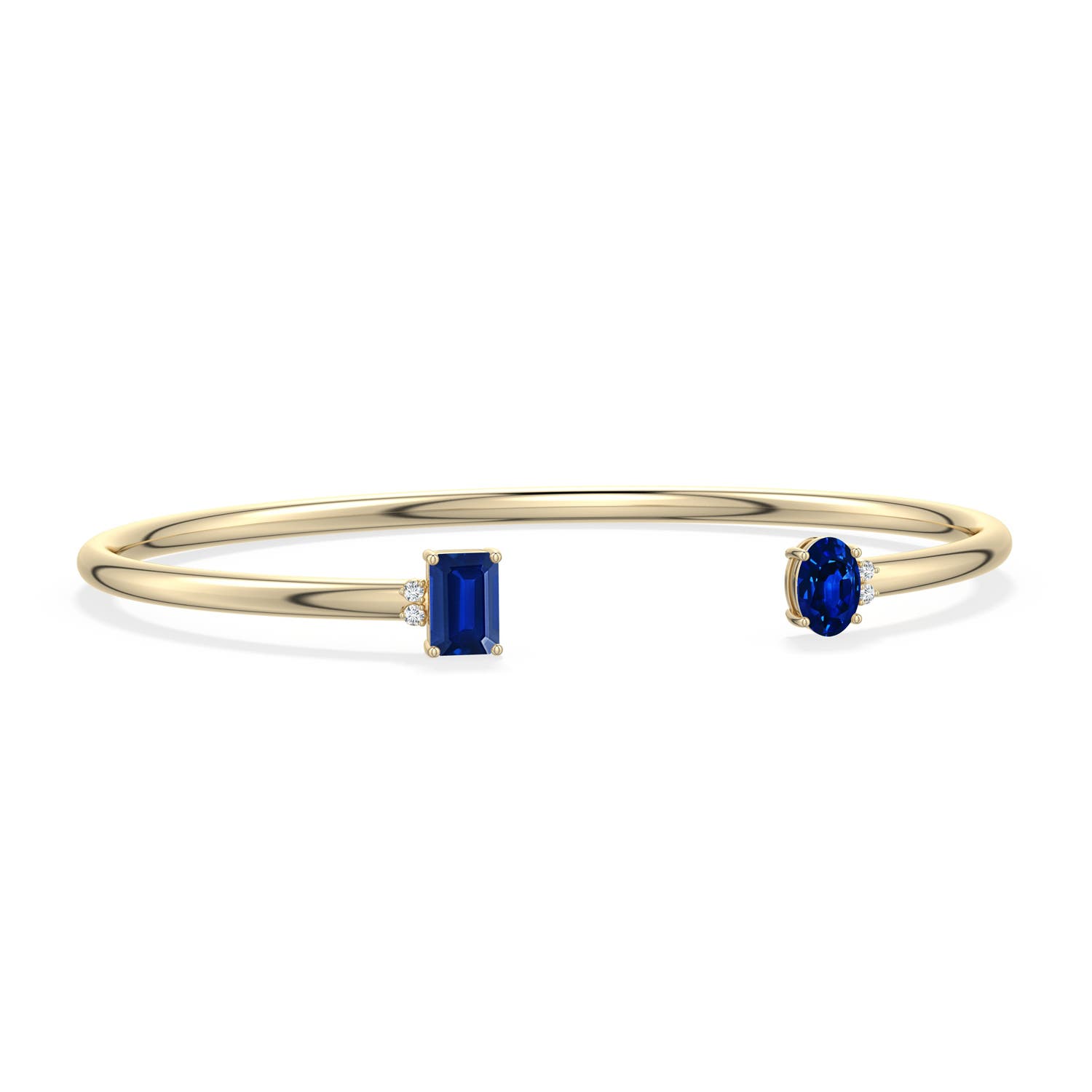
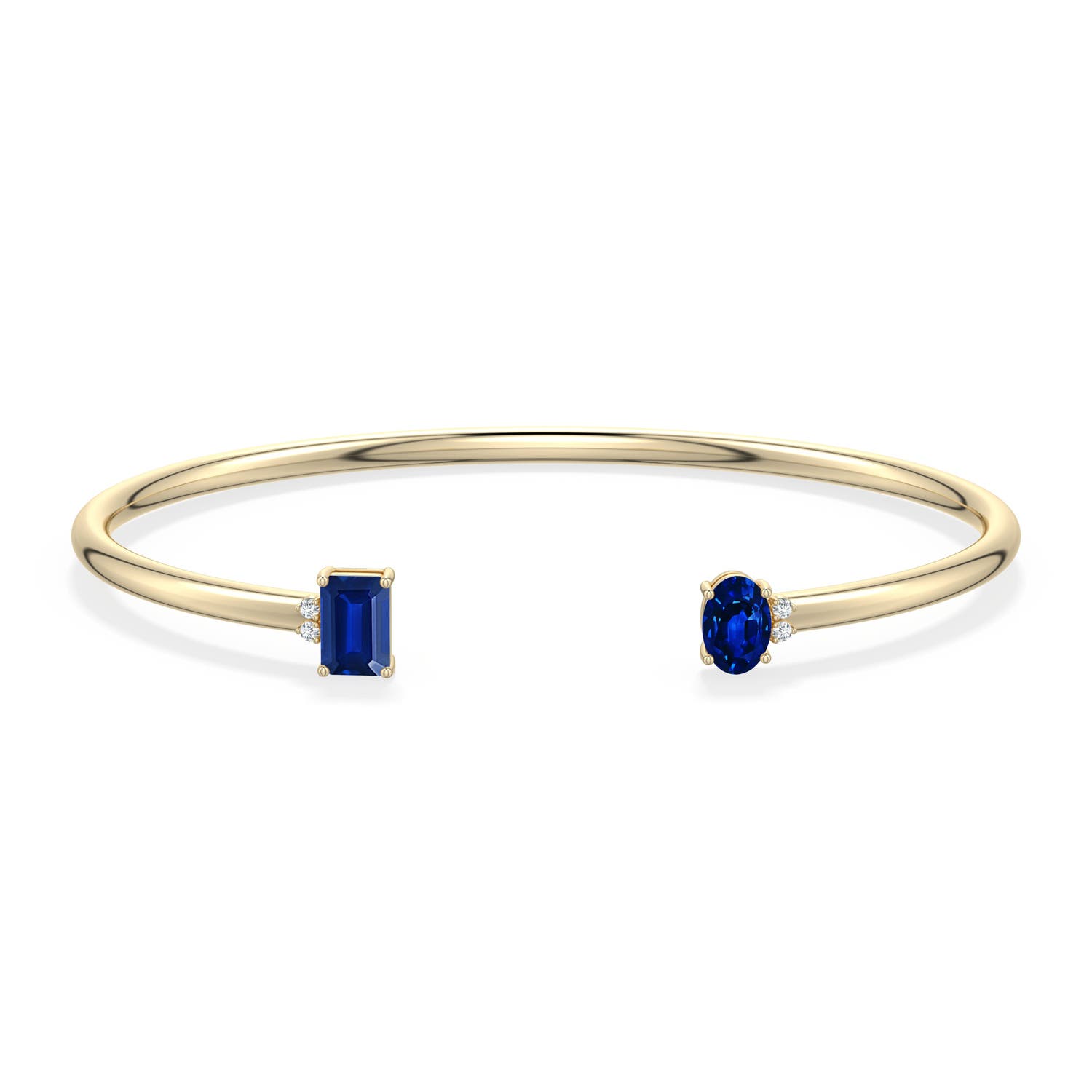
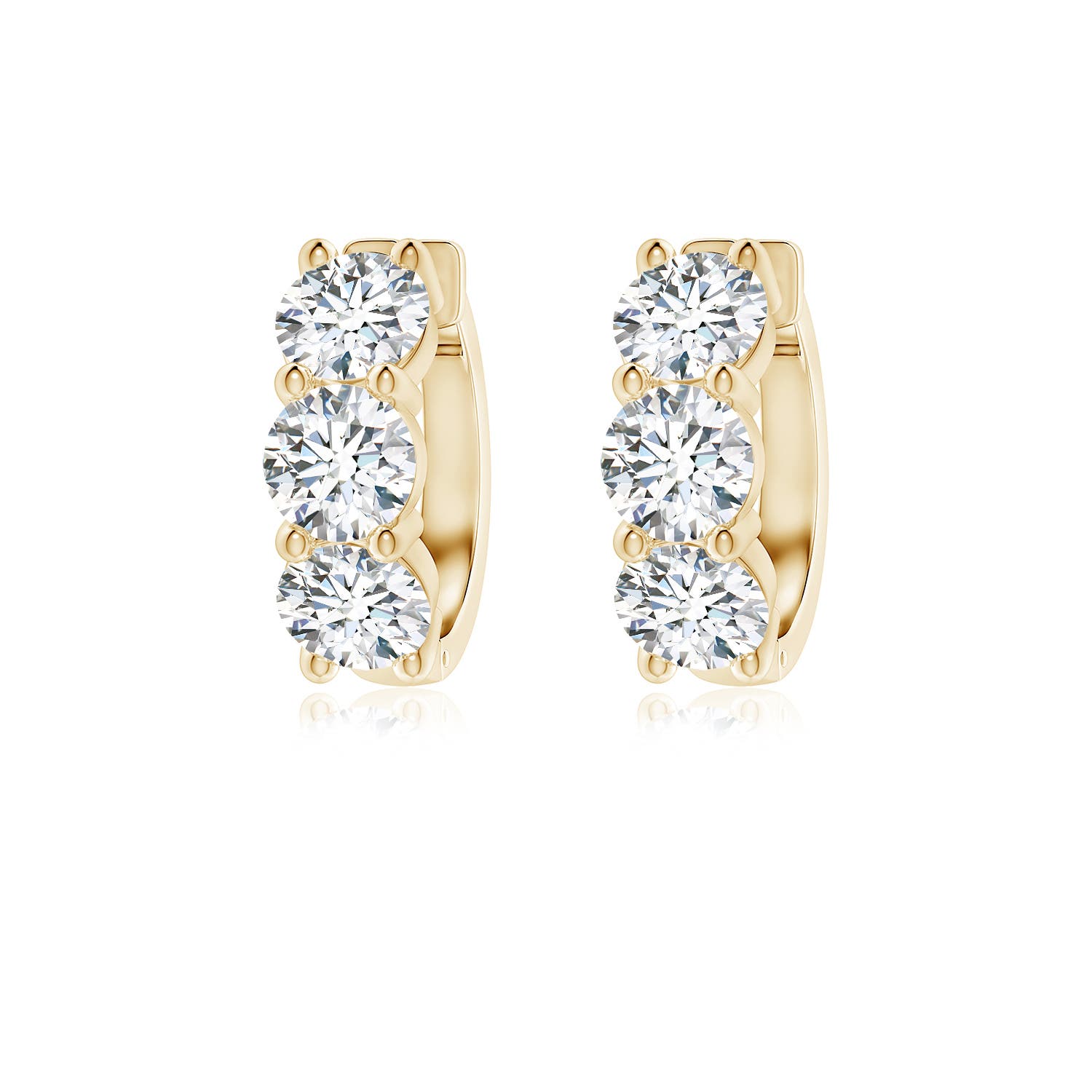
PLATINUM VS YELLOW GOLD
Platinum's neutral white contrasts with yellow gold's warm, classic tone.
- Both are durable, but platinum scratches less noticeably.
- Yellow gold develops a beautiful patina; platinum develops subtle satiny finish.
- Yellow gold is typically the more affordable option across all karat levels.
- Yellow gold works beautifully for vintage styling; platinum suits modern and contemporary designs.
Shop Yellow Gold Jewelry
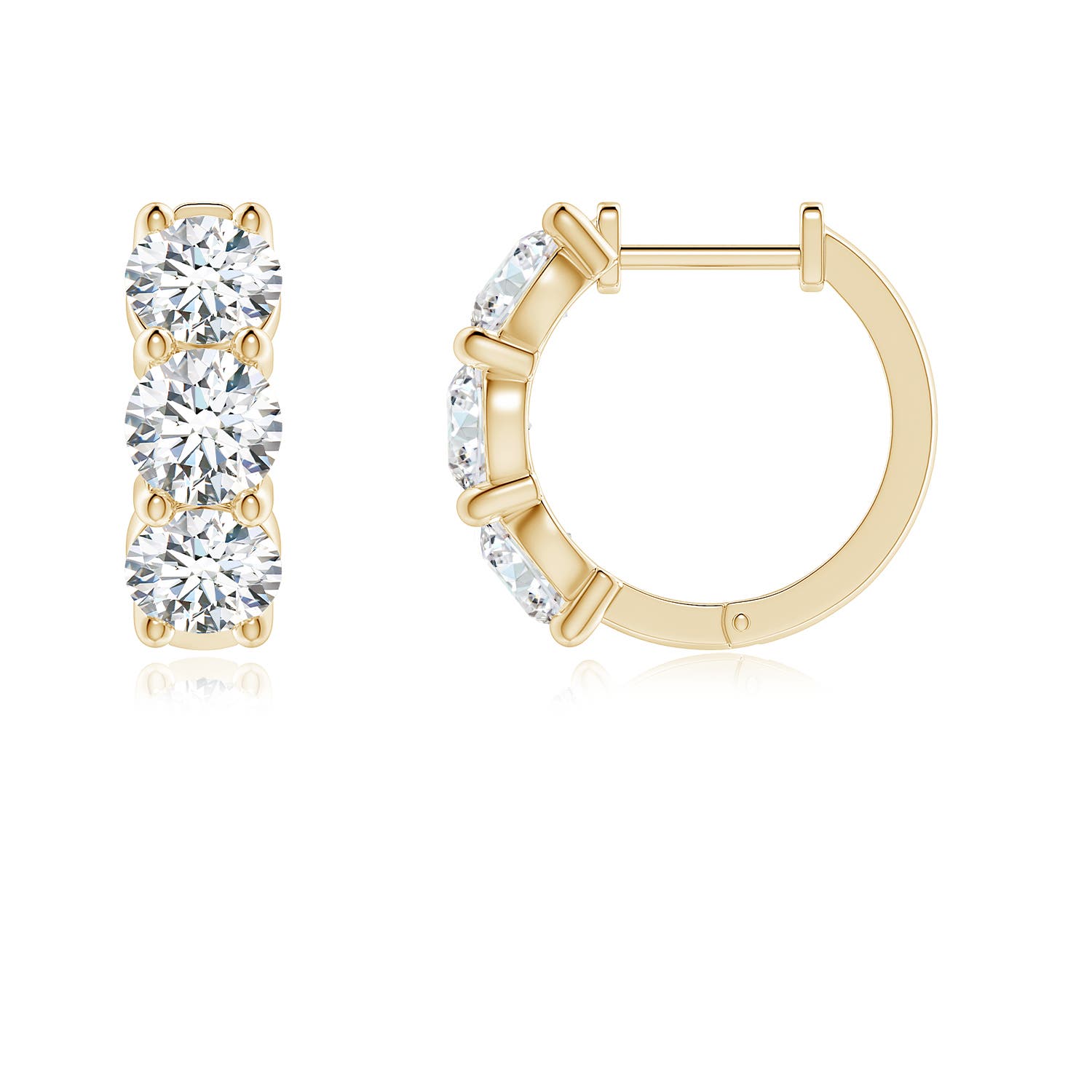
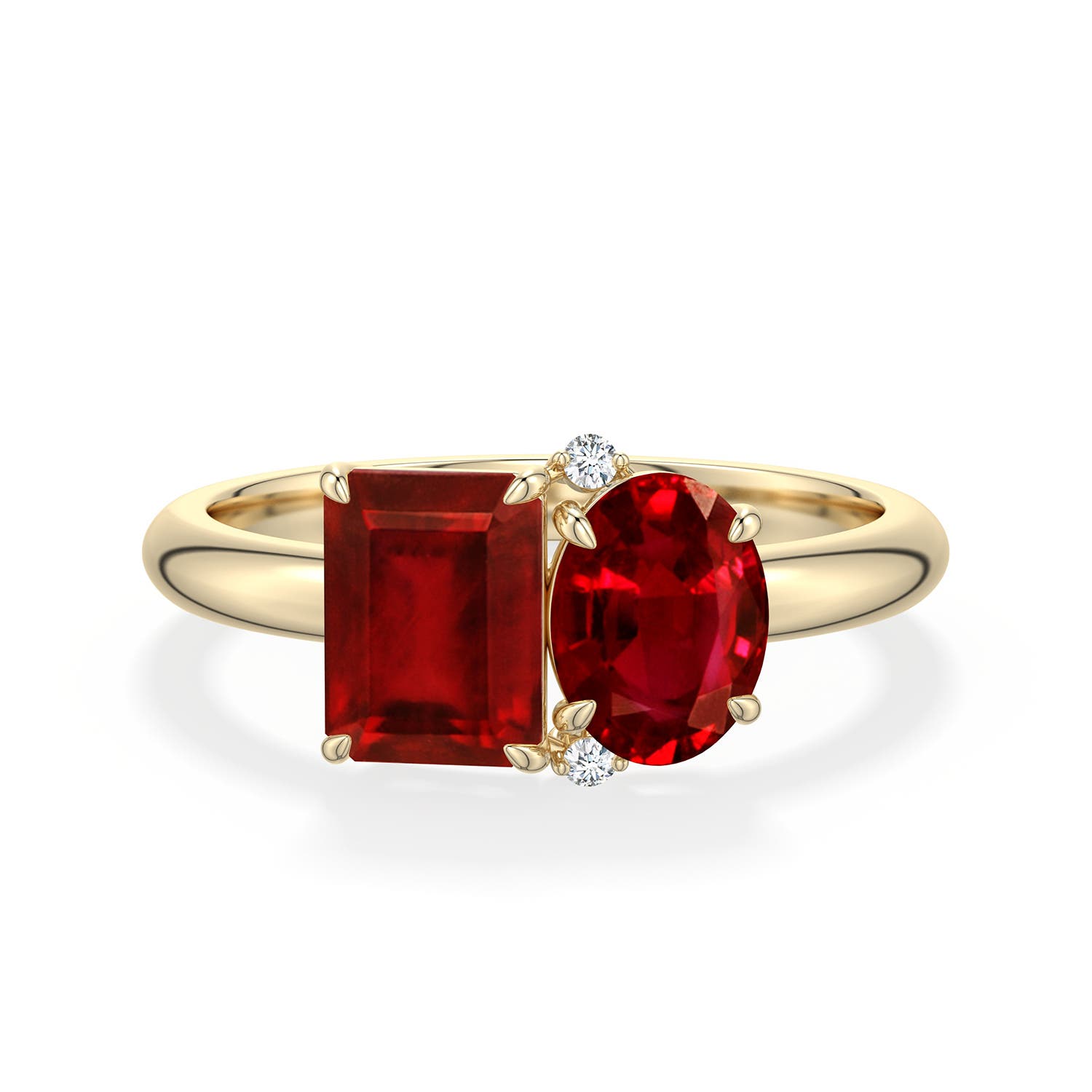
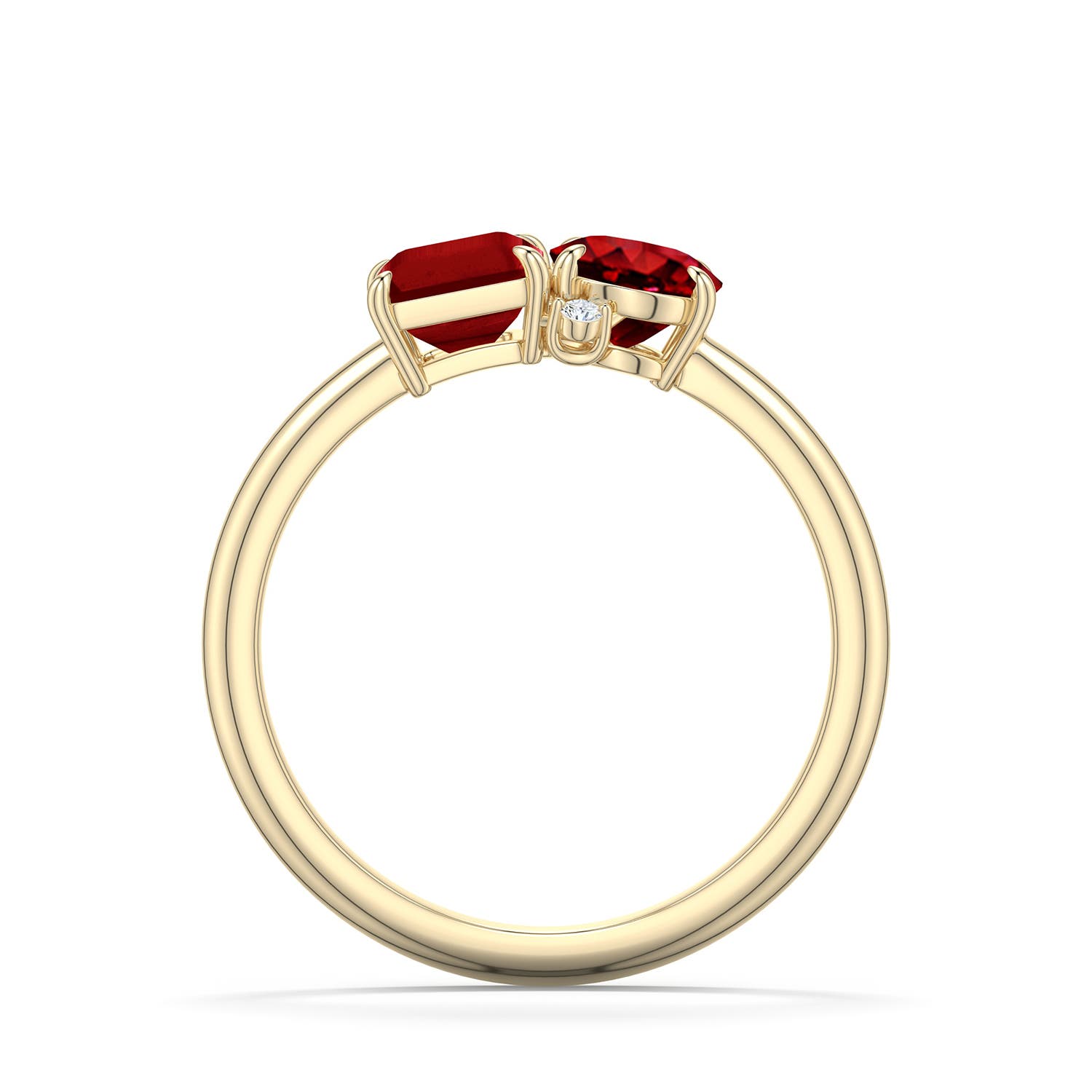
PLATINUM VS ROSE GOLD
Platinum's white differs dramatically from rose gold's romantic blush tone.
- Rose gold's copper content makes it slightly softer than platinum but still durable.
- Rose gold can fade slightly over decades; platinum darkens subtly with patina.
- Rose gold costs less and offers contemporary versatility.
- Both age beautifully but differently.
Shop Rose Gold Jewelry
- Triple Grooved Diagonal Diamond Women's Wedding Band$1,205 $1,339


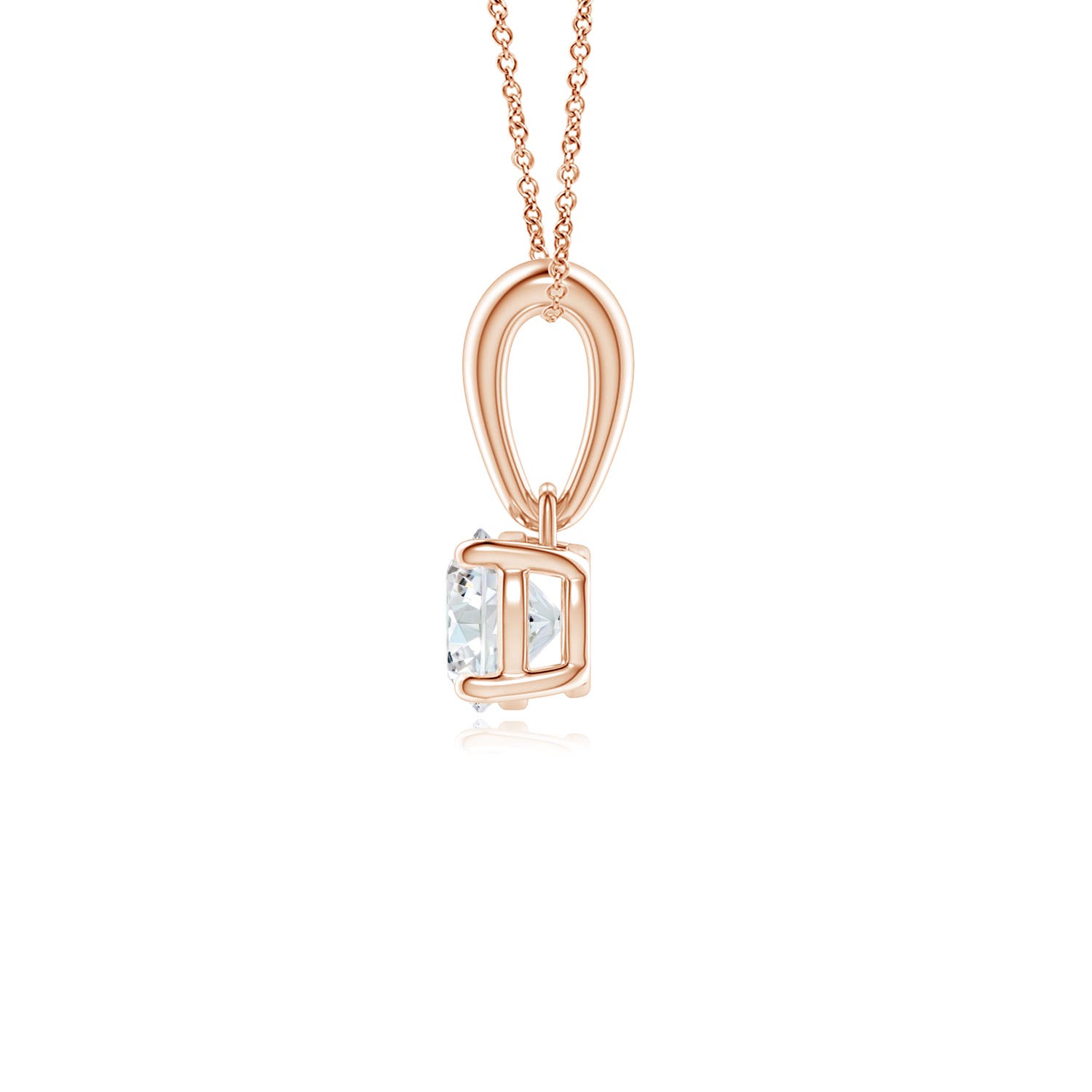
- Classic Solitaire Prong-Set Round Diamond Pendant$854 $949


- Rocking Diamond Solitaire Drop Earrings$1,142 $1,269

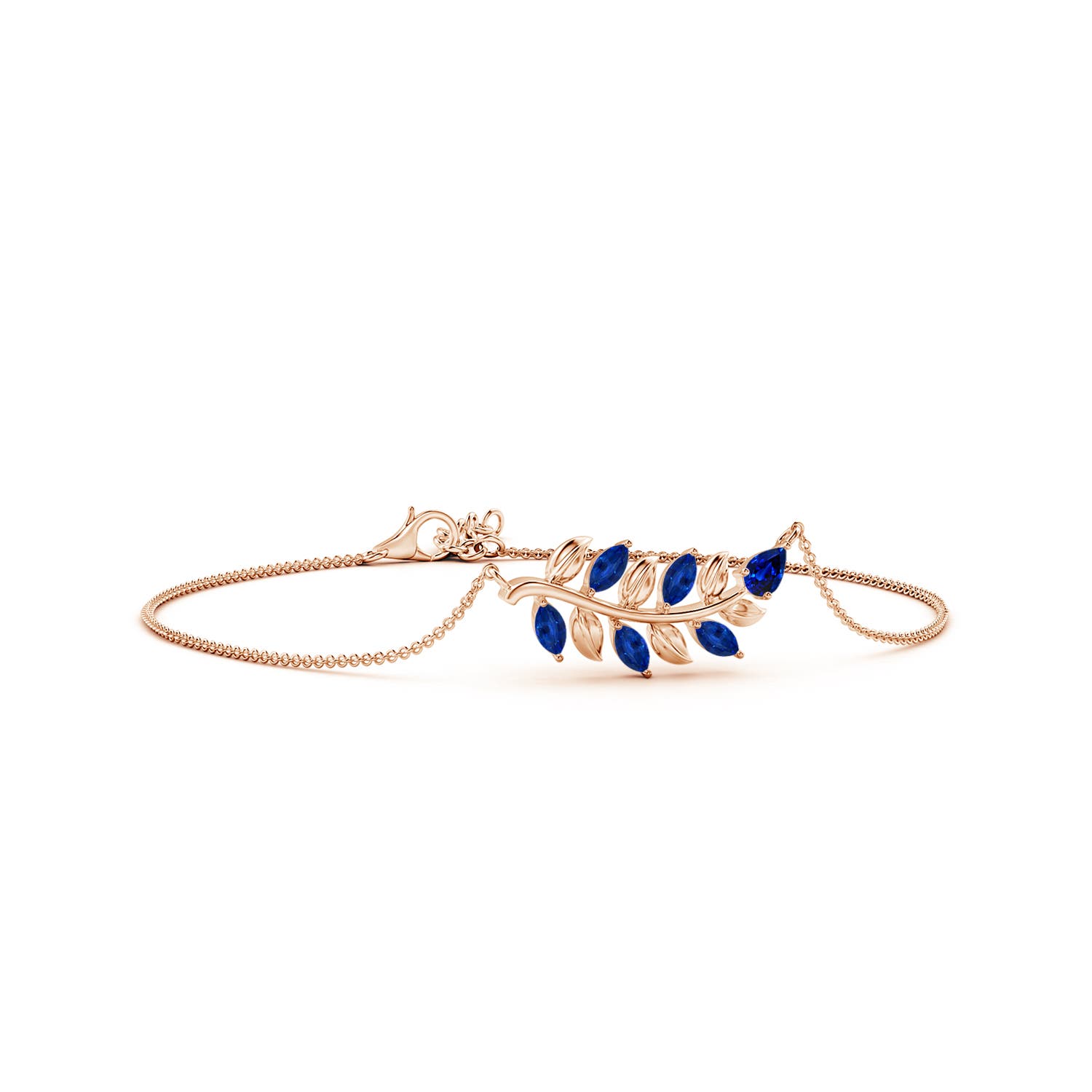
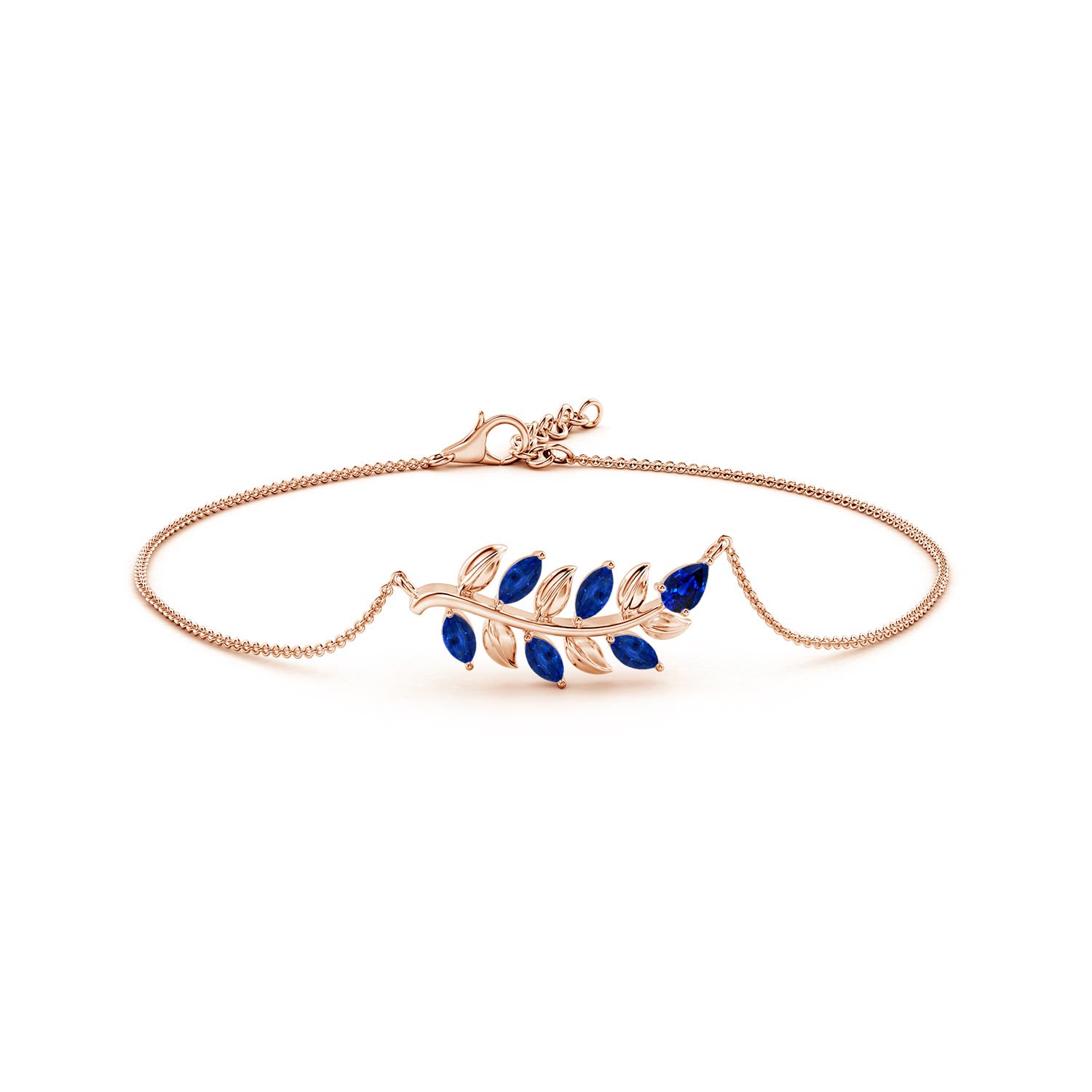
- Pear and Marquise Sapphire Olive Branch Bracelet$1,907 $2,119



PLATINUM VS WHITE GOLD VS YELLOW GOLD VS ROSE GOLD
| Feature | Platinum | White Gold | Yellow Gold | Rose Gold |
|---|---|---|---|---|
| Appearance | Naturally bright white, never changes color | Silvery white, yellows slightly as rhodium plating wears | Warm, classic gold tone that develops a rich patina | Romantic blush tone that may fade slightly over decades |
| Durability | Most durable, scratches least noticeably | Durable but softer than platinum | Durable, scratches more than platinum | Slightly softer due to copper content, still durable |
| Maintenance | Occasional professional polishing | Rhodium replating every 3 to 5 years | Regular cleaning, no replating needed | Regular cleaning, no replating needed |
| Cost | Historically commands a premium, varies with market | More affordable than platinum | Typically the most accessible option across karat levels | Priced similarly to yellow and white gold at the same karat |
| Best For | Modern, contemporary designs; maximum durability | White metal look at a lower price point | Vintage styling, warm skin tones | Romantic, contemporary looks |
GOLD VS PLATINUM FOR ENGAGEMENT RINGS
Both metals are excellent for engagement rings and durable enough for daily wear.
- Platinum holds gemstone prongs more securely due to its density, offering extra peace of mind.
- Aesthetically, platinum's brightness showcases diamonds brilliantly; gold's warmth complements certain gemstones beautifully.
- Budget impacts your stone quality: platinum costs more, potentially reducing budget for the center stone.
If security and longevity are the priority, platinum is the stronger choice. If you want to maximize the budget for the center stone without compromising on quality, gold gives you more room to work with. At Angara, every engagement ring is made to order in your chosen metal, with the option to customize the setting, stone and finish and add a personal engraving to make it entirely yours.
Customize Engagement Rings in Gold or Platinum
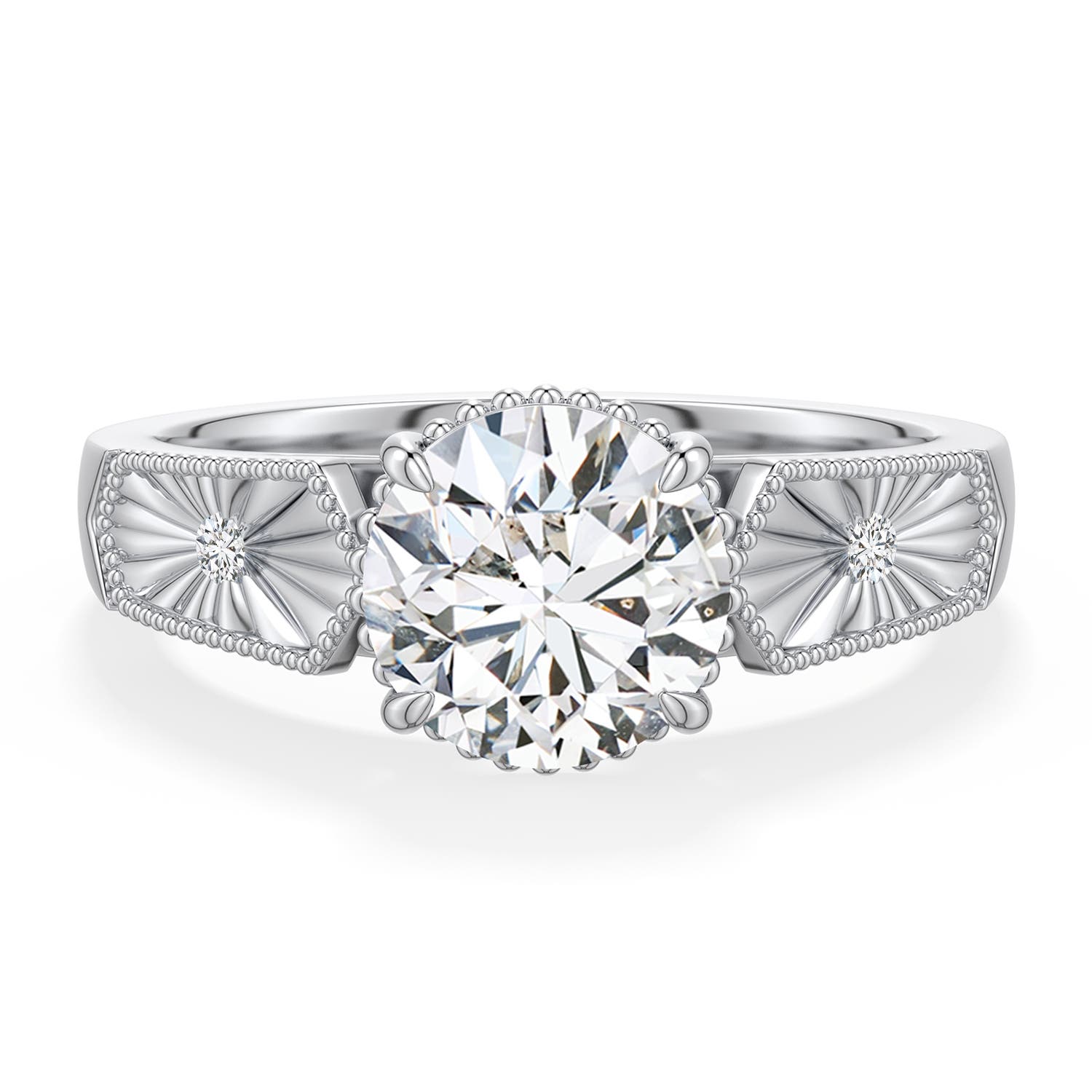
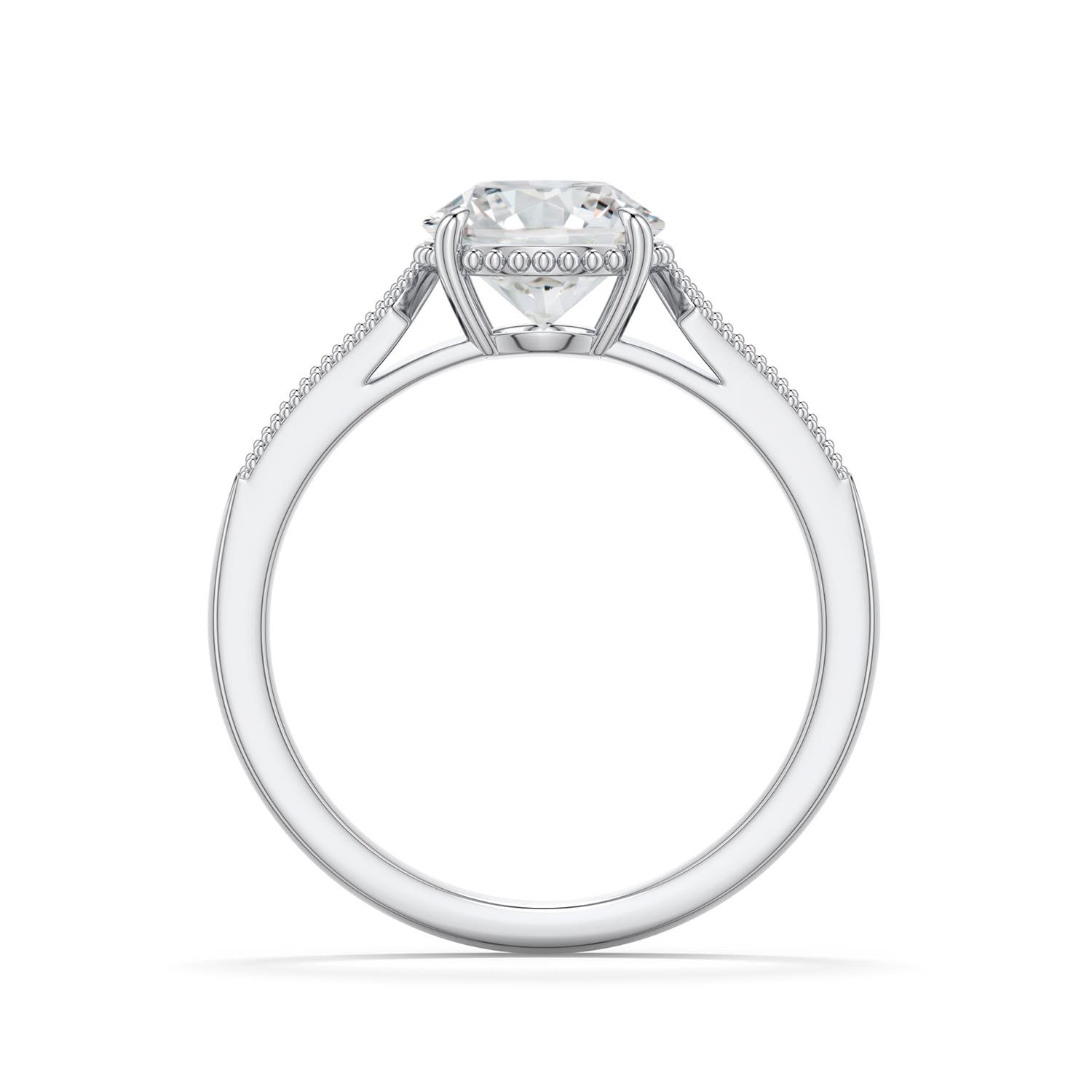
- Round Diamond Quatrefoil Hidden Halo Engagement Ring$20,384 $22,649


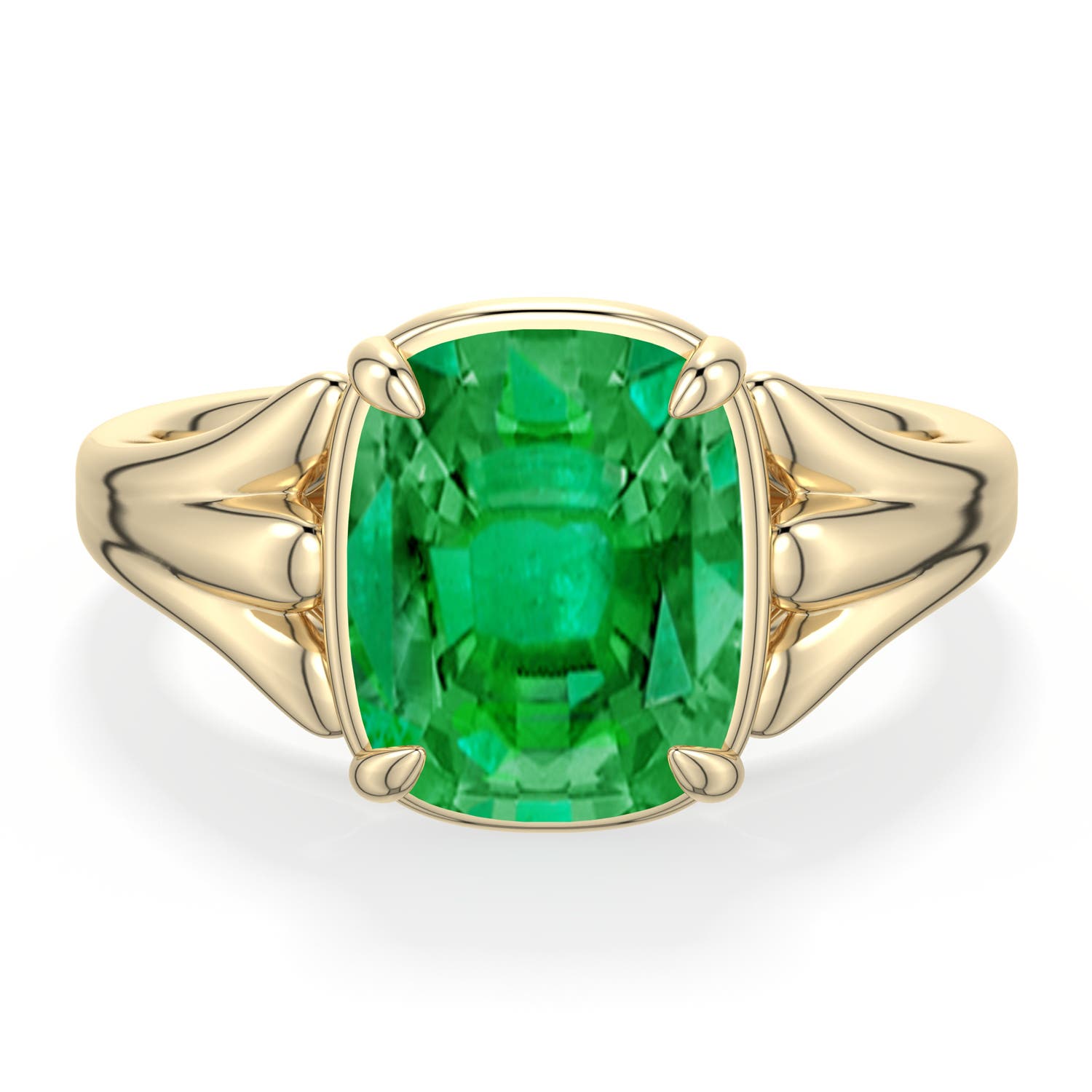
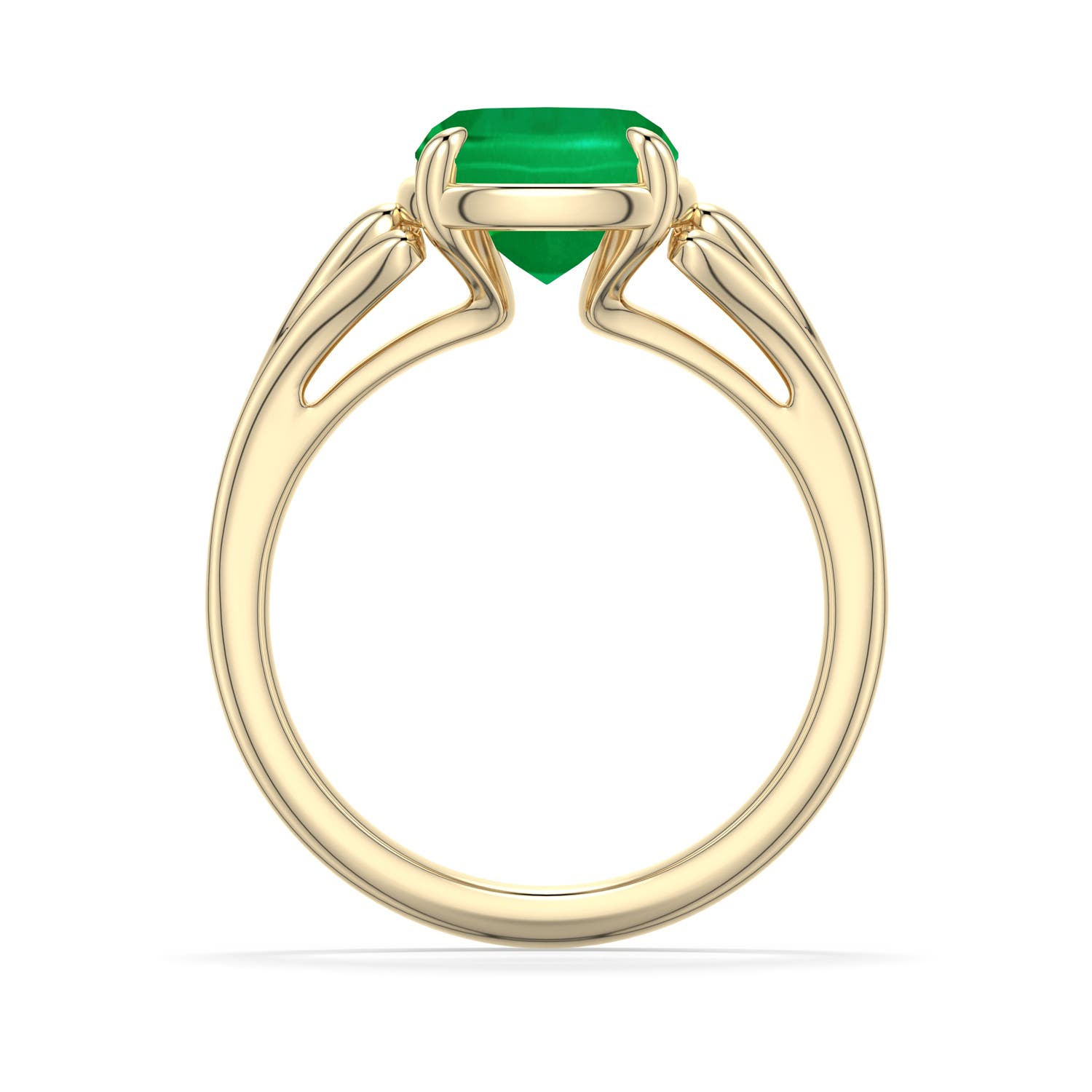
- Cushion Rectangular Emerald Scrollwork Engagement Ring$19,268 $21,409


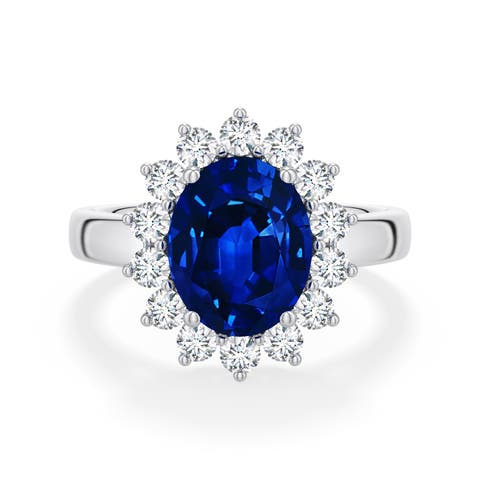
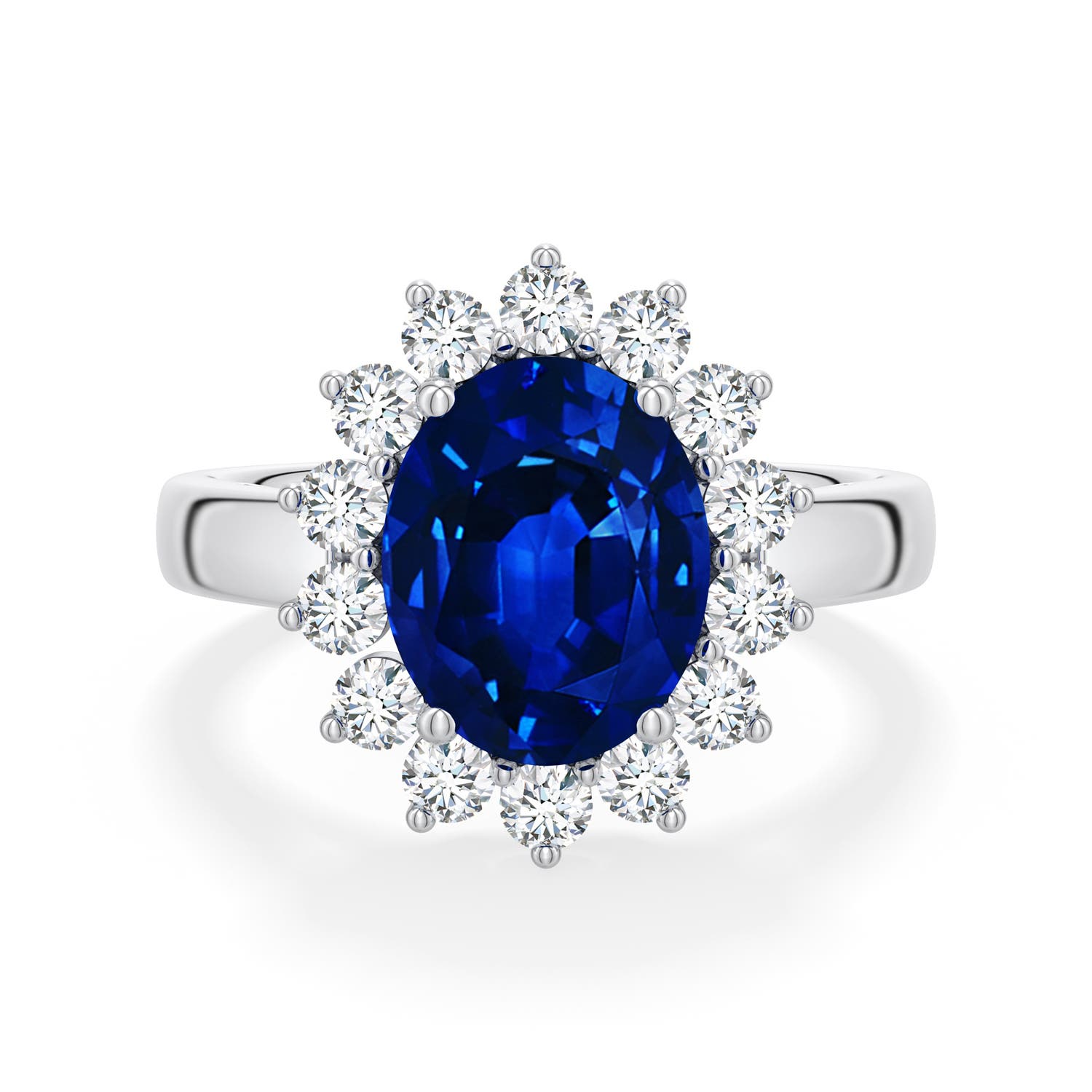
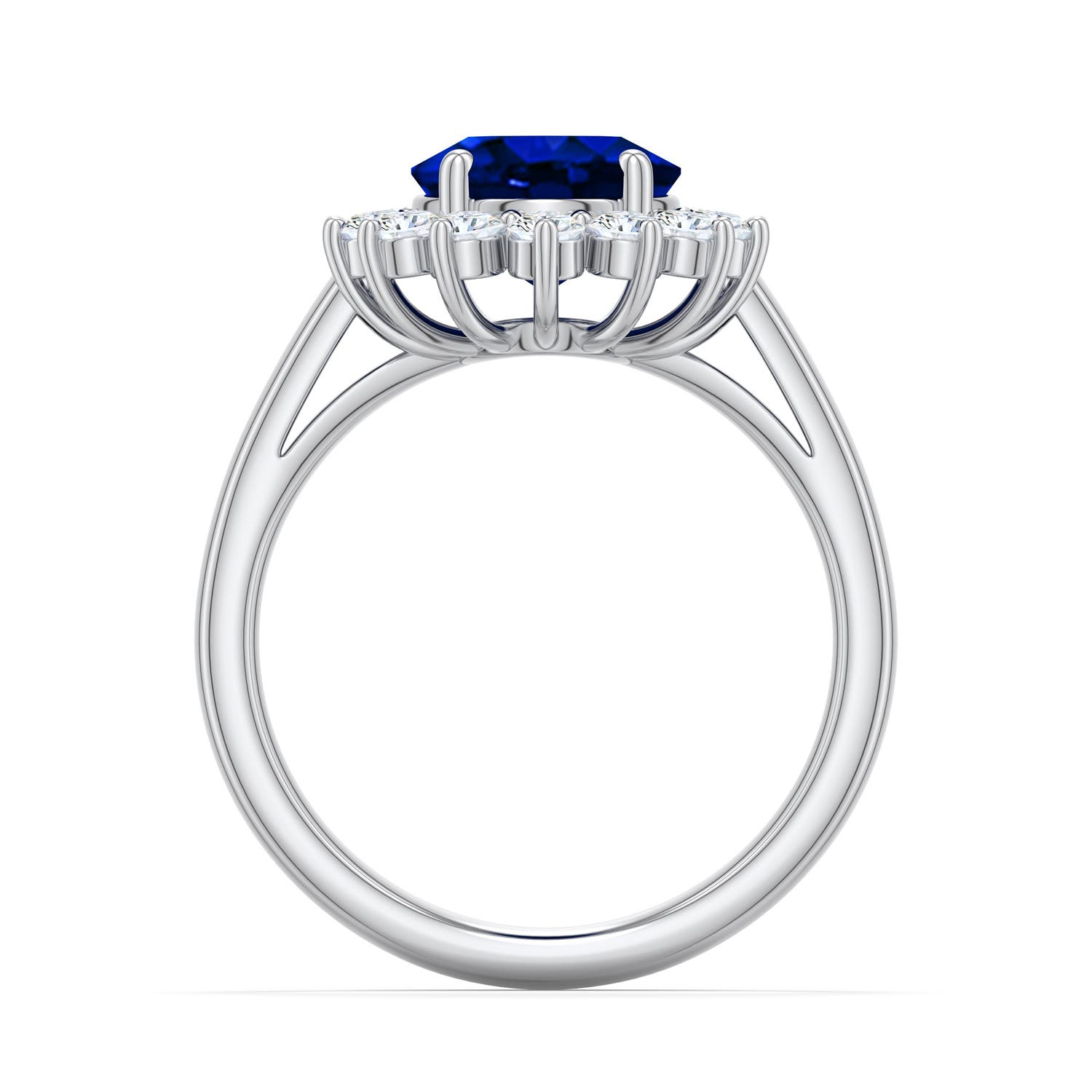
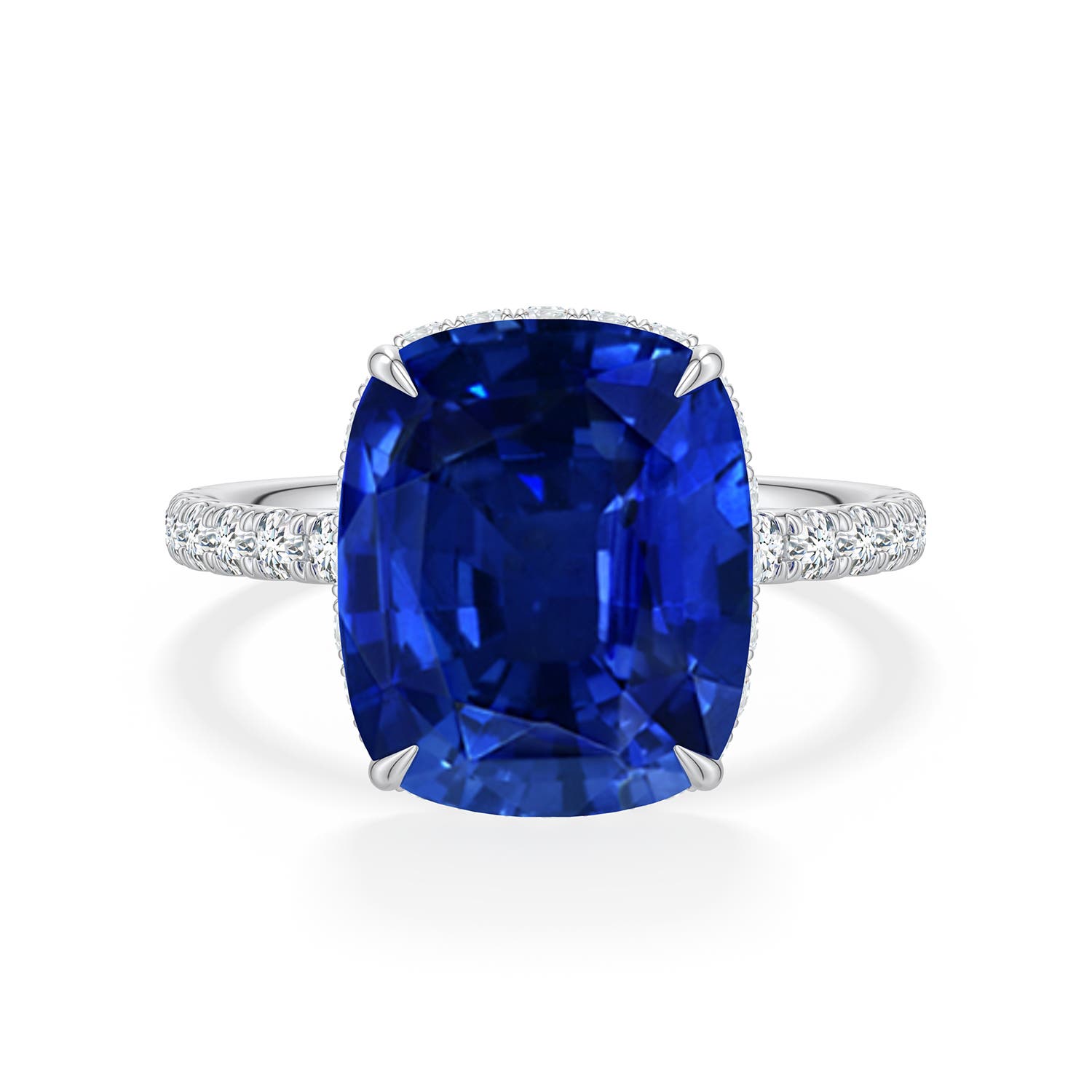
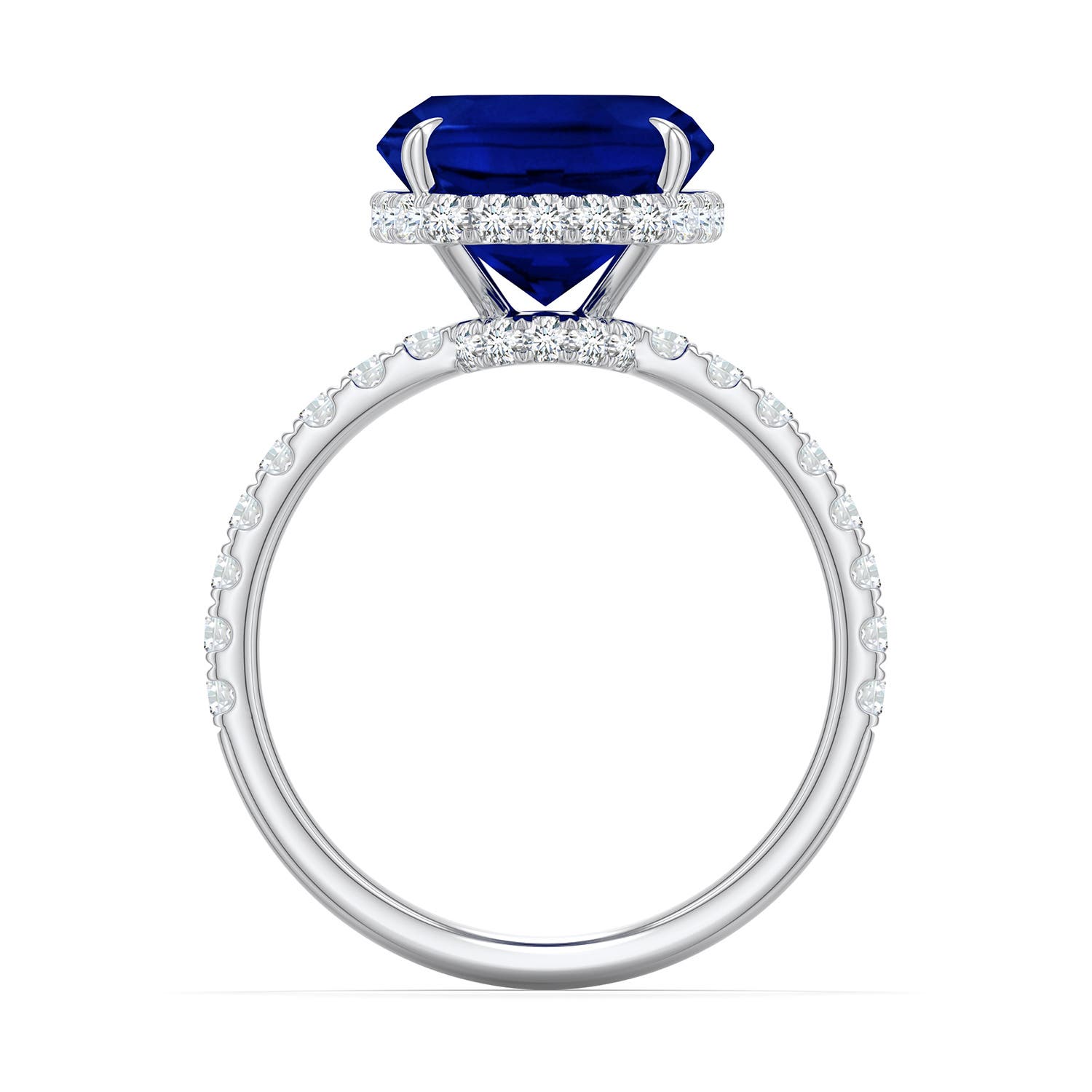
- Lab-Grown Princess Diana Inspired Blue Sapphire Engagement Ring with Lab Diamond Halo$4,382 $4,869

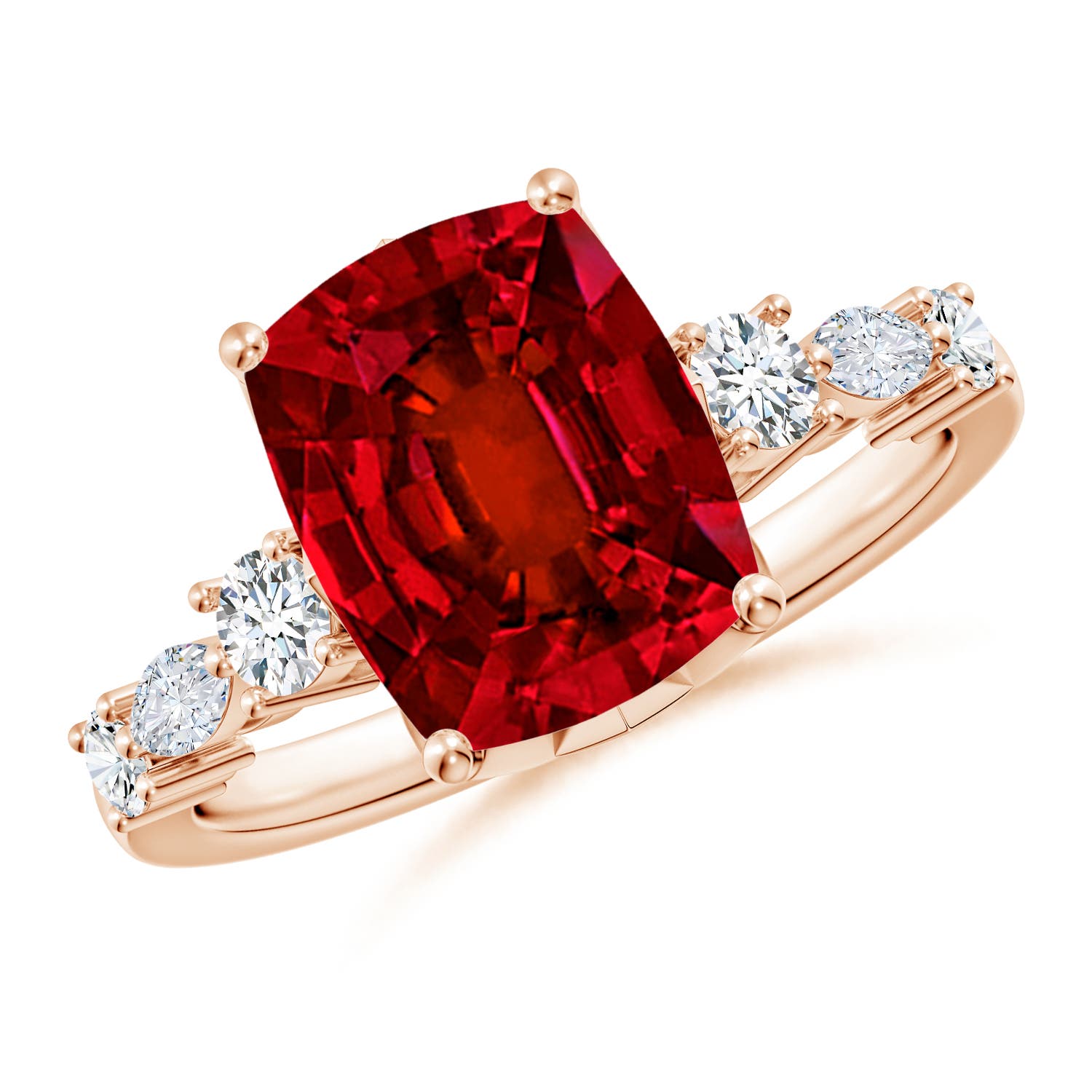
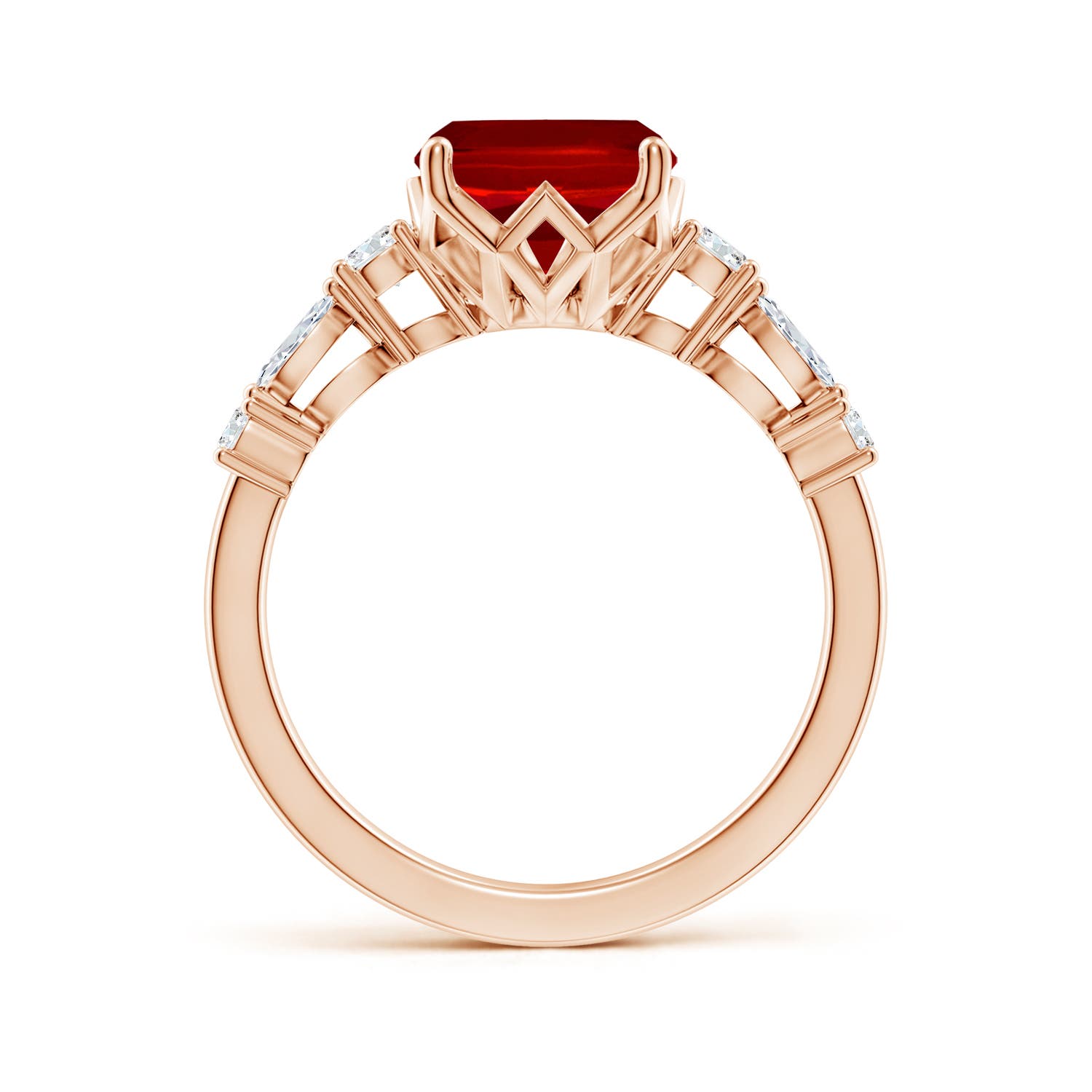
- Lab-Grown Classic Cushion Rectangular Ruby Side Stone Engagement Ring$2,087 $2,319


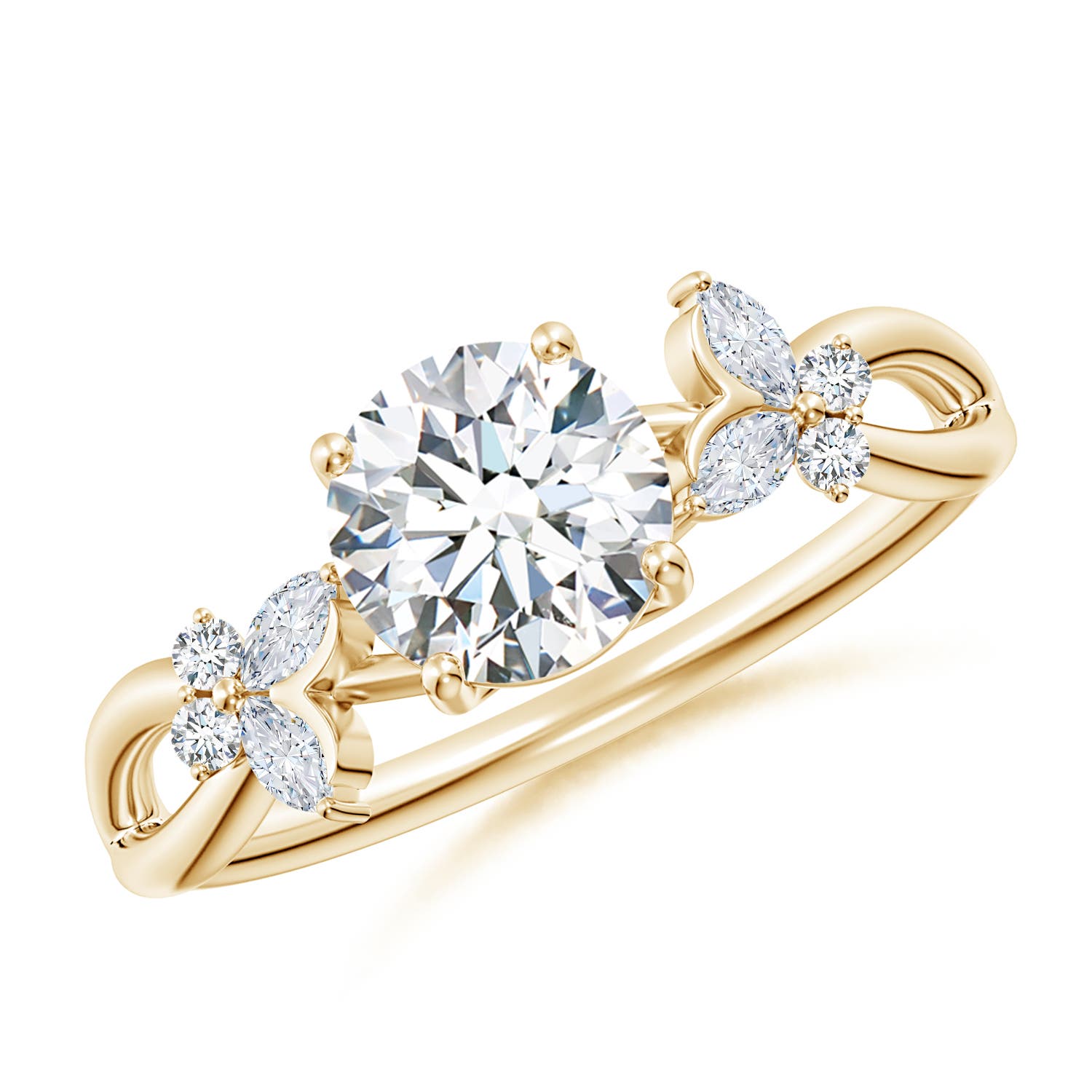
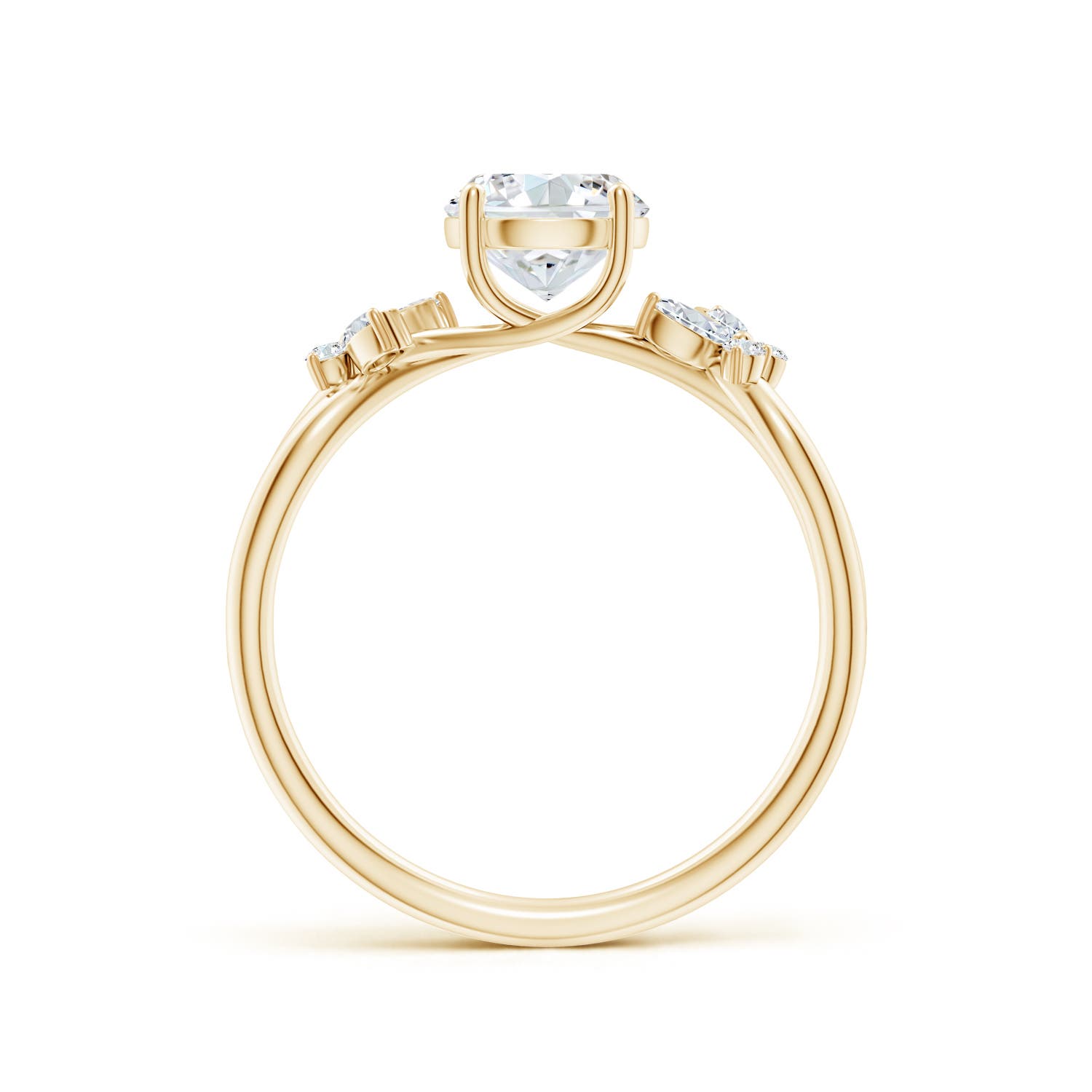
- Lab-Grown Round Diamond Butterfly Engagement Ring$2,780 $3,089


- Lab-Grown Thin Shank Cushion Sapphire Engagement Ring with Lab Diamond Accents$2,573 $2,859


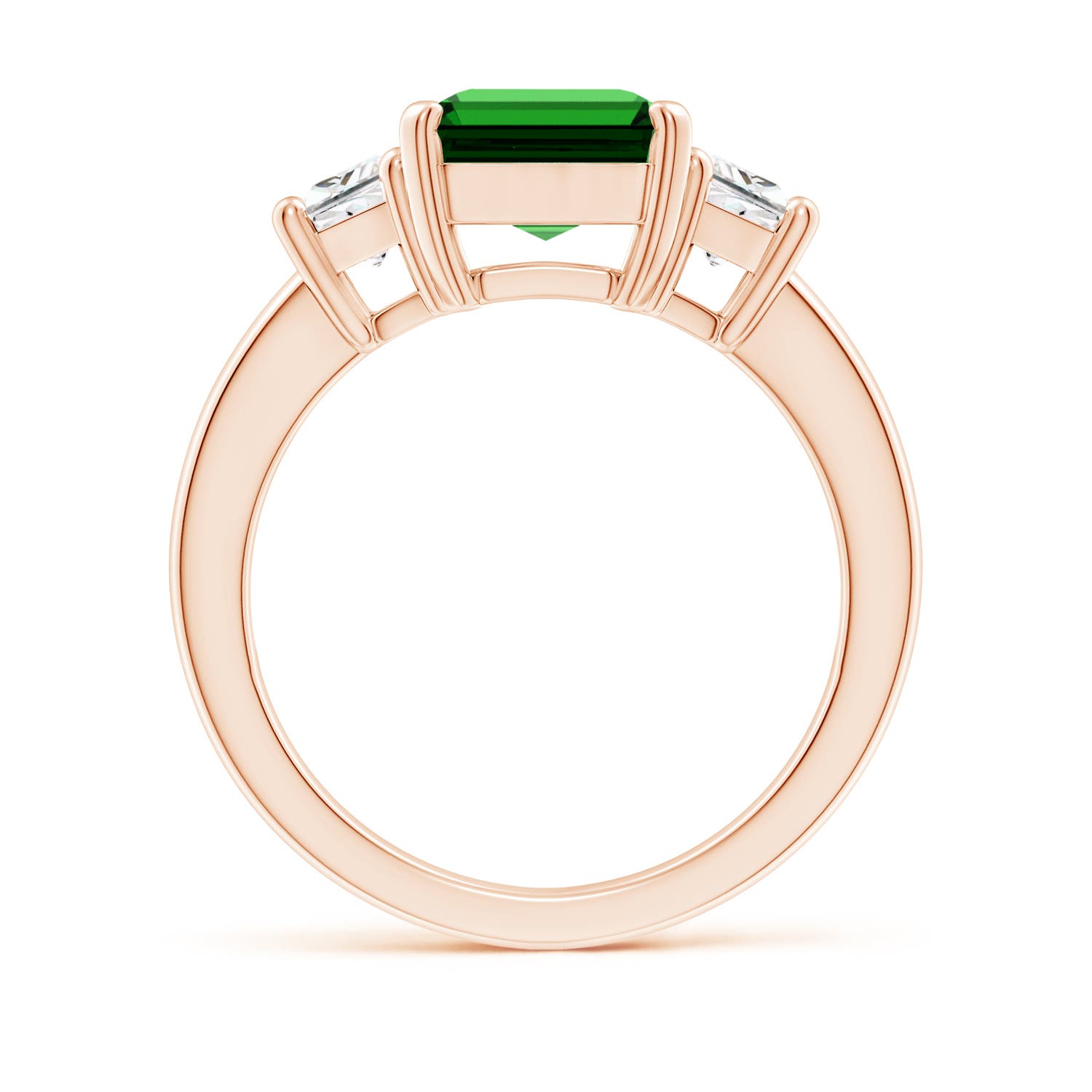
- Lab-Grown Emerald-Cut Emerald and Trapezoid Diamond Three Stone Engagement Ring$2,483 $2,759


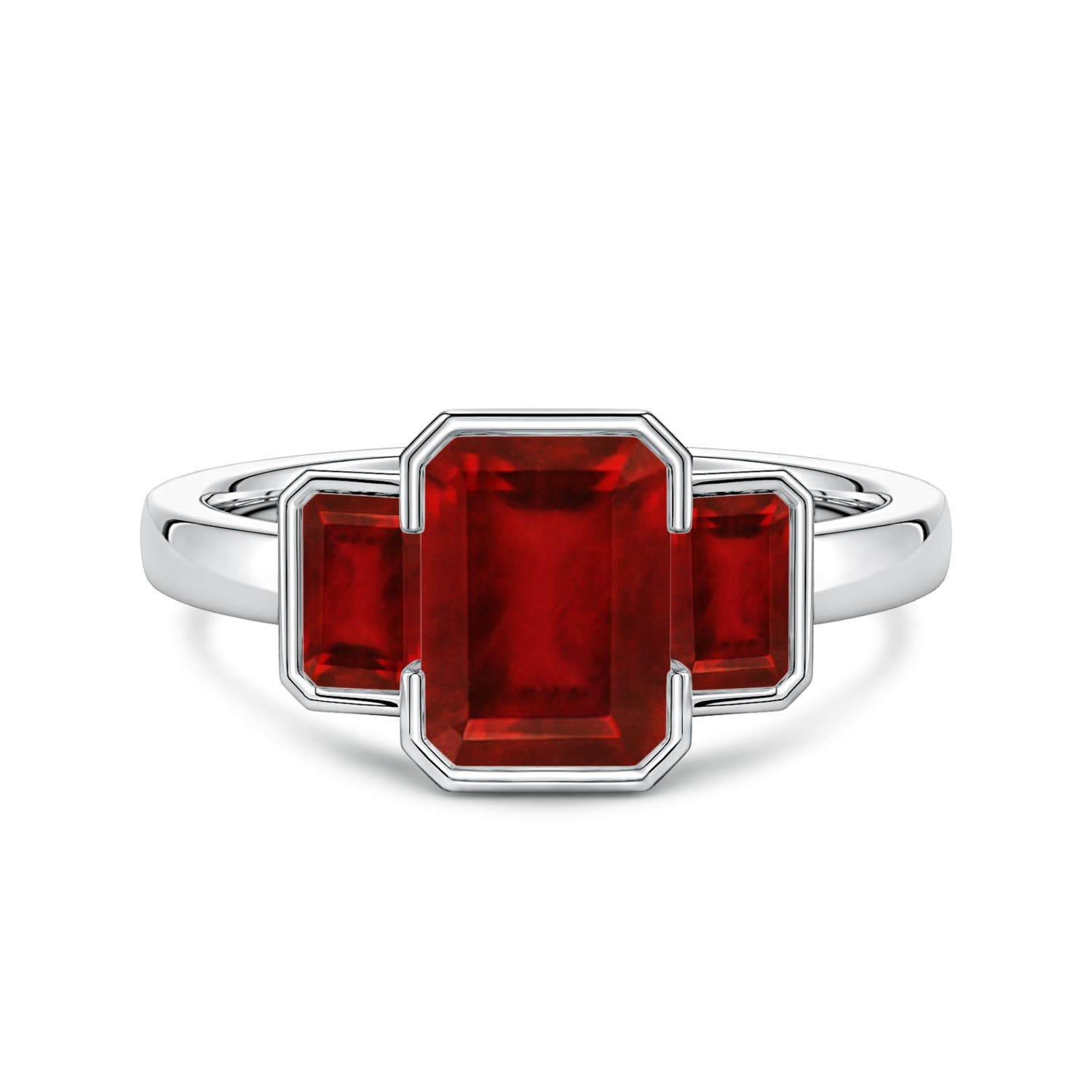
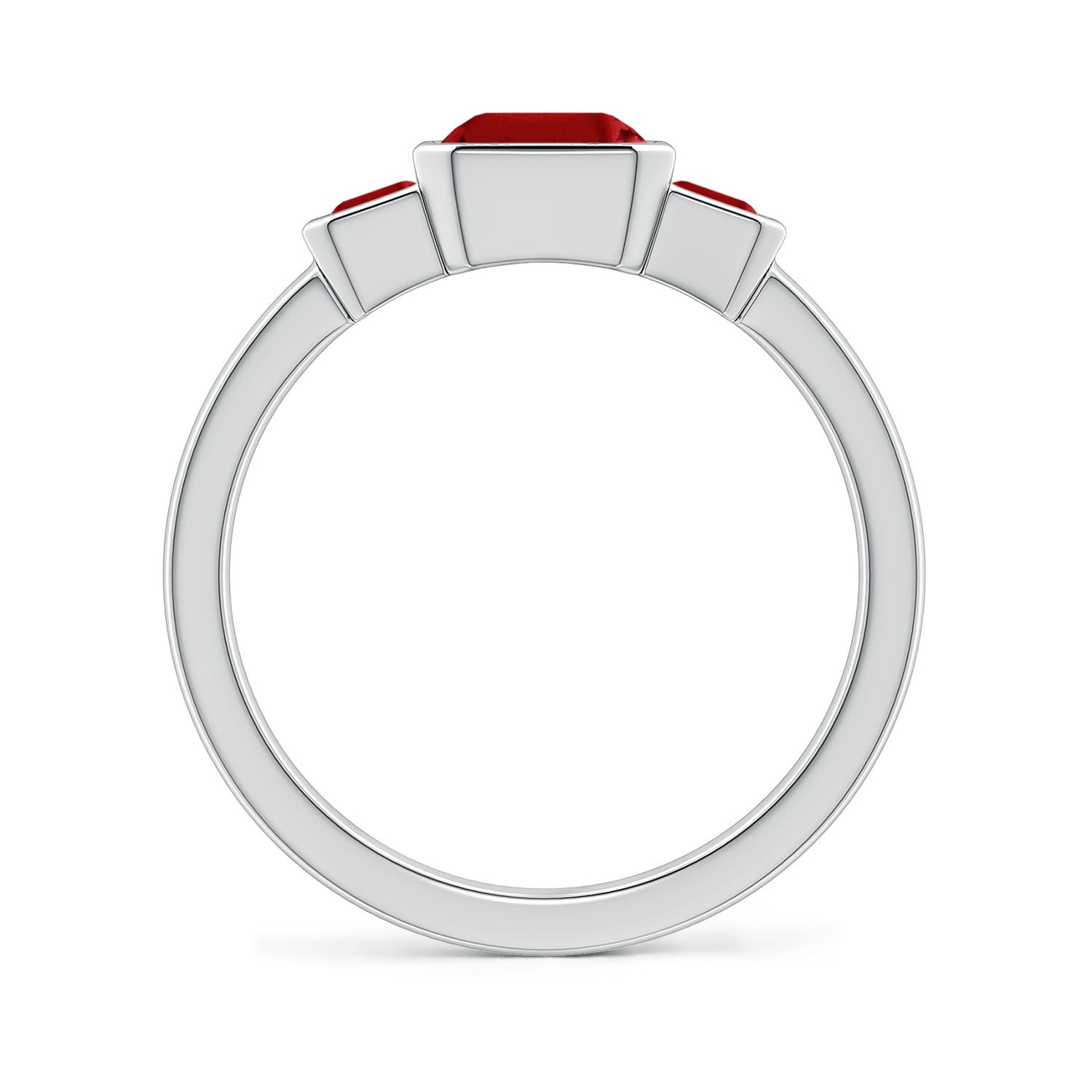
- Semi Bezel-Set Emerald-Cut Ruby Three-Stone Engagement Ring$16,415 $18,239



GOLD VS PLATINUM FOR WEDDING BANDS
Wedding bands endure constant wear and require durable materials.
- Platinum stays pristine through decades of daily wear without noticeable scratching.
- Gold develops a beautiful patina that tells your love story in a beautiful and unique way.
- Both stack comfortably with engagement rings; mixing metals creates a modern aesthetic.
- Both metals engrave beautifully.
- Platinum resizes more expensively due to specialized equipment; gold resizes more affordably.
How each metal wears, developing character rather than degrading, adds to the heirloom appeal. At Angara, every piece of jewelry is handcrafted using heritage techniques and comes with a certificate of authenticity, so the piece you choose is built to last and documented to prove it.
Customize Wedding Rings in Gold or Platinum
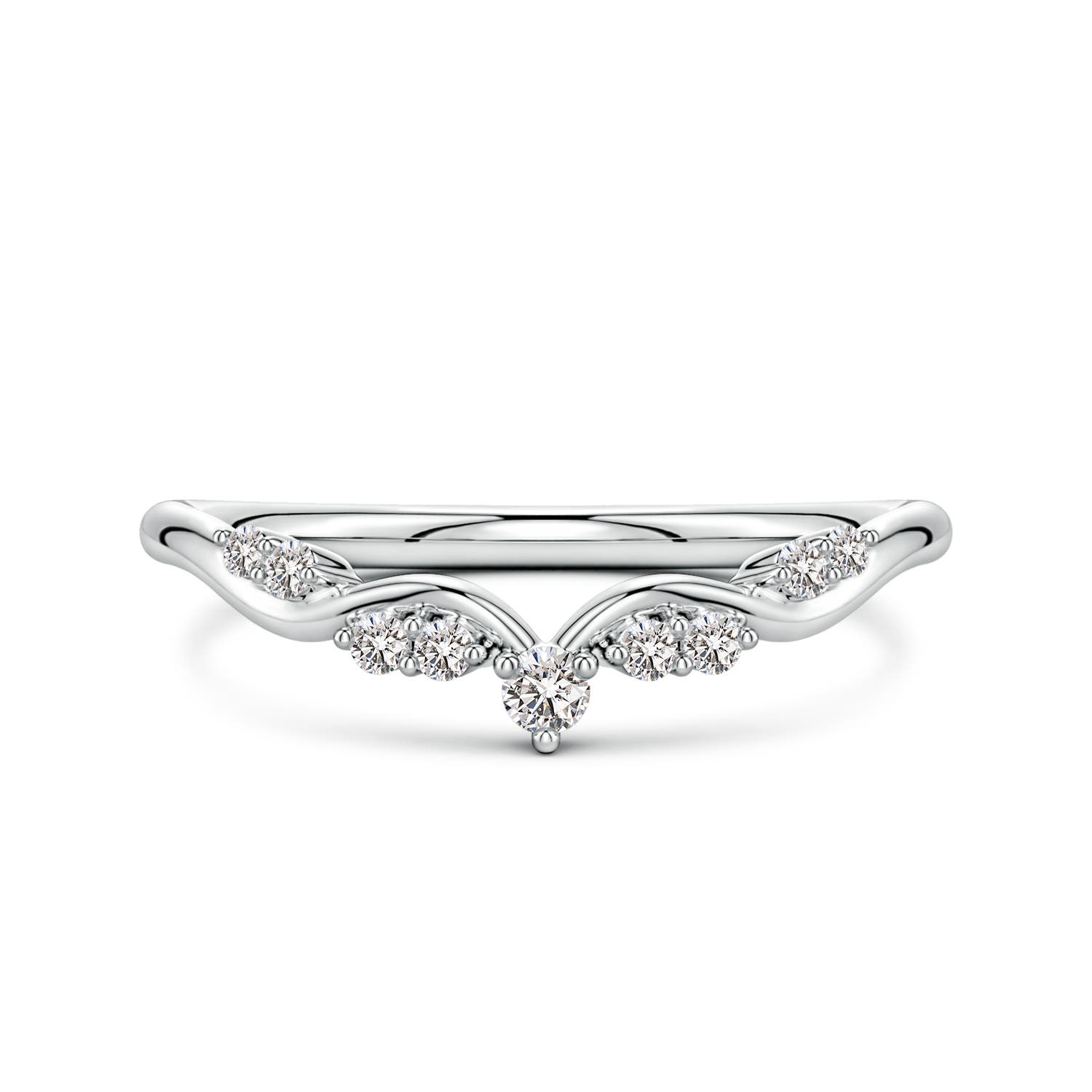
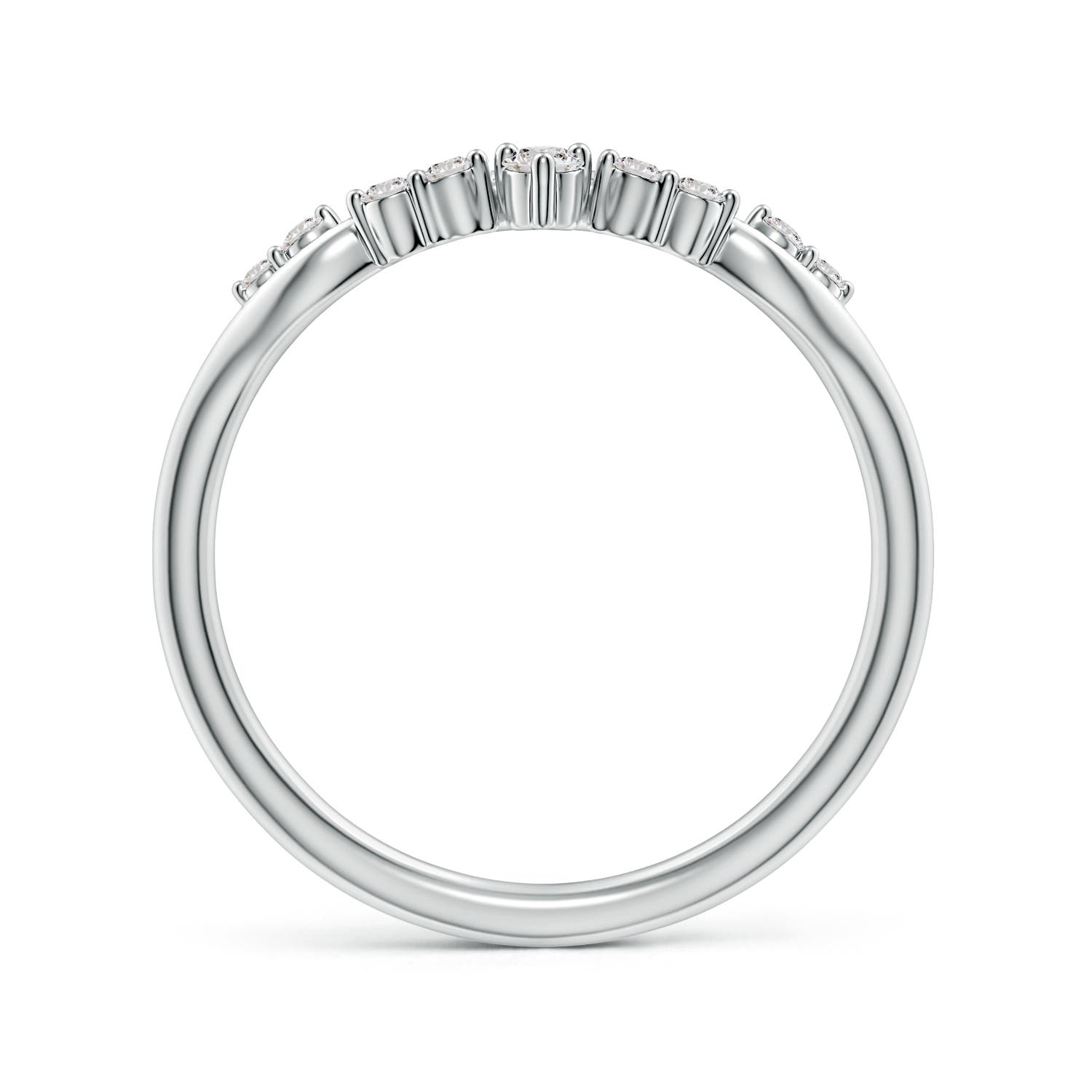
- Prong-Set Round Diamond Crown Wedding Ring$827 $919


- Nature Inspired Round Ruby & Diamond Vine Ring$2,672 $2,969


- Gypsy-Set Round Diamond Eternity Ring$1,025 $1,139


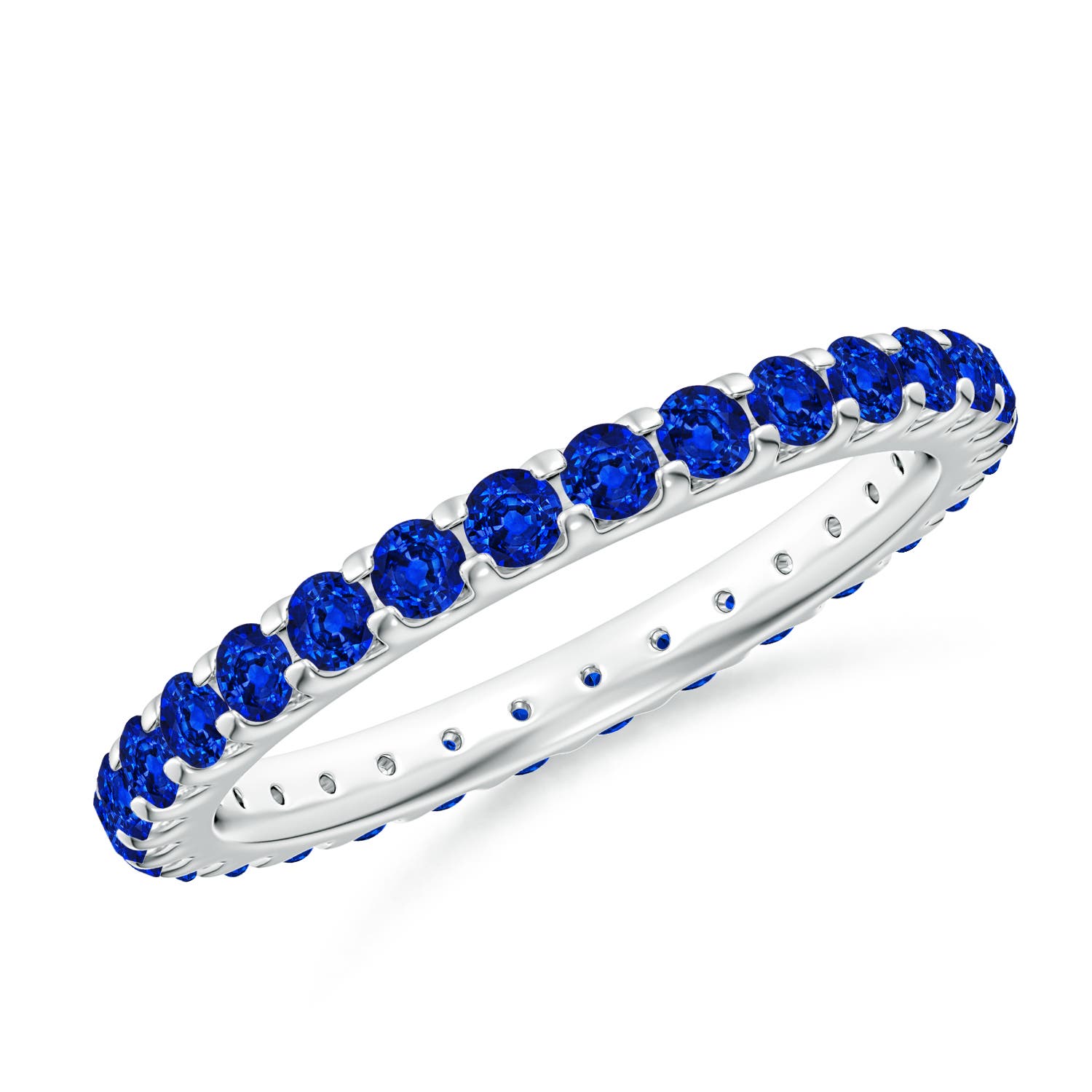
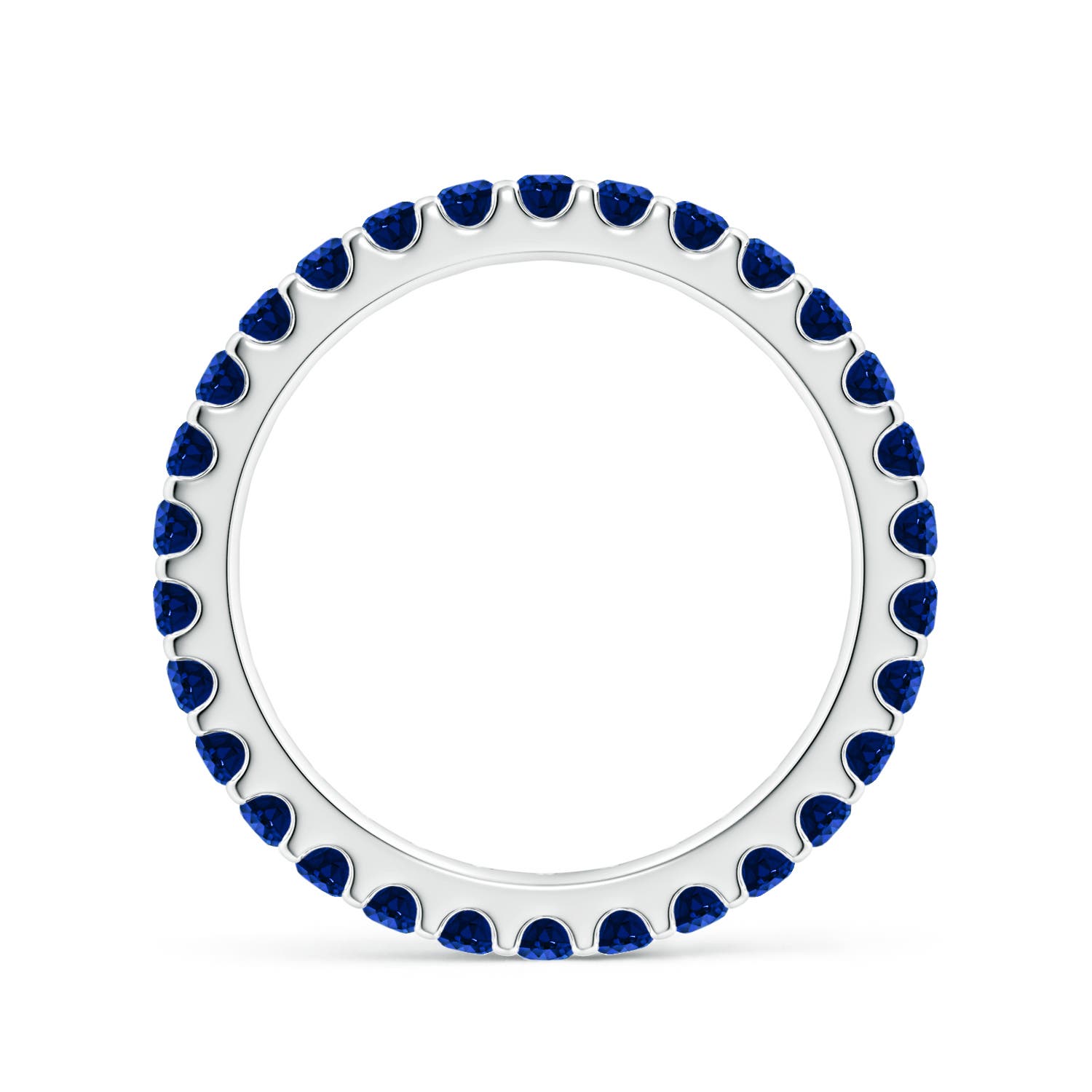
- Shared Prong Set Eternity Sapphire Wedding Ring$1,826 $2,029




PLATINUM VS GOLD: WHICH IS BETTER FOR EVERYDAY WEAR?
The right metal choice for everyday wear depends on your lifestyle, skin sensitivity and how much maintenance you're willing to do. Here's how they compare where it matters most.
Platinum
Pros:
- Extremely durable and scratch-resistant
- No replating needed, ever
- Naturally hypoallergenic
- Develops a subtle patina that many find adds to its beauty over time
Cons:
- Heavier feel on the hand, which takes some adjustment
- Generally higher upfront cost than gold
Gold
Pros:
- Available across a range of karat levels to suit different budgets and lifestyles
- Lighter weight, comfortable for all-day wear
- Yellow and rose gold develop a natural patina with no replating required
- More affordable than platinum in most cases, but can shift with the market
Cons:
- Softer than platinum and scratches more visibly
- White gold requires rhodium replating every 3 to 5 years to maintain its brightness
- Higher karat gold (18K and above) is softer and better suited to occasional wear than daily use
Comfort Considerations: Platinum's weight creates a luxury feel but may feel heavy during extended wear. Gold's lighter weight provides comfort for all-day wear.
PLATINUM VS GOLD: WHICH METAL SHOULD YOU CHOOSE?
The best metal for your jewelry is the one that fits how you live, what you value and how you want the piece to look over time. Here's a simple way to think through it.
Choose Platinum If: You want maximum durability and minimal maintenance. You prefer naturally white metal that never requires re-plating. You value substantial weight and luxury feel. You're willing to invest more upfront. You want a metal that lasts through decades of daily wear. You have an active lifestyle or work with your hands.
Choose Gold If: You prefer a lighter weight metal that's comfortable for all-day wear or you want to maximize budget for the center stone without compromising on quality. Gold suits anyone drawn to a metal that develops character over time, whether that's the classic warmth of yellow, the cool brightness of white or the romantic tone of rose. It's also the more versatile option across styles, from vintage to contemporary, and available at a range of price points to suit different budgets.
Now that you understand how platinum and gold compare, you're ready to make your choice. And remember: whichever you choose, you're investing in something that will last a lifetime.
FAQs
Is platinum better than gold?
Neither is objectively better. Platinum offers superior durability and requires minimal maintenance, making it ideal for active lifestyles and daily wear. Gold provides aesthetic variety and lower cost, making it perfect for those who value appearance and budget flexibility. The best choice depends on your priorities.
How long do platinum and gold jewelry last?
Both last forever with proper care. Platinum requires minimal maintenance and remains pristine indefinitely. Gold is similarly durable but develops patina over time (which many find beautiful). Both can be worn daily for decades without degradation.
Why is platinum more expensive than gold?
Platinum is rarer, denser and more durable than gold. It requires specialized equipment and expertise for craftsmanship. Its natural white color eliminates replating costs. These factors justify platinum's 2-3x higher price compared to gold.
Does white gold need to be replated, and how often?
Yes. White gold requires rhodium re-plating every 3-5 years, depending on wear. This maintains its bright, silvery appearance as the plating naturally wears. Platinum doesn't require replating—its natural white is permanent.
Which metal is best for an engagement ring?
Both are excellent. Choose platinum if you prioritize maximum durability, secure stone settings and minimal maintenance. Choose gold if you value aesthetic options (yellow, white, rose), lighter weight and budget flexibility. Personal preference and lifestyle matter most.
Can I wear platinum and gold jewelry together?
Yes. Modern jewelry styling embraces mixing metals. Platinum and gold create beautiful contrast and contemporary aesthetic. Ensure quality craftsmanship in all pieces for a cohesive, intentional look.
What's the difference between platinum and white gold?
Platinum is naturally white; white gold is plated for brightness. Platinum is far more durable and requires no re-plating. White gold requires re-plating every 3-5 years. Platinum costs 2-3x more. Both are precious metals suitable for everyday wear and heirloom jewelry.
You may also like
Ring Size Chart: How to Find Your Perfect Fit at Home
20 Mar, 2024
Gems Price Chart Ranked by Value
18 Nov, 2023
How to Test Gold at Home
5 Jan, 2023
Ruby vs Garnet: How to Tell the Difference and Which One to Choose
13 Dec, 2018
Everything You Need to Know About Blue Gemstones
1 Dec, 2023
Best Crystals for Protection: Meaning & How to Use
16 Dec, 2022
How to Tell if a Gemstone Is Real
20 Dec, 2022
Colored Gemstone Size Chart: MM, Carat & Dimensions
14 Aug, 2024
11 Ways to Keep Your Ring From Spinning
19 Jan, 2024
Shop Our Bestsellers
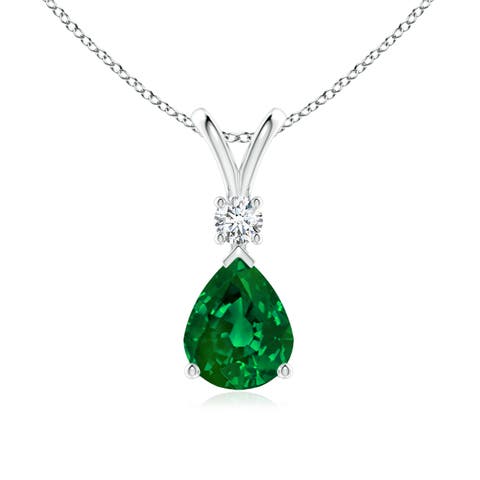
- Prong-Set Lab-Grown Emerald Teardrop V-Bale Pendant with Diamond$2,099
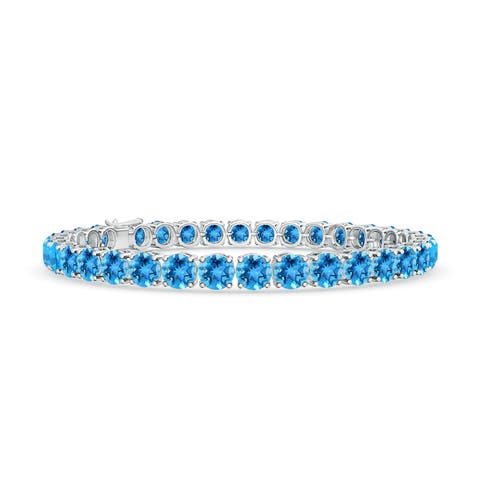
- Classic Swiss Blue Topaz Linear Tennis Bracelet$1,369
- Lab-Grown Princess Diana Inspired Blue Sapphire Engagement Ring with Lab Diamond Halo$4,869
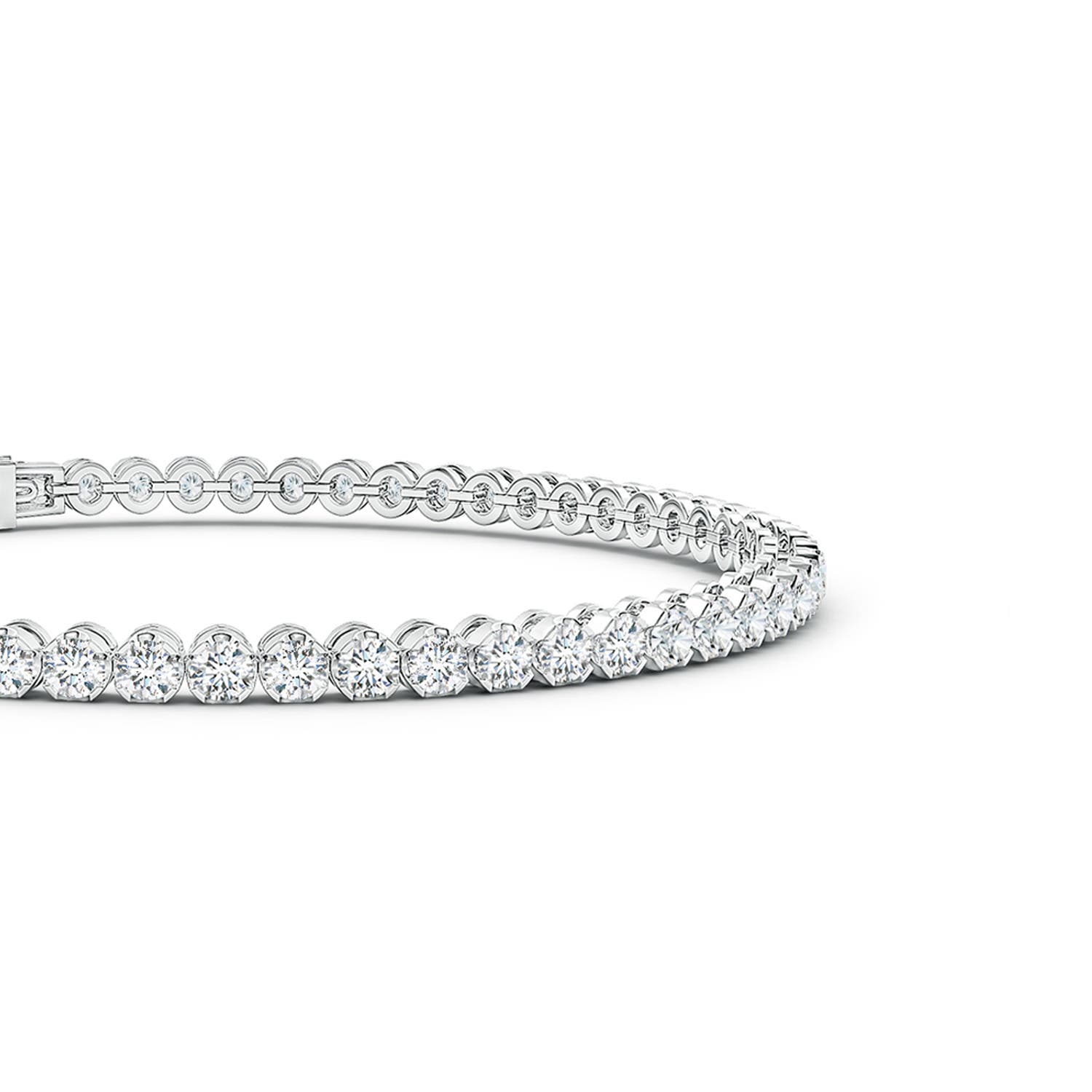
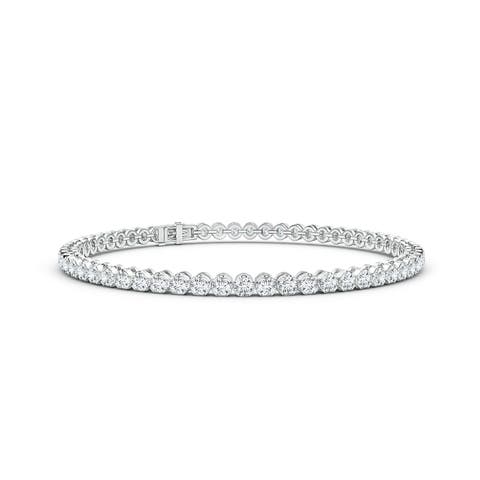
- Lab-Grown Classic Round Diamond Tennis Bracelet$2,739
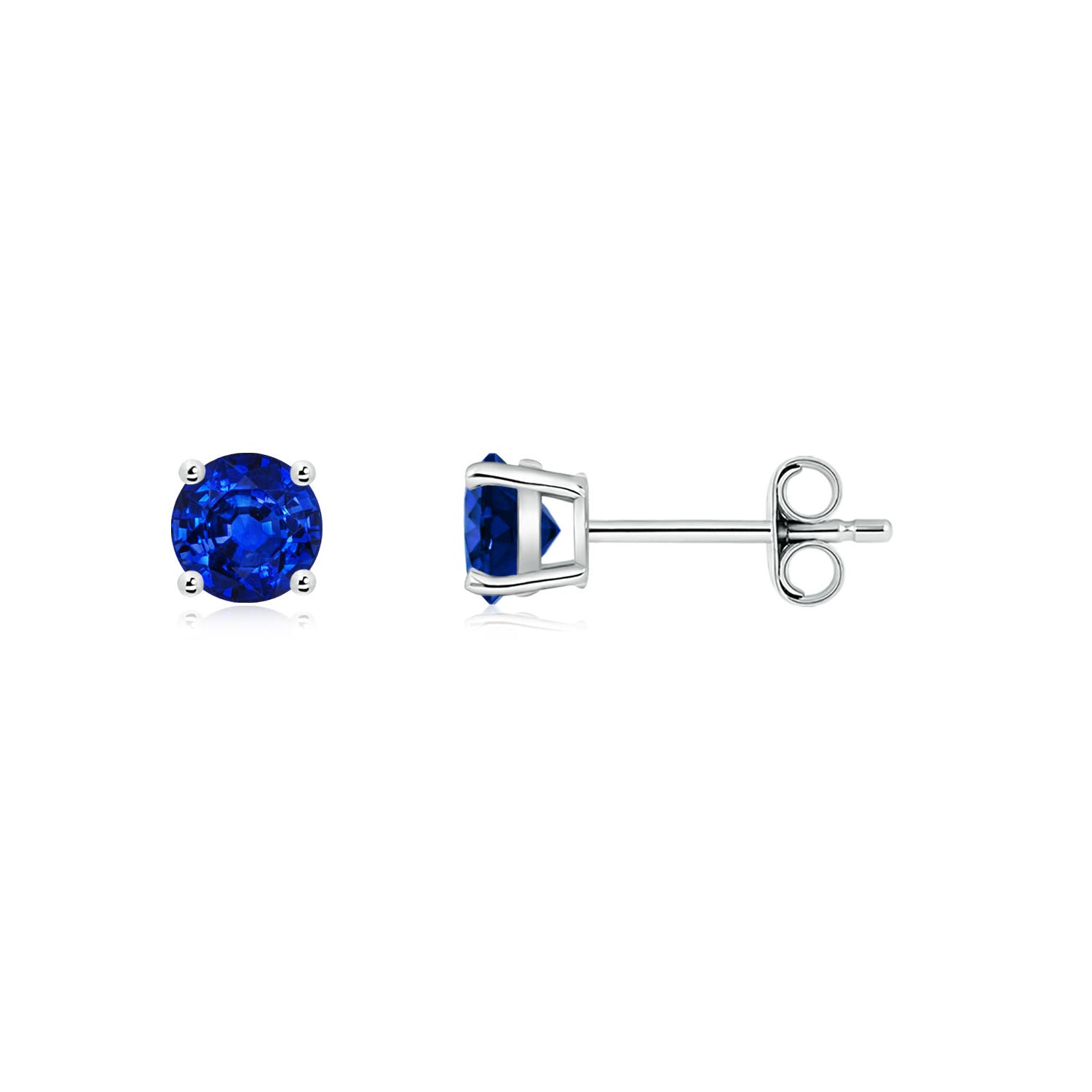
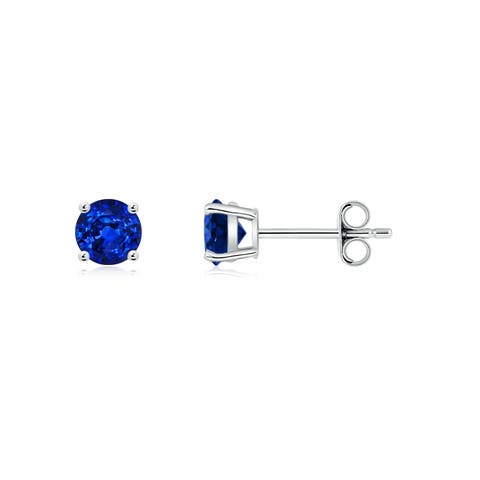
- Round Blue Sapphire Stud Earrings$1,199
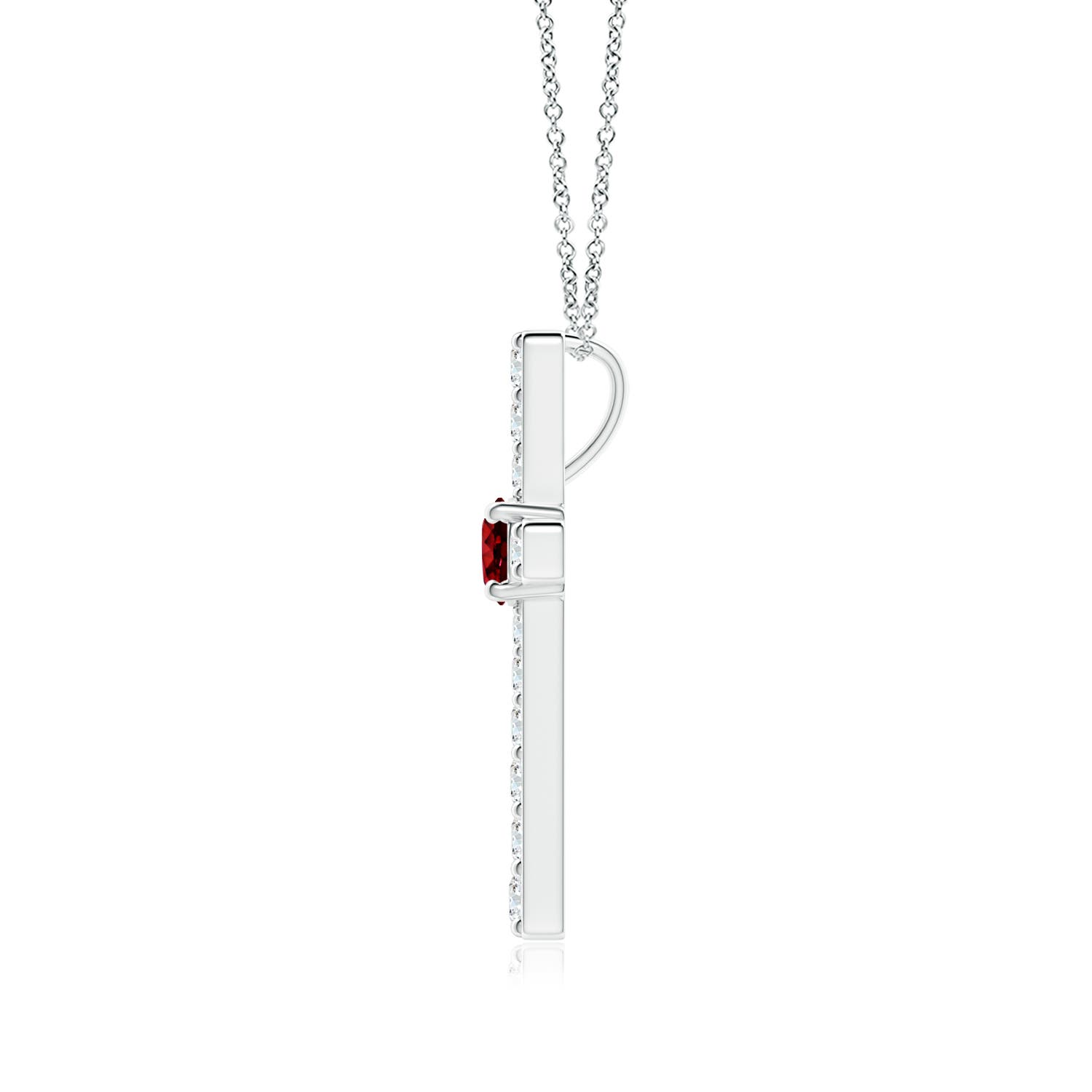
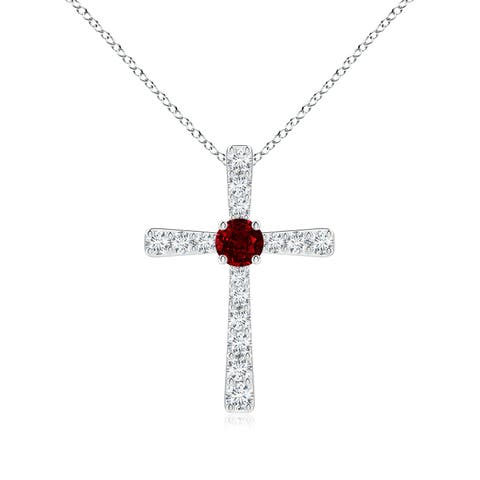
- Ruby and Diamond Cross Pendant$2,249
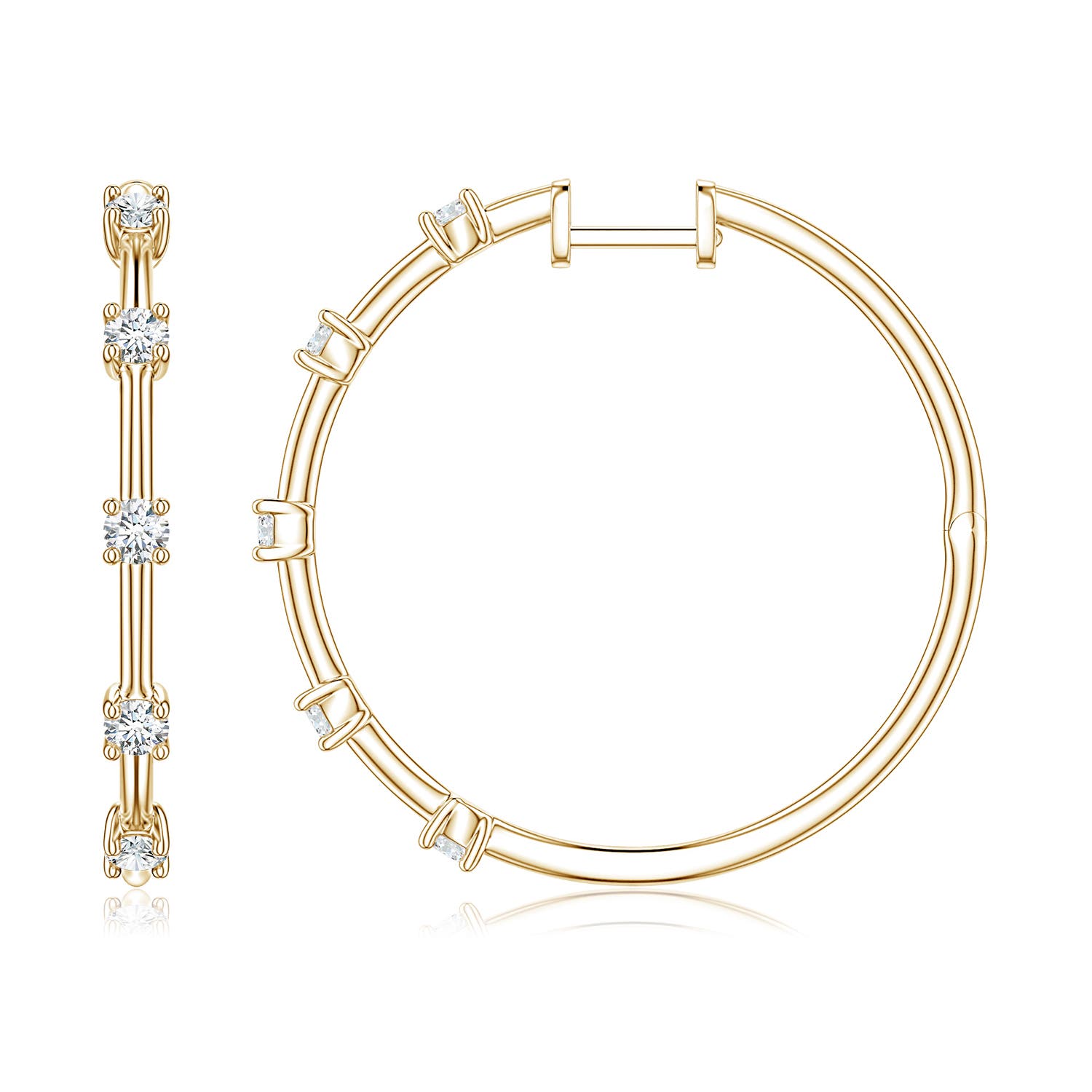
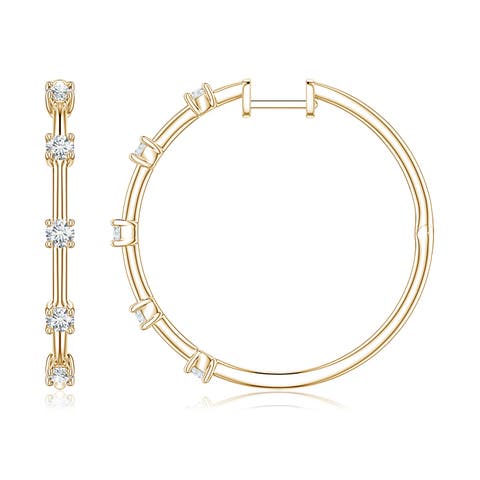
- Round Lab-Grown Diamond Five-Stone Station Hoop Earrings$2,969
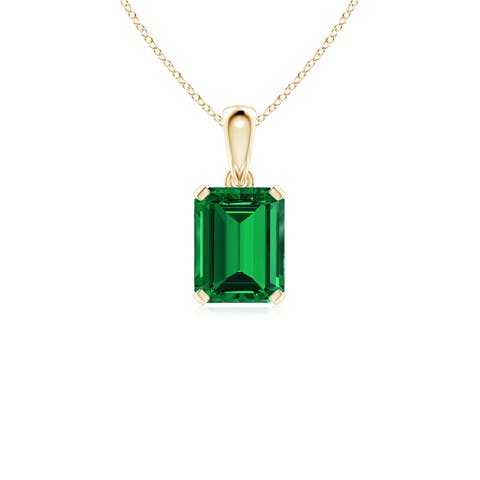
- Prong-Set Emerald-Cut Lab-Grown Emerald Solitaire Pendant$1,639
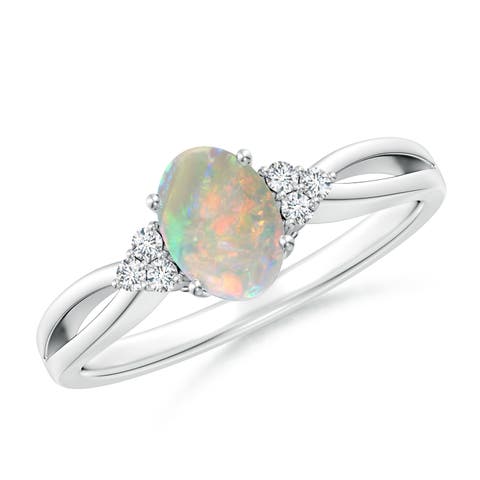
- Solitaire Oval Opal Split Shank Ring with Trio Diamonds$1,619
- V-Bale Pear-Shaped Garnet Solitaire Pendant$749