
Ring Size Chart: How to Find Your Perfect Fit at Home
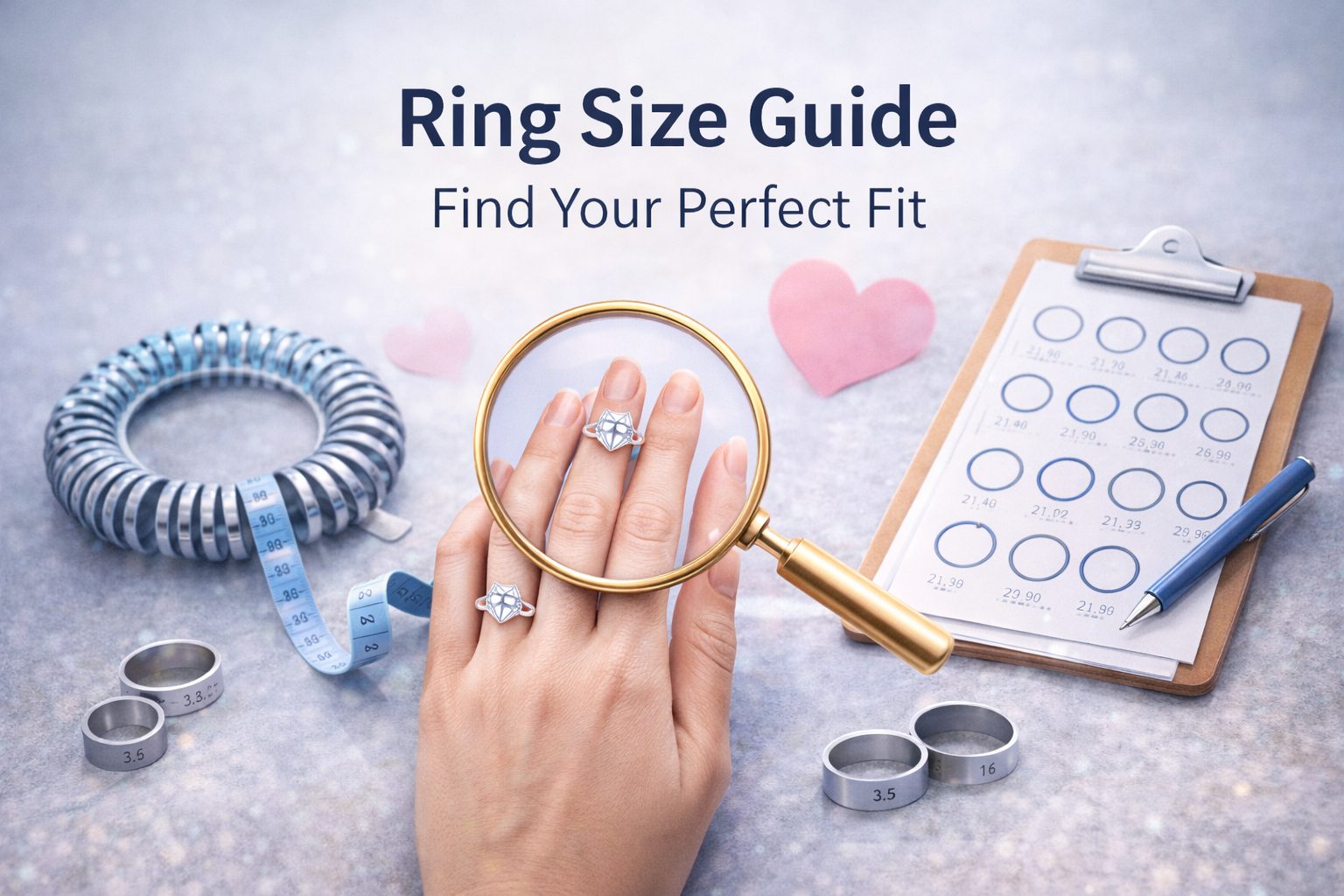
A ring size chart converts a finger's inside diameter or circumference (in millimeters) into standardized US, UK, EU and Japanese sizes. To use it, measure the inside circumference of your finger in mm, then match it to the corresponding US size on the chart below. The average US ring size is 7 for women and 10 for men. Most fingers fall between 14 mm and 23 mm in diameter.
Below is the full conversion chart, two at-home measuring methods, a quick mm-to-size lookup, the most common sizing mistakes and answers to the questions people ask most before buying.
Ring Size Chart: US, UK and International Conversions
The chart below converts finger diameter and circumference (in millimeters) into the four most-used international ring sizing systems: US/Canada, UK/Australia/Ireland, Europe, Spain/Italy and Japan. Every Angara ring is crafted to US sizes by default, with quarter-size custom orders available on request.
| Diameter (mm) | Circumference (mm) | United States & Canada | Australia, UK & Ireland | Europe | Spain & Italy | Japan |
|---|---|---|---|---|---|---|
| 14.1 | 44.3 | 3 | F | 44 | 4 | 4 |
| 14.5 | 45.6 | 3.5 | G | 45 | 5.5 | 6 |
| 14.9 | 46.8 | 4 | H | 47 | 7 | 7 |
| 15.3 | 48.1 | 4.5 | I | 48 | 9 | 8 |
| 15.7 | 49.3 | 5 | J 1/2 | 50 | 10 | 9 |
| 16.1 | 50.6 | 5.5 | K 1/2 | 52 | 12 | 10 |
| 16.5 | 51.9 | 6 | L 1/2 | 53 | 13 | 11 |
| 16.7 | 52.5 | - | - | - | - | 12 |
| 16.9 | 53.1 | 6.5 | M 1/2 | 54 | 14 | 13 |
| 17.3 | 54.4 | 7 | N 1/2 | 55 | 15 | 14 |
| 17.7 | 55.6 | 7.5 | O 1/2 | 56 | 16.5 | 15 |
| 18.1 | 56.9 | 8 | P 1/2 | 57 | 18 | 16 |
| 18.5 | 58.1 | 8.5 | Q 1/2 | 58 | 19 | 17 |
| 18.8 | 59.1 | - | - | - | - | 18 |
| 19.0 | 59.7 | 9 | R 1/2 | 59 | 20 | - |
| 19.4 | 61.0 | 9.5 | S 1/2 | 60 | 21.5 | 19 |
| 19.8 | 62.2 | 10 | T 1/2 | 61 | 22 | 20 |
| 20.0 | 62.9 | - | - | - | - | 21 |
| 20.2 | 63.5 | 10.5 | U 1/2 | 62 | 23.5 | 22 |
| 20.6 | 64.7 | 11 | V 1/2 | 63 | 25 | 23 |
| 21.0 | 66.0 | 11.5 | W 1/2 | 64 | 26 | 24 |
| 21.4 | 67.2 | 12 | X 1/2 | 66 | 27.5 | - |
| 21.5 | 67.6 | - | - | - | - | 25 |
| 21.6 | 67.9 | - | - | 68 | - | - |
| 21.8 | 68.5 | 12.5 | Z | - | 28 | - |
| 21.9 | 68.8 | - | - | 69 | - | 26 |
| 22.1 | 69.5 | - | - | - | 29 | - |
| 22.3 | 70.1 | 13 | - | 70 | 30 | 27 |
| 22.5 | 70.7 | - | Z 1/2 | - | - | - |
| 22.6 | 71.0 | 13.5 | - | - | - | - |
| 22.7 | 71.3 | - | - | 71 | 31 | 28 |
| 22.9 | 72.0 | - | Z+2 | 72 | 32 | - |
| 23.2 | 72.9 | 14 | Z+3 | - | - | - |
| 23.4 | 73.5 | - | Z+4 | - | - | - |
How Do I Measure My Ring Size at Home?
There are two reliable ways to measure ring size at home: the string method, where you wrap a thin strip of paper, string or floss around your finger and measure the length, and the ring method, where you compare a ring that already fits against a printable ring size chart. Both take just a few minutes and require no special tools. For the most accurate result, measure when your hands are warm and at their normal size, ideally later in the day. If you fall between two sizes, it is usually best to choose the larger one for a more comfortable fit.
Method One: The String or Paper Strip Method
You'll need string, floss, yarn or a thin strip of paper, a pen, a ruler and a printer.
- Cut a strip long enough to wrap around three fingers.
- Wrap one end around the base of the intended finger, snug but not tight.
- Mark the point where the strip overlaps.
- Straighten the strip and measure from the end to the mark in millimeters.
- Match that number to the Circumference column on the chart above.
If the measurement falls between two sizes on the chart, size up rather than down. Fingers swell across the day, and a ring that's too tight is far harder to remove than one that's slightly loose.
Method Two: Using an Existing Ring
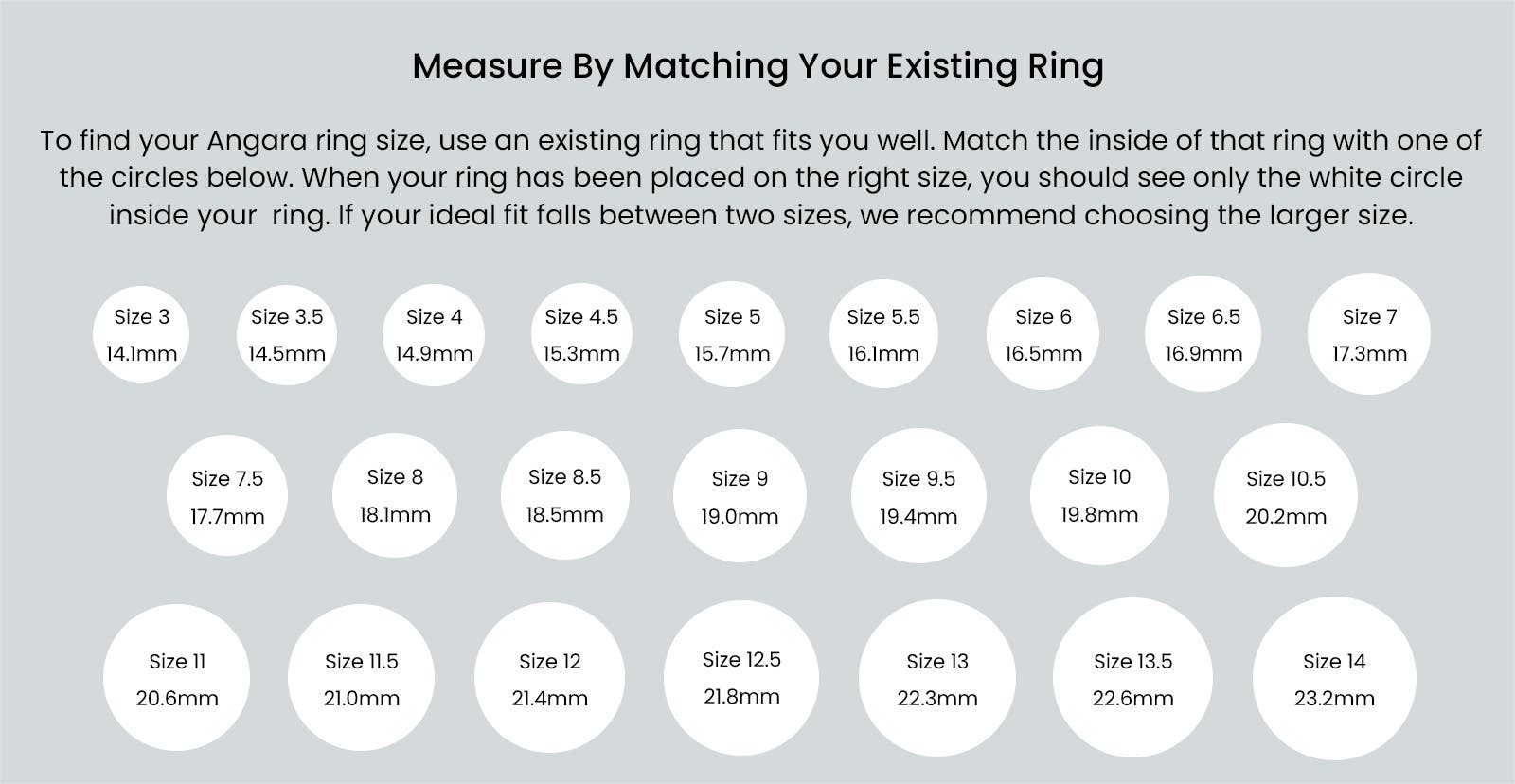
You'll need scissors, a ring that already fits the intended finger and a printed copy of the Angara ring size chart.
- Choose a ring that fits the same finger you'll wear the new one on.
- Print the Angara Ring Size Chart at 100% page scale (do not shrink to fit).
- Lay the ring over each circle on the chart until the inner edge of the ring matches a circle.
- That circle's size is your ring size.
Popular Engagement Rings
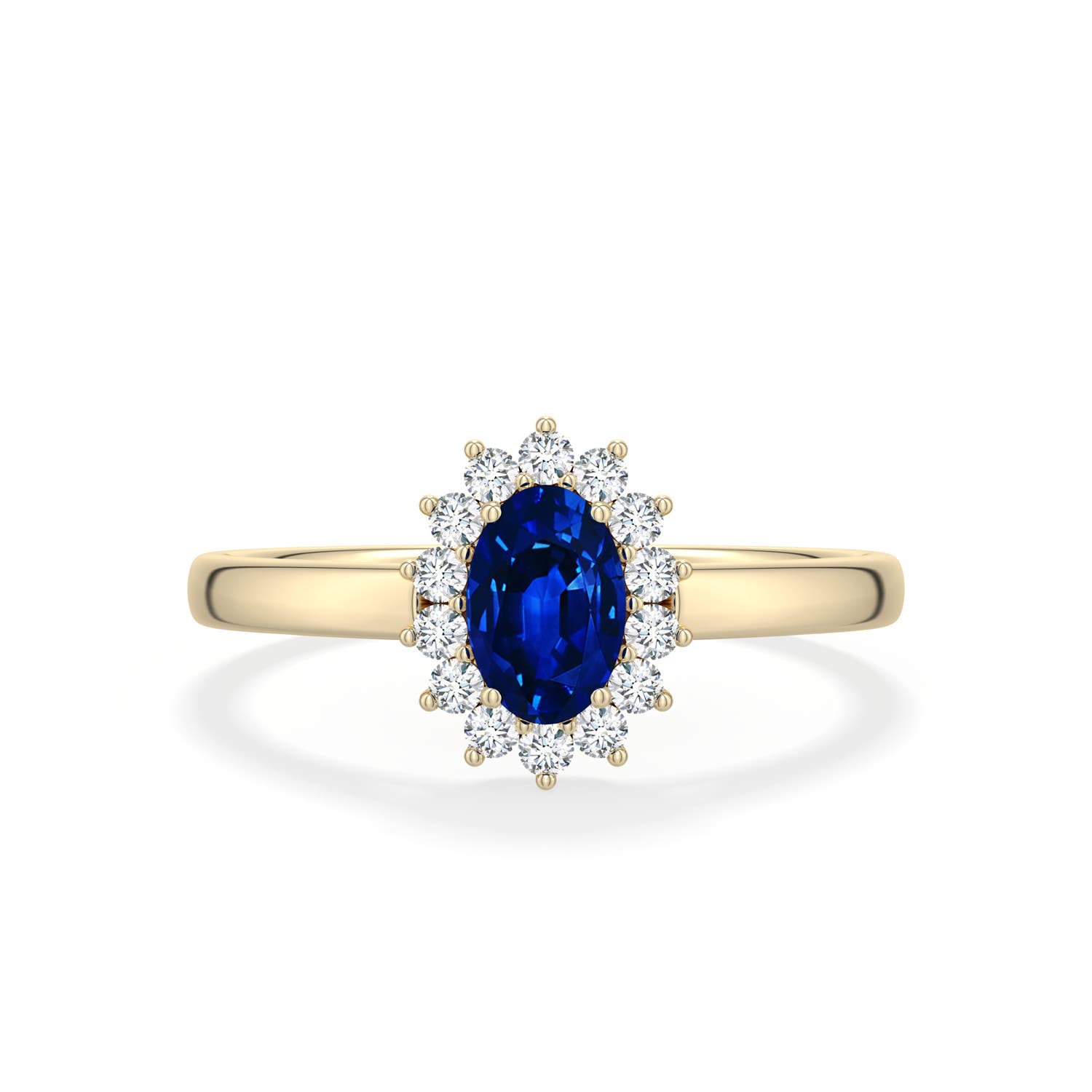
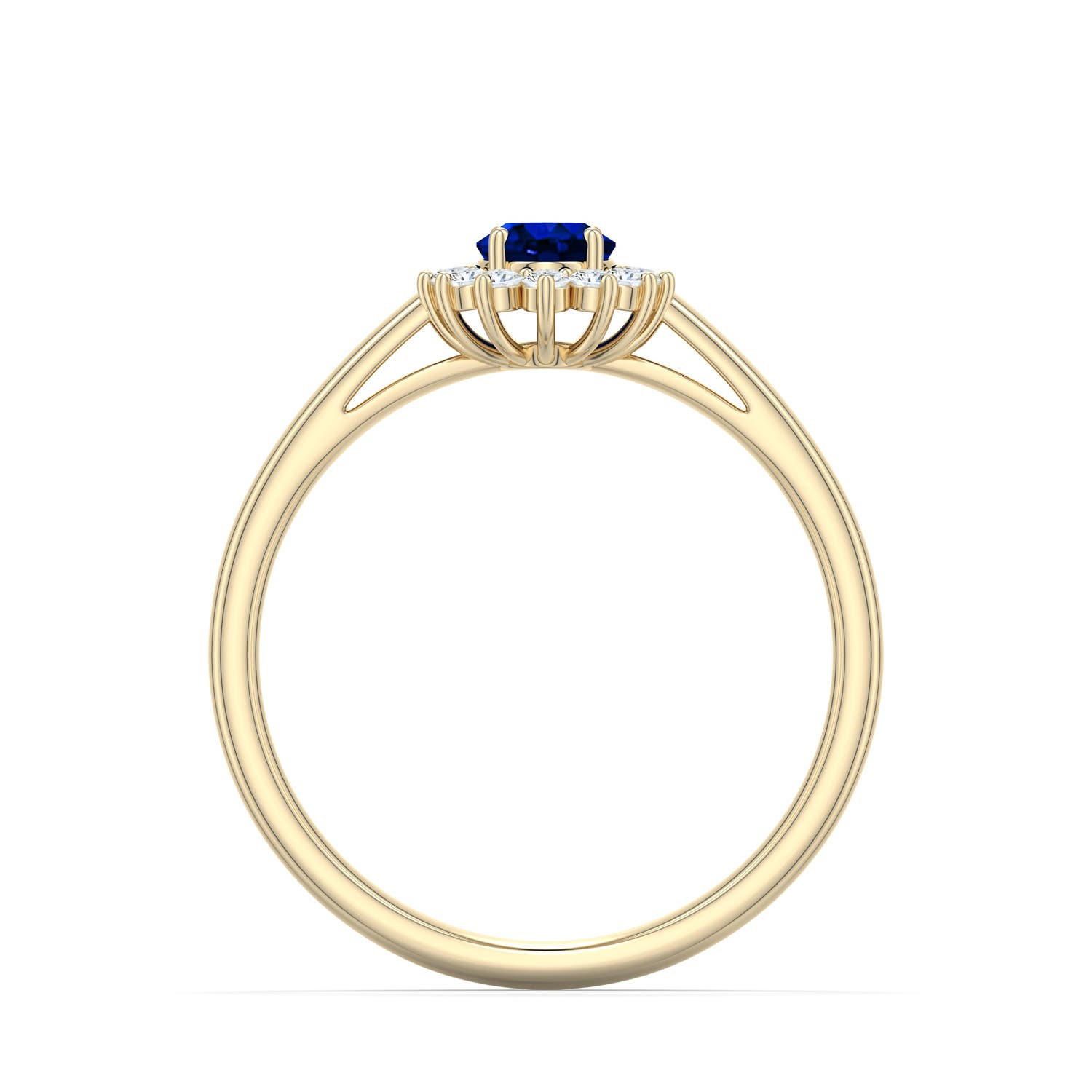
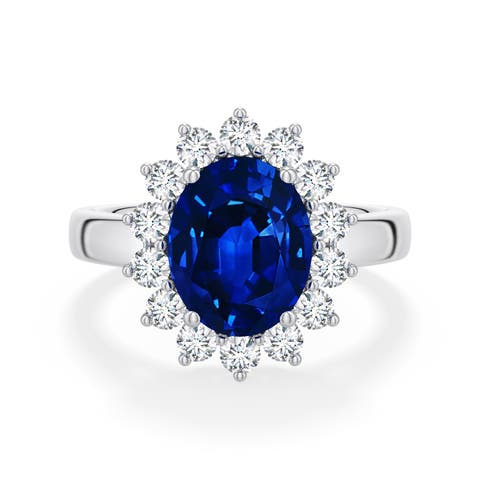
- Princess Diana Inspired Blue Sapphire Engagement Ring with Diamond Halo$2,447 $2,719


- Emerald and Diamond Twisted Vine Engagement Ring$3,572 $3,969


- Solitaire Oval Aquamarine and Diamond Promise Ring$1,331 $1,479


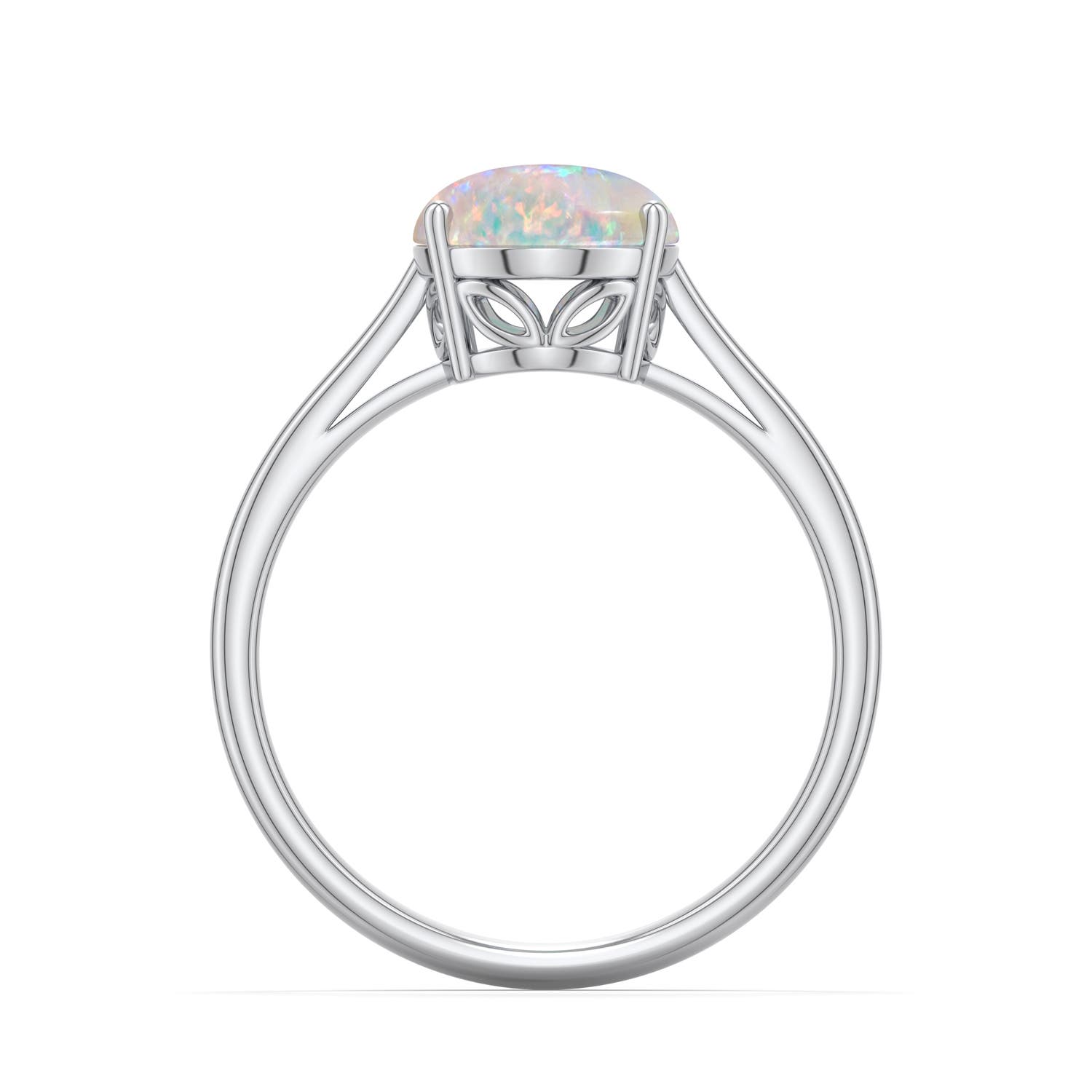
- Oval Solitaire Opal Cocktail Ring$1,691 $1,879


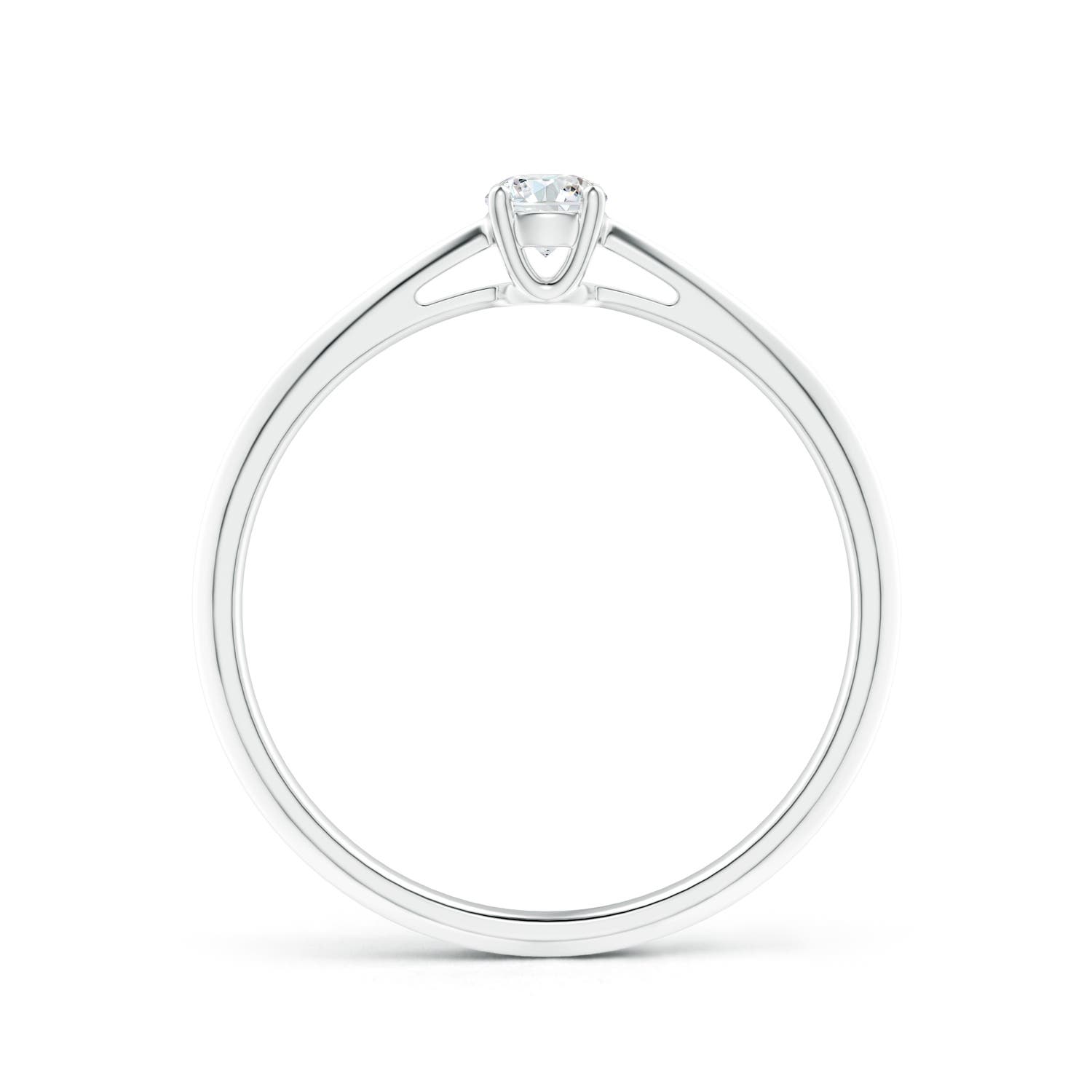
- Knife-Edged Classic Round Diamond Solitaire Engagement Ring$962 $1,069


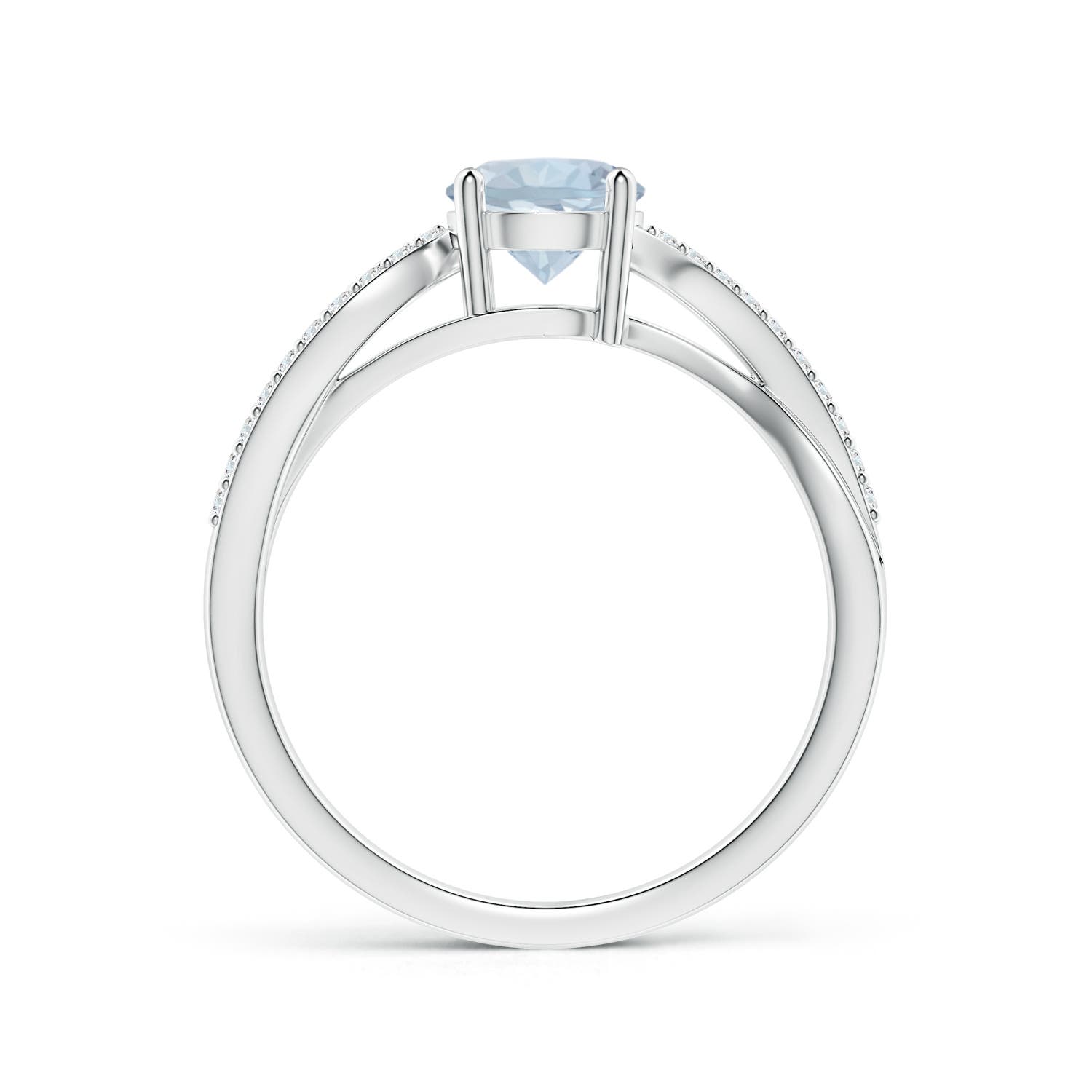
- Solitaire Aquamarine Twisted Split Shank Ring$1,412 $1,569





What Ring Size Is X mm? Quick Lookup
Not sure what ring size your measurement corresponds to? This ring size conversion chart makes it easy to match a ring's inside diameter or circumference to the correct US ring size. Whether you're measuring a ring you already own or checking a finger measurement, the table below can help you quickly find the right fit.
The inside diameter is measured straight across the center of the ring, while the circumference is measured around the inside of the band. Both measurements can be used to determine the same US ring size, making this a helpful reference when you're trying to find your ring size at home or shopping for a ring online.
| Diameter (mm) | US Size | Circumference (mm) | US Size |
|---|---|---|---|
| 14.9 mm | Size 4 | 46.8 mm | Size 4 |
| 15.7 mm | Size 5 | 49.3 mm | Size 5 |
| 16.5 mm | Size 6 | 51.9 mm | Size 6 |
| 16.9 mm | Size 6½ | 53.1 mm | Size 6½ |
| 17.0 mm | Size 6¾ | 54.0 mm | Size 7 (rounded) |
| 17.3 mm | Size 7 | 54.4 mm | Size 7 |
| 17.7 mm | Size 7½ | 55.6 mm | Size 7½ |
| 18.1 mm | Size 8 | 56.9 mm | Size 8 |
| 18.5 mm | Size 8½ | 58.1 mm | Size 8½ |
| 19.0 mm | Size 9 | 59.7 mm | Size 9 |
| 19.8 mm | Size 10 | 62.2 mm | Size 10 |
| 20.6 mm | Size 11 | 64.7 mm | Size 11 |
The Most-Searched Single Conversions
- 17 mm diameter = US size 6¾
- 17.3 mm diameter = US size 7
- 18.1 mm diameter = US size 8
- 54 mm circumference = US size 7
- 57 mm circumference = US size 8
- Size 6 = 16.5 mm diameter, 51.9 mm circumference
- Size 7 = 17.3 mm diameter, 54.4 mm circumference
What Is the Average Ring Size for Women and Men?
The average ring size for women in the US is size 7, with most women falling between sizes 5 and 8. For men, the average ring size is size 10, with most wearing sizes between 8 and 12. If you're shopping for a surprise ring and don't know their size, these averages can be a helpful starting point. For reference, a size 6 is considered slightly below average for women, but still falls comfortably within the most common ring size range.
| Wearer | Average US Size | Typical Range |
|---|---|---|
| Women | Size 7 | Size 5 – Size 8 |
| Men | Size 10 | Size 8 – Size 12 |
| Children (under 12) | Size 4 – Size 5 | Varies widely |
While these averages can help narrow your search, an actual measurement will always be more accurate. If you're buying a ring as a gift, use a ring the recipient already wears and compare it against a printable ring size chart. This is often the most accurate way to estimate ring size without asking directly.
Buying a surprise? Most Angara rings can be resized for free within the first 30 days of delivery and at cost within the first year, so a near-miss is not a deal-breaker.
Read About: How to Secretly Measure Your Partner's Ring Size →
How Do US Ring Sizes Convert to UK and EU Sizes?
US ring sizes use whole and half numbers (5, 5.5, 6); UK sizes use letters (J, K, L); EU sizes use whole numbers tied to the millimeter circumference (50, 52, 53). A US size 7 equals UK N ½, EU 55 and Japan 14. The quick reference below covers the most common conversions.
| US Size | UK / AU / IE | Europe | Japan |
|---|---|---|---|
| 5 | J ½ | 50 | 9 |
| 6 | L ½ | 53 | 11 |
| 7 | N ½ | 55 | 14 |
| 8 | P ½ | 57 | 16 |
| 9 | R ½ | 59 | — |
| 10 | T ½ | 61 | 20 |
| 11 | V ½ | 63 | 23 |
The full chart at the top of this guide includes every quarter and half size across all five systems, including Spain and Italy. UK and Australian sizes follow the same letter system; Ireland follows the UK system too.
How Should a Ring Fit?
A ring should feel secure without feeling restrictive. Ideally, it should slide over the knuckle with a little resistance and sit comfortably at the base of the finger without pinching or shifting excessively throughout the day. When you take it off, there should be a slight pause at the knuckle, not a struggle.
If the ring spins constantly or slips off when your hand is pointed downward, it is likely too loose. If removing it requires excessive twisting or causes discomfort, it is probably too tight. A faint mark on the skin after several hours of wear is completely normal and does not necessarily mean the fit is wrong.
At Angara, we generally recommend focusing on comfort over perfection. Fingers naturally change size throughout the day due to temperature, activity and hydration, so the best-fitting ring is one that feels secure during everyday wear while remaining easy to remove when needed.
Does Band Width Affect Fit?
Yes, more than most people realize. A wider band will usually feel tighter than a thinner band in the same ring size because more metal sits against the finger. This is why a ring that fits perfectly in a slim solitaire may feel noticeably snugger in a wide wedding band.
As a general rule, bands wider than 6mm often require going up by a quarter to half size for a more comfortable fit. If you're choosing a wider style, it's worth keeping this in mind when measuring your ring size. At Angara, our ring specialists take band width into account when helping customers find the most comfortable fit for everyday wear. You can adjust as follows:
| Band Width | Profile | Sizing Adjustment |
|---|---|---|
| Under 1.3 mm | Very thin, dainty | Size down by ¼ to ½ |
| 1.3 – 3 mm | Standard | No adjustment |
| 3 – 5 mm | Wider band | Size up by ¼ |
| Over 5 mm | Chunky, signet style | Size up by ½ or more |
What If My Ring Size Falls Between Two Sizes?
Size up when you fall between two sizes. Fingers expand through the day with heat, salt and activity; a ring that's slightly loose in the morning will feel right by afternoon, while a ring that's slightly tight in the morning may not come off at all by night. The difference between a size 7 and a size 7½ is about 0.4 mm in diameter, small but noticeable.
Angara crafts quarter sizes on request, so if half-sizing up still feels too generous, we can produce a size 7¼ or 7¾ to bridge the gap. Reach customer service at 1-844-527-4367 to order a quarter size.
What Are the Most Common Ring Size Mistakes?
Five mistakes account for most ill-fitting rings. Each is easy to avoid once you know to watch for it, and together they explain why so many rings need resizing within the first month of wear.
1. Measuring Cold Fingers
Cold fingers can run a full size smaller than warm ones. A measurement taken straight out of air conditioning or after washing hands in cold water will produce a ring that feels uncomfortably tight in normal conditions. Always measure when your body temperature is normal.
2. Wrapping the String Too Tight
Pulling the string snug against the finger compresses the skin and produces a measurement smaller than the actual finger. The string should sit firm against the skin without indenting it. If you can see the string pressing into the finger, loosen it before marking.
3. Ignoring Band Width
A 5 mm wide band fits noticeably tighter than a 2 mm band at the same nominal size, because the wider band wraps more of the finger. Sizing for a thin engagement band and then choosing a chunky signet later means the second ring won't fit. Always size for the specific band you're buying.
4. Measuring Only Once
A single measurement catches one moment of one day. Repeat the measurement at least three times over two days, at different times, and use the most common result. If you get three different answers, take the middle one.
5. Skipping the Knuckle Check
If your knuckle is wider than the base of your finger, sizing to the base alone produces a ring that won't slide over the knuckle. Measure both, then choose a size between the two: large enough to clear the knuckle, small enough to sit at the base without spinning.
Which Ring Types Cannot Be Resized?
Eternity rings, open bands and rings made of alternative metals like tungsten, titanium or ceramic cannot be resized. Eternity rings have stones running the full circumference of the band, leaving no plain metal to cut and rejoin. Open bands are designed not to close, and alternative metals are too hard to work with without cracking.
Solitaire and side-stone rings in gold or platinum can almost always be resized up or down by one or two sizes.
Read: How to Resize a Ring →
How Does Angara's Resizing and Return Policy Work?
Angara offers free resizing within the first 30 days of delivery and at-cost resizing for the first year. Rings that cannot be resized due to design are eligible for a free size exchange within 30 days. The 30-day return window covers everything else, no questions asked.
If a ring doesn't fit on arrival, customer service handles the resize or exchange without sending it back through the original sales flow. A near-miss at the measuring stage is recoverable, which is one reason to prioritize getting the ring rather than getting the size theoretically perfect.
Read: View Full Return Policy →
Getting ring size right means measuring warm, measuring twice, factoring in band width and rounding up when in doubt. The chart at the top of this guide handles every international conversion you'll need; the methods above handle the measurement itself. Angara's free 30-day resizing handles everything in between.
FAQs
1. What size is 17 mm in ring size?
A 17 mm inside diameter equals approximately US size 6¾. A 17.3 mm diameter rounds to US size 7. UK conversion is N for a size 7; EU conversion is 55.
2. What is a size 7 ring in mm?
A US size 7 ring measures 17.3 mm in inside diameter and 54.4 mm in inside circumference. This is the average US ring size for women. In UK sizing, it converts to N ½; in EU sizing, to 55.
3. Is ring size 6 small or average?
Size 6 sits on the smaller end of average for women, not small overall. The US average for women is size 7, and most women's sizes fall between 5 and 8. A size 6 measures 16.5 mm in diameter and 51.9 mm in circumference.
4. How do I know my ring size without measuring?
You can estimate using a ring that already fits the same finger, by referencing the average sizes (7 for women, 10 for men), or by asking a friend or family member who knows the recipient. A direct measurement using the string or paper-strip method is always more accurate, but Angara's free 30-day resizing covers estimation errors.
5. Can I measure ring size with a phone?
Yes, but with caveats. A few apps overlay a ruler onto the phone screen for measuring a printed ring or a paper strip, but they cannot accurately measure a bare finger because phone screen sizes vary. The string method with a printed Angara chart at 100% scale remains the most reliable at-home option.
6. What's the difference between US and UK ring sizes?
US sizes use numbers (5, 6, 7) tied to inside diameter; UK sizes use letters (J, K, L) tied to a separate measurement scale. A US size 7 converts to UK N ½, US size 8 to UK P ½. Australia, New Zealand and Ireland follow the UK letter system.
7. Should I round up or down if I'm between sizes?
Round up. Fingers expand across the day with heat, food, salt and activity, so a slightly loose morning fit becomes a comfortable afternoon fit, while a slightly tight morning fit becomes painful. Angara can also produce quarter sizes on request if a half-size up feels too generous.
8. What time of day should I measure my ring size?
Mid-afternoon, when your body temperature is normal and your fingers have settled into their average size for the day. Early-morning measurements run small (cold and rested); late-night measurements run large (warm and swollen).
9. What if I want to wear multiple rings on one finger?
Stack freely, but cap it at three rings per finger before the look reads cluttered. Mix styles (a solitaire with two plain bands, for example) so each design holds its own profile rather than blending into one busy ring.
10. Can any ring be resized?
No. Eternity rings, open bands and rings in tungsten, titanium or ceramic cannot be resized due to their structure. Standard gold and platinum bands can be resized one to two sizes in either direction. The product detail page on each Angara ring confirms whether resizing is available for that specific style.
You may also like
Gems Price Chart Ranked by Value
18 Nov, 2023
How to Test Gold at Home
5 Jan, 2023
Ruby vs Garnet: How to Tell the Difference and Which One to Choose
13 Dec, 2018
Everything You Need to Know About Blue Gemstones
1 Dec, 2023
Best Crystals for Protection: Meaning & How to Use
16 Dec, 2022
How to Tell if a Gemstone Is Real
20 Dec, 2022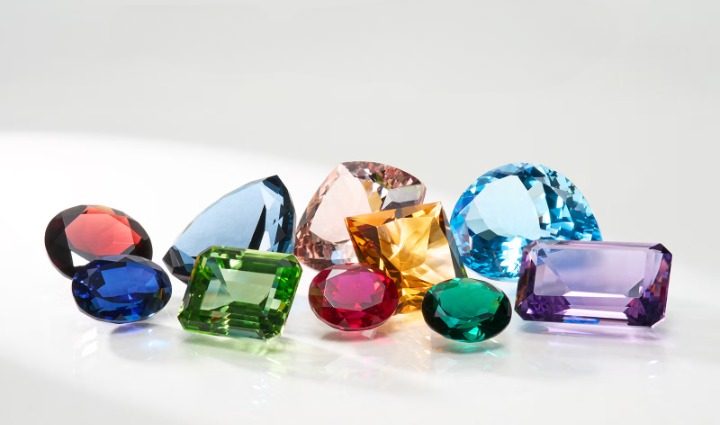
Colored Gemstone Size Chart: MM, Carat & Dimensions
14 Aug, 2024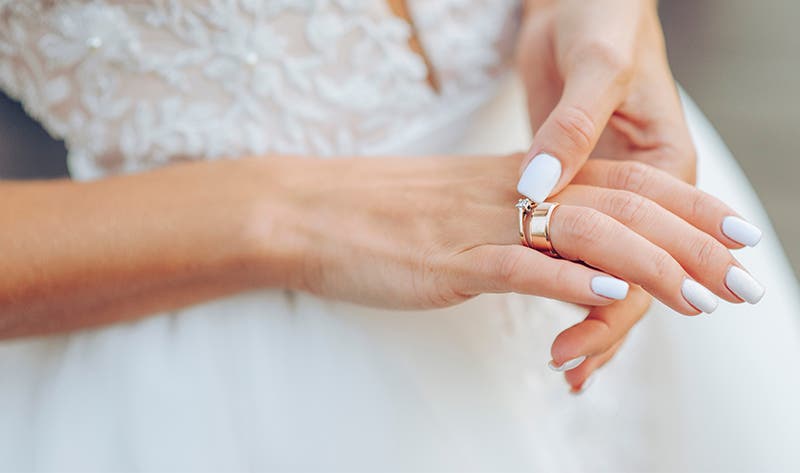
11 Ways to Keep Your Ring From Spinning
19 Jan, 2024
Shop Our Bestsellers
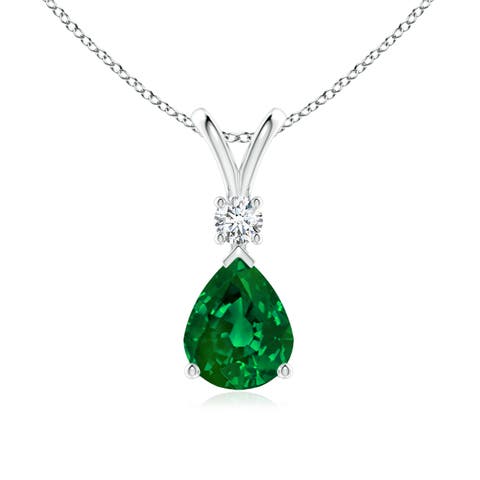
- Prong-Set Lab-Grown Emerald Teardrop V-Bale Pendant with Diamond$2,099
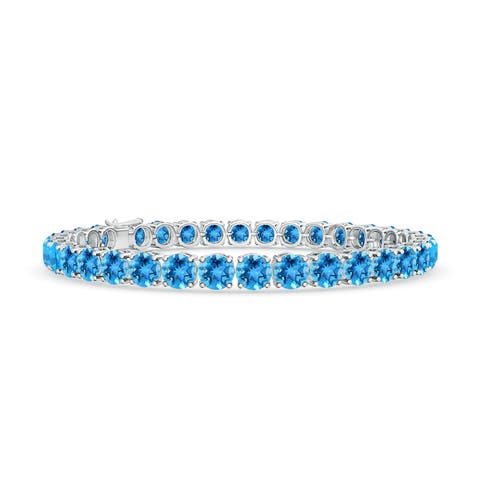
- Classic Swiss Blue Topaz Linear Tennis Bracelet$1,369
- Lab-Grown Princess Diana Inspired Blue Sapphire Engagement Ring with Lab Diamond Halo$4,869
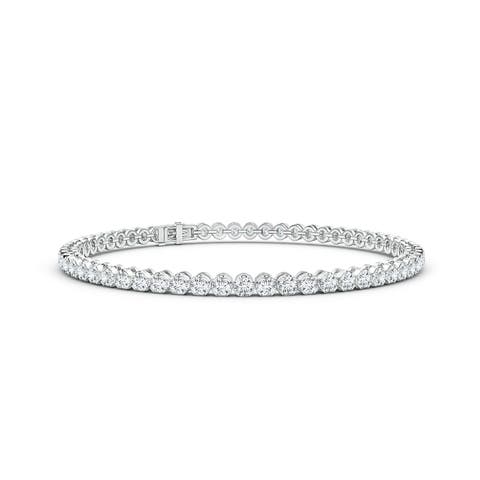
- Lab-Grown Classic Round Diamond Tennis Bracelet$2,739
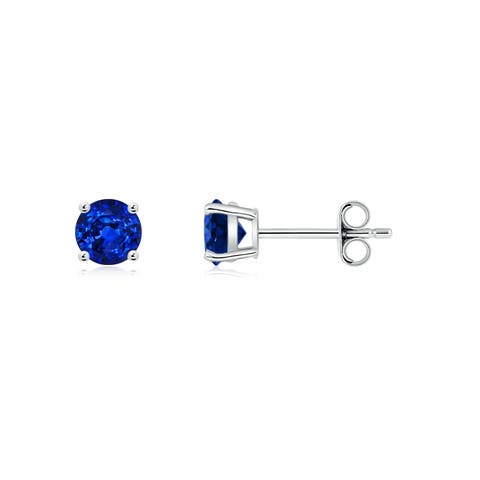
- Round Blue Sapphire Stud Earrings$1,199
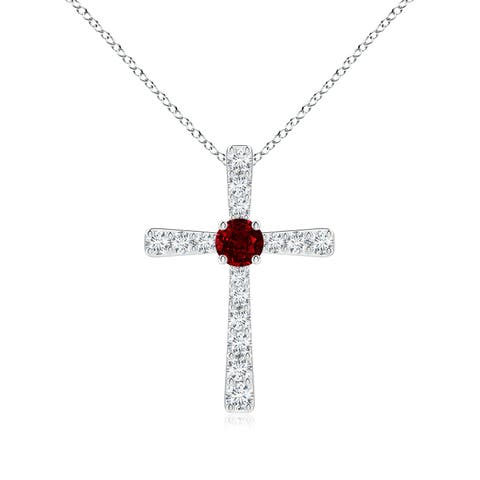
- Ruby and Diamond Cross Pendant$2,249
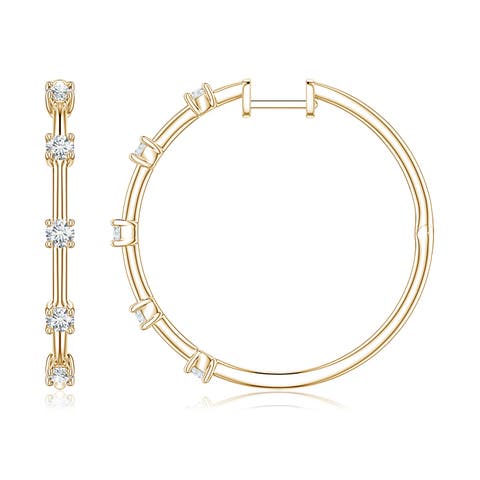
- Round Lab-Grown Diamond Five-Stone Station Hoop Earrings$2,969
- Prong-Set Emerald-Cut Lab-Grown Emerald Solitaire Pendant$1,639
- Solitaire Oval Opal Split Shank Ring with Trio Diamonds$1,619
- V-Bale Pear-Shaped Garnet Solitaire Pendant$749