Types of Gold: Colors, Karats, Purity & How to Choose
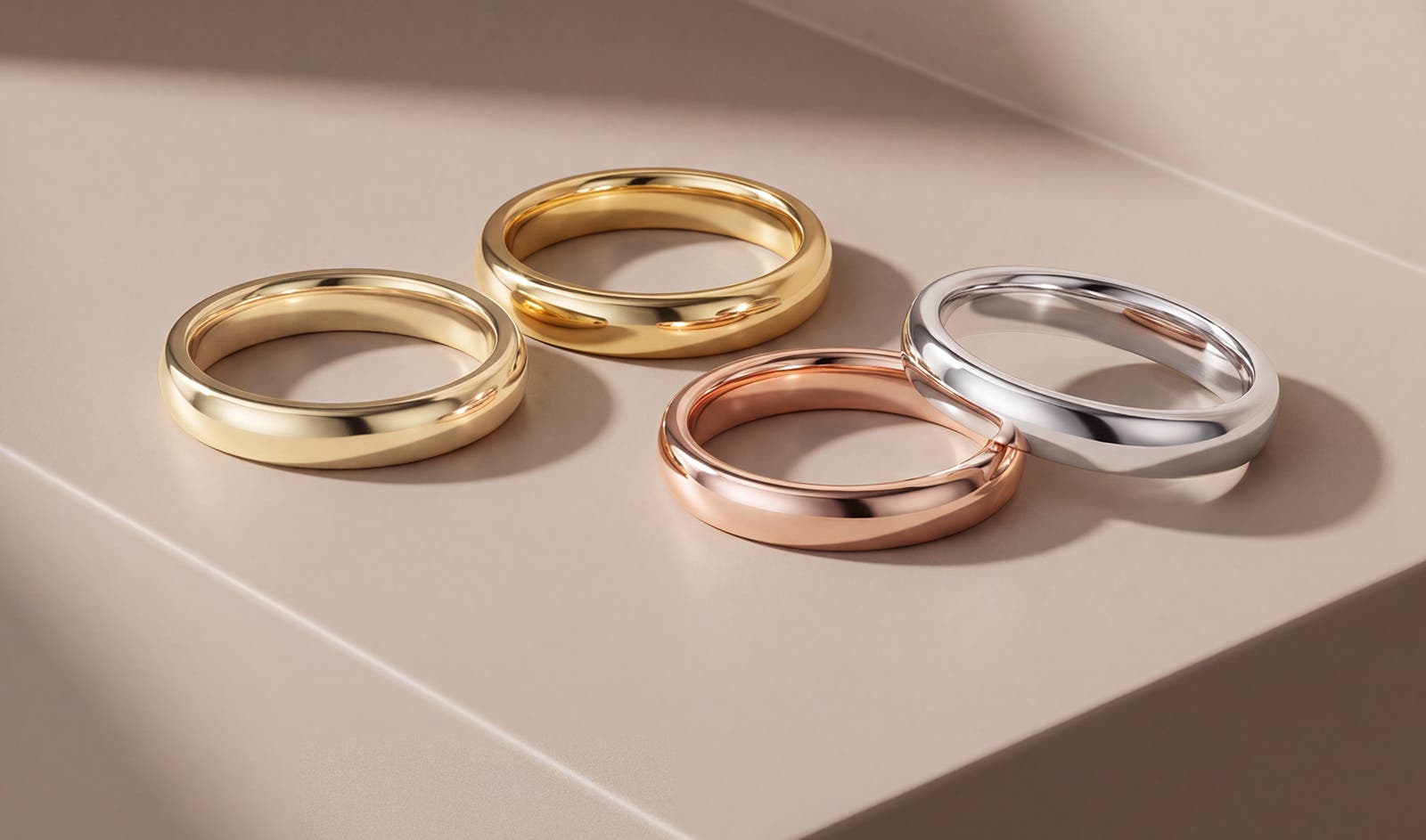
Types of gold can look surprisingly different, but the real difference isn't just color. From yellow, white and rose gold to 10K, 14K, 18K and 24K, there are several options to consider when choosing gold jewelry.
But what do the different carats of gold actually mean? Is 24K always better than 18K? And how does gold purity affect the jewelry you wear every day?
Gold purity is measured in karats (K), representing parts out of 24 that are pure gold. In this guide, we'll break down the types of gold, explain the different carats of gold, compare their purity and durability, and help you choose the right gold for your style and lifestyle.
See Our Gold Jewelry Line
| Yellow Gold Jewelry | White Gold Jewelry | Rose Gold Jewelry |
WHAT ARE THE DIFFERENT TYPES OF GOLD COLORS?
Pure gold is yellow, but mixing it with other metals (alloys) changes its color and strength. Here are the different types of gold colors:
- Yellow Gold: Mixed with silver and copper to retain a warm, classic glow. Yellow gold is timeless and works beautifully across generations. Its warm tone complements most skin tones and never requires replating to maintain its color.
- White Gold: Mixed with white metals like palladium or nickel and often plated with rhodium for a bright shine. White gold offers a modern, clean aesthetic perfect for contemporary jewelry. The rhodium plating maintains brightness but requires periodic re-plating as it naturally wears over time.
- Rose Gold: Mixed with a higher proportion of copper for a soft pink hue. Rose gold delivers romantic, contemporary appeal and a distinctive aesthetic. The copper content creates the blush tone while maintaining durability for everyday wear.
At Angara, our gold alloy composition is designed with wearability and comfort in mind. Yellow and rose gold contain copper, silver and zinc, with no nickel, making them a reliable choice for sensitive skin across all karat levels. White gold contains approximately 19% nickel, so customers with nickel sensitivities may want to consider yellow, rose gold or platinum as an alternative.
Shop Gold Jewelry by Color

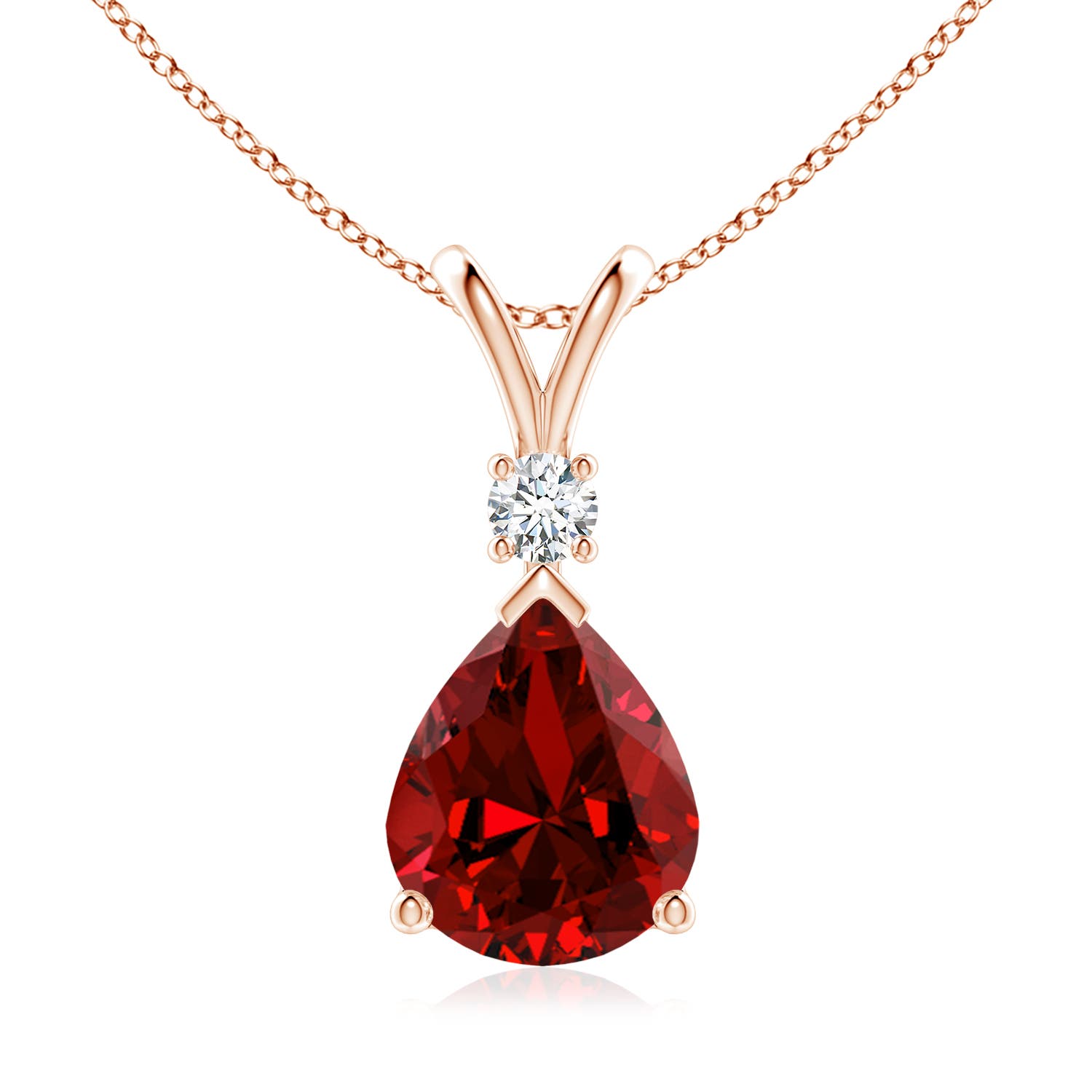
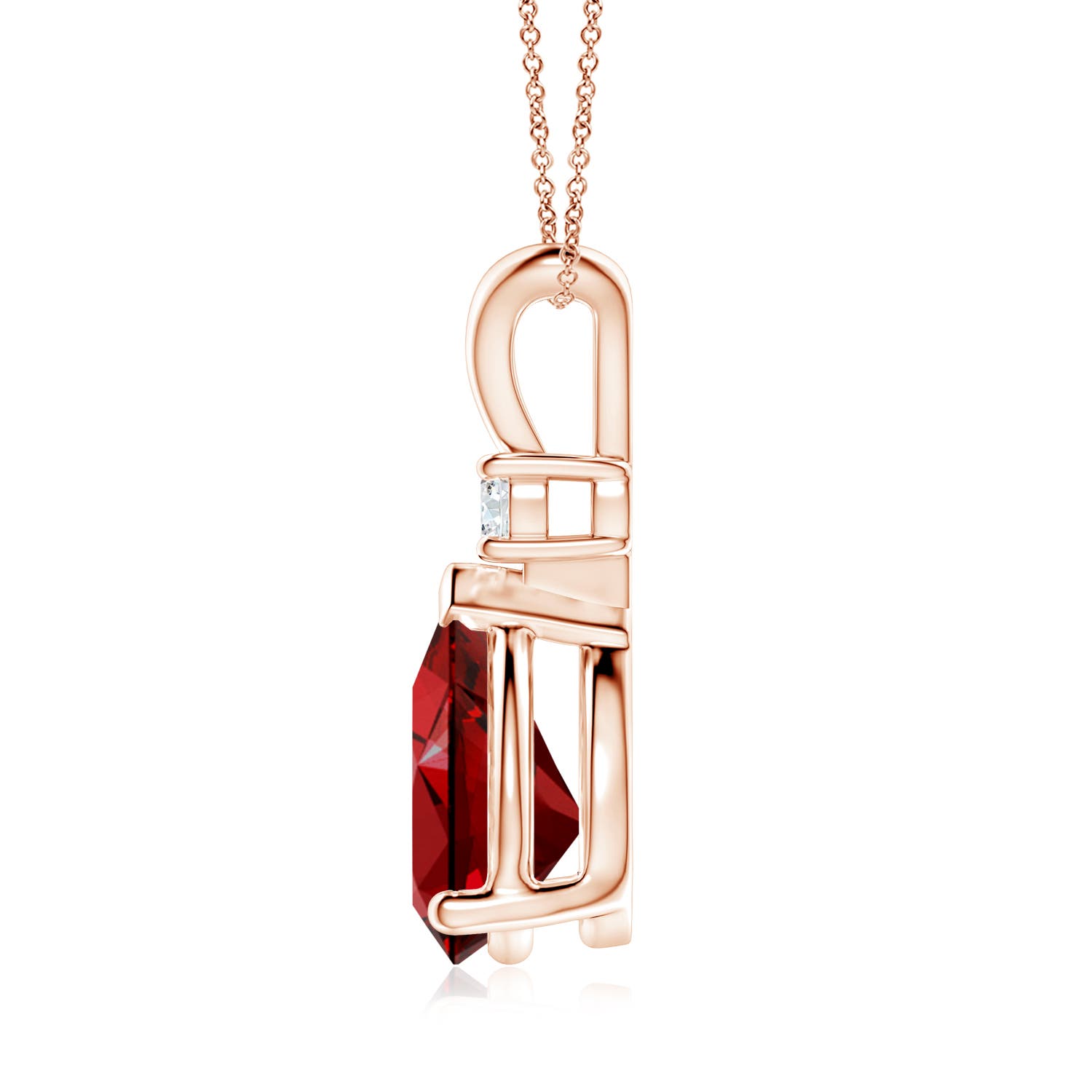


WHAT DOES GOLD KARAT MEAN?
Karat measures gold purity, not to be confused with carat, which measures gemstone weight. The scale works out of 24, where 24K equals 100% pure gold.
The higher the karat, the greater the gold content, but also the softer the metal. Lower karat gold contains more alloy metals, which increases durability and makes it better suited to daily wear. All genuine gold jewelry carries a hallmark confirming its karat purity.
Watch to find out why gold is measured in Karats:
View this post on Instagram
DIFFERENT KARATS OF GOLD EXPLAINED
Breaking down each common karat level of gold reveals distinct differences in composition, durability, appearance and best uses. Here's how the different karats of gold compare:
| Karat | Gold Composition | Durability Rating | Price Range | Best For | Hallmark |
|---|---|---|---|---|---|
| 10K | 41.7% gold, 58.3% alloy | Extremely durable | Most affordable | Everyday wear, active lifestyles, budget-conscious buyers | 10K or 417 |
| 14K | 58.3% gold, 41.7% alloy | Excellent durability | Mid-range | Engagement rings, wedding bands, all-around best balance | 14K or 585 |
| 18K | 75% gold, 25% alloy | Good durability, slightly softer | Luxury option | Special occasion jewelry, heirloom pieces, high gold content preference | 18K or 750 |
| 22K | 91.7% gold, 8.3% alloy | Delicate, rarely used in Western jewelry | Premium | Investment pieces, cultural preferences, specific designs | 22K or 917 |
| 24K | 99.9% pure gold | Too soft for jewelry | Premium | Investment, bullion, pure gold preference | 24K or 999 |
Gold preferences vary by region, and Angara's collection reflects that. Whether you're shopping in the US, UK, Ireland, Canada or Australia, you'll find the right karat to suit your lifestyle.
Shop Gold Jewelry by Purity
- Round Ruby Quatrefoil Hidden Halo Engagement Ring$19,187 $21,319


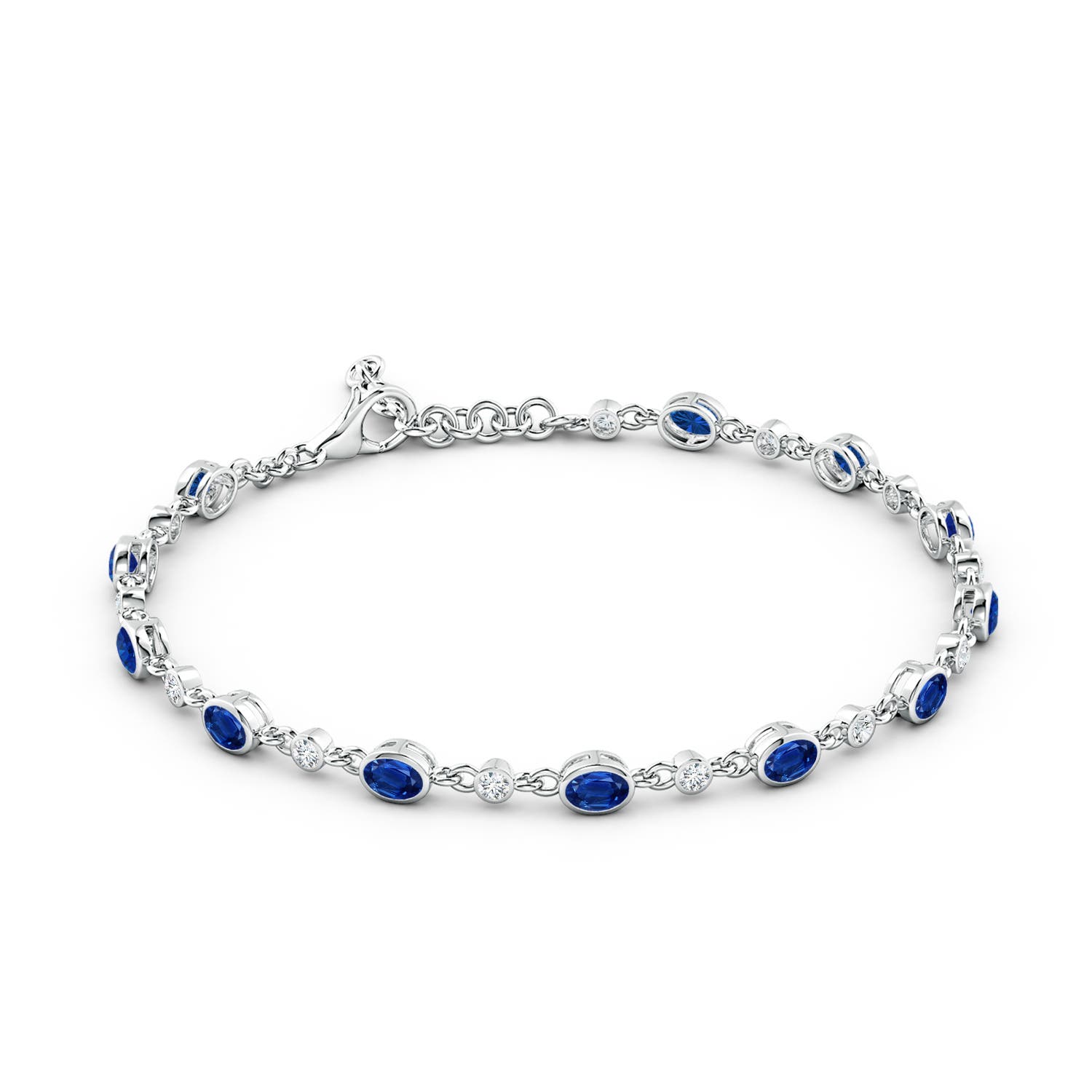
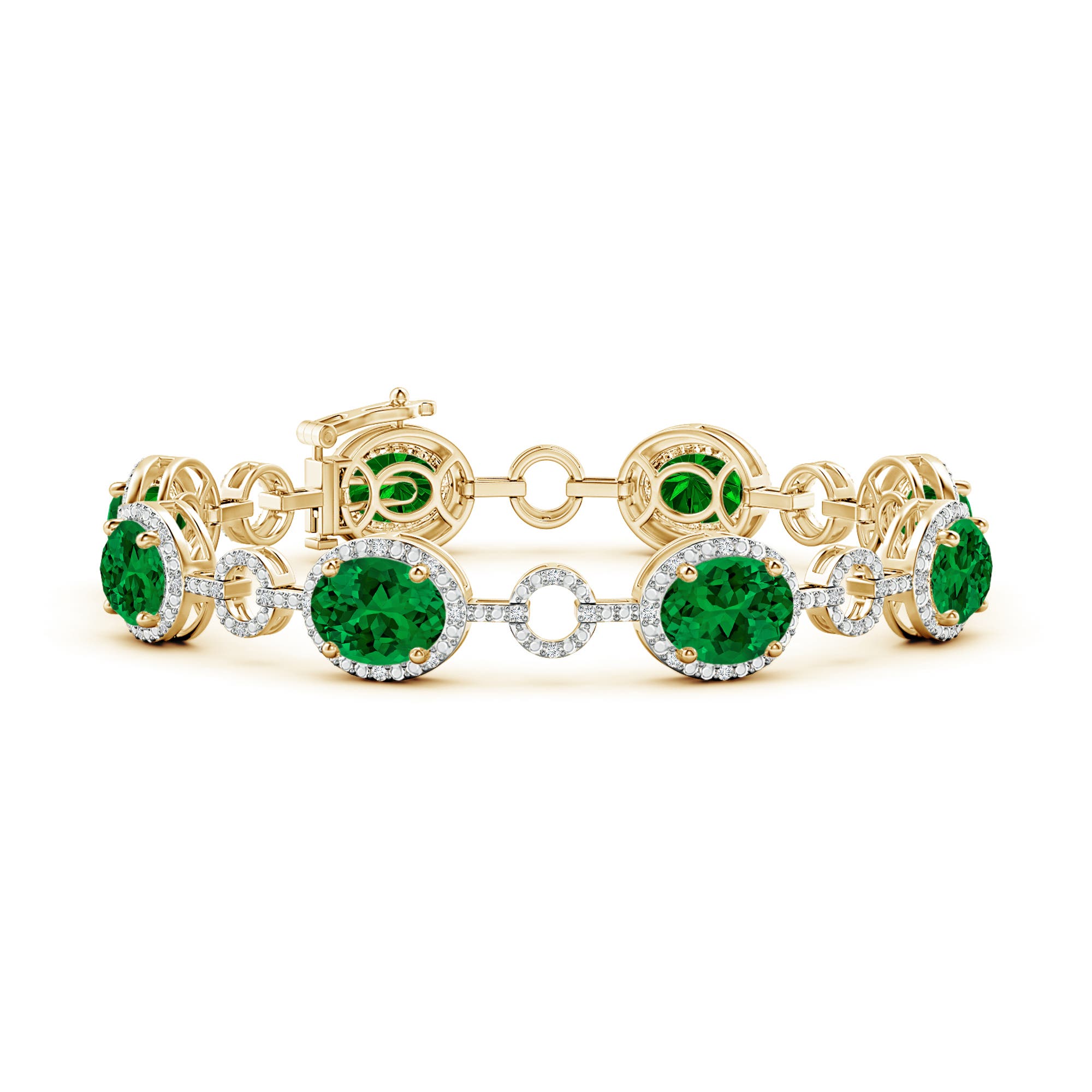
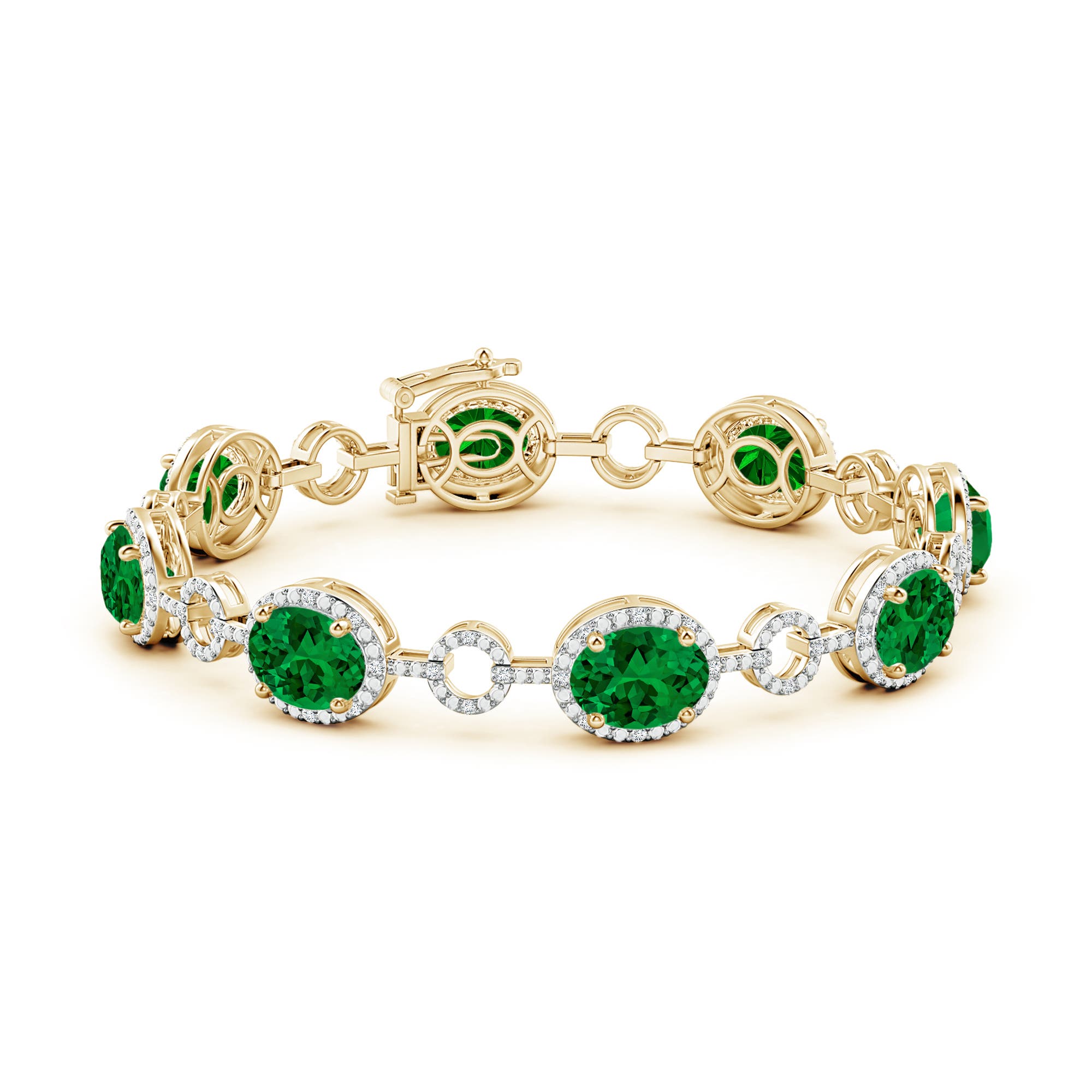
- Alternating Oval Blue Sapphire and Round Diamond Tennis Bracelet$2,843 $3,159


- Lab-Grown Pear-Shaped Diamond Drop Earrings$2,033 $2,259

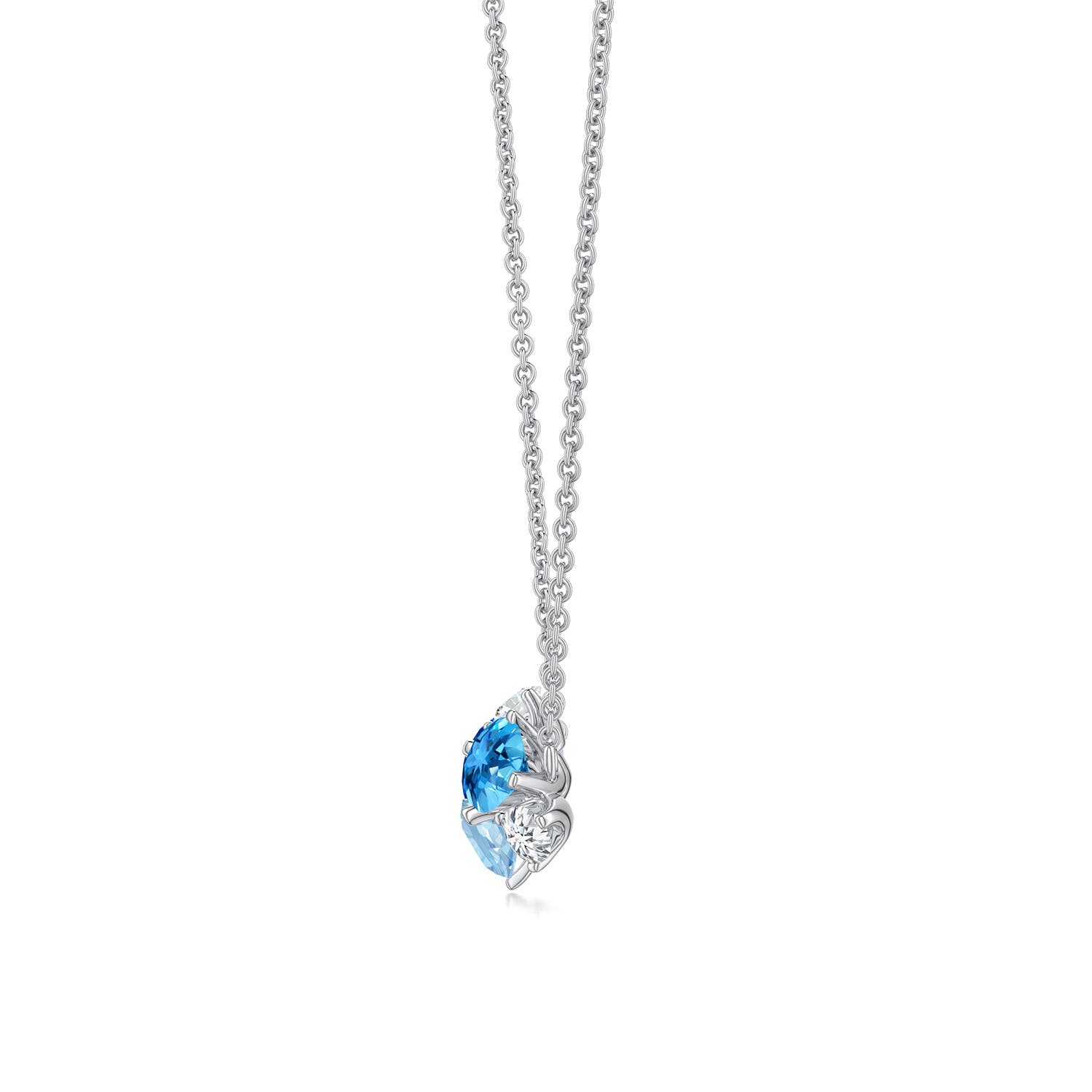
- Prong-Set Round Multi-Gemstone Pendant$1,061 $1,179


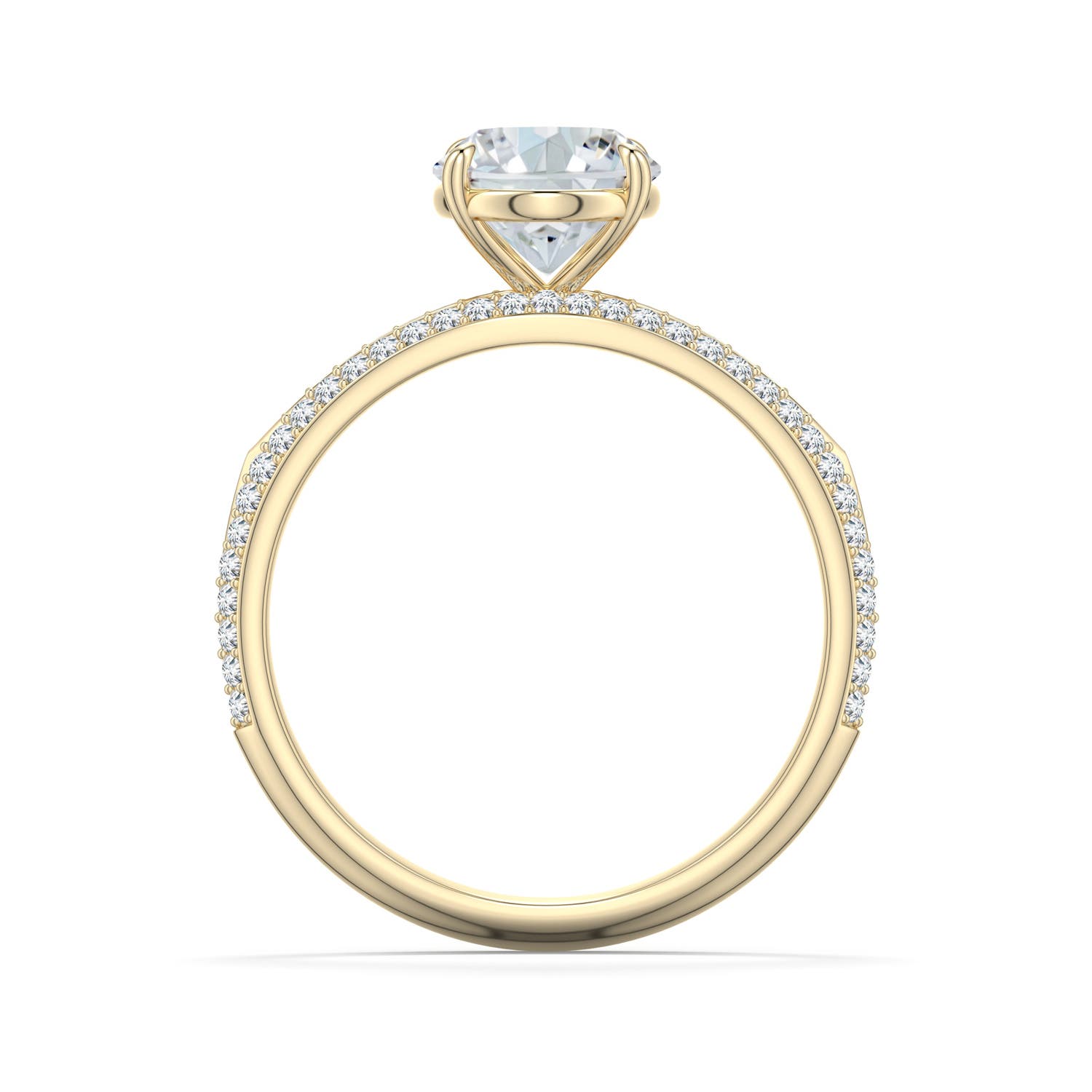
- Oval Lab-Grown Diamond Engagement Ring with Pavé Accents$2,384 $2,649


- Pear and Marquise Emerald Olive Branch Bracelet$2,105 $2,339


- Lab-Grown Pear-Shaped Emerald Leverback Drop Earrings with Lab Diamond$2,123 $2,359

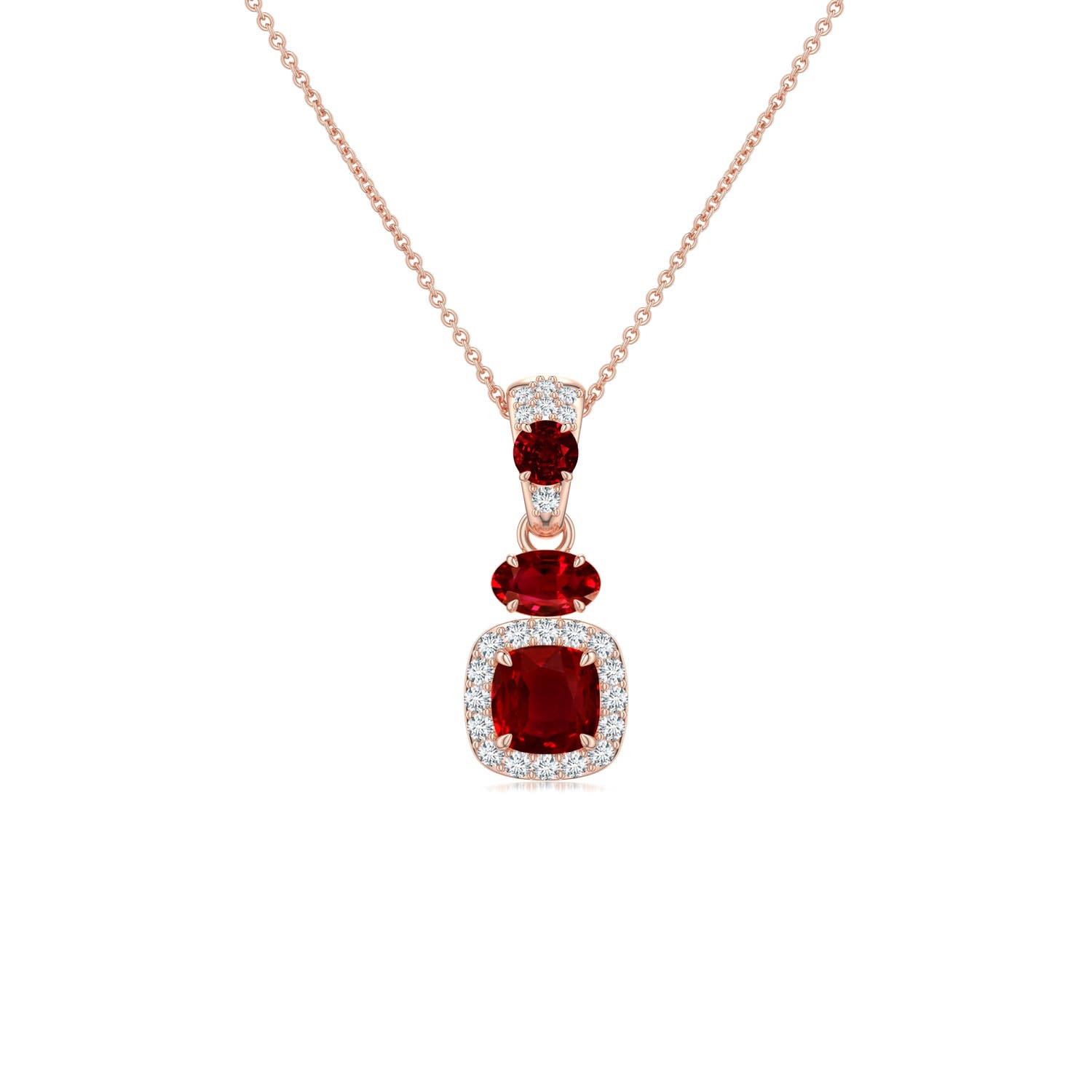
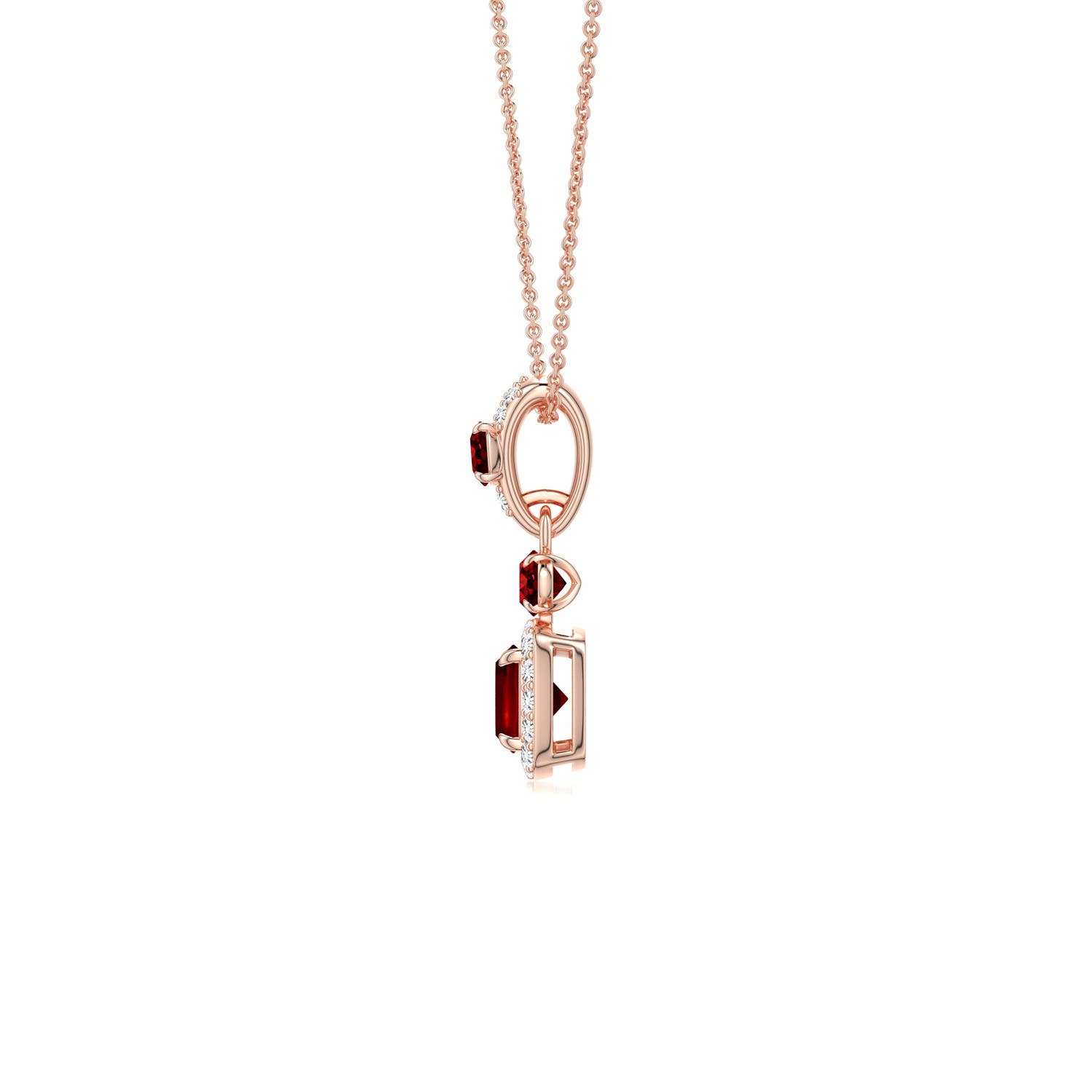
- Claw Prong Cushion Lab-Grown Ruby Halo Drop Pendant$2,402 $2,669


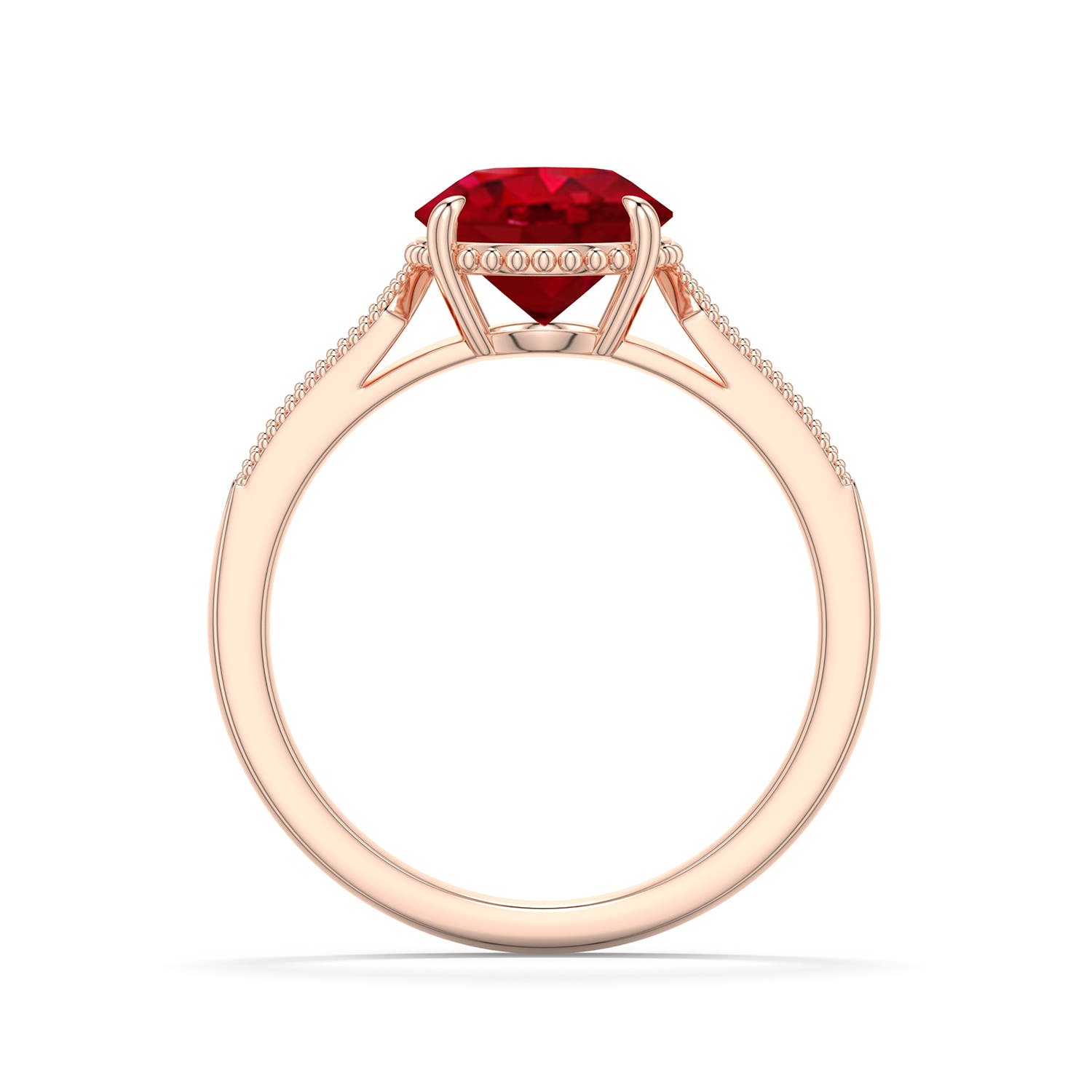
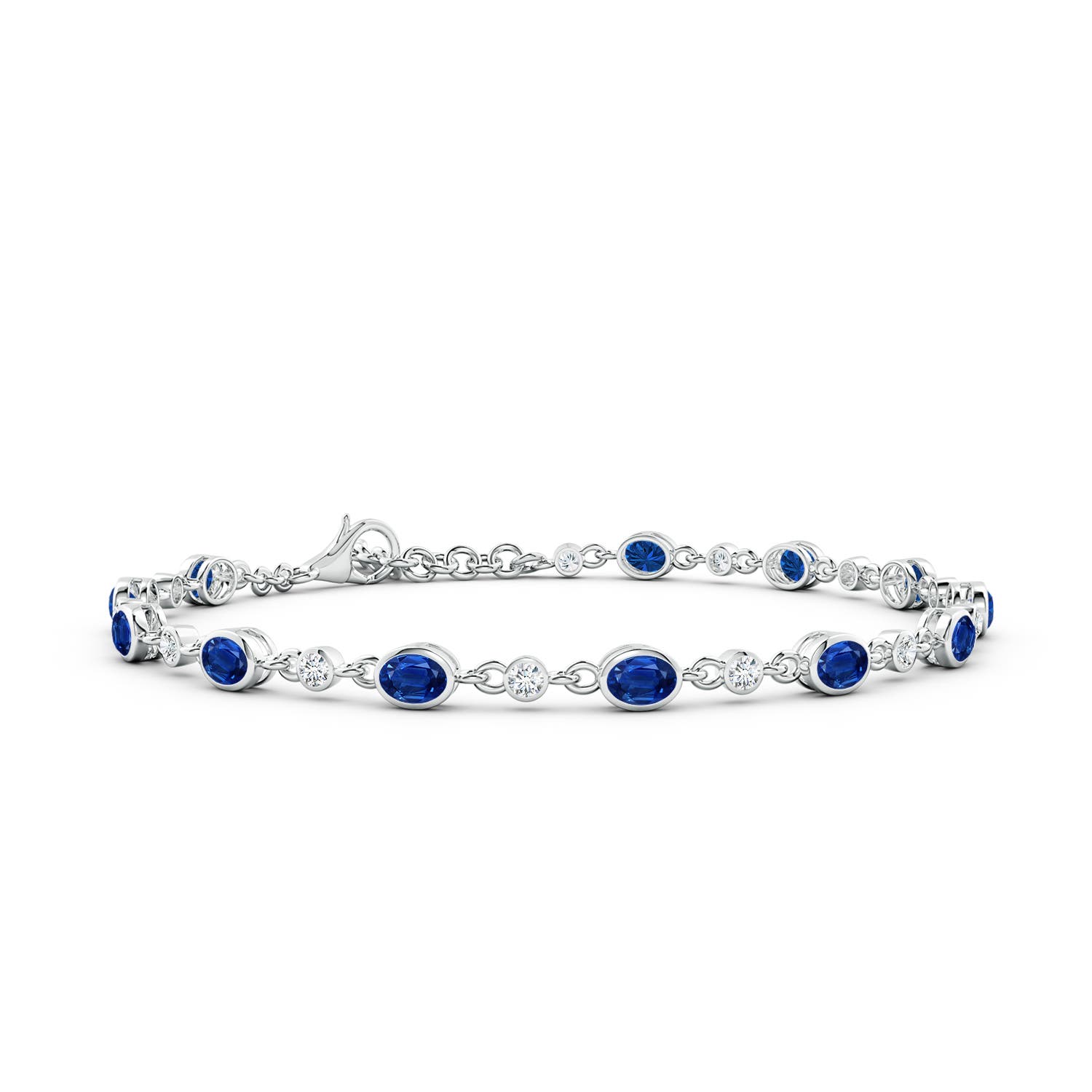





GOLD COLOR VS. GOLD KARAT: WHAT'S THE DIFFERENCE?
Gold color refers to the visual appearance (yellow, white or rose) while Karat refers to purity and gold content percentage.
You can have 10K, 14K or 18K in any color - yellow, white or rose. A piece marked "14K Rose Gold" means 58.3% gold and 41.7% alloy metals (with copper for the rose color). Both specifications matter when choosing jewelry because they affect both appearance and durability.
Color choice and karat choice are independent variables - the color you choose doesn't determine durability; the karat level does.
WHICH TYPE OF GOLD IS BEST FOR JEWELRY?
The best type of gold for your jewelry depends less on which karat sounds most impressive and more on how and when you plan to wear the piece. Here's how different gold types perform across the occasions that matter most.
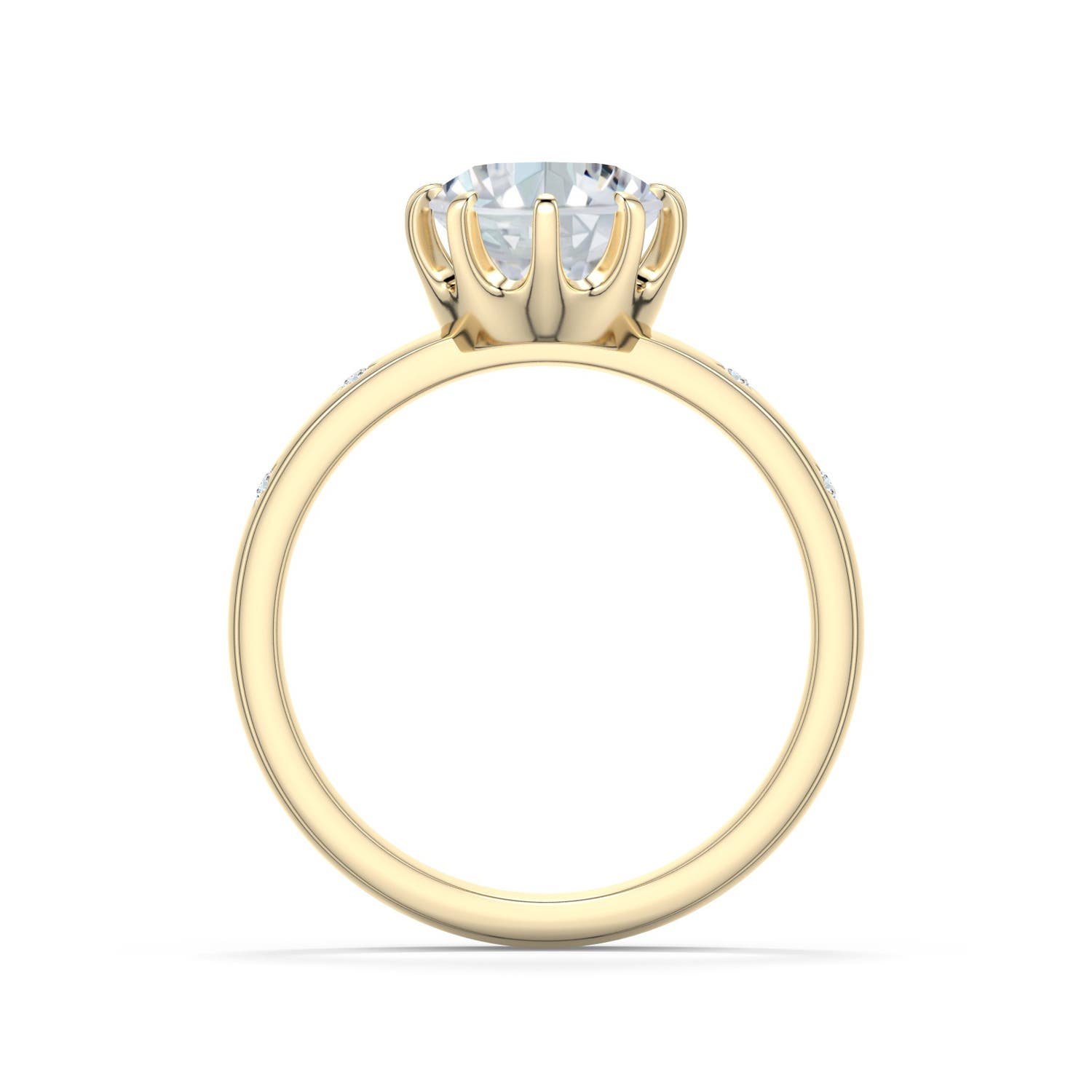
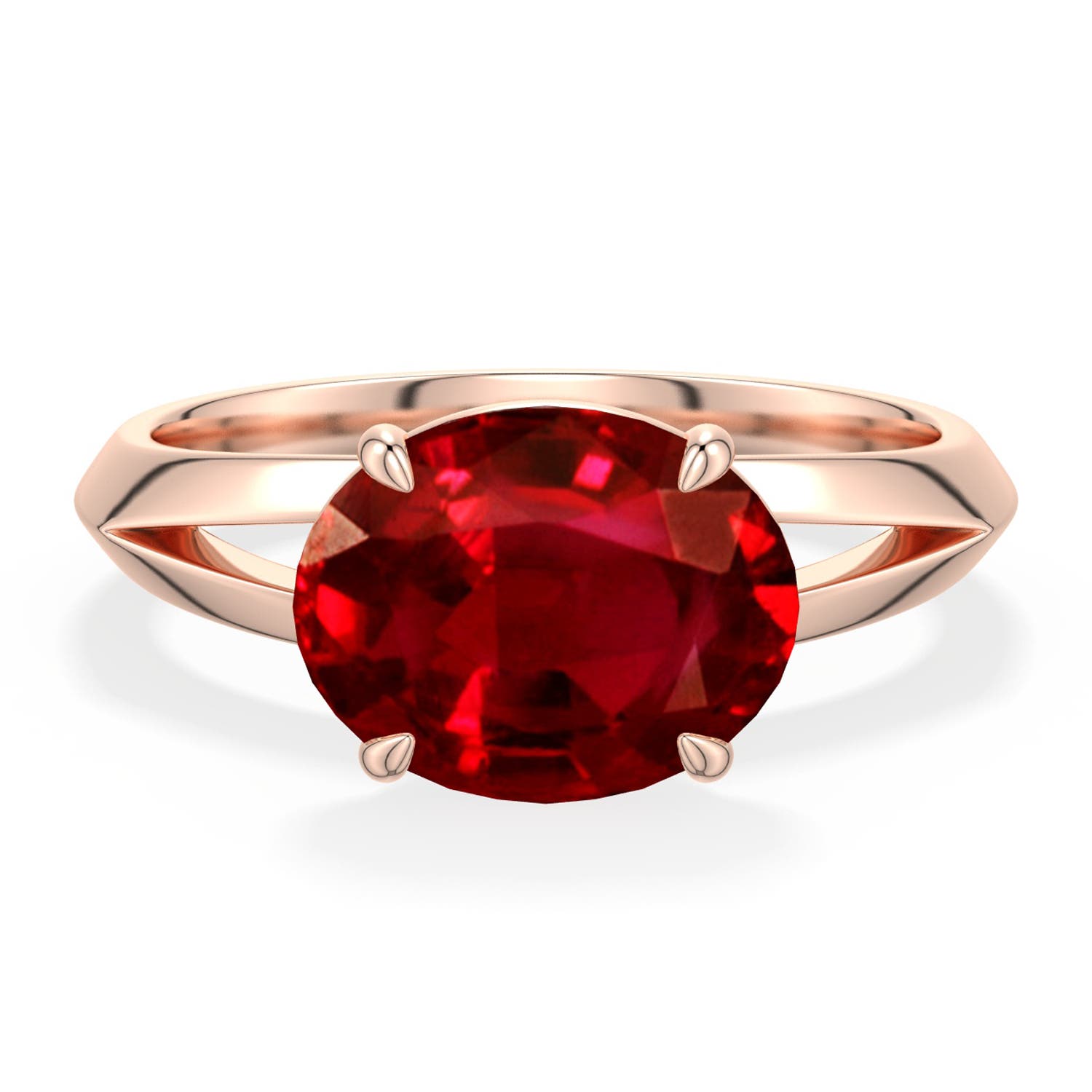
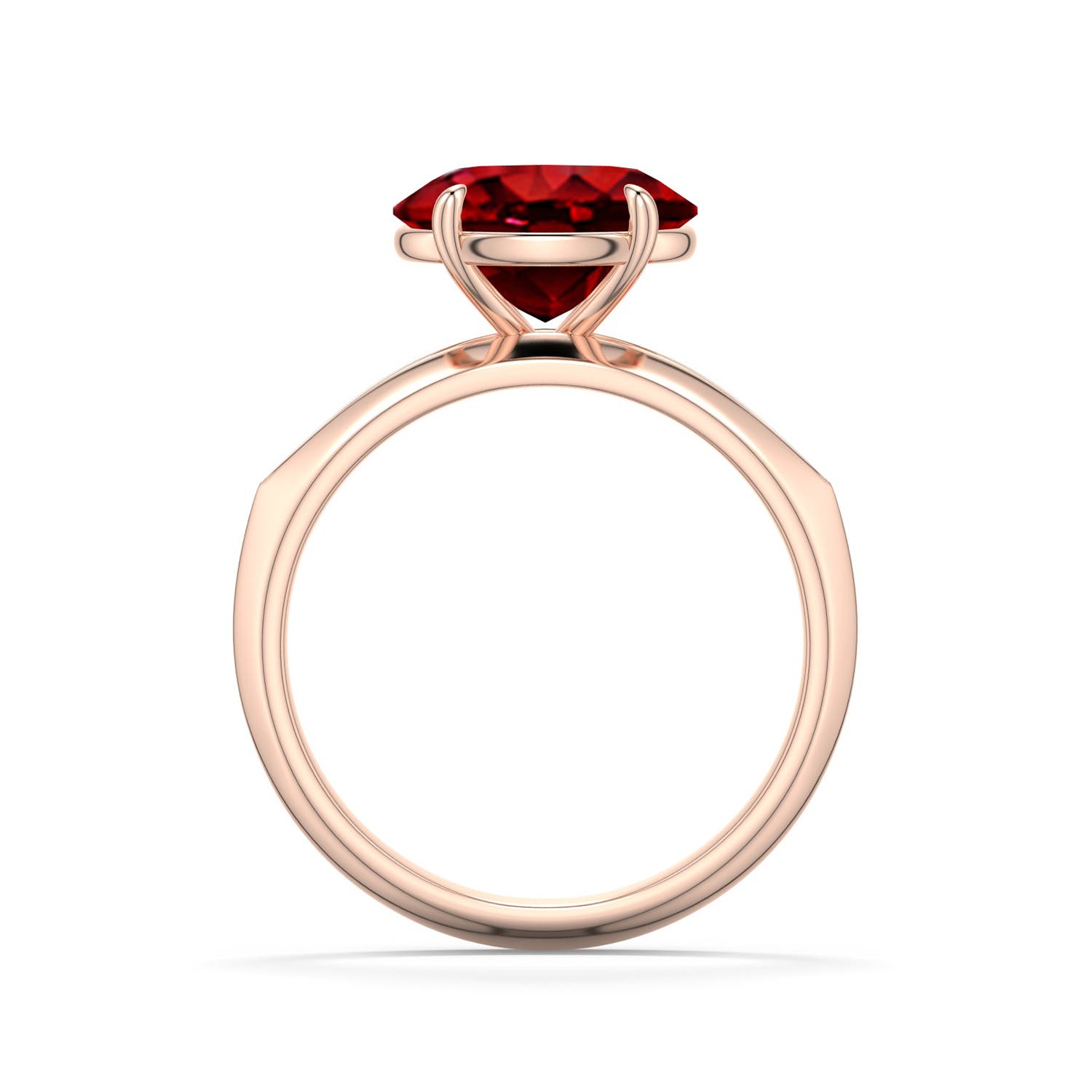
- For Engagement Rings: 14K gold is recommended as it offers the best durability and purity balance. 18K is ideal if you're prioritizing gold content and your budget allows. All colors work beautifully - personal preference matters most.


- For Wedding Bands: 14K gold is recommended because it withstands constant wear better than higher karats. 10K is acceptable if you're budget-conscious. Avoid very high karats (18K, 22K, 24K) as they're too soft for daily wear.


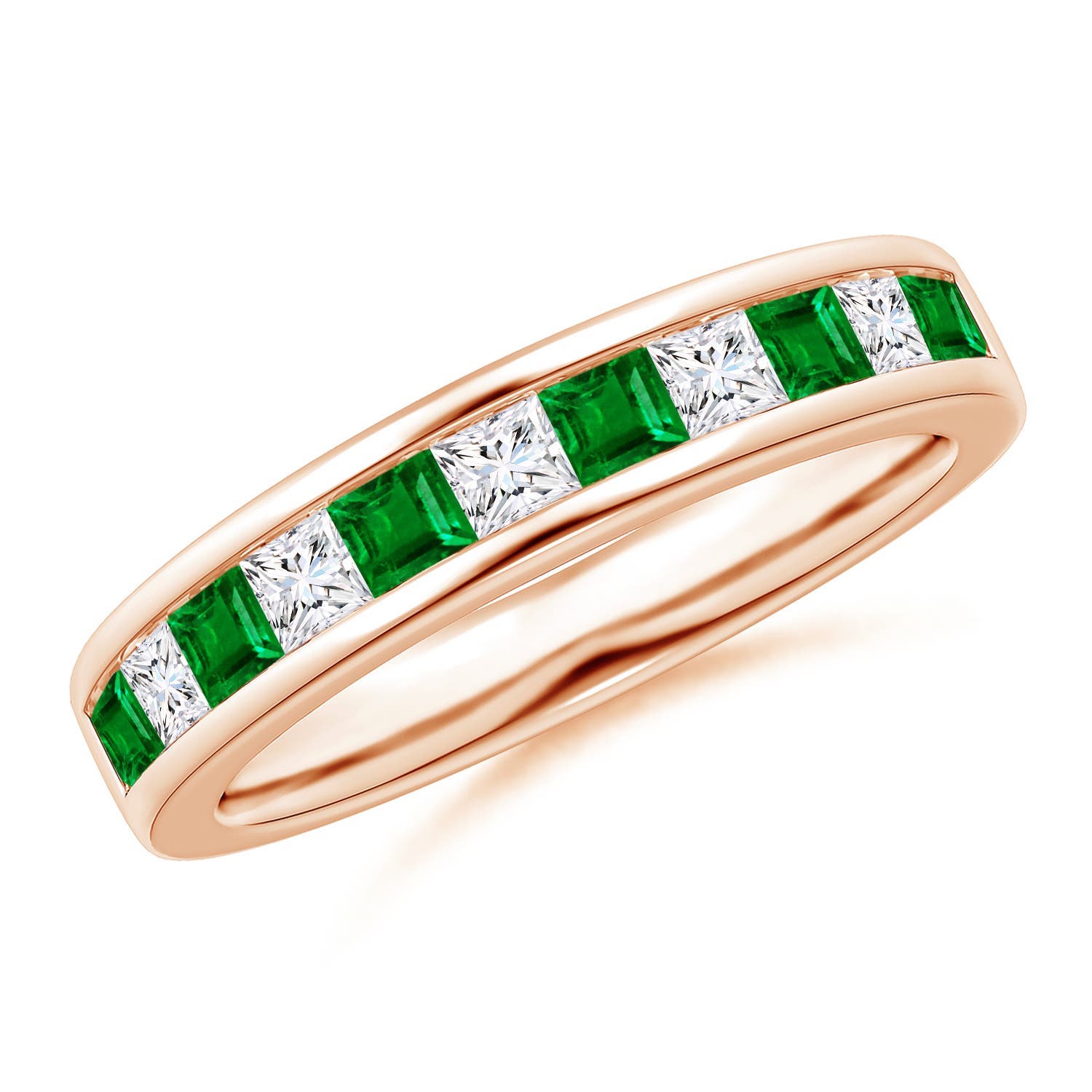
- For Everyday Jewelry: 14K is preferred for its durability. 10K is perfect if you work with your hands or have an active lifestyle. Color is purely aesthetic and doesn't affect durability.
- Classic Trio Round Lab-Grown Diamond Necklace$2,006 $2,229


- Lab-Grown Basket-Set Solitaire Diamond Stud Earrings$755 $839


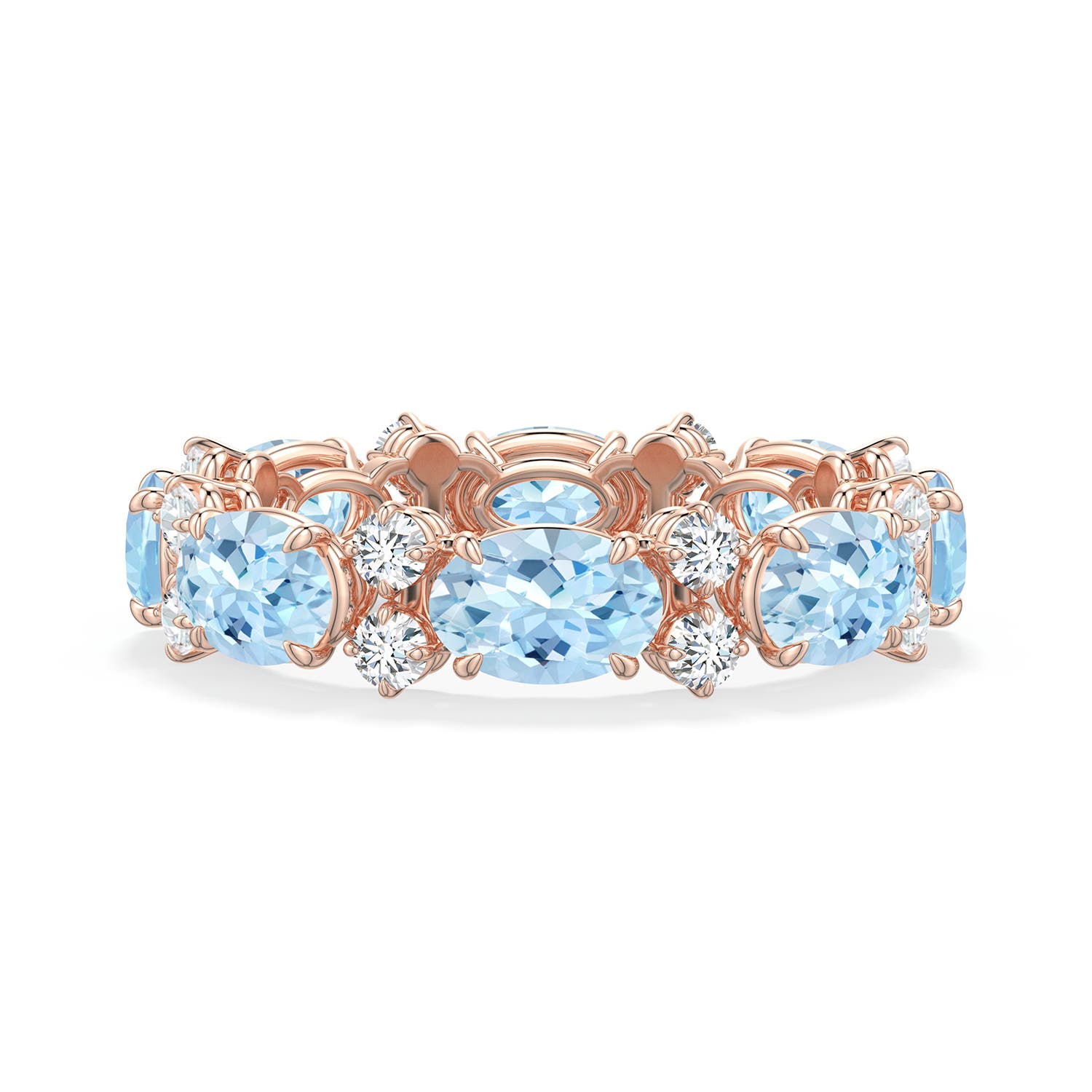
- Alternating Oval Aquamarine and Diamond Eternity Ring$2,555 $2,839


- Prong-Set Round Ruby Link Tennis Bracelet$6,236 $6,929




- For Special Occasion Jewelry: 18K is acceptable since it's worn less frequently, reducing wear risk. 14K works well if you'll wear it occasionally. Color choice is based on personal taste.


- For Budget-Conscious Buyers: 10K or 14K offers significant savings while still being genuine, durable gold. It's perfect for everyday pieces and active wear.



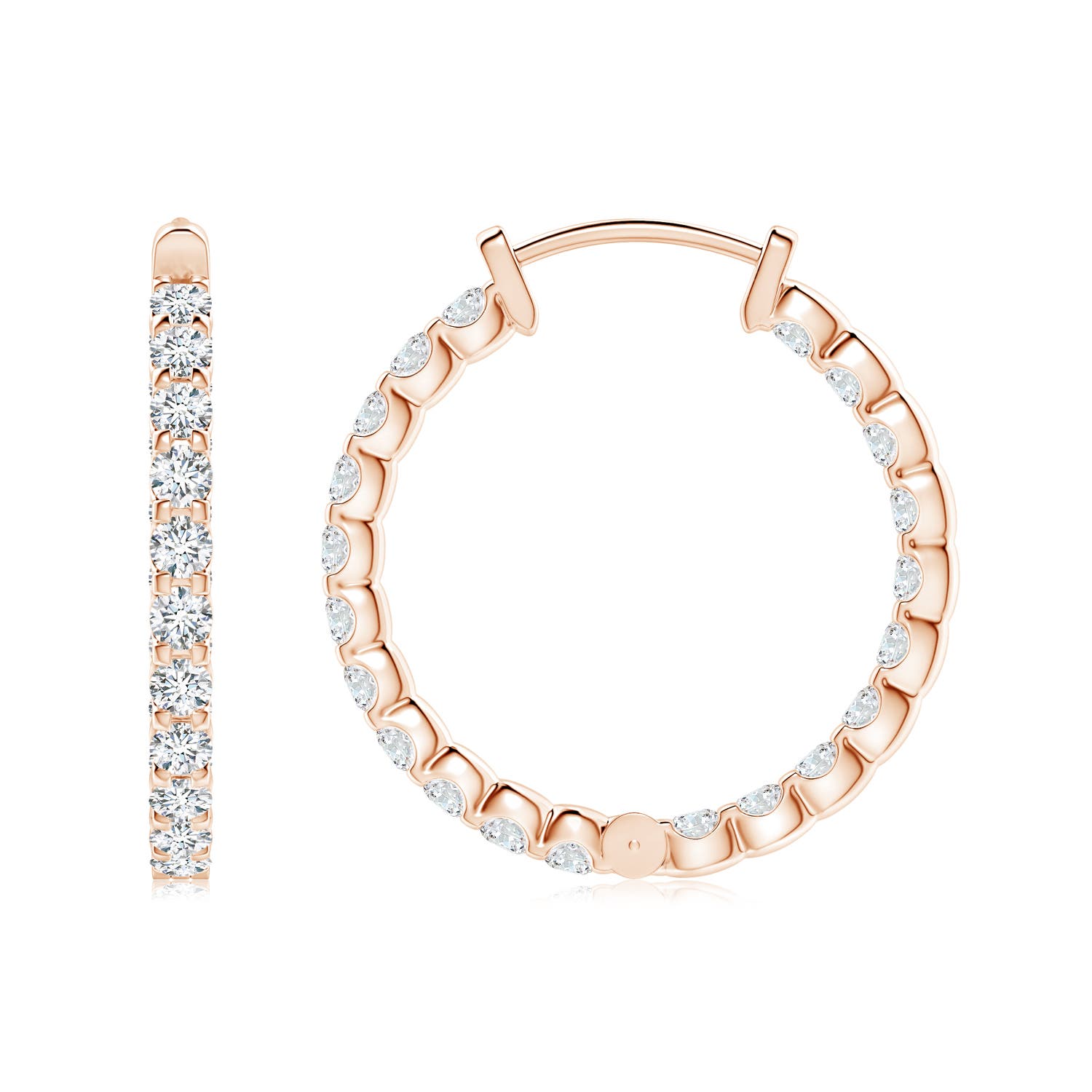


- For Luxury/Heirloom Pieces: 18K gold is recommended for its rich color and high gold content. It offers timeless appeal and greater gold value.
- Round Diamond Split Shank Heart Promise Ring$476 $529


- Pavé Diamond Double Heart Chain Bracelet$2,051 $2,279


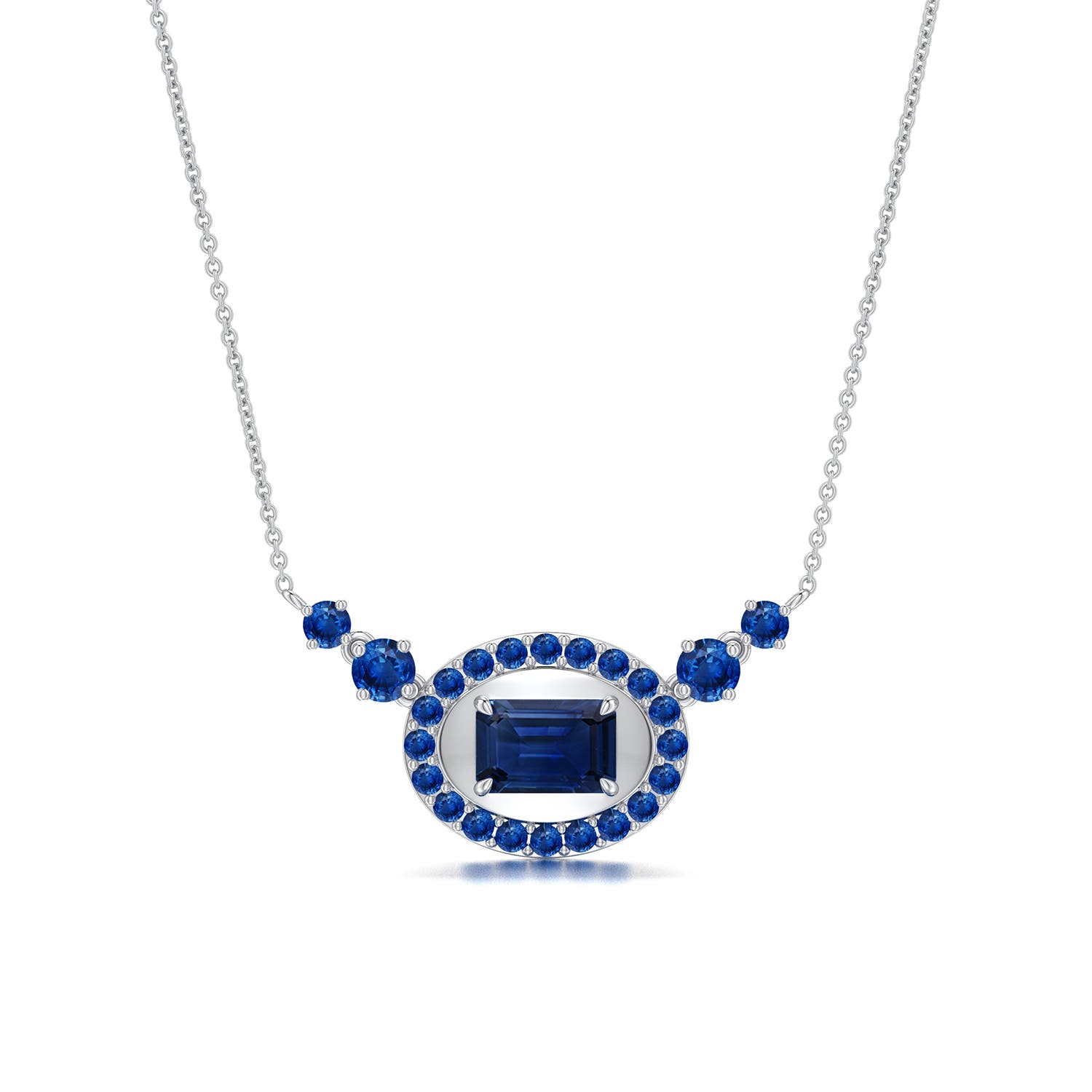
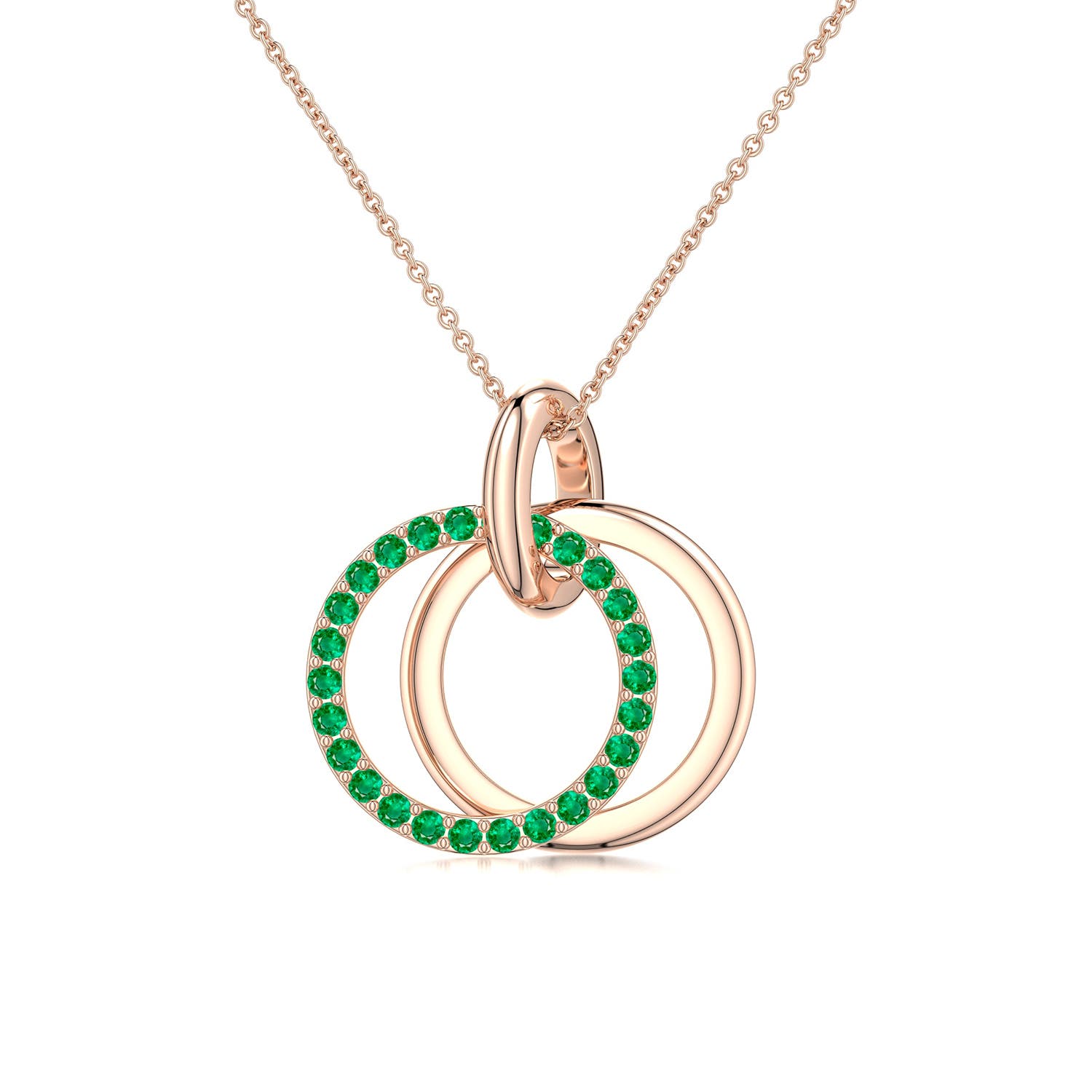
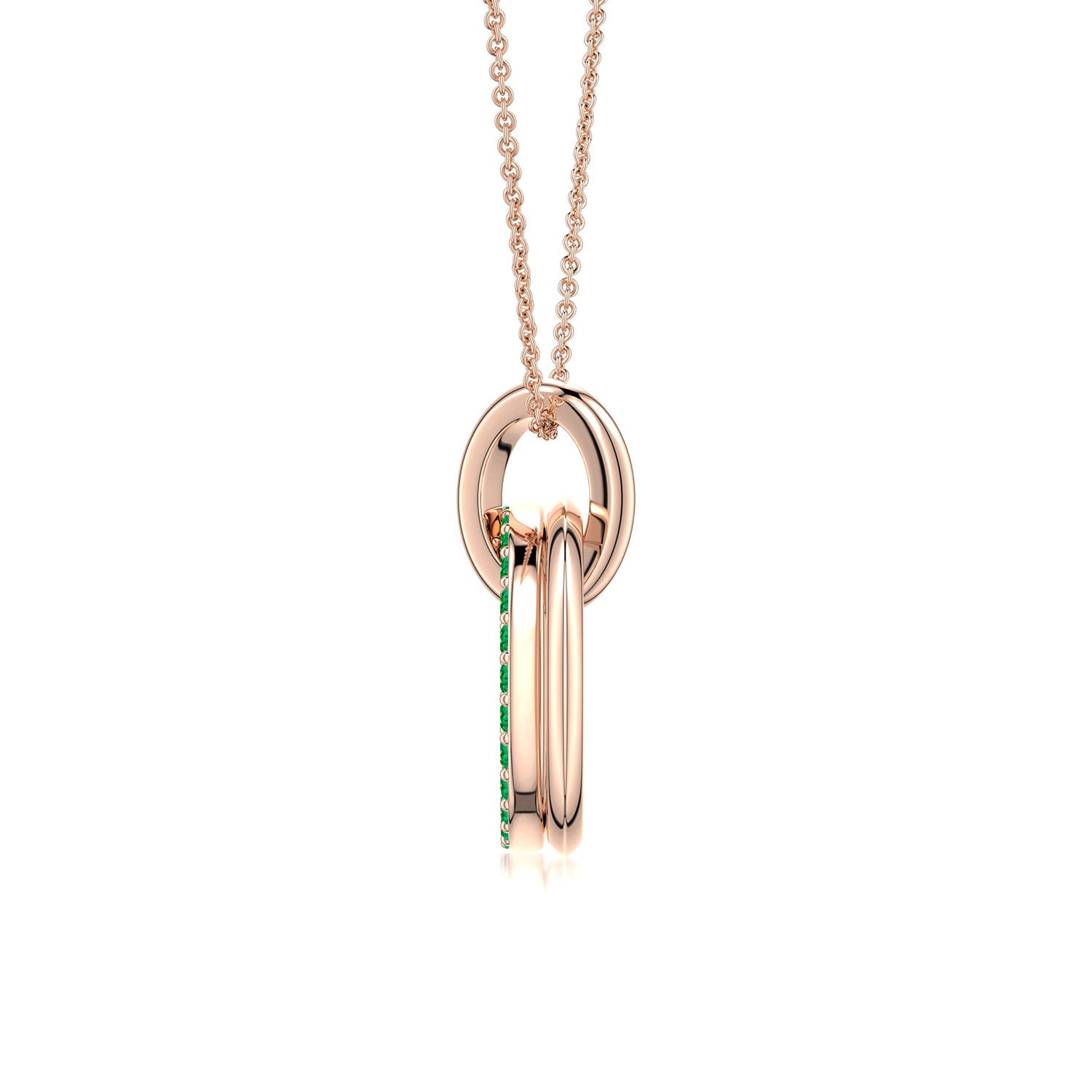
- Interlocking Emerald Open Circle Pendant$1,664 $1,849


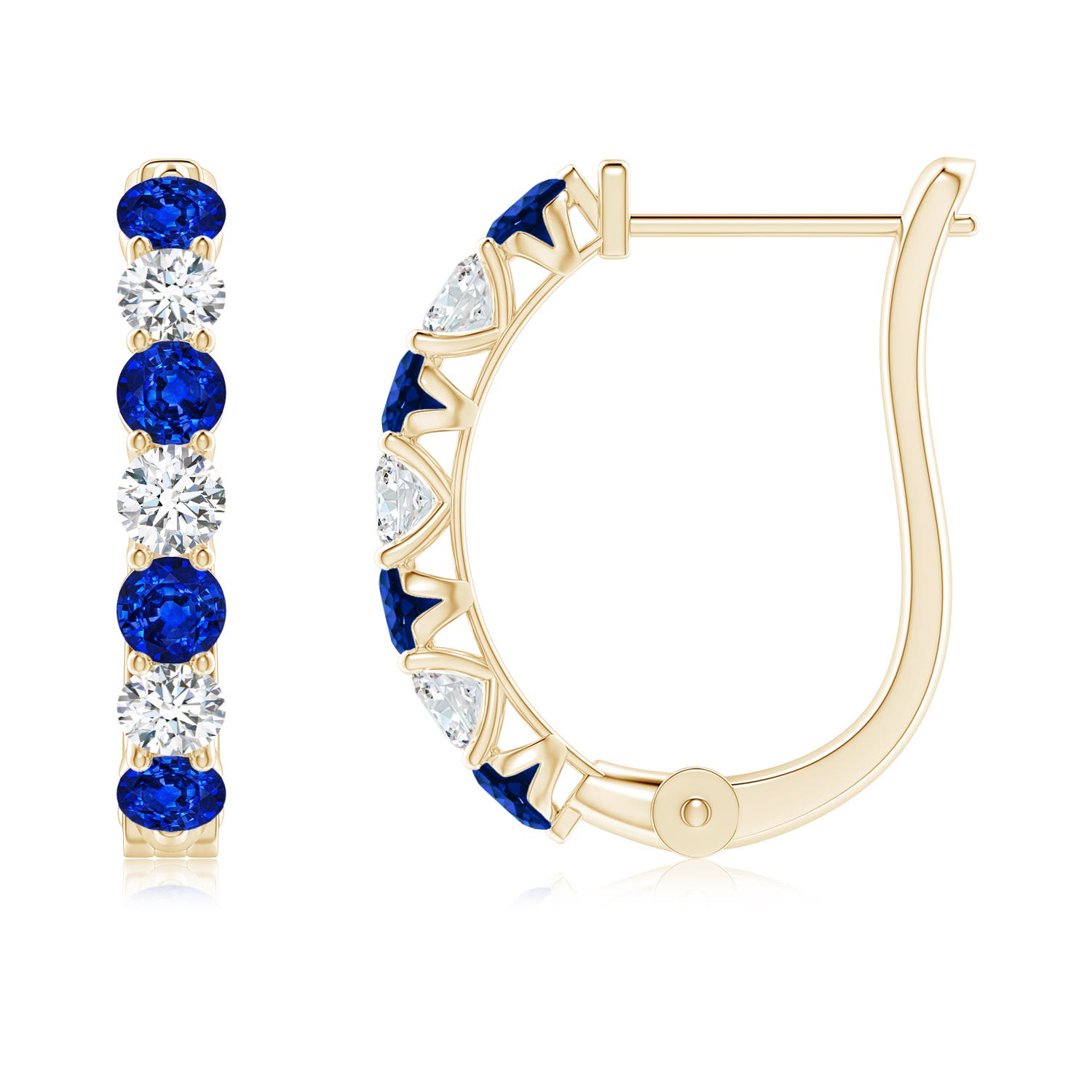
- Prong-Set Blue Sapphire and Diamond Huggie Hoop Earrings$3,068 $3,409


HOW TO CHOOSE THE RIGHT GOLD FOR YOU
Choosing the right gold karat comes down to a few practical considerations that are easy to overlook when you're focused on how a piece looks. Here's what to think through before you decide.
- Consider Your Lifestyle: If you're active, work with your hands or play sports, choose 10K or 14K for maximum durability. If you wear jewelry daily, 14K is the best all-around choice. If jewelry is for special occasions only, you can go higher karat like 18K or 22K.
- Consider Your Budget: 10K is the most affordable option. 14K is mid-range and the industry standard. 18K is a luxury option. Don't sacrifice durability to reach a higher karat number - it's not worth the trade.
- Consider the Color Appeal: Yellow gold is timeless, warm and ages beautifully over decades. White gold is modern and clean but requires re-plating every 3-5 years. Rose gold is contemporary, romantic and distinctly personal. Choose what makes you happy when you look at it on your hand.
- Consider Skin Sensitivity: If you have sensitive skin, karat level matters as much as color. Lower karat gold contains a higher proportion of alloy metals including nickel, copper and zinc, any of which can trigger reactions in sensitive skin. Choosing 18K or higher reduces exposure to these alloys. At Angara, yellow and rose gold are naturally nickel-free across all karat levels, making them a comfortable choice for sensitive skin.
- Consider Longevity: 14K offers the best durability-to-purity ratio for long-term wear. Higher karats are beautiful but more delicate for everyday jewelry. 10K is extremely durable but contains less gold content. Match the karat to how often you'll actually wear the piece.
- Consider Mixed Metals: You can layer different karats and colors together. The modern trend of mixing yellow, white and rose gold creates dynamic, personal aesthetic. Just ensure quality craftsmanship in all pieces so they work cohesively.
GOLD ALLOYS & WHAT IS MIXED WITH GOLD?
Pure gold is too soft for jewelry, so it's always alloyed with other metals to improve durability and create different colors.
- Common Alloy Metals: Copper adds warmth and durability to yellow and rose gold. Silver refines workability in yellow gold. Nickel, palladium and manganese give white gold its color. Zinc is occasionally added to improve the crafting process.
- Why Alloys Are Necessary: Pure gold is too soft for jewelry and bends or scratches easily. Alloys increase durability without sacrificing gold content. Different alloys create different colors - yellow, white and rose. Alloys allow jewelers to create detailed designs and settings that hold gemstones securely.
- Nickel Concerns: Some people react to nickel-containing jewelry. Nickel-free white gold uses palladium instead and is hypoallergenic. If you have known metal sensitivities, always check the alloy composition before buying.
- Quality Standards: The alloys used affect how long a piece lasts and how it looks over time. At Angara, high-quality alloys are used across every piece, ensuring durability and finish that holds up through years of daily wear.
The right gold is the one that suits how you live and what you love wearing. Whether that's the warmth of yellow, the brightness of white or the romance of rose, the karat you choose determines how it holds up over time. For most people, 14K strikes the right balance between quality and durability.
At Angara, we offer all types of gold and different karats of gold across all markets so you can find exactly what works for your life, your style and your budget.
FAQs
1. What karat gold looks the best?
It depends on personal preference and skin tone. 18K has the richest color, 14K is slightly lighter but still distinctly golden, and 10K is the palest of the three. The difference on a person is subtle, so choose what feels right against your skin.
2. What is the rarest gold color?
All three gold colors come from the same pure gold mixed with different alloys, so none is naturally rarer than another. Rose gold is currently the most sought-after in contemporary jewelry, though its perceived rarity is driven by demand rather than actual scarcity.
3. What is the lowest quality of gold?
10K is the lowest karat legally sold as gold jewelry, containing 41.7% gold. Lower purity doesn't mean lower quality, though 10K is highly durable and well suited to everyday wear.
4. Which karat of gold is the cheapest?
10K is the most affordable, containing the least gold at 41.7%. 14K costs more and 18K more still, reflecting the higher gold content in each. If budget is the priority, 10K offers durability and authenticity at the lowest price point.
You may also like

Ring Size Chart: How to Find Your Perfect Fit at Home
20 Mar, 2024
Gems Price Chart Ranked by Value
18 Nov, 2023
How to Test Gold at Home
5 Jan, 2023
Ruby vs Garnet: What’s the Difference?
13 Dec, 2018
Everything You Need to Know About Blue Gemstones
1 Dec, 2023
Best Crystals for Protection: Meaning & How to Use
16 Dec, 2022
How to Tell if a Gemstone Is Real
20 Dec, 2022
Colored Gemstone Size Chart: MM, Carat & Dimensions
14 Aug, 2024
11 Ways to Keep Your Ring From Spinning
19 Jan, 2024



Shop Our Bestsellers
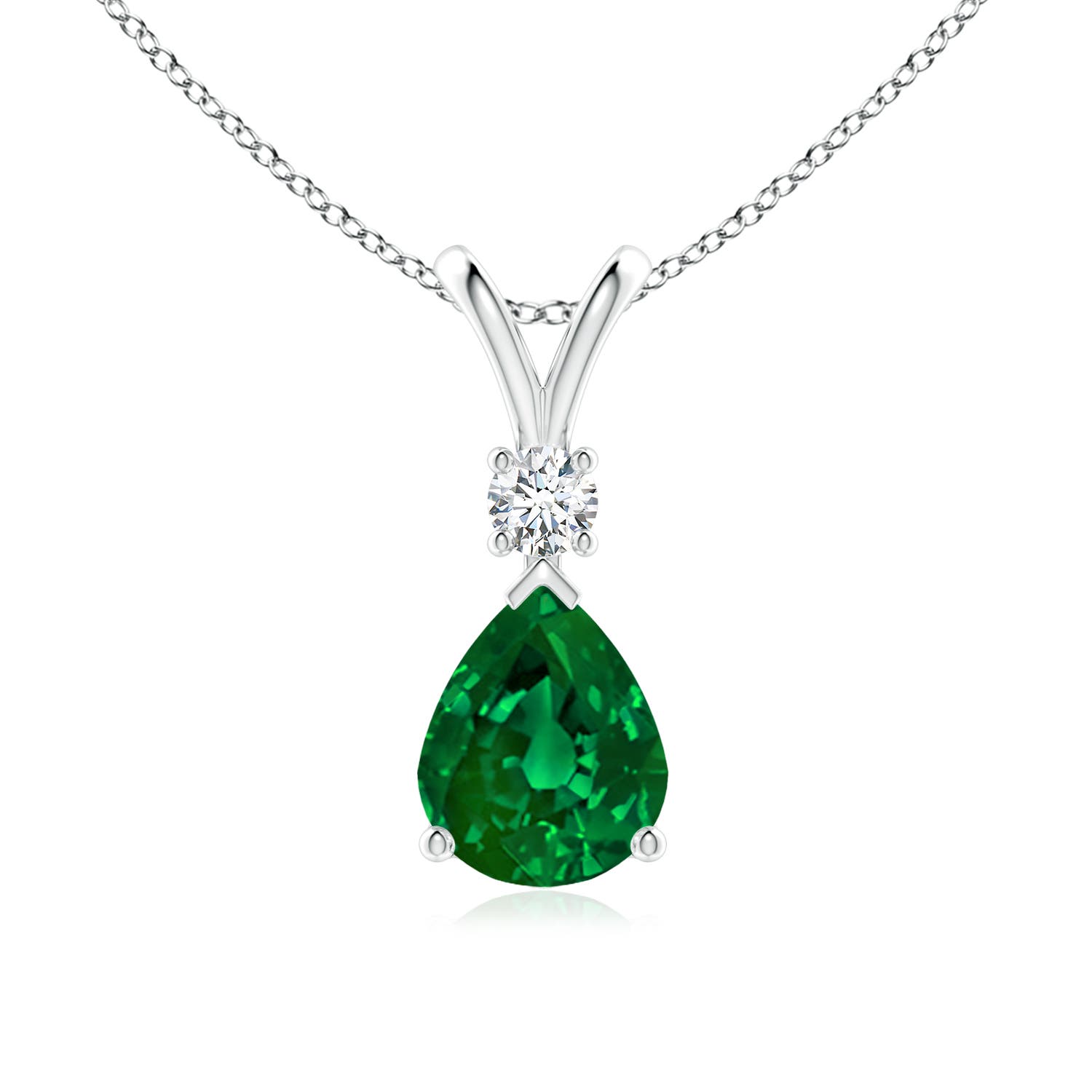
- Prong-Set Lab-Grown Emerald Teardrop V-Bale Pendant with Diamond$2,099


- Solitaire Oval Opal Split Shank Ring with Trio Diamonds$1,619

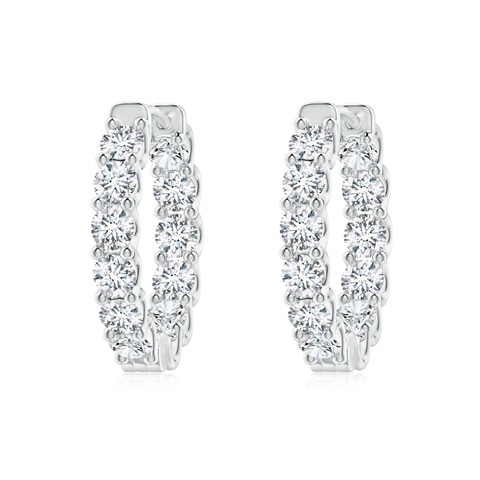
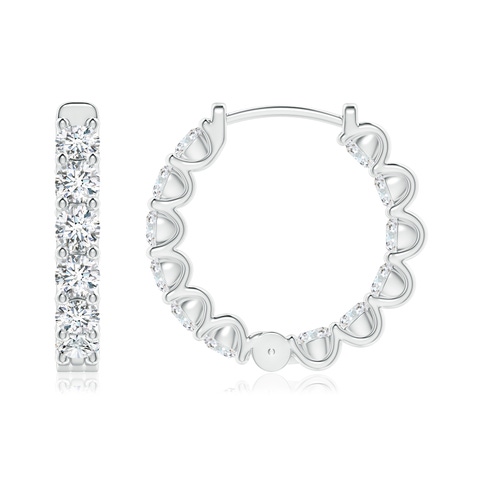
- Lab-Grown Prong-Set Round Diamond Inside Out Hinged Clip Hoop Earrings$1,429
- V-Bale Pear-Shaped Garnet Solitaire Pendant$749

- Lab-Grown Princess Diana Inspired Blue Sapphire Engagement Ring with Lab Diamond Halo$4,869


- Lab-Grown Classic Round Diamond Tennis Bracelet$2,739


- Heart Lab-Grown Diamond Solitaire Pendant$1,459


- Prong-Set Emerald-Cut Lab-Grown Emerald Solitaire Pendant$1,639

- Lab-Grown Basket-Set Solitaire Diamond Stud Earrings$2,129


- Heart-Shaped Aquamarine Infinity Pendant with Diamond Accents$1,969



Featured In
What Customers Are Saying
Verified Reviews
The sparkle!!
Oct 08, 2026I love my ring so much! It is just like the picture and has so much sparkle and shine! I had to return the first ring because I didn't get my size right. The customer service was so helpful and made it easy to exchange. I'm so happy with it! Would definitely order again.
Kristan S.
Fabulous ring
Oct 08, 2026Elegant and stylish - the cut and color are beautiful. I love wearing it and get so many compliments.
Emily H.
So beautiful!!
Oct 08, 2026Super fast shipping. It’s so helpful to have the stone grades side by side. Love!!!!
Mary N.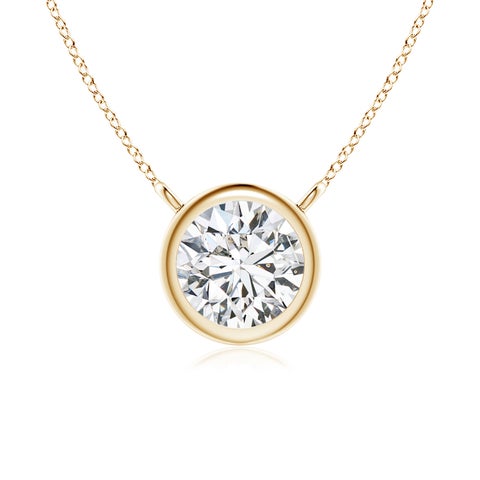
Trustworthy Shop, Nice Art
Oct 08, 2026Ordered two necklaces. Delivery was promt. Pieces of good craftsmanship. Unfortunately not exactly what I was looking for. Pictures online (AI) differ slightly but noticeably from product.
Kilian R.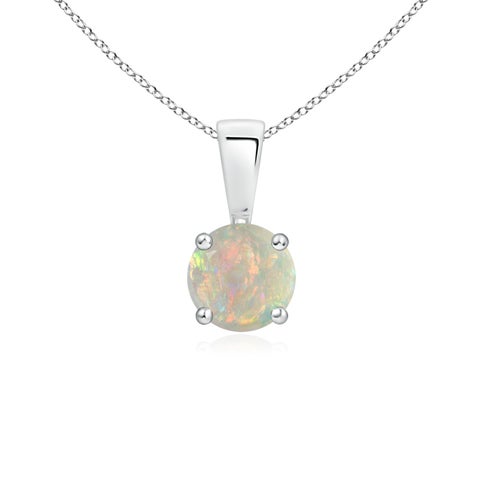
S/O loved it!
Oct 07, 2026She hasn’t taken this off since I gave it to her She says its easily her newest favorite piece of jewelry
Seth T.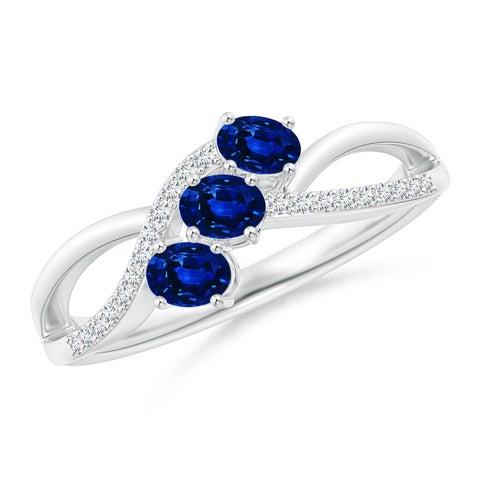
One very satisfied customer
Oct 07, 2026I bought a Sapphire Three Stone Bypass Ring for my wife to mark her 80th birthday.. She could not have been happier with her gift. he wears it on the middle finger of her left hand. It is eye-catching with understated elegance!. AJ
ALAN J.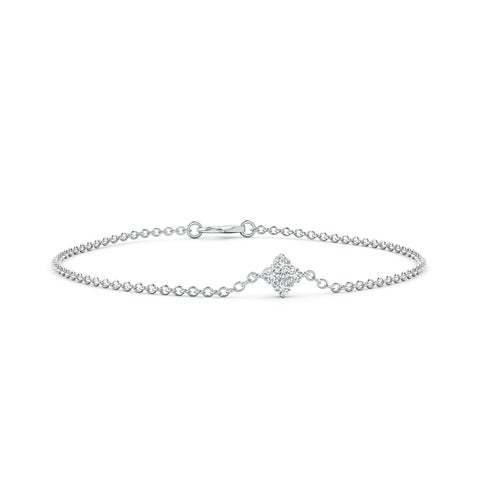
Yes i love it
Oct 07, 2026It’s beautiful
Xander V.
51 year anniversary
Oct 07, 2026Great quality materials, design and workmanship.
Jolynn K.
Beautiful ring, excellent customer service
Oct 06, 2026The ring arrived far earlier than expected, a beautiful piece very well presented. Unfortunately I decided it was not the right ring for my partner but the customer service team went above and beyond to make everything right. I cannot recommend Angara highly enough and will definitely use them again!
Jonathan L.