
White Gold vs Yellow Gold: What’s the Difference?
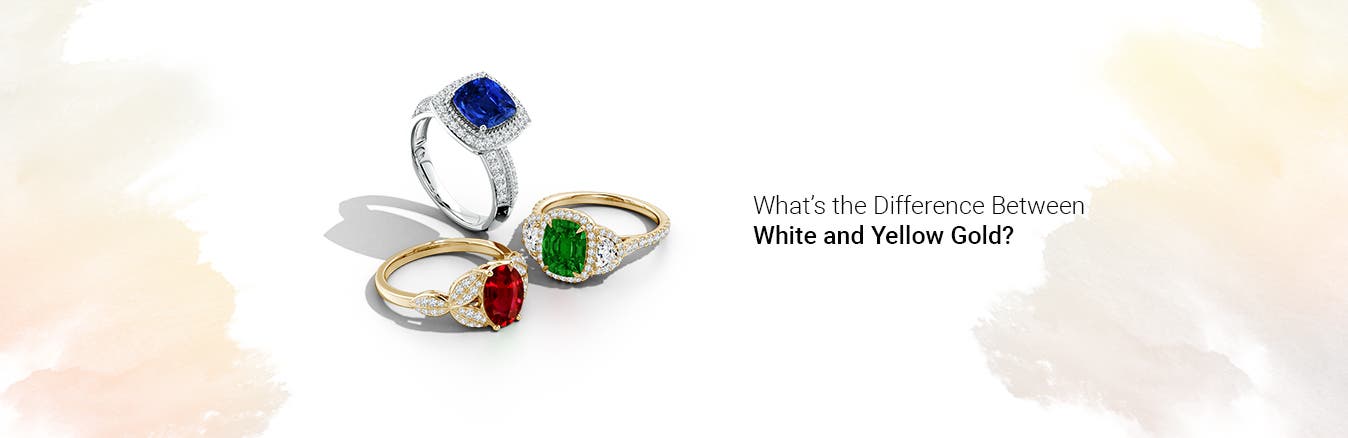
The first question people ask when choosing between metals is what truly sets them apart, and the difference between white and yellow gold comes down to what supports the gold and the finish that defines the surface.
Yellow gold begins with pure gold blended with alloys such as copper or zinc, metals that protect its warm golden tone and make long-term polishing manageable without additional plating. White gold follows a different process: pure gold is mixed with resilient alloys such as palladium or nickel, then finished with rhodium plating to create its signature silver-white appearance. This rhodium layer makes the outer surface harder, but it also needs occasional replating over the years to maintain its bright, cool tone.
So when deciding on yellow gold vs white gold, understanding these metal foundations makes the choice feel intuitive, informed and easier to live with as part of everyday jewelry care. Before moving forward, let's begin with a side-by-side table that lays out the difference between white gold and yellow gold in a way that actually helps you understand the metal, not just admire it.
Now, let’s discover what white gold is, and what gives it its unmistakable tone, before moving into yellow gold’s warmth soon after.
View Gold Jewelry Collection
| Best Yellow Gold Jewelry | Best White Gold Jewelry | Best Rose Gold Jewelry |
What Is White Gold?
White gold is real gold alloyed with durable white metals such as silver or palladium, and in most jewelry, it is finished with a rhodium coating to enhance its bright, silvery surface. When readers search comparisons such as white gold vs yellow gold, it’s usually because they want to understand what creates that white tone and how it performs in everyday wear.
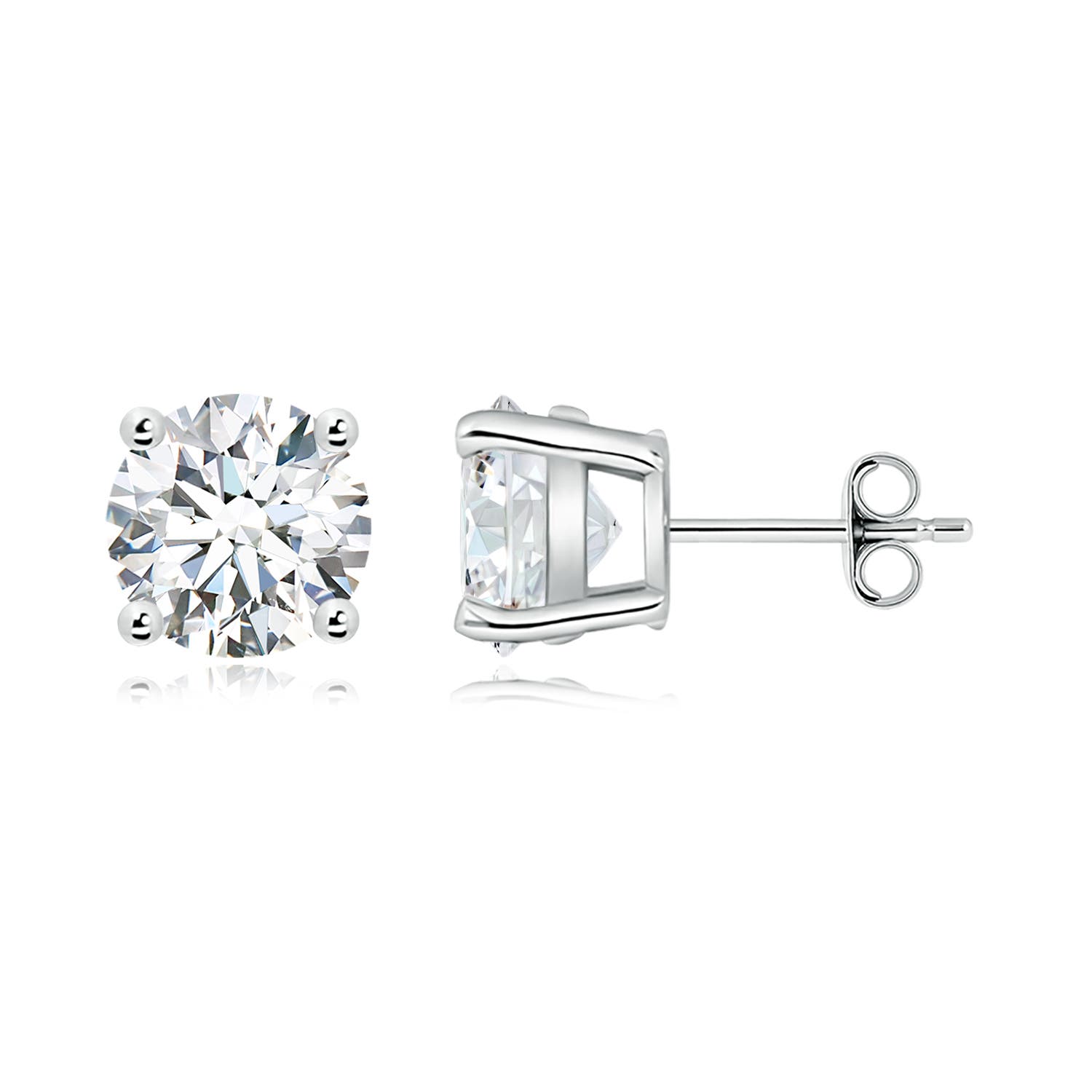
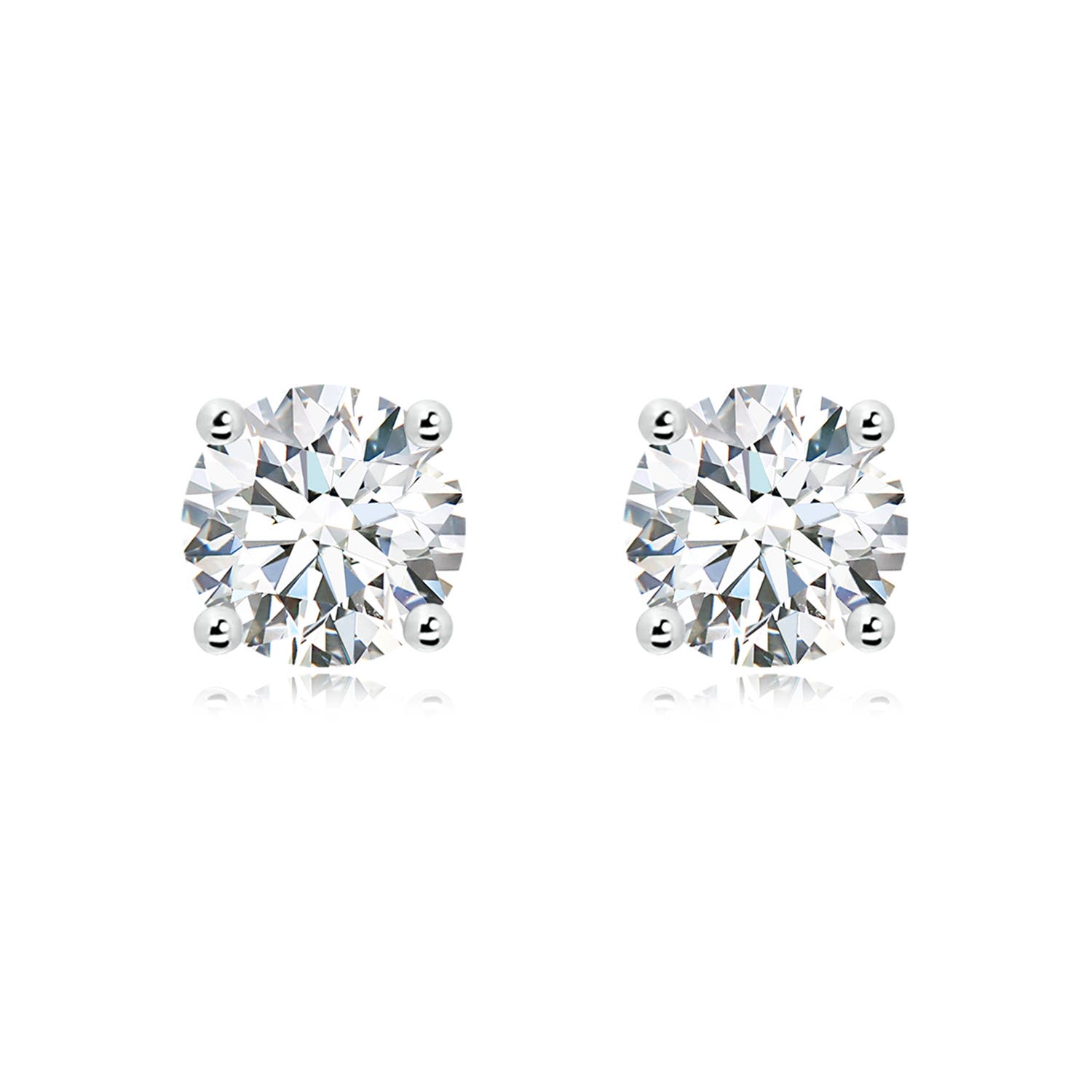
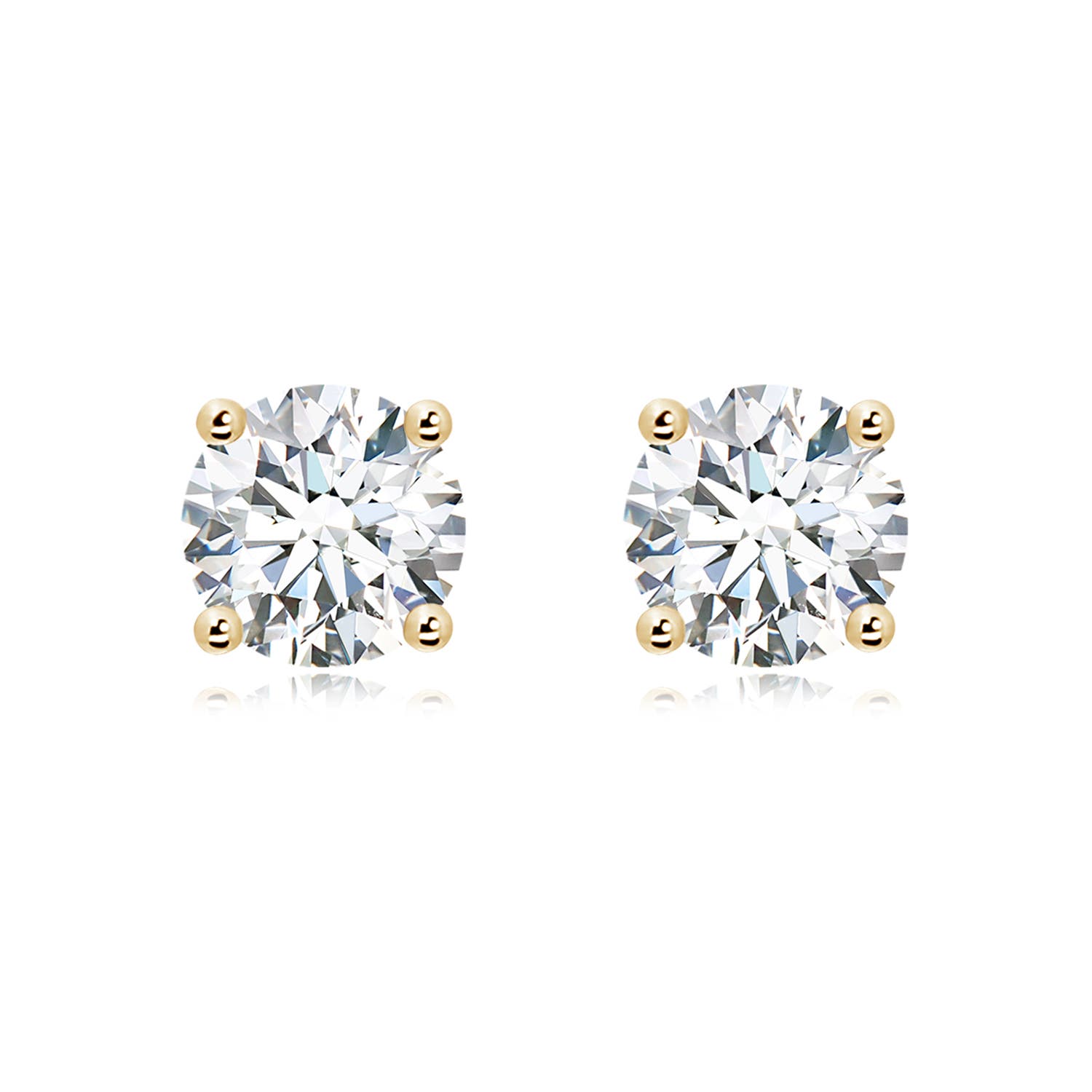
- Lab-Grown Basket-Set Solitaire Diamond Stud Earrings$3,446 $3,829


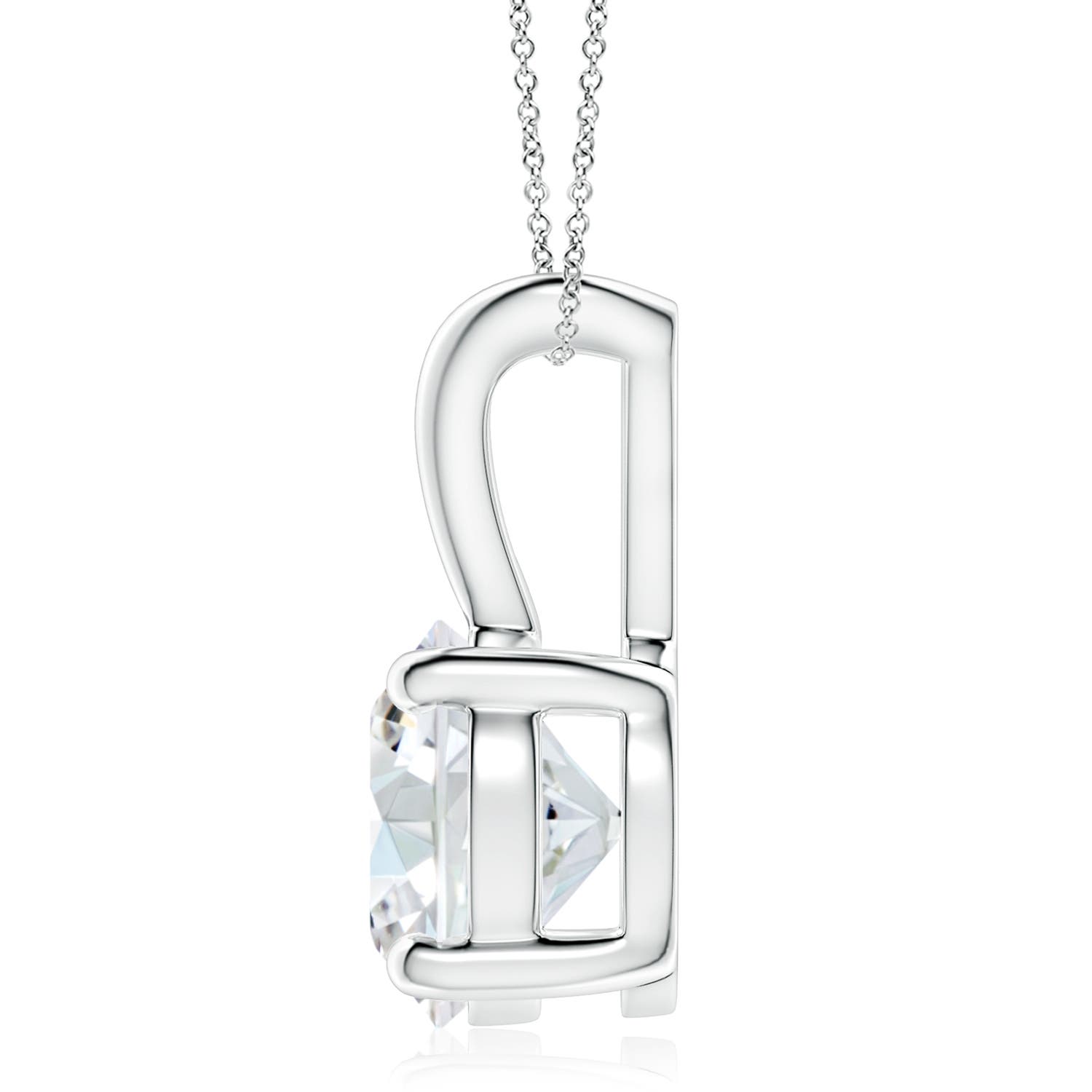
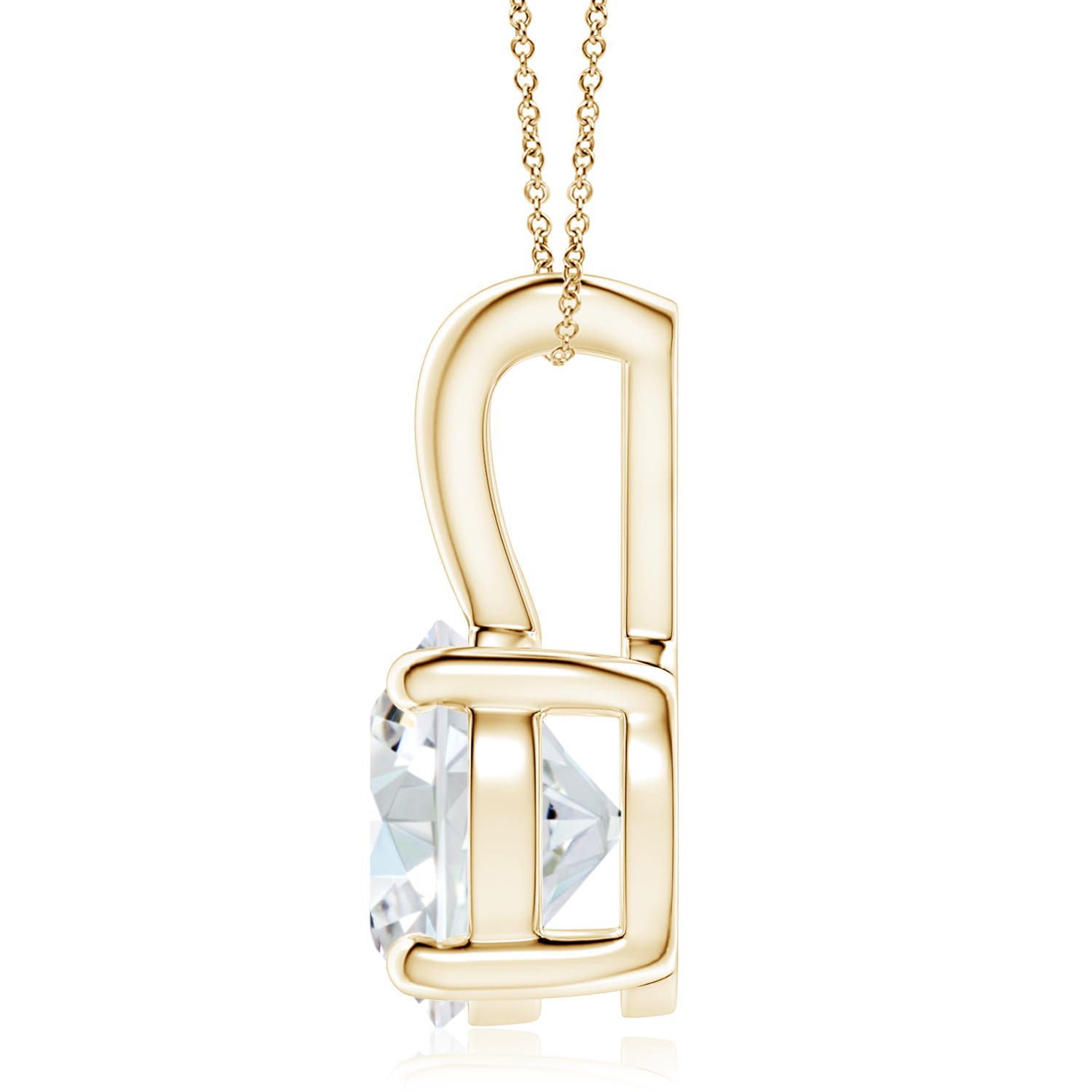
- Prong-Set Round Lab-Grown Diamond Solitaire V-Bale Pendant$5,003 $5,559


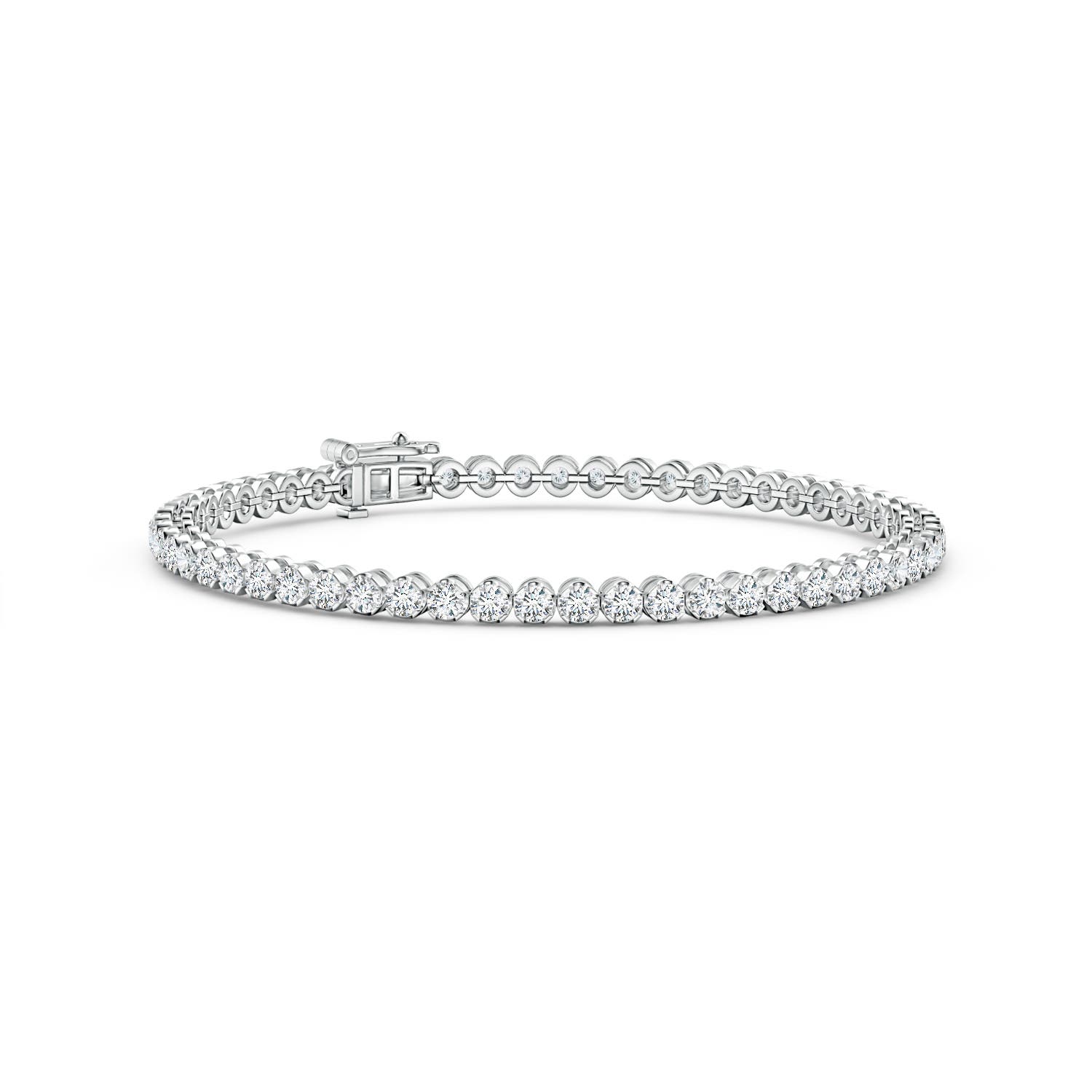
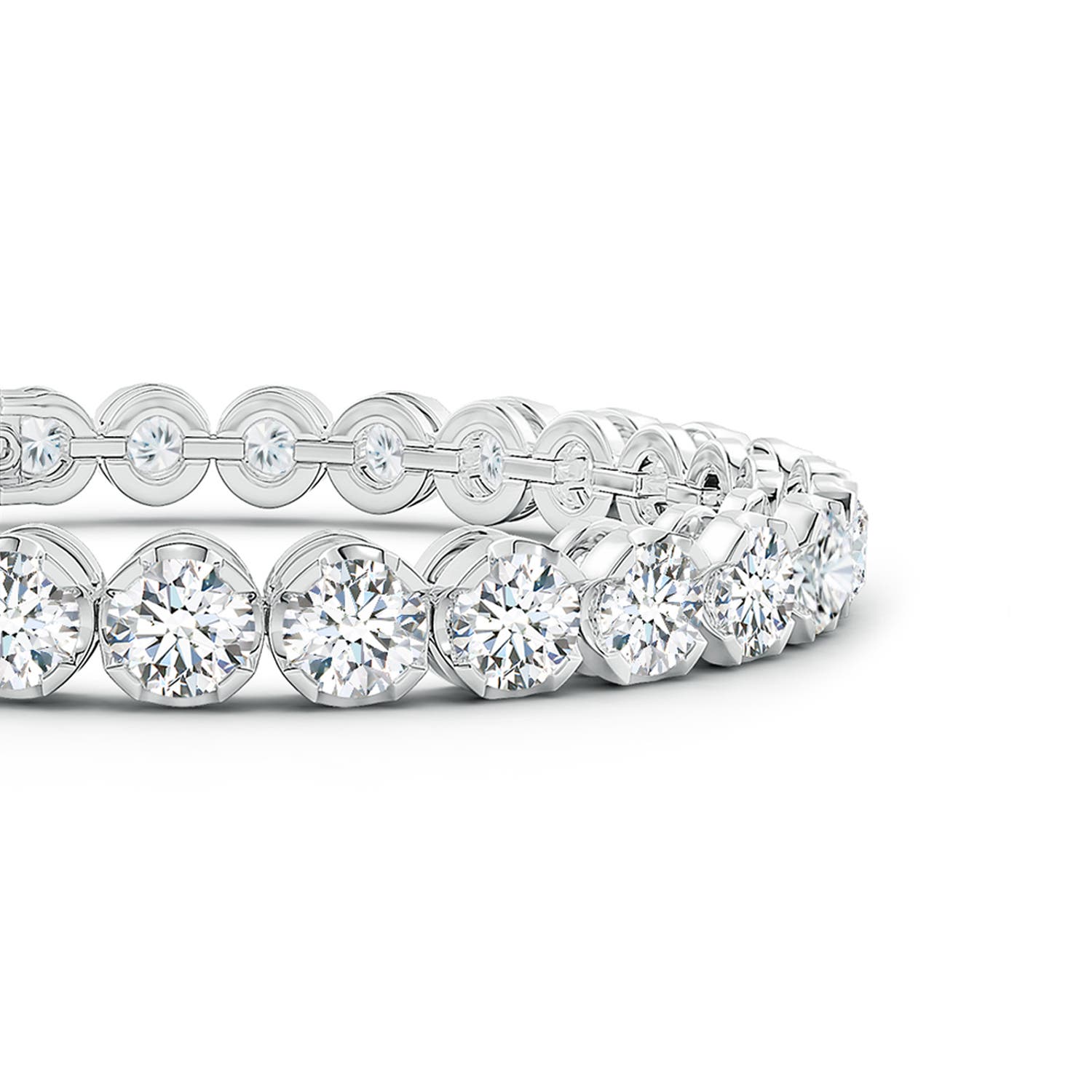
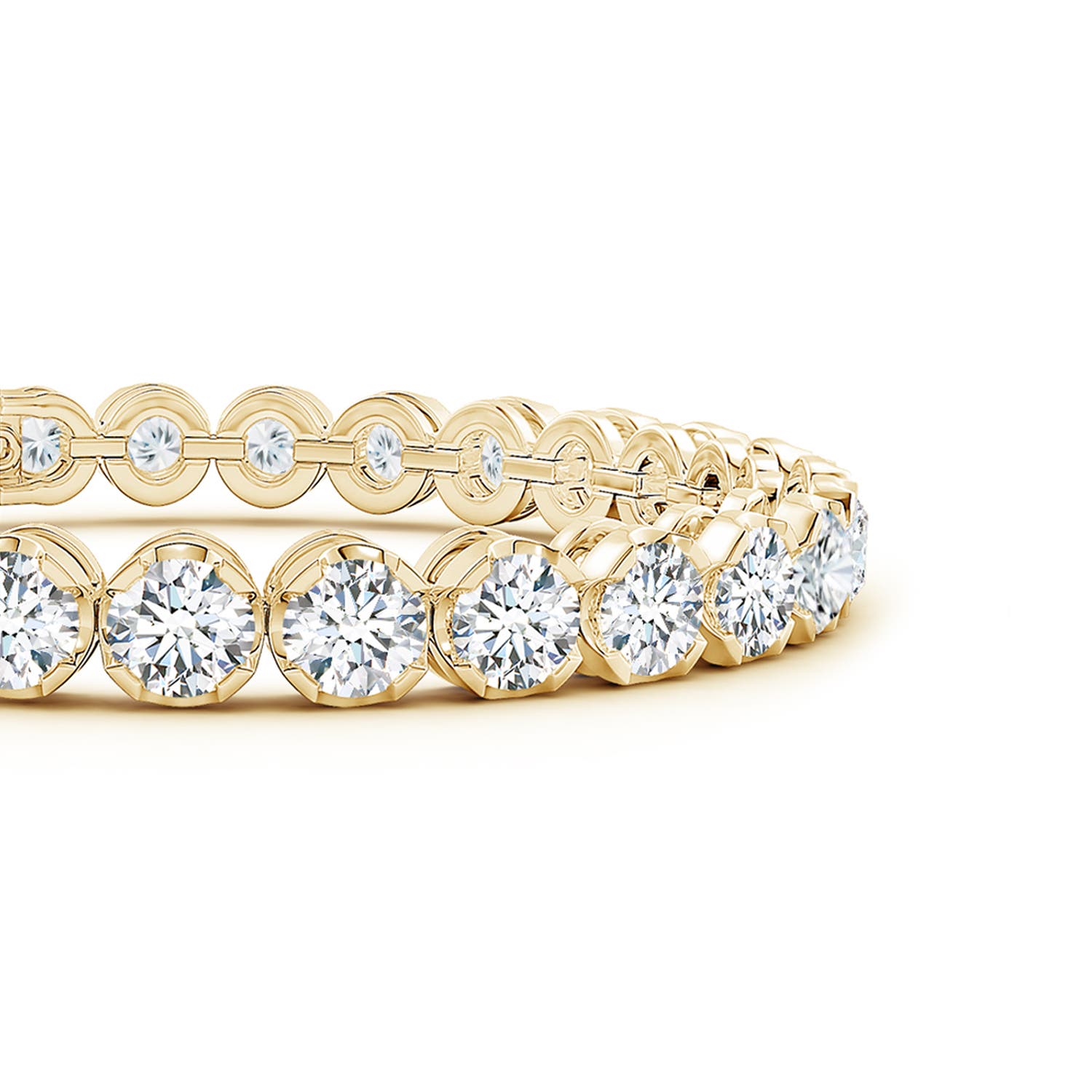
- Lab-Grown Classic Round Diamond Tennis Bracelet$5,957 $6,619


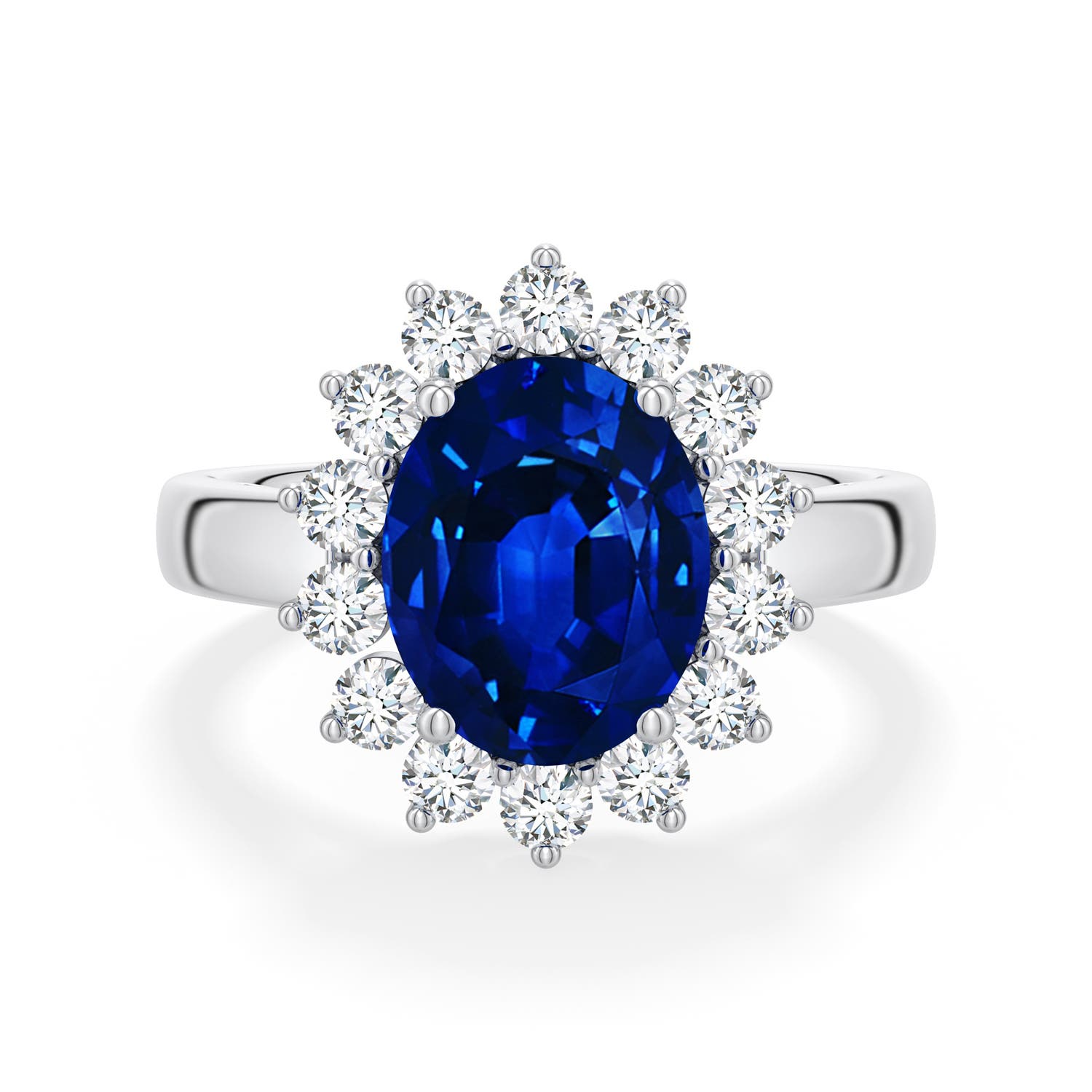
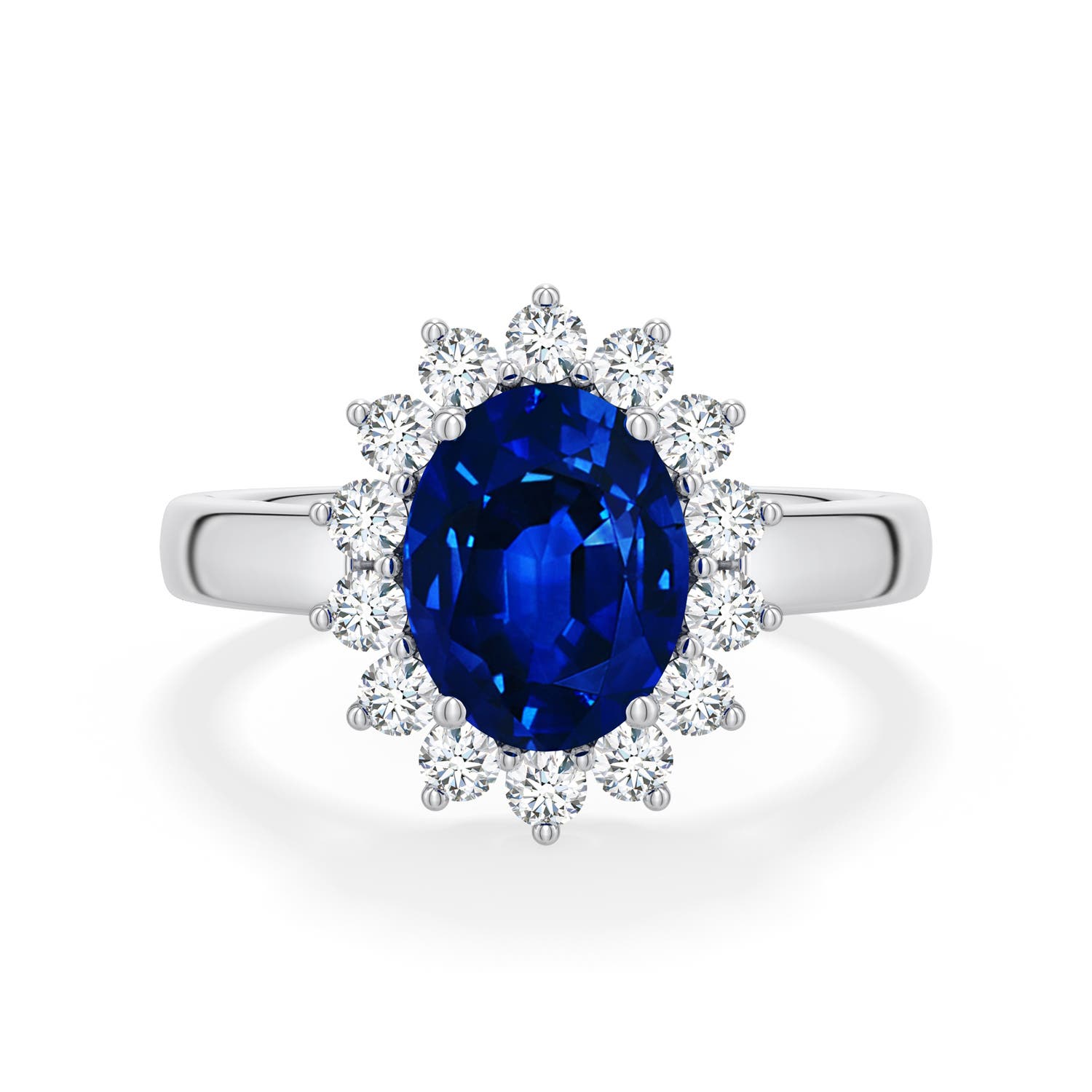
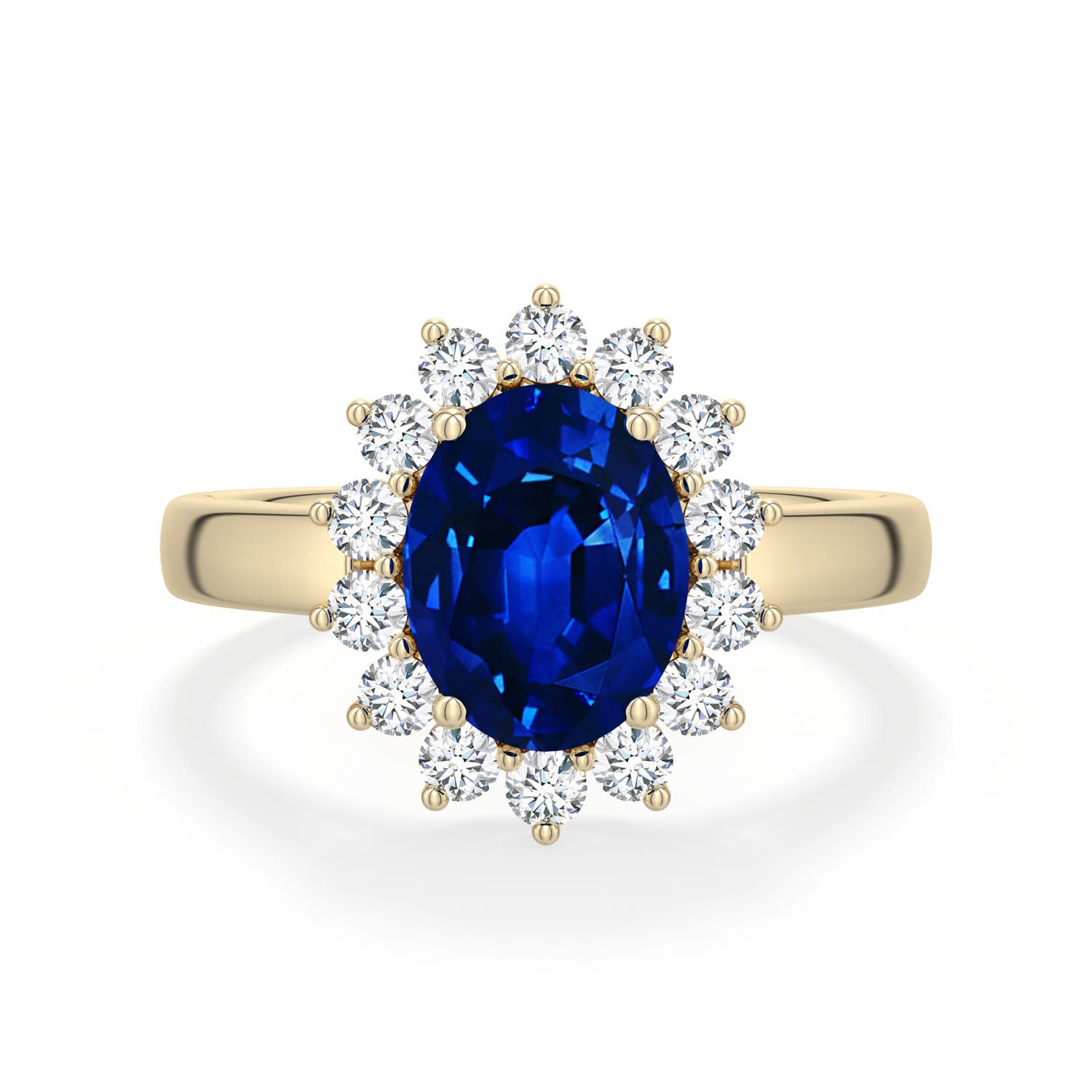
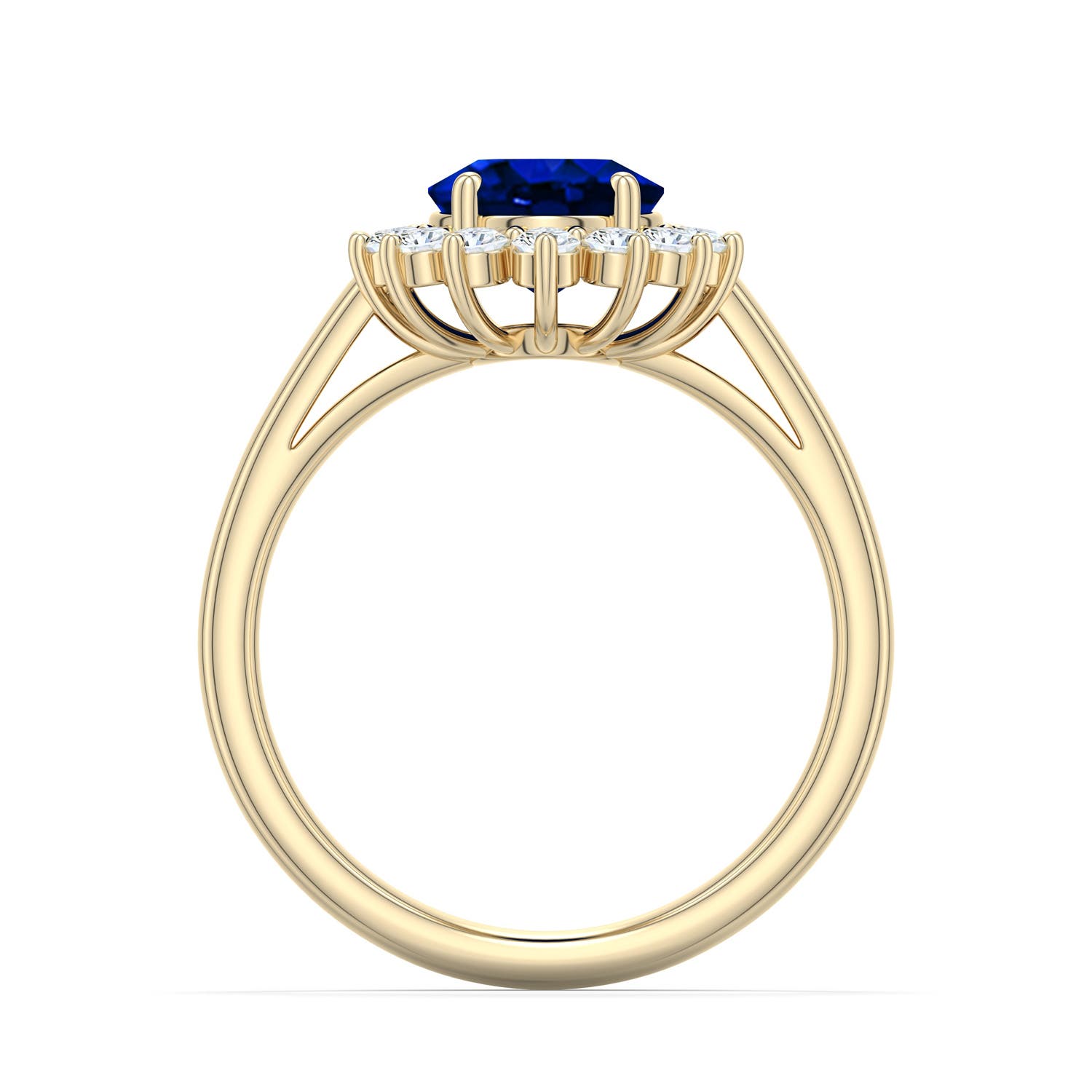
- Lab-Grown Princess Diana Inspired Blue Sapphire Engagement Ring with Lab Diamond Halo$3,293 $3,659


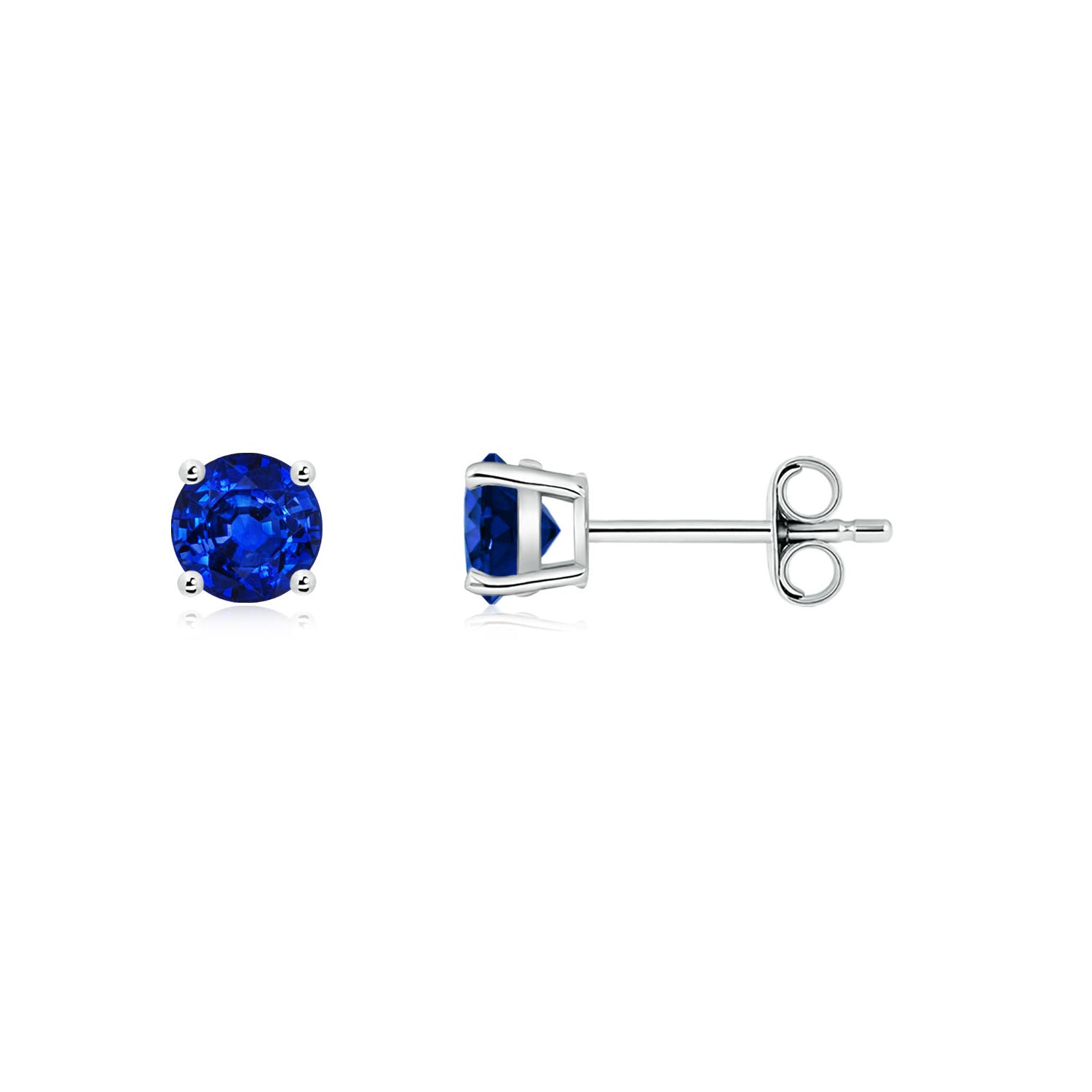
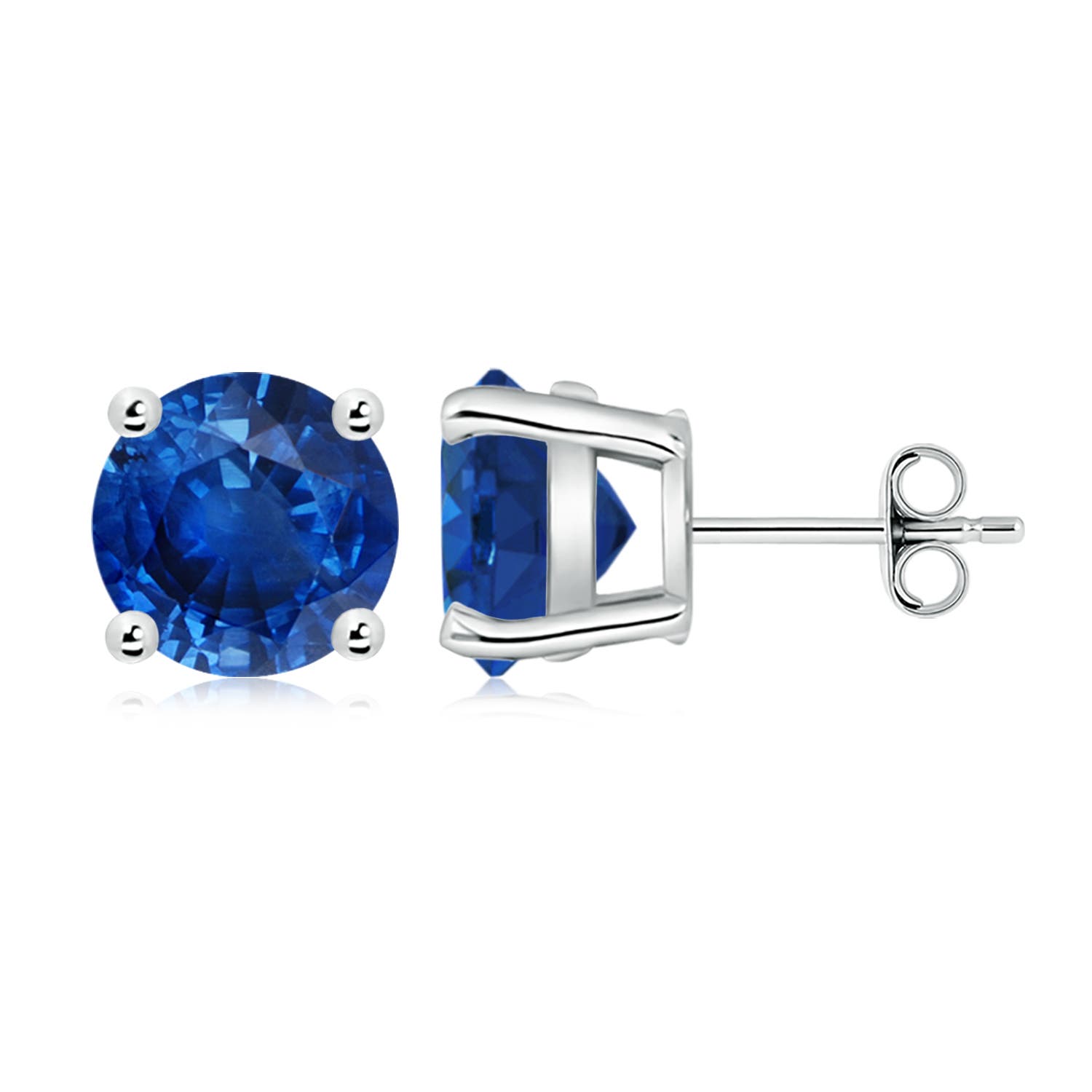
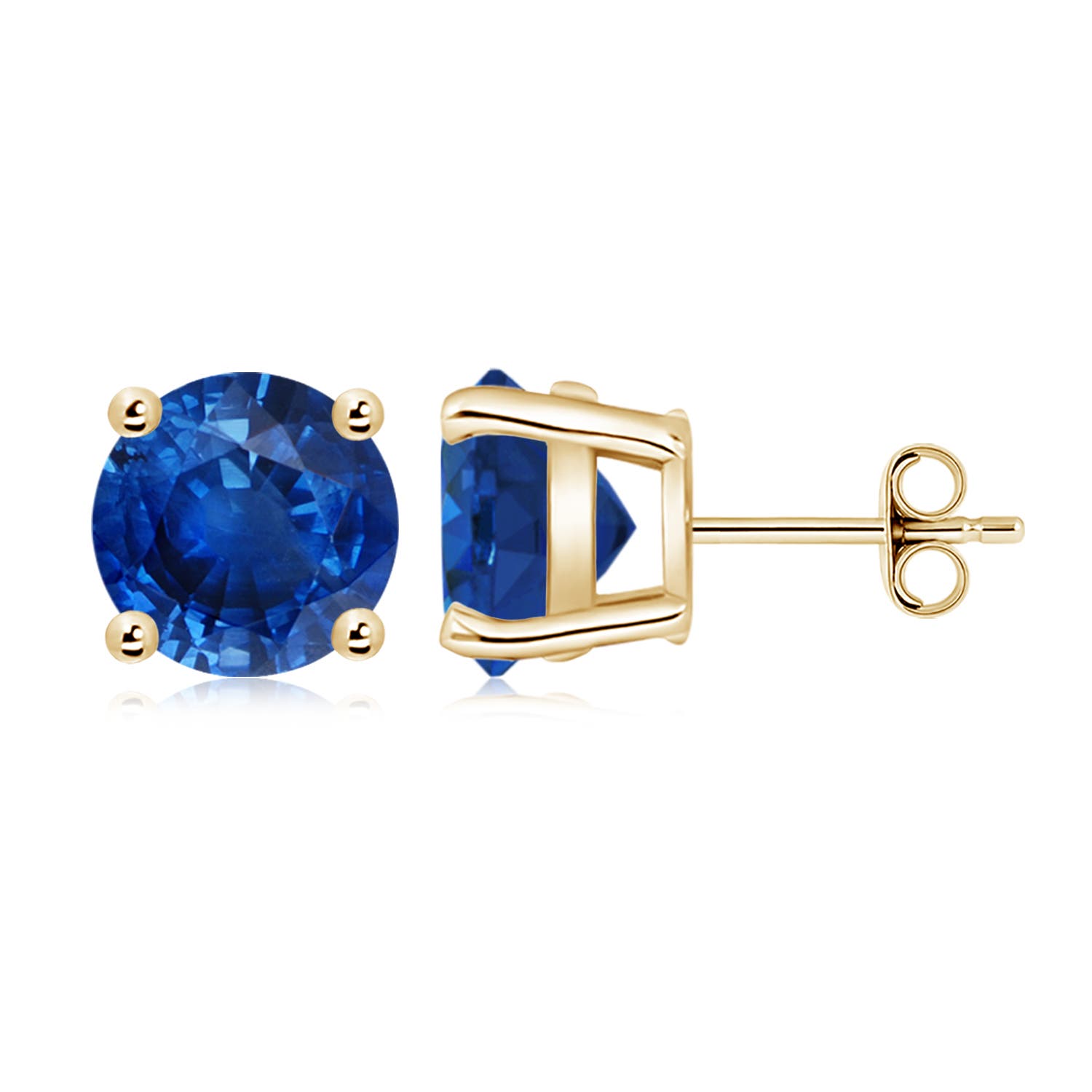
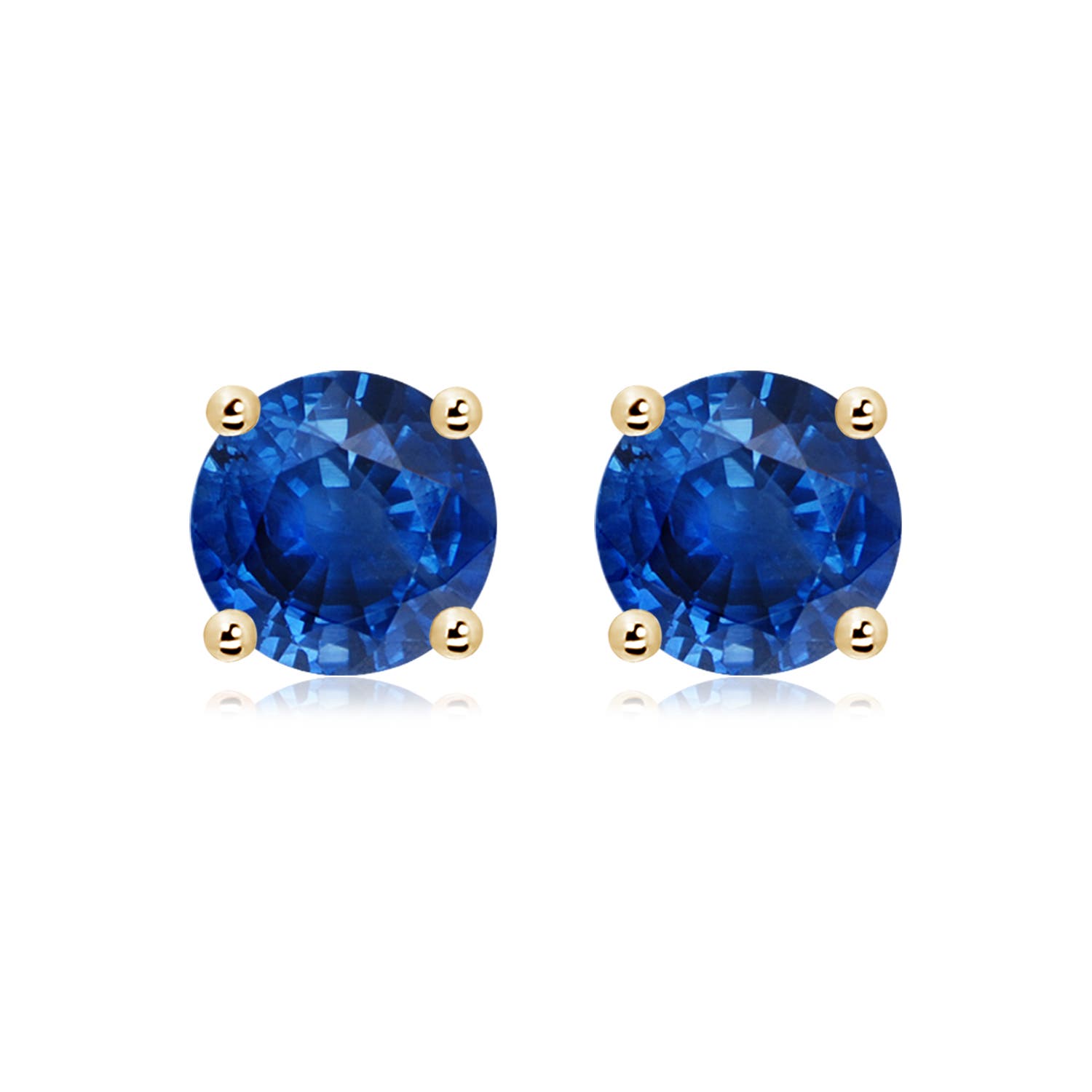
- Round Blue Sapphire Stud Earrings$34,424 $38,249


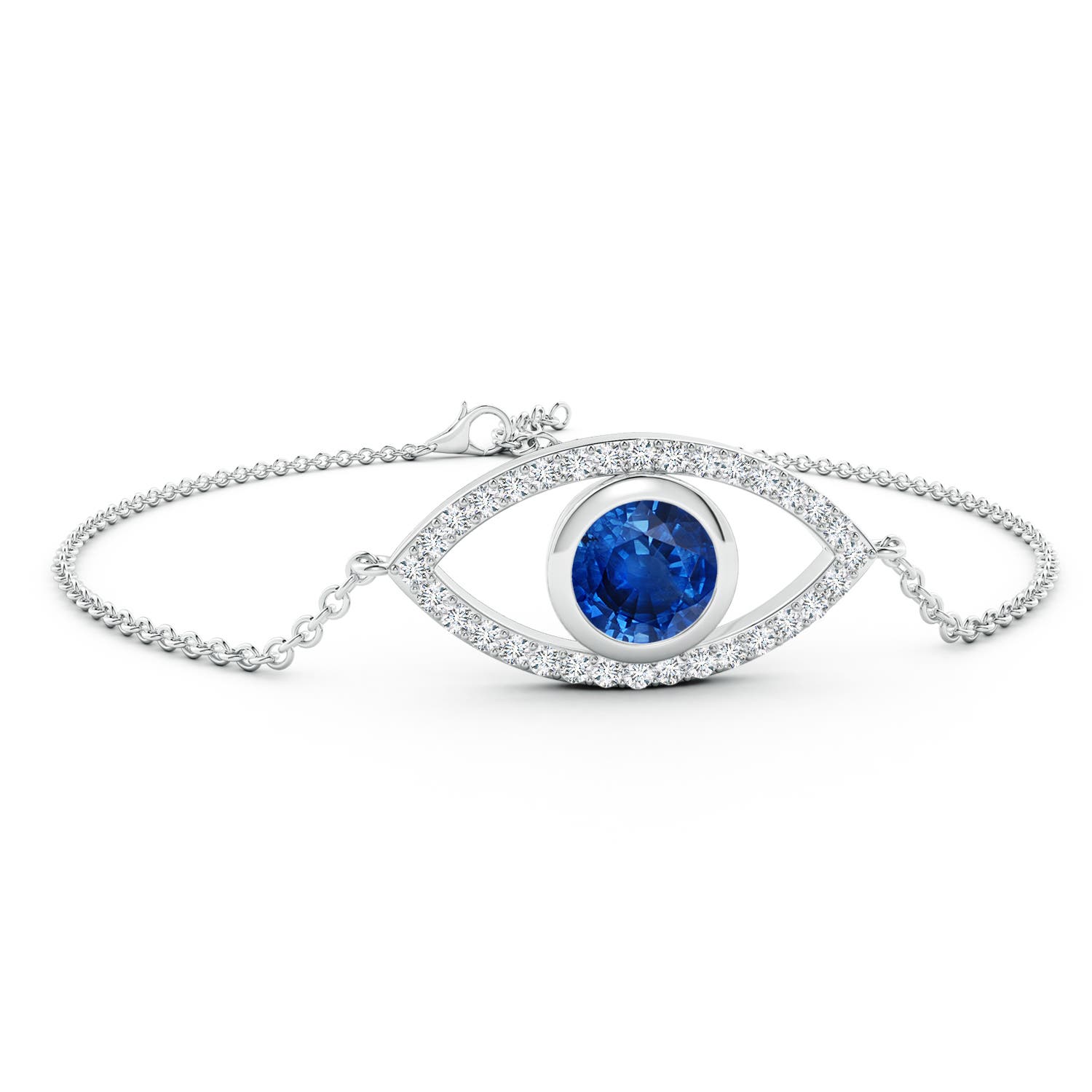
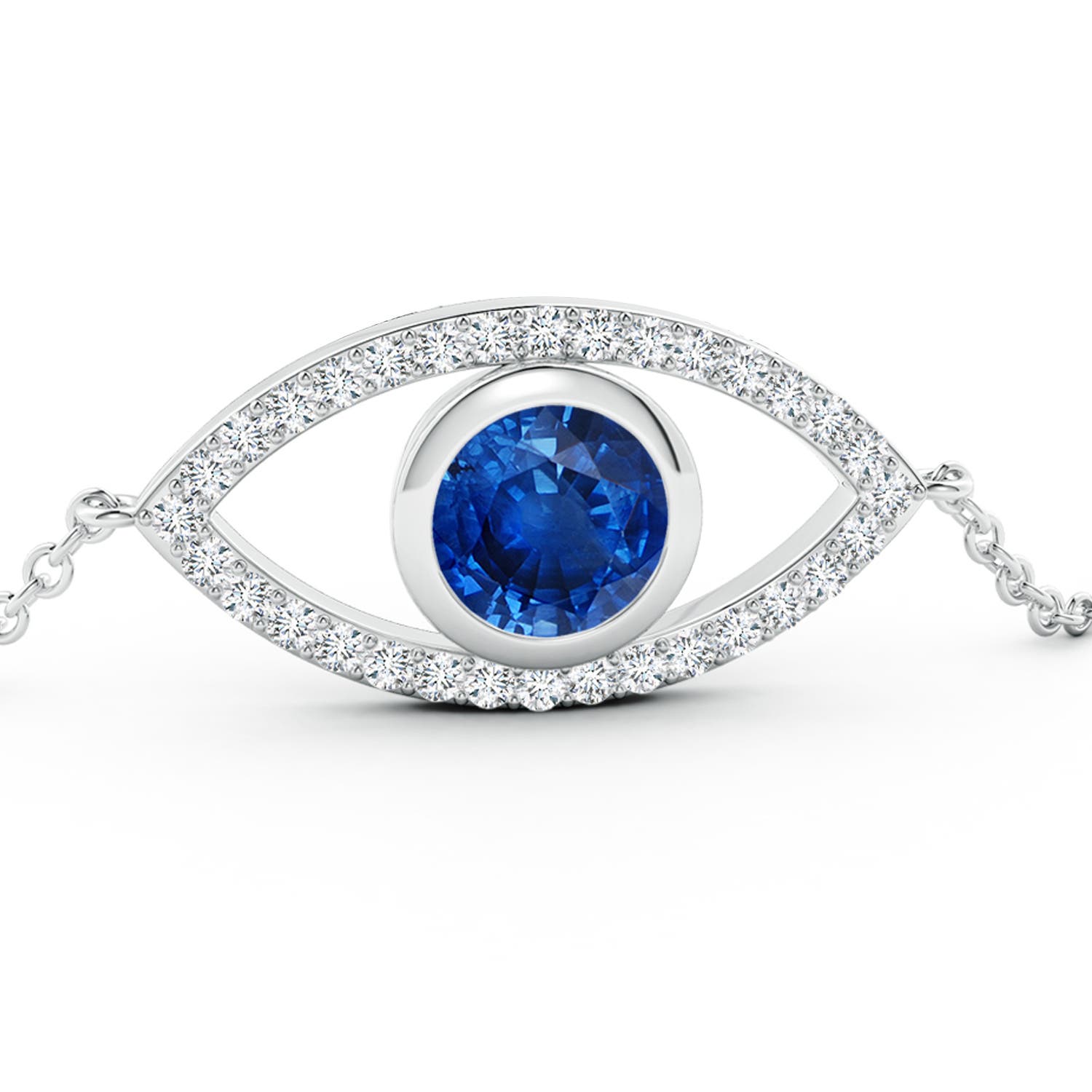
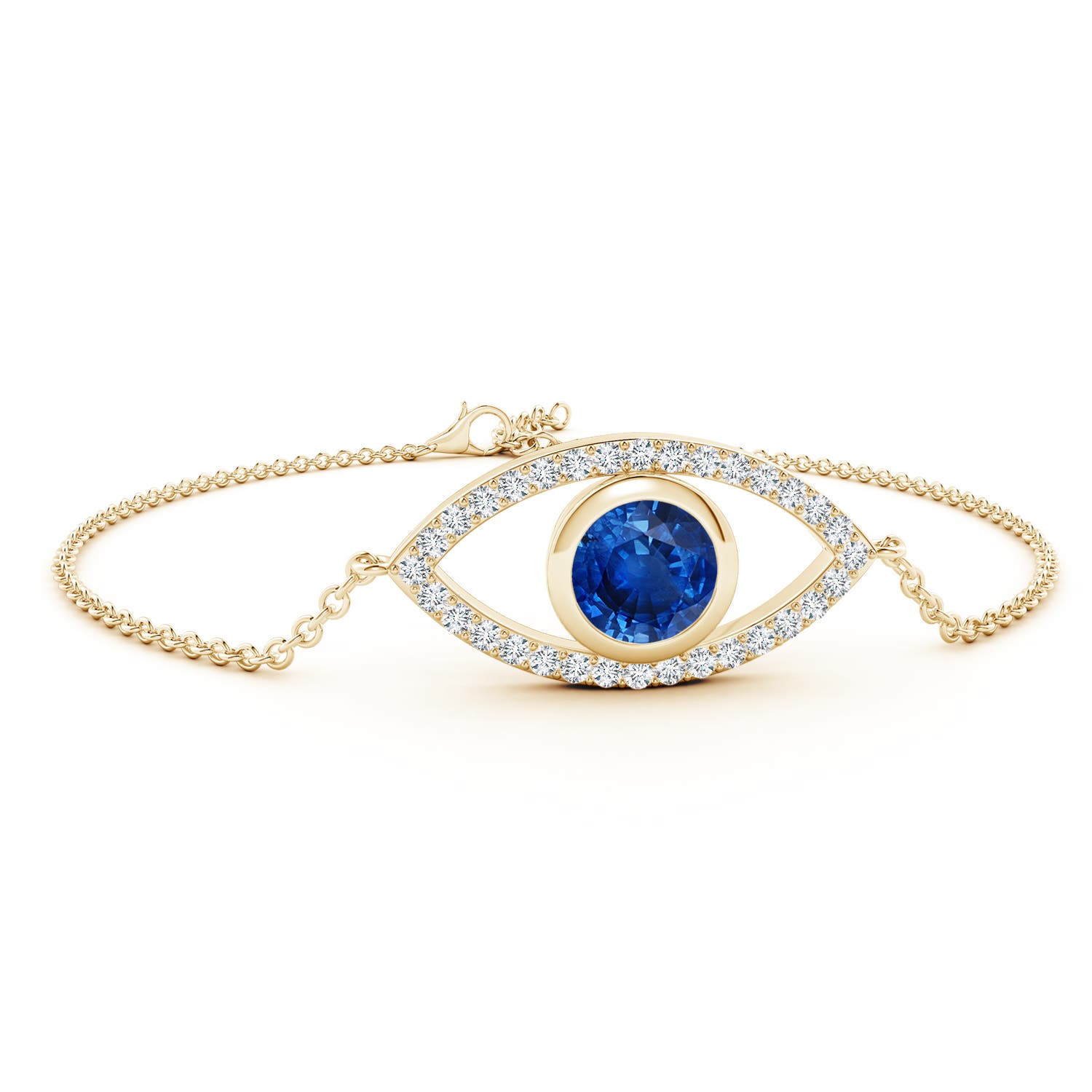
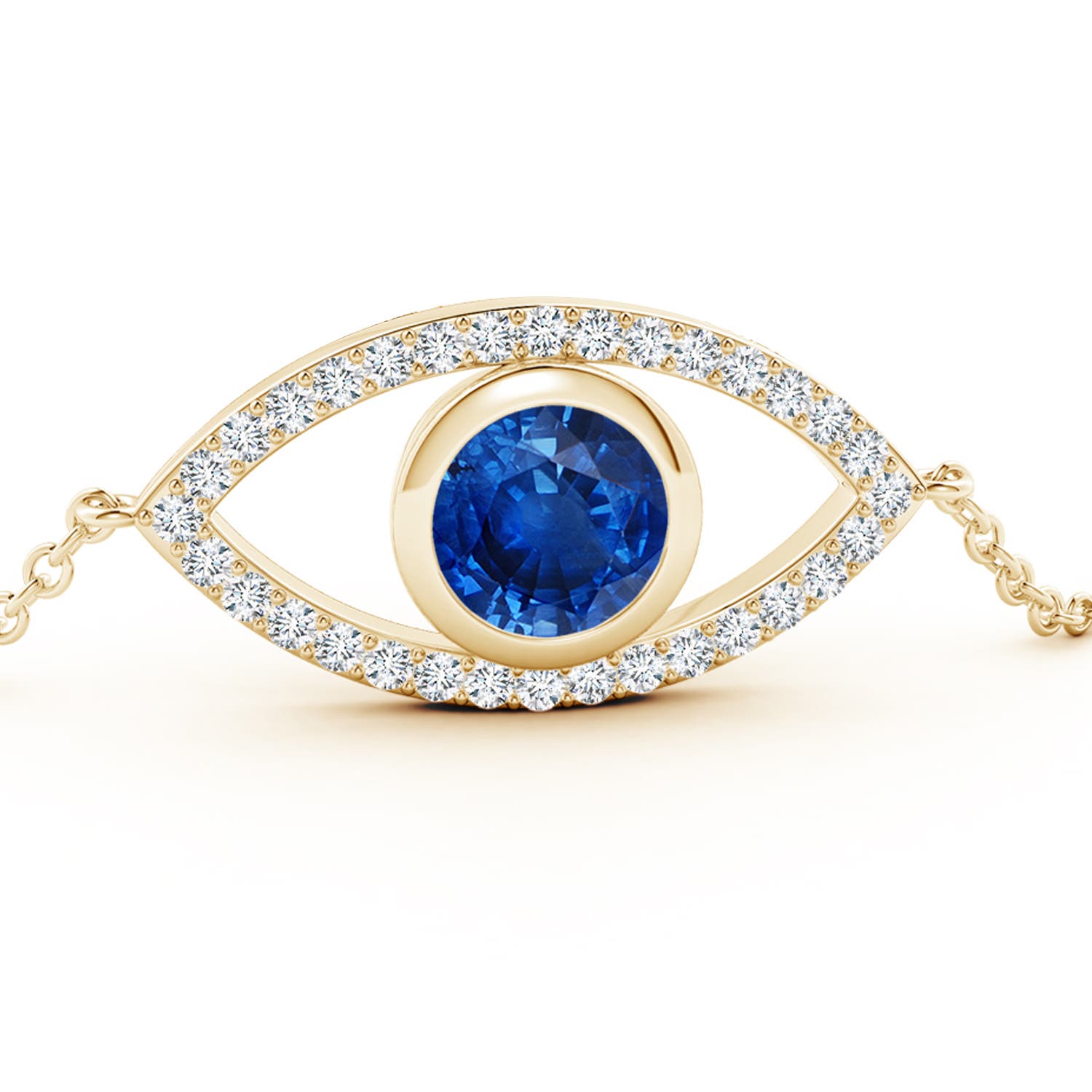
- Bezel-Set Sapphire and Diamond Evil Eye Bracelet$9,647 $10,719


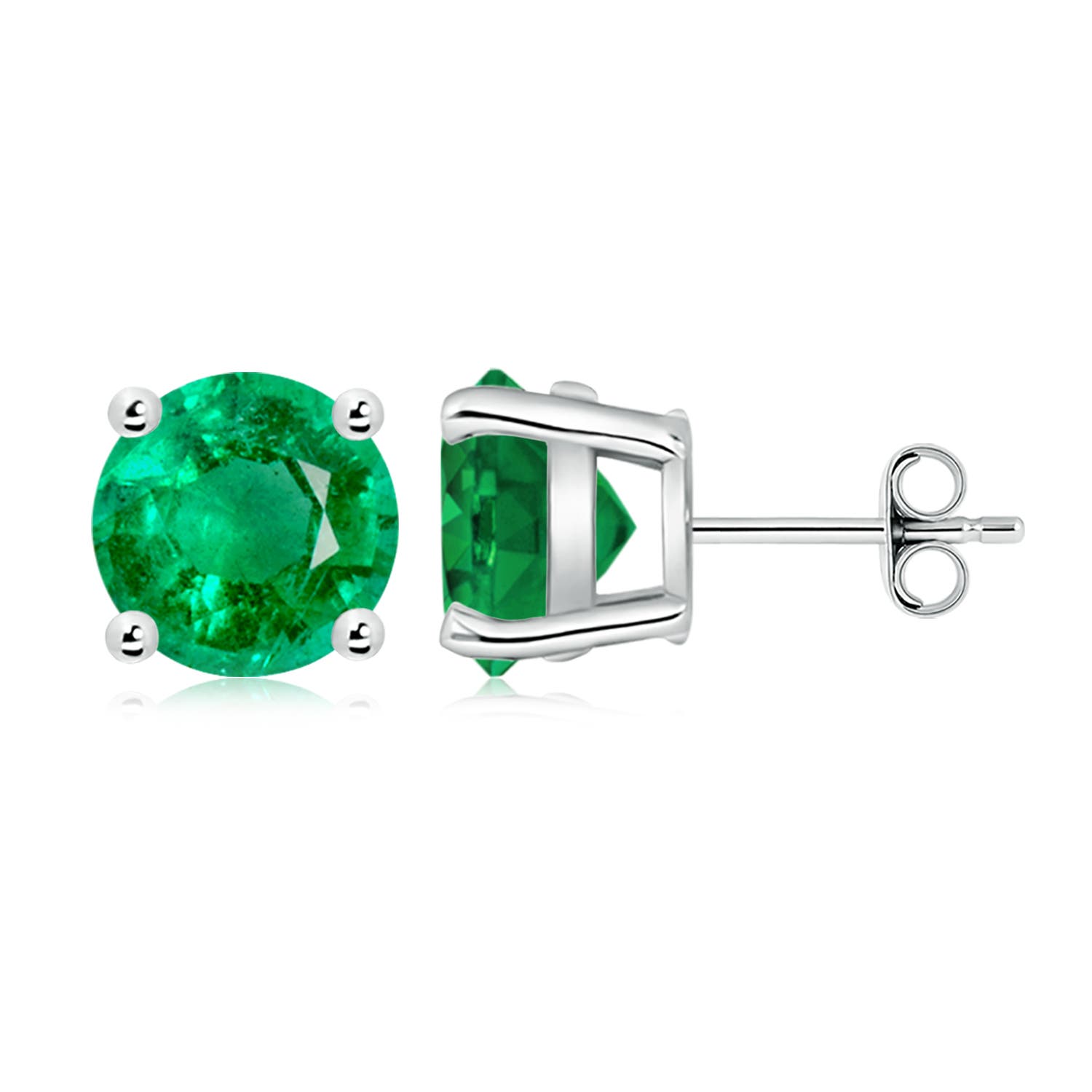
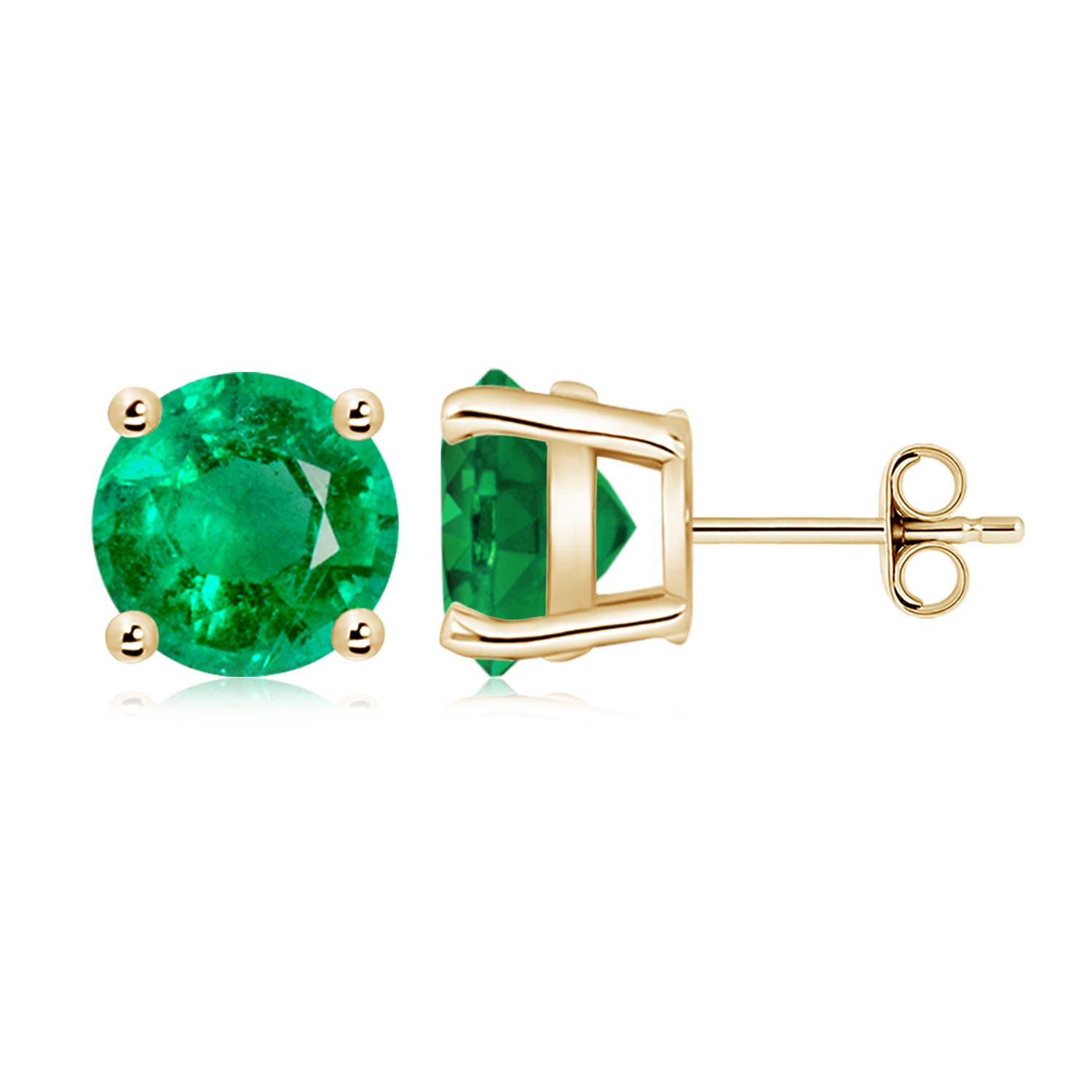
- Round Emerald Stud Earrings$67,031 $74,479


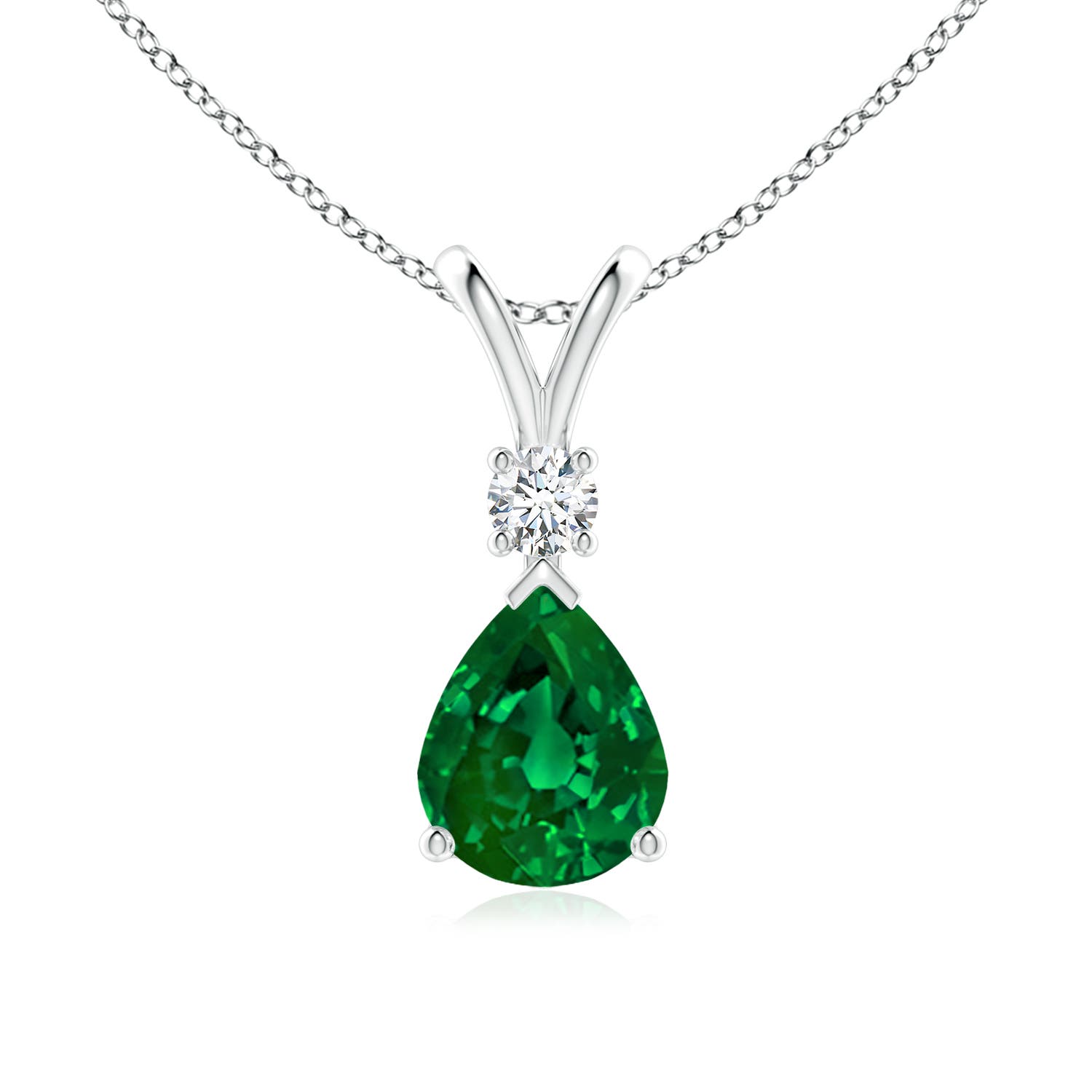
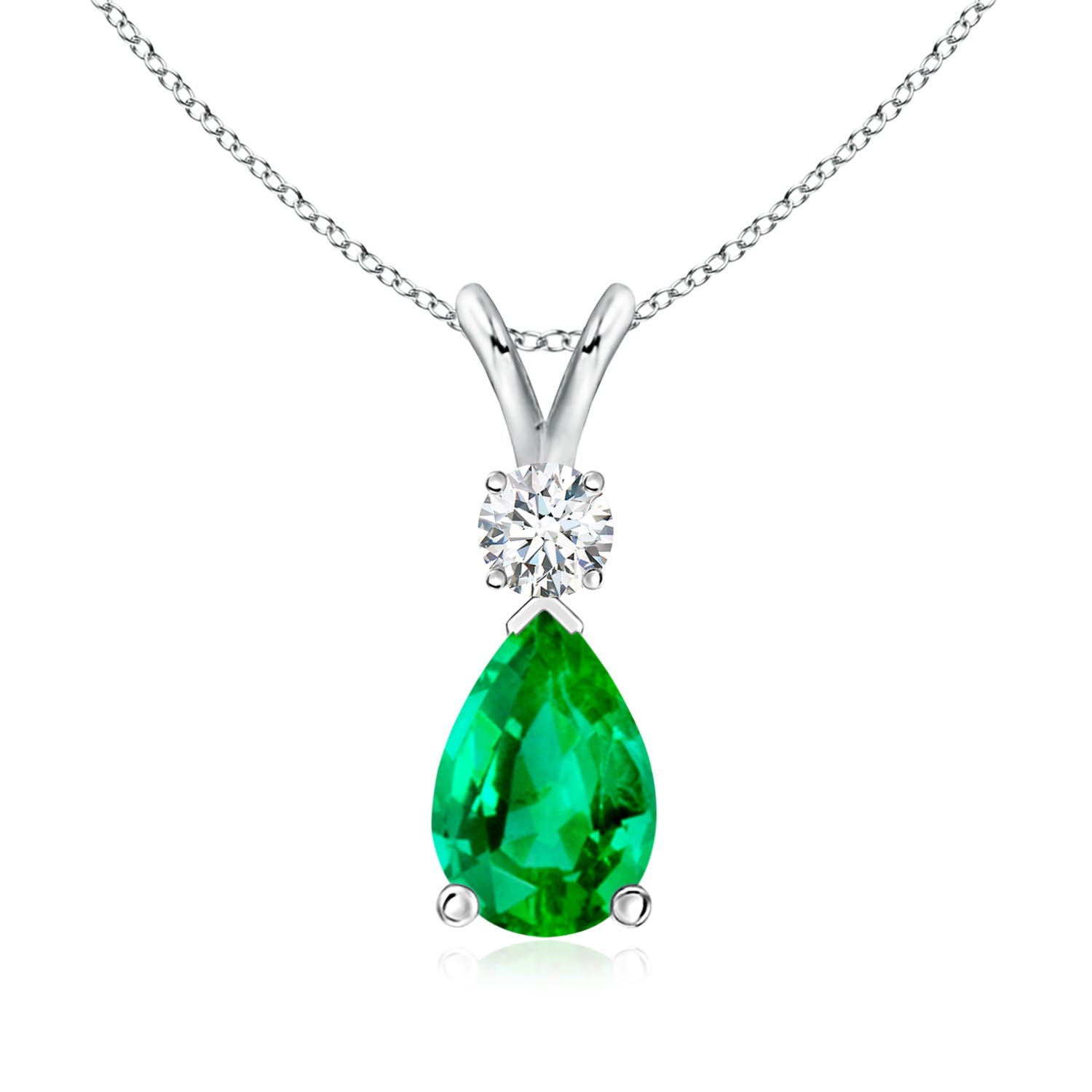
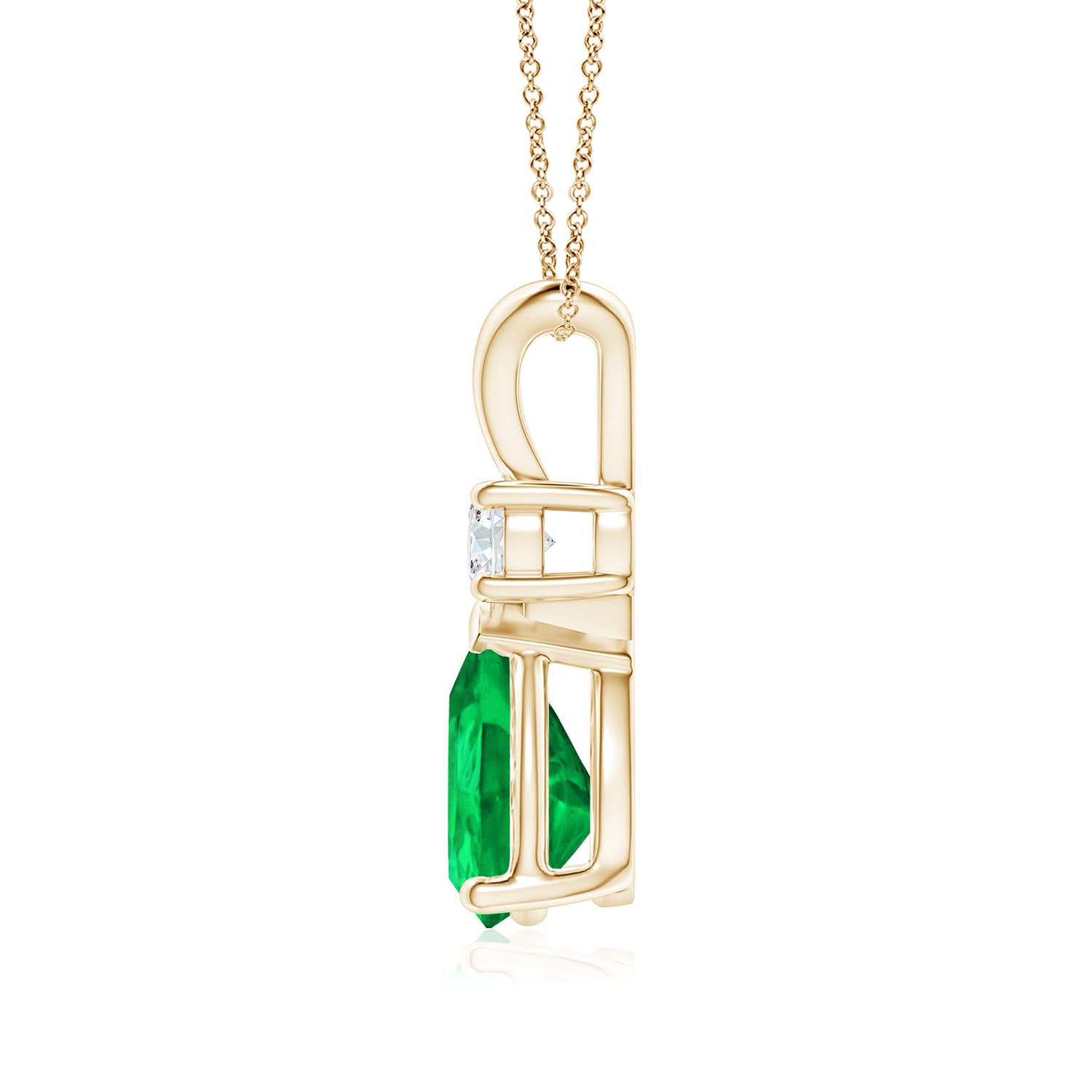
- Prong-Set Emerald Teardrop V-Bale Pendant with Diamond$5,822 $6,469


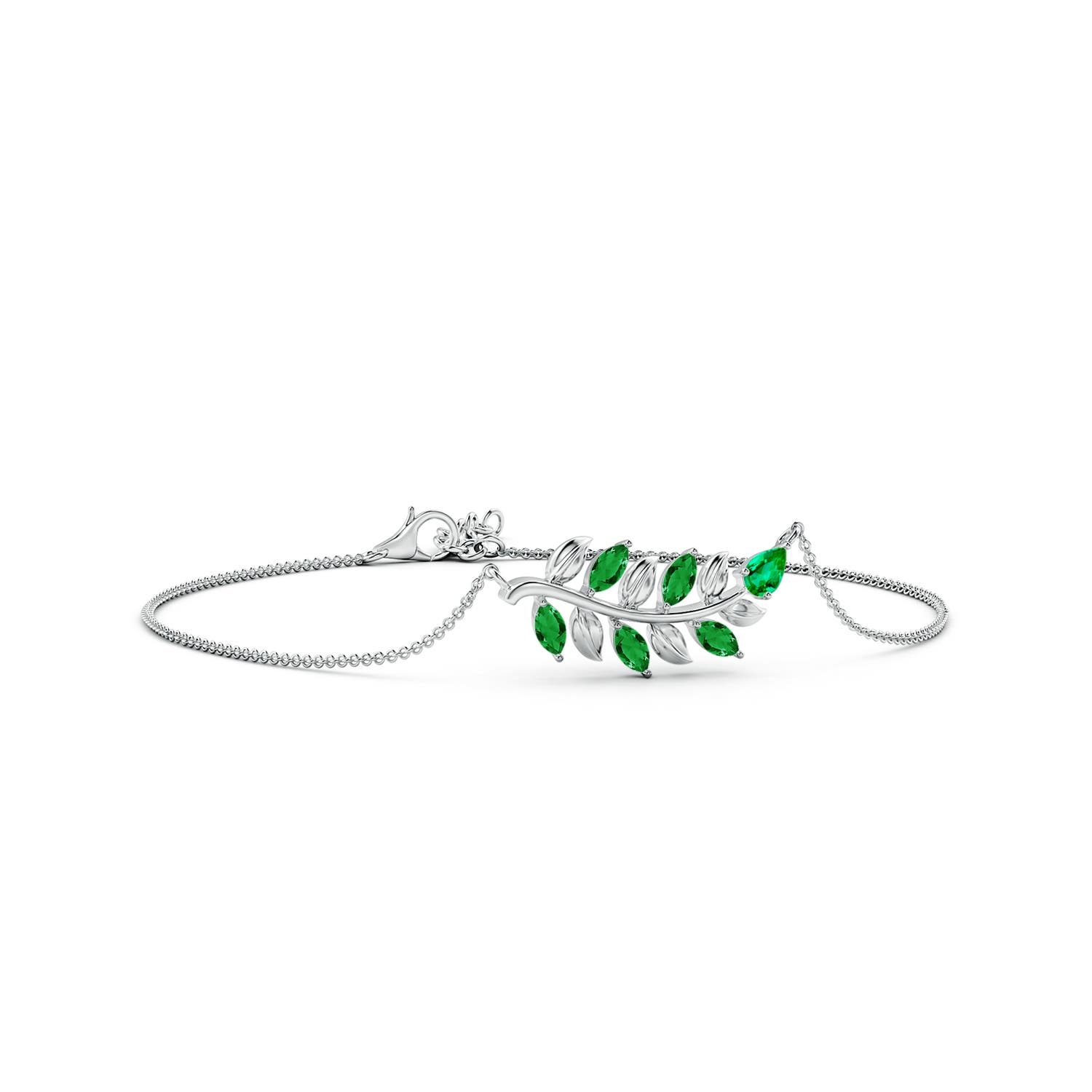
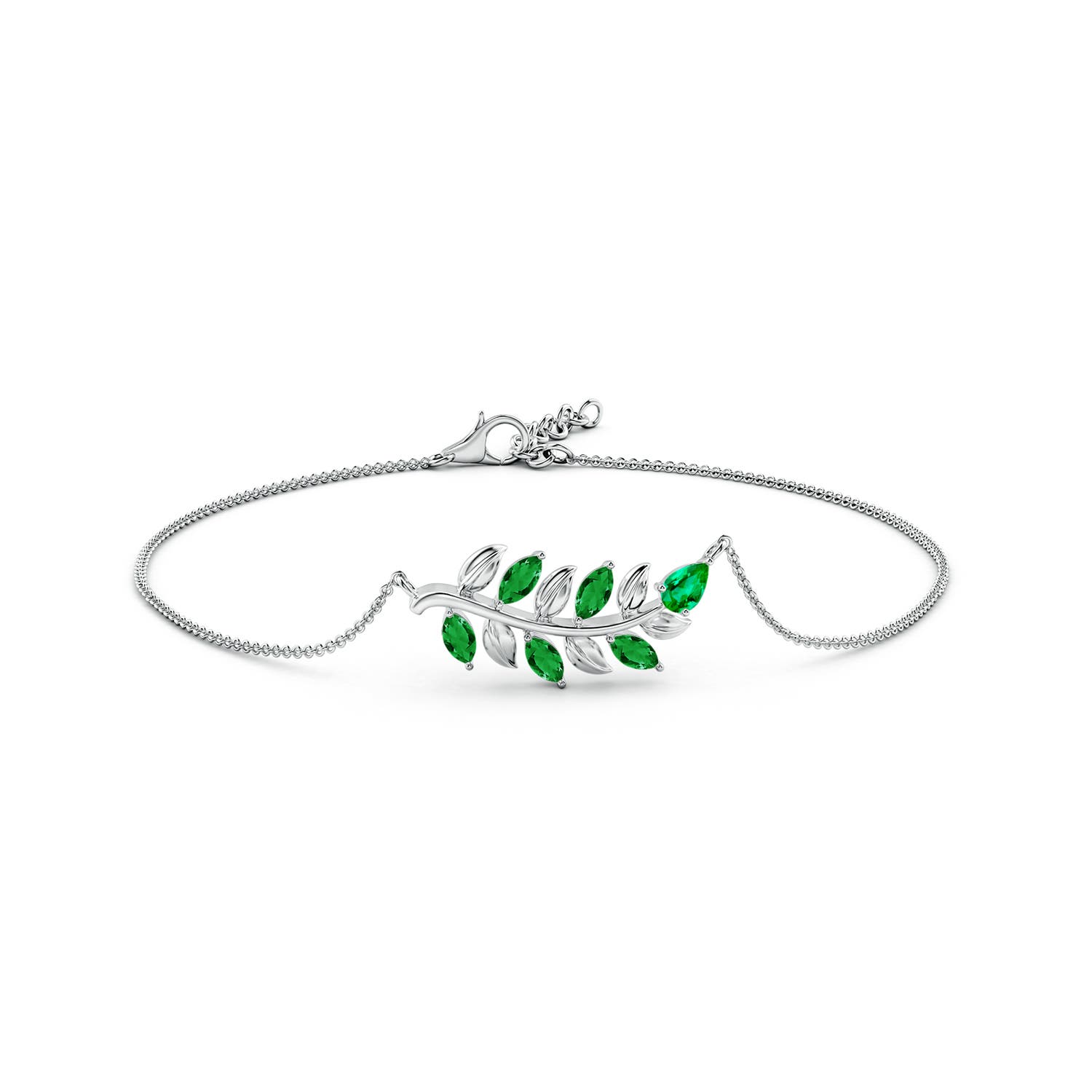
- Pear and Marquise Emerald Olive Branch Bracelet$1,844 $2,049


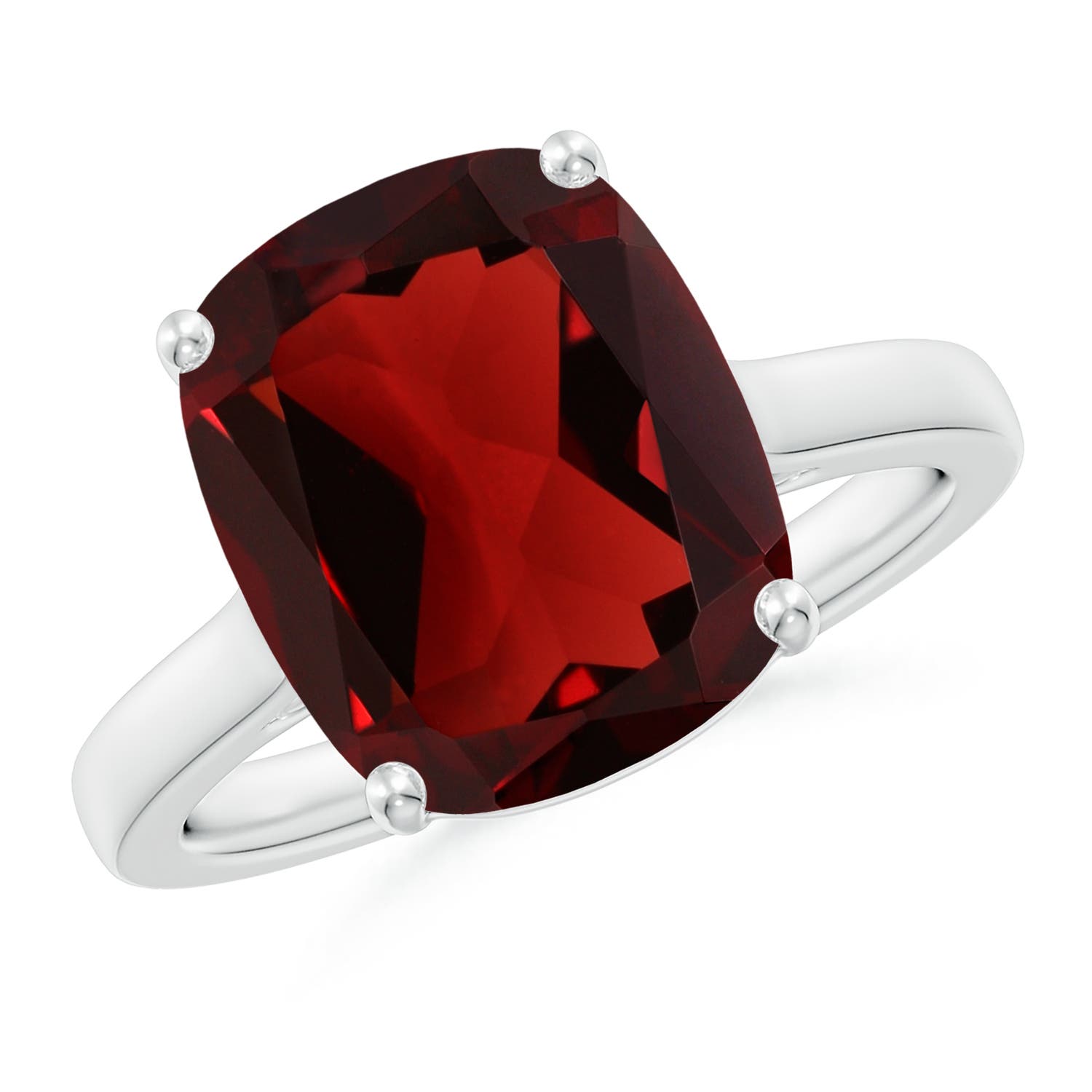
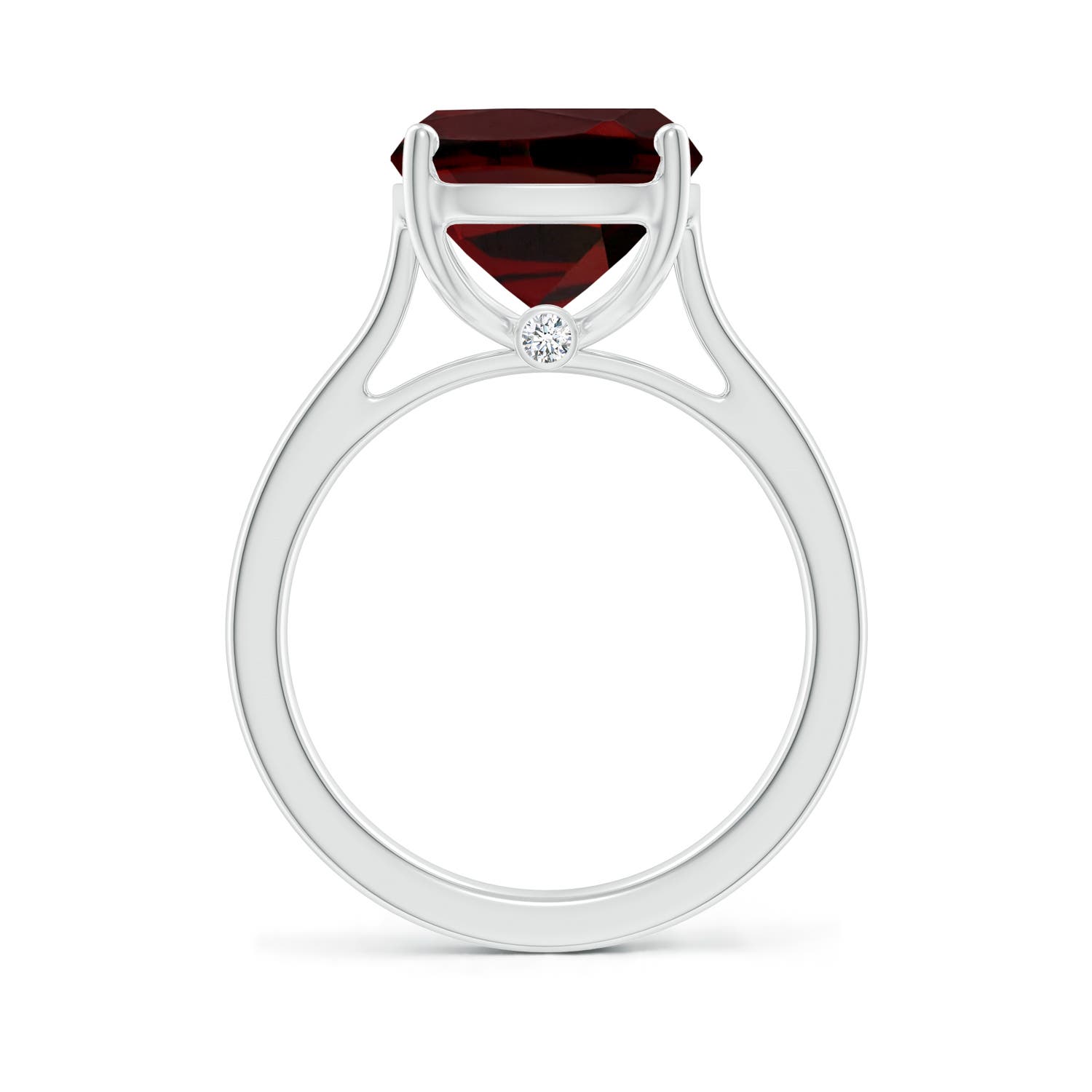
- Classic Cushion Rectangular Garnet Solitaire Ring$1,727 $1,919


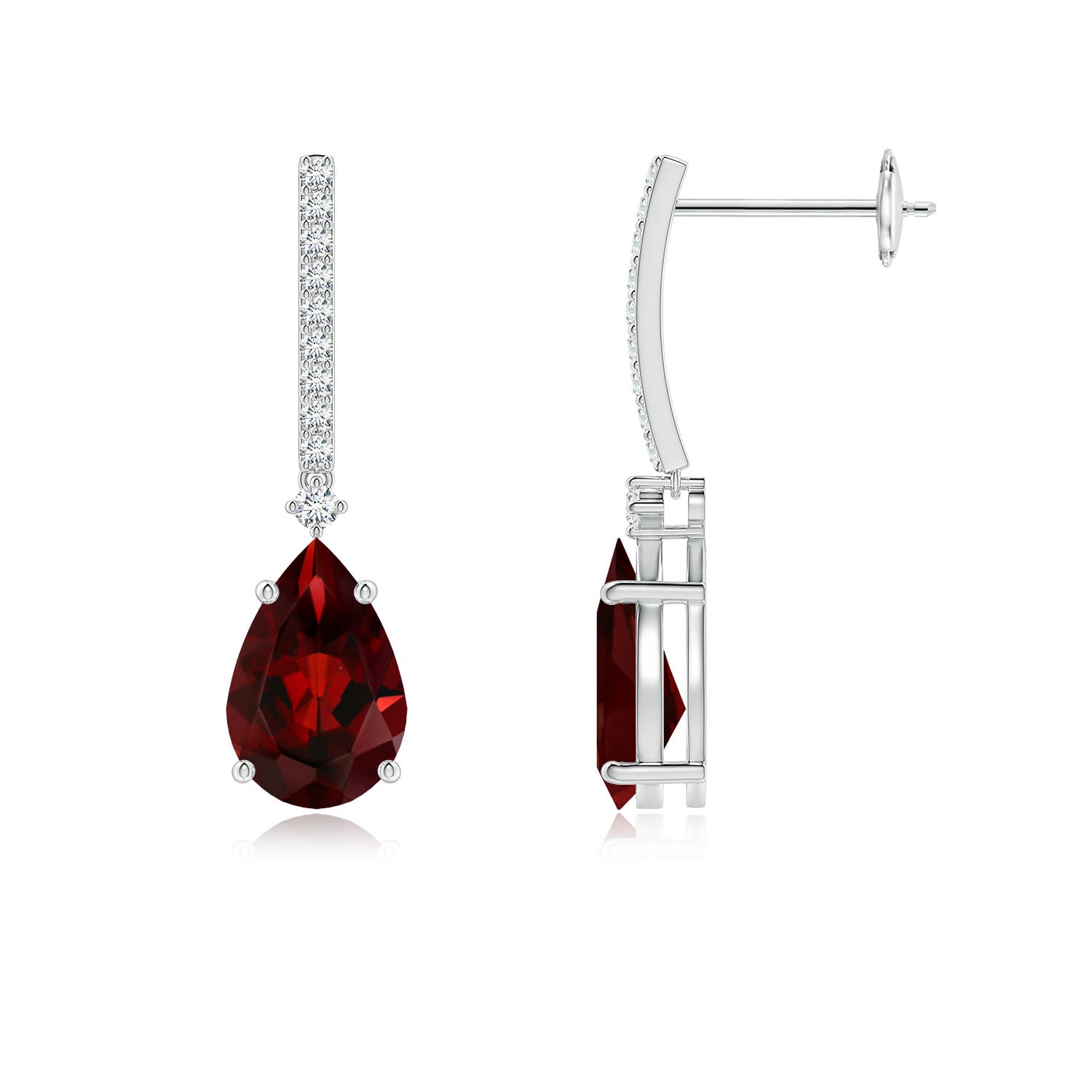
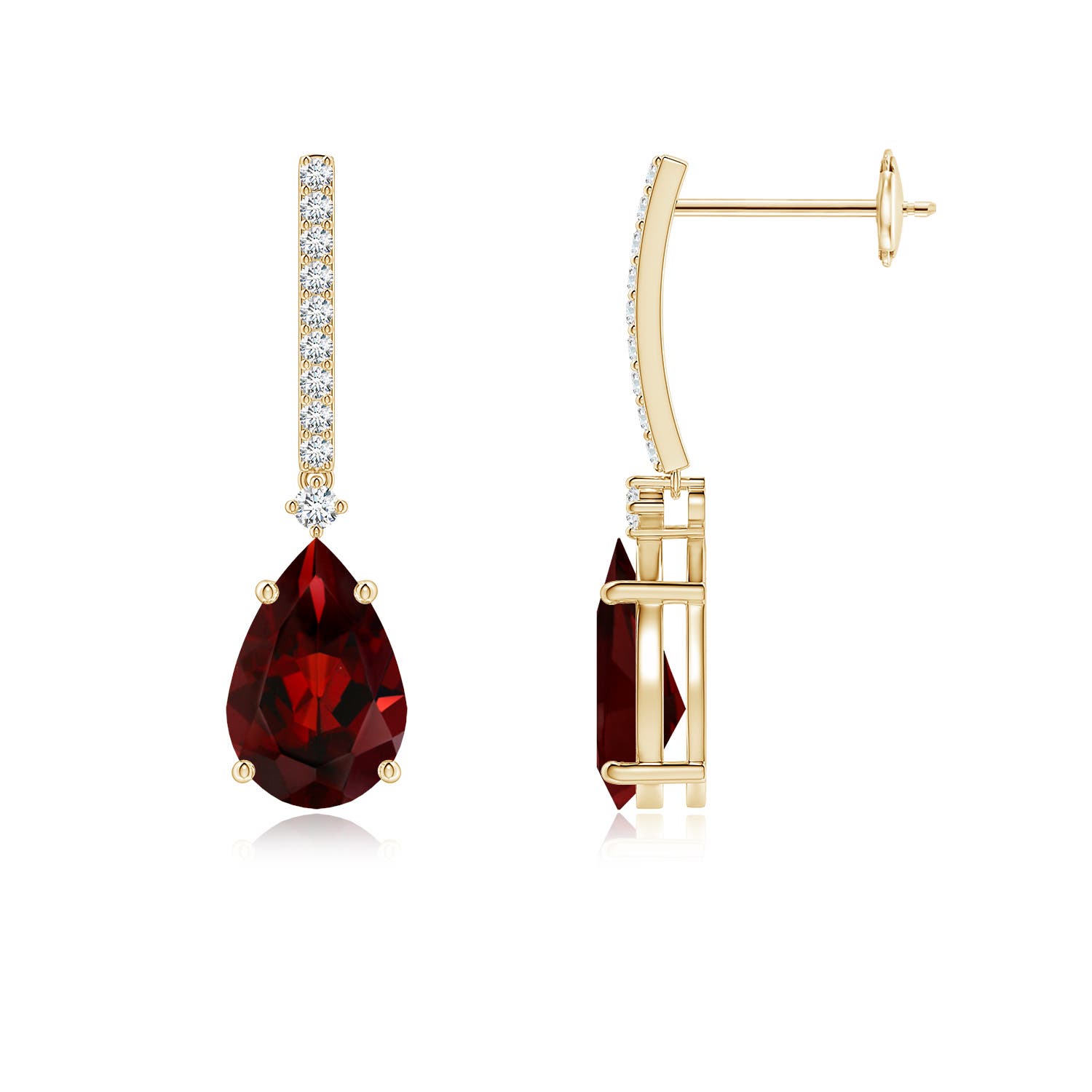
- Solitaire Pear Garnet Drop Earrings with Diamonds$1,331 $1,479

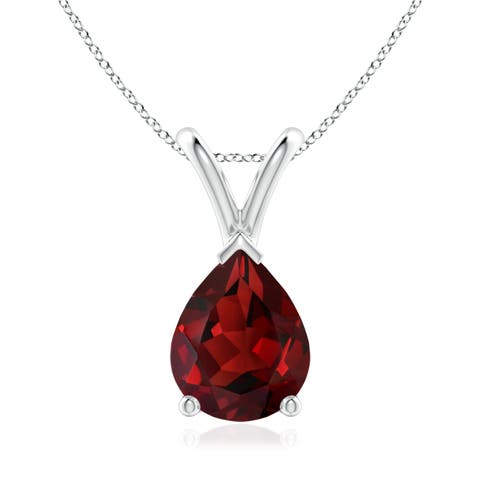
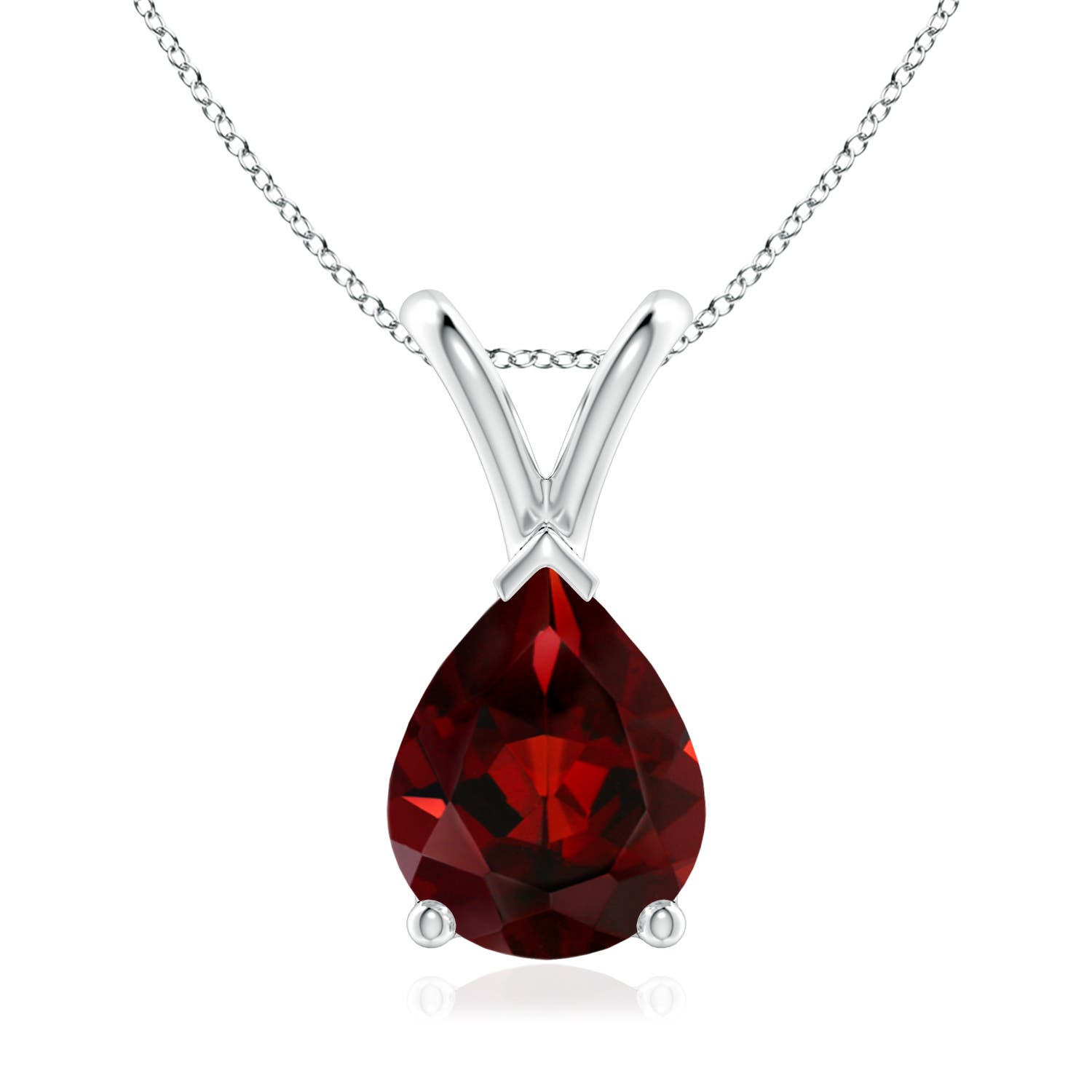
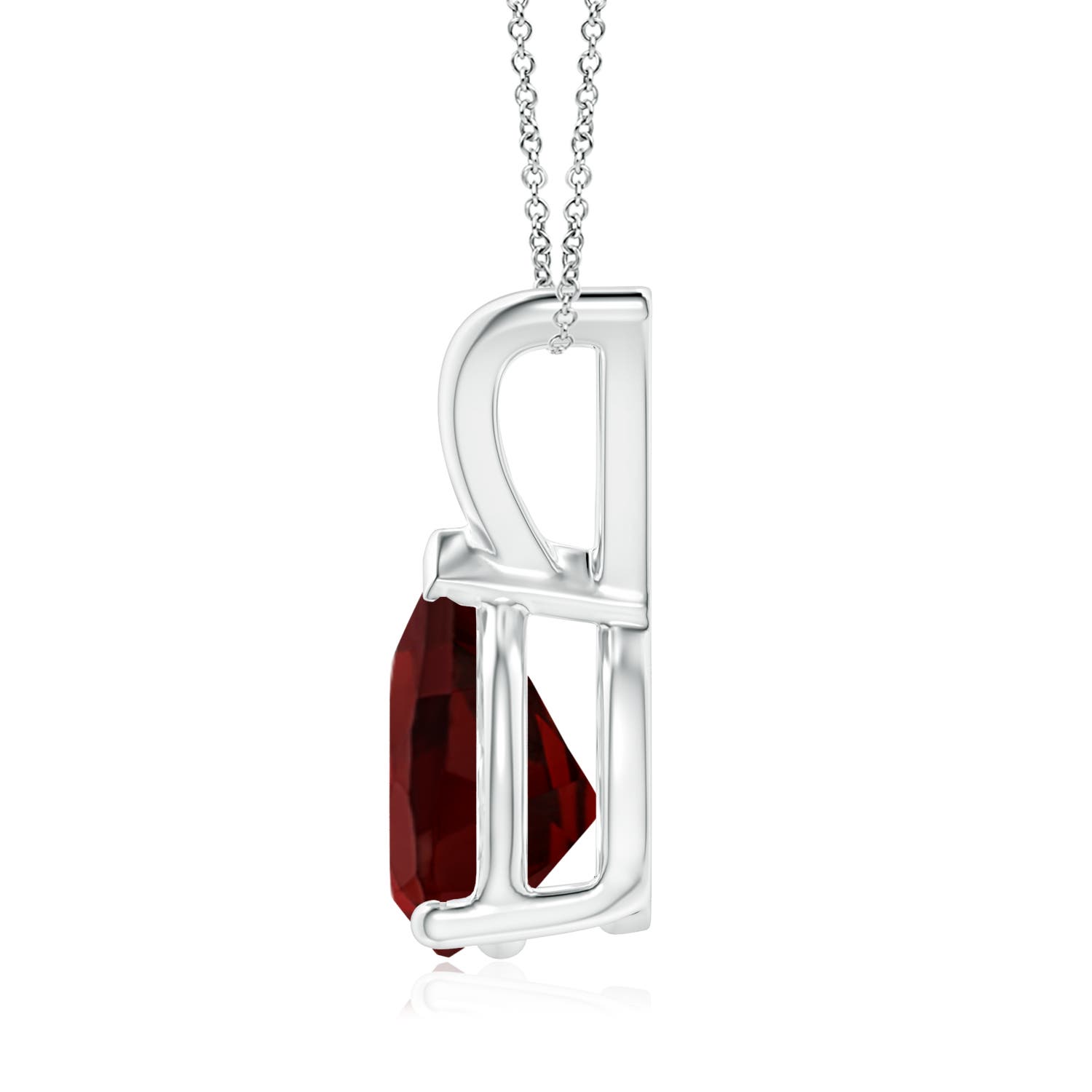
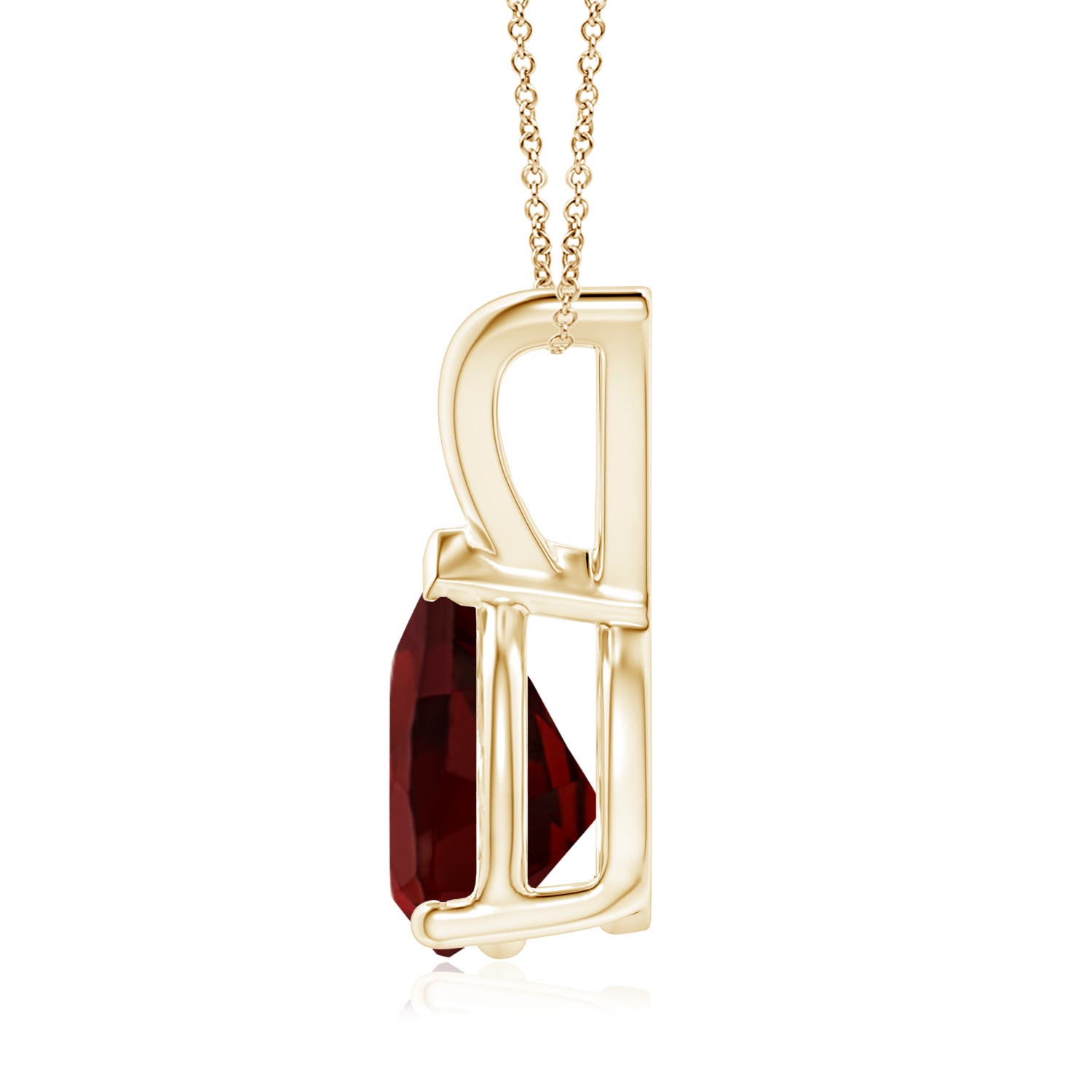
- V-Bale Pear-Shaped Garnet Solitaire Pendant$800 $889


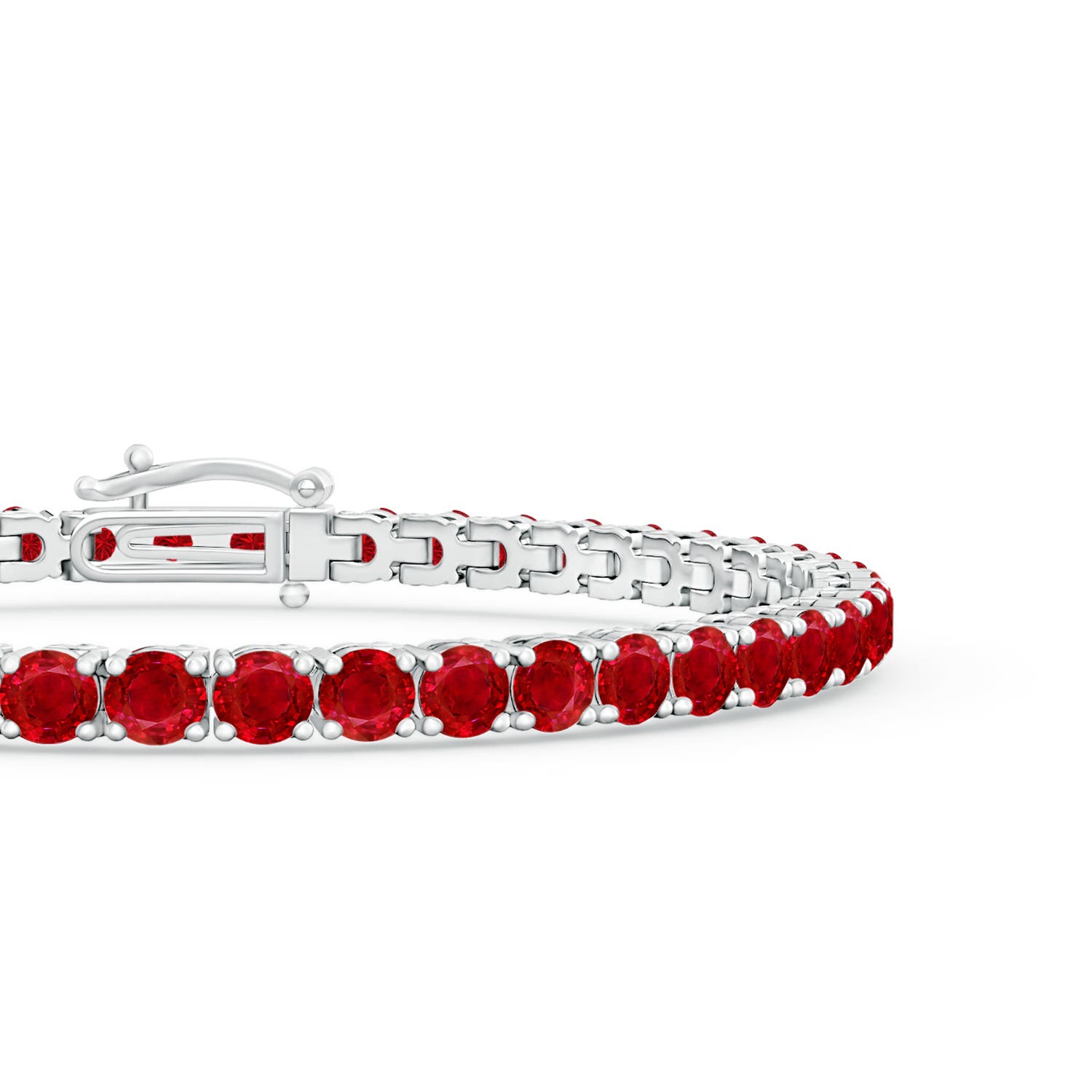
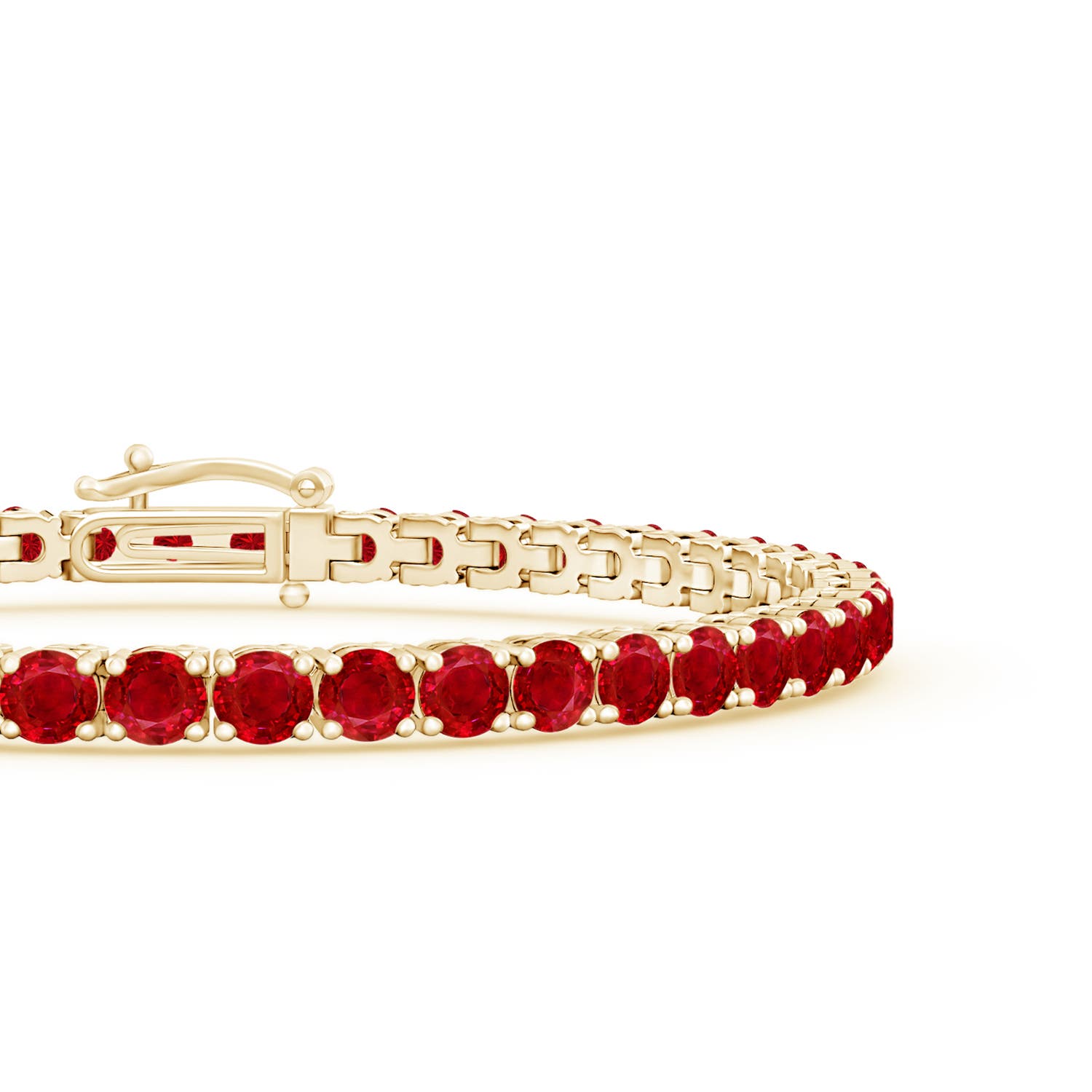
- Prong-Set Round Ruby Eternity Tennis Bracelet$12,752 $14,169





What Is Yellow Gold?
Yellow gold is gold alloyed with copper and silver to maintain its natural, warm, golden tone without surface plating. Because the color comes from the metal itself, it ages consistently without needing a coating to stay true. When readers look up the difference between white gold and yellow gold, it’s often because they want to understand how natural warmth compares to plated brightness.
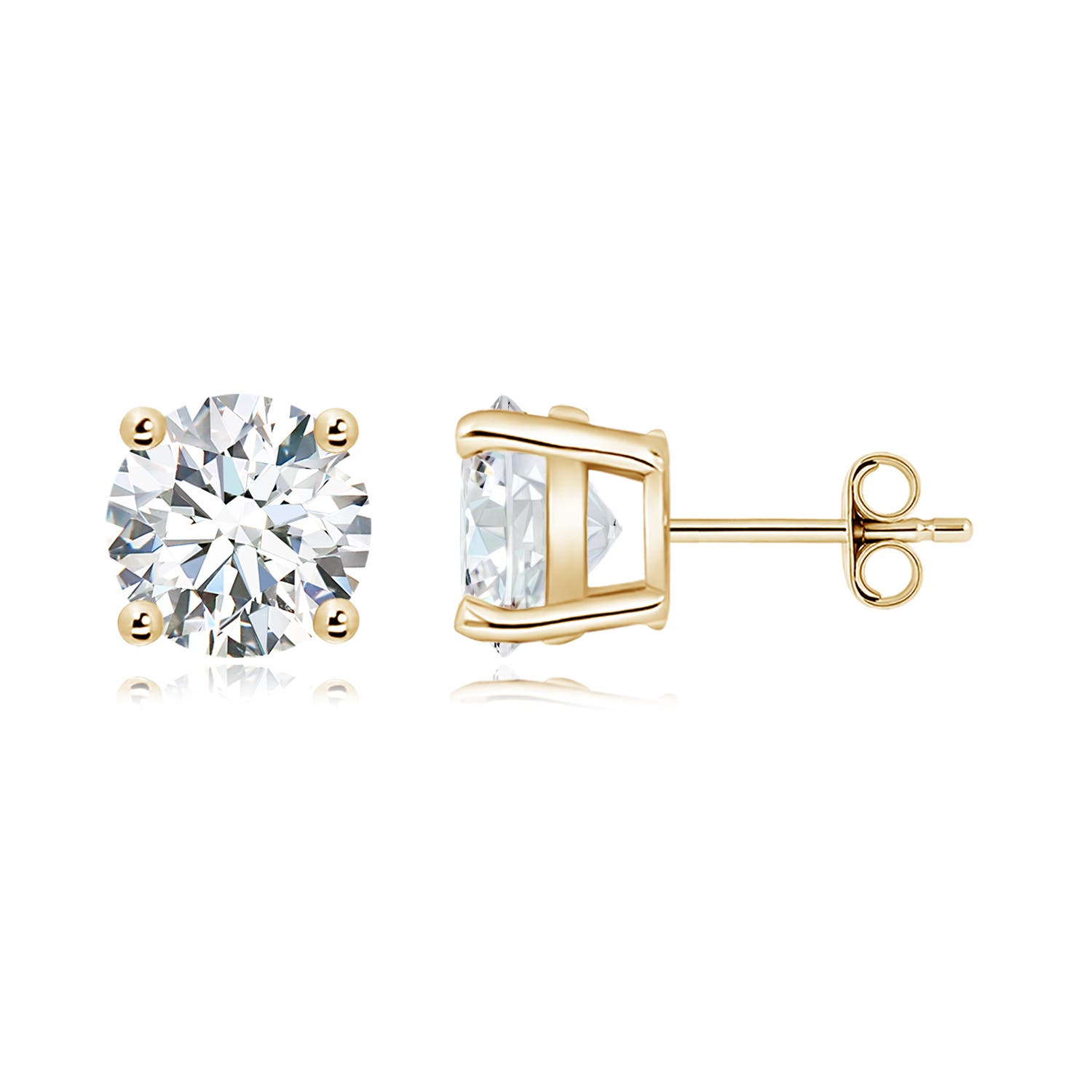
- Lab-Grown Basket-Set Solitaire Diamond Stud Earrings$3,446 $3,829


- Prong-Set Round Lab-Grown Diamond Solitaire V-Bale Pendant$5,003 $5,559


- Lab-Grown Classic Round Diamond Tennis Bracelet$5,957 $6,619


- Lab-Grown Princess Diana Inspired Blue Sapphire Engagement Ring with Lab Diamond Halo$3,293 $3,659


- Round Blue Sapphire Stud Earrings$34,424 $38,249


- Bezel-Set Sapphire and Diamond Evil Eye Bracelet$9,647 $10,719


- Round Emerald Stud Earrings$67,031 $74,479


- Prong-Set Emerald Teardrop V-Bale Pendant with Diamond$5,822 $6,469


- Pear and Marquise Emerald Olive Branch Bracelet$1,844 $2,049


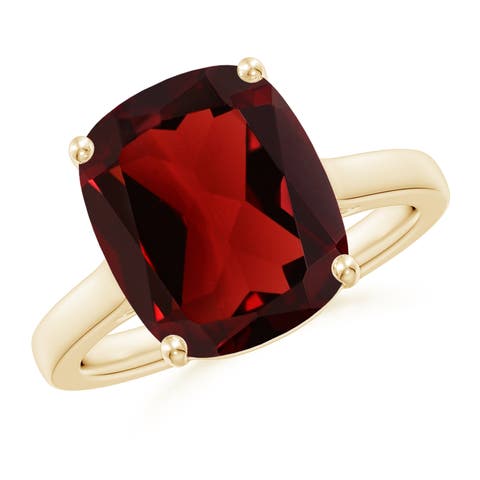
- Classic Cushion Rectangular Garnet Solitaire Ring$1,727 $1,919
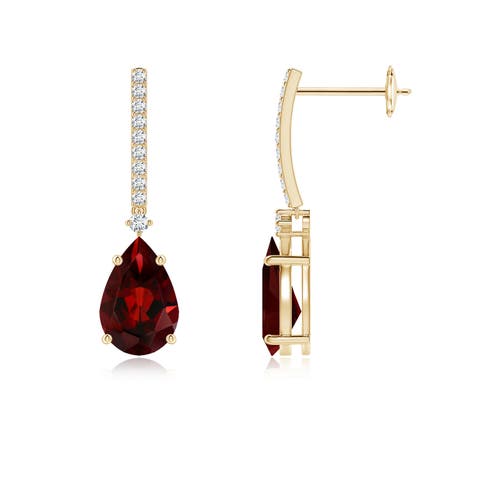
- Solitaire Pear Garnet Drop Earrings with Diamonds$1,331 $1,479
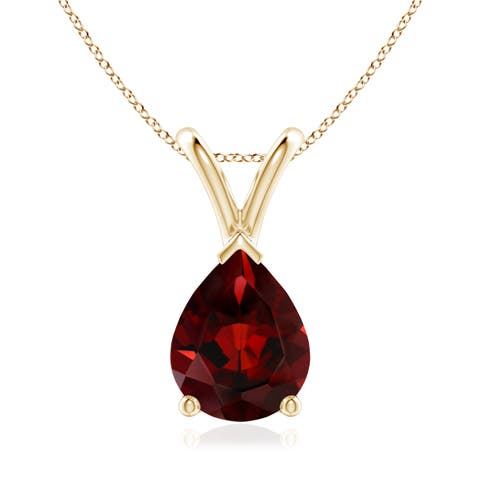
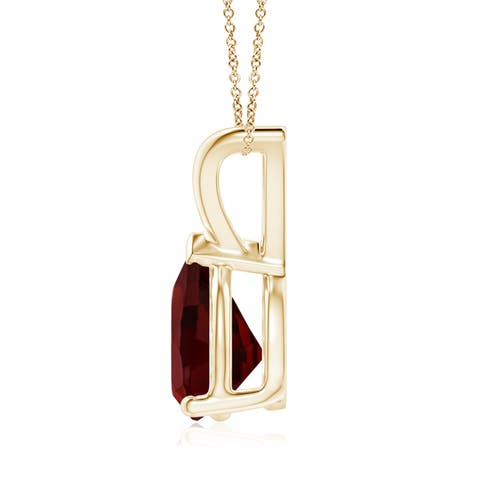
- V-Bale Pear-Shaped Garnet Solitaire Pendant$800 $889
- Prong-Set Round Ruby Eternity Tennis Bracelet$12,752 $14,169





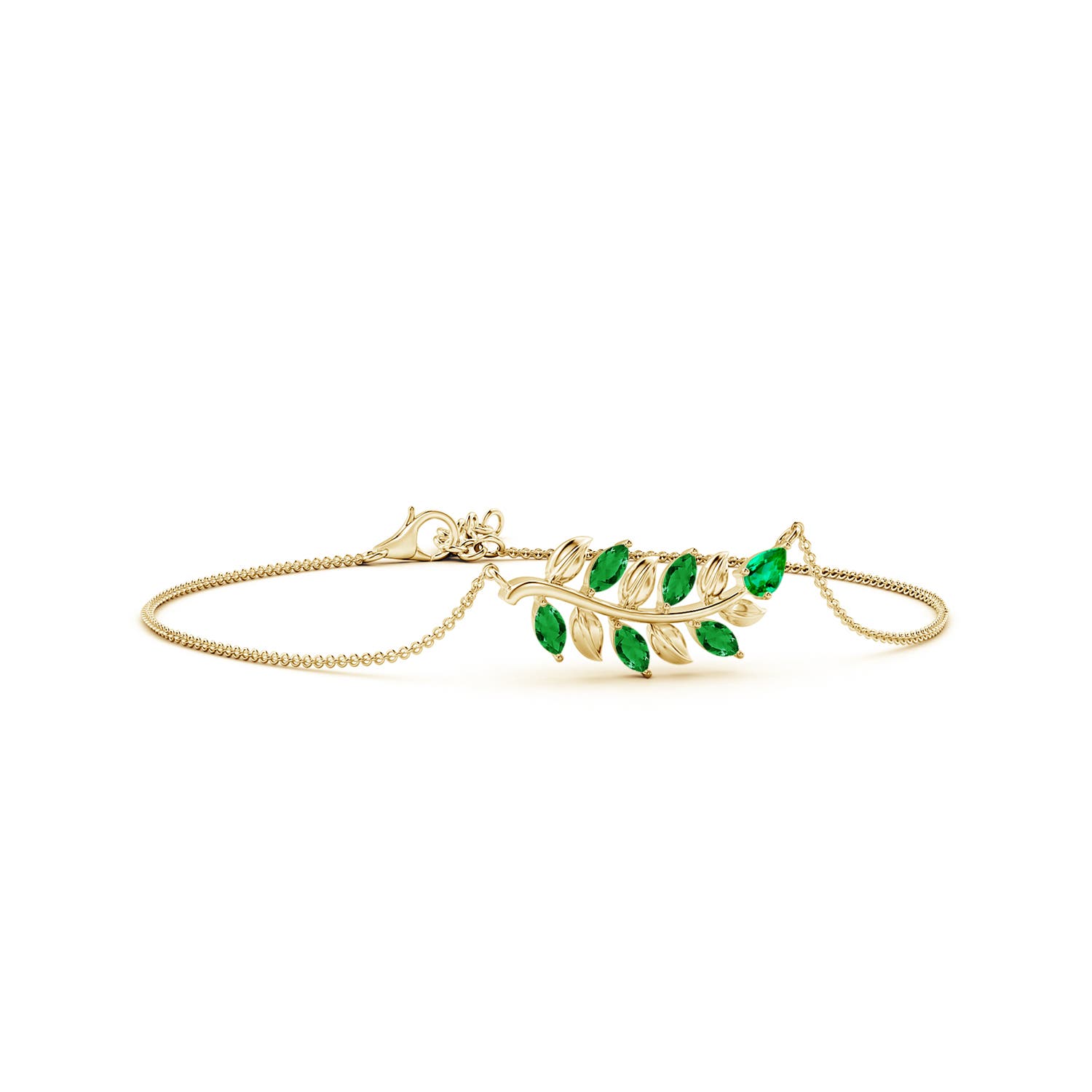
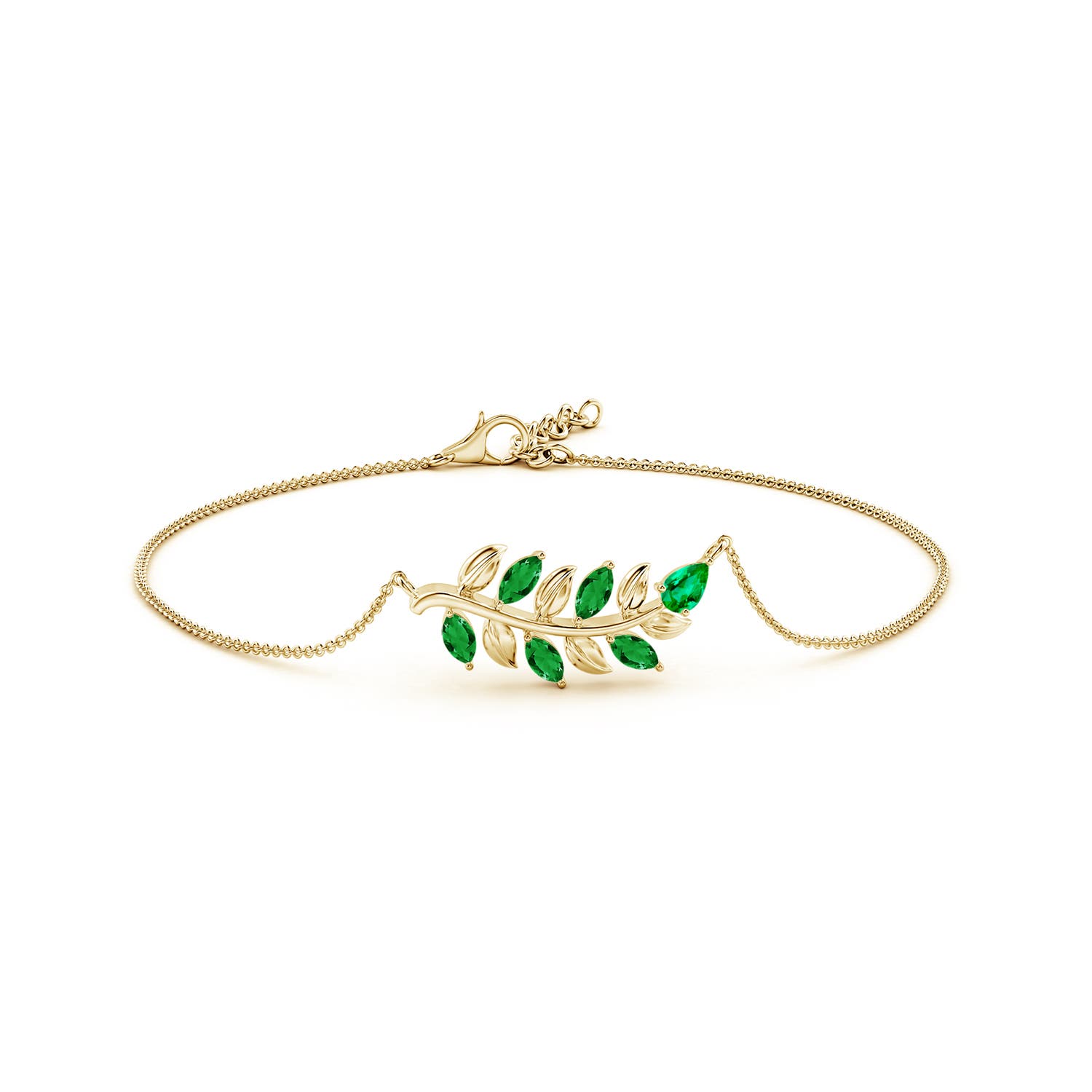
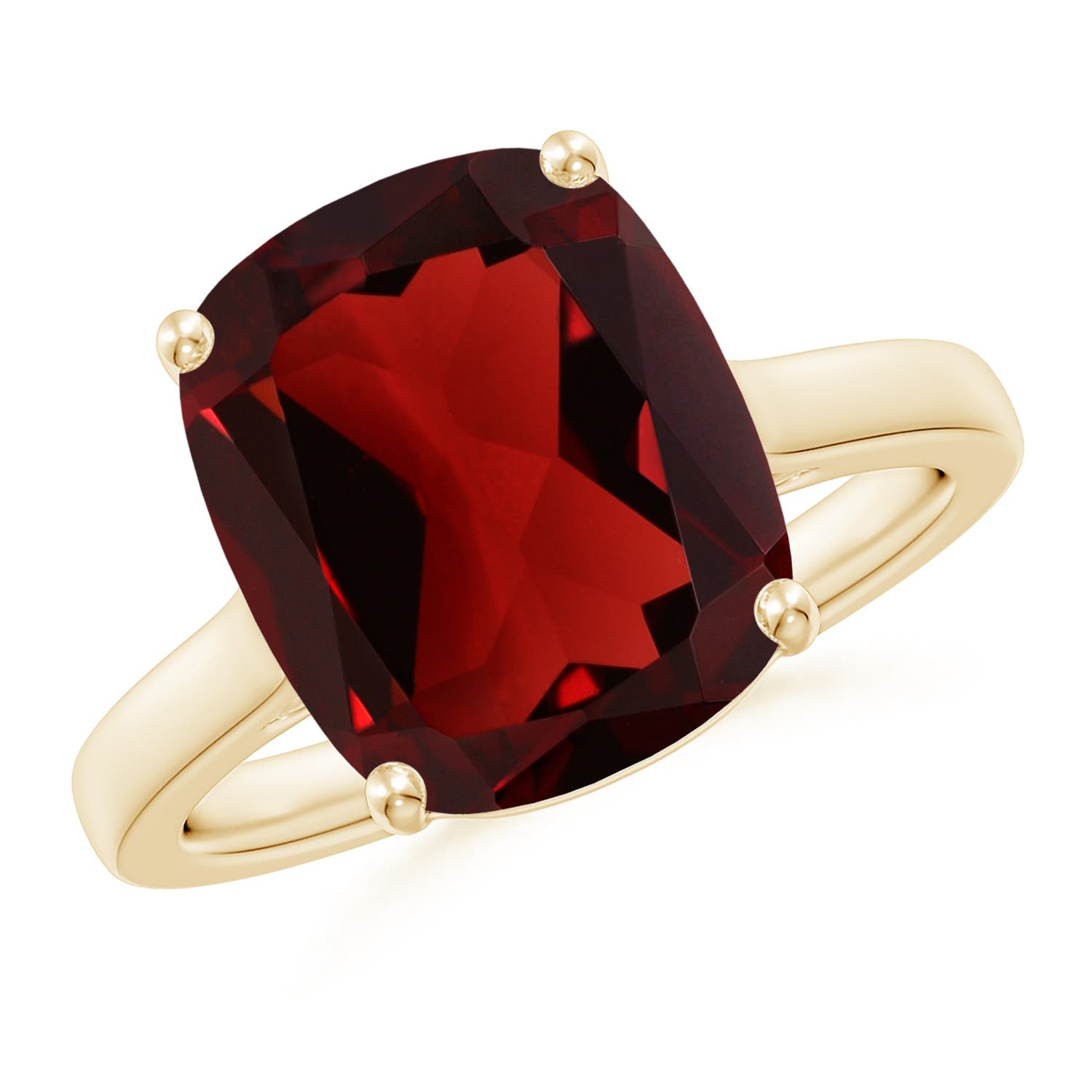
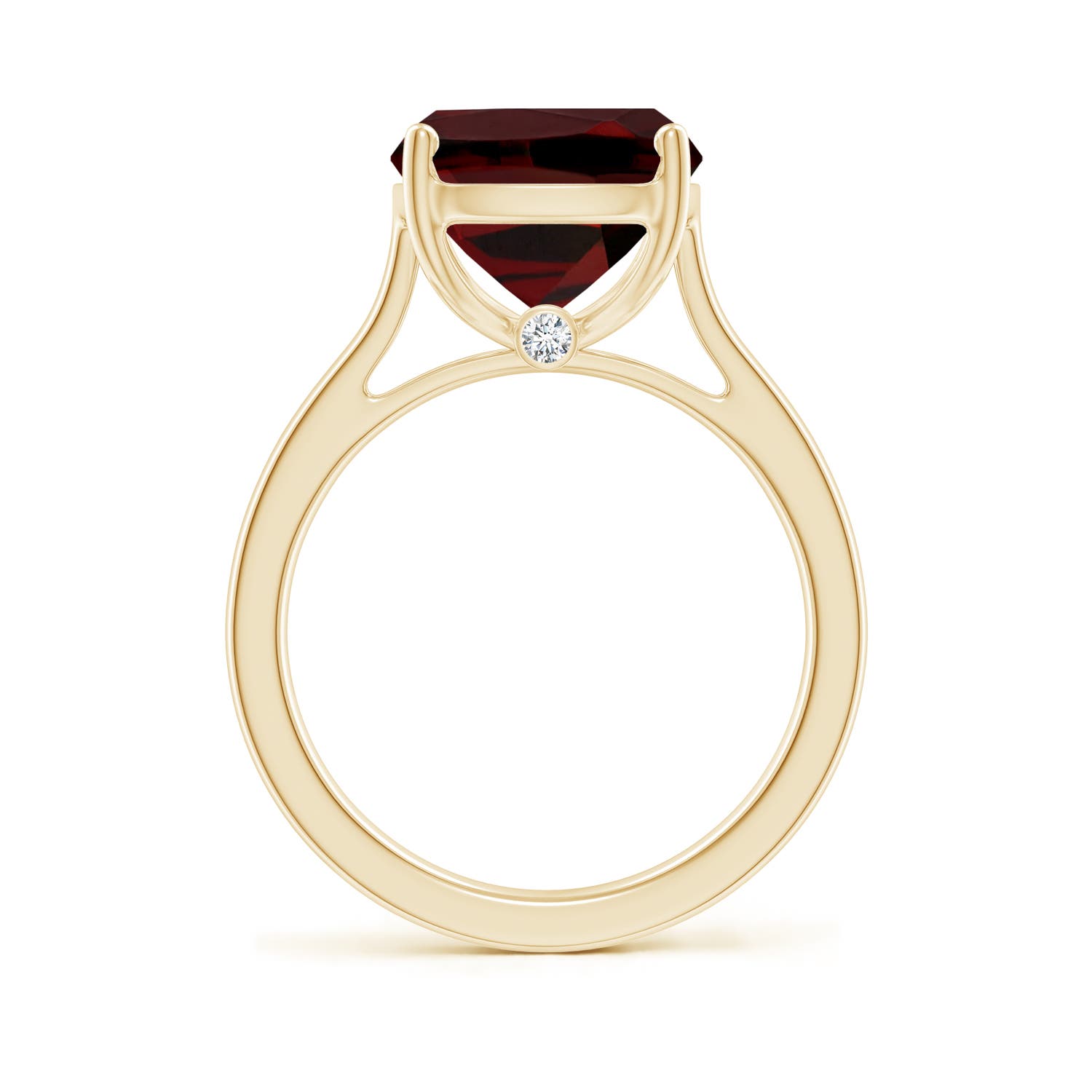


The Key Differences: White Gold vs Yellow Gold
| Feature | White Gold | Yellow Gold |
|---|---|---|
| Composition | Pure gold mixed with durable alloys such as nickel or palladium, then rhodium-plated | Pure gold mixed with copper and silver alloys to retain the natural gold tone |
| Color | Bright, silvery white finish | Classic warm gold color |
| Finish | Sleek, modern, reflective | Soft, traditional, glowing |
| Durability | Stronger because of modern alloy blend and rhodium layer | Very durable for daily wear because of copper alloy strength |
| Maintenance | Requires replating over time to maintain white sheen | Minimal maintenance, color stays true naturally |
| Best Symbolic Fit | Often favored for its clean, intentional energy | Valued for warmth, nostalgia and timeless appeal |
| Personality | Confident, modern, crisp and quietly expressive | Warm, timeless, sentimental and rooted in classic tradition |
The Practical Advantages and Disadvantages of White Gold vs Yellow Gold
Let’s learn more about them below and explore how each metal supports daily wear and surface durability in its own way.
This guide breaks down what you gain and how the finish evolves so you can choose what fits your routine with clarity.
Pros of White Gold
- Very durable: The alloy blend strengthens the gold, making it resistant to bending and everyday wear.
- Bright white finish: The rhodium plating enhances shine and creates a smooth, reflective surface.
- Toner permanence: It holds its silvery-lit brilliance longer than pure gold could on its own because of the finish.
- Wears well in modern designs: Its clean surface complements intricate detailing and contemporary silhouettes beautifully.
Readers comparing white gold vs yellow gold also often ask why some white pieces feel extra bright, and that comes down to the rhodium layer, a finish that became widely adopted because it protected the surface as much as it enhanced light.
Rhodium plating became a defining step in white gold jewelry because it enhances the surface without changing the truth about the metal underneath. That bright white finish many people recognize is created by rhodium’s mirror-like properties and its ability to protect against daily friction. The plating also helps fine detailing look sharper by creating a smooth, evenly reflective surface.
Cons of White Gold
- Needs replating occasionally: The rhodium layer may wear over time, especially on high-contact pieces.
- May show warm undertones between replating: Because pure gold is yellow, the undertone can become slightly visible before maintenance.
- Nickel sensitivity matters: Some white gold alloys include nickel, which can be a concern for very sensitive skin in select blends.
Pros of Yellow Gold
- Color stays natural: The warm gold tone remains consistent over decades without replating.
- Excellent durability: Copper-based alloys make the metal strong for everyday use.
- Minimal maintenance: Since the tone isn’t plated, no surface recoating is required to maintain its color.
- Holds its classic gold identity: It carries a timeless appeal that stays constant through changing design eras.
Cons of Yellow Gold
- Fine surface marks may appear slightly more visible compared to plated finishes, depending on use.
- Karat blend impacts hardness: Softer, higher-karat mixes can show wear earlier than lower-karat alloy blends.
- Not the best match if your preference is cooler metal tones when compared in white vs yellow gold searches.
When you understand how gold behaves as it ages, curiosity about the evolution of gold jewelry feels like a natural next step, especially if design history or karat blends interest you. After weighing yellow gold’s warmth and resilience, many jewelry lovers also find themselves curious about the broader family of gold metals, and looking at rose and white gold can help you see how undertones and finishes create completely different jewelry personalities. Take a moment to explore different types of gold to see which one seems most like you.
Yellow gold keeps its tone without replating, but if you want to explore how durability and gold purity shift between karats, you can also learn more about 14k vs 18k gold for a better understanding.
Understanding Alloys and Sensitivities In White Gold vs Yellow Gold
Neither white nor yellow gold causes sensitivity on its own, but the alloys used for strength sometimes include metals such as nickel, which can matter if your skin is highly reactive. Many buyers today seek gold blends that feel comfortable, not complicated, balancing strength with wearability. Because yellow gold jewelry doesn’t require rhodium plating to retain its tone, it’s often seen as lower maintenance for daily wear. Readers searching for yellow gold vs white gold comparisons frequently validate this point when choosing a metal that supports long-term confidence.
Which One Should You Choose: Yellow Gold vs White Gold
Choosing between white and yellow gold becomes simpler when the decision is framed around wearability and upkeep rather than appearance alone. Yellow gold offers enduring warmth in its natural tone and allows polishing over time without requiring a plated finish, making it an excellent choice if you want a metal that evolves gracefully with minimal intervention. White gold delivers a bright, cool tone through a rhodium finish, a surface that brings a stronger outer hardness but benefits from occasional renewing over the years for its color to stay bright.
Both metals carry the same foundation of pure gold; what changes is how each metal supports durability, maintains its color and fits into daily jewelry routines. The right choice isn’t ruled by a single definition of better—it’s found in the one that feels easiest to wear, easiest to maintain and most aligned with the rhythm of everyday life. Once those elements make sense, the decision becomes intentional, logical and reassuringly clear.
FAQs
1. Will white gold and yellow gold look different on different skin tones?
Yes, but the difference is subtle, personal and led by undertone. White gold brings a cooler contrast that feels crisp, while yellow gold leans warmer and blends gently with the natural tones in your complexion. Trying both is the simplest way to see how each metal feels when it sits on you.
2. How often will I need to replate white gold?
White gold can need a rhodium refresh every 1–3 years, especially on pieces that are exposed to daily friction. This timing isn’t fixed because your wear, skincare habits and styling frequency shape it. Replating is a light upkeep step, not a redesign of the metal.
3. How do I maintain my yellow gold jewelry?
It’s simple! Gently polish the surface from time to time to remove natural wear marks so the finish looks clean and intentional. You can clean pieces with warm water and mild soap to remove oils or lotions, then dry thoroughly to prevent moisture from sitting on the surface
4. Is tarnishing a concern with either metal?
No, gold does not tarnish. If you notice any very light surface change, it comes from the alloys reacting temporarily to moisture, lotions or perfumes, and you can fix it with a gentle polish. According to Angara, storing your pieces dry and polishing occasionally is all you need for a clean finish.
5. Can you wear white and yellow gold together in one look?
Yes! Contrast can be clever when carried consistently. Keeping one shared element, such as stone tone or finish texture, helps the metals feel connected. Mixing them becomes less about matching and more about composing a look with intention.
You may also like
Ring Size Chart: How to Find Your Perfect Fit at Home
20 Mar, 2024
Gems Price Chart Ranked by Value
18 Nov, 2023
How to Test Gold at Home
5 Jan, 2023
Ruby vs Garnet: How to Tell the Difference and Which One to Choose
13 Dec, 2018
Everything You Need to Know About Blue Gemstones
1 Dec, 2023
Best Crystals for Protection: Meaning & How to Use
16 Dec, 2022
How to Tell if a Gemstone Is Real
20 Dec, 2022
Colored Gemstone Size Chart: MM, Carat & Dimensions
14 Aug, 2024
11 Ways to Keep Your Ring From Spinning
19 Jan, 2024
Shop Our Bestsellers
- Prong-Set Lab-Grown Emerald Teardrop V-Bale Pendant with Diamond$2,099
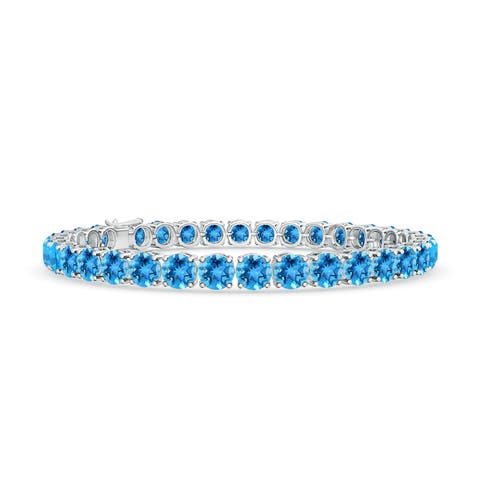
- Classic Swiss Blue Topaz Linear Tennis Bracelet$1,369
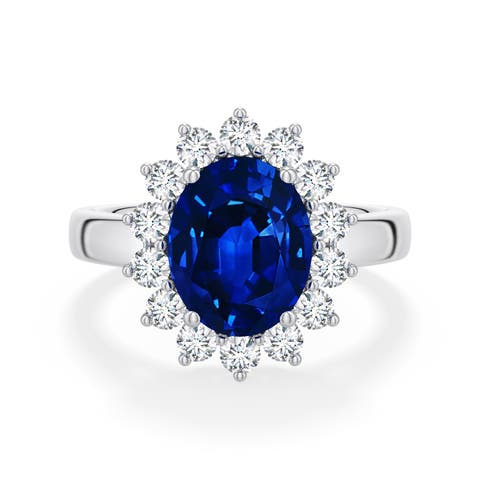
- Lab-Grown Princess Diana Inspired Blue Sapphire Engagement Ring with Lab Diamond Halo$4,869
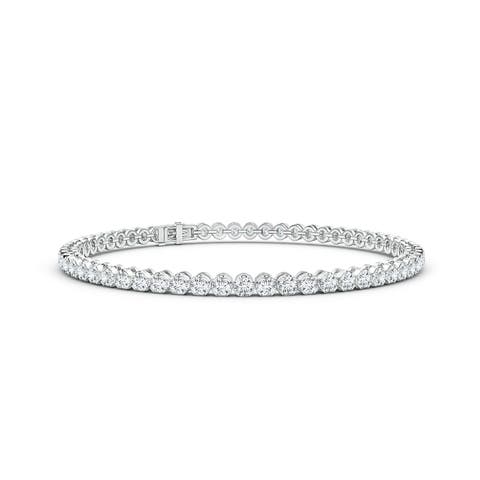
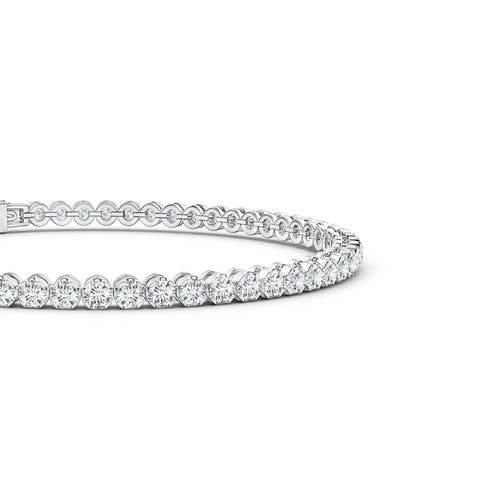
- Lab-Grown Classic Round Diamond Tennis Bracelet$2,739
- Round Blue Sapphire Stud Earrings$1,199
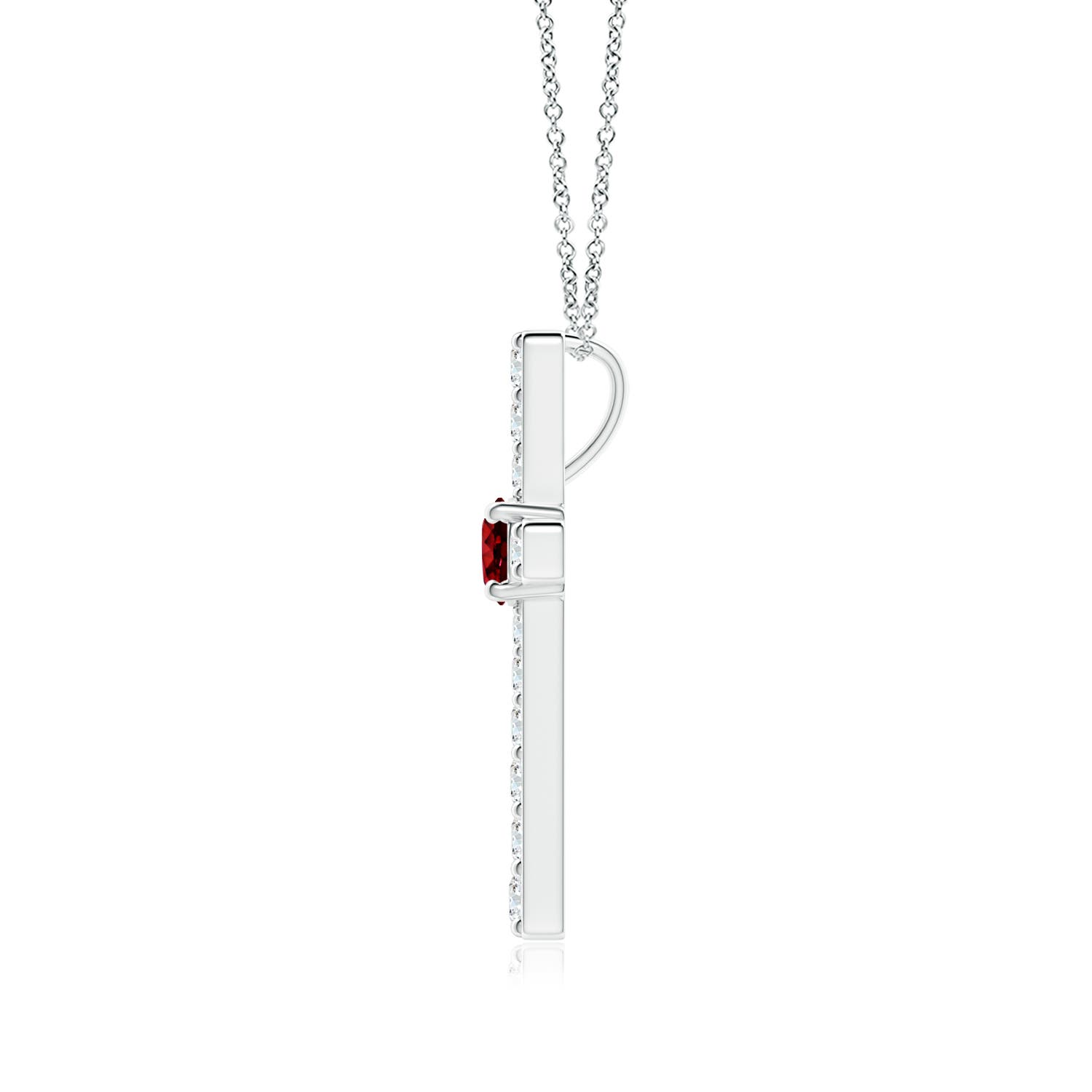
- Ruby and Diamond Cross Pendant$2,249
- Round Lab-Grown Diamond Five-Stone Station Hoop Earrings$2,969
- Prong-Set Emerald-Cut Lab-Grown Emerald Solitaire Pendant$1,639
- Solitaire Oval Opal Split Shank Ring with Trio Diamonds$1,619
- V-Bale Pear-Shaped Garnet Solitaire Pendant$749