
When you’re choosing a diamond, its silhouette and sparkle are often what you fall in love with first. That’s why understanding diamond shapes and cuts is so important. With so many different diamond cuts and shapes out there, the right choice can elevate everything from a classic engagement ring to a pair of everyday studs or a standout necklace. Think of this guide as your friendly deep dive into what truly defines a diamond’s beauty, offering you insight that makes every choice feel informed and effortless.
Diamond Cut vs. Diamond Shape: What’s the Difference?

Diamond shape refers to the stone’s outline when viewed from above such as round, oval, pear, heart and so on. The shape influences a diamond’s personality, how it sits in a ring or how it dangles from a pendant or bracelet charm.
Diamond cut, one of the key components of the 4Cs of diamonds, is all about craftsmanship. It refers to how well the stone’s facets are proportioned and polished. A well-cut diamond, whether it’s a round brilliant cut, a fancy brilliant cut, a step cut or a vintage cut, reflects light beautifully, creating the radiance we all adore.
In short, the shape defines the look while the cut defines the light. And both work together to determine how your diamond performs in any piece of jewelry.
Read: What Diamond Shape Says About Your Personality
Why Diamond Cuts and Shapes Matter
A diamond’s shape and cut aren’t just design choices; they define how your piece looks, feels and sparkles every day. Shape determines the silhouette you see, while cut controls how light travels through the stone, influencing brilliance, fire and overall personality. Together, they decide whether a diamond feels bold, romantic, modern or timeless.
They also influence how beautifully a diamond pairs with different jewelry styles:
Love high-impact sparkle? Shapes such as round or cushion paired with brilliant cuts deliver maximum shimmer, making them perfect for engagement rings, tennis bracelets and classic studs.
Prefer something elongated and flattering? Oval, pear and marquise shapes create a graceful, lengthened look that works beautifully in rings and drop earrings.
Drawn to clean, architectural lines? Emerald and Asscher step cuts offer a refined, open glow that complements minimalist necklaces and understated three-stone rings.
Choosing the right shape and cut ensures your diamond feels distinctly you. It’s the difference between simply wearing a piece and finding one that stays meaningful and admired for decades.
Popular Diamond Shapes
Here’s a snapshot of the most-loved different diamond shapes, often referenced in a diamond shapes chart:
| Diamond Shape | Visual Style | Best For |
|---|---|---|
| Round | Classic, symmetrical | Rings, earrings, pendants, tennis bracelets |
| Oval | Elegant, elongated | Engagement rings, drop earrings |
| Pear | Tapered and graceful | Pendants, dangle earrings |
| Marquise | Dramatic, elongated points | Statement rings |
| Cushion | Soft square with rounded edges | Vintage-inspired rings, pendants |
| Emerald | Rectangular with step facets | Minimalist rings, necklaces |
| Heart | Romantic and playful | Pendants, promise rings |
| Radiant | Rectangular with brilliant facets | Modern rings, bracelets |
| Asscher | Square step cut | Art Deco-inspired rings |
| Princess | Square shape with sharp corners | Engagement rings, stud earrings, modern pendants |
| Trillion | Triangular shape with sharp, clean edges | Contemporary rings, sculptural earrings, statement pendants |
Below, we explore each shape in more detail.
1. Round
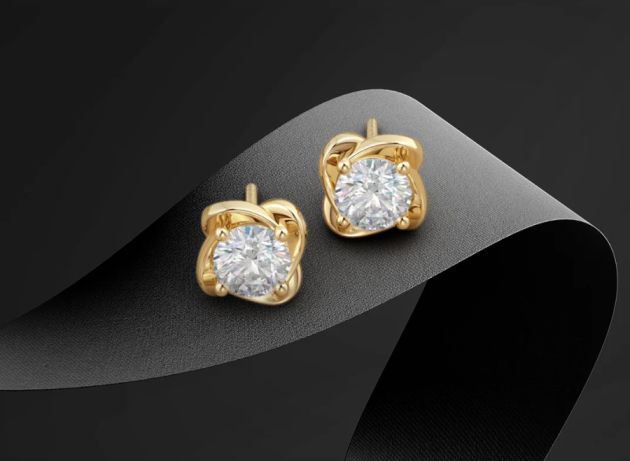
The most iconic of all, a round-shaped diamond offers incredible light return thanks to its symmetry, especially when paired with a round brilliant cut. This shape suits almost everything including solitaire engagement rings, classic earrings, halo pendants and even diamond bracelets.
2. Oval
Soft, elongated and flattering on every finger, oval-shaped diamonds offer a larger face-up look than rounds of the same carat weight. Oval-cut diamonds bring a graceful fluidity to engagement rings and create beautiful movement in drop earrings and necklaces.
3. Pear
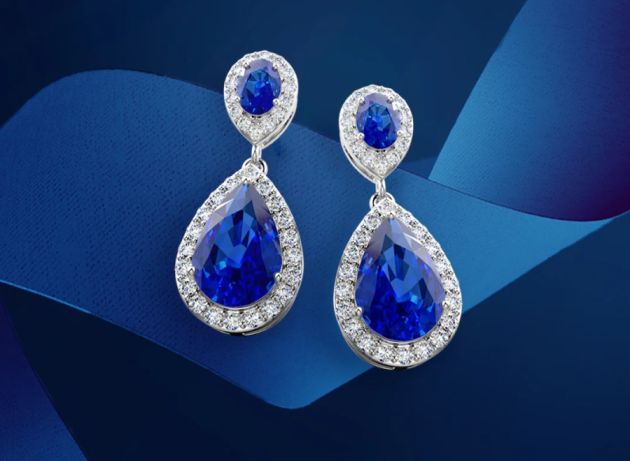
A blend of round and marquise silhouettes, pear-shaped diamonds have a tapered elegance that instantly draws the eye. They look stunning in lariat necklaces, statement earrings and modern cocktail rings. Their length can subtly elongate the finger too.
4. Marquise
Known for their pointed tips and dramatic presence, marquise diamonds maximize visual size. This shape was originally created for royalty and still carries that sophisticated charm. Marquise-cut diamonds shine in elongated engagement rings and bold bangles.
5. Cushion
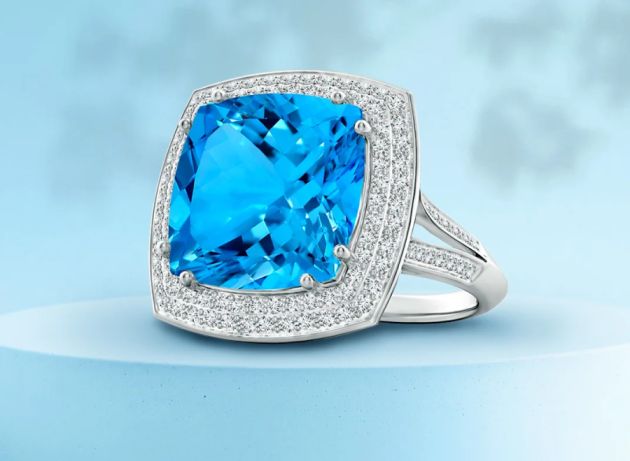
Soft, romantic and timeless, cushion-cut diamonds offer a pillowy silhouette with radiant sparkle. Perfect for heirloom-inspired rings, vintage-style pendants and elegant studs, they balance charm with brilliance beautifully.
6. Emerald
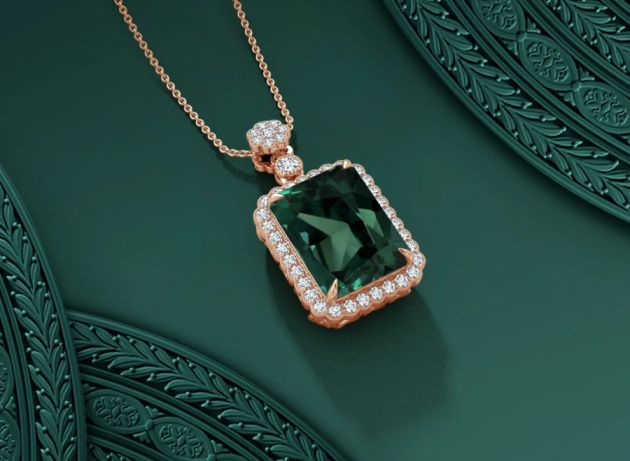
Emerald-cut diamonds have long, linear step facets that create a sleek hall-of-mirrors effect rather than intense sparkle. Their clarity speaks volumes, making them perfect for understated engagement rings, chic bar necklaces and modern studs.
7. Heart
Symbolic and whimsical, heart-shaped diamonds make a statement in pendants, promise rings and playful earrings. When well-cut, the symmetry creates a beautifully recognizable silhouette.
8. Radiant
Radiant-cut diamonds blend the clean silhouette of emerald shapes with brilliant-style facets for exceptional sparkle. This makes radiant-shaped diamonds ideal for modern engagement rings, geometric necklaces and bold bracelets.
9. Asscher
With its square outline and mesmerizing step-cut facets, the Asscher diamond gives off a vintage, Art Deco feel. Asscher-cut diamonds pair beautifully with bezel-set rings, motif pendants and geometric earrings.
10. Princess
The princess cut blends sharp, modern lines with brilliant-cut sparkle, giving you a square diamond that feels fresh yet timeless. Its crisp corners and geometric symmetry create a bold, contemporary look that stands out beautifully in engagement rings, stud earrings and pendant necklaces. If you love a mix of structure and serious shine, princess-cut diamonds are an easy favorite.
11. Trillion
Trillion-cut diamonds have a striking, triangular silhouette that instantly feels modern and artistic. Its wide spread and sharp edges deliver eye-catching brilliance, especially in rings, drop earrings and contemporary pendant designs. If you’re drawn to diamonds that make a statement with minimal effort, this shape is a standout choice.
Shop Diamond Rings by Shape
Find a unique shape that suits your personality.

Popular Diamond Cuts
Just like shapes, there are different diamond cuts, each affecting sparkle, depth and personality. Here’s a quick overview of the diamond cuts chart:
| Diamond Cut | What It Means | Best For |
|---|---|---|
| Round Brilliant | Maximizes sparkle through symmetrical facets | Engagement rings, studs, necklaces |
| Fancy Brilliant | Brilliance in non-round shapes | Pear, oval, radiant, marquise rings |
| Step | Large, geometric facets | Emerald and Asscher jewelry |
| Vintage | Old European cuts with nostalgic charm | Heirloom-style rings, pendants |
| Rose | Flat base with triangular faceted domed top | Vintage-inspired earrings, pendants |
Here’s what makes each cut special.
Round Brilliant
The round brilliant cut is the classic for a reason. With 57 or 58 precisely positioned facets, it’s engineered to capture light from every angle and return it in a rush of brilliance, fire and sparkle. Its symmetry, radiance and reliability make it a favorite for everything from engagement rings to elegant stud earrings. If you’re drawn to diamonds that feel timeless yet unmistakably luminous, this cut never disappoints.
Fancy Brilliant
Fancy brilliant cuts take the light-loving structure of the round brilliant and reimagine it in unique silhouettes. Think oval, cushion, pear, marquise and heart shapes, each crafted to offer its own play of sparkle while keeping that bright, lively brilliance you adore. These cuts bring personality to your jewelry, whether you prefer a soft romantic glow or a more elongated, flattering look.
Step
Step cuts are all about quiet sophistication. Their long, parallel facets create a hall-of-mirrors effect that highlights clarity over sparkle. Emerald and Asscher cuts are the most iconic examples, celebrated for their clean lines and architectural beauty. If you love minimalism, elegance and a diamond that glows rather than sparkles, step cuts bring that refined, modern energy to rings, pendants and three-stone styles.
Vintage
Vintage cuts echo the romance and craftsmanship of earlier eras. With larger facets and softer outlines, old European and similar antique cuts offer a distinctive glow that feels warm and nostalgic. These diamonds don’t chase maximum brilliance. Instead, they deliver character, charm and a beautifully historic feel ideal for heirloom-inspired rings and special-occasion pieces.
Rose
The rose cut is one of the oldest diamond styles, beloved for its soft, luminous shimmer. With triangular facets that rise from a flat base, it resembles the petals of a blooming rose. Instead of intense sparkle, this cut offers a gentle, almost ethereal glow that feels effortlessly romantic. It’s a beautiful choice for vintage-inspired rings, artistic pendants and modern-bohemian designs.
Choosing the right diamond shape and cut isn’t about following trends, it’s about finding a look and light performance that truly fits your style. Whether you’re drawn to the fire of brilliant cuts or the serene glow of step cuts, or whether you love modern silhouettes such as radiant diamonds or timeless shapes such round diamonds, there’s a perfect match waiting for you.
And as you explore the various types of diamond cuts and shapes, imagine how each will live in your everyday jewelry, from engagement rings to earrings, necklaces and bracelets. We hope this guide helps you discover a diamond that feels exceptional from every angle.
Does a Diamond Cuts and Shapes Affect Its Price?

The 4Cs– cut, carat, clarity and color– determine a diamond’s price. Among these, the cut is crucial for maximizing sparkle, and higher cut grades often command higher prices. For instance, the round brilliant cut is the most expensive due to its popularity and exceptional sparkle. On the other hand, the shape of a diamond affects its cost based on its popularity and intricacy of the cutting process.
By balancing these factors, you can find a diamond that aligns with both your taste and budget.
Frequently Asked Questions:
Q1. How do I choose a diamond shape?
Choose a diamond that offers exceptional brilliance and suits your preference, budget and finger shape.
Q2. Which diamond cut shape is best?
The round brilliant cut is widely regarded as the best for its unparalleled sparkle.
Q3. Which diamond cut is the most expensive?
The round brilliant cut diamond is the most expensive due to its superior brilliance and high demand.
Related Guides
- Lab Diamonds Hold Resale Value
- Pros vs Cons Lab Diamond Engagement Ring
- Lab vs Natural Diamond Price
- Lab-Grown Diamond Myths
- Can You Detect Lab Diamond?
- Growth Time of Lab-Grown Diamond
- Lab-Grown Diamonds vs. Simulants
- Chemical and Physical Similarities of Diamond
- Different Types of Diamonds
- Natural vs. Lab-Grown Gemstones