


Lab Grown Rings
Angara’s lab-grown rings feature hand-selected lab-created diamonds, colored diamonds and lab-grown gemstones that offer the same brilliance and beauty as their natural counterparts at a lesser price. Choose from engagement, wedding, solitaire, halo and other handcrafted designs for women and men that can also be customized with ease. Each made-to-order ring comes with a Certificate of Authenticity and free shipping.
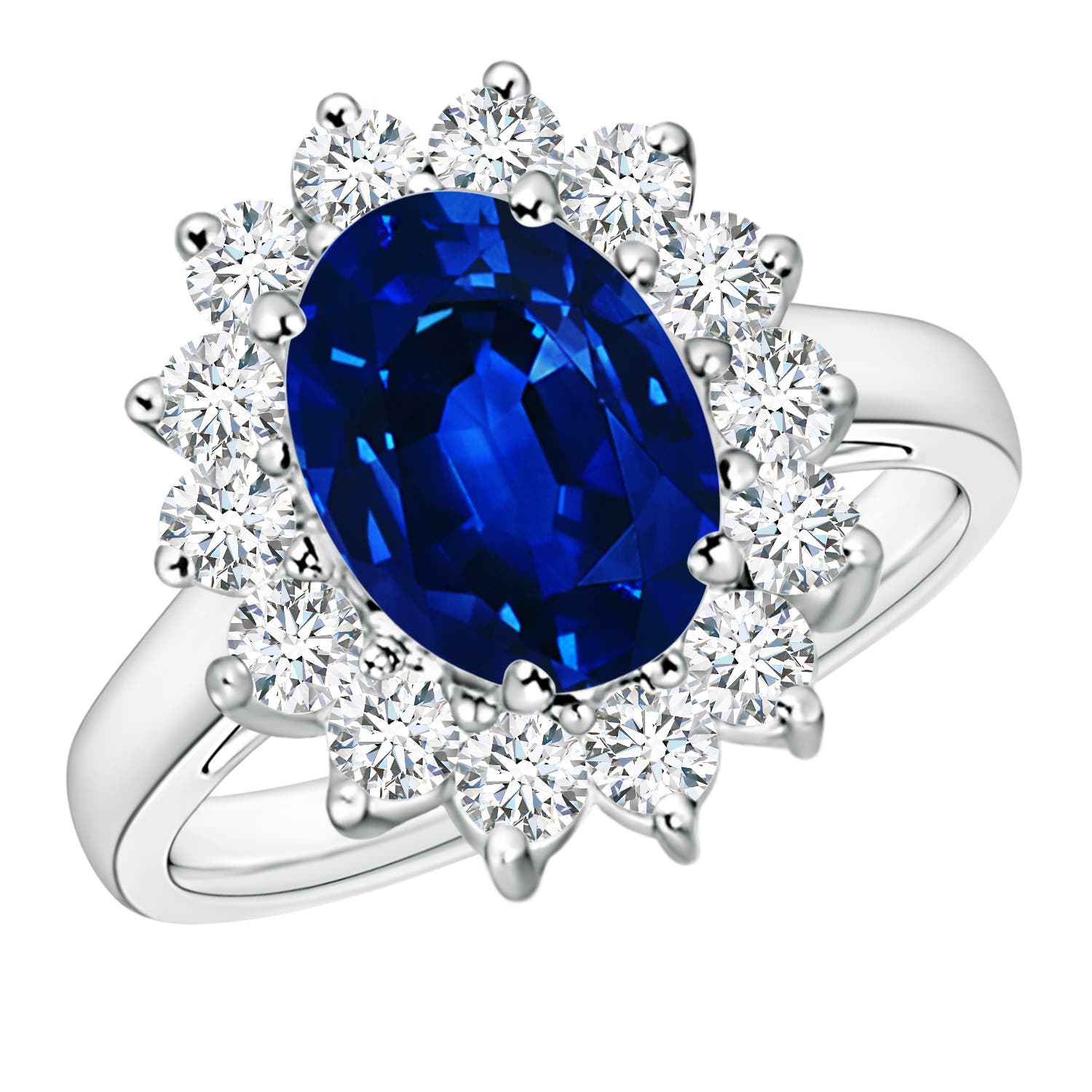
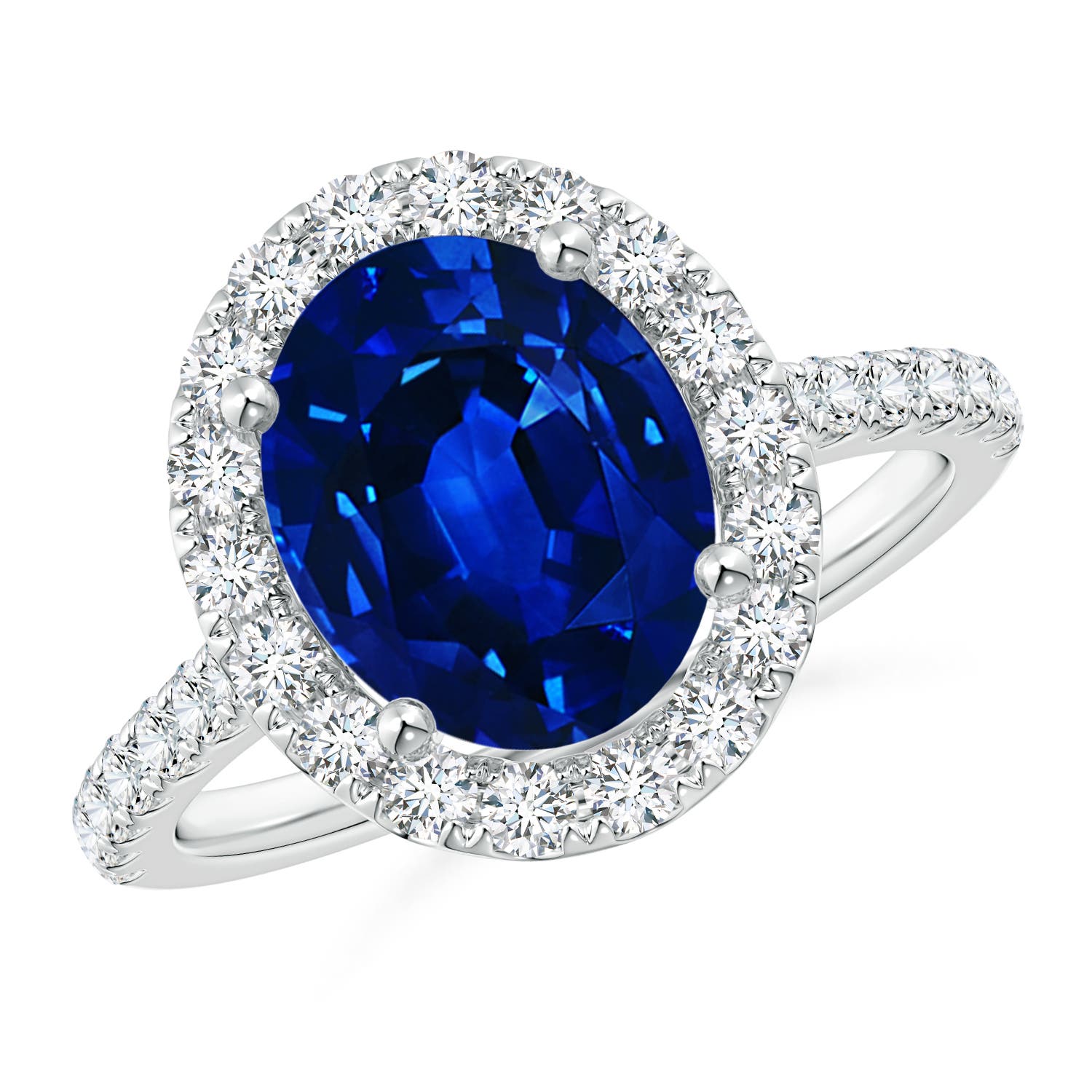
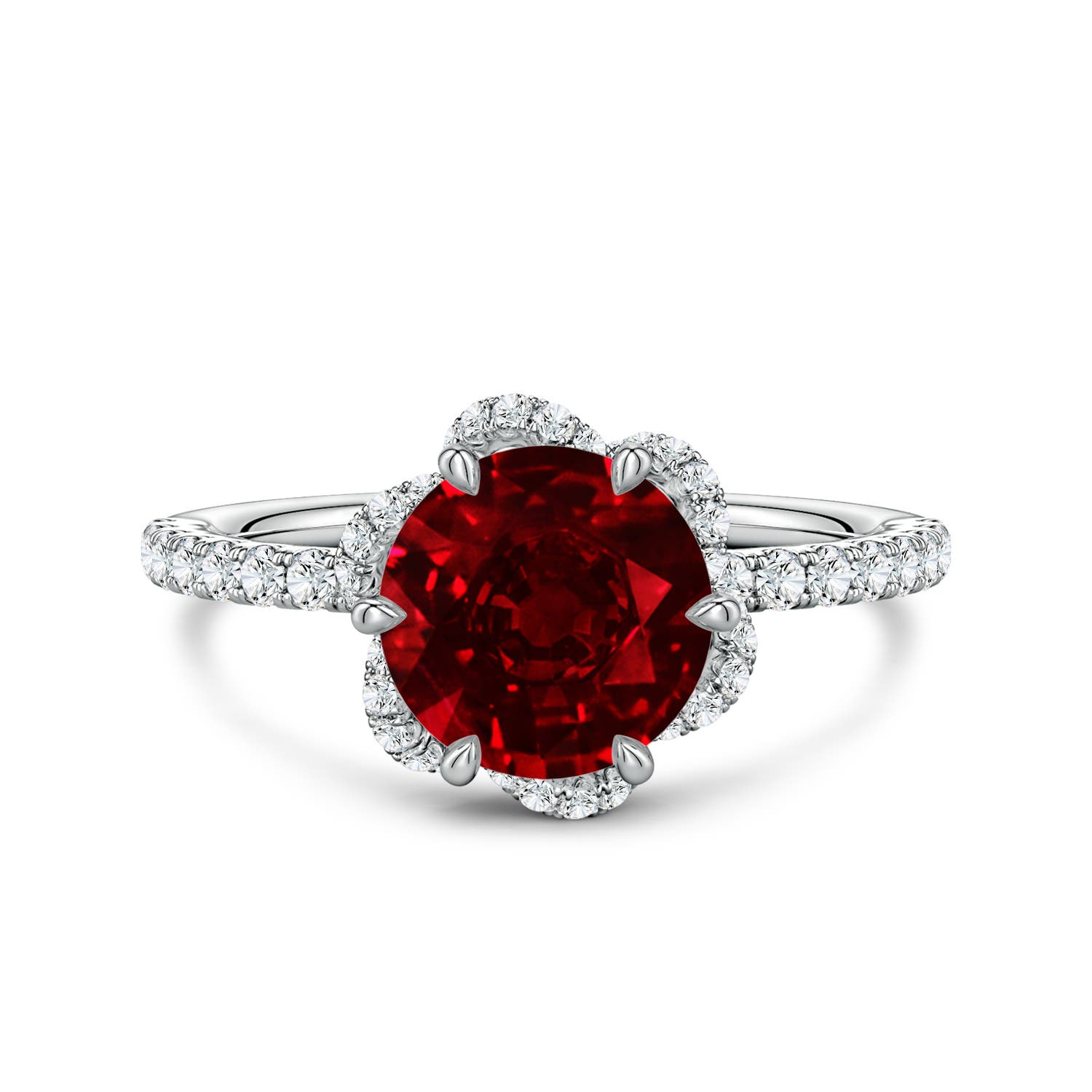
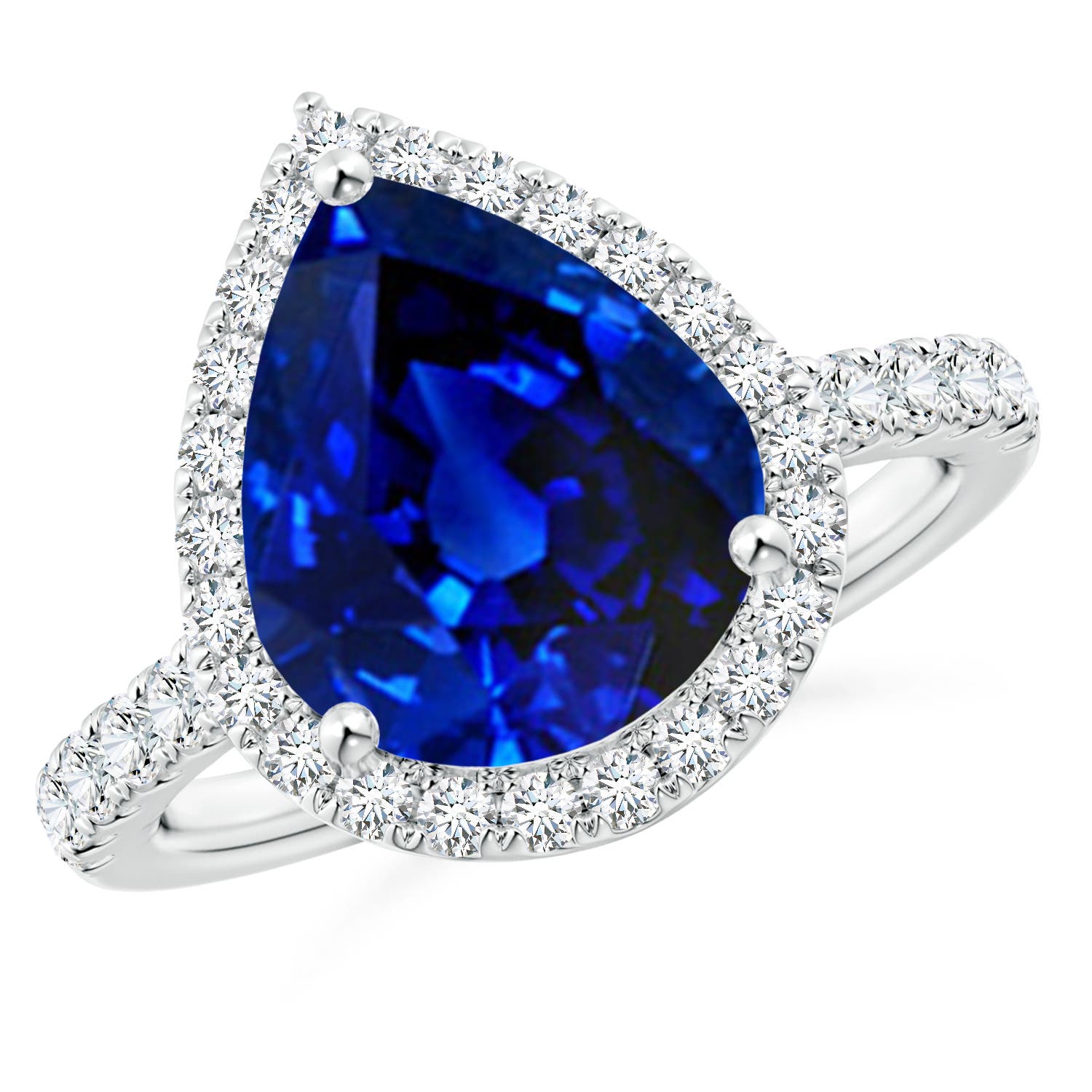
Lab-Grown Princess Diana Inspired Blue Sapphire Engagement Ring with Lab Diamond Halo
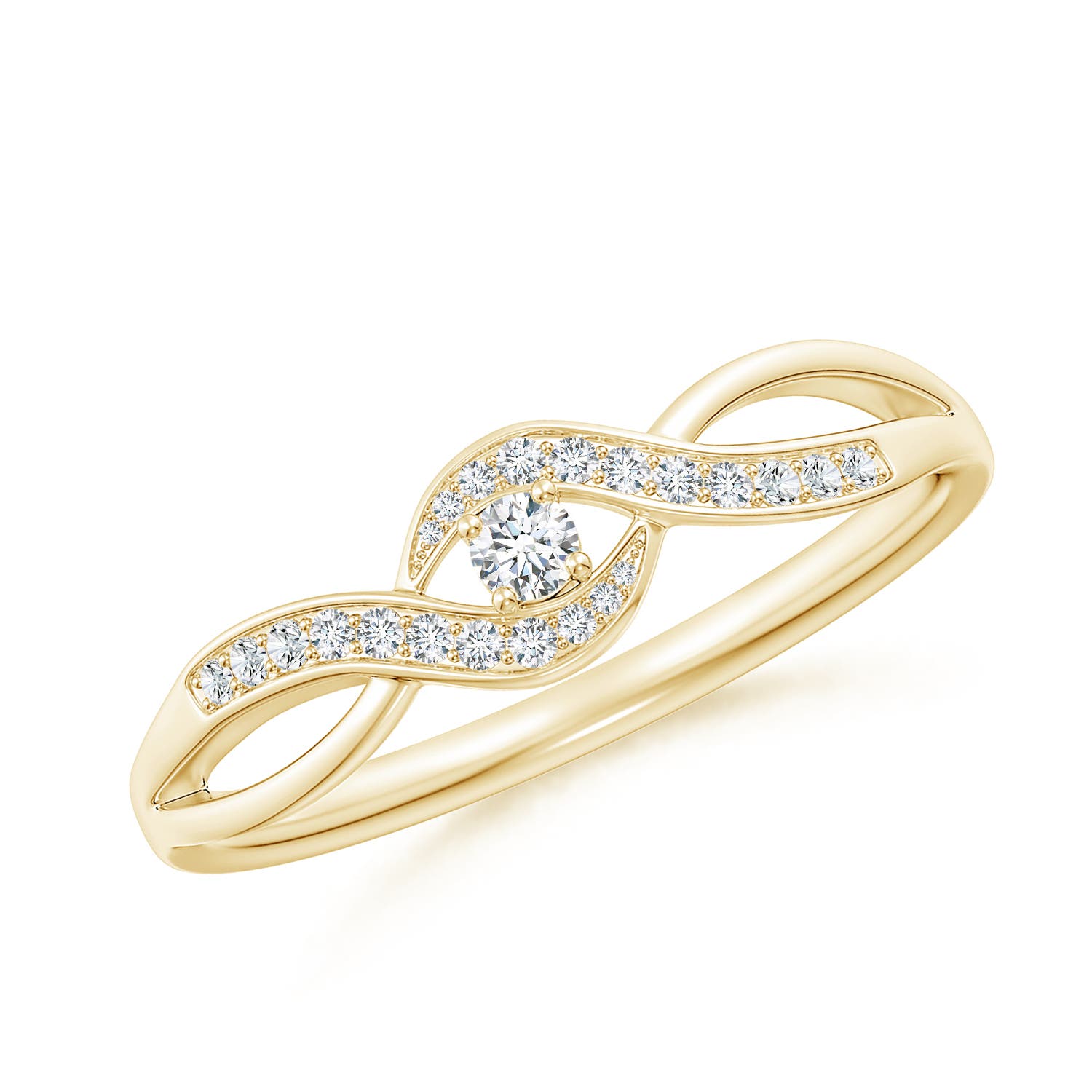
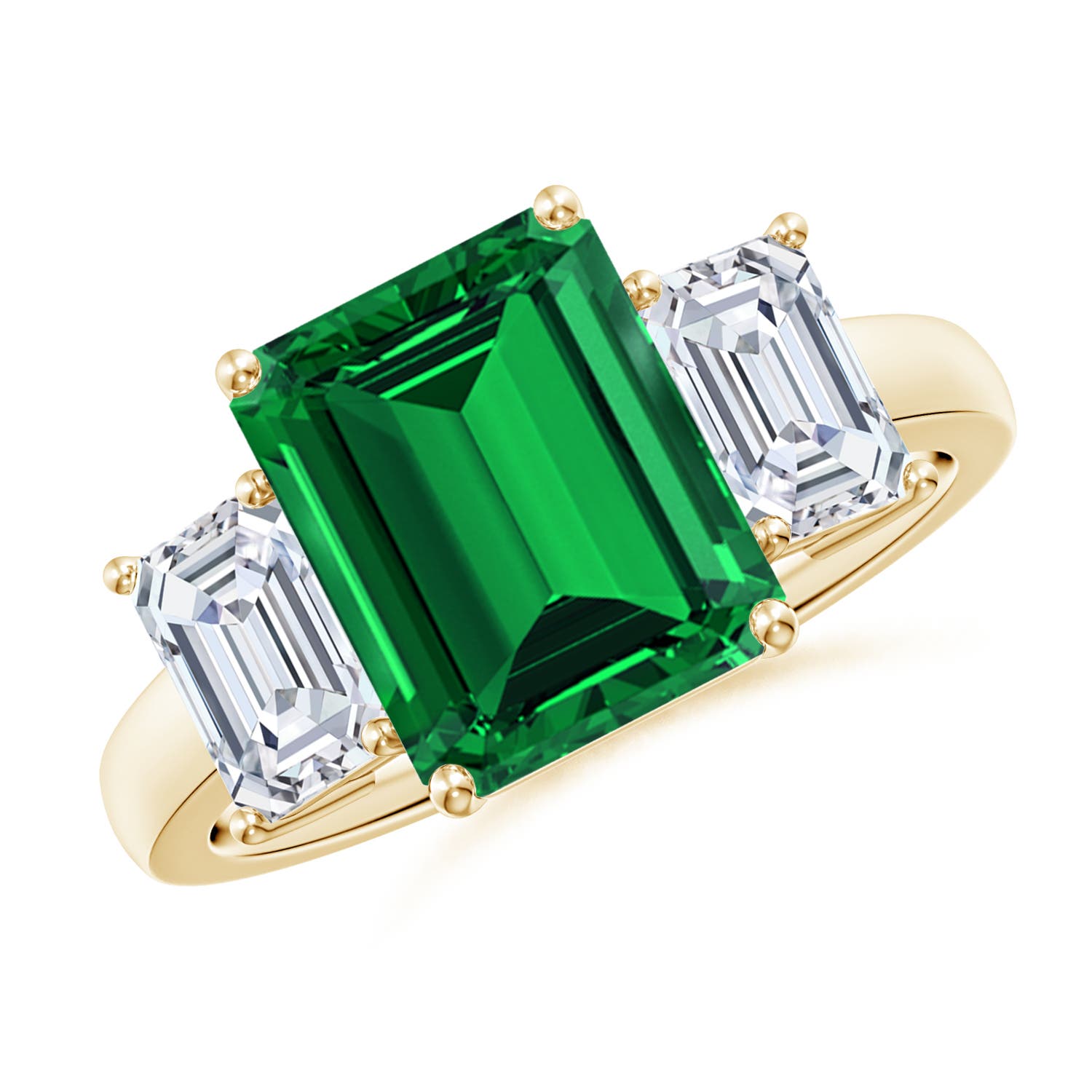

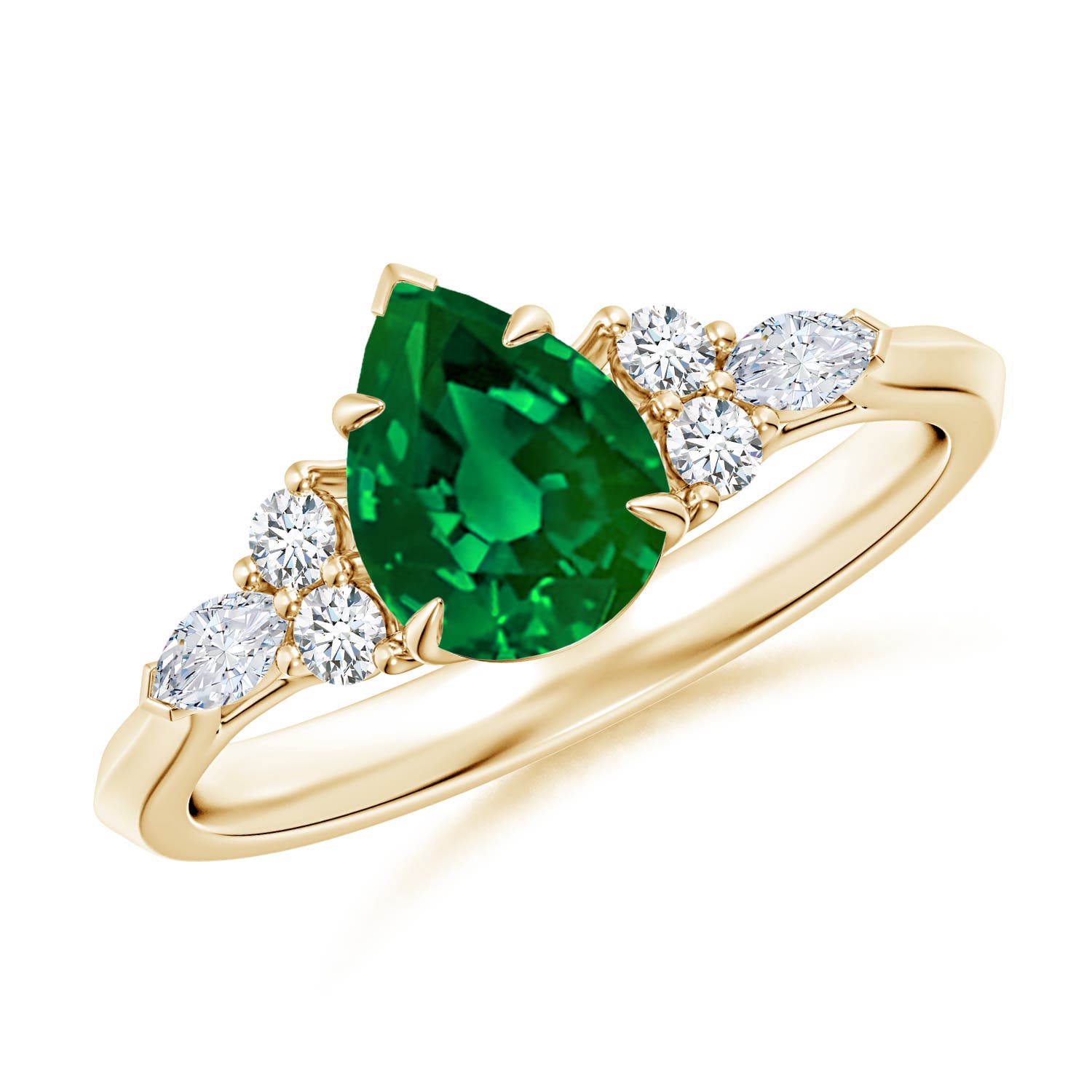
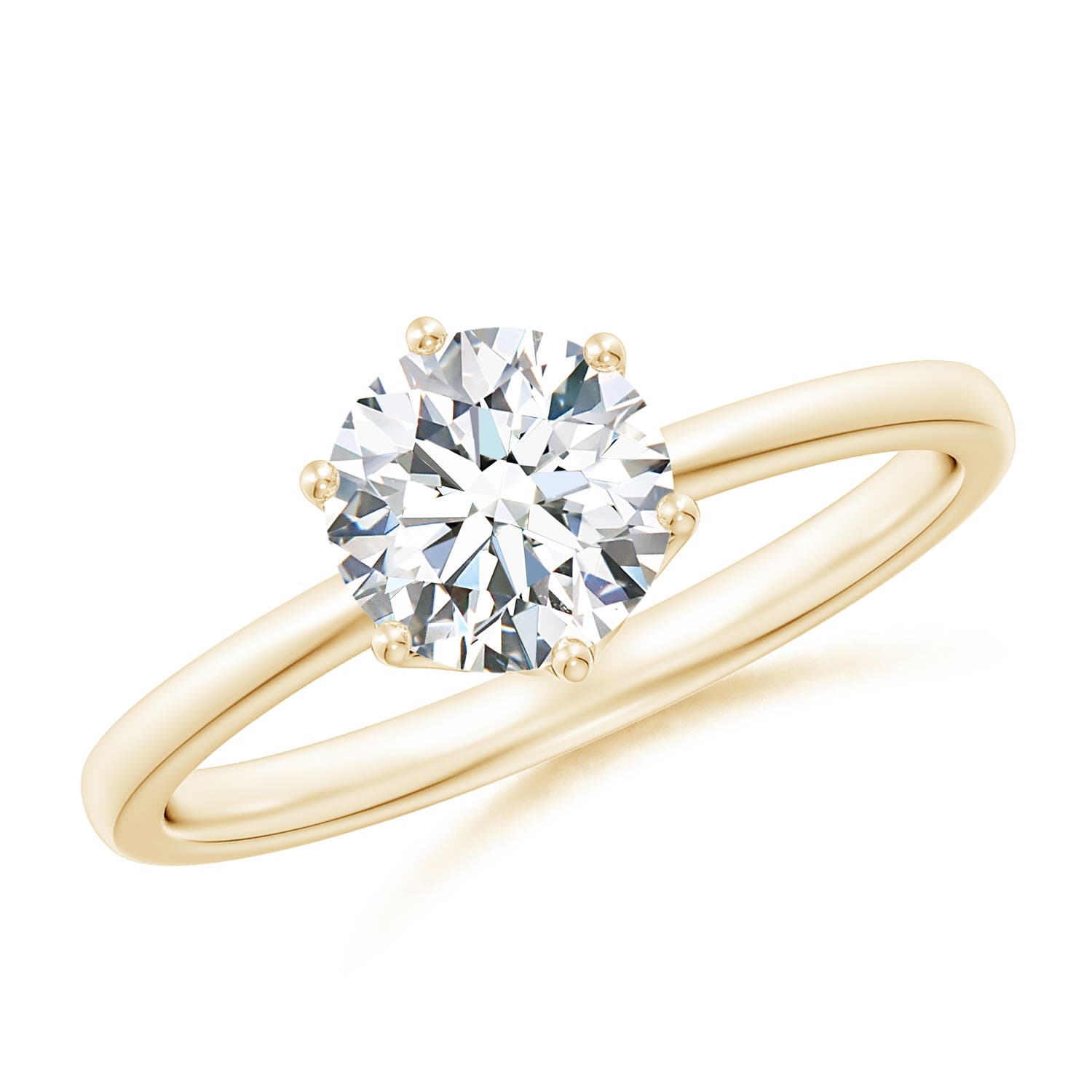
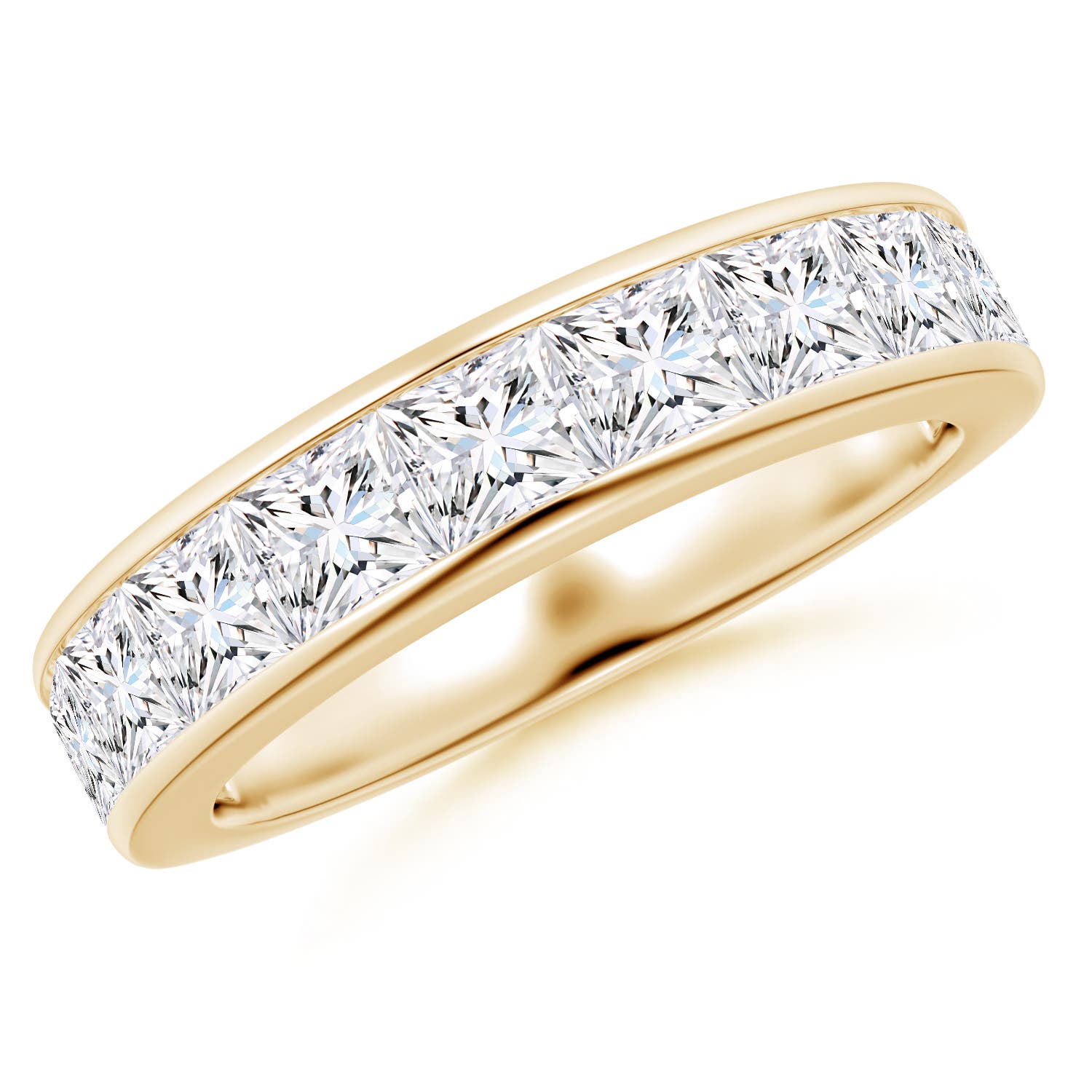
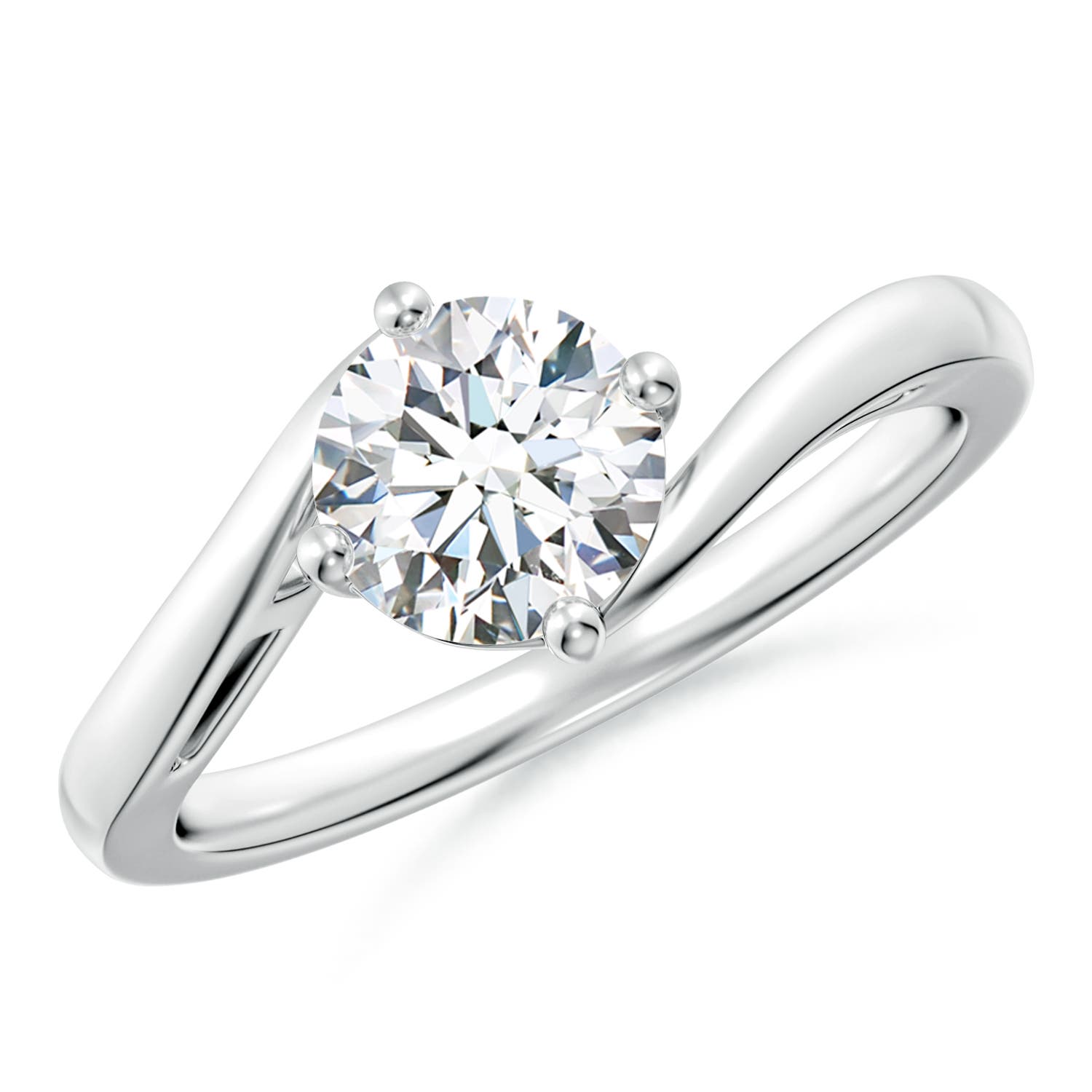
Six Prong-Set Round Lab-Grown Diamond Solitaire Classic Engagement Ring
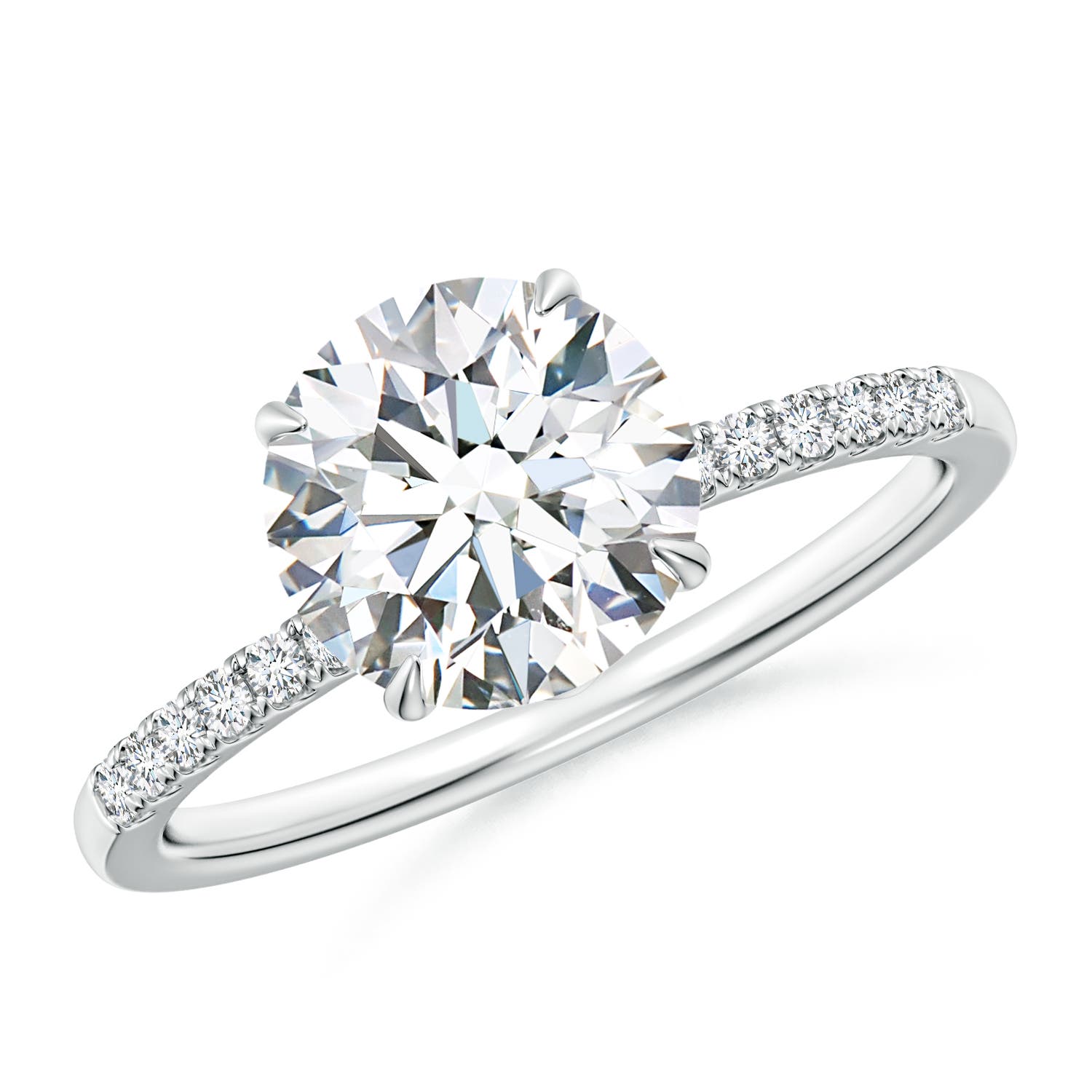
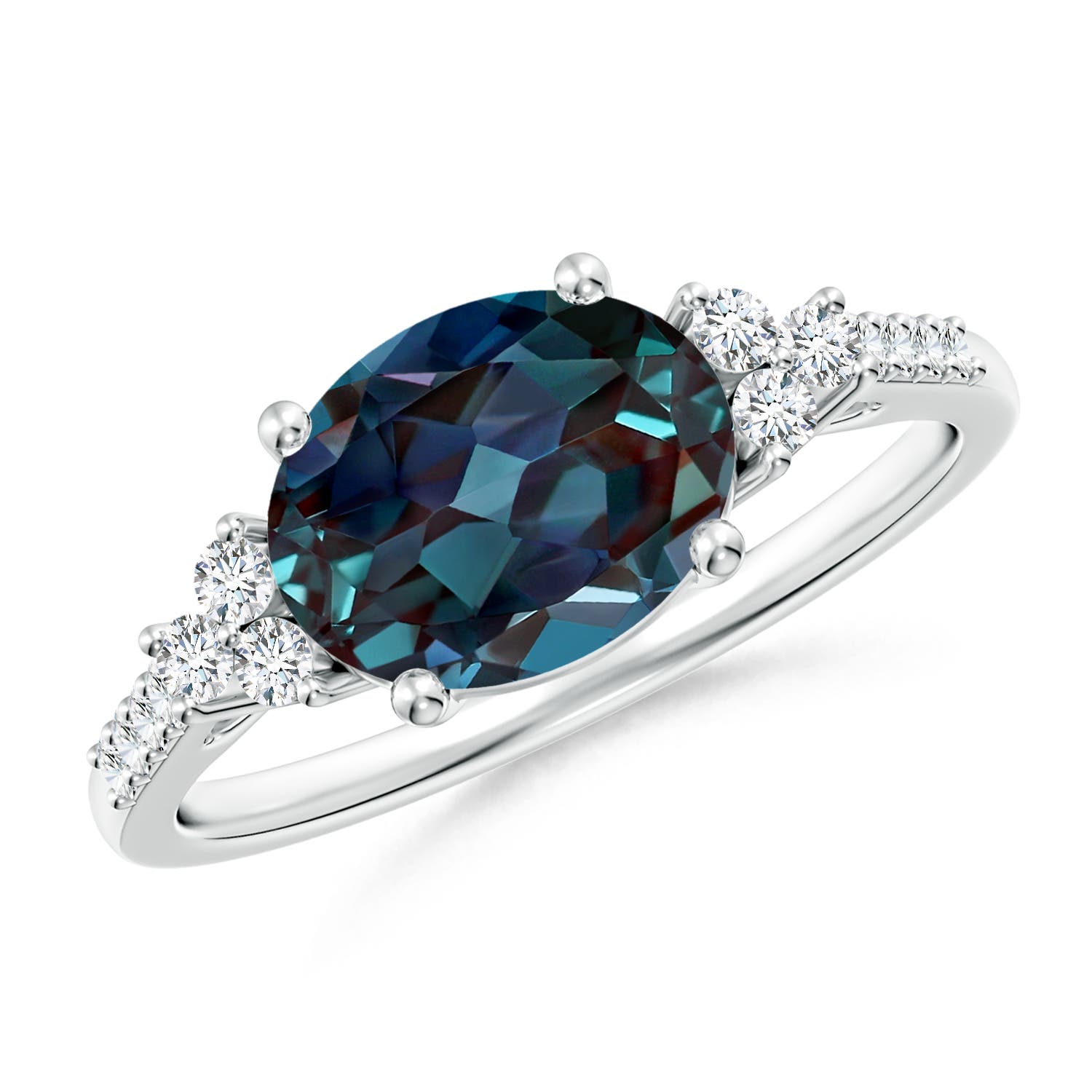
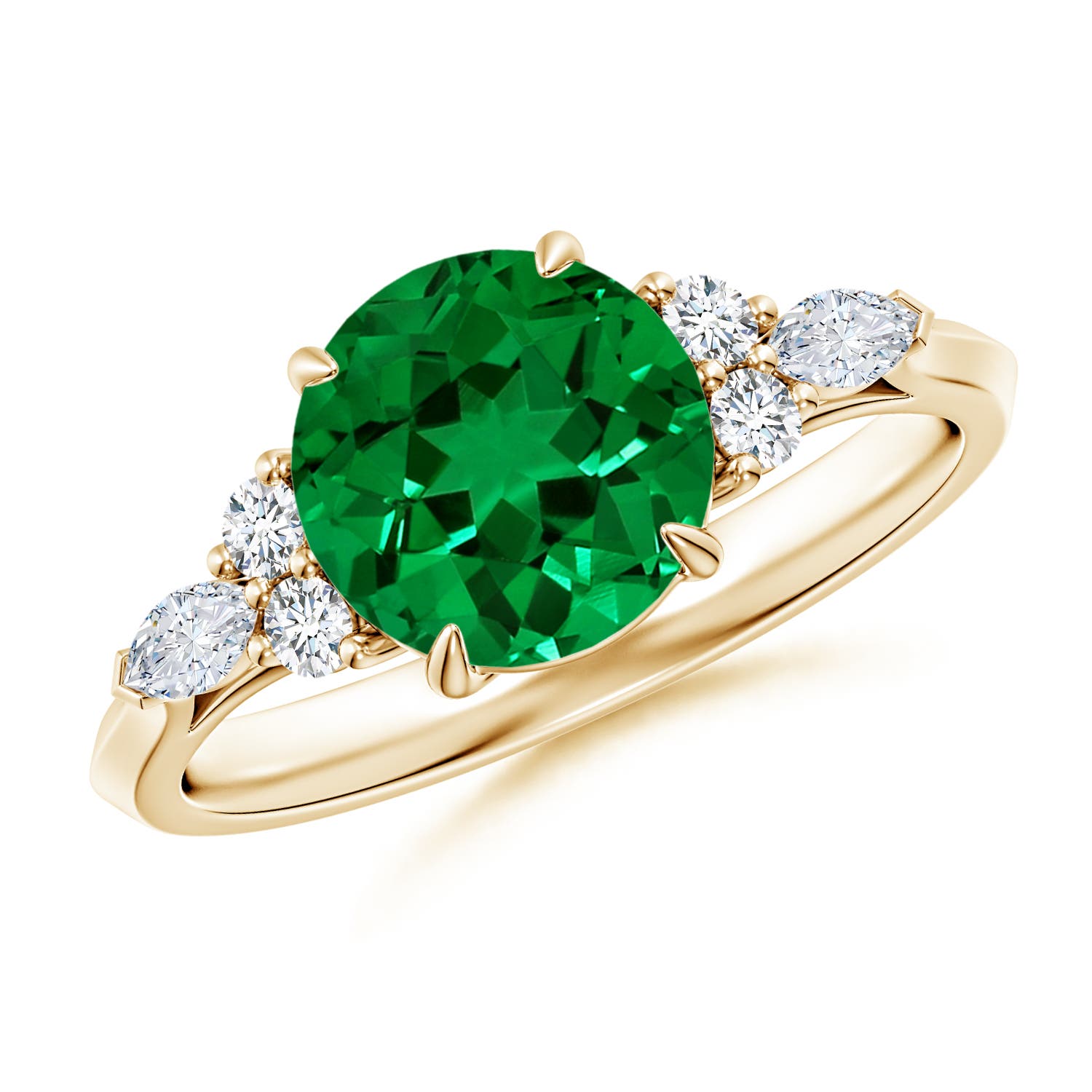
Horizontally Set Oval Lab-Grown Alexandrite Solitaire Ring with Trio Diamond Accents
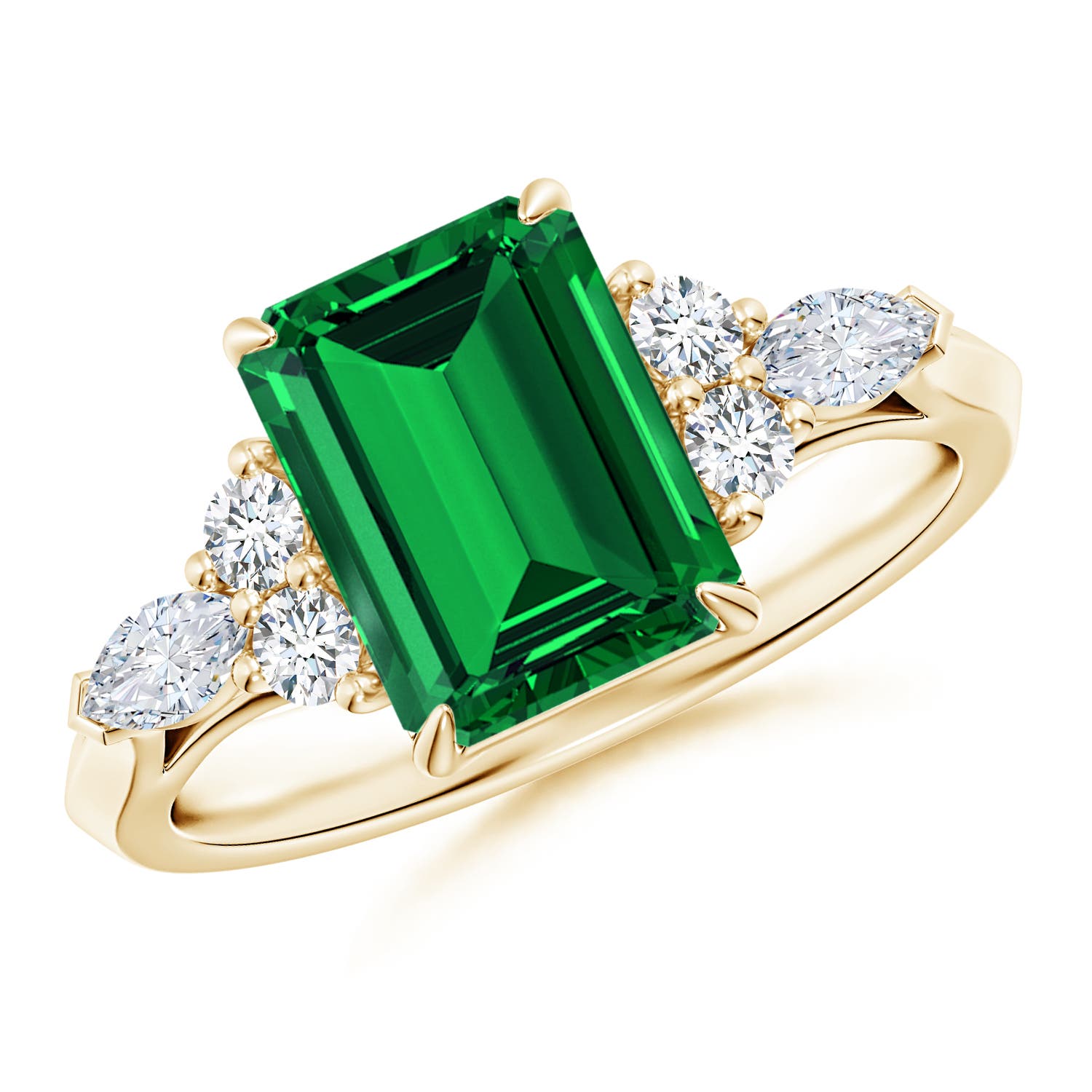
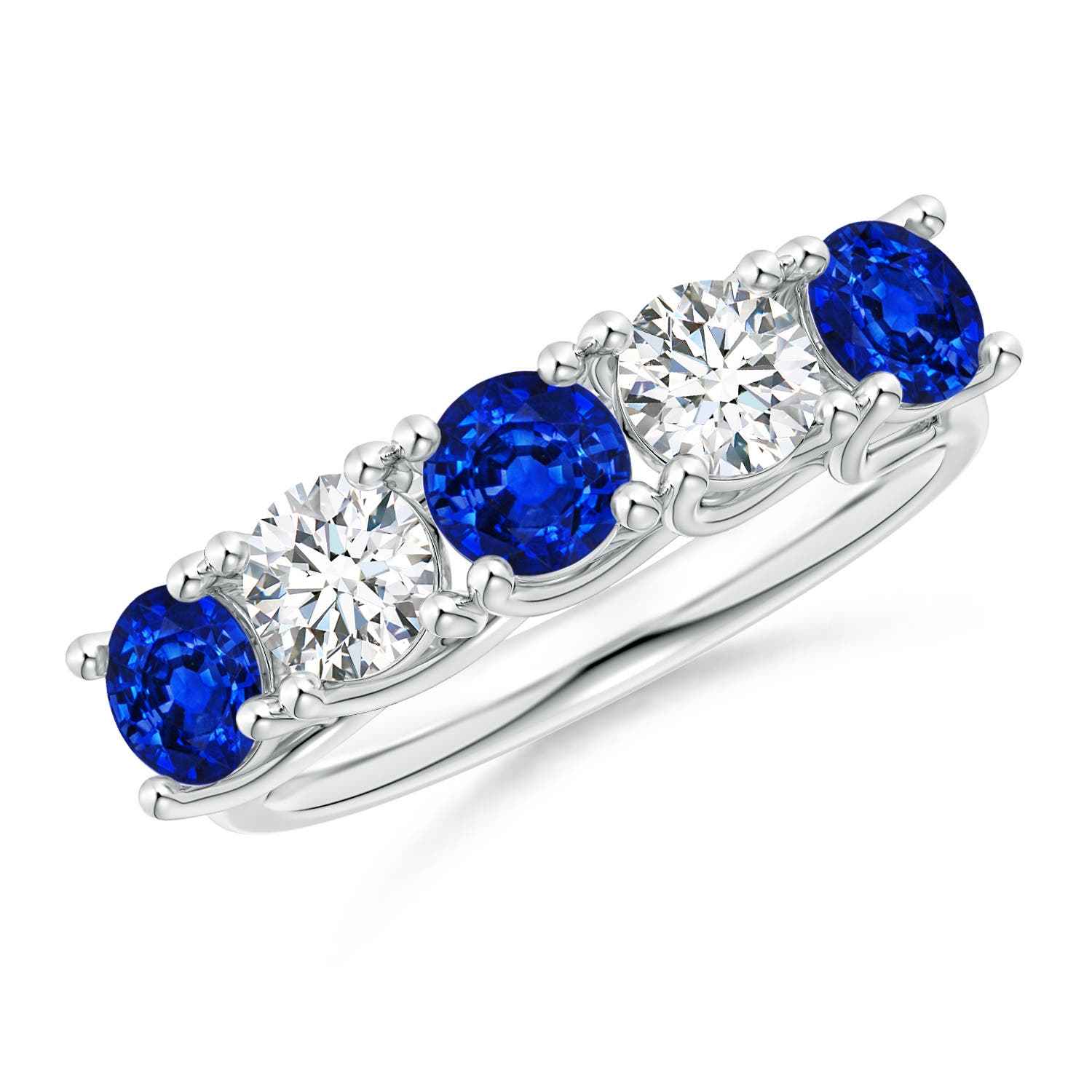
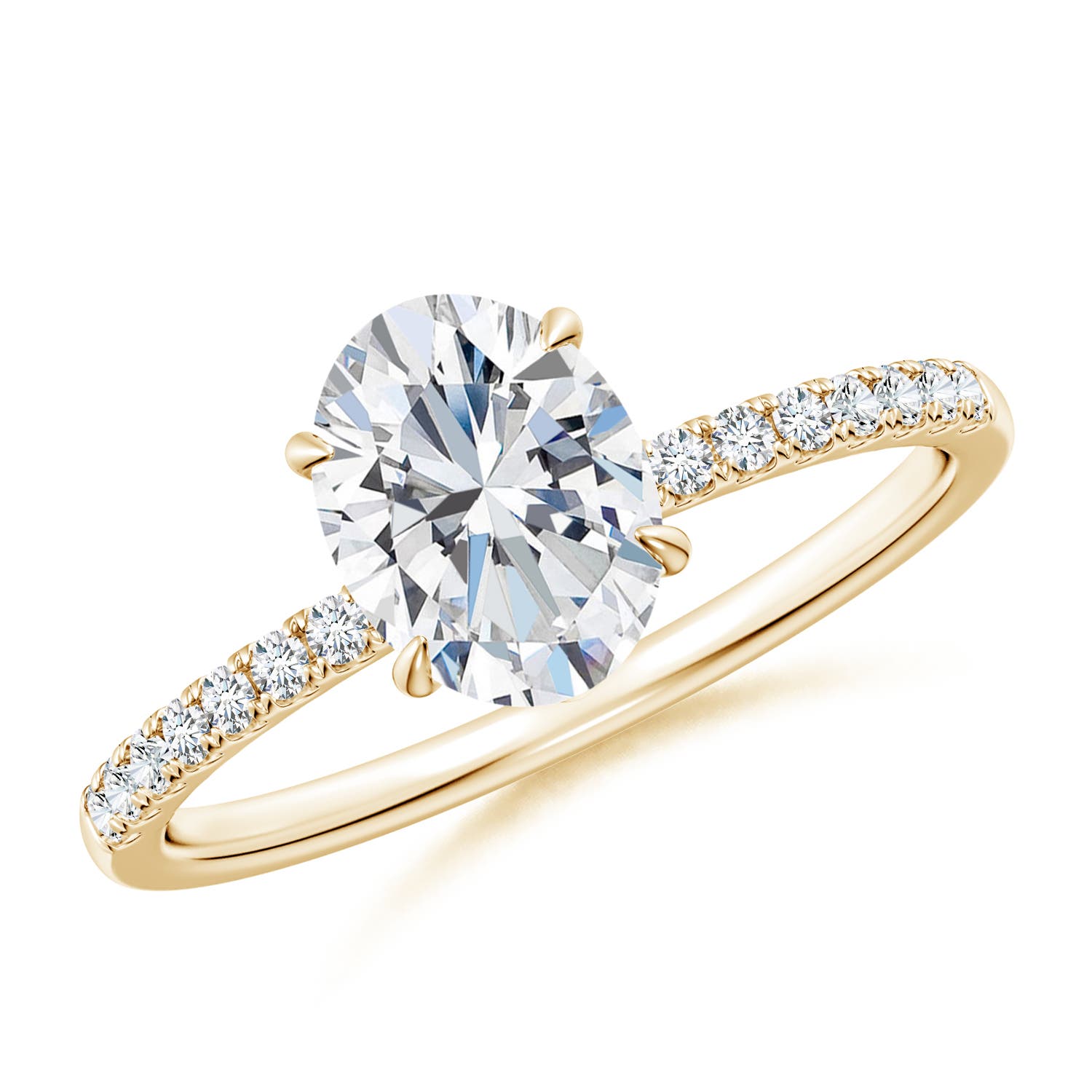
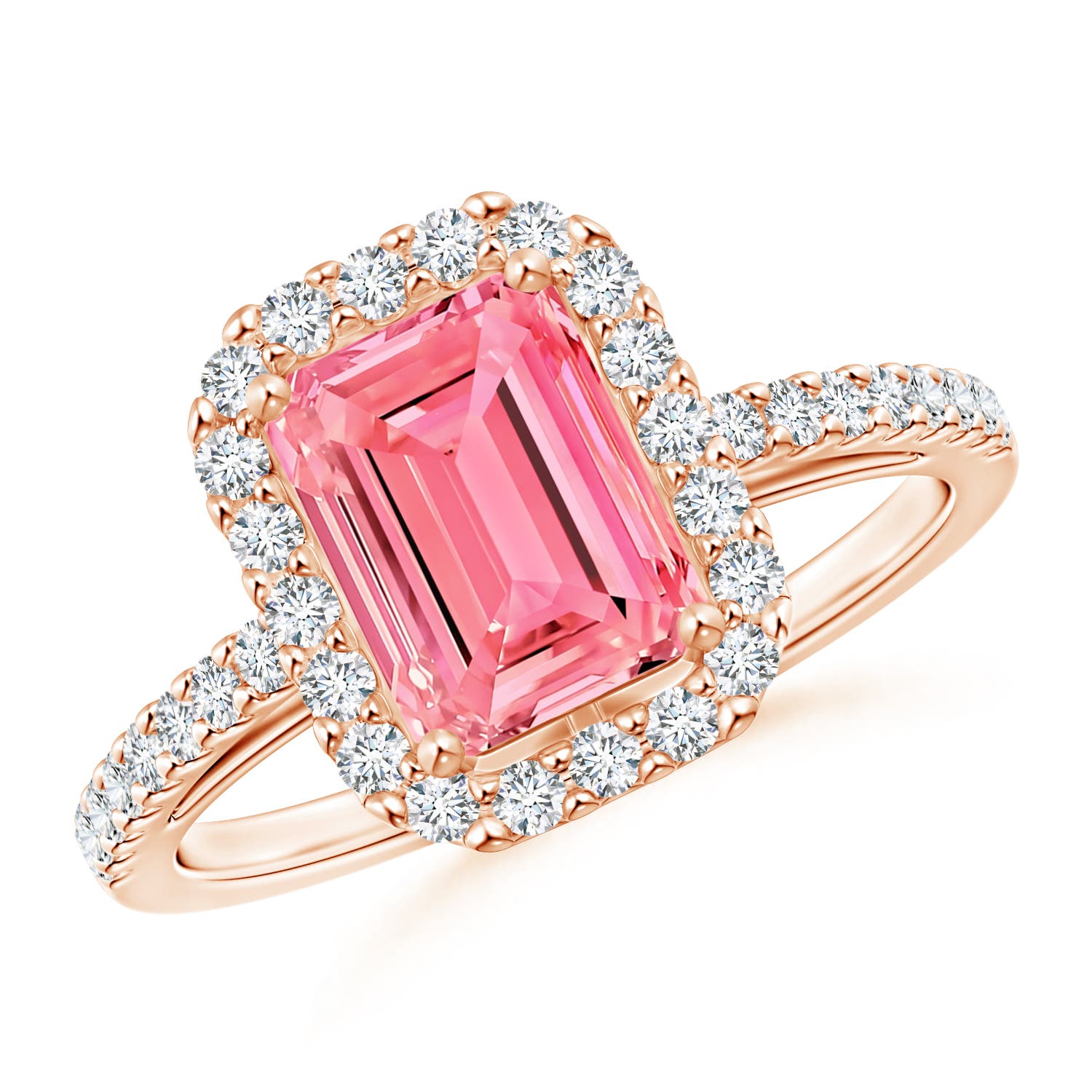
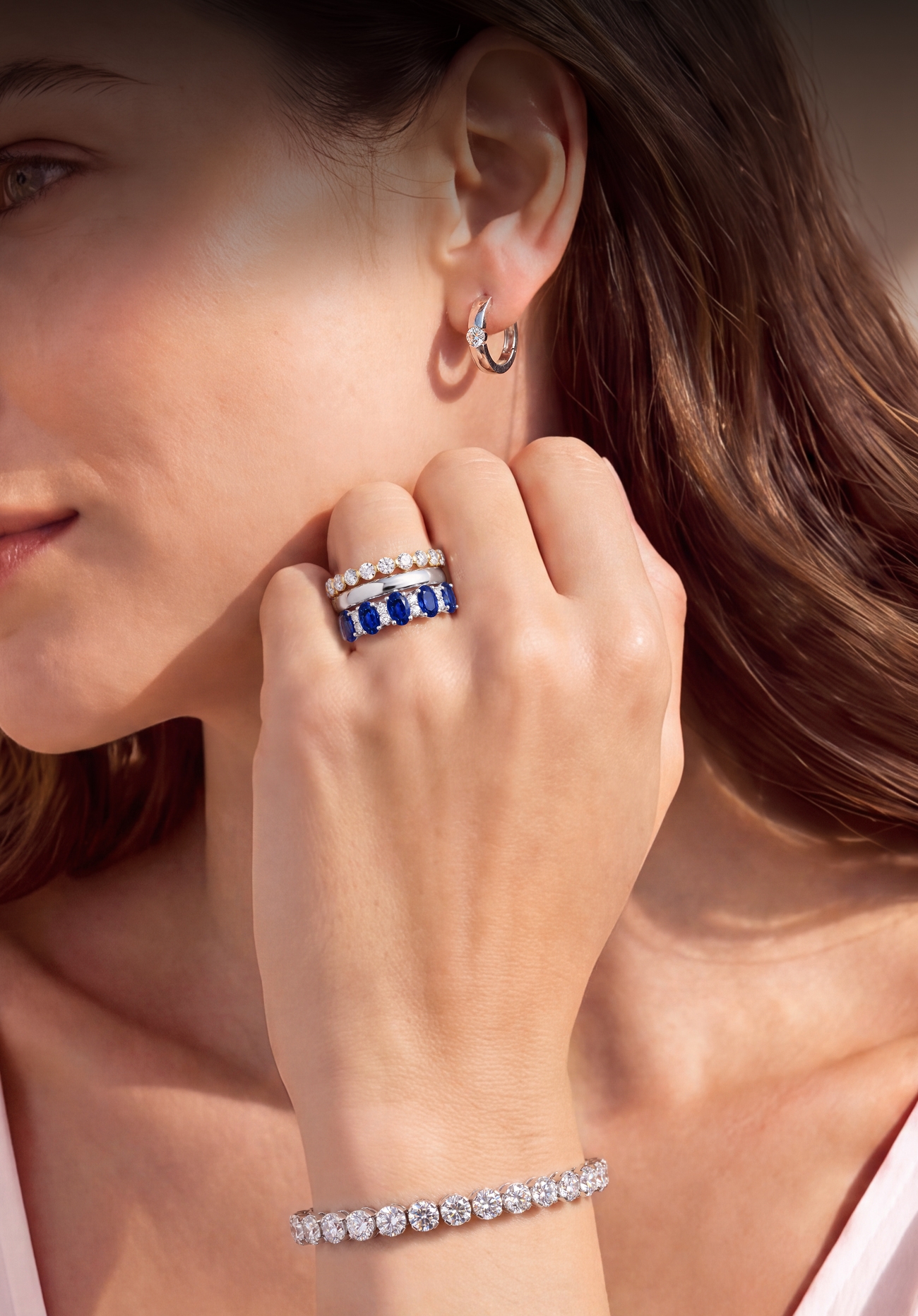
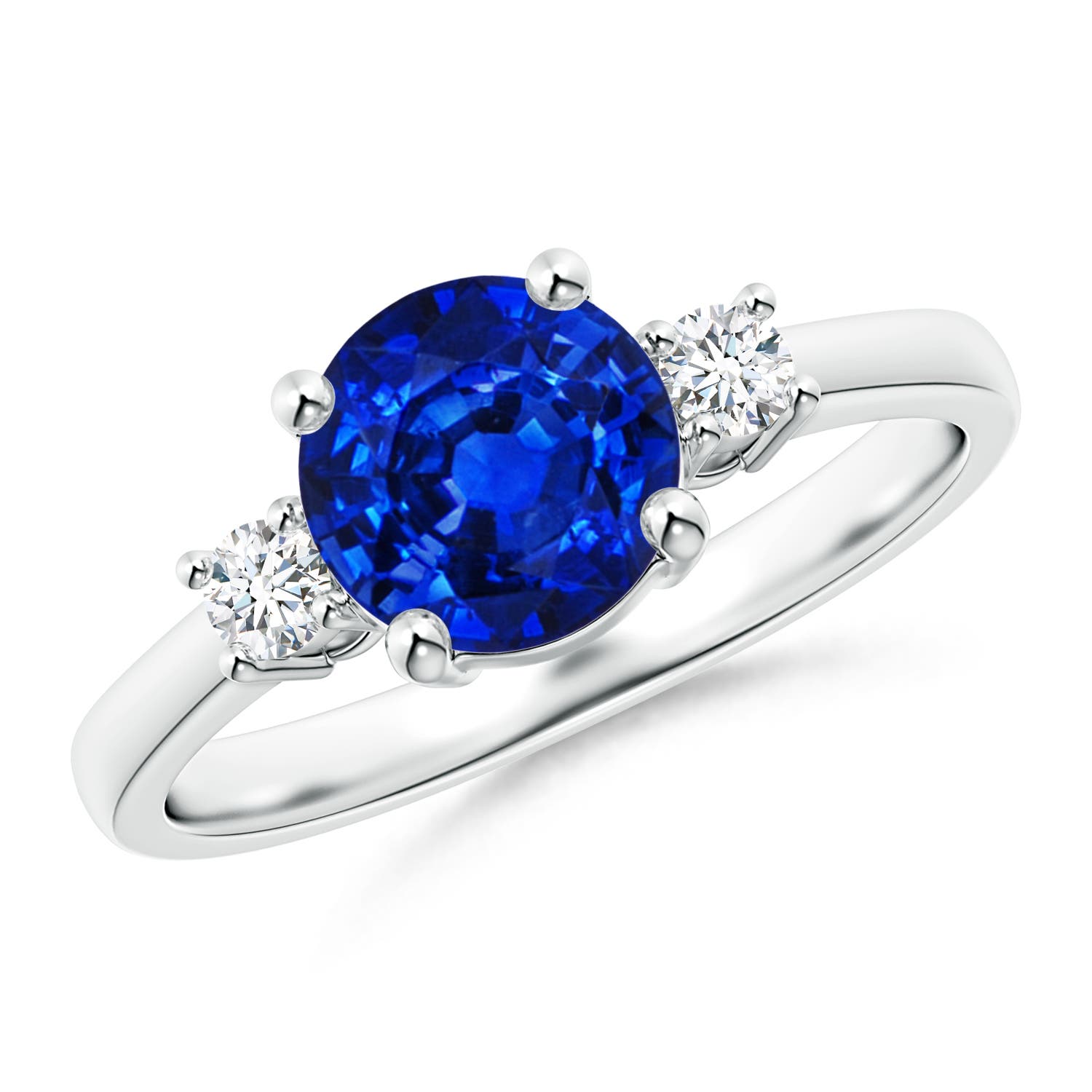
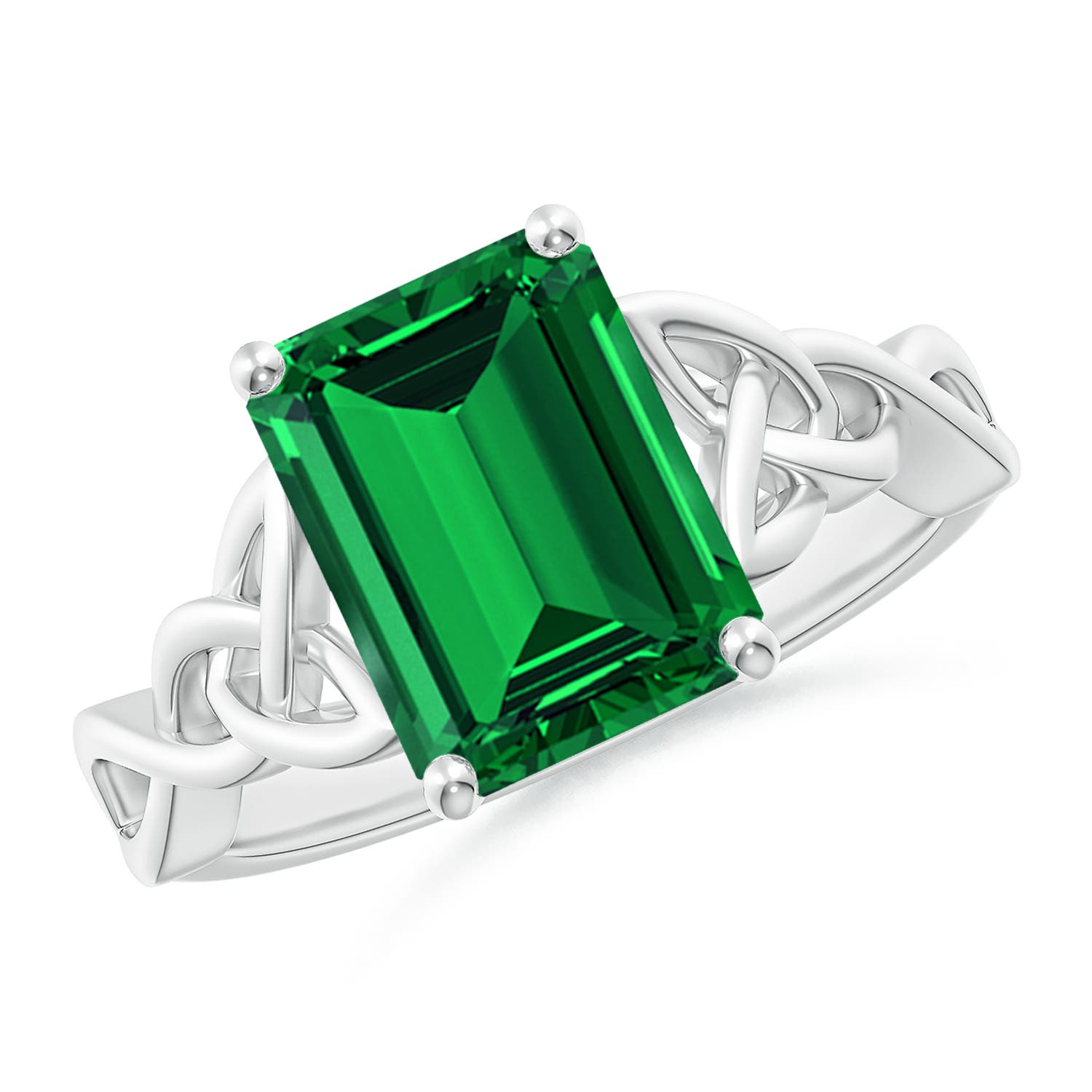
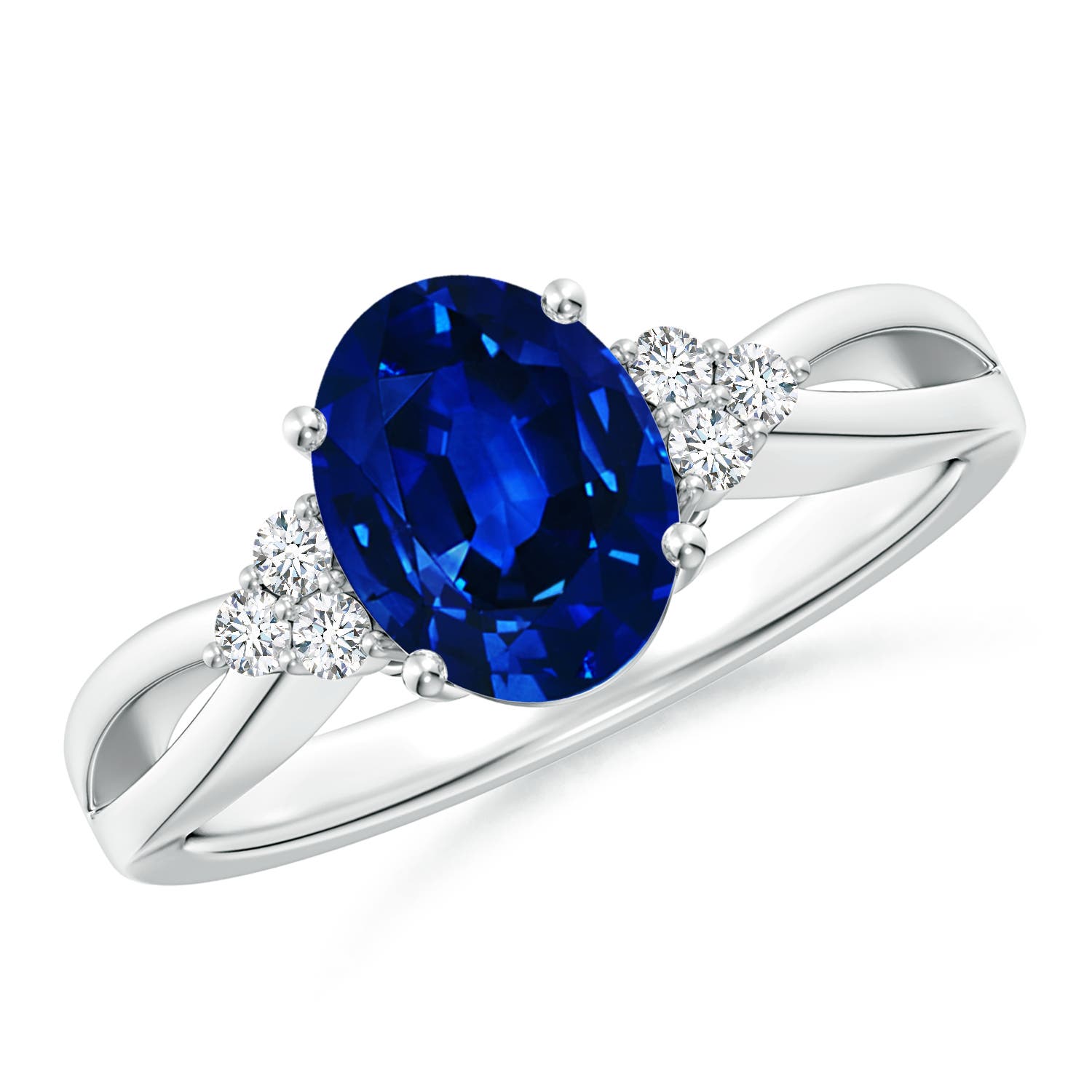
Lab-Grown Solitaire Oval Blue Sapphire Split Shank Engagement Ring with Trio Lab Diamonds
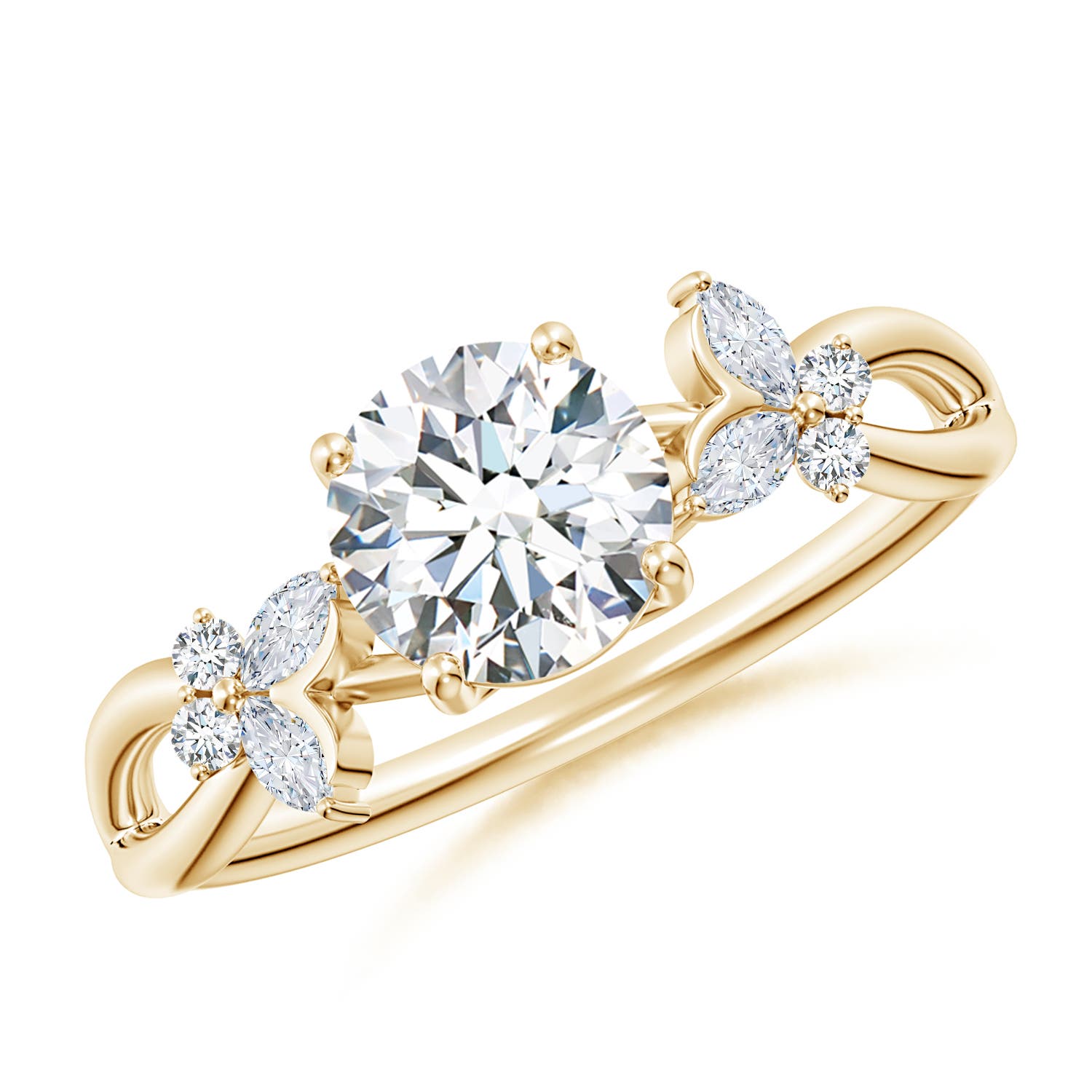
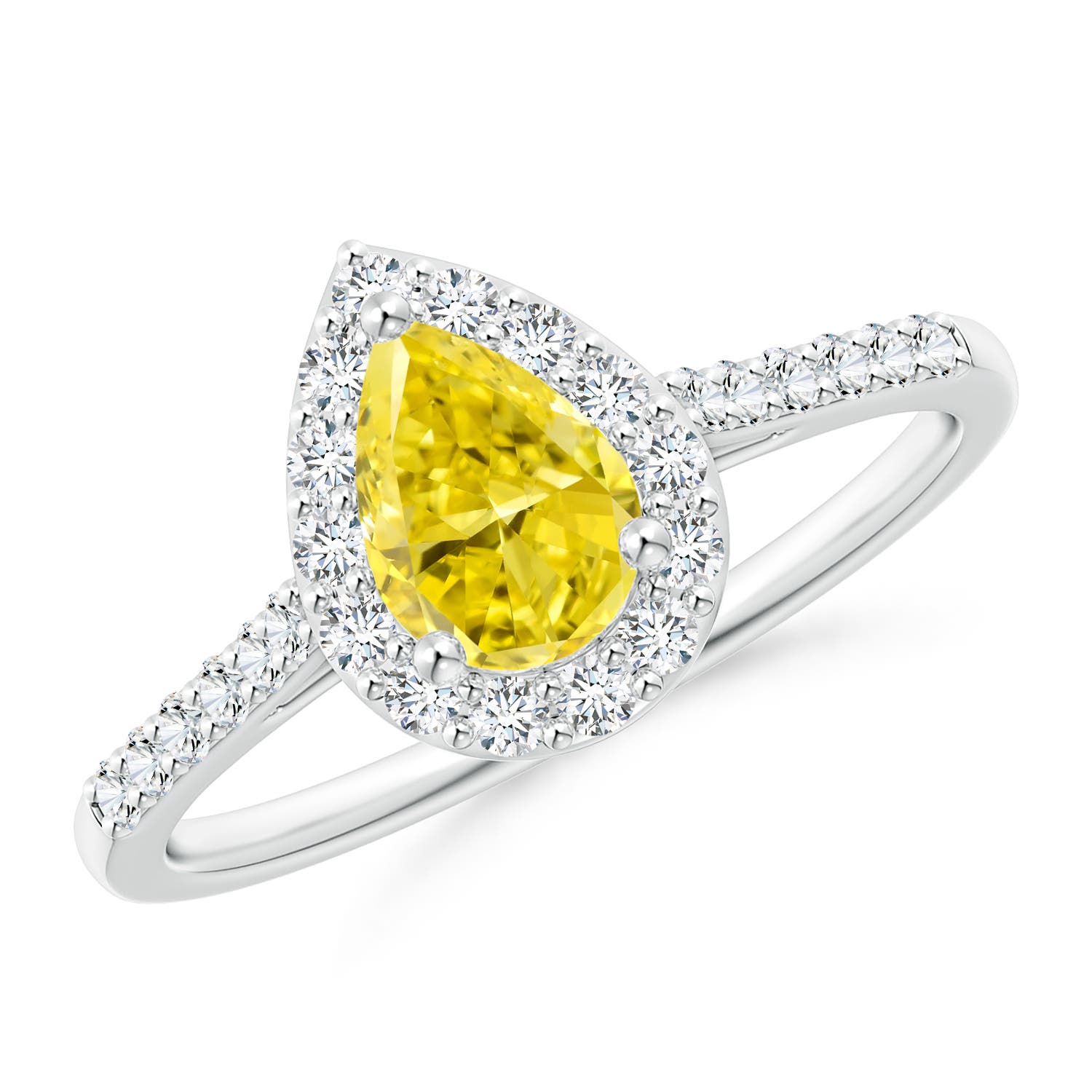
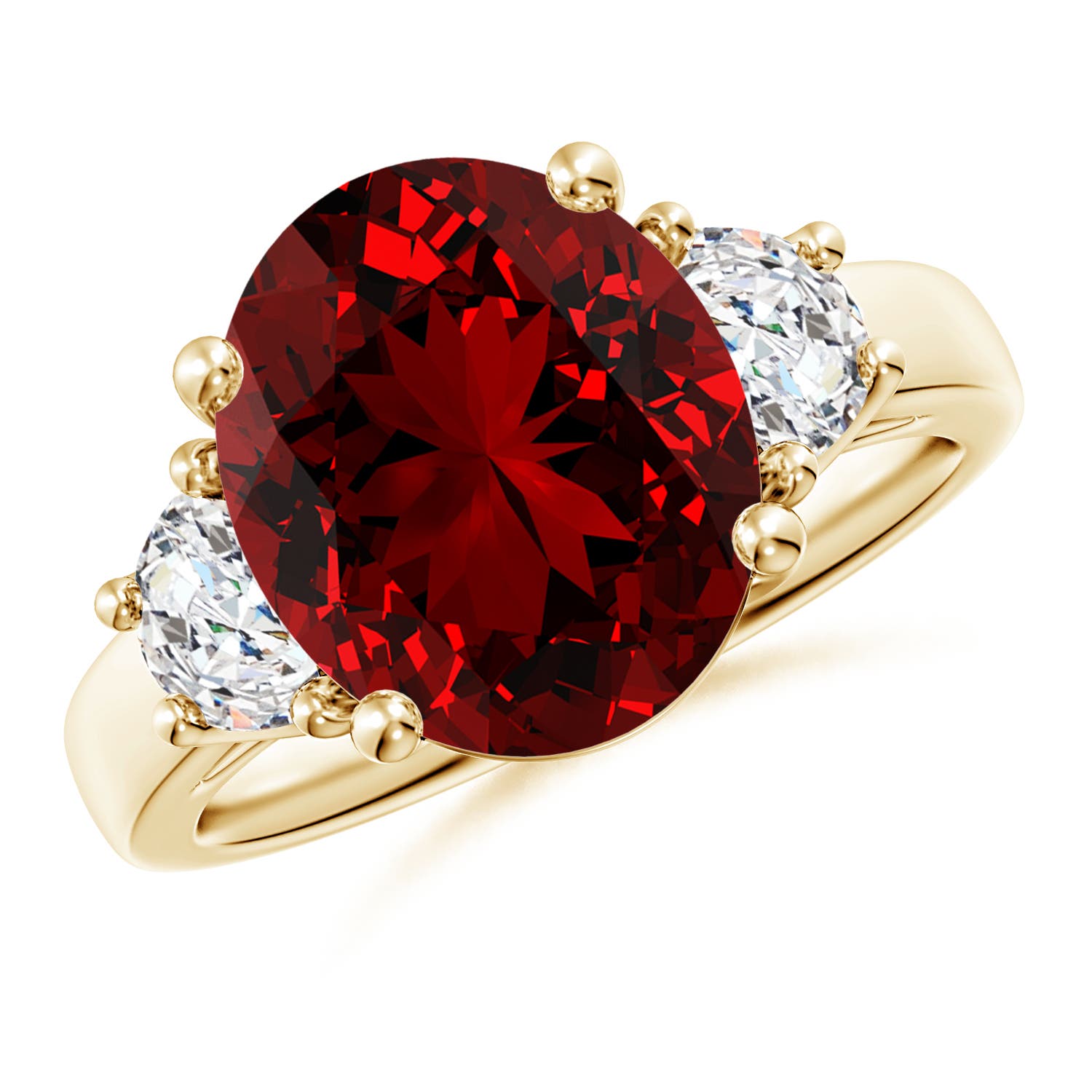
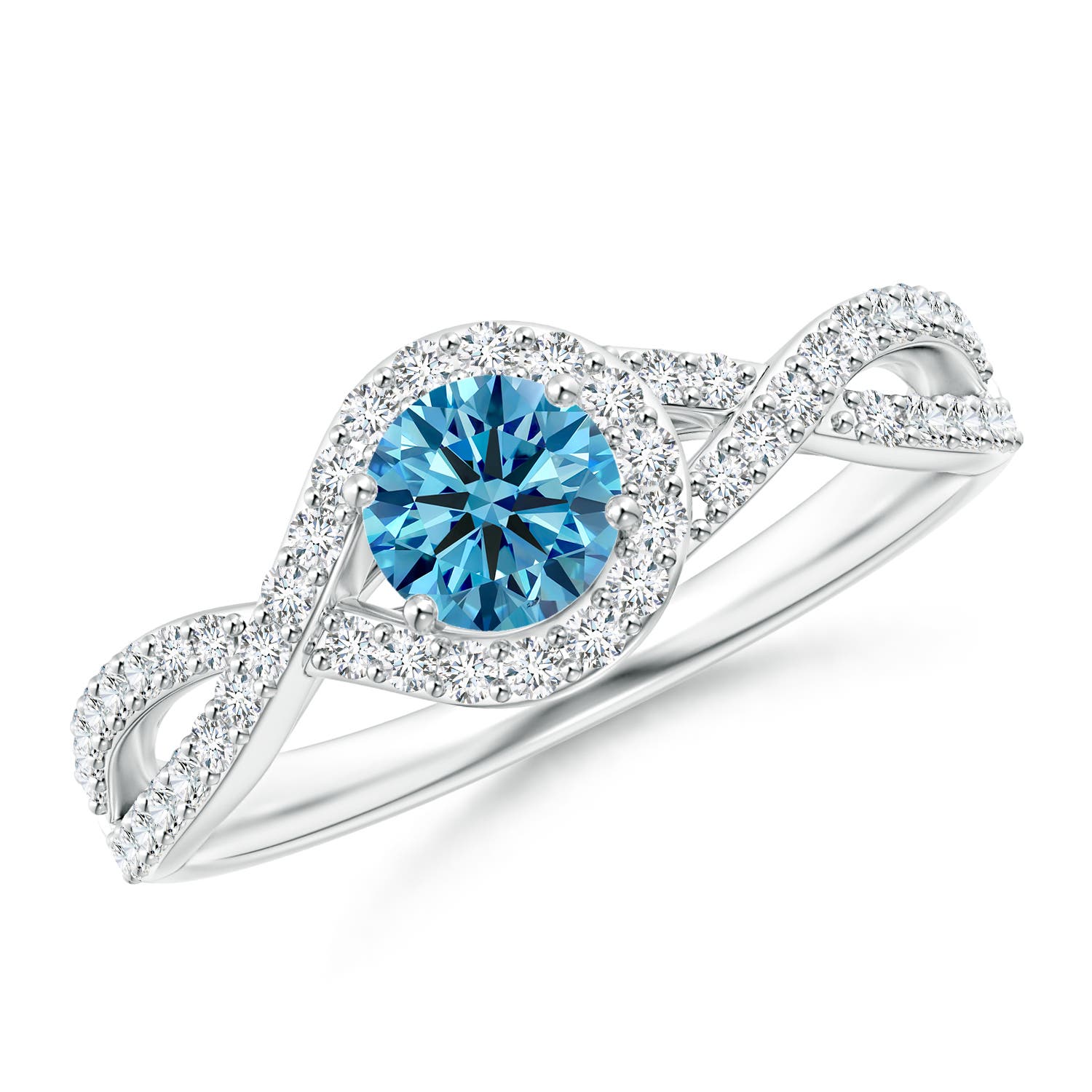
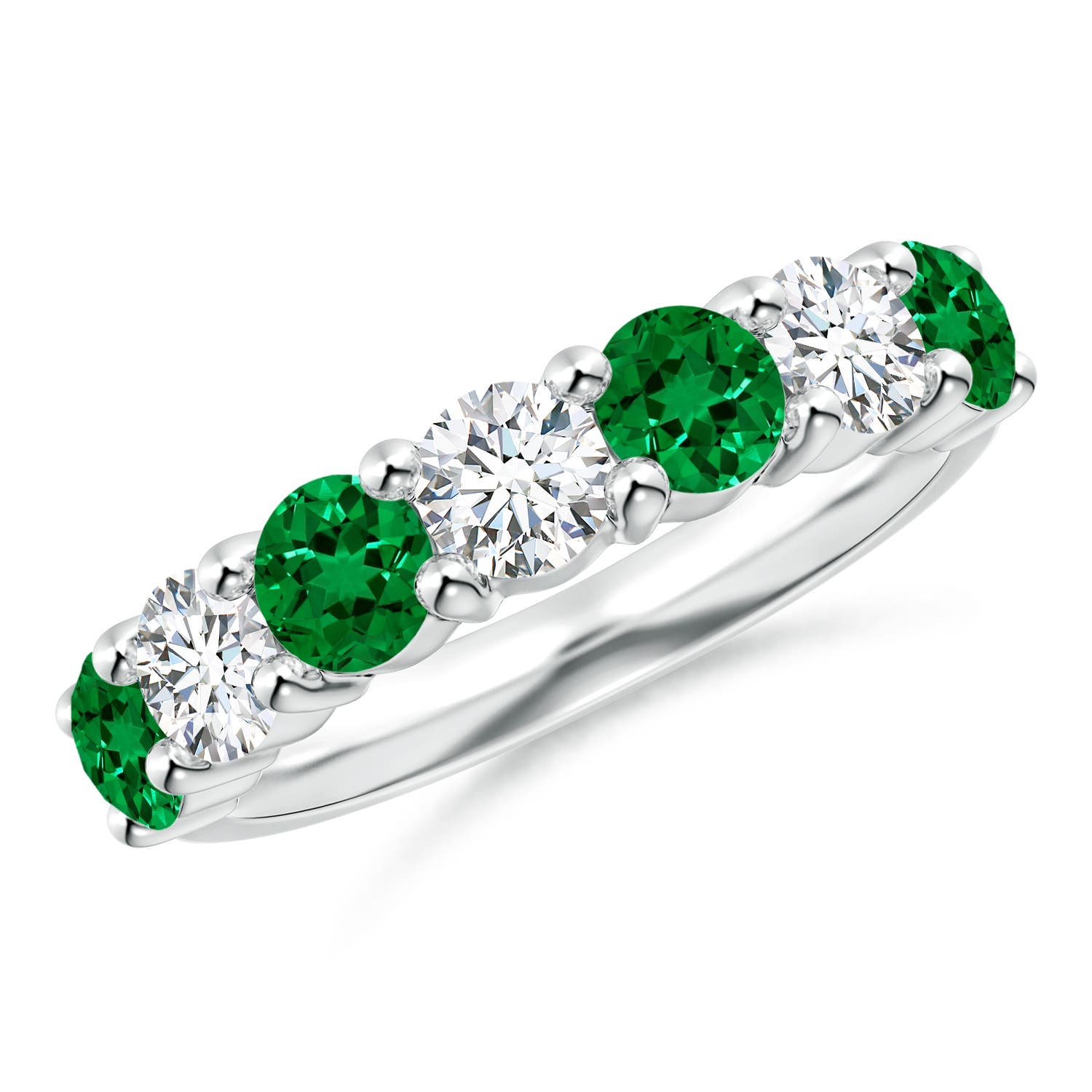
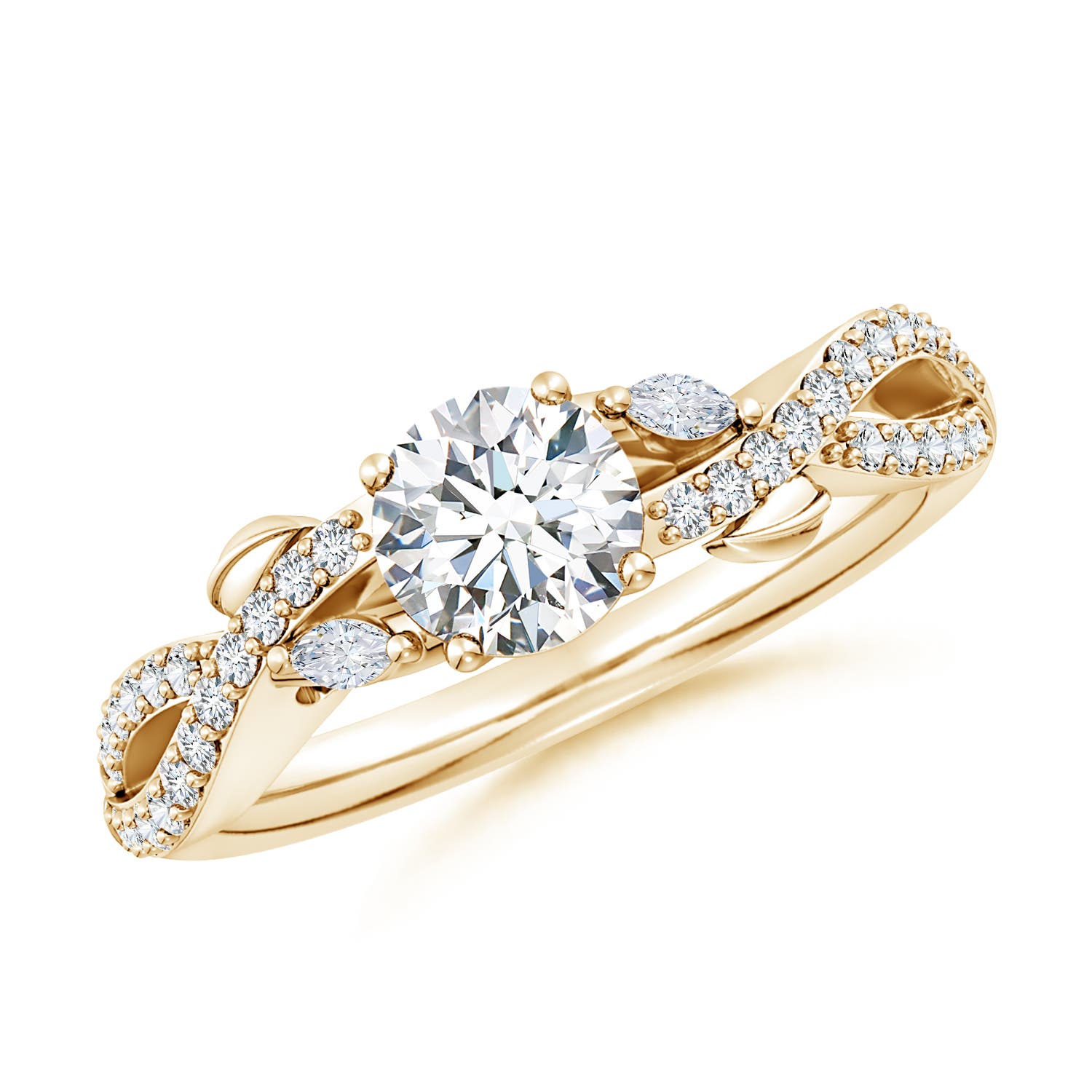
Lab-Grown Nature-Inspired Round and Marquise Diamond Side Stone Engagement Ring
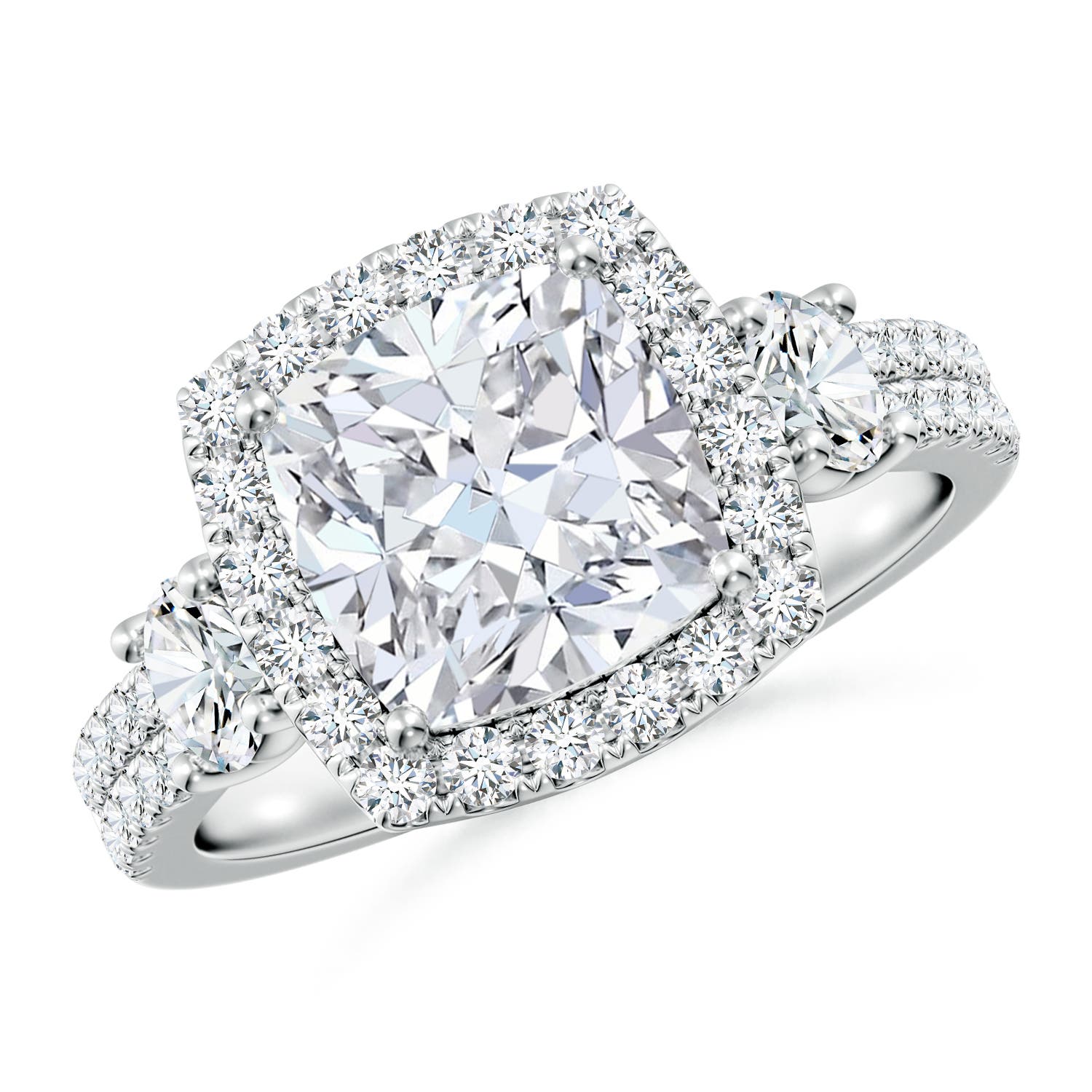
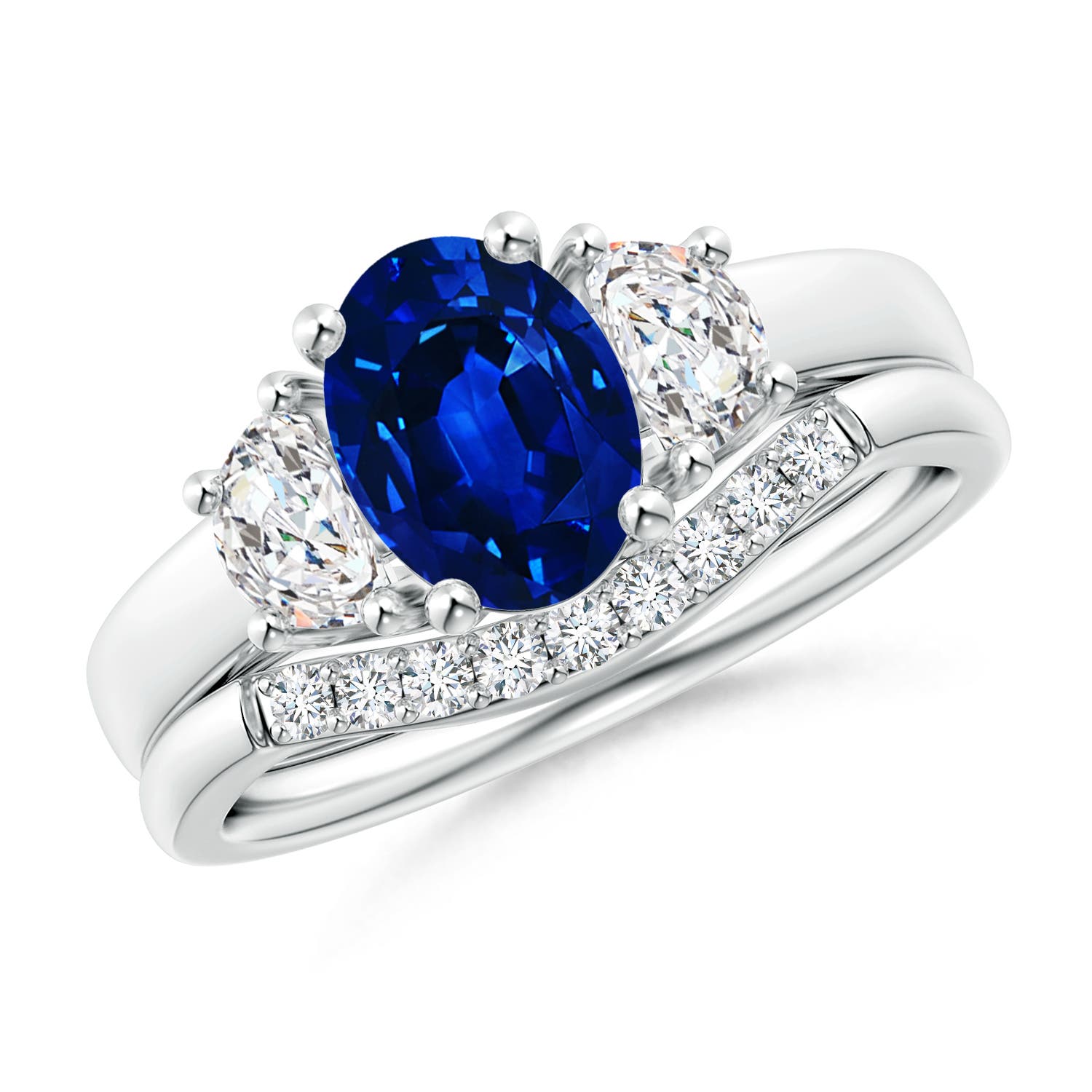
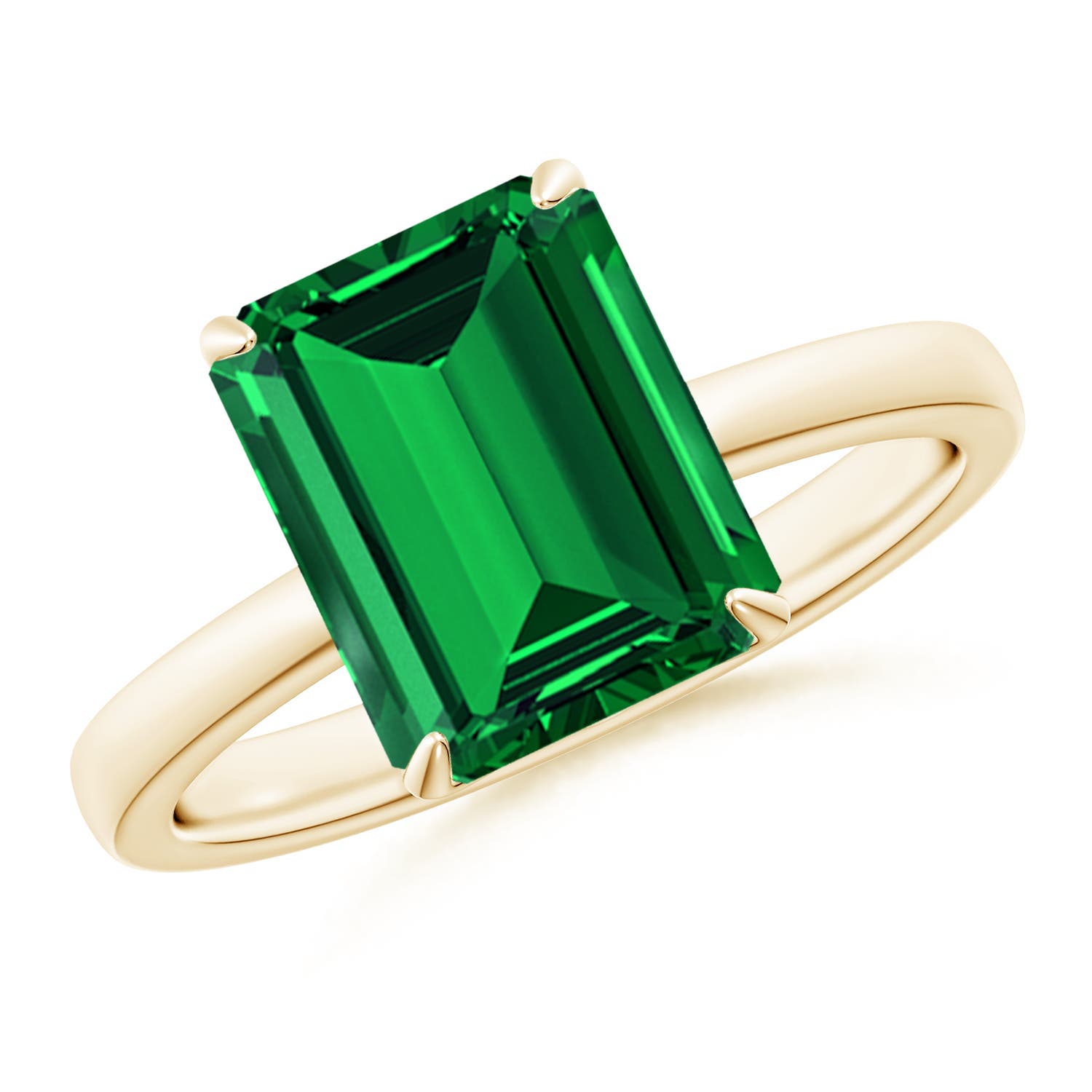
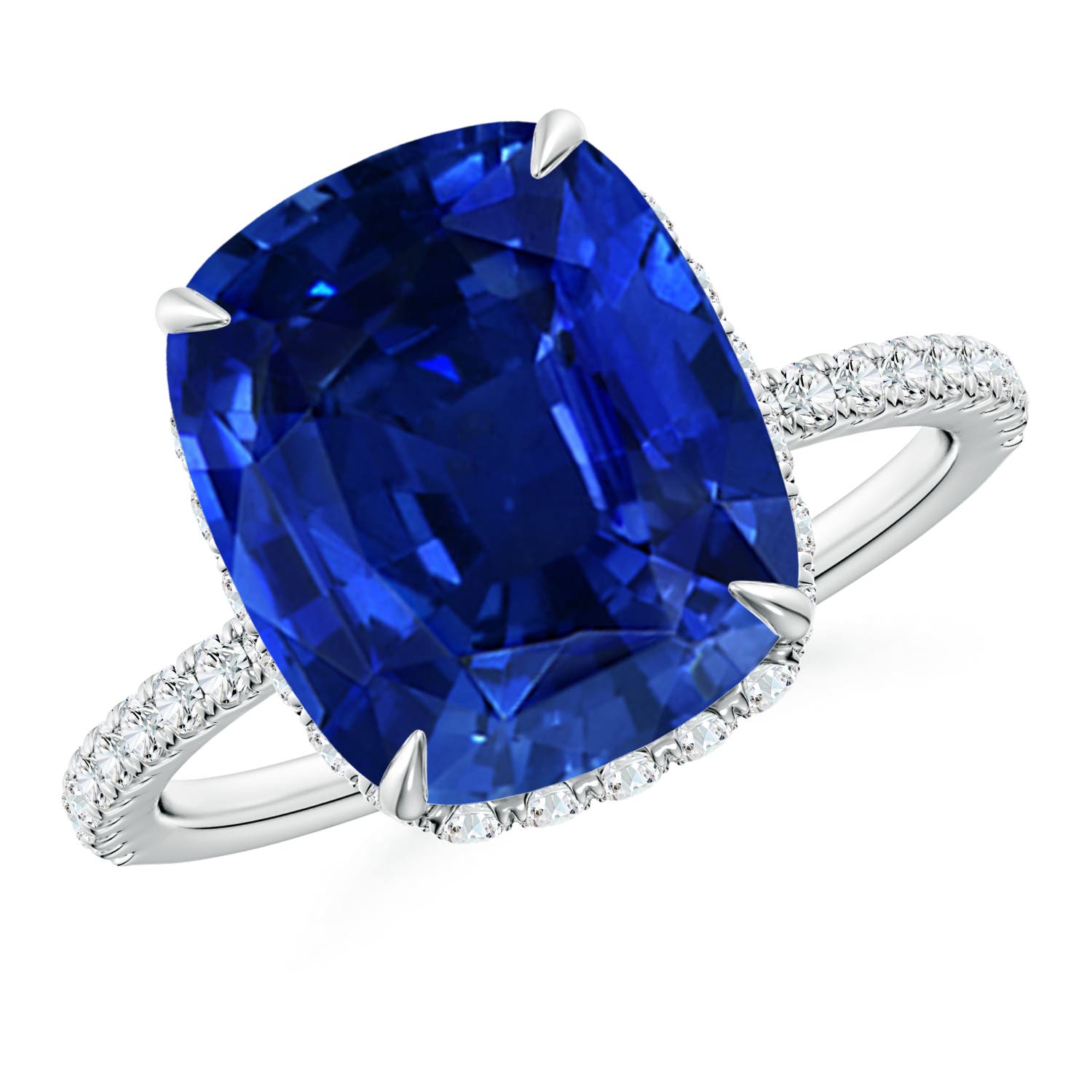
Viewed 36 of 773
SHOP WITH CONFIDENCE
Free 30-Day Returns
Not quite right? Return it in its original condition for a full refund. No questions asked.

Free Insured Shipping
Your jewelry arrives safely with free, fully insured shipping.

Easy Pay Installments
Enjoy your favorites now and pay later with easy, interest-free installments. No hidden charges.


What Can You Find in Angara’s Lab-Grown Ring Collection?
Angara’s lab-grown rings for men and women give you more freedom to choose the stone size, setting and overall look that matter most to you. The collection features lab-created diamonds, blue sapphires, rubies, emeralds and alexandrites, along with blue, pink and yellow lab-created diamonds, all set in rings made to order.
Lab-grown diamonds and gemstones are real, not imitations. They share the same chemical, physical and optical properties as their natural counterparts, with the key difference being that they are created in controlled laboratory conditions rather than formed in the earth.
Explore solitaires that keep the focus on the center stone, halos and side-stone rings with added brilliance, three-stone and vintage-inspired designs with more detail, plus eternity, stackable and signet styles. Customize the carat weight and metal, then add an engraving for a personal finish. You can even consider our lab-grown jewelry to find coordinating pieces and complete the look.
Are Lab-Grown Rings Real?
Yes, lab-grown rings feature real diamonds and gemstones, not glass, cubic zirconia or other imitation materials. A lab-grown diamond has essentially the same chemical composition, crystal structure and optical and physical properties as a natural diamond. Lab-grown ruby, sapphire, emerald and alexandrite likewise share the defining characteristics of their natural gemstone counterparts.
The difference lies in origin. Natural stones grow within the earth, while lab-grown stones develop under controlled laboratory conditions. A simulant only recreates the appearance of another gem, but a lab-grown gemstone is the corresponding gemstone material. In other words, the accurate comparison is lab-grown versus natural, not real versus fake. Clear disclosure of the stone’s laboratory origin helps you understand exactly what you are buying. Explore more in our lab-grown jewelry collection.
How Far Can Your Budget Go With a Lab-Grown Ring?
A lab-grown ring can often give you a larger center stone or more detailed design for the same budget as a comparable natural-stone ring. Angara’s current lab-grown ring prices begin at $229 and extend beyond $10,000, giving you options across fashion, engagement and wedding styles.
Below $1,000, our collection includes simpler solitaires, bypass designs, bands and rings with smaller center stones. Between roughly $1,000 and $3,000, you will find a broader choice of colored gemstone engagement rings, halos, side-stone settings and fancy-color lab diamonds. Above $3,000, larger carat weights, platinum settings, diamond-rich three-stone rings and eternity designs become more common. You should also know that the exact availability changes as products and customizations change.
Rather than chasing the largest number alone, decide where you want the budget to show. You might choose a larger center stone, a platinum setting or more accent stones. Compare the visible dimensions, gemstone specifications and complete ring design before deciding.
Which Lab-Grown Stone Is Best for a Ring?
The best lab-grown stone for a ring depends on the color, durability and overall character you want.
Lab-grown diamond rings are a good choice if you're looking for classic brilliance and maximum scratch resistance. Diamond ranks 10 on the Mohs scale and works naturally across solitaire, halo, side-stone, engagement and eternity designs.
Lab-grown blue sapphire rings bring rich blue color with a hardness of 9, making sapphire a practical choice for a ring worn regularly. Lab-grown ruby rings offer the same hardness with vivid red color and work well for engagements, anniversaries and statement styles.
Lab-grown emerald rings are perfect if you’re drawn to unmistakable green. Emerald ranks 7.5 to 8 and needs more thoughtful wear than diamond, ruby or sapphire, particularly around hard knocks.
Lab-grown alexandrite rings offer a visible color shift and a hardness of 8.5, while lab-grown colored diamond rings bring diamond brilliance to blue, pink and yellow hues.
From Solitaire to Signet, What Lab-Grown Ring Styles Can You Choose?
Angara’s lab-grown rings for women include solitaires, halos, side-stone, three-stone, vintage-inspired, infinity, bypass, stackable and eternity designs. Solitaires keep the focus on one lab-created diamond or gemstone, while halos and side stones add more brilliance. Three-stone rings bring symbolism, vintage-inspired styles add detail through milgrain and engraving, and stackable or eternity bands work well for weddings, anniversaries and everyday layering.
Lab-grown rings for men tend to have a broader, more structured profile. Signet rings, wide bands, three-stone designs and rings with geometric settings offer a stronger presence on the hand, while lower-profile styles can feel more practical for daily wear.
These categories are not fixed. Many solitaire, eternity, signet and gemstone rings work as unisex designs, so the best choice comes down to band width, setting height, stone size and how the ring feels on the hand.
Does a Lab-Grown Ring Last as Long as a Natural One?
Yes, a lab-grown ring can last as long as a natural-stone ring when it features the same gemstone material, comparable quality and a secure setting. Lab-grown ring durability follows the stone itself rather than whether it formed underground or in a laboratory.
A lab-grown diamond has the same scratch hardness as a natural diamond. Lab-grown ruby and sapphire rank 9, alexandrite ranks 8.5 and emerald ranks 7.5 to 8, just like their natural counterparts. However, hardness is only resistance to scratching. Inclusions, toughness, setting style, metal and daily wear also affect how well any ring holds up.
For frequent wear, diamond, ruby and sapphire are the easiest choices. Alexandrite also works well with sensible care. Emerald can be worn regularly, but a protective bezel or lower-profile setting and a little more caution will help protect it from impact.
Is Lab-Grown Alexandrite a Good Choice for a Ring?
Yes, lab-grown alexandrite is a strong choice for a ring if you want distinctive color, practical durability and a center stone with real visual impact. Its best-known feature is its color change, shifting from green or bluish green in daylight to red, purple or raspberry tones under warmer light. The effect varies with the stone and lighting, so the ring can reveal a different character throughout the day.
Natural alexandrite with a noticeable color change is exceptionally rare, particularly in larger sizes. A lab-created option makes this sought-after effect far more accessible, giving you greater freedom to choose the carat weight and design you prefer without paying primarily for geological rarity.
Alexandrite also ranks 8.5 on the Mohs scale, making it durable enough for regular wear with sensible care. Explore lab-grown alexandrite rings in solitaire, halo, three-stone and vintage-inspired designs, then customize the carat weight, metal and engraving to make the ring feel personal.
Can You Buy Lab-Grown Engagement Rings As Well As Lab-Grown Wedding Bands?
Yes, Angara offers both lab-grown engagement rings and lab-grown wedding bands, so you can shop for the proposal, the ceremony or rings that work together. Lab-grown diamond engagement rings place the focus on the center stone through solitaire, halo, hidden-halo, side-stone, three-stone and vintage-inspired settings.
Lab-grown wedding rings include half-eternity, eternity, five-stone, straight, curved and contoured bands that can be worn beside an engagement ring or on their own. When pairing the two, compare the metal, band width and setting profile. A straight band may sit neatly beside a raised setting, while a curved or contoured band can fit more closely around the center stone.
Are Lab-Grown Rings Worth It for an Engagement?
Yes, lab-grown rings are worth considering for an engagement when your priorities are center-stone size, gemstone quality, design choice and a clearly disclosed laboratory origin. Because lab-grown diamonds and gemstones are generally more accessible than comparable natural stones, the same budget can often reach a larger center, more accent stones or a more detailed setting.
Lab-grown gems offer the same beauty and everyday durability as the corresponding natural material, so choosing one does not mean accepting an imitation. The emotional value still comes from the proposal, the design you choose and the life attached to the ring.
The trade-off is rarity and resale. Lab-grown stones can be produced again, so they do not carry the geological scarcity of natural gems and their market prices may change as production grows. Choose a lab-grown engagement ring for what it lets you wear and enjoy, rather than treating it as a predictable resale investment.
Lab-Grown vs. Natural Rings: What Is the Difference?
The main difference between a lab-grown and natural ring is where the center stone formed. Natural diamonds and gemstones develop through geological processes within the earth, while lab-grown stones are produced under controlled conditions using technology designed to create the same gemstone material.
Both can share the same essential chemical, physical and optical properties, and both can be cut and set into fine jewelry. They differ in growth history, rarity, inclusions, price and how the market values them. Specialized gemological equipment can identify whether a stone is laboratory-grown or natural even when the difference is not visible by eye.
Choose natural when geological origin and rarity matter most to you. Choose lab-grown when you would rather direct more of your budget toward size, quality, color or design.
How Should You Care for a Lab-Grown Ring?
Care for a lab-grown ring according to its gemstone, not simply its laboratory origin. For lab-grown diamond, sapphire, ruby and alexandrite rings, use lukewarm water, mild soap and a soft brush to loosen buildup around the stone and setting. Rinse briefly, dry thoroughly and store the ring separately from other jewelry.
A lab-grown emerald needs gentler handling. Clean it with lukewarm soapy water and avoid steam or ultrasonic cleaners unless the product care instructions specifically confirm they are suitable. Emerald’s material and inclusions can make it more vulnerable to sudden heat, vibration and impact.
Remove any lab-created ring before workouts, gardening or household cleaning. Harsh chemicals can affect the metal and repeated pressure can loosen prongs even when the gemstone itself is hard.
Why Buy Lab-Grown Rings From Angara?
Buy lab-grown rings from Angara for four centuries of gemstone knowledge, hand-selected stones, in-house expertise and jewelry made to order around your preferences. Choose from diamonds, colored diamonds, sapphire, ruby, emerald and alexandrite, then customize the carat weight and metal. You can also add an engraving to make a gift, anniversary ring or proposal feel more personal.
Every ring comes with a Certificate of Authenticity detailing its gemstone and jewelry specifications. Free shipping, free 30-day returns, Easy Pay Installments and 24/7 customer support give you added confidence as you compare and customize your ring.