
Ruby Bracelets












Keep up with @angarajewelry making colorful noise in the world.
Reviews
Overview
This bracelet is substantial. The rubies are bright and just right touch. It’s different than any other bracelets I’ve seen.
Purchased this for my daughter instead of a college class ring and she absolutely loves it! Chose ruby as that is the color of her college. Very dainty and elegant!!

This bracelet was better than expected. One unexpected aspect of this piece of jewelry was the stone set in the clasp. Absolutely stunning. Appraised the jewels and received better than expected quality. Well worth the money.
Make a Striking Statement With Our Ruby Bracelets
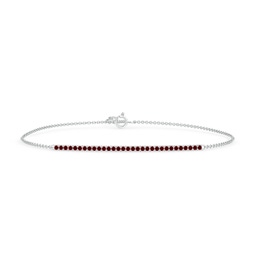
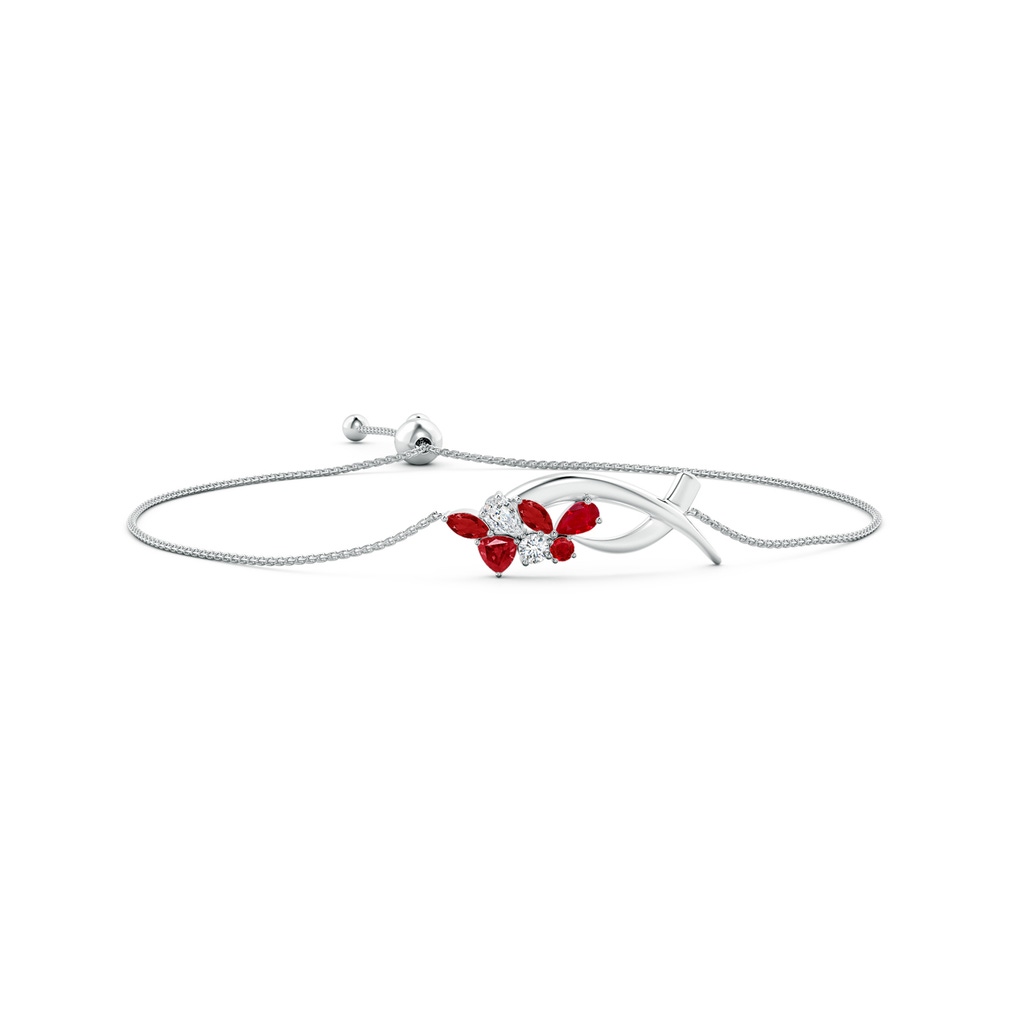
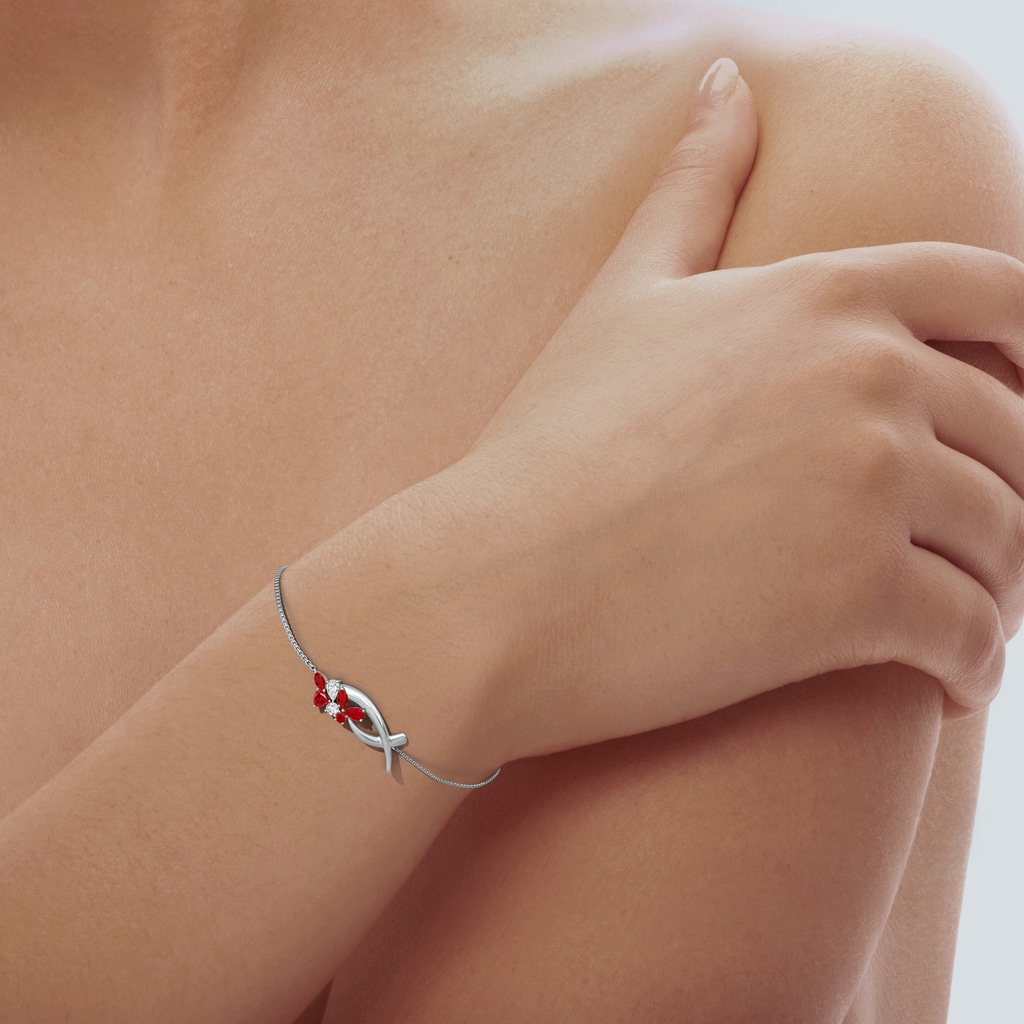
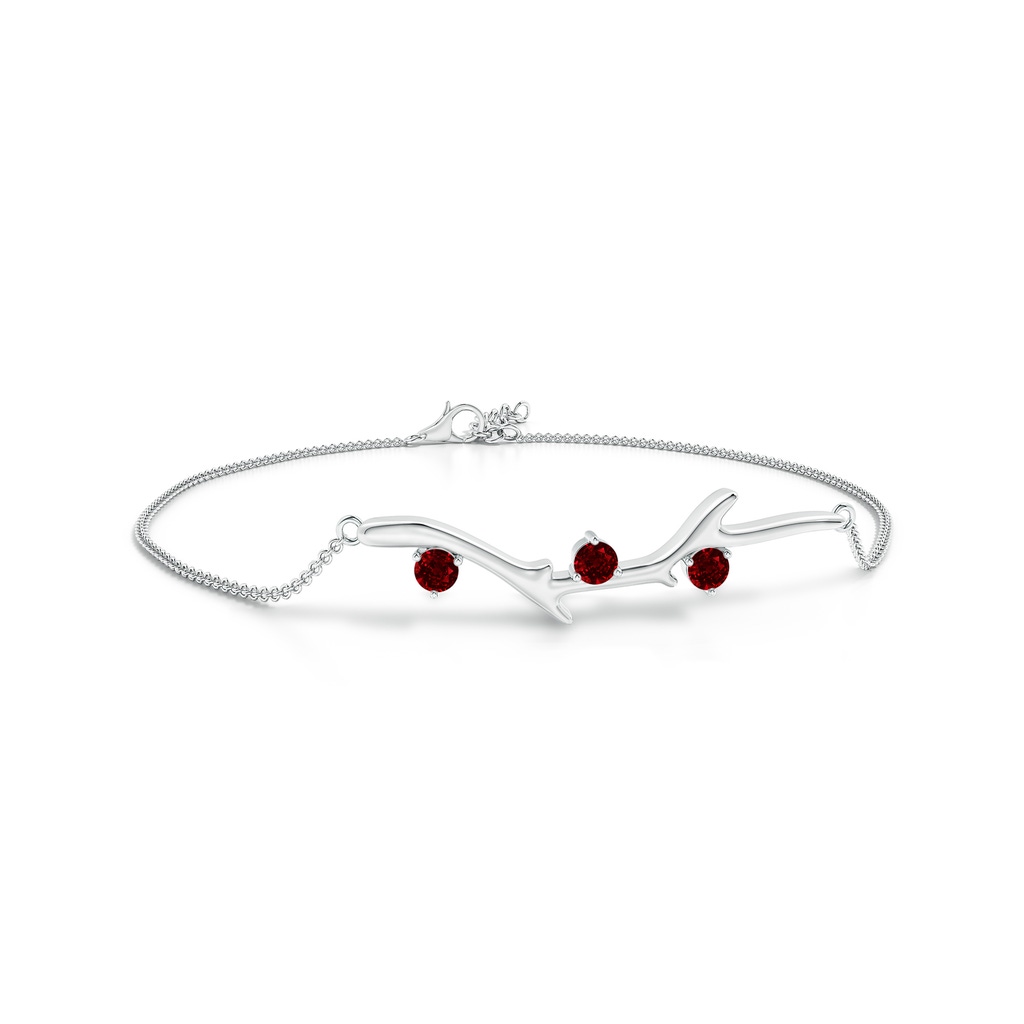
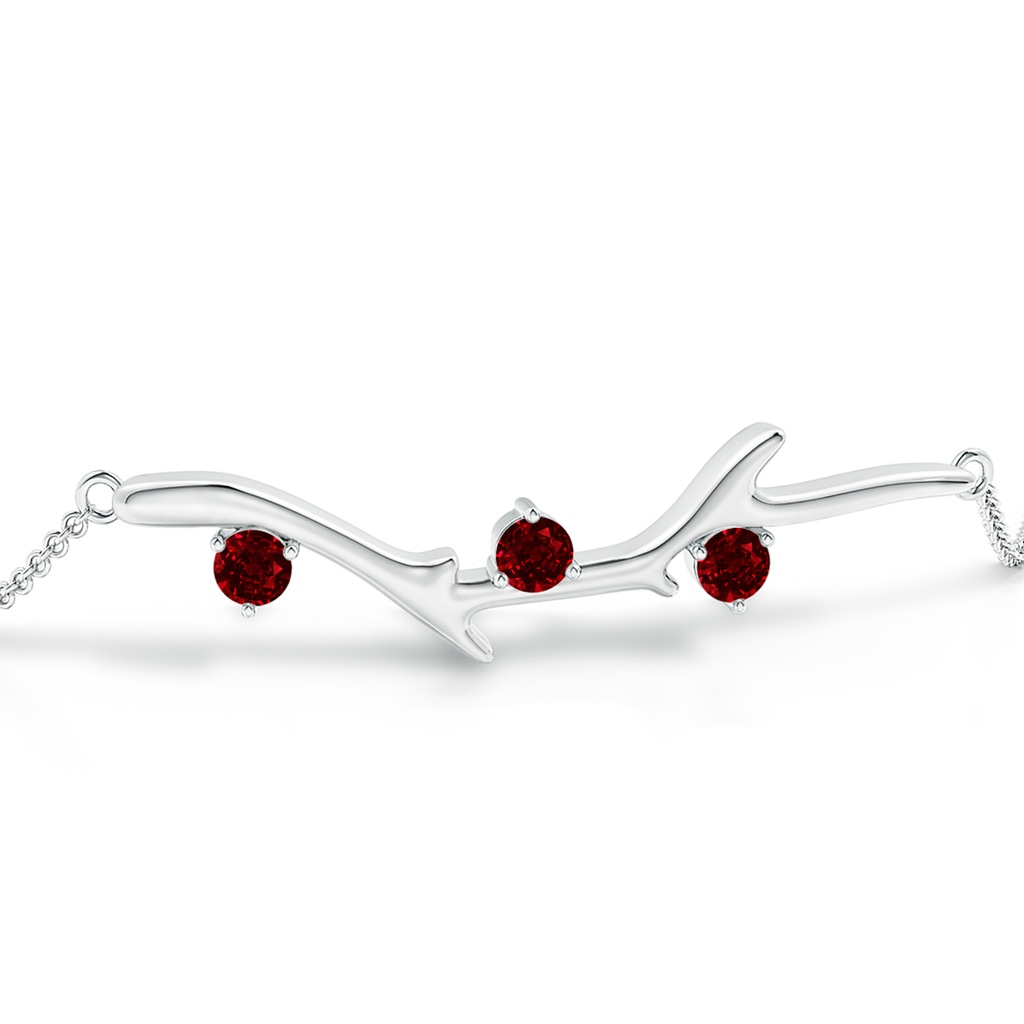
Get ready for some red-hot brilliance with our stunning collection of ruby bracelets. Whether you consider yourself a minimalist or a maximalist, our ruby bracelets for women are sure to bring a jolt of color and joy to your OOTD.
Rightly called the king of gems, ruby has a majestic aura that'll let you power through your day in style. Its intense red glow is sure to get you looking and feeling incredible. And, this gemstone isn't just visually appealing, it is quite tough too! This makes a real ruby bracelet just perfect for your daily rotation!
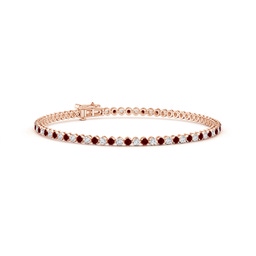
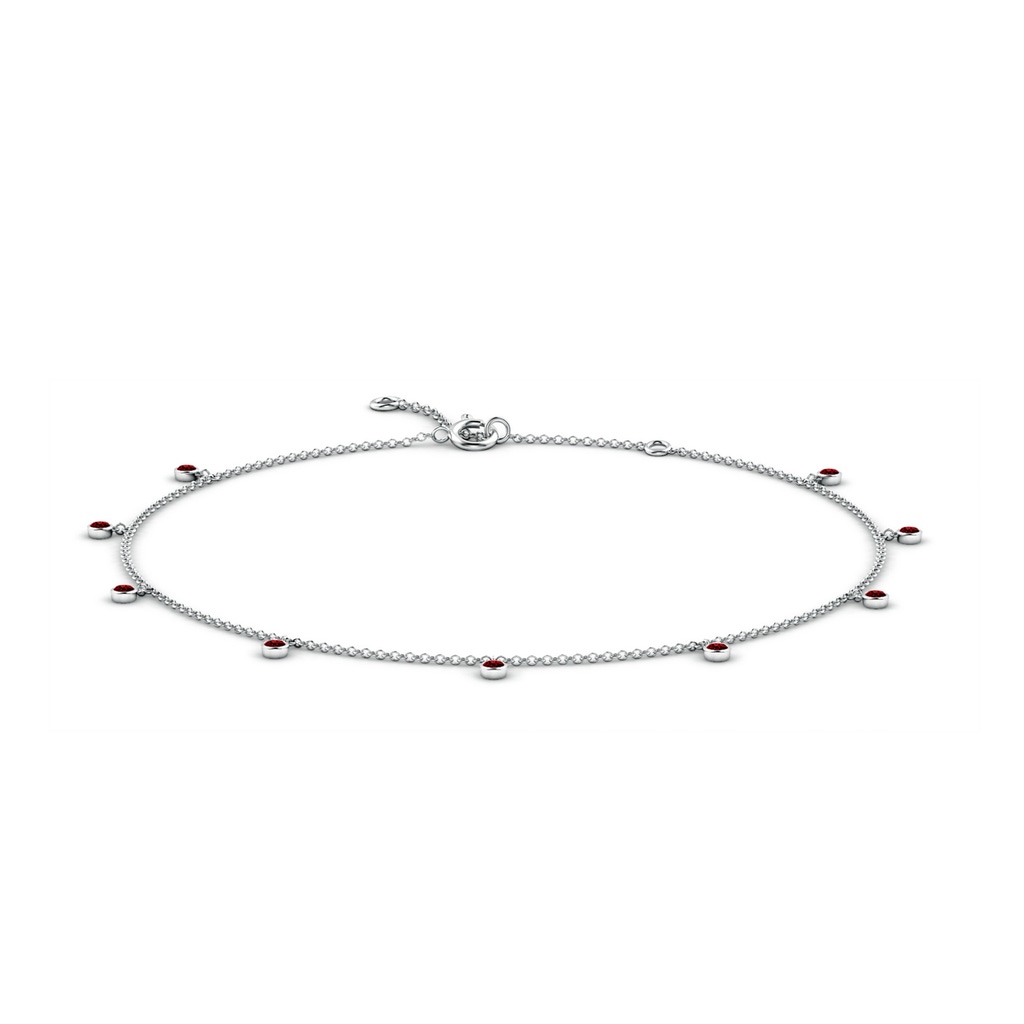
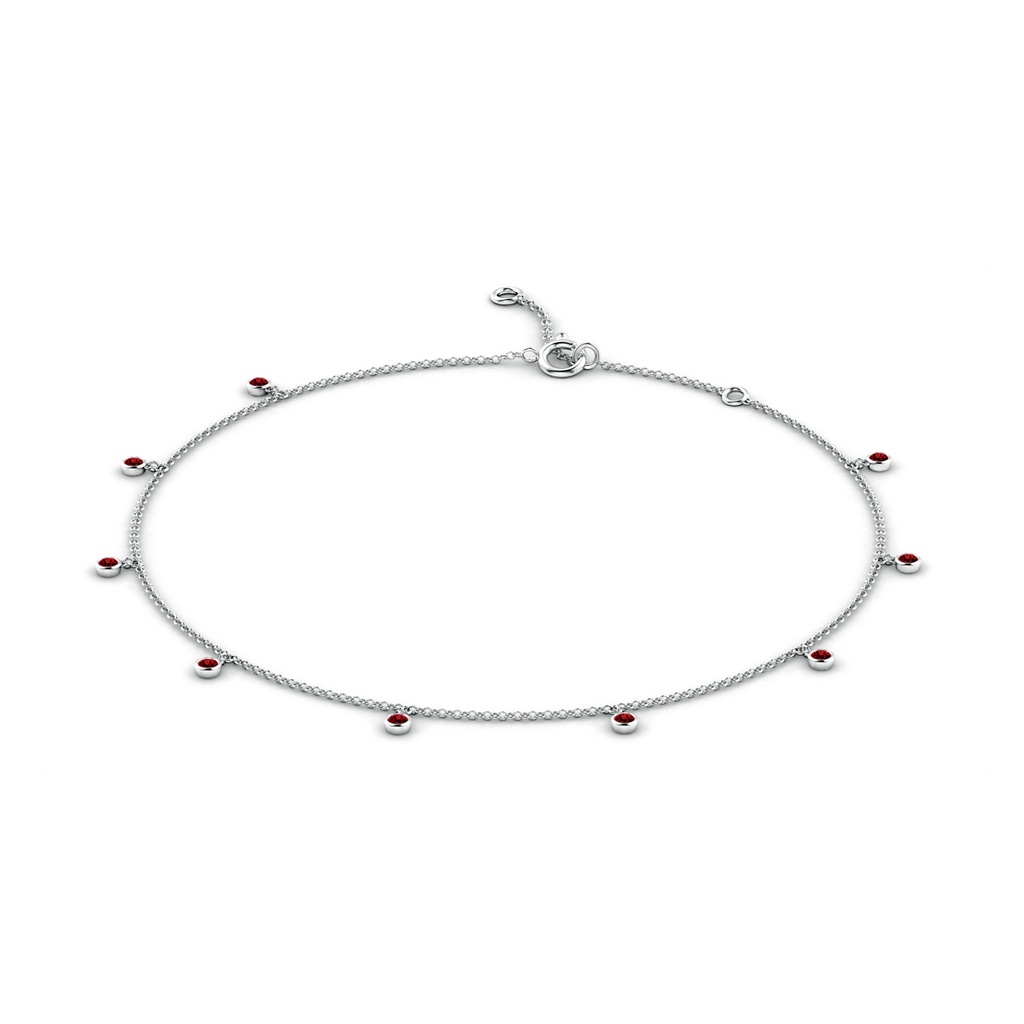
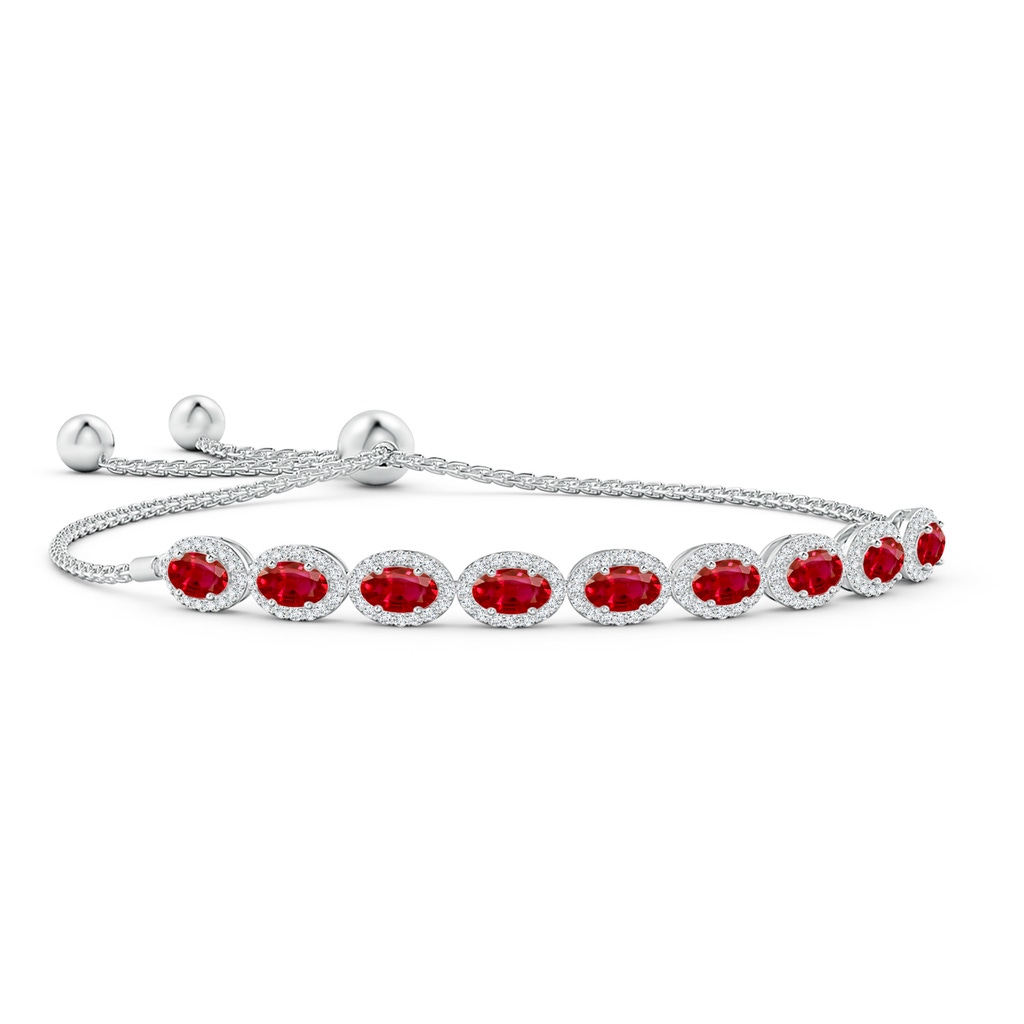
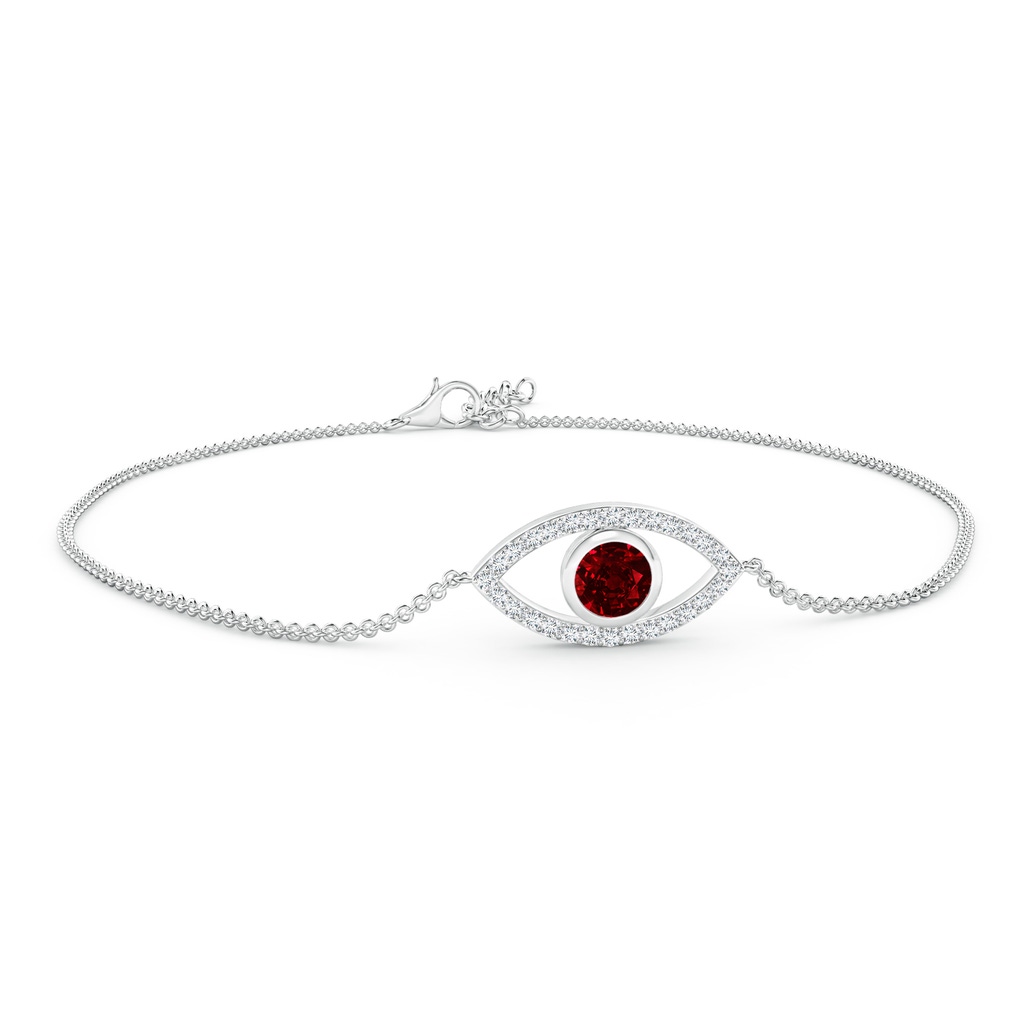
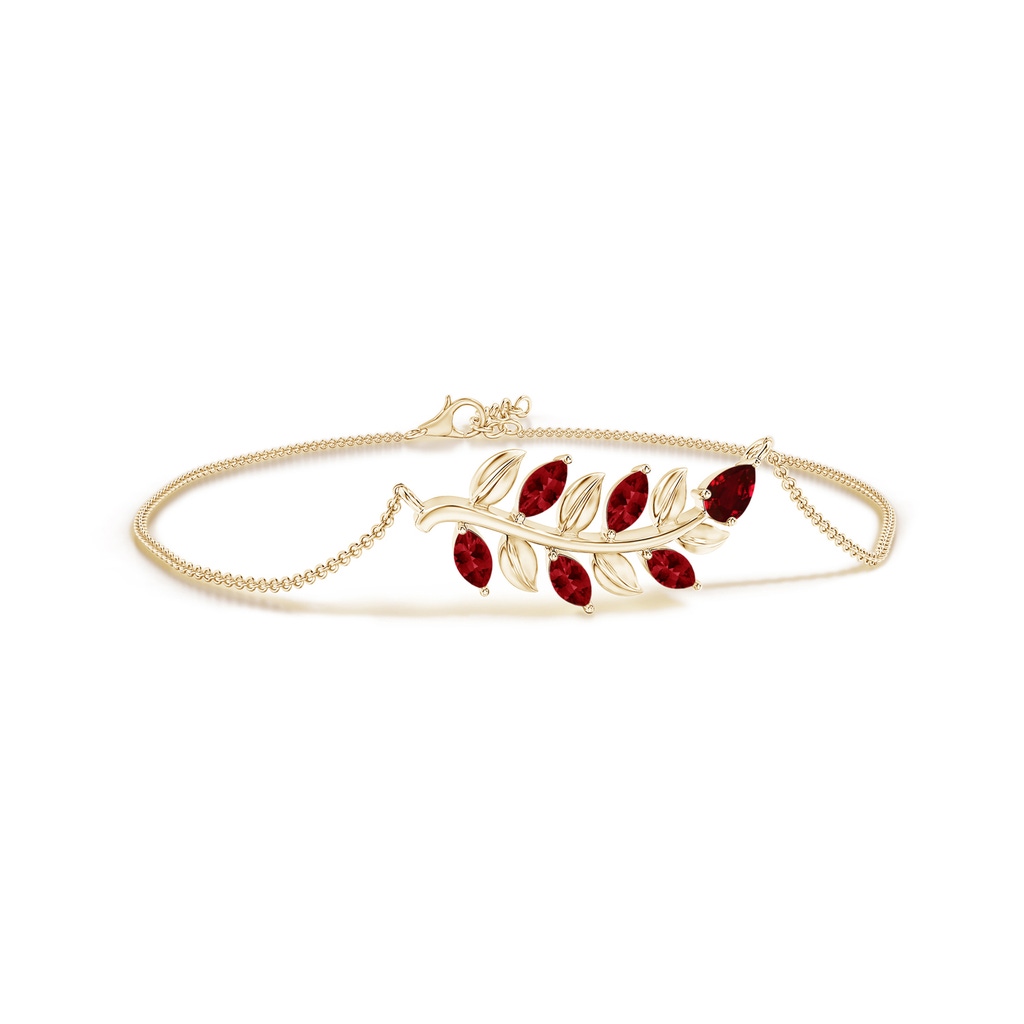
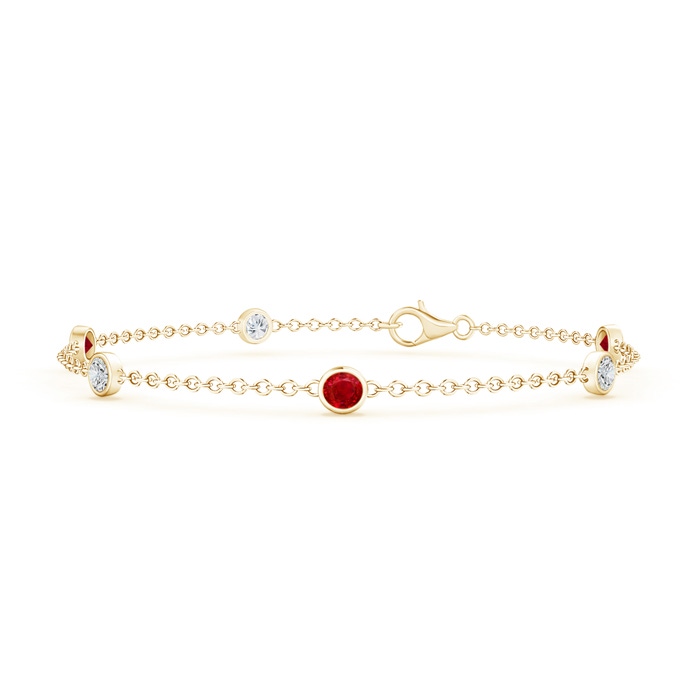
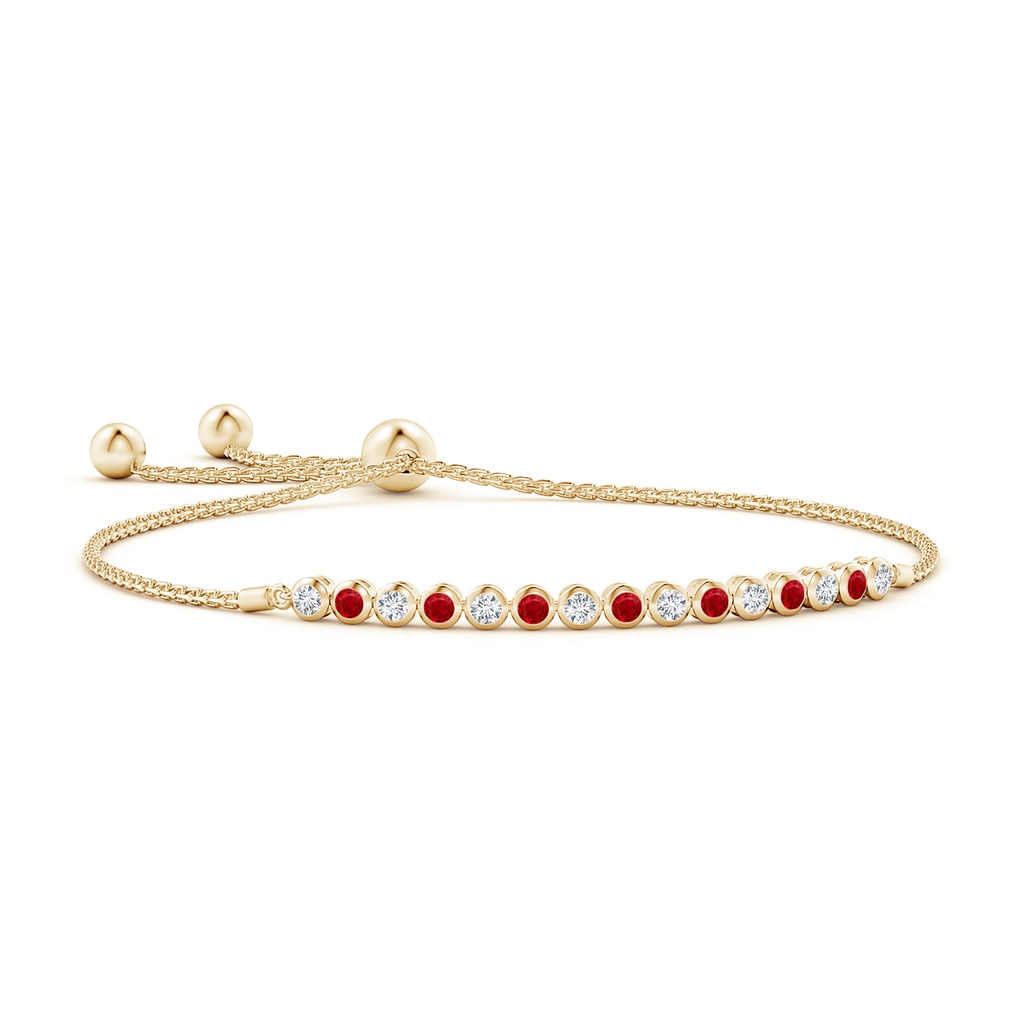
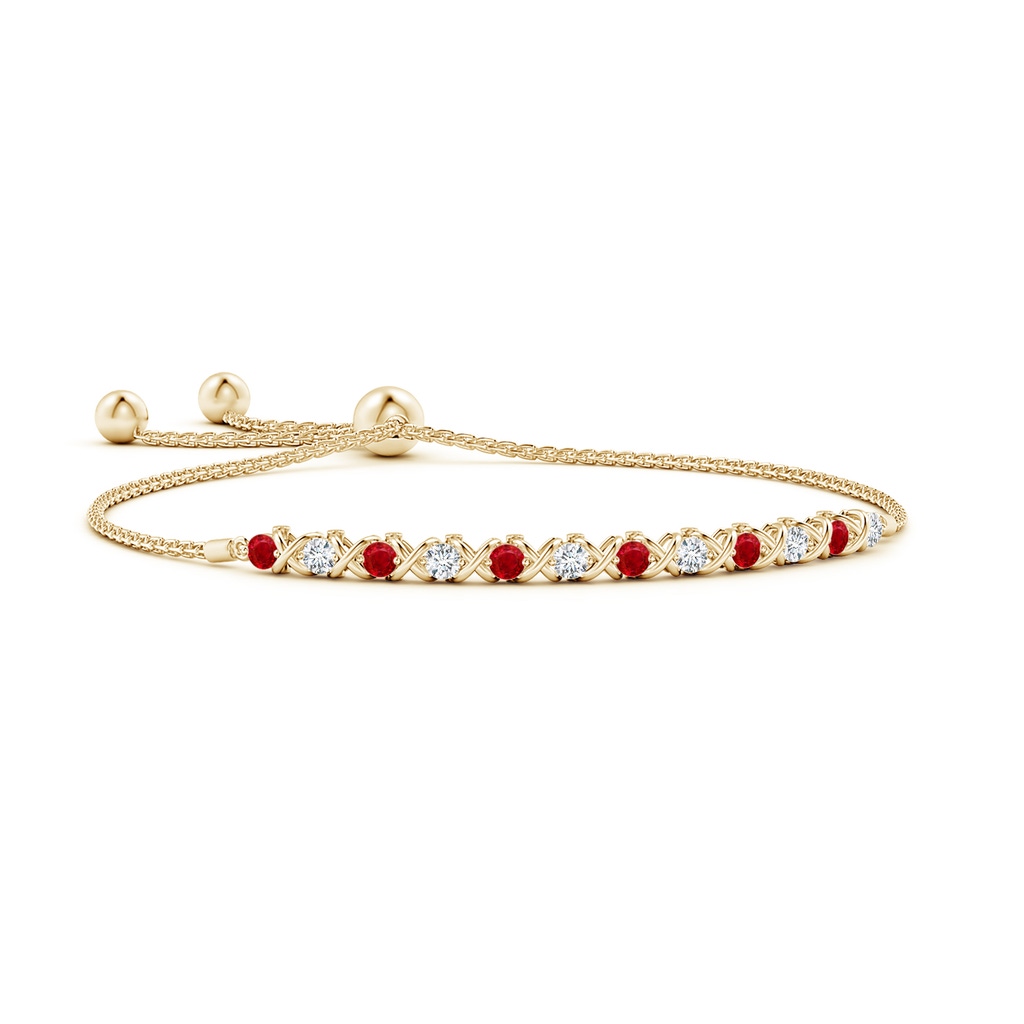
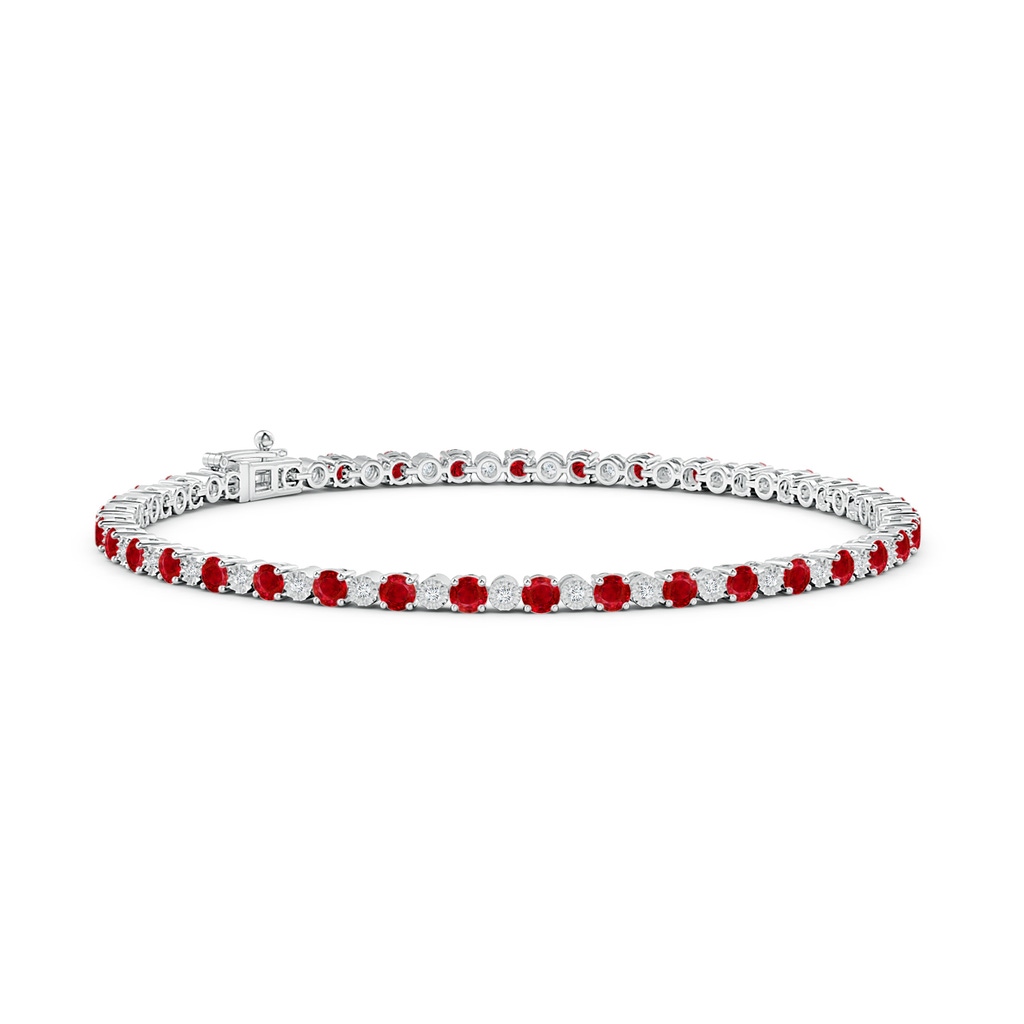
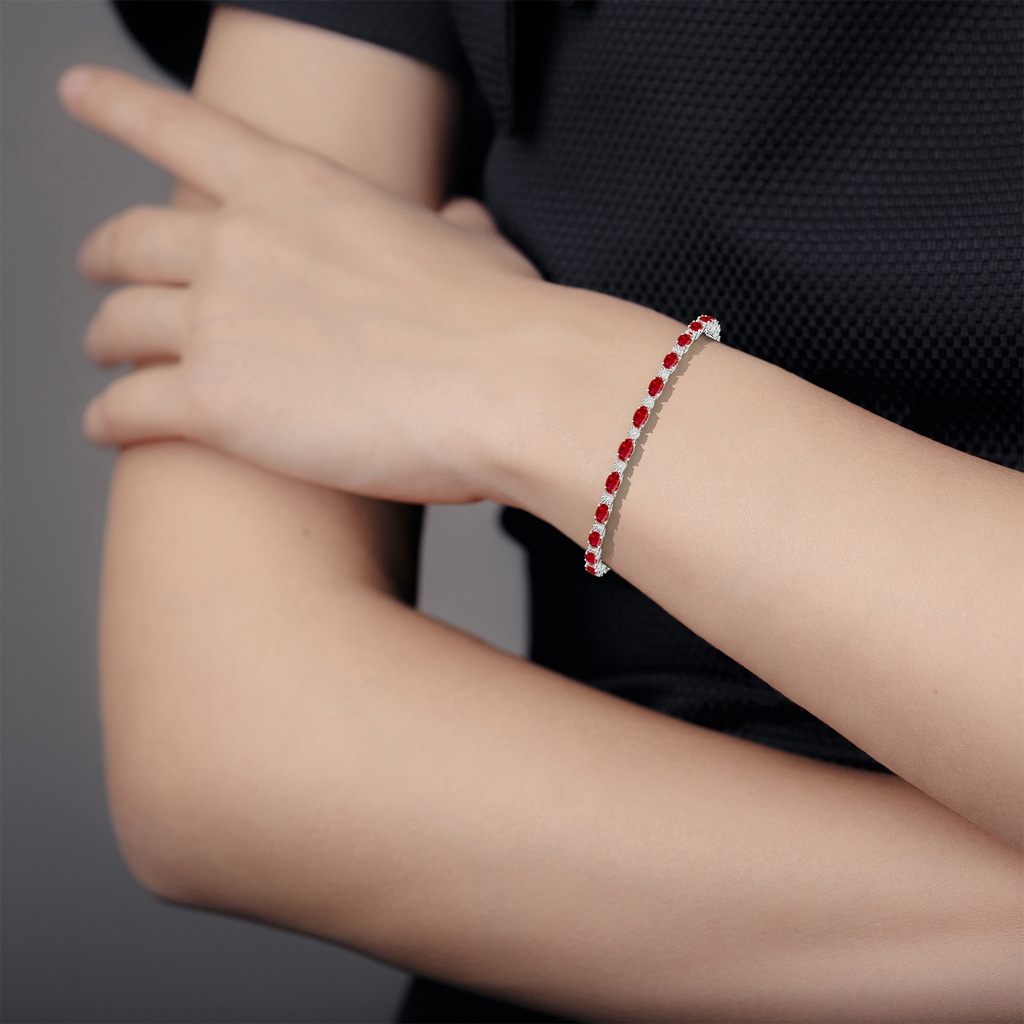
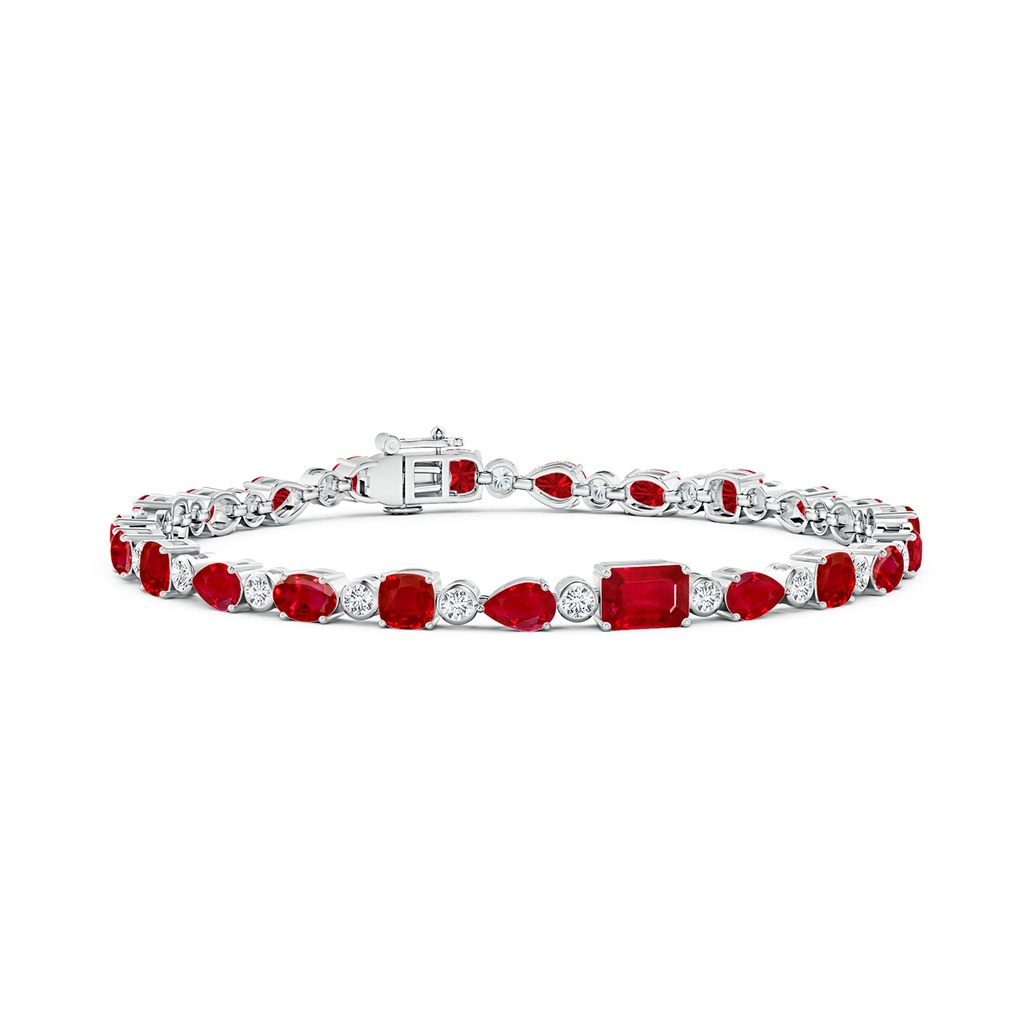
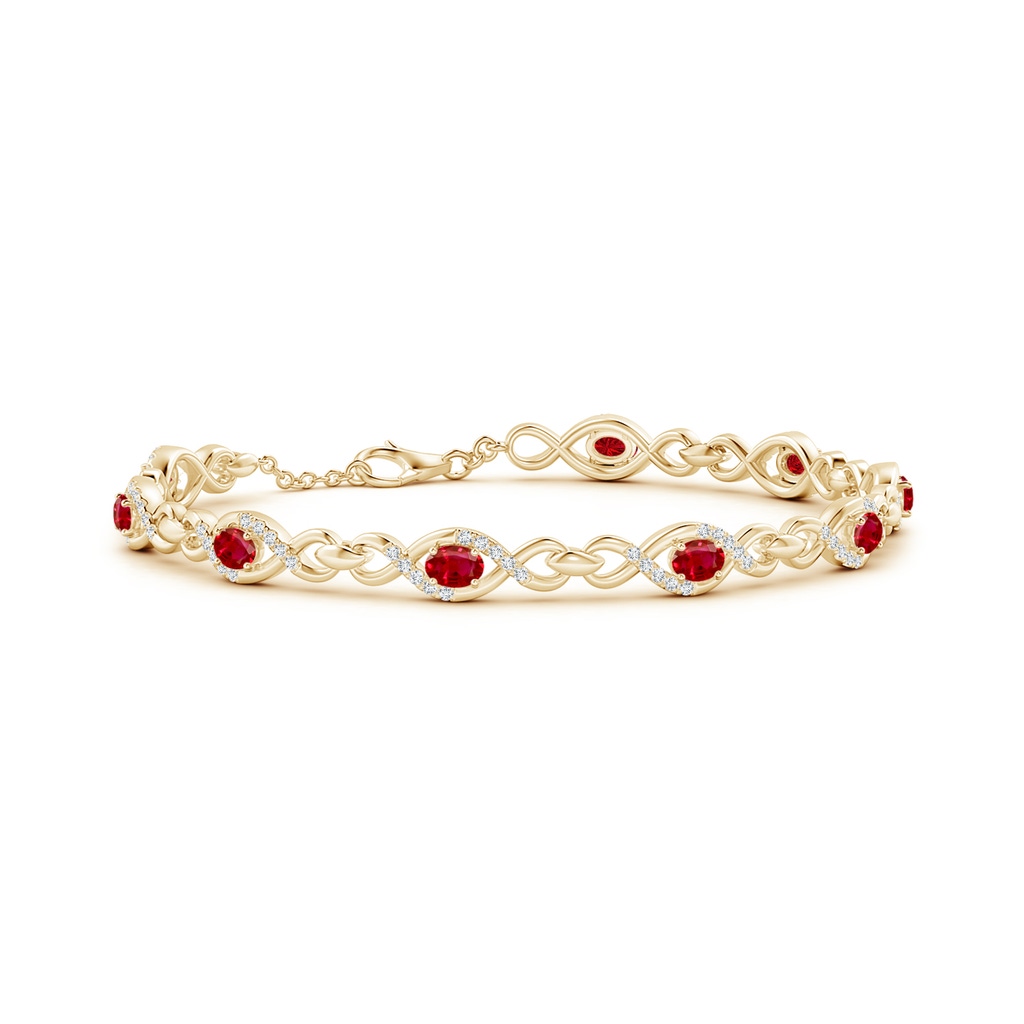
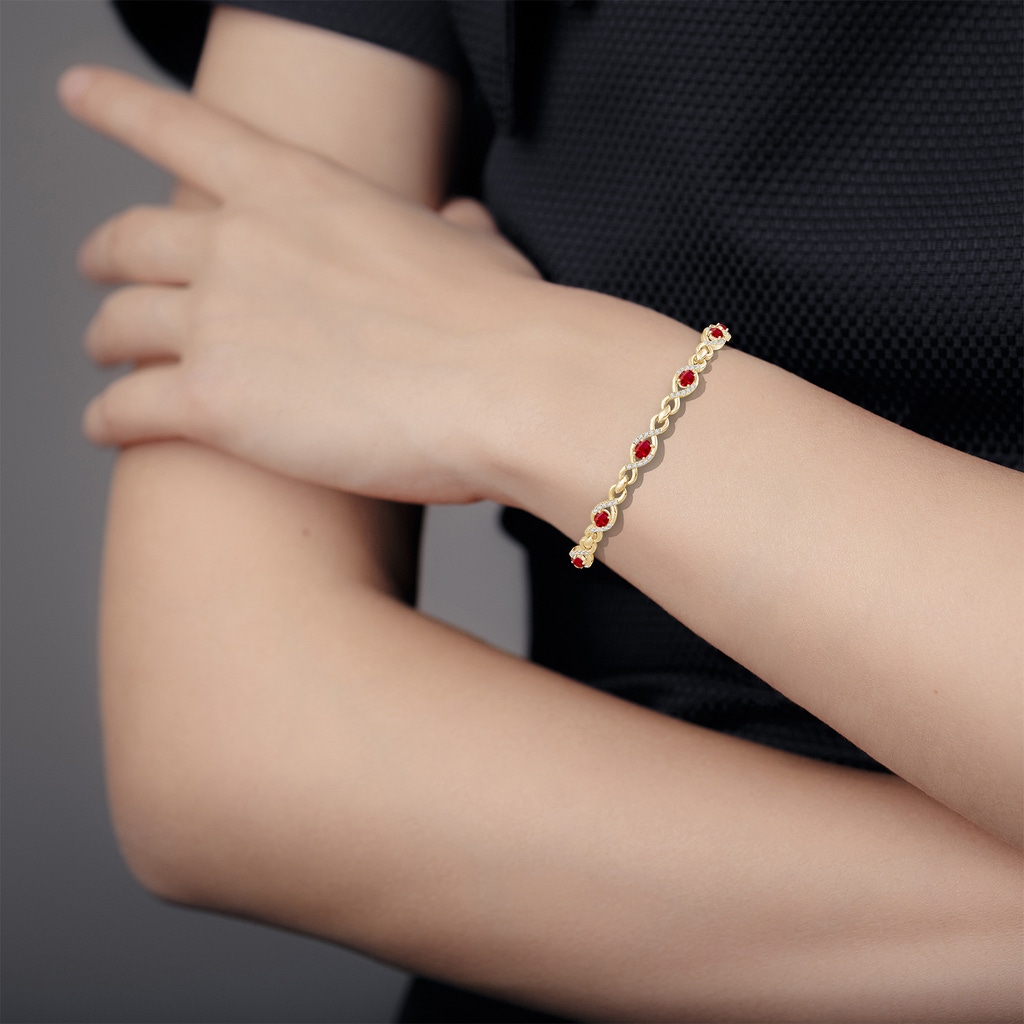
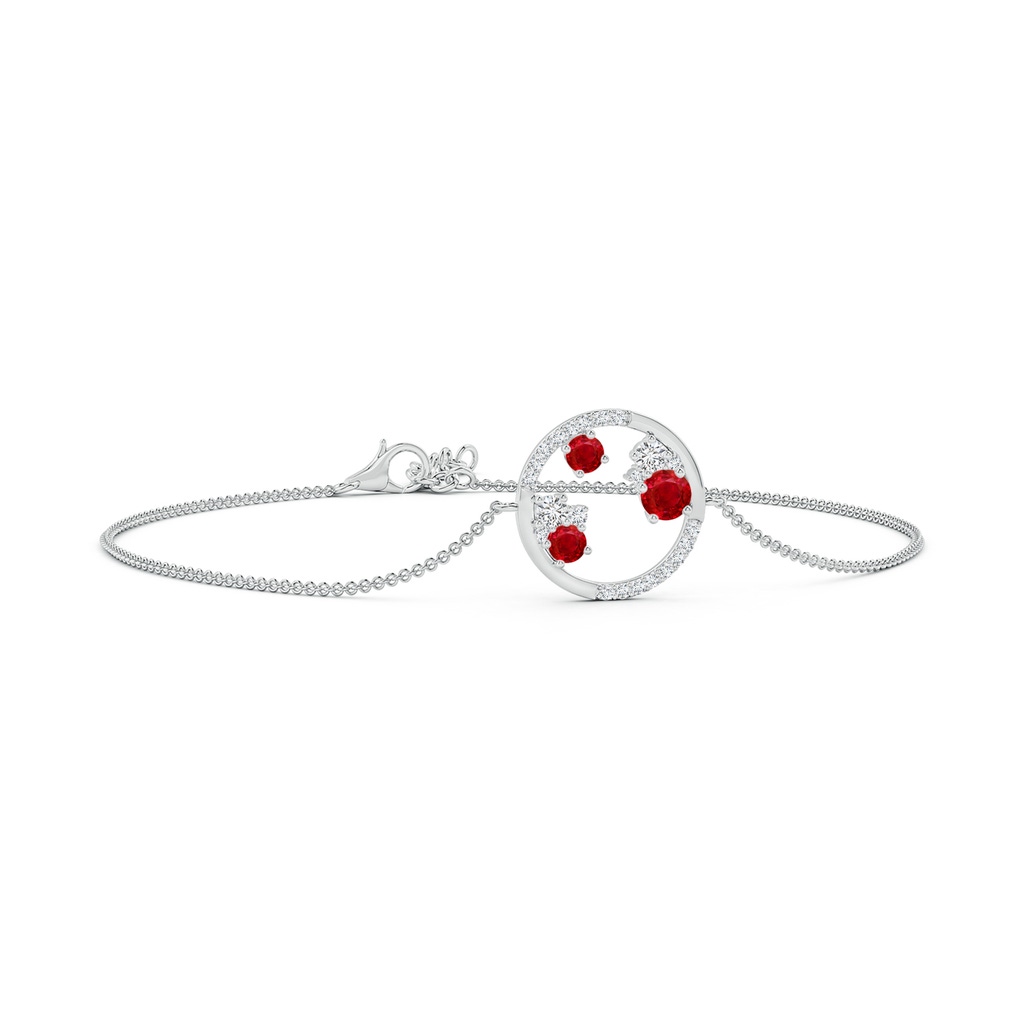
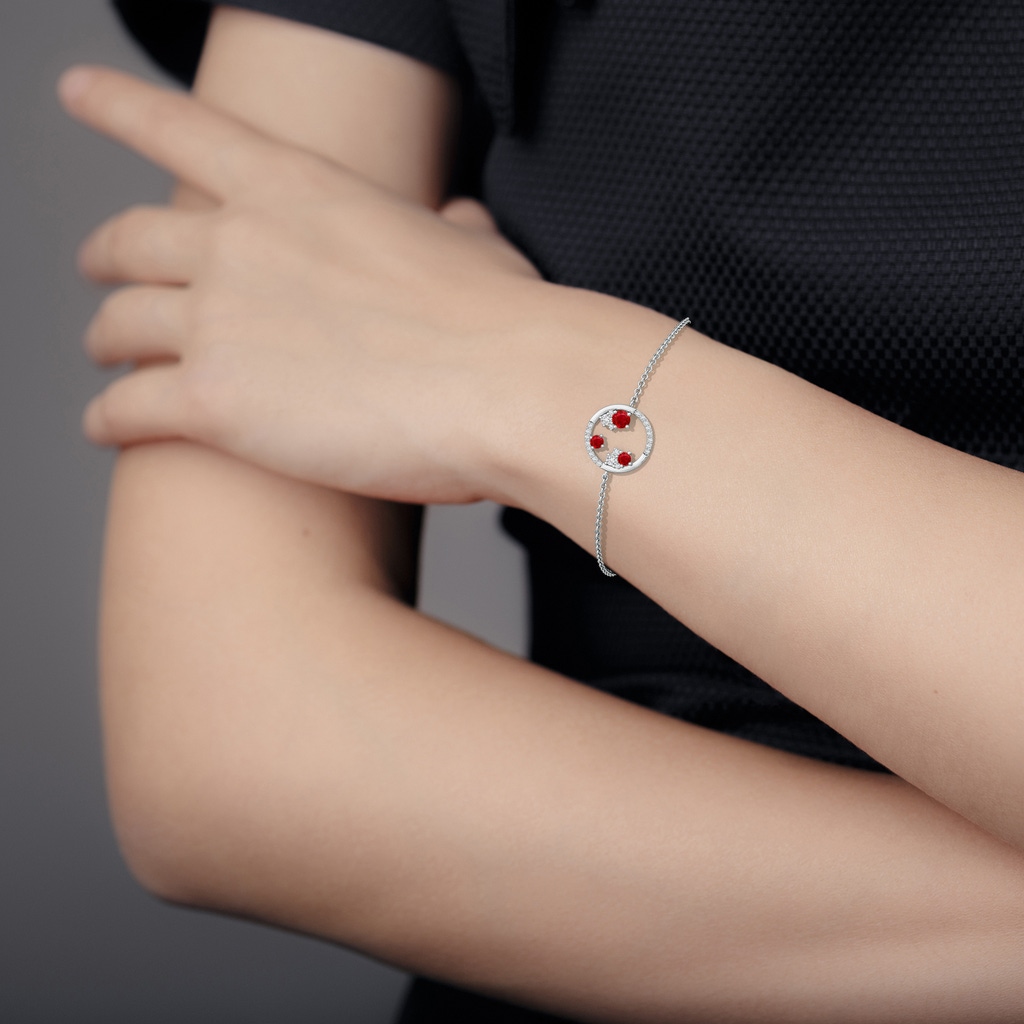
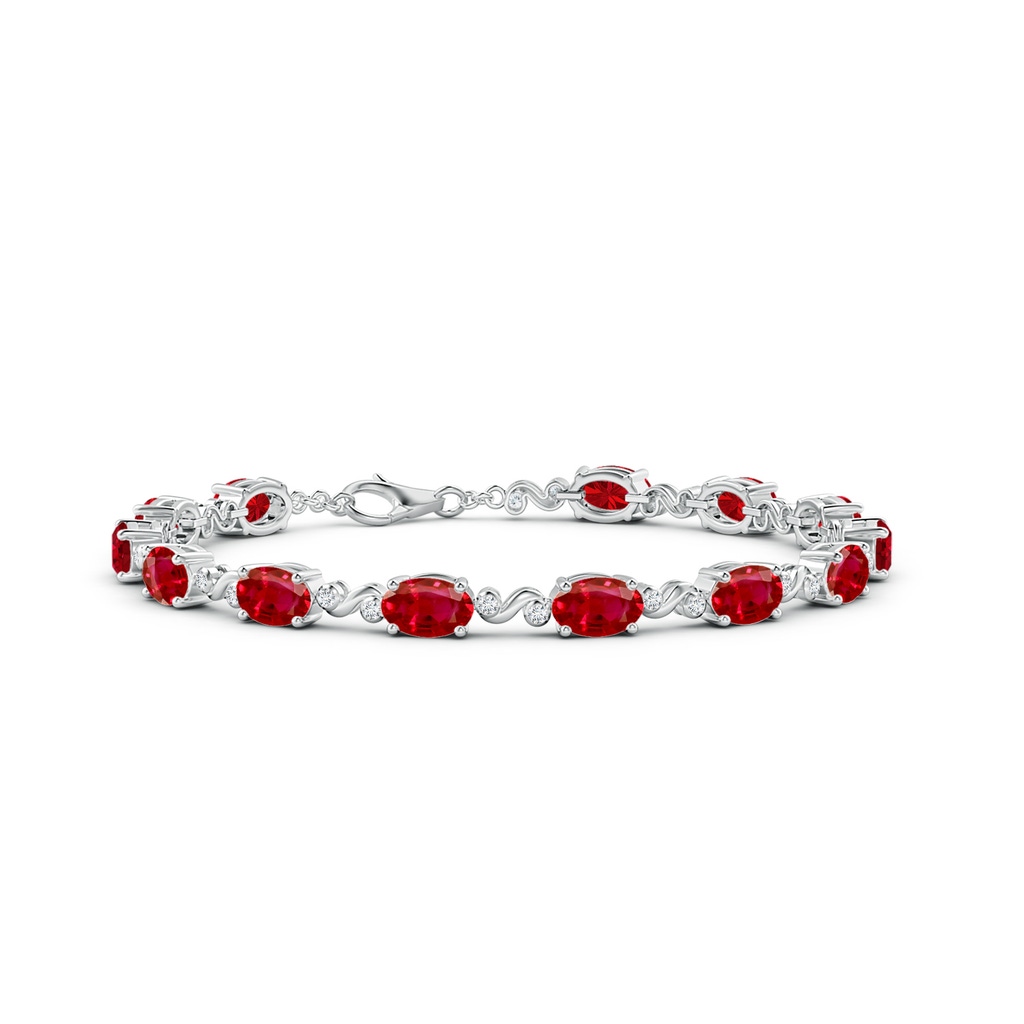
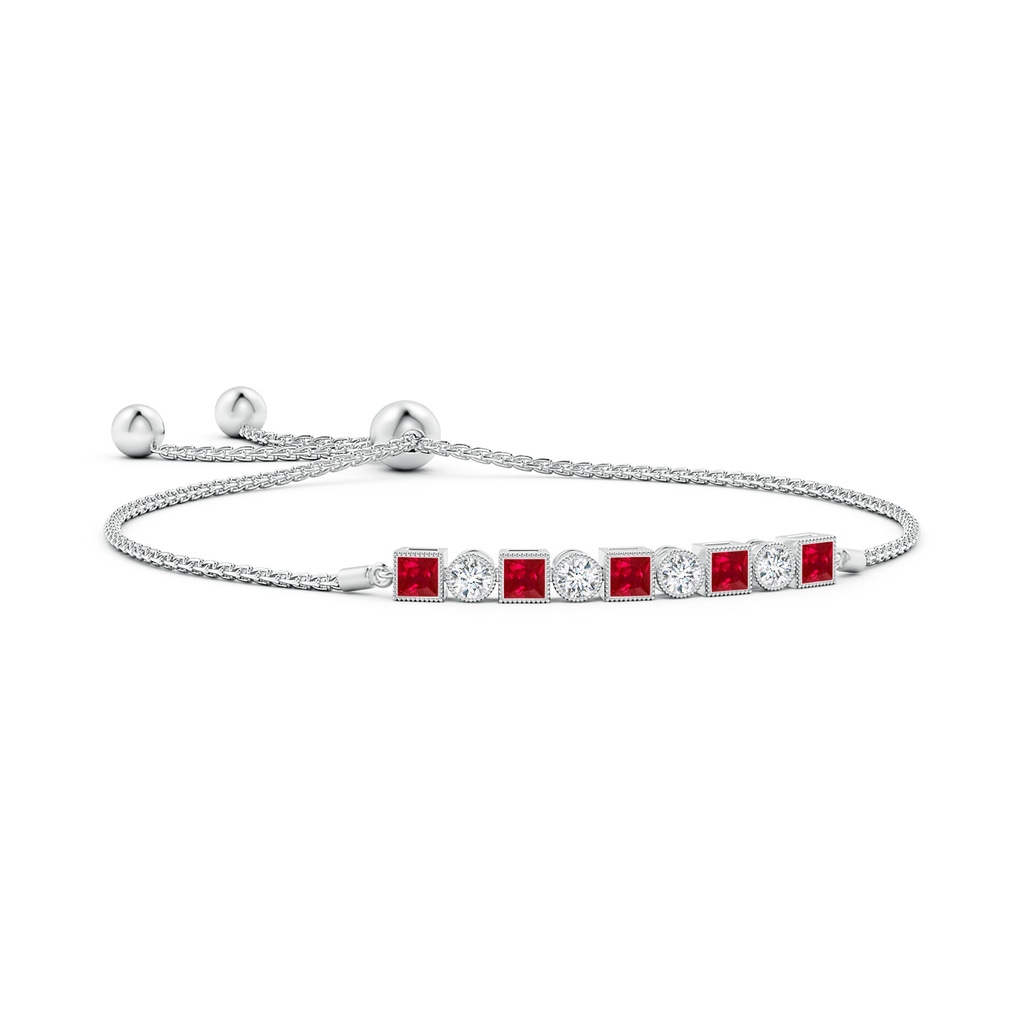
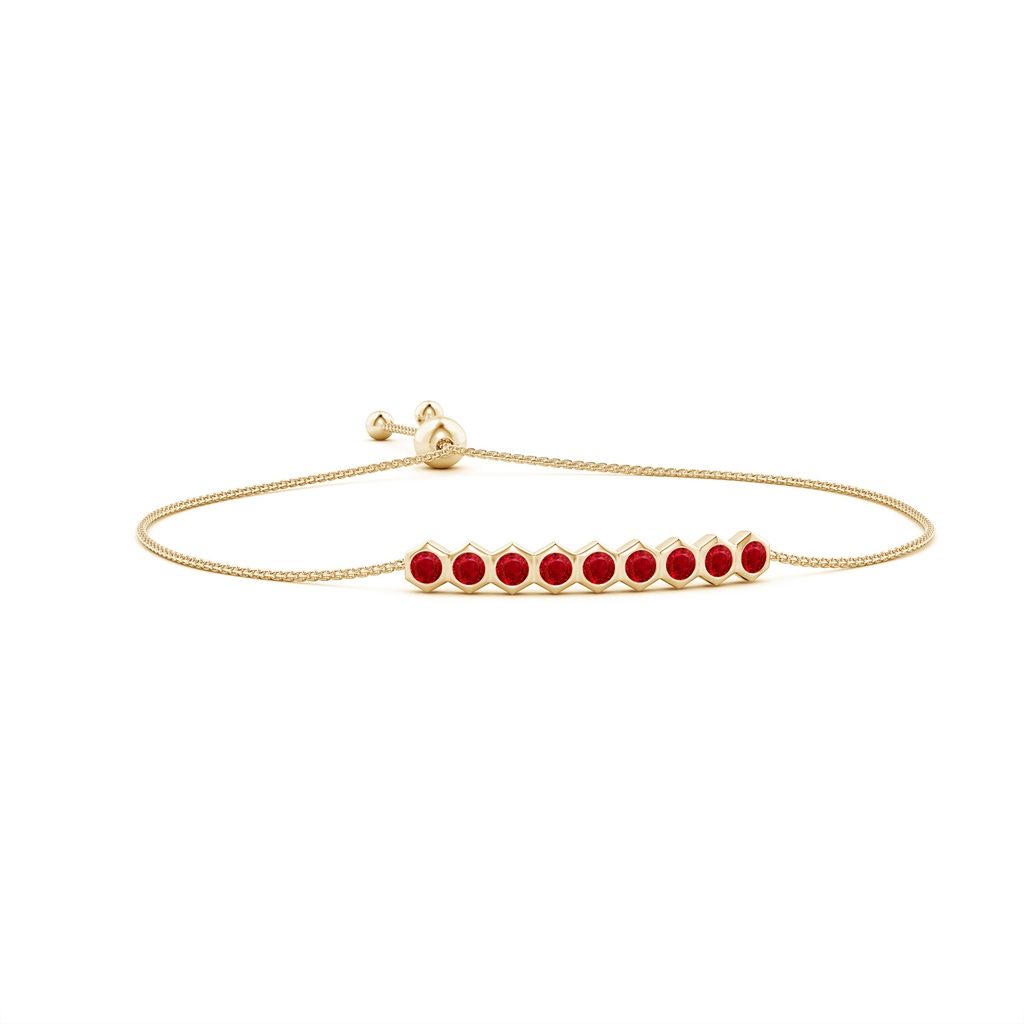
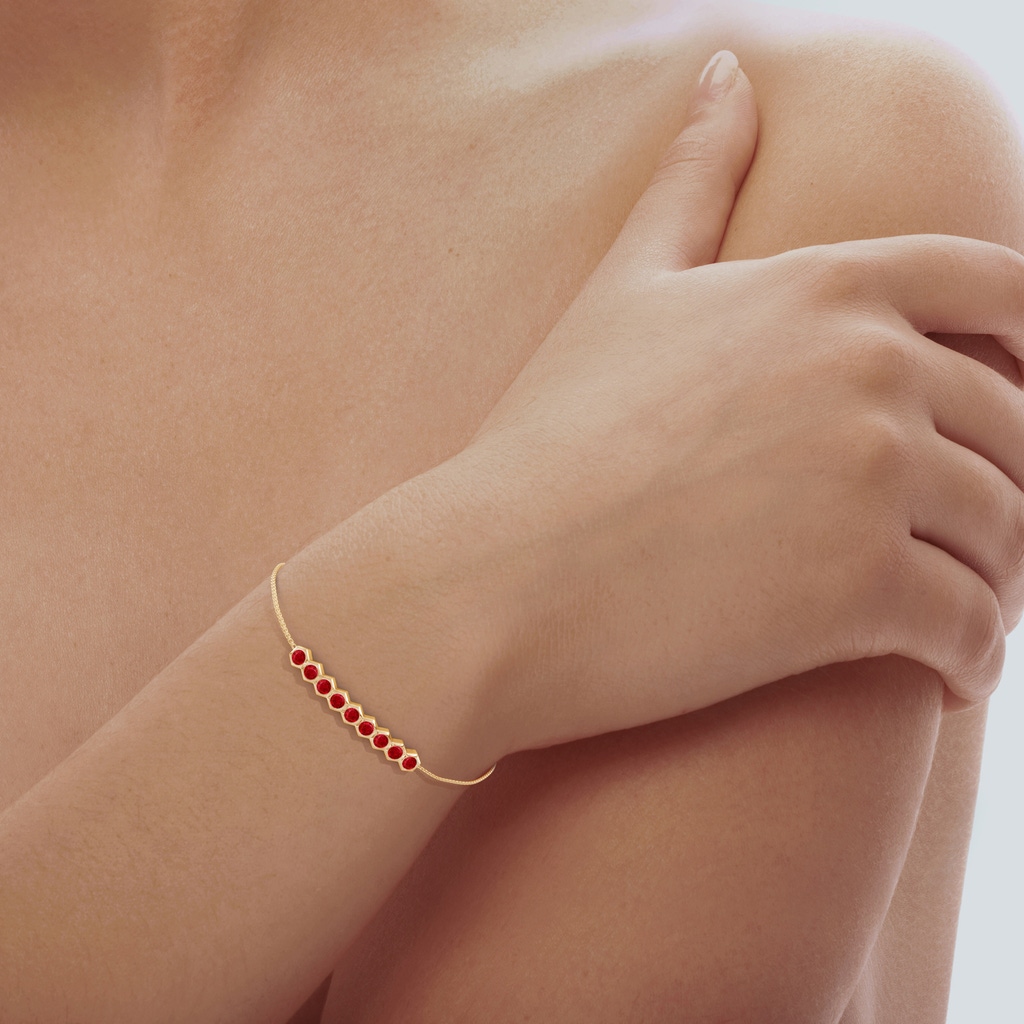
Our women's ruby bracelets come in a variety of classic and modern designs. You can either go with a piece that's adorned with just rubies for an all-red look or choose a ruby and diamond bracelet for some extra sparkle.
Shop Unique Ruby Bracelets for Women
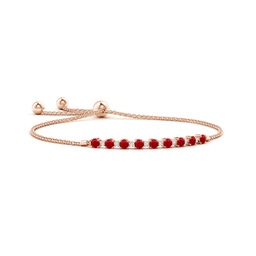
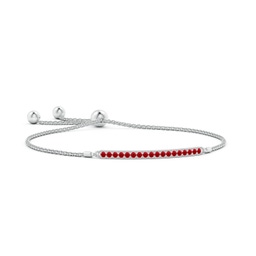
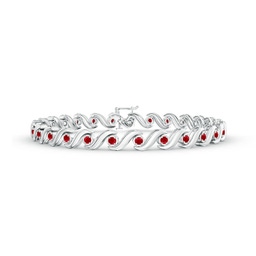
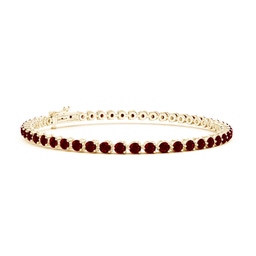
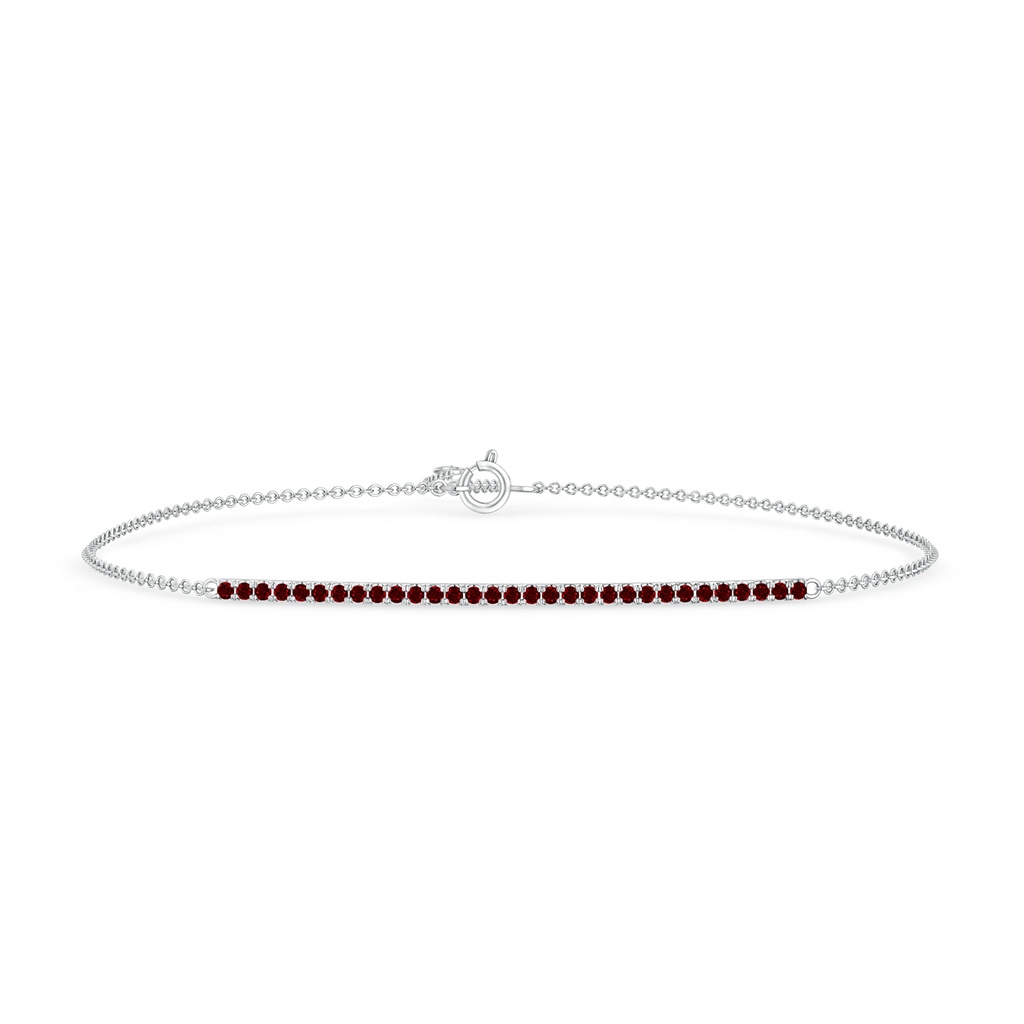
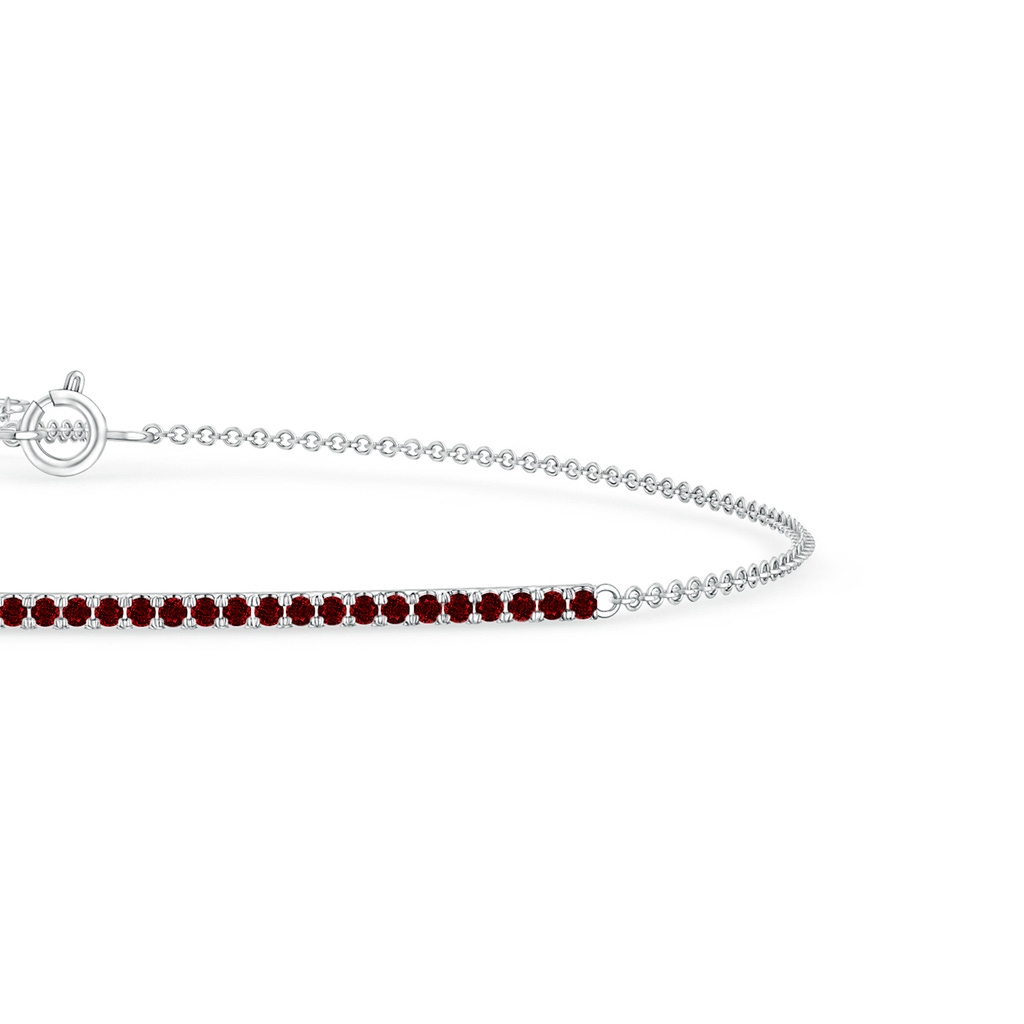
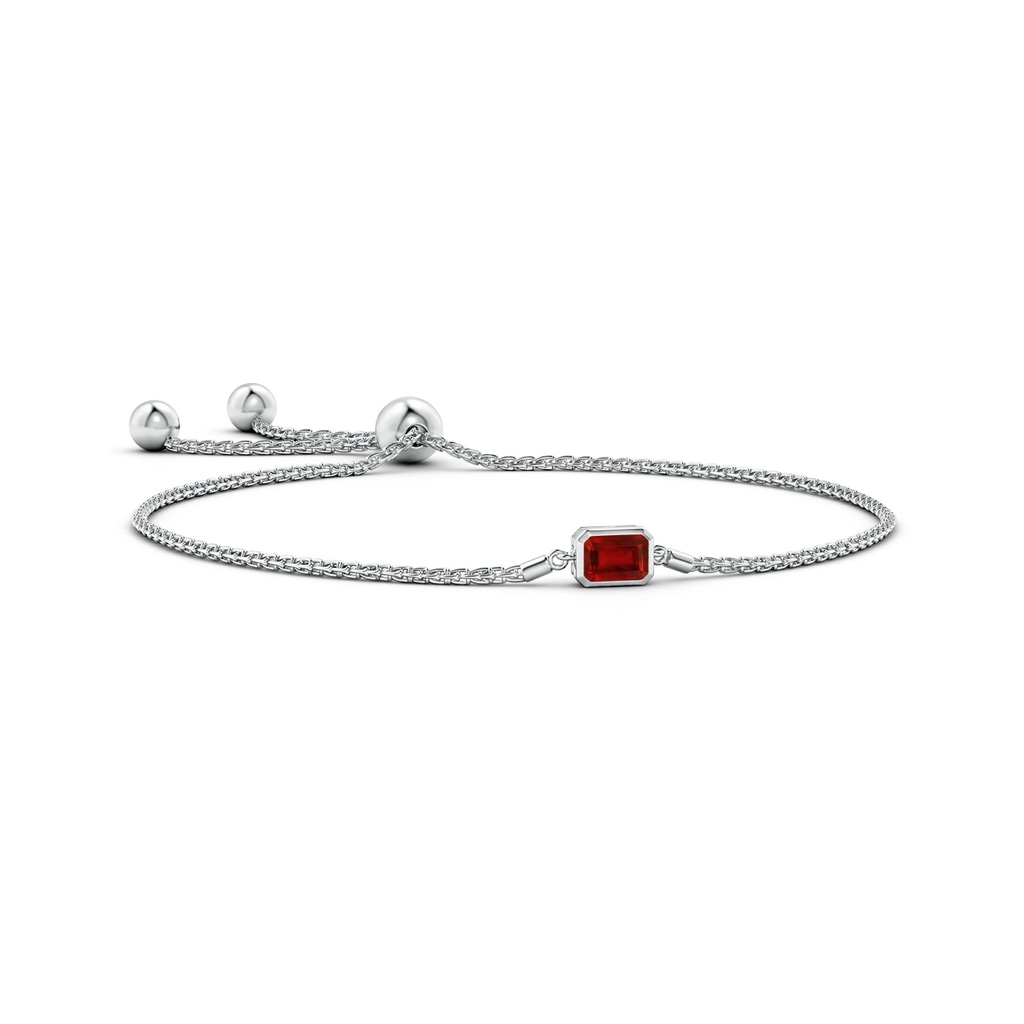
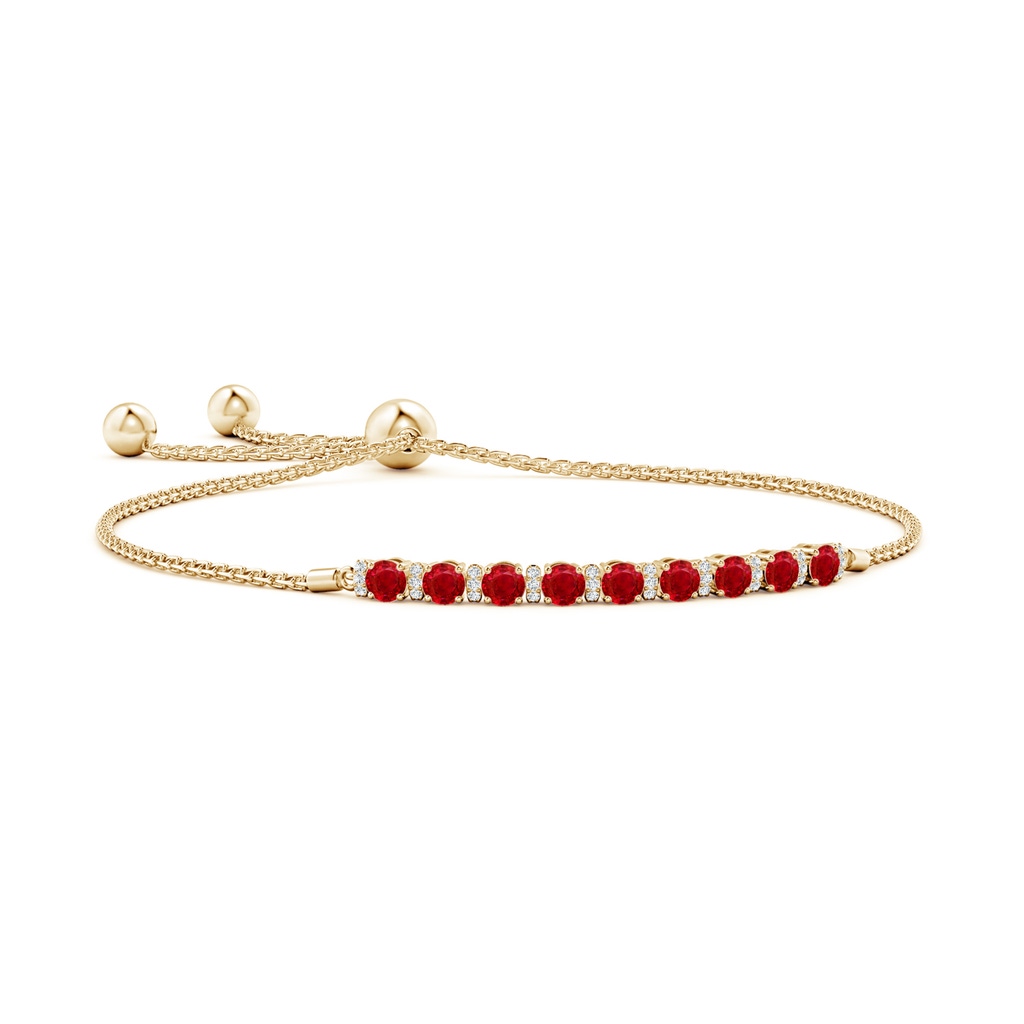
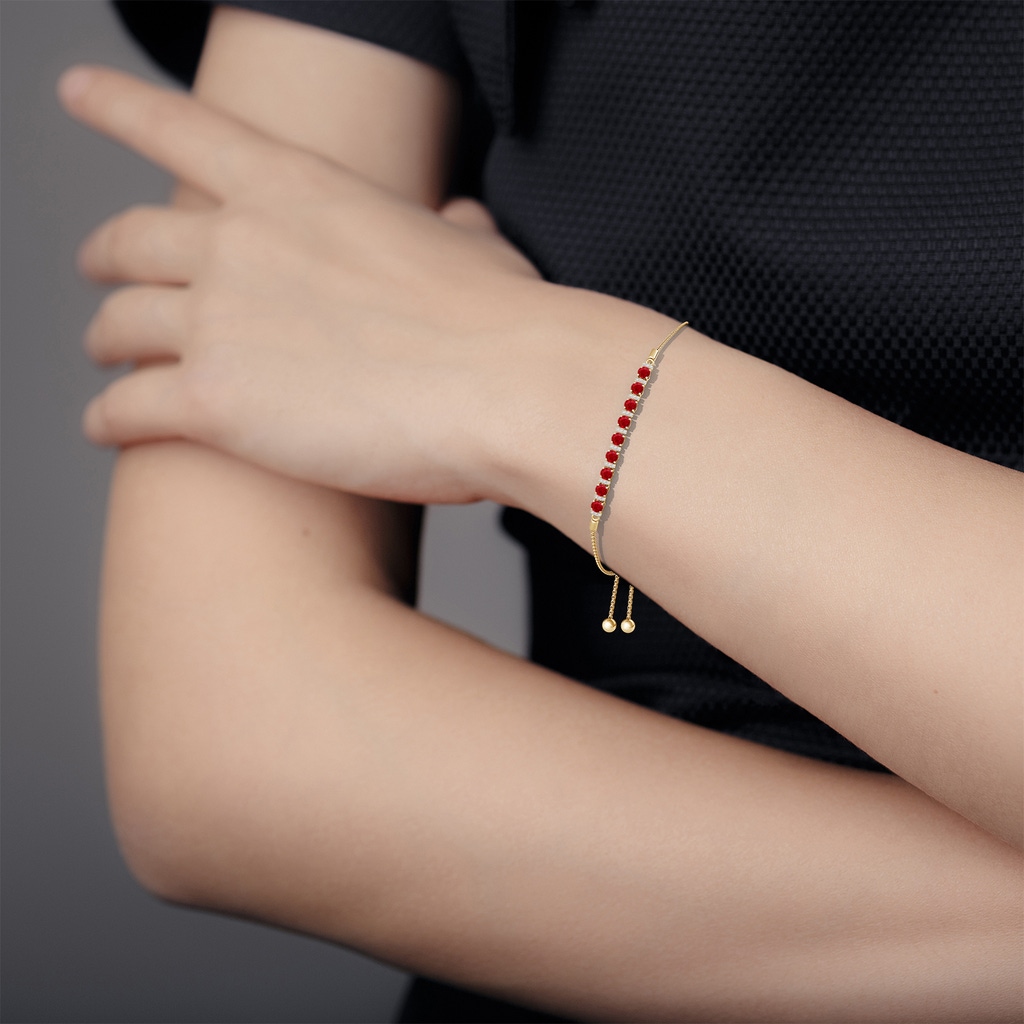
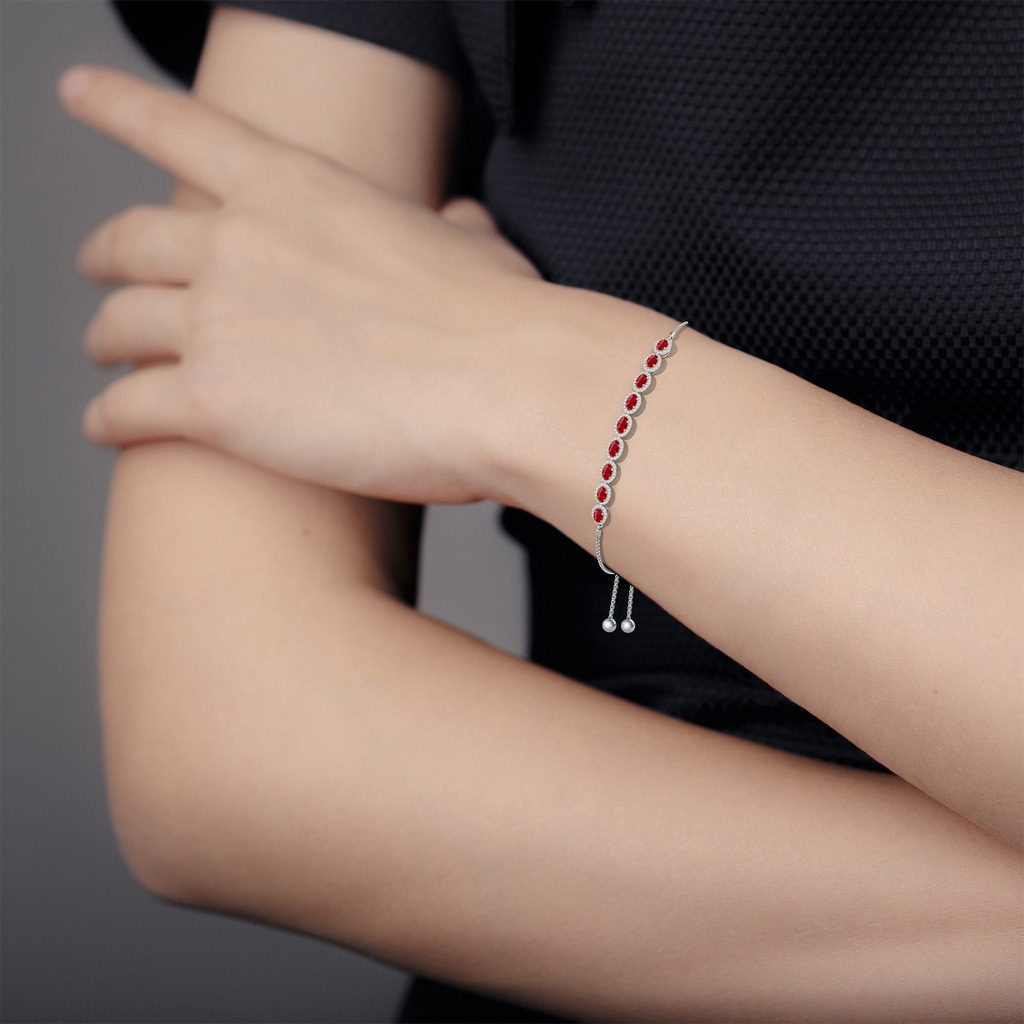
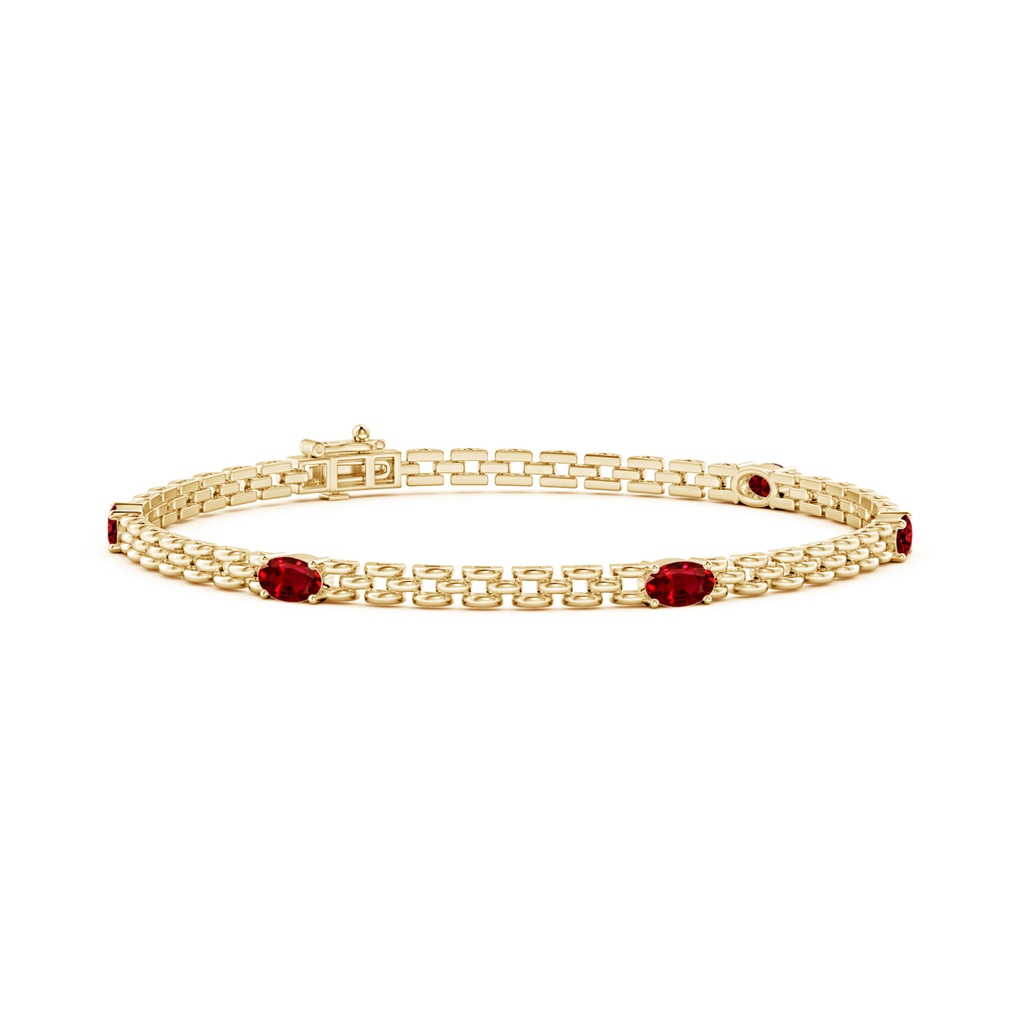
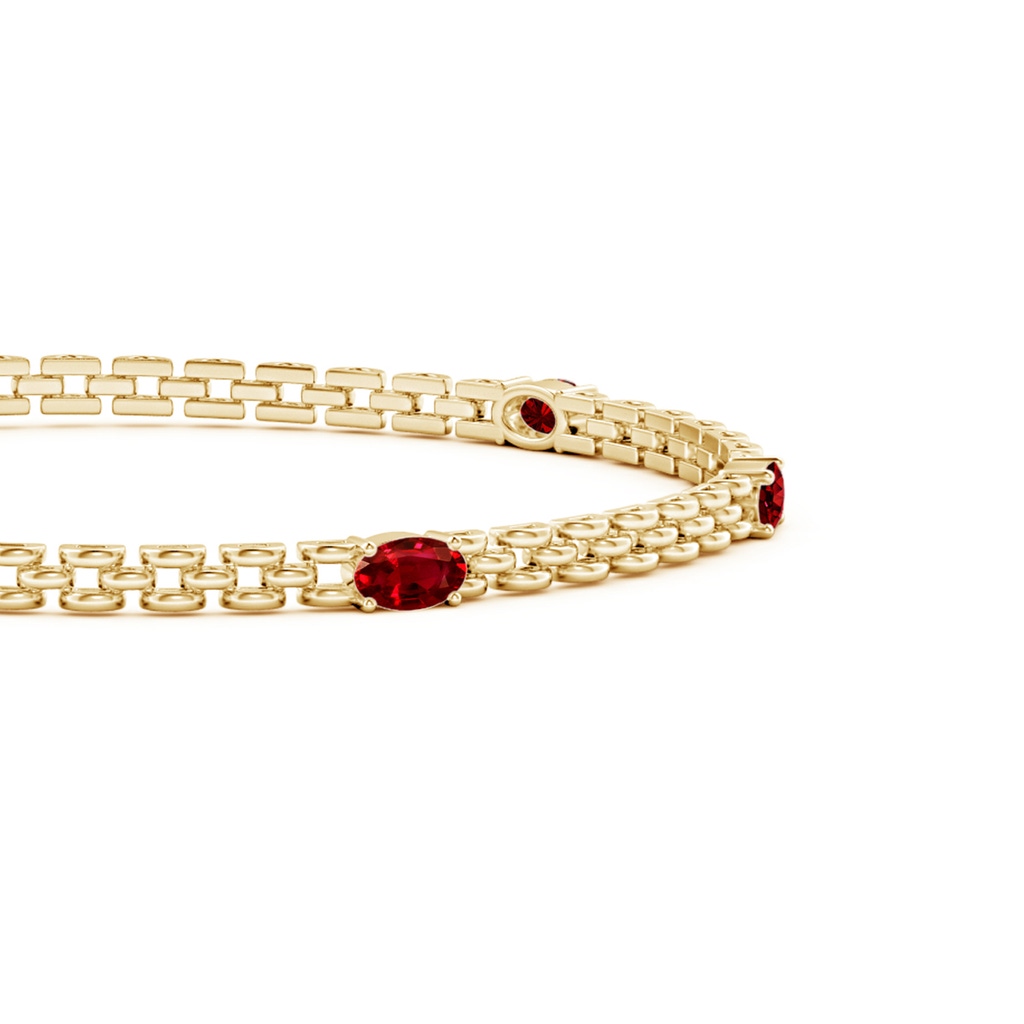
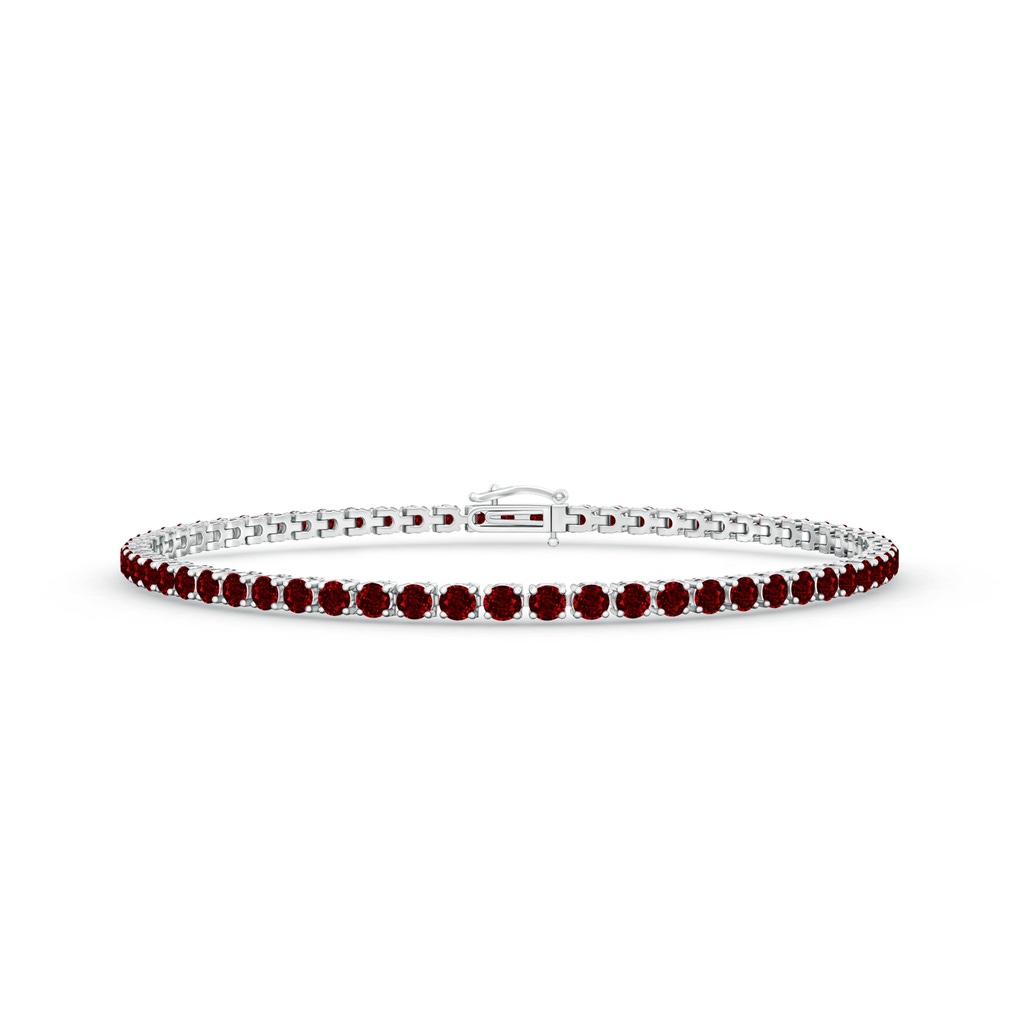
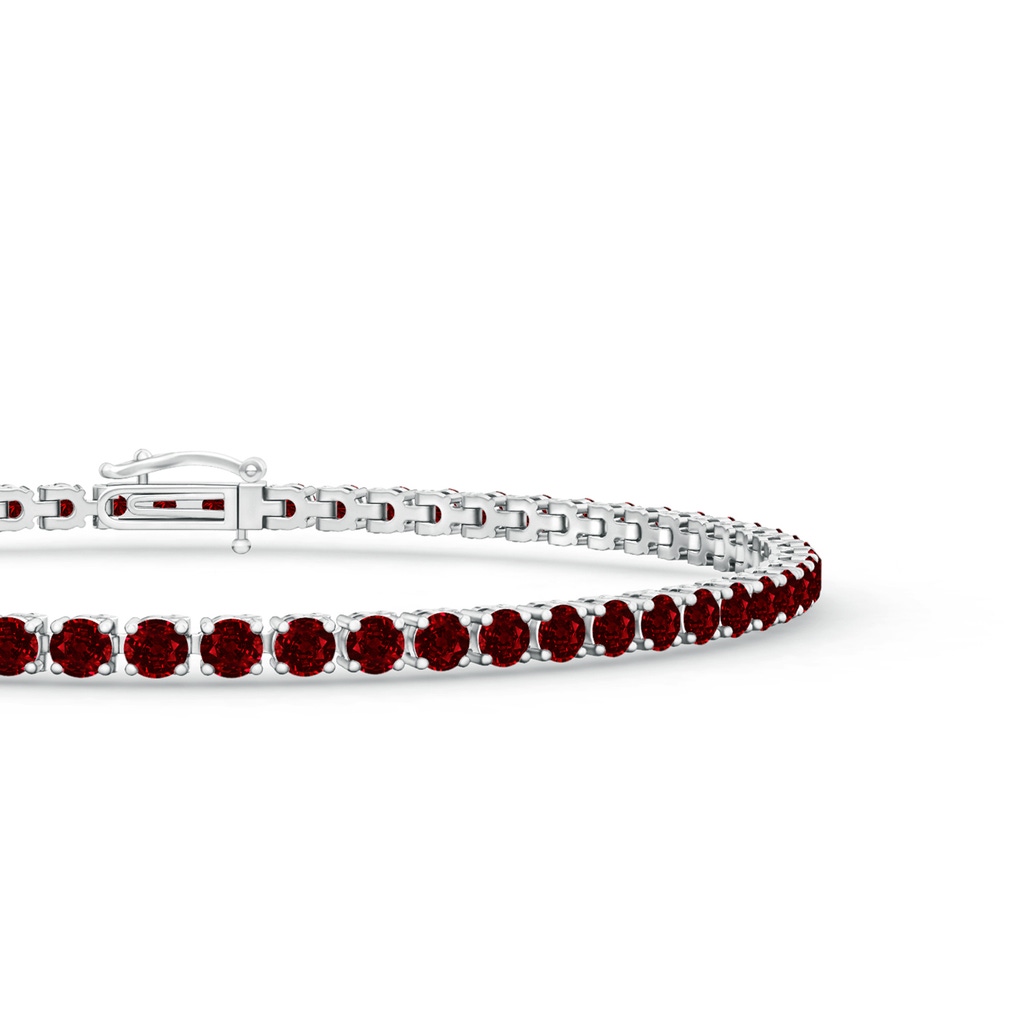
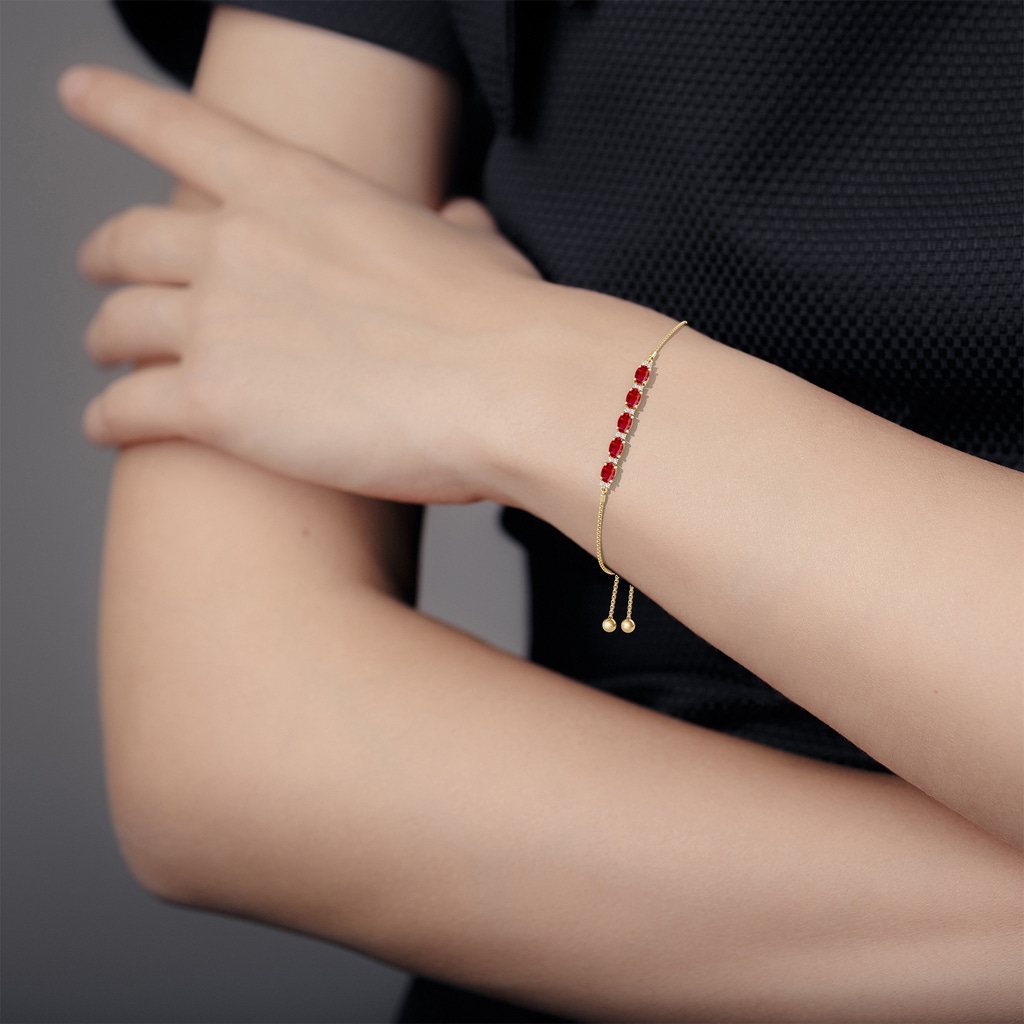
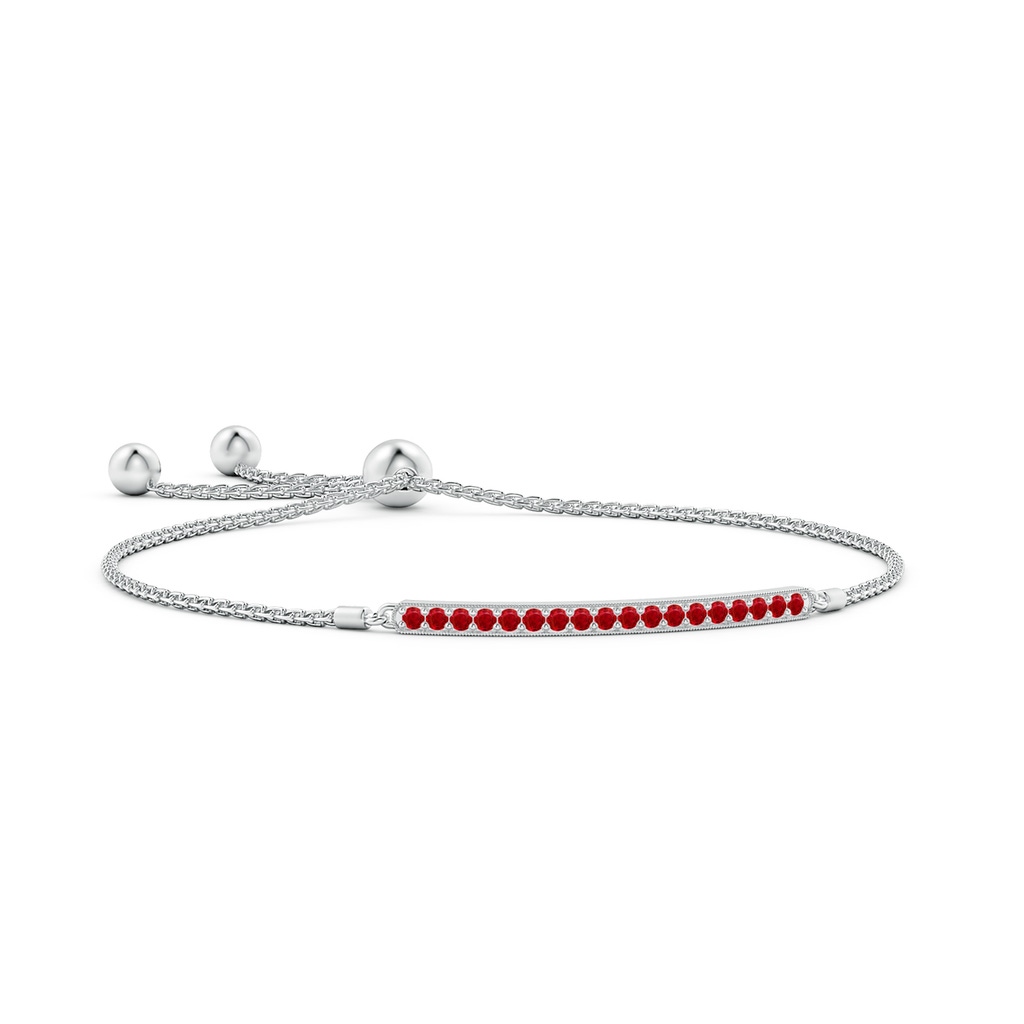
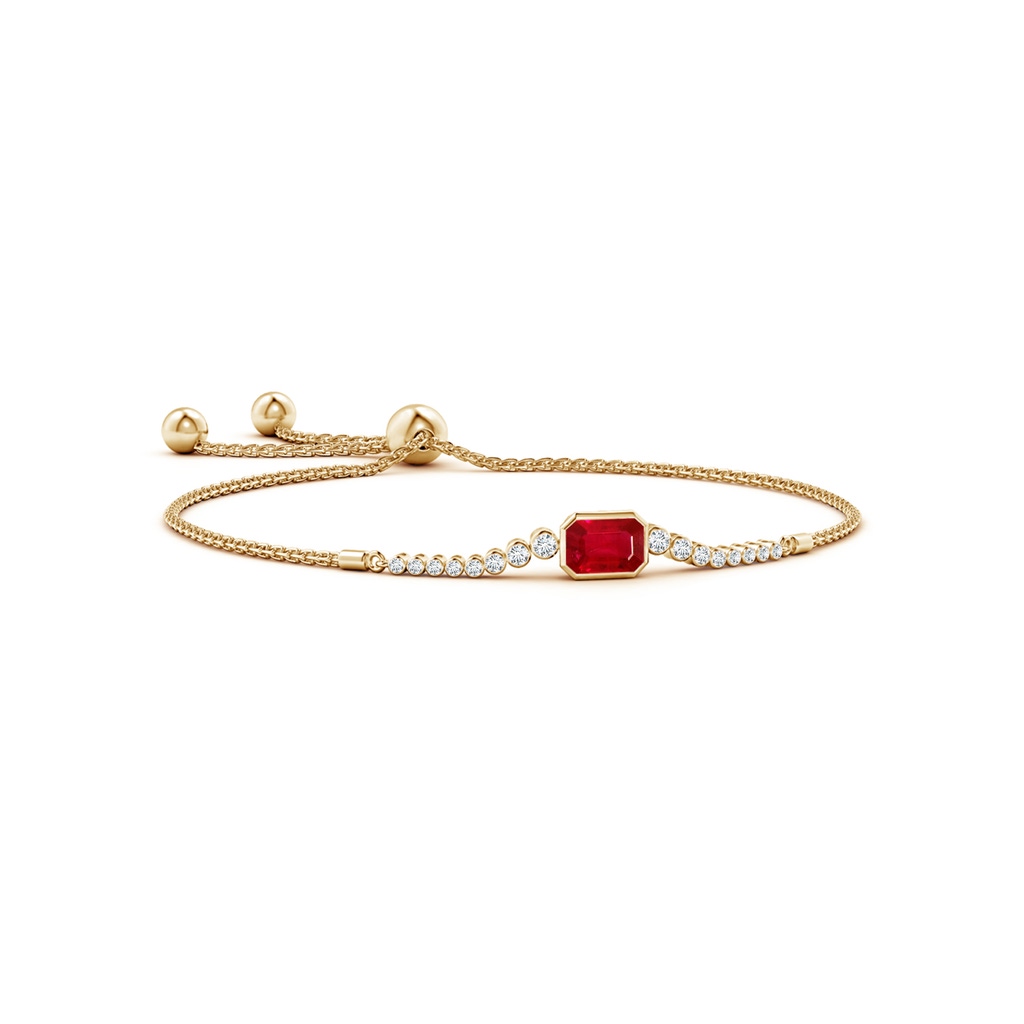
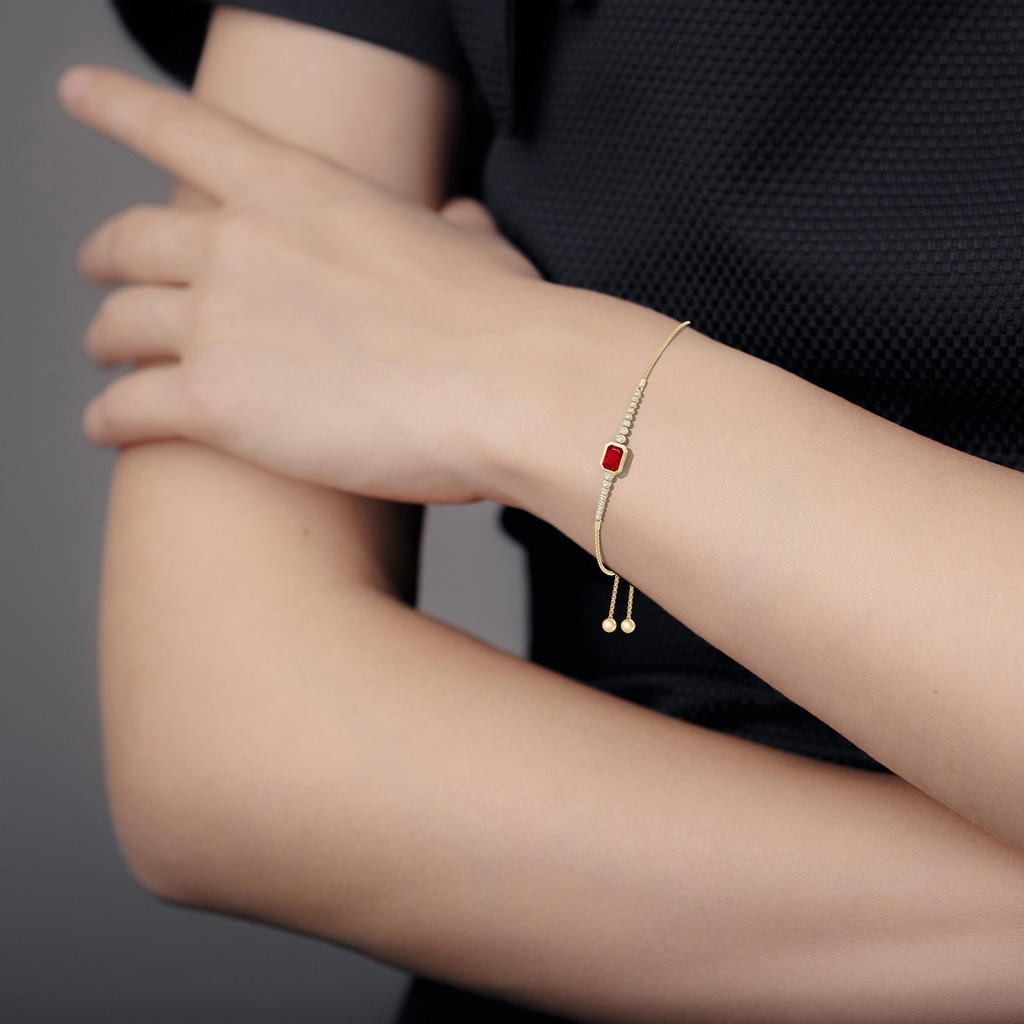
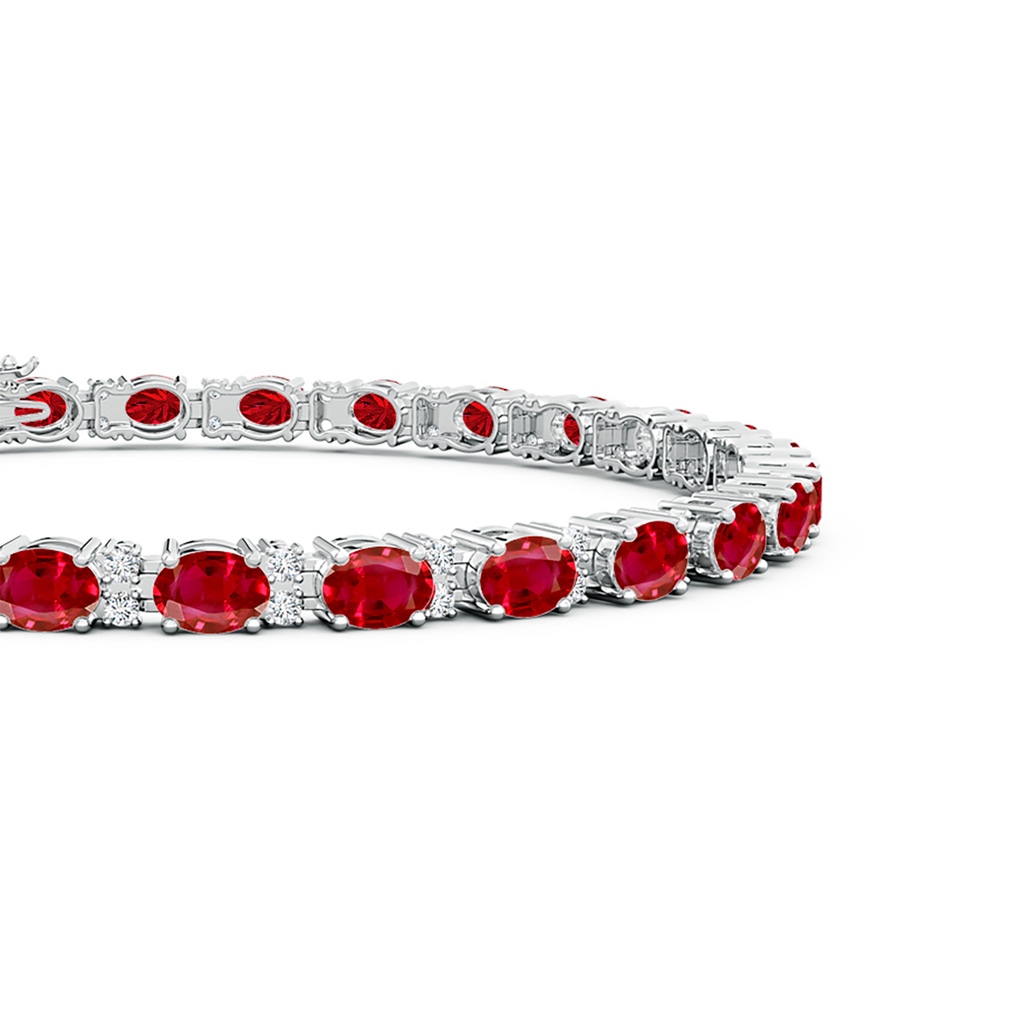
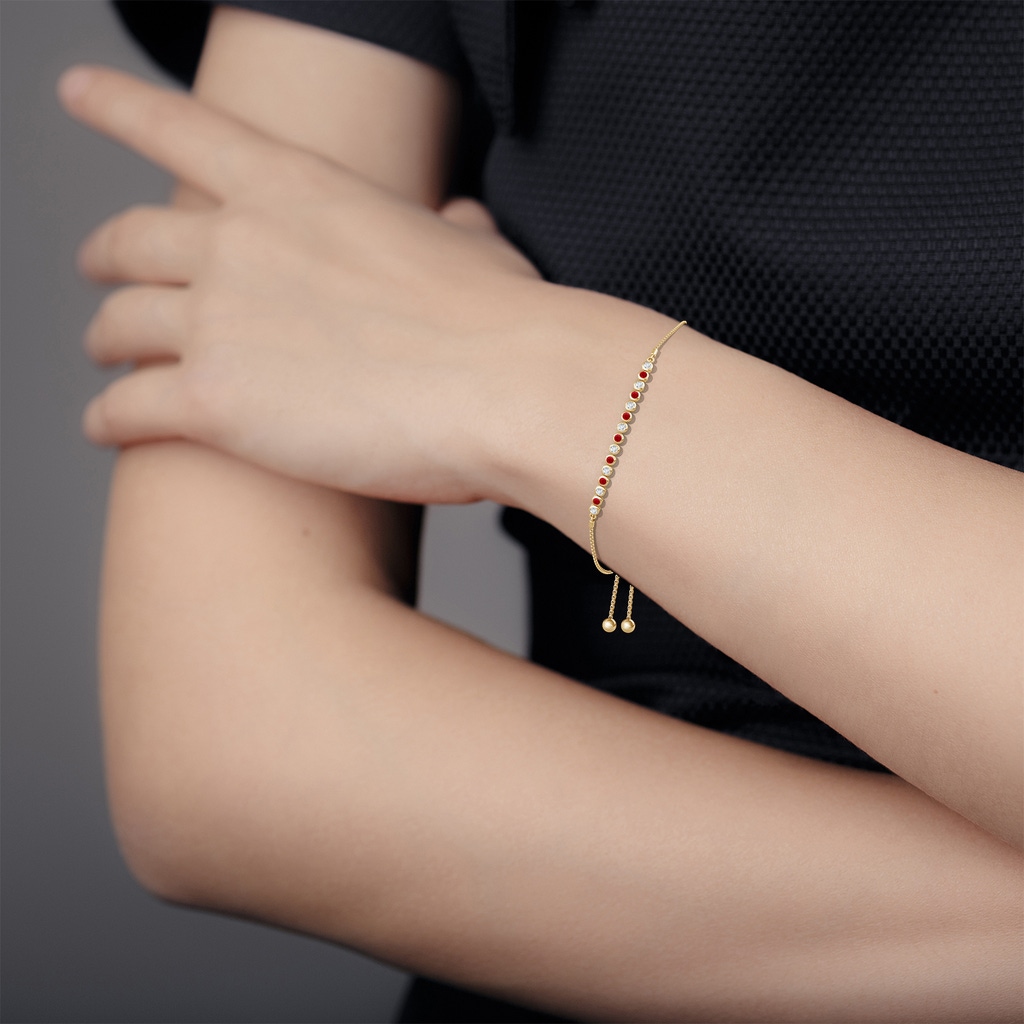
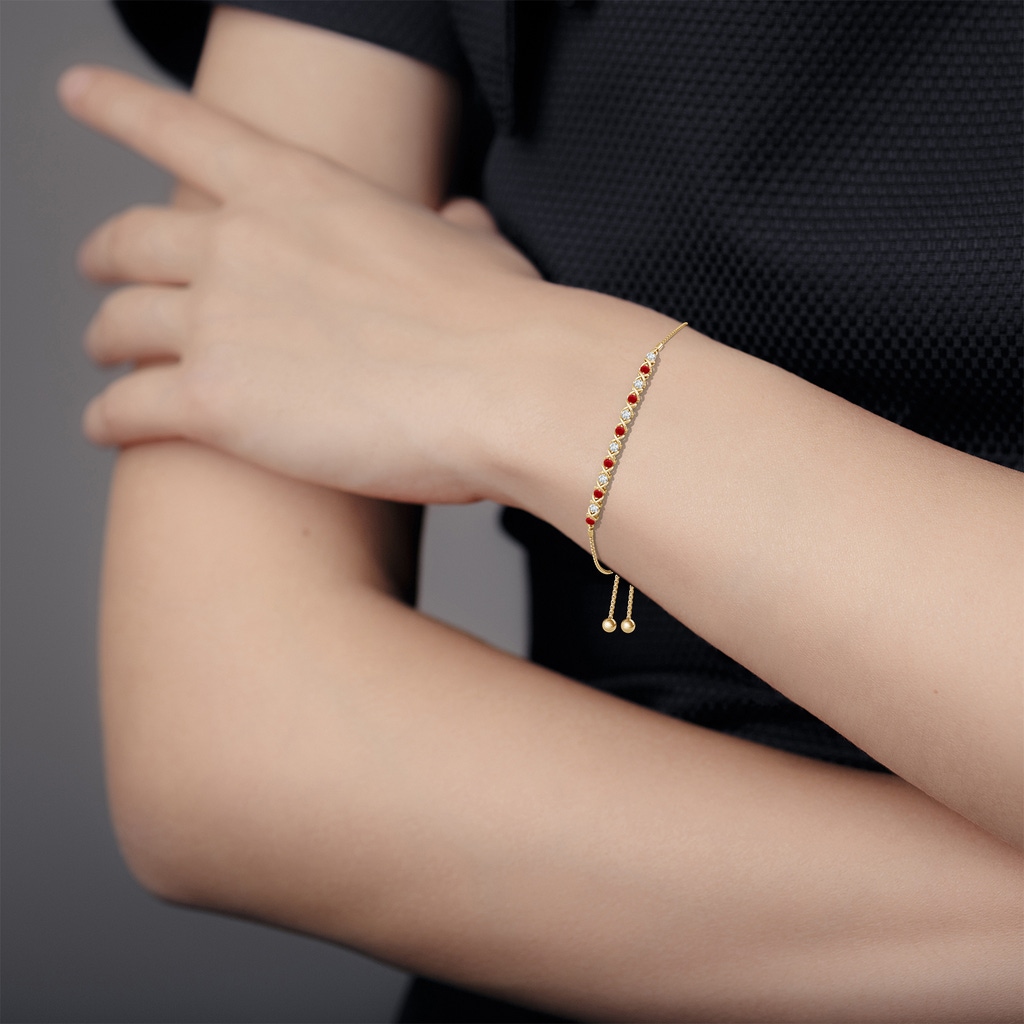
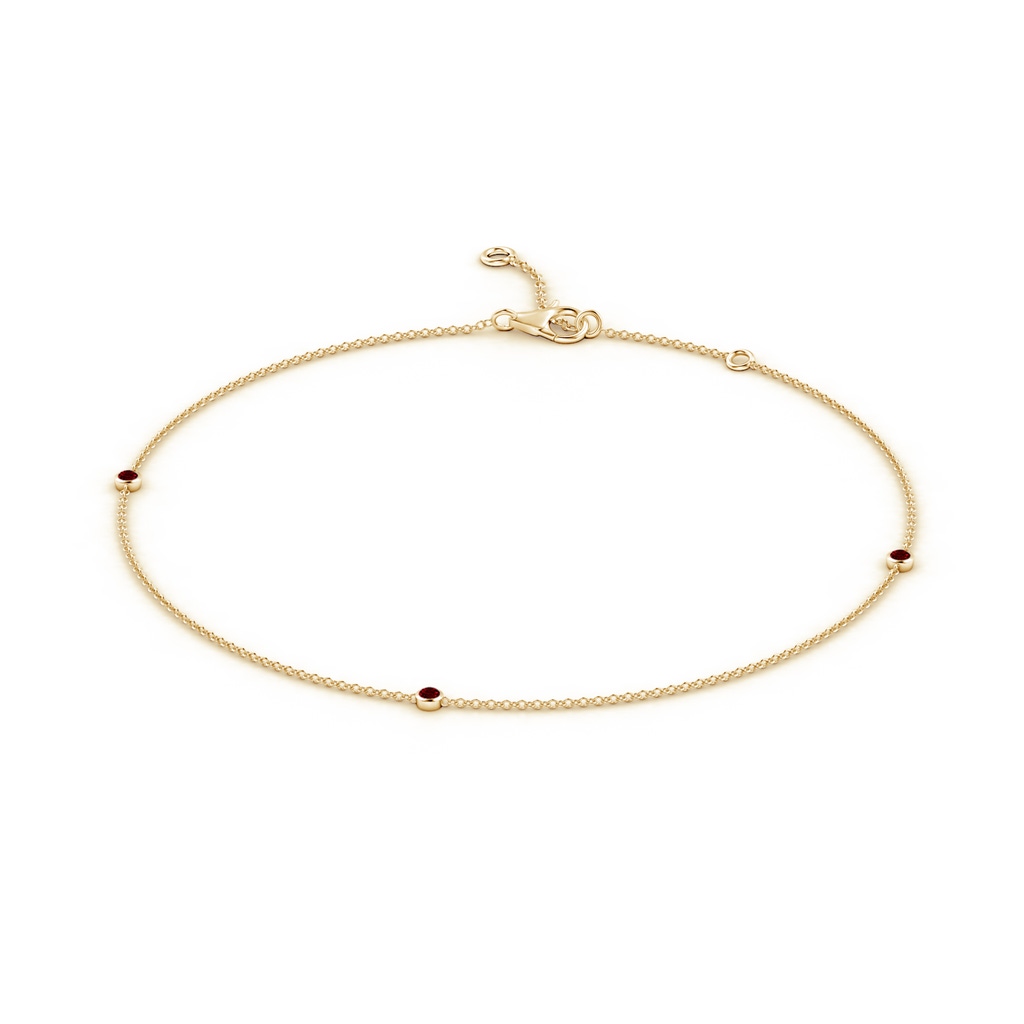
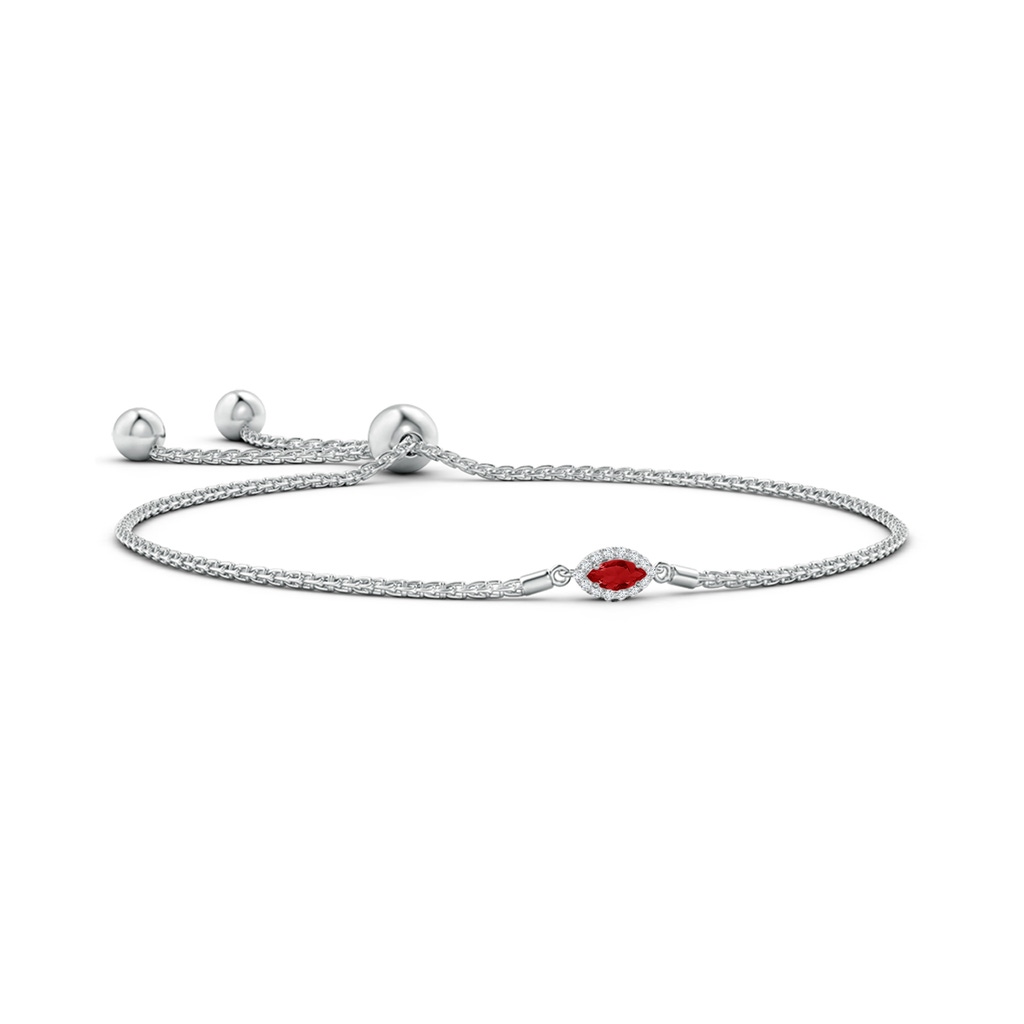
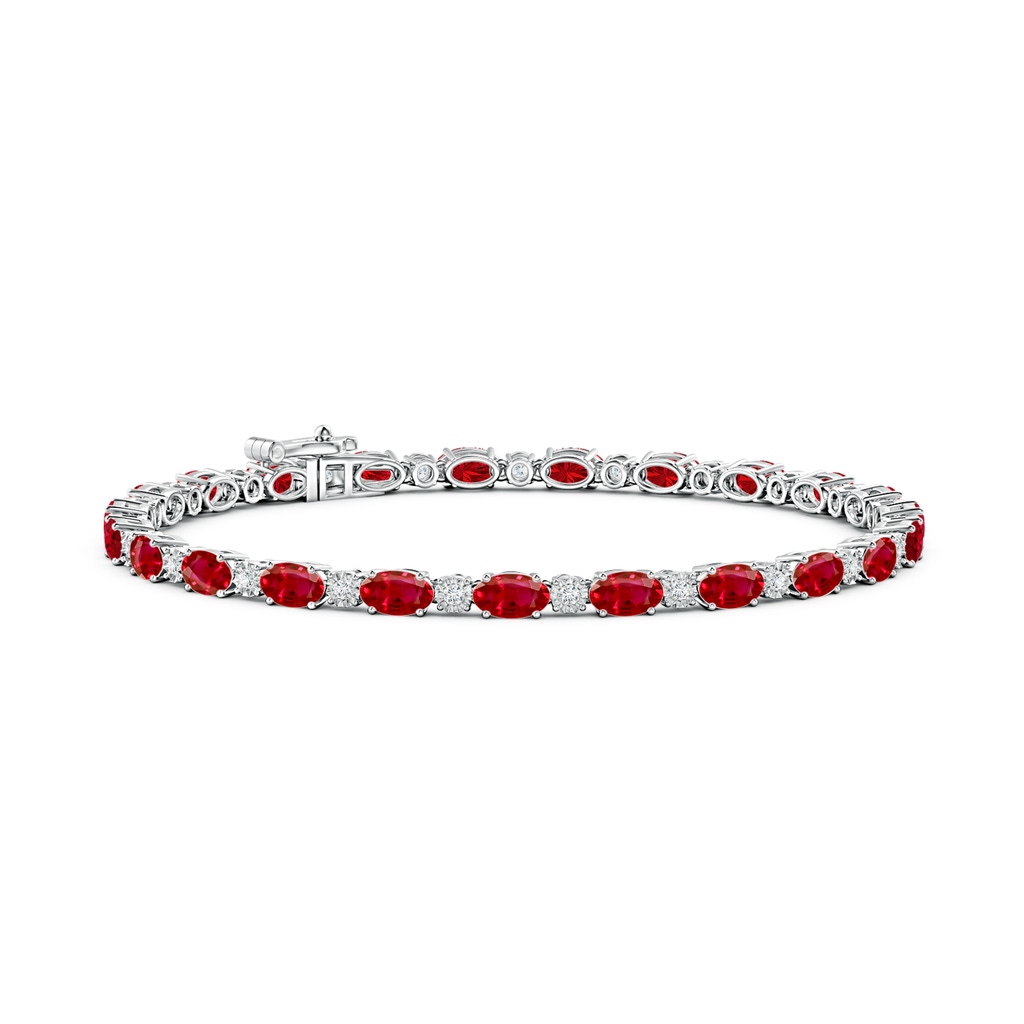
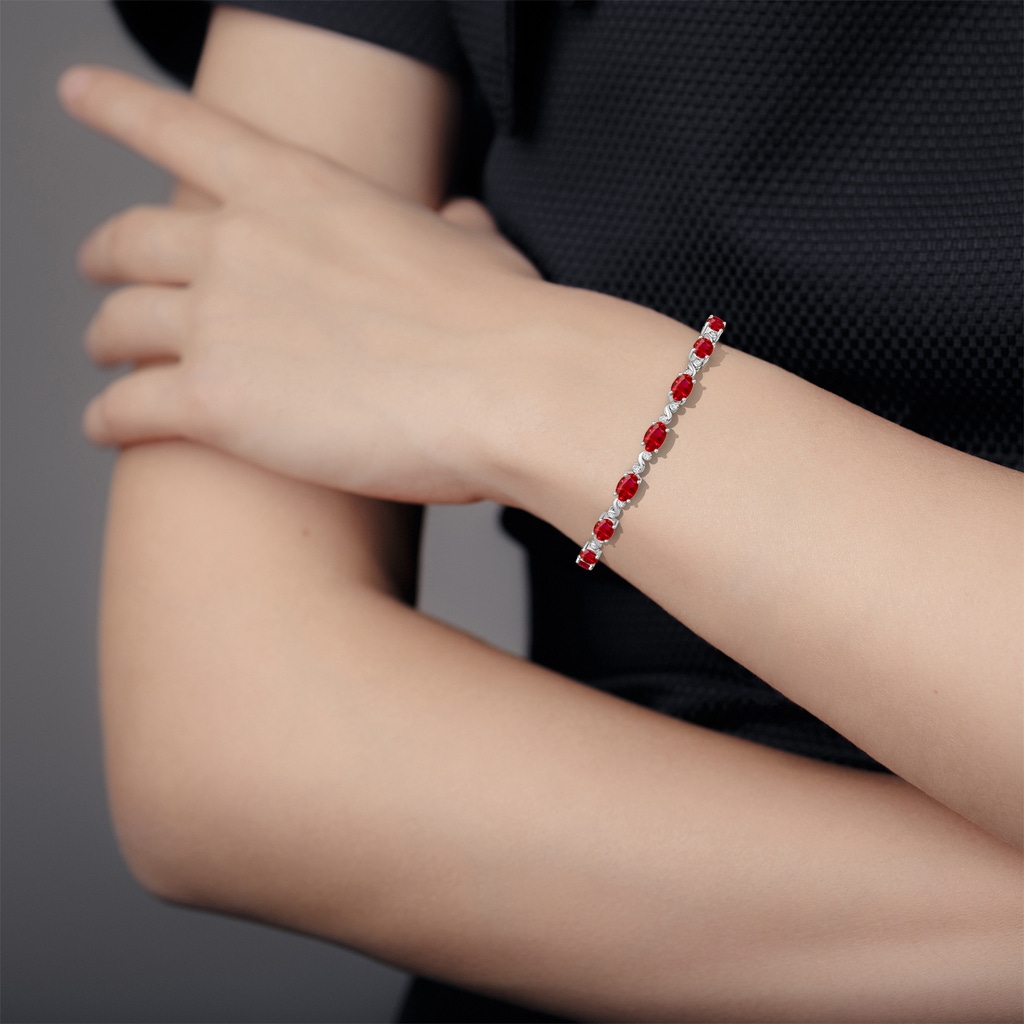
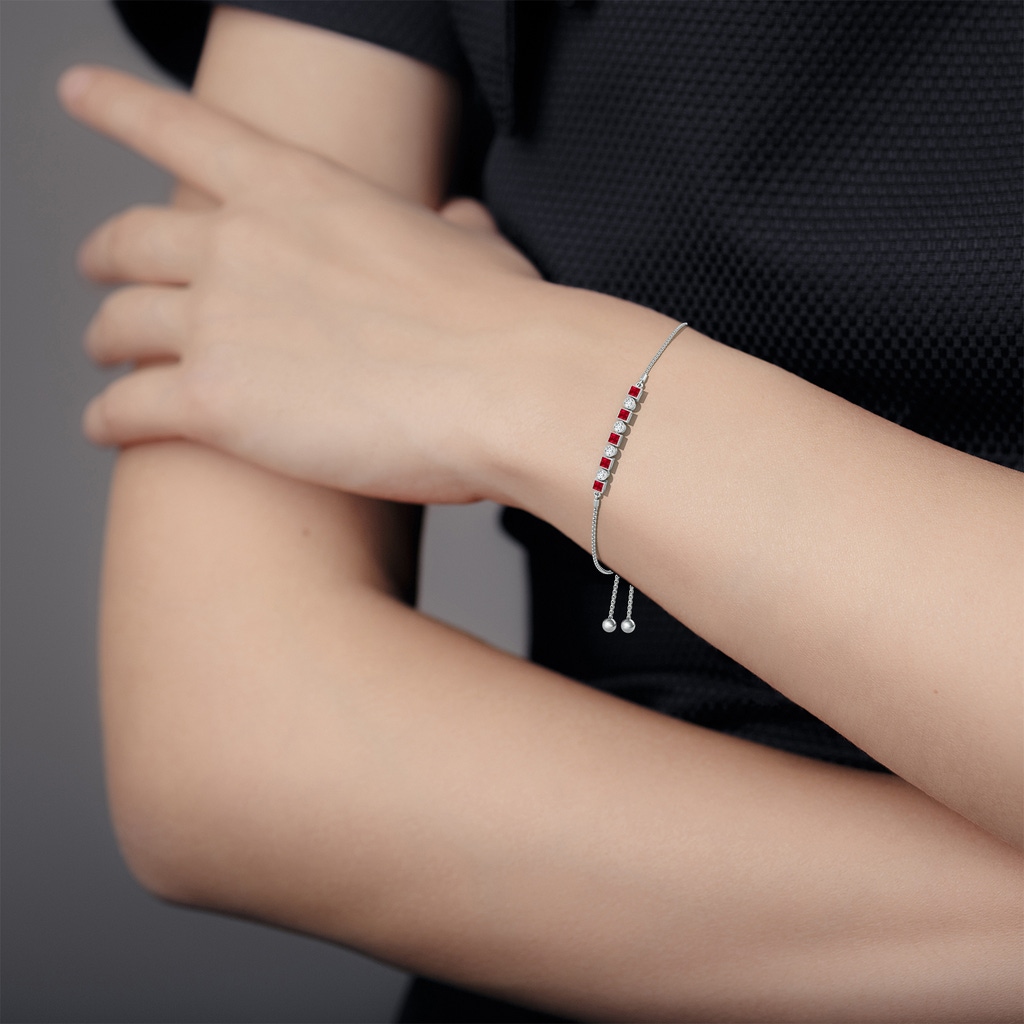
Looking for a simple ruby bracelet? Or do you want a bold, statement piece? Our collection offers ruby bracelets in several stunning designs. From classic ruby tennis bracelets to trendy bolo styles and more, our crimson beauties will ensure the spotlight always stays on you.
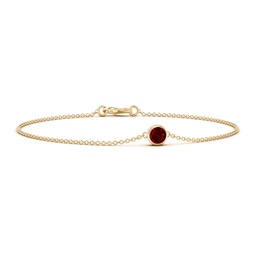
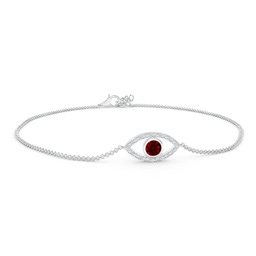
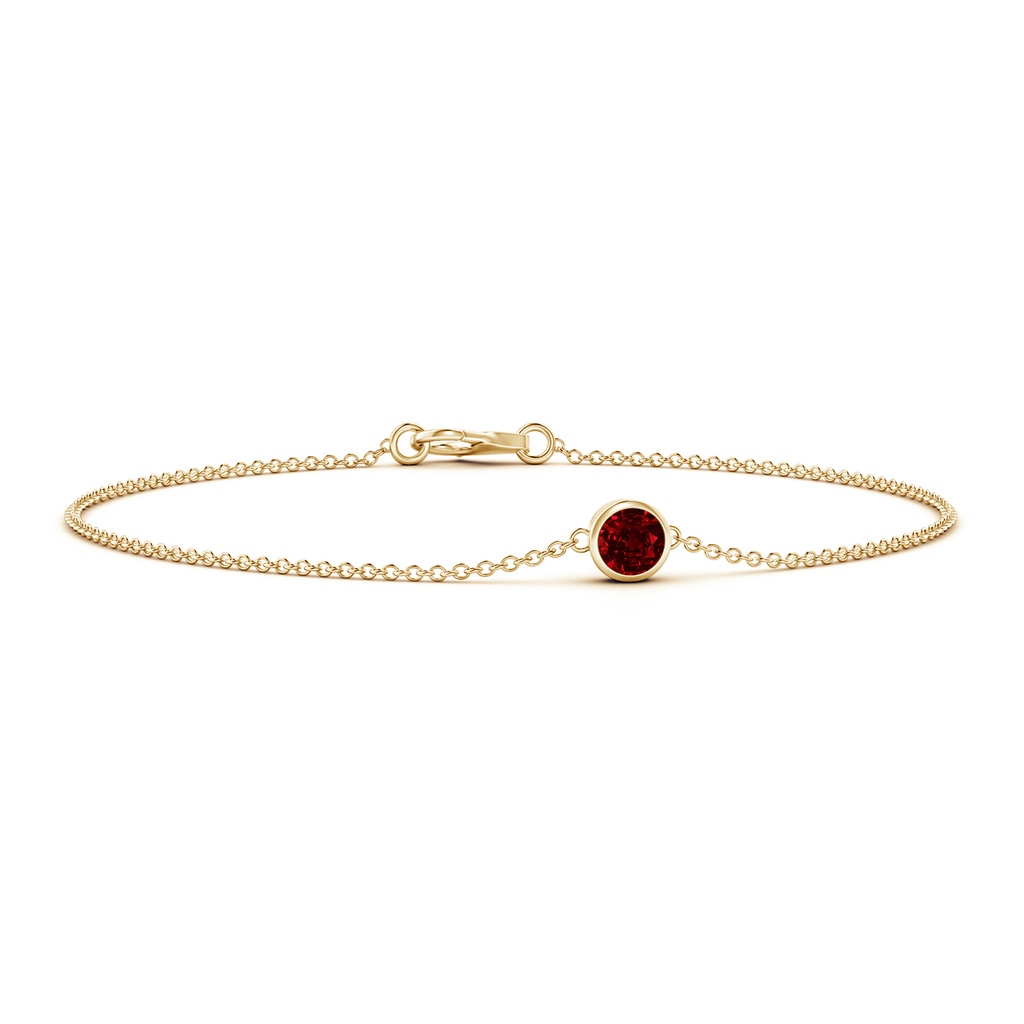
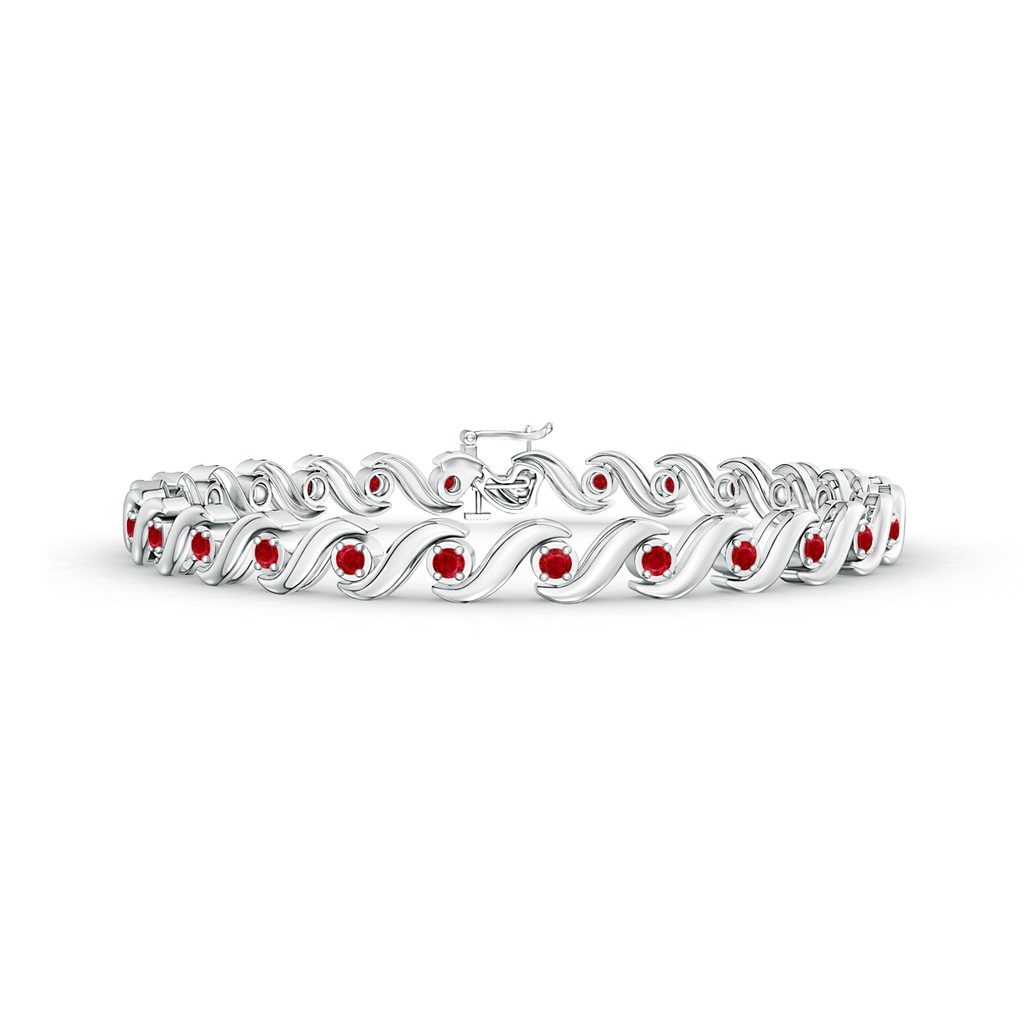
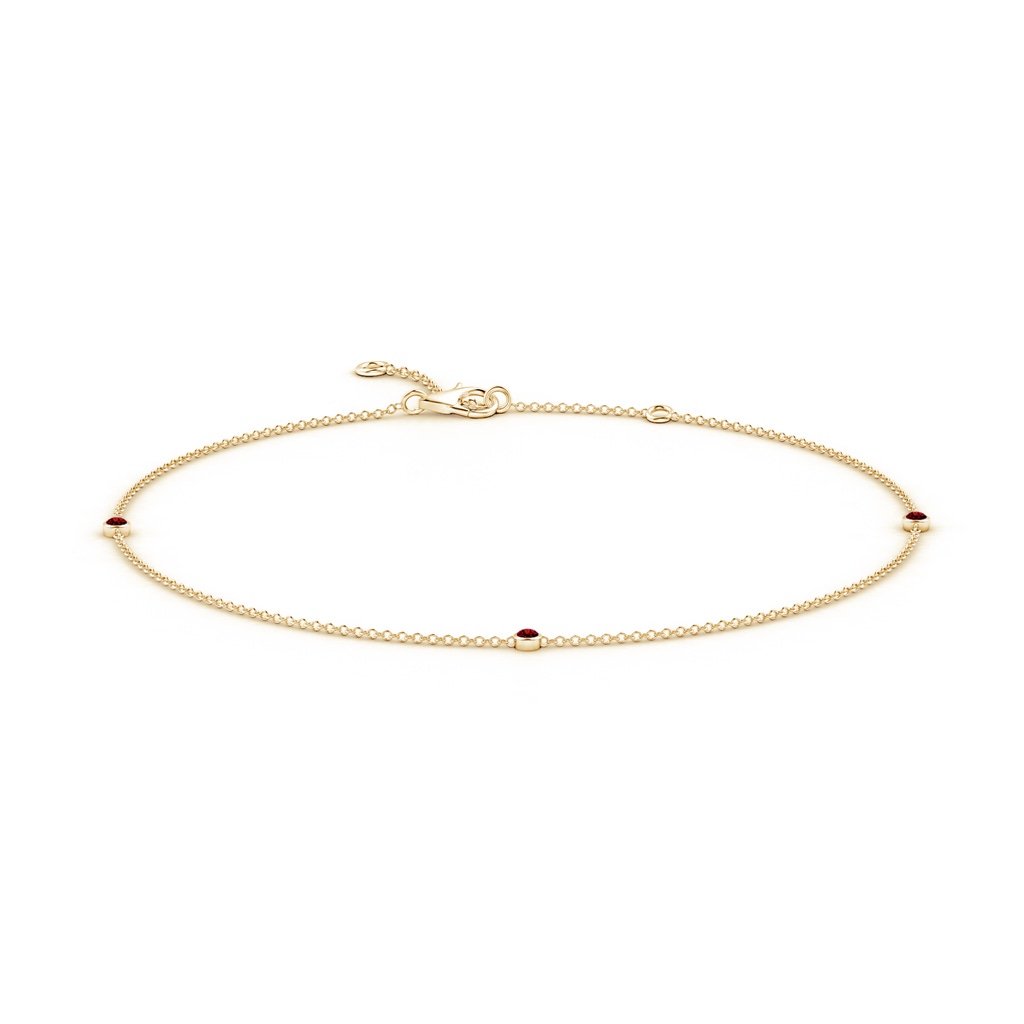
Our ruby stackable bracelets will be perfect for the days when you want to stand out from the crowd. Want something that'll never go out of style? Check out our stunning ruby chain bracelets for a chic look. Prefer making waves with your accessories? In that case, our ruby fashion bracelets will fit right into your collection.
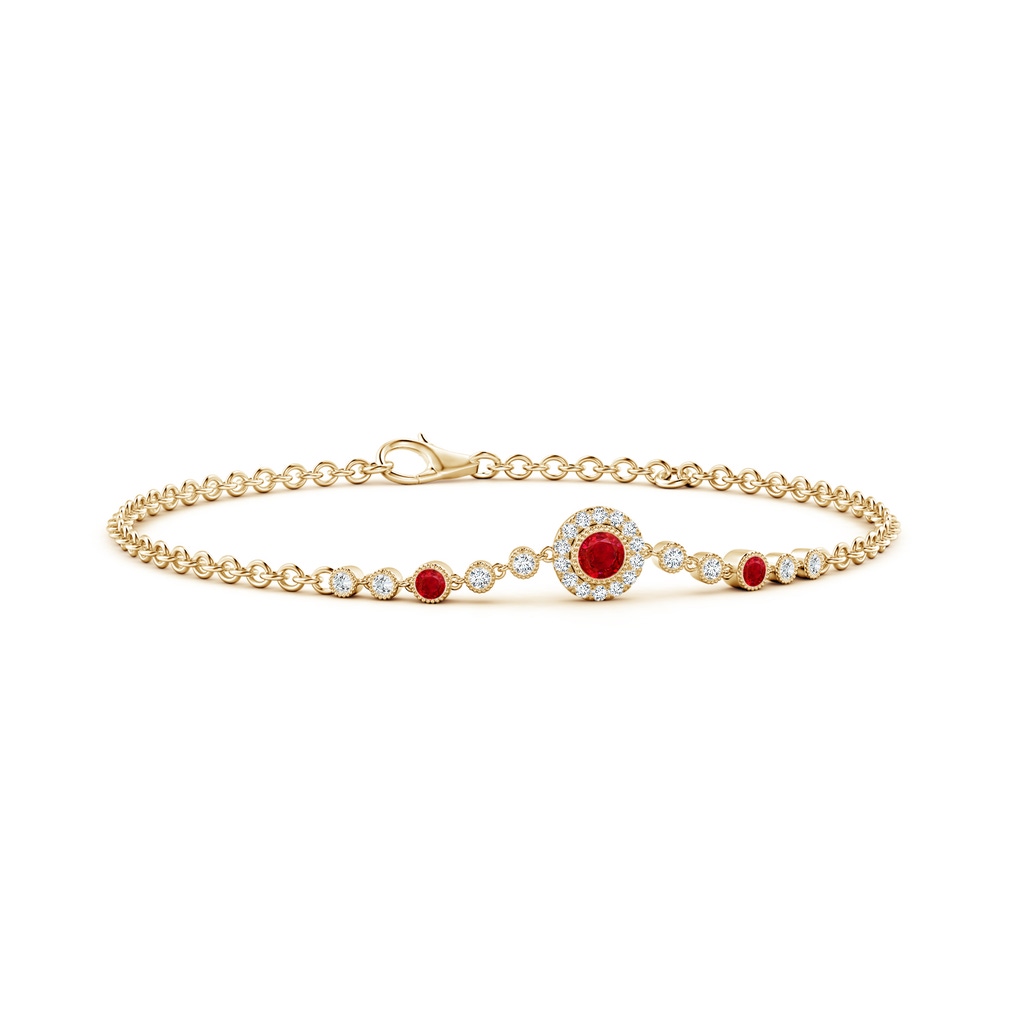
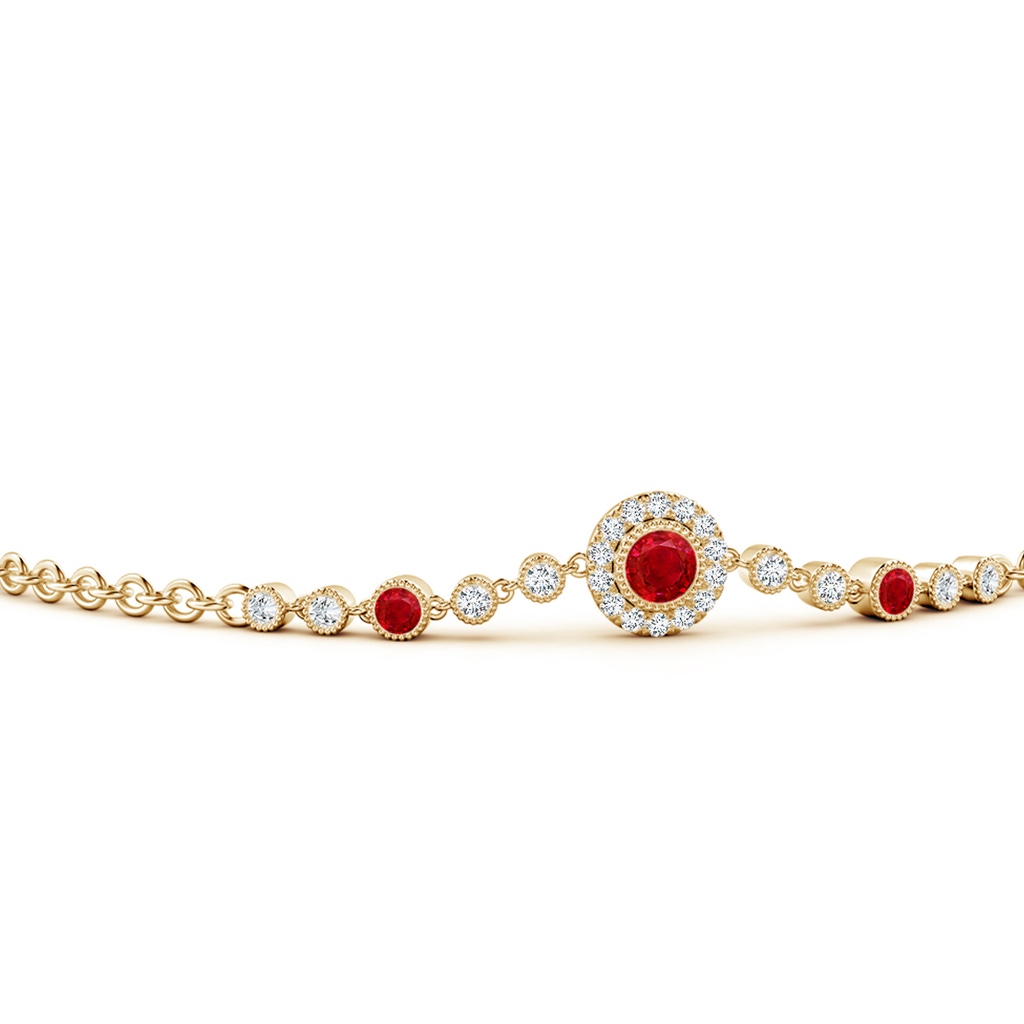
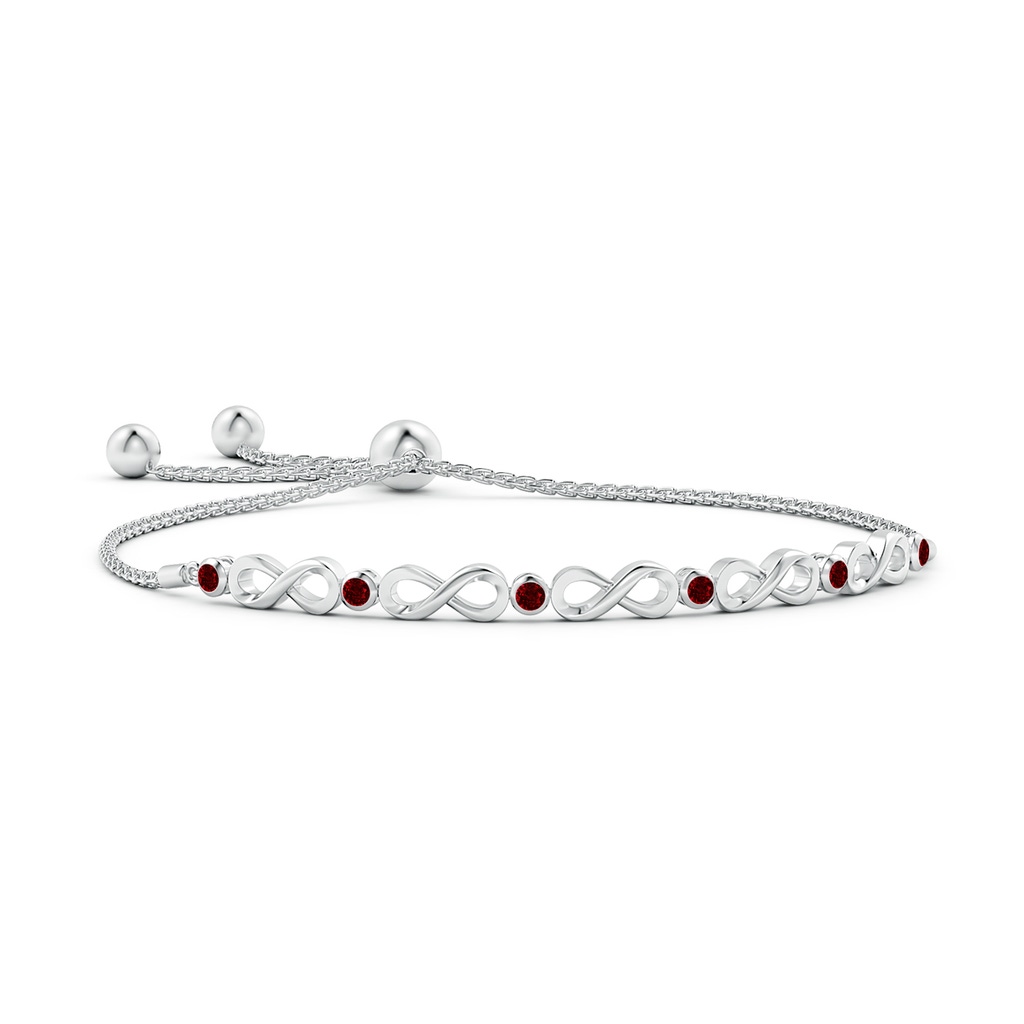
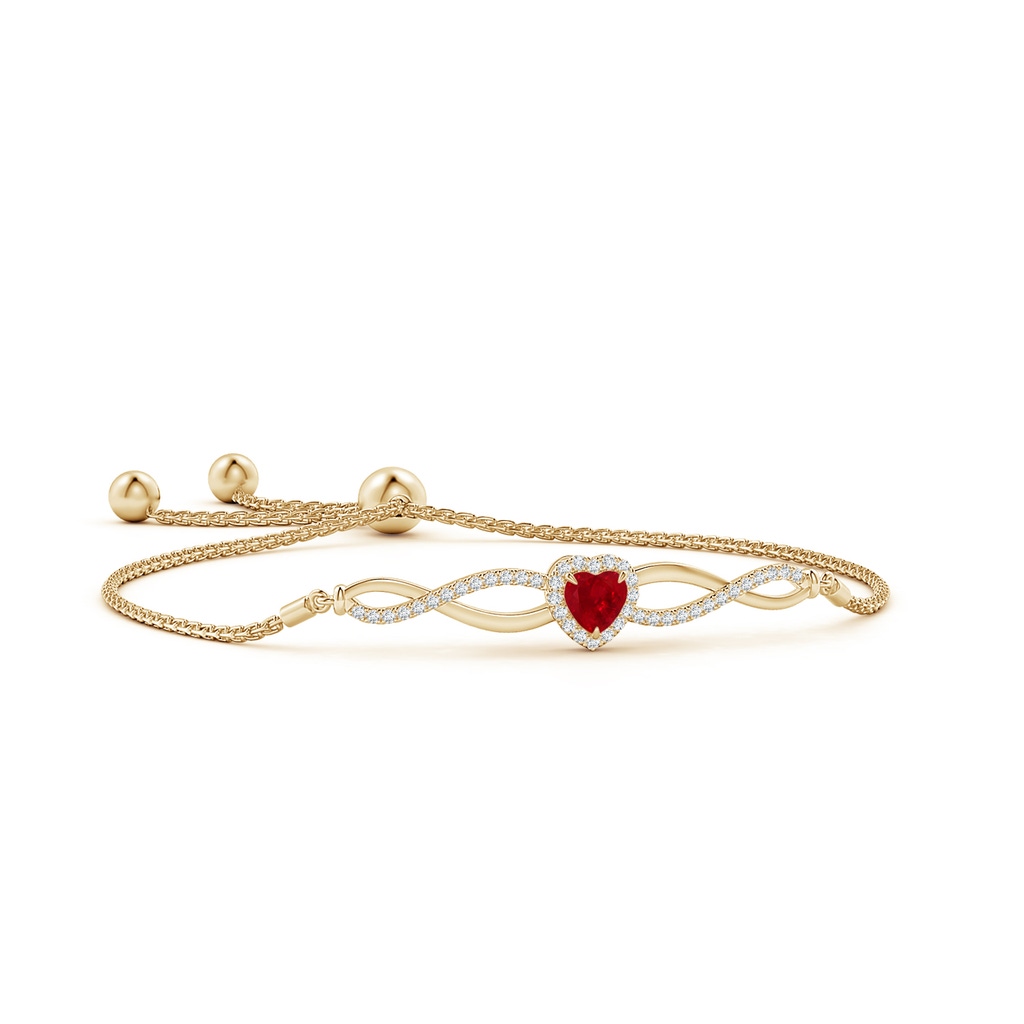
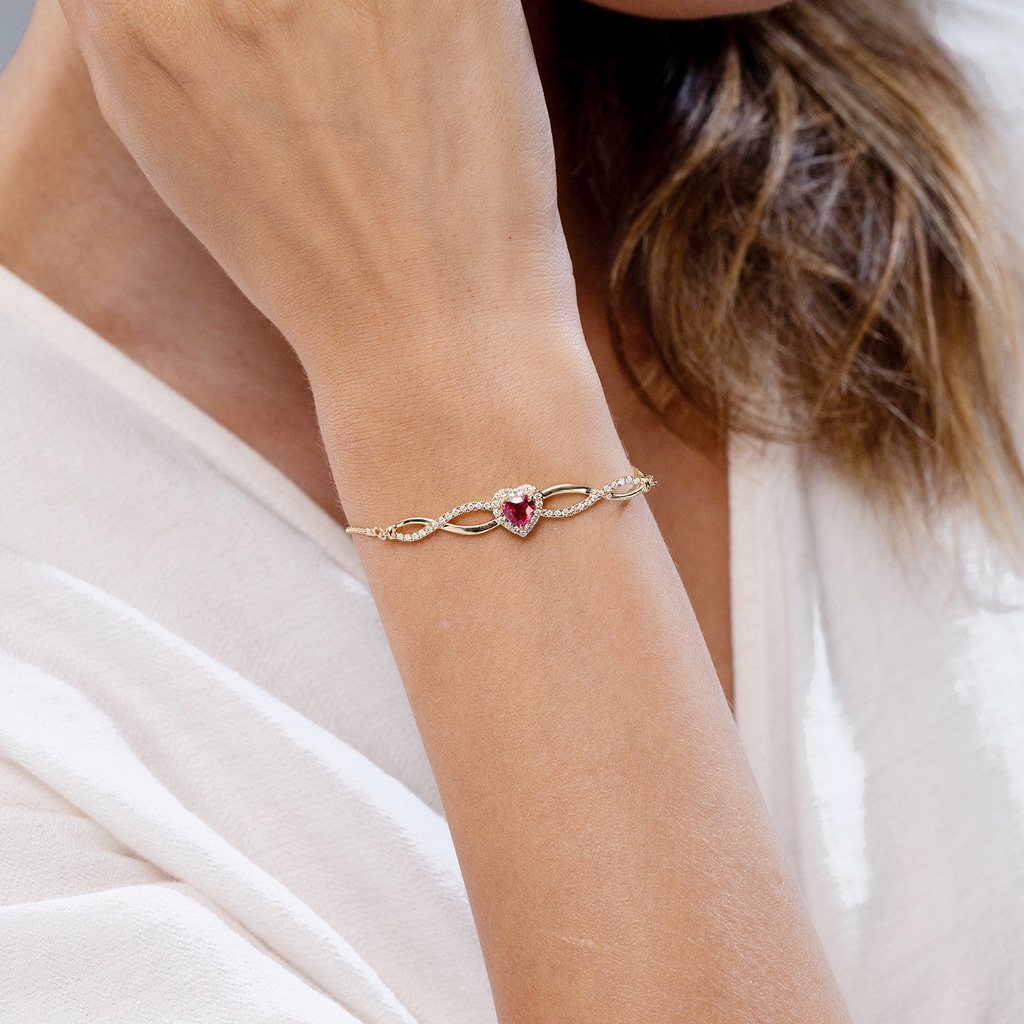
Planning to surprise your sweetheart with a genuine ruby bracelet? Get our beautiful pieces featuring heart-shaped rubies and infinity patterns. Does she adore a touch of bygone charm? Then, our vintage-inspired ruby bracelets are just what you need. Or impress her with a bangle-style dainty ruby bracelet if that's more her style. Wedding bells to ring soon? You can always add a pop of bright red to your look with our bridal ruby bracelets for her.
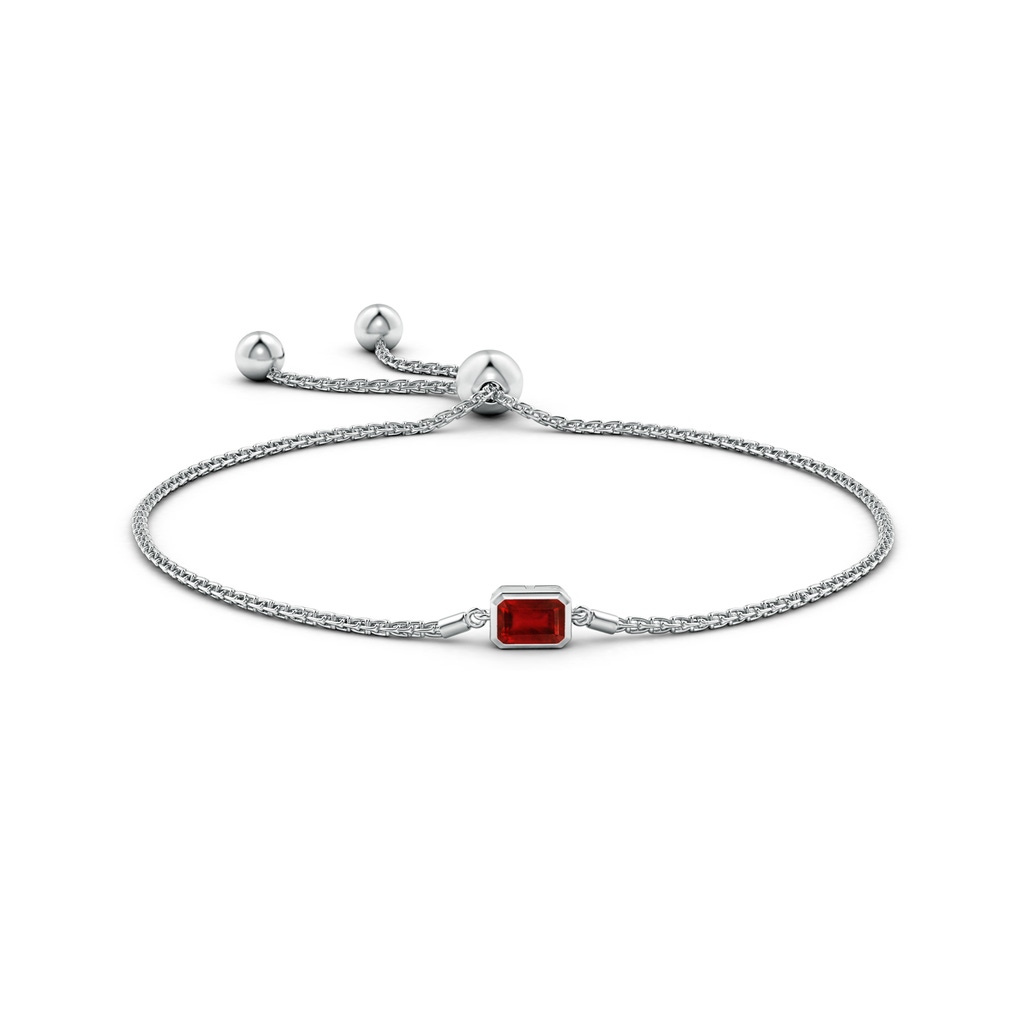
You'll find rubies in a variety of classic and contemporary shapes in our collection. For a timeless touch, pick round ruby bracelets. Or choose an oval ruby bracelet for a blend of classic brilliance and unique style. Prefer a classy and refined look? Opt for our stunning emerald-cut ruby bracelets.
Wish to buy ruby bracelets online without the hassle? Look no further! At Angara, you can easily find your perfect piece from the comfort of your home. Keep reading to know how to shop ruby bracelets online at Angara…
Customized Ruby Bracelets for Women
Do you know what'll truly set you apart from the rest? A personalized bracelet for women from Angara! Don't worry, it's not complicated. Just select your favorite styles and pick the gem quality, carat weight and metal to customize the perfect ruby bracelet for you.
We've got amazing options for silver, platinum and white gold ruby bracelets. These metals work well with ruby and help highlight the gem's color and brilliance. But if you want something modern and beautiful, go with our rose gold ruby bracelets. Our yellow gold ruby bracelets will also make great picks if you're looking for that classic and timeless vibe. In case you can't decide between these, our ruby bracelets in two-tone gold will be your best choice.
When it comes to price, you'll be happy to find plenty of natural ruby bracelets within your budget. We've got everything from affordable options under $1,000 to eye-catching arm candy over $5,000.
Why are you still waiting? Go ahead and buy beautiful ruby bracelets for women now!
P.S. Subscribe now to get notified about when our ruby bracelets are on sale.
FAQs
1. How much is a real ruby bracelet worth?
The value of a ruby bracelet depends on several factors, including the gemstone's quality, carat weight, metal, design and overall craftsmanship. At Angara, we believe everyone deserves the ruby bracelet of their dreams. That's why we have plenty of options under $1,000 as well as truly extravagant pieces that go over $5,000.
2. Why is Angara the best place to buy a ruby bracelet?
Angara specializes in premium diamond, pearl and gemstone jewelry, including ruby bracelets. We offer you a wide range of styles and designs, and our products feature the finest rubies, hand-selected by our GIA-certified experts. We also offer free shipping and a free jewelry gift with every purchase!